Car Around 11.5 Lakh: Buy?


Last Updated on: 26 Oct 2026
 Electronic Stability ControlFully Digital Digital Instrument ClusterPhone-based Satellite NavigationOver the air (OTA) updatesFabric Seat MaterialWith Display Tyre Pressure Monitoring SystemExterior Mirrors Electric FoldDriver's Seat Height AdjustORVM turn indicatorsRear Parking CameraSingle Pane SunroofOver the air (OTA) updatesFront Seat Armrest with StorageCruise ControlORVM turn indicatorsEmergency Brake Light FlashingDriver rear view monitor (DRVM)LED Daytime Running LightsSingle Pane SunroofFollow Me Home HeadlampsAnti-Pinch Power WindowsKeyless Entry with Proximity SensorsWireless Phone ChargingLow Battery WarningSecond Row Seat AdjustmentElectronic Parking Brake with Autohold1-zone Climate ControlLeatherette Seat MaterialPuddle LampsLED headlampsAutomatic HeadlampsSingle Pane SunroofWireless Phone ChargingOver the air (OTA) updatesFabric Seat MaterialDashcamKeyless Entry6 SpeakersRemote Car Lock/Unlock via AppFront Seat ArmrestElectronic Parking Brake with AutoholdDriving ModesOver the air (OTA) updatesFront Only Ventilated SeatsConnected LEDKeyless Entry with Proximity SensorsFabric Seat MaterialSingle Pane SunroofLED headlampsWireless Phone ChargingVoice Assisted SunroofFind My CarSingle Pane SunroofLED headlampsWireless Phone ChargingElectronic Parking Brake with AutoholdDriving Modes6 SpeakersRemote Engine Start/StopFront Only Ventilated SeatsAdaptive Cruise ControlVoice Assisted SunroofBose Branded Music SystemOver the air (OTA) updatesFront Seat Armrest with StorageAuto emergency braking (AEB)Keyless EntryRemote Engine Start/Stop60:40 Rear Seat Backrest SplitLED Daytime Running LightsLane Departure AvoidanceKeyless Entry with Proximity SensorsOver the air (OTA) updatesFront Seat Armrest with StorageSequential Turn Indicators
Hyundai Venue Official Brochure
Download the complete brochure with specs, features, and variants.
Join the Discussions




.jpg?w=640&q=75&fm=auto)



Hi Autocar Team, I am confused between the Hyundai Venue HX5 Turbo MT and the Mahindra XUV 3XO AX5 TCMPFi. I am getting a good offer on the Venue. We have owned a Hyundai Grand i10 Nios for the last seven years without any issues. I like the XUV 3XO for its engine and the additional features it offers over the Venue. However, I also like the Venue because I am familiar with its driving experience and refinement. I plan to keep the new car for at least seven years, so I am looking for trouble-free ownership and a good service centre experience. My spouse prefers the rear-seat comfort of the 3XO, especially its under-thigh support and legroom, but dislikes its boot space. We also expect our family to grow in the coming years, so practicality is important. In terms of performance, I am not expecting a race car at this budget. I want a car with decent power that does not feel sluggish or make highway overtaking difficult. It should also offer reasonable mileage in city traffic and a comfortable ride for both front and rear passengers on city roads and highways. My usage will be around 60% city driving, along with a long drive of approximately 500 km every month. We have already considered other cars, and these two are our final choices. Could you please compare them in terms of ownership costs, maintenance, performance, comfort and reliability? It would also help if you could highlight any notable issues I might face with either car that could affect the driving experience or passenger comfort.

 Mahindra XUV 3XOHyundai Venue
Namaste Autocar Team, I am from Kolkata and am considering two cars within a budget of Rs. 15 lakh on-road: the Hyundai Venue HX7 diesel manual and the Kia Syros HTK+ (O) diesel manual. My monthly running is around 1,500-1,750 km, with a 90:10 split between city and highway driving. I mostly drive in the city, and my 2017 petrol Hyundai i20 is becoming expensive to run. Hence, I am considering a diesel car, although I am not interested in an EV at the moment. Which of these two cars would be a more practical and reliable choice for long-term ownership, considering a 10-year ownership period, service costs, comfort and mileage? I am tempted by the new Venue, but the Syros offers slightly more rear-seat and boot space, which is important for my family of four. I would appreciate your honest opinion and observations.
Kia SyrosHyundai VenueI’ve almost finalised the Hyundai Venue based on its interiors, space, features, and overall looks. However, I’m confused between the 1.0 Turbo MT and 1.2 NA MT. I live in a town where bumper-to-bumper traffic is very rare. We might encounter traffic occasionally when travelling to bigger cities, but we only go on long trips a few times a year. Considering my usage, which engine would be the better choice? 1. What is the real-world mileage difference between the 1.0 Turbo and 1.2 NA? 2. Is the turbo engine significantly more expensive to maintain in the long run? 3. Is the 1.2 NA engine sufficient for a family on highways, especially during overtaking and when driving with a full load? 4. Considering long-term reliability, running costs, and occasional highway trips, is it worth choosing the turbo, or would the 1.2 NA be a more sensible option? I’m really confused between these two variants. Please share your real-world mileage and long-term ownership experience. Your suggestions would really help me make a final decision. Thanks in advance!
Hyundai VenueI am confused between the Hyundai Venue HX5 diesel AT and Mahindra XUV 3XO AX5 diesel AMT. Which one should I choose?
Hyundai VenueMahindra XUV 3XOHi Autocar, I am planning to buy a new car and have test-driven several models. I have narrowed my choice down to the Skoda Kushaq 1.5 Monte Carlo and have already booked one. I currently own a Hyundai Venue 1.0 Turbo manual. Most of my driving is within Chennai city, and I will primarily use the car for my office commute, around 25km each way. Both the morning and evening drives involve moderate to heavy traffic, with frequent crawling movement. My main concern is the DSG gearbox and its behaviour in heavy traffic. I have read about potential heating issues with DSG transmissions during prolonged stop-and-go driving, and I am wondering whether this should be a significant concern for my usage. Should I reconsider the Kushaq 1.5 DSG and look at another car instead? I really like the performance of the 1.5-litre Kushaq, and it feels like a genuine upgrade over my current Venue. However, the concerns around the DSG in heavy city traffic are making me hesitant about going ahead with the purchase. Could you please advise whether the Kushaq 1.5 DSG would be suitable for my usage, particularly from a long-term ownership perspective?
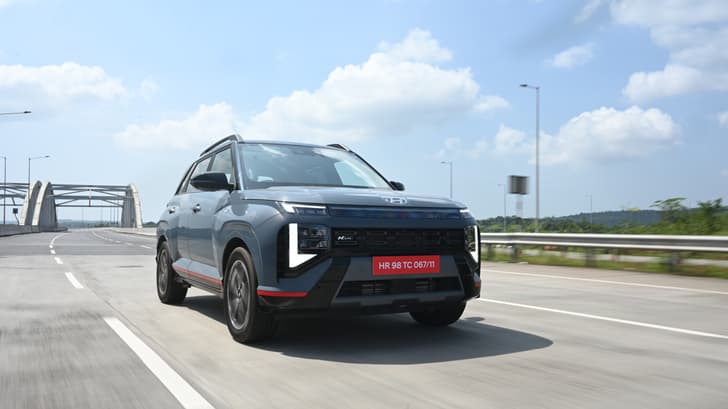
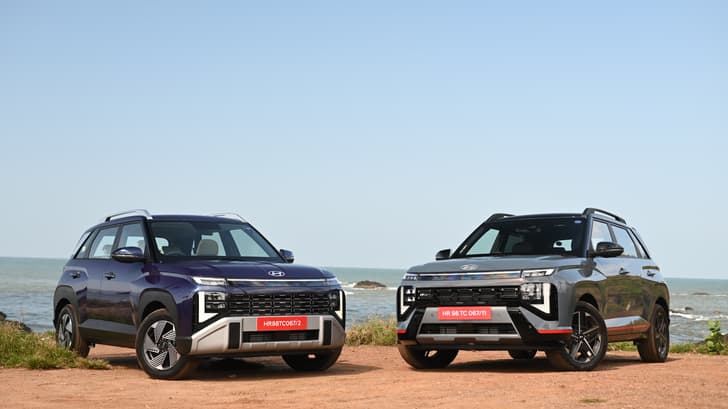
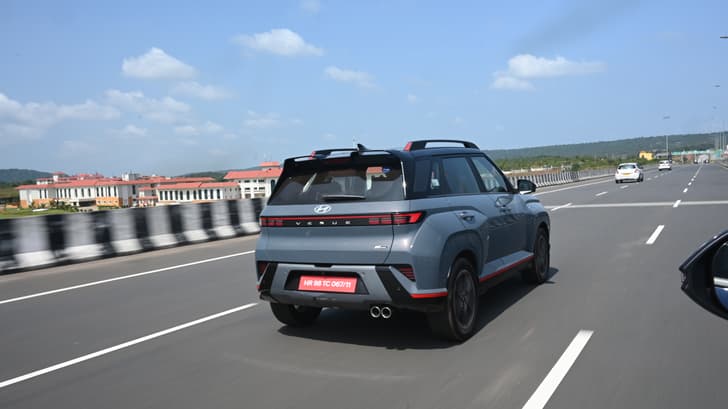
Skoda KushaqHyundai VenueThe Hyundai Venue N-Line sits above the standard Venue top model in the line-up.