



Last Updated on: 18 Jun 2026
Hyundai Venue User Reviews
Tell us about your experience
Hyundai Venue service cost is on the higher side, but the quality of service is good.
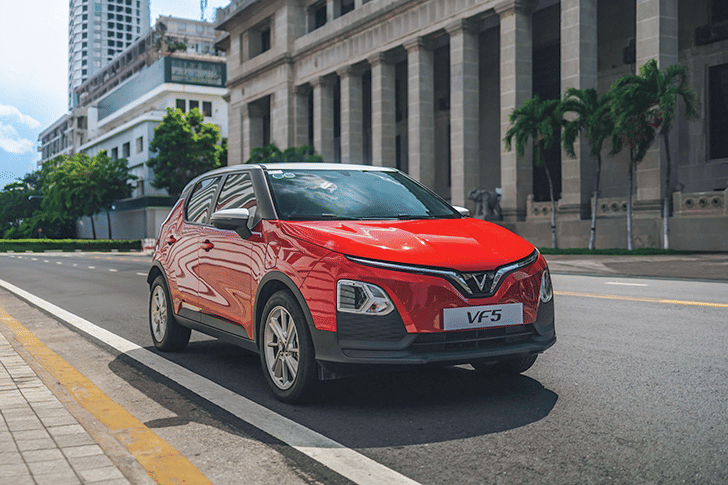
I bought a Vinfast7 and within the last 11 days, the car broke down twice.
The Hyundai Venue HX10 offers unmatched cabin feel compared to competitors. Hyundai service is also superior to others.
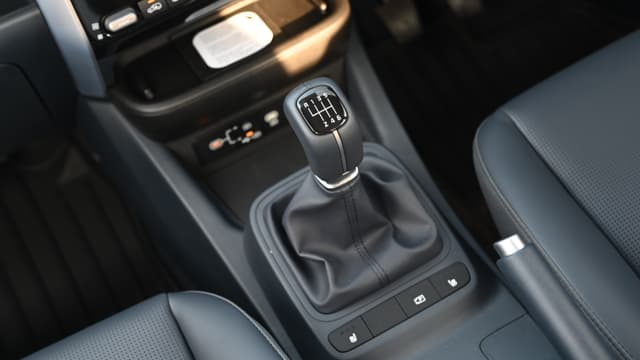
I had a problem with the iMT actuator using the car battery on my Hyundai Venue. My battery died in March 2020, but after changing it, the problem was solved. Check your battery if it's weak.
The Venue is a good choice if you are looking for a turbo petrol engine.
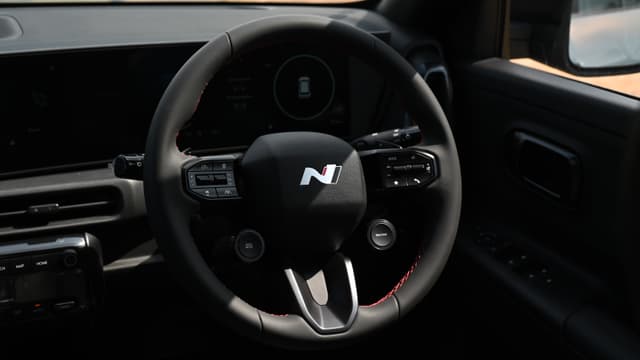
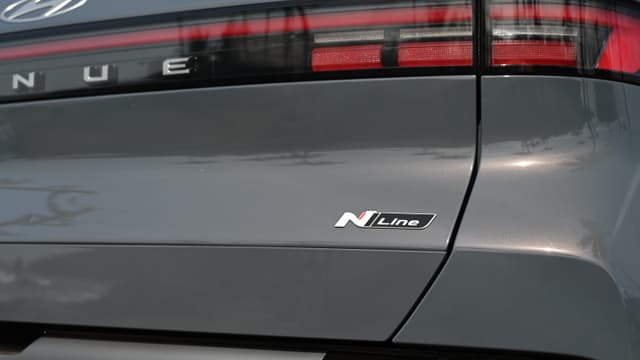
The Hyundai Venue N10 (N Line) with Turbo DCT is an excellent car.
Test drove the Venue. It was okay but didn't stand out much.
Hyundai Venue is a better choice.
The Hyundai Venue 1.2 litre is disappointing as it neither provides good mileage nor performance.
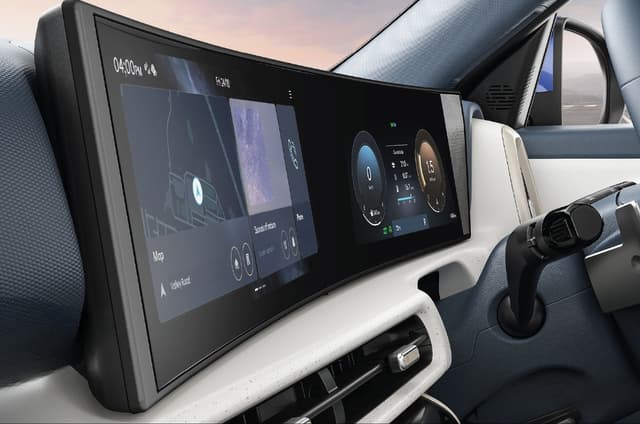
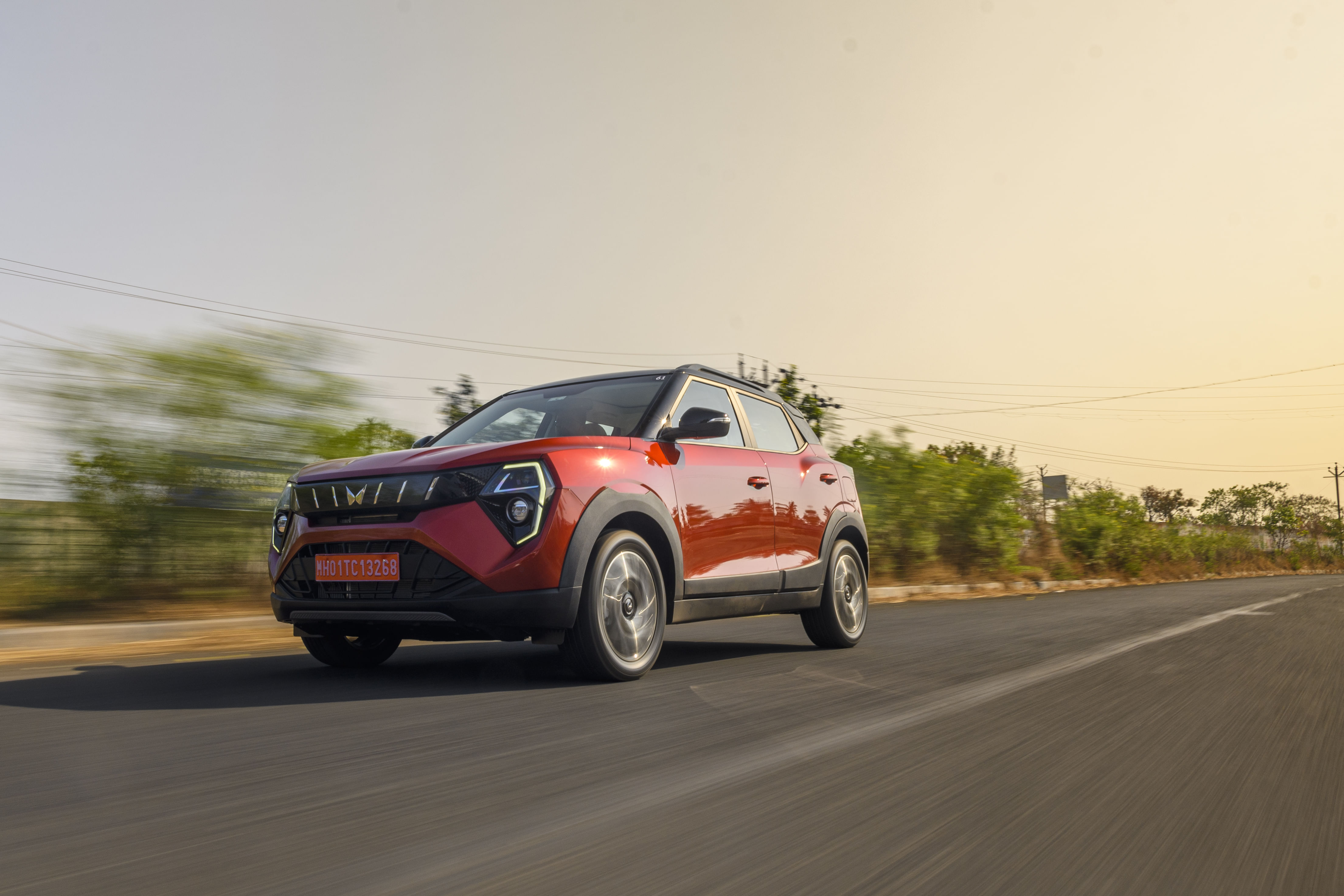
The Hyundai Venue HX10 DCT offers a smoother ride with ventilated seats and a premium, luxurious interior. The integrated screen gives a modern look to the interior, which I prefer over the traditional feel of the 3XO.
Hyundai Venue Expert Reviews
We like
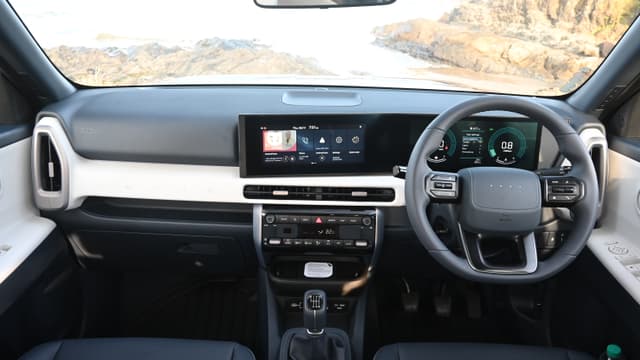
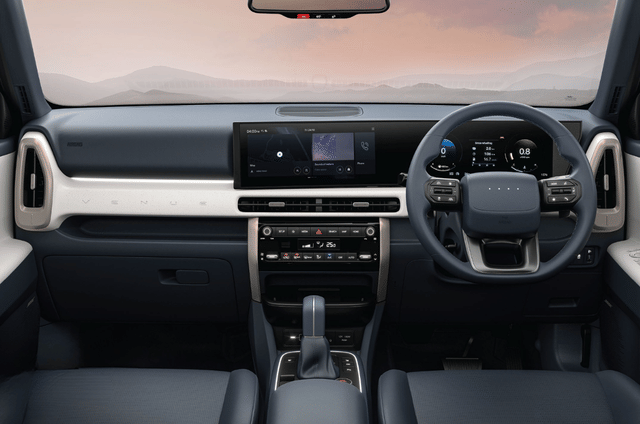
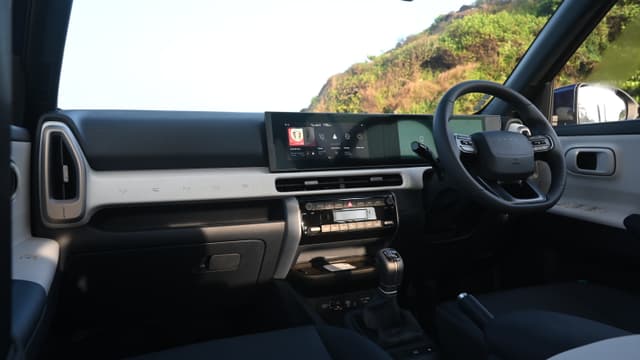
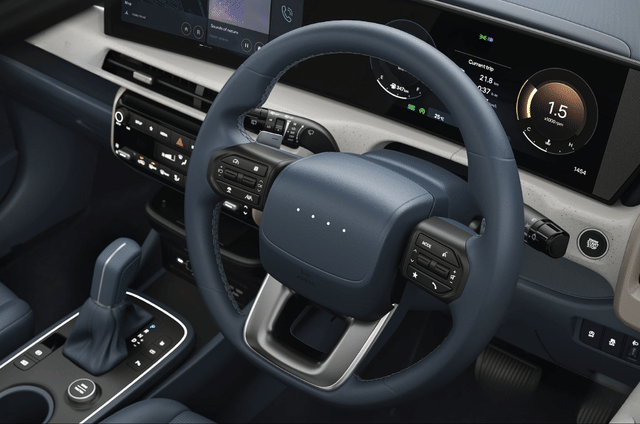
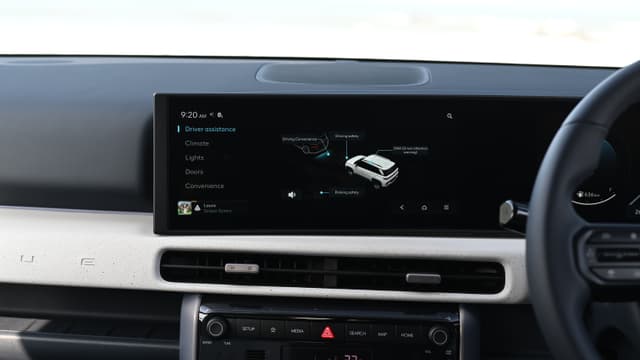
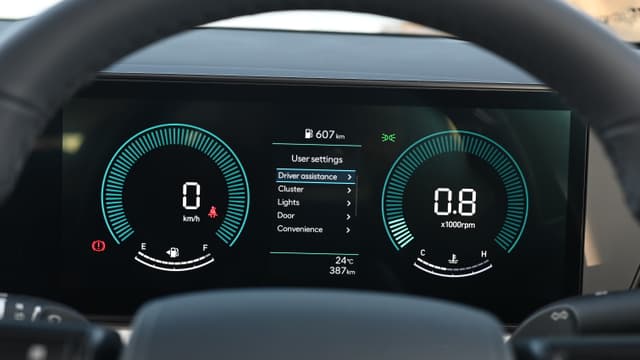
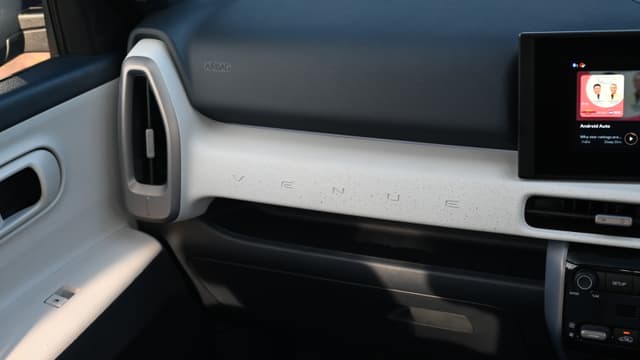
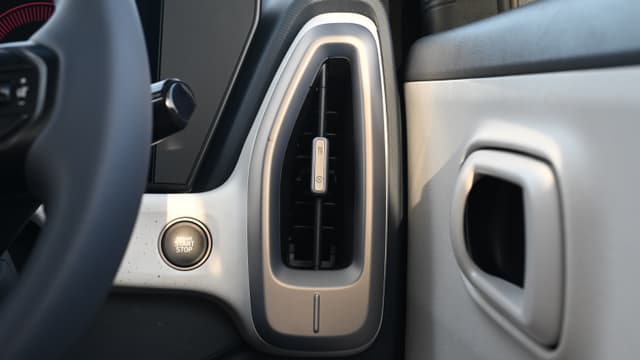
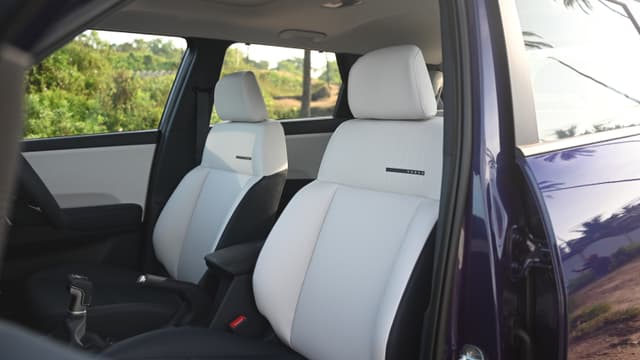
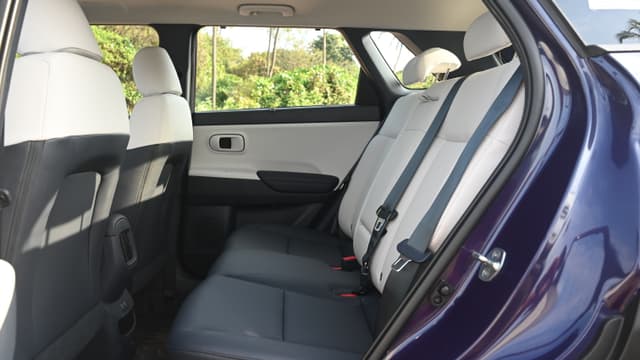
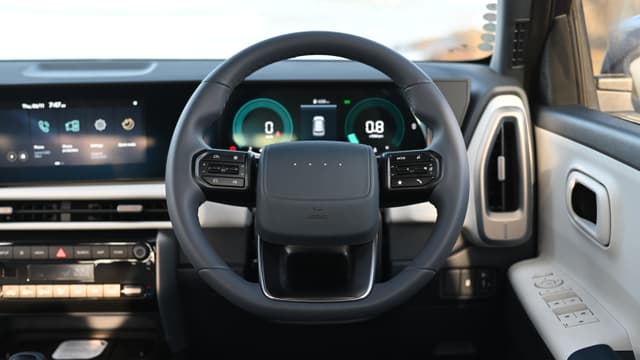
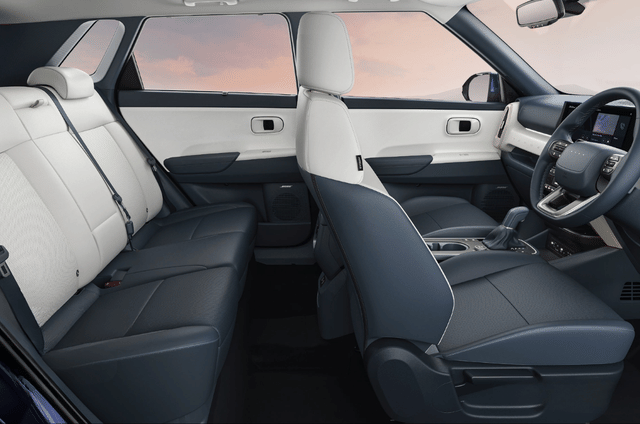
Cabin looks and feels premium
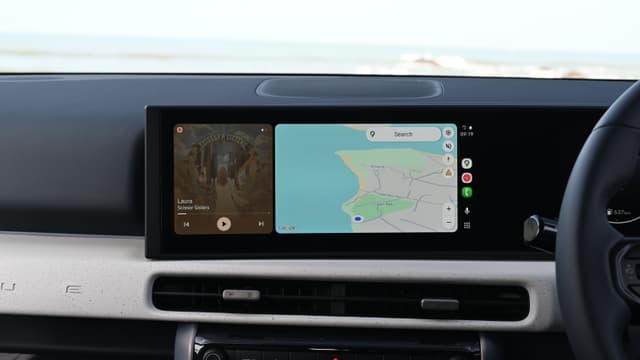
Slick infotainment system
Refined diesel and smooth auto combo.
We don't like
Ride still has an underlying firmness
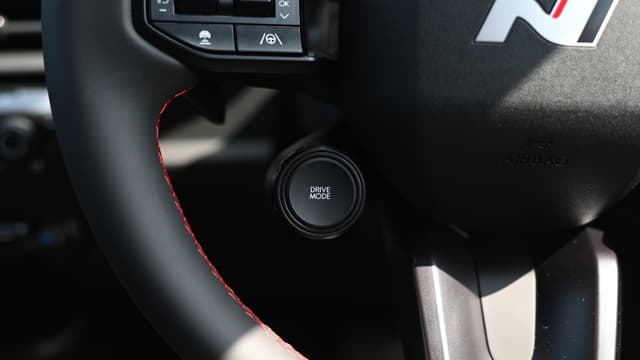
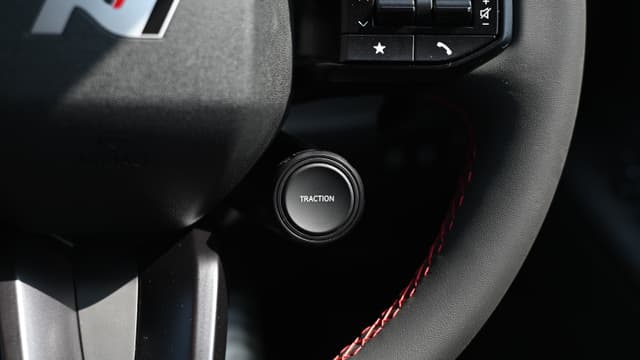
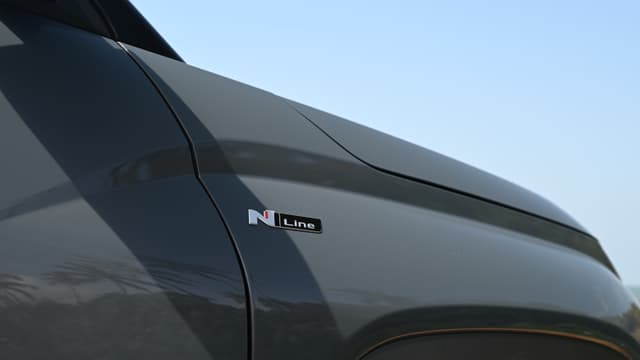
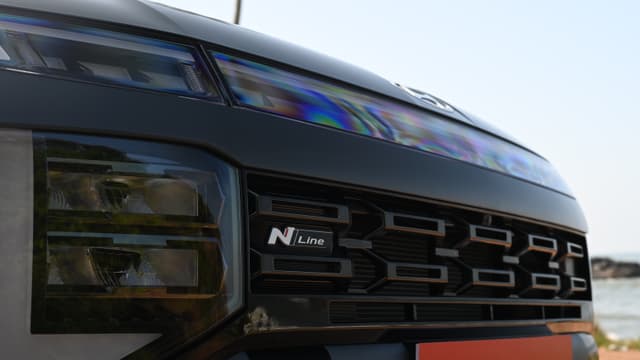
N Line mechanically identical to standard version.
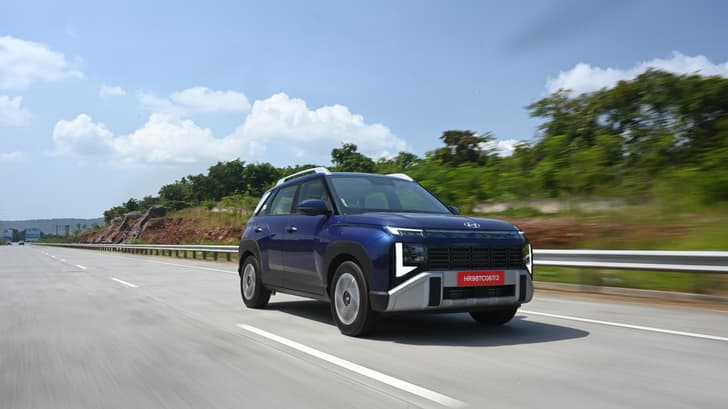
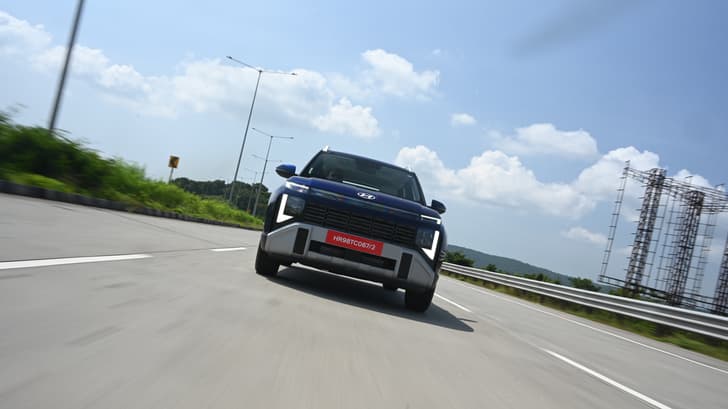
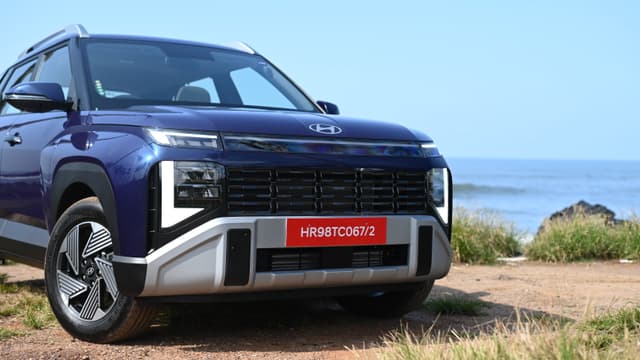
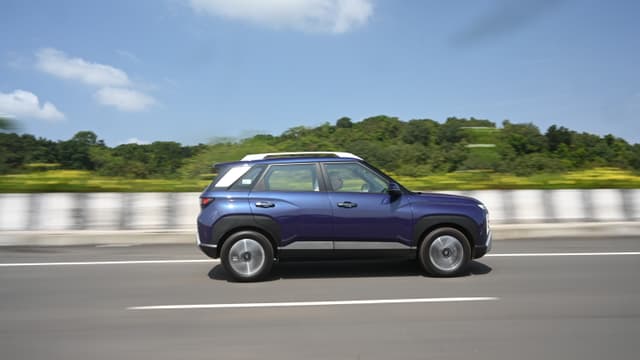
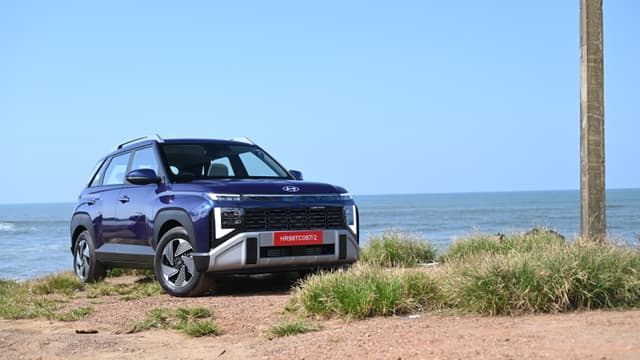
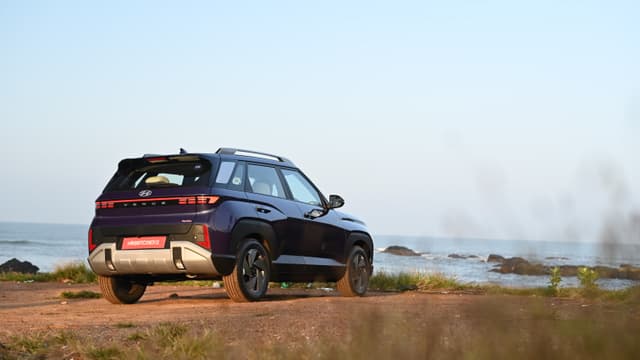
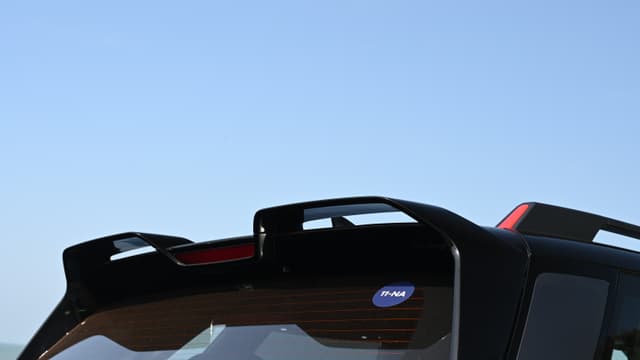
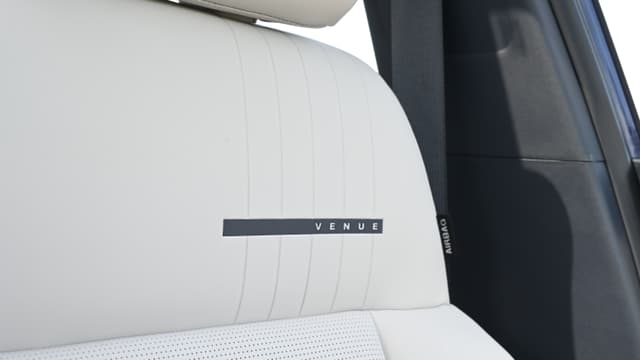
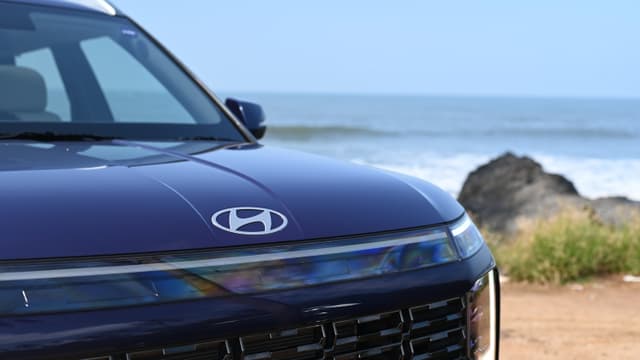
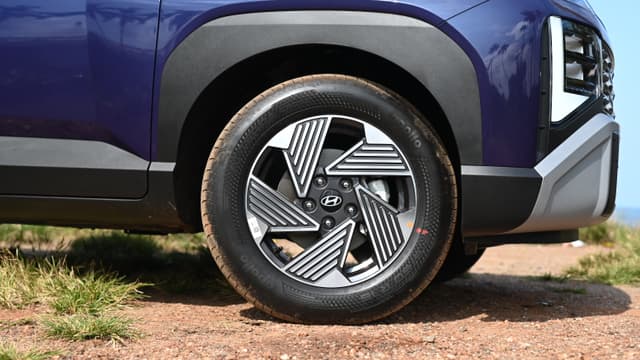
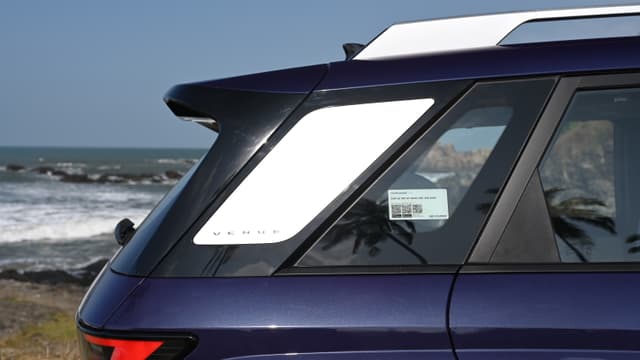
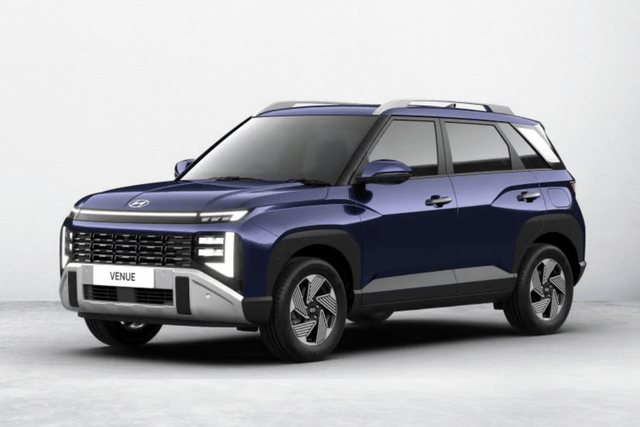
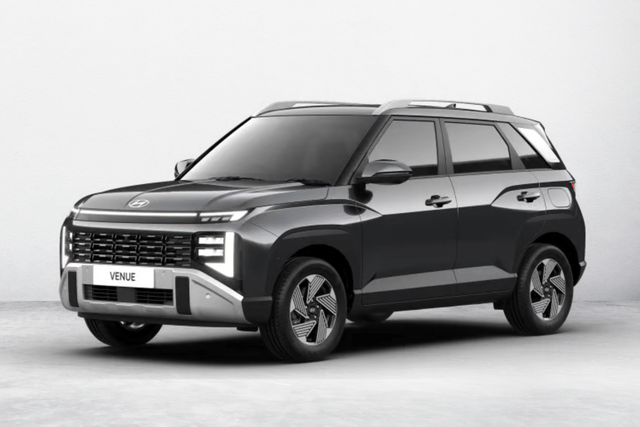
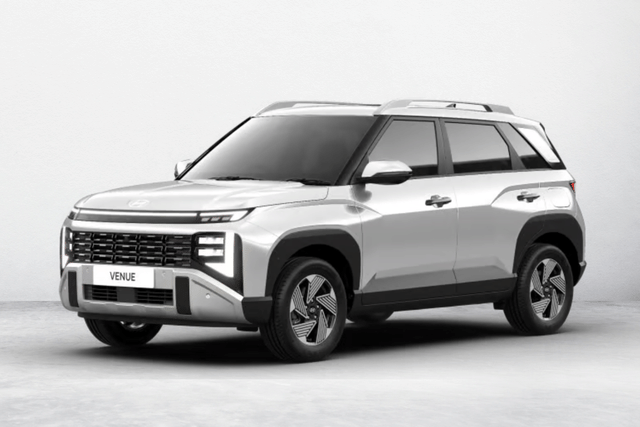
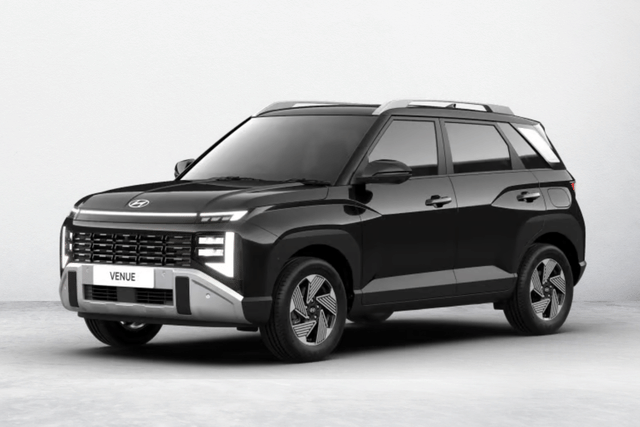
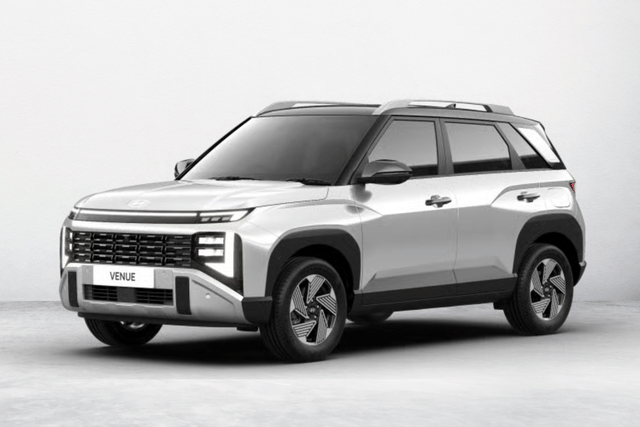
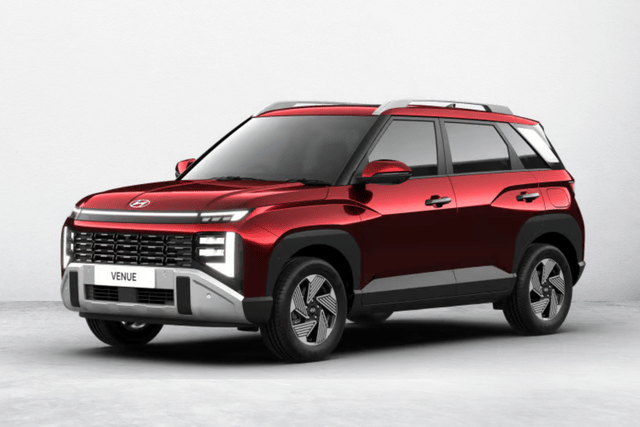
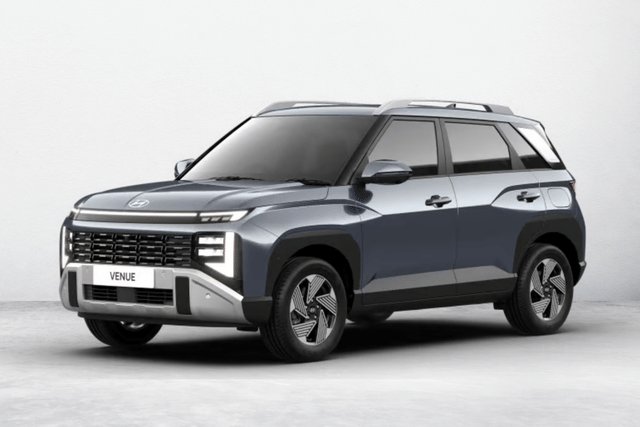
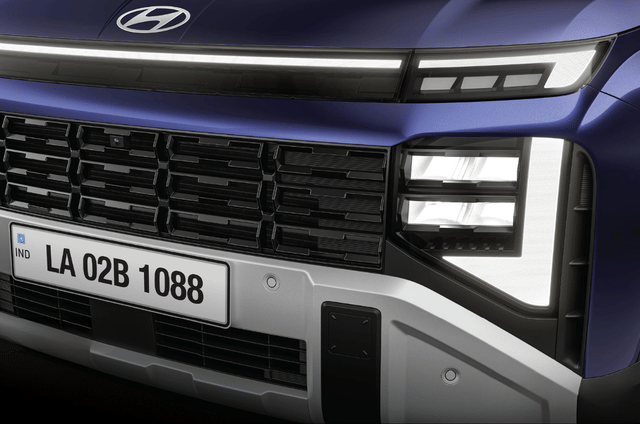
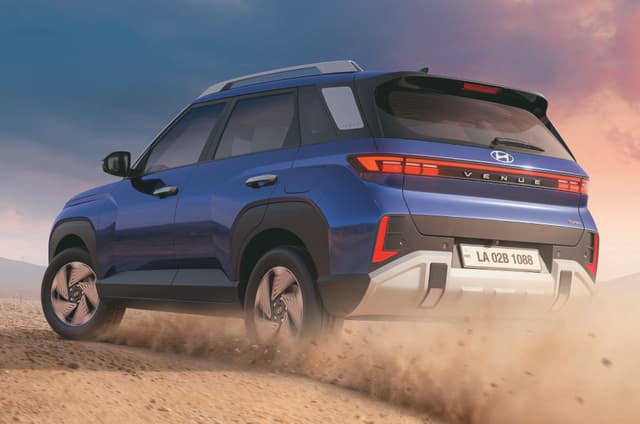
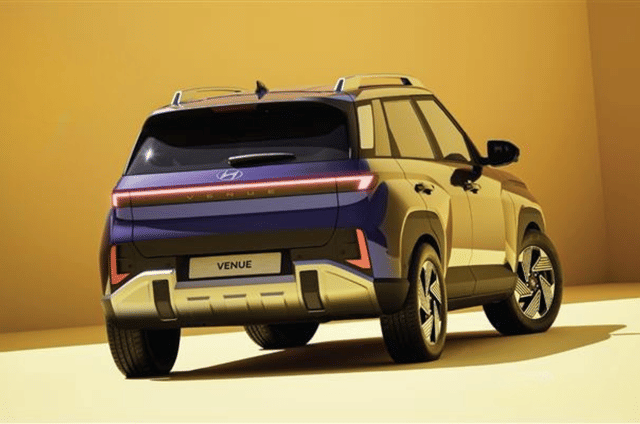
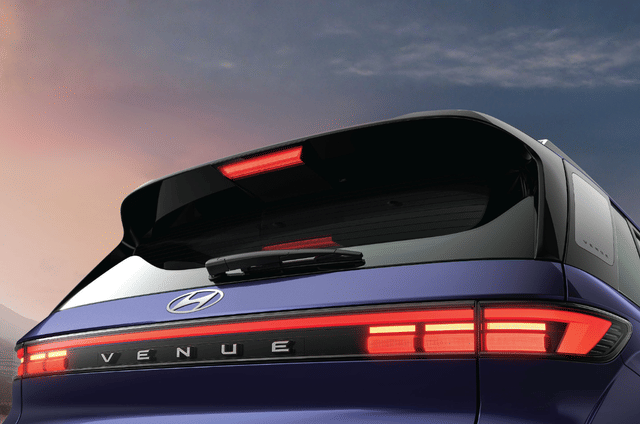
Hyundai Venue Images
Questions you may find useful
I’m looking to buy a car for my father, who does not have extensive experience driving in city traffic. My priority is a smooth and easy-to-drive automatic car with good visibility, light steering, and comfortable driving dynamics. My budget is around Rs. 10-15 lakh on-road. So far, I have shortlisted the Hyundai Venue HX5/HX8 DCT and the Skoda Kylaq Automatic. Are these good options, or are there any other cars in this price range that I should consider?
The Skoda Kylaq Automatic would be the recommendation here. For an older driver who is relatively inexperienced in city traffic, the Kylaq's torque-converter automatic is a major advantage. It is smoother and more predictable than a dual-clutch transmission in stop-start conditions, while the light steering, good visibility and compact dimensions make it easy to manoeuvre. The higher seating position also inspires confidence and makes getting in and out easier.The Hyundai Venue DCT is a good SUV, but if ease of use is the priority, the Kylaq's torque-converter automatic is the better fit. DCTs work best when driven smoothly and can occasionally feel less natural in heavy traffic than a conventional automatic.
I want to purchase an SUV, and my budget is 15 lakhs maximum. My daily drive is around 10-15 kms in the city, and occasionally I go out of the city, like once in a quarter, and that too, maximum up to 300 kms. The vehicle should give decent mileage. It should be safe as well. Kindly suggest a few options.
Go for the Hyundai Venue. Given your limited usage, there's no need to spend extra for the diesel engine, and either of the petrol engines should be sufficient. The 1.2-litre engine is perfect for your largely city use, with sufficient power and a light clutch and gear shift. However, for your highway trips, it might feel underpowered, and in that case, the 1.0-litre turbo-petrol is a better bet, and even comes with a DCT automatic option. However, this engine isn't as fuel-efficient as the 1.2.Being one of the newest SUVs in the compact segment, the Venue comes with the latest tech, high-quality interiors, good space and good comfort too. With your budget of Rs 15 lakh, you can go up to the HX8 variant, which has a lot of features and tech. This includes safety features, and you'll be reassured by the fact that it has scored 5 stars in Bharat NCAP's crash tests. The only downside is that it's not particularly exciting to drive compared to some rivals.Speaking of which, alternatives include the Tata Nexon and Mahindra XUV 3XO, which have also scored 5-star NCAP ratings, but aren't as fuel-efficient as the Venue. Or conversely, the Maruti Suzuki Brezza and Fronx, which are more fuel efficient, but haven't yet been tested by Bharat NCAP or Global NCAP. Overall, we think the Venue is the best bet for you.
I am planning to buy a new car with a budget of around Rs. 12 lakh. I am confused between the Tata Punch EV (40 kWh), Kia Sonet, Maruti Suzuki Brezza, Skoda Kylaq, and Mahindra XUV 3XO. Could you please suggest the best option for my daily usage? At present, I own a Maruti Suzuki Ertiga, and my monthly running is approximately 3,100 km. My primary concern is reducing my monthly running costs. Considering my usage pattern and priorities, which car would you recommend?
For your relatively high running and goal of reducing running costs, a diesel is probably your best pick. At 3,100 km a month, diesel will cut your per-km cost far more than petrol, and you can get a well equipped manual within Rs. 12 lakh within your shortlist. The Mahindra XUV 3XO diesel and Kia Sonet diesel are booth good options. Bear in mind, however, that you will have to take a few extra steps for diesel engine maintenance, such as occasional Adblue top-ups and high-speed runs to regenerate the DPF.The XUV 3XO has the stronger engine, more spacious cabin and comfier suspension, whereas the Kia Sonet offers better mileage, interior quality and refinement. Another good option is the Hyundai Venue diesel, which is the best all rounder, and offers a fair mix between the XUV 3XO and Sonet. However, it is more expensive, and you will have to stretch your budget slightly to get some features.The Brezza is a good option too, but there is no diesel, and while you can opt for CNG, you will experience a power deficit in the process. Downsides of CNG include long waits at the pump, and a CNG tank that compromises boot space. If you are fine with this, it's a good alternative, but bear in mind, there is a facelift of the Brezza coming out soon, so it might be worthwhile waiting for that.The Punch EV 40kWh would be the absolute cheapest to run, but will push the limits of your budget and only makes sense if you have home charging. All considered, the XUV 3XO or Sonet diesel are your best options.
I am planning to buy an automatic SUV for my daily commute. However, I am confused about which variant would be the better choice, especially in terms of long-term service and maintenance costs. I have test-driven the Hyundai Venue DCT and the Nissan Magnite CVT. Could you please guide me on which would be the better option for my usage and whether a CVT or a DCT would be more suitable in the long run? Thank you.
Pick the Magnite CVT if your life is mostly in city traffic and you want the easier, cheaper long-term option. A CVT suits stop-go better than a DCT, so you get smoother crawling, fewer jerks, and no clutch heat or wear to worry about. Over years, that usually means fewer big bills. Nissan’s 1.0 turbo with the CVT is calm in traffic and, driven gently, can sip less fuel than a DCT in the city. Routine service costs on the Magnite are also quite reasonable, and parts aren’t pricey.The Venue DCT is the quicker, nicer-feeling one when you push it, and Hyundai’s network is wider, but a DCT in heavy traffic can feel a bit snatchy, can run hot, and is simply more complex. Out-of-warranty clutch or mechatronics work will hurt your wallet more than anything you’re likely to face on the CVT.One honest catch with the Magnite CVT: when you floor it, the engine drones and it isn’t as quick for sudden highway overtakes as the Venue DCT. Also check how close your nearest Nissan workshop is. If your use is 90 percent city and you’re watching long-term costs, the Magnite CVT is the safer bet.
I am planning to buy the Hyundai Venue 1.0L DCT. I have received mixed feedback regarding the DCT transmission. Some people say that DCT gearboxes are prone to overheating in heavy traffic. Is this issue a deal-breaker, or can I continue with my purchase assuming Hyundai has made it sufficiently robust over time?
Not a deal-breaker for most buyers, so you can go ahead with the Venue 1.0 DCT if your driving is a mix of city runs and some highway. Hyundai’s current DCT in the Venue has been updated over the years with better software and cooling, and in normal Indian traffic, it works smoothly and shifts quickly, which makes the 1.0 turbo feel lively and easy to drive.The worry is only in very slow, stop-start crawls for long stretches, especially in hot weather or on steep ramps. This dry-clutch automatic does generate heat if it’s slipping the clutch for ages, and you may see a temperature warning asking you to pause. It’s rare, but possible. If your daily grind is 60-90 minutes of bumper-to-bumper crawling every day, this could be problematic. However, if it involves flowing traffic with only minor jams, the DCT will cope just fine.If you are looking for alternatives, both the Skoda Kylaq and the Maruti Suzuki Fronx turbo come with torque converter autos that cope better while crawling in traffic.
Similar Car Reviews
Still Confused? Ask AutoCar Experts
Get answers to your queries from our team of experts.