


video|23 Jun 2026
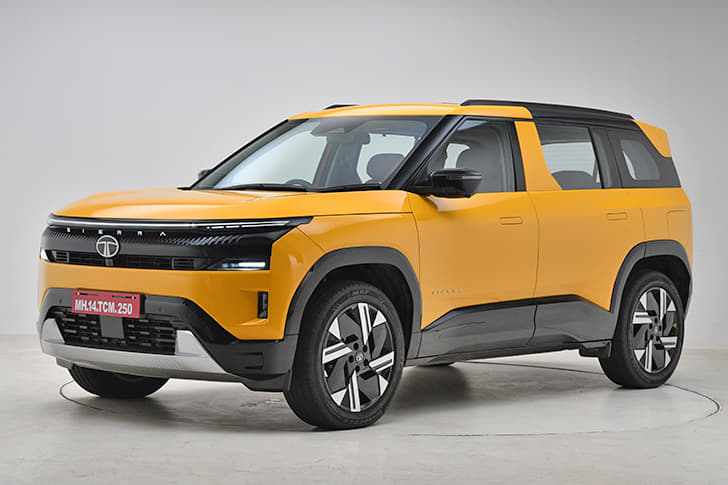
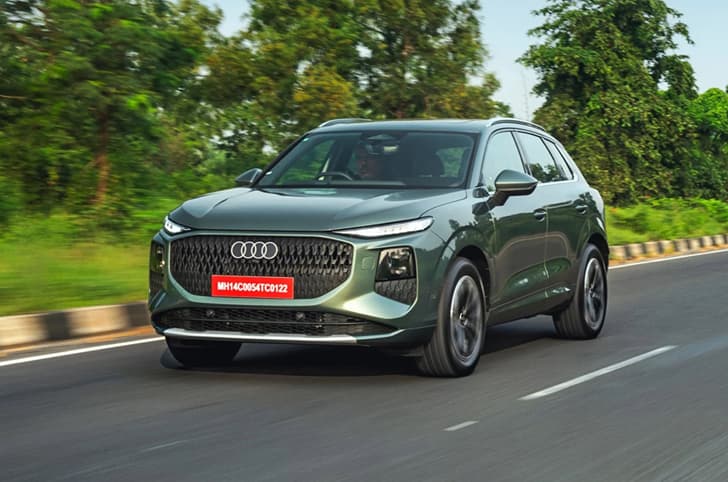
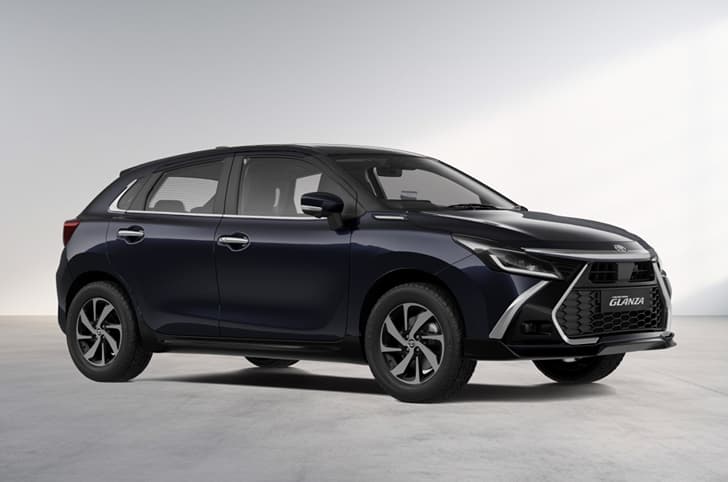
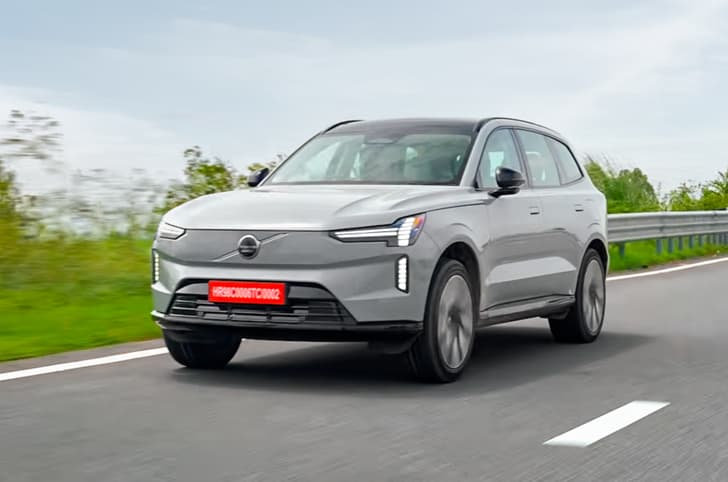
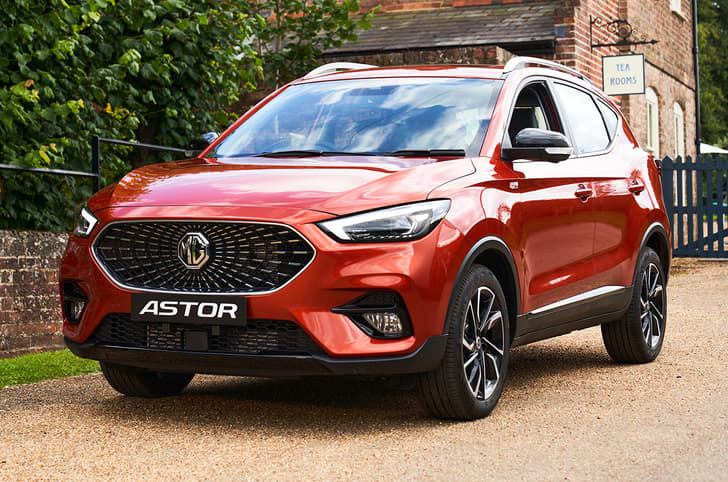
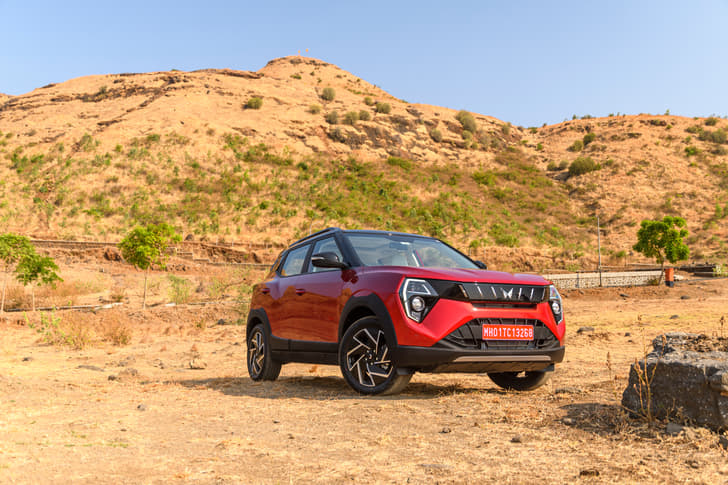
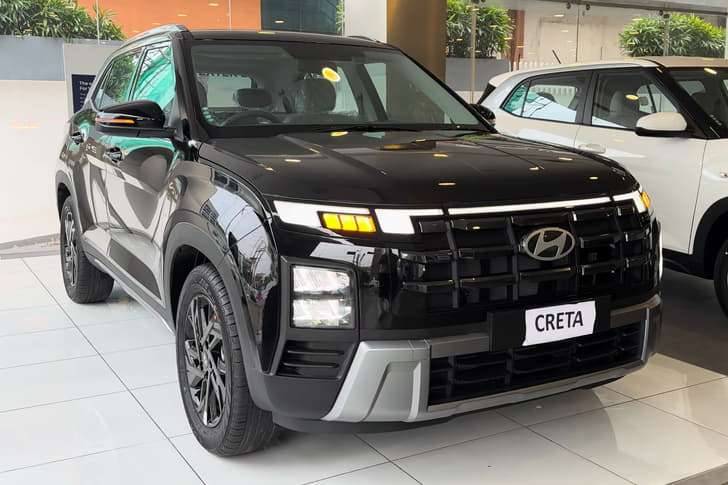
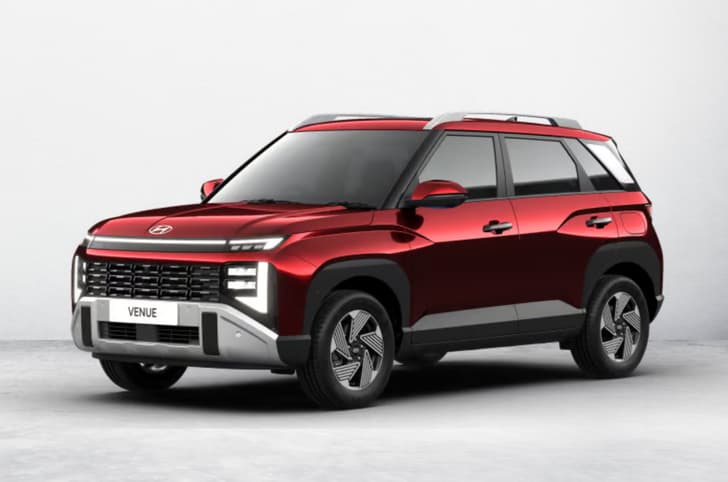
Compact SUV AC test comparison video


Last Updated on: 26 Oct 2026
| PowertrainThe combination of engine type, fuel, and transmission that powers your vehicle and determines how it drives and what it runs on. | ARAI MileageMileage certified by the government, tested under controlled lab conditions. Real-world mileage will vary. | Autocar Tested MileageAutocar's experts test each vehicle on fixed city and highway routes under standardised conditions - single occupant, AC running, manufacturer-recommended tyre pressures. Tanks are filled to the brim before and after each run to calculate efficiency. Results reflect realistic real-world usage. | User Reported MileageMileage figures are reported by vehicle owners and represent the approximate real-world efficiency you may experience. Actual mileage will vary based on driving conditions, habits, and vehicle condition. |
|---|---|---|---|
Petrol-Manual 1197 cc | 18.05 kmpl | 12.8 kmpl | 16.73 kmpl |
Petrol-Manual 998 cc | 18.74 kmpl | 12.8 kmpl | 17.24 kmpl |
Diesel-Manual 1493 cc | 20.99 kmpl | NA | NA |
Petrol-Automatic (DCT) 998 cc | 20 kmpl | NA | NA |
Diesel-Automatic (Torque Converter) 1493 cc | 17.9 kmpl | NA | NA |
Diesel-Automatic (AT) 1493 cc | 17.9 kmpl | NA | NA |
Hyundai Venue Official Brochure
Download the complete brochure with specs, features, and variants.
Tell us about your experience



.jpg?w=640&q=75&fm=auto)





Hi Autocar Team, I am confused between the Hyundai Venue HX5 Turbo MT and the Mahindra XUV 3XO AX5 TCMPFi. I am getting a good offer on the Venue. We have owned a Hyundai Grand i10 Nios for the last seven years without any issues. I like the XUV 3XO for its engine and the additional features it offers over the Venue. However, I also like the Venue because I am familiar with its driving experience and refinement. I plan to keep the new car for at least seven years, so I am looking for trouble-free ownership and a good service centre experience. My spouse prefers the rear-seat comfort of the 3XO, especially its under-thigh support and legroom, but dislikes its boot space. We also expect our family to grow in the coming years, so practicality is important. In terms of performance, I am not expecting a race car at this budget. I want a car with decent power that does not feel sluggish or make highway overtaking difficult. It should also offer reasonable mileage in city traffic and a comfortable ride for both front and rear passengers on city roads and highways. My usage will be around 60% city driving, along with a long drive of approximately 500 km every month. We have already considered other cars, and these two are our final choices. Could you please compare them in terms of ownership costs, maintenance, performance, comfort and reliability? It would also help if you could highlight any notable issues I might face with either car that could affect the driving experience or passenger comfort.

 Mahindra XUV 3XOHyundai Venue
Namaste Autocar Team, I am from Kolkata and am considering two cars within a budget of Rs. 15 lakh on-road: the Hyundai Venue HX7 diesel manual and the Kia Syros HTK+ (O) diesel manual. My monthly running is around 1,500-1,750 km, with a 90:10 split between city and highway driving. I mostly drive in the city, and my 2017 petrol Hyundai i20 is becoming expensive to run. Hence, I am considering a diesel car, although I am not interested in an EV at the moment. Which of these two cars would be a more practical and reliable choice for long-term ownership, considering a 10-year ownership period, service costs, comfort and mileage? I am tempted by the new Venue, but the Syros offers slightly more rear-seat and boot space, which is important for my family of four. I would appreciate your honest opinion and observations.
Kia SyrosHyundai VenueI am looking for a diesel car priced around Rs 15-16 lakh with good fuel efficiency. I already own a Kia Sonet and a Hyundai Venue. What else should I consider?
Mahindra XUV 3XOKia SonetKia SyrosHyundai VenueI’ve almost finalised the Hyundai Venue based on its interiors, space, features, and overall looks. However, I’m confused between the 1.0 Turbo MT and 1.2 NA MT. I live in a town where bumper-to-bumper traffic is very rare. We might encounter traffic occasionally when travelling to bigger cities, but we only go on long trips a few times a year. Considering my usage, which engine would be the better choice? 1. What is the real-world mileage difference between the 1.0 Turbo and 1.2 NA? 2. Is the turbo engine significantly more expensive to maintain in the long run? 3. Is the 1.2 NA engine sufficient for a family on highways, especially during overtaking and when driving with a full load? 4. Considering long-term reliability, running costs, and occasional highway trips, is it worth choosing the turbo, or would the 1.2 NA be a more sensible option? I’m really confused between these two variants. Please share your real-world mileage and long-term ownership experience. Your suggestions would really help me make a final decision. Thanks in advance!
Hyundai VenueI am looking for an automatic SUV under Rs 14 lakh, preferably with a torque-converter or CVT gearbox. The car will primarily be used for city driving, with occasional highway trips and long-distance journeys. I am leaning towards a petrol model rather than an EV, as I feel EV charging infrastructure is still not widely available. My main priorities are mileage and long-term reliability. I have shortlisted the Maruti Suzuki Brezza, Skoda Kylaq, Hyundai Venue and Mahindra XUV 3XO.
Maruti Suzuki BrezzaSkoda KylaqMahindra XUV 3XOHyundai VenueJoin the Discussions
In our real-world testing, the Venue 1.2 petrol MT delivered a combined mileage of 12.8kpl, tested across city and highway conditions.