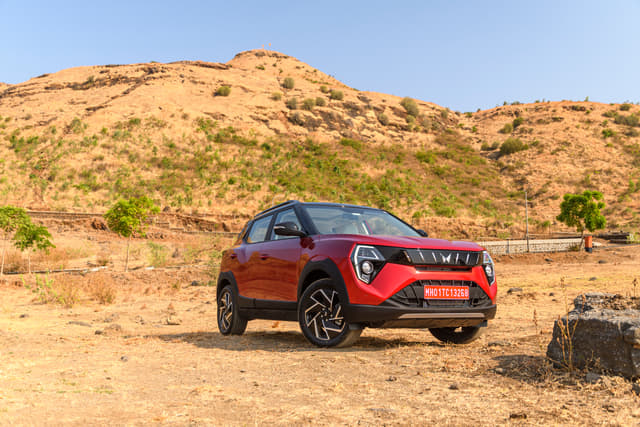
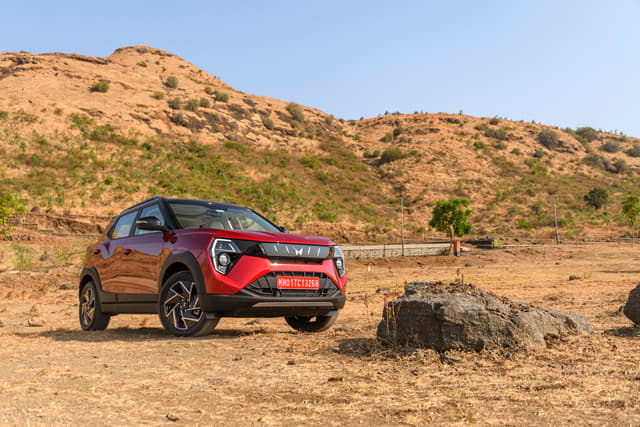
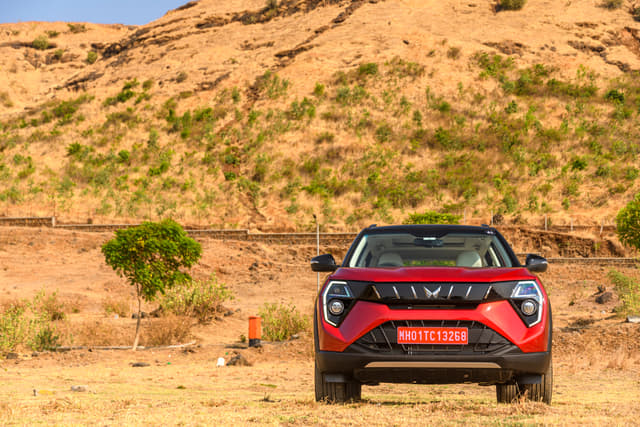
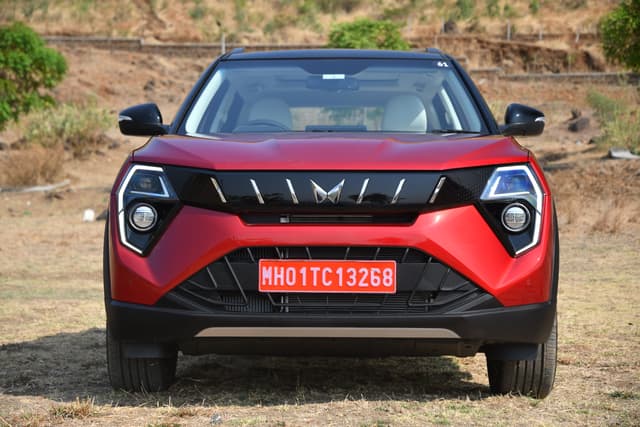
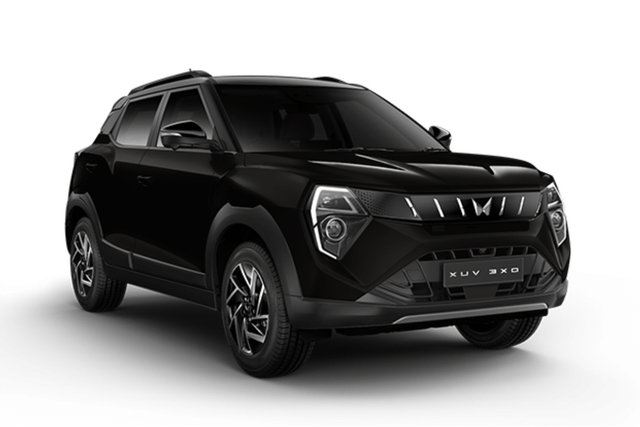
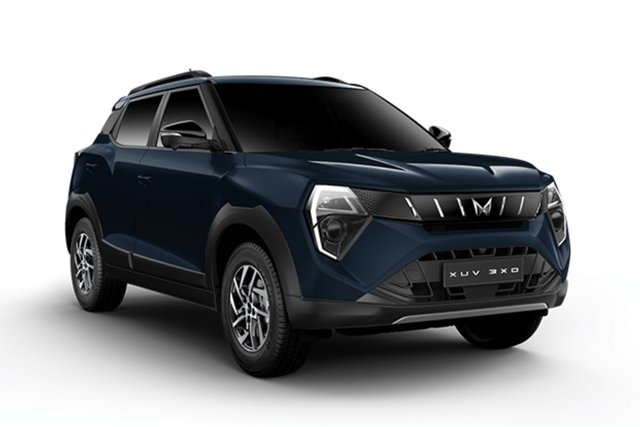
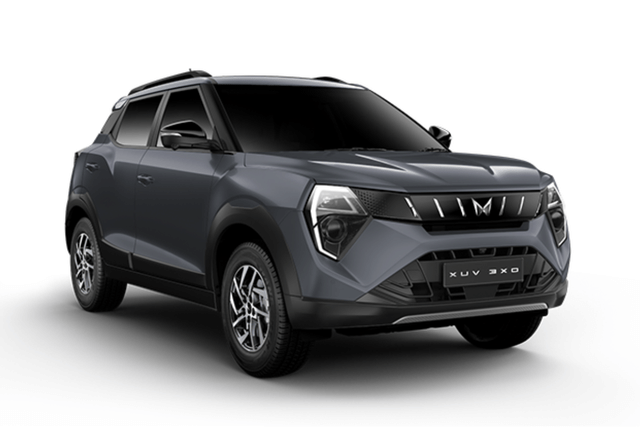
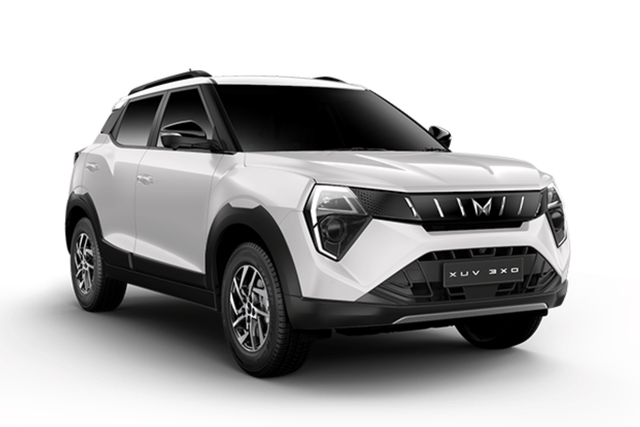
Most Suitable Car First-Time Buyer



Last Updated on: 25 Sep 2026
Tell us about your experience
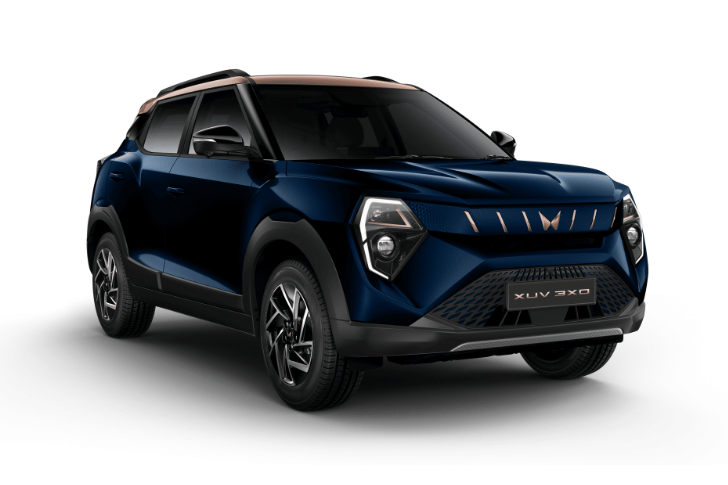
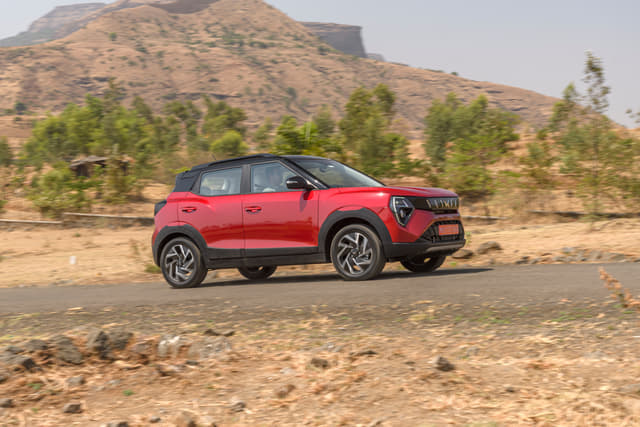
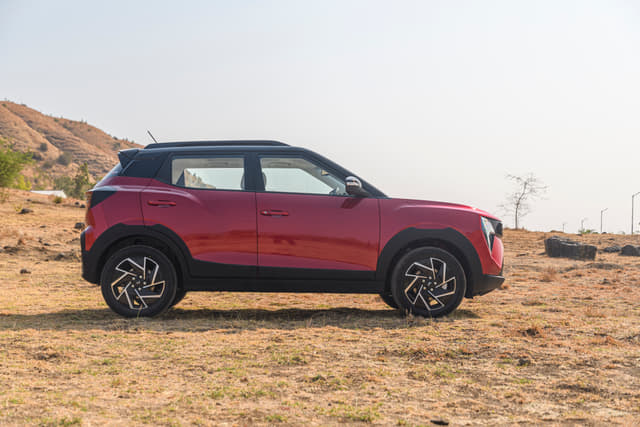
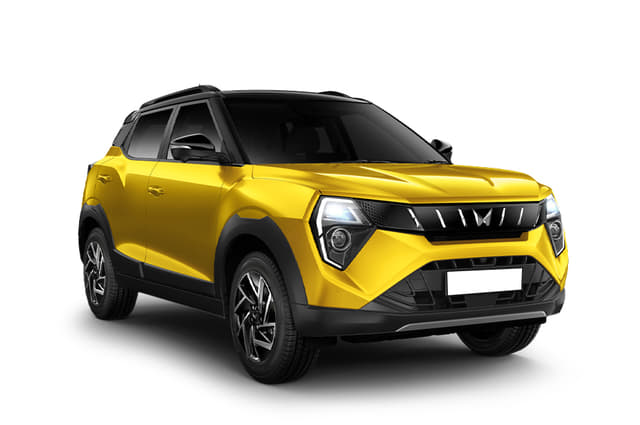
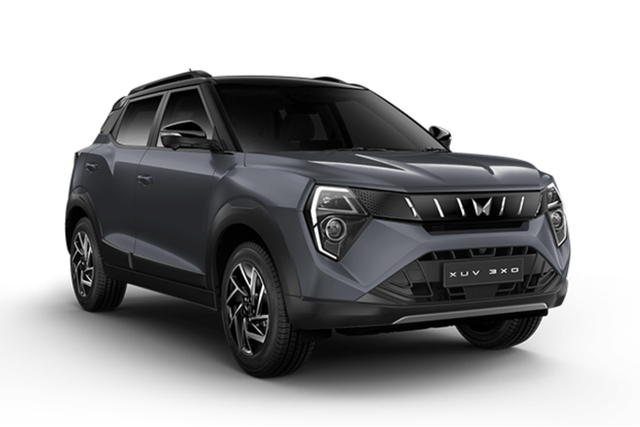
XUV 3XO is a very good car. We have it in family.
XUV 3XO is a value-for-money car. Go for it.
XUV 3XO is a better option considering safety and comfort.
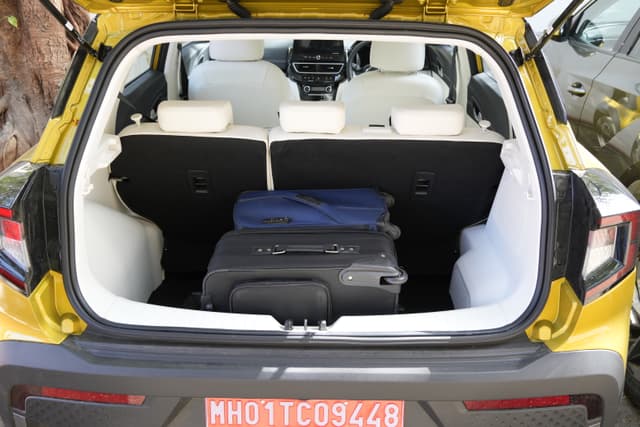
Coming from a Tiago, the XUV 3XO feels like a significant upgrade. With a running of 8-9k km, petrol mileage shouldn't be a major concern. It's worth checking if the boot space suits your weekend trips.
After driving the XUV 3XO, I felt it’s not that comfortable on potholes.
After driving the XUV 3XO EV, I felt comfort but you will minimize features like ventilated seats. In potholes, suspension is good but the seats shake, causing discomfort to your back.
The Mahindra XUV 3XO is a good choice. Diesel might not give you much mileage, so it's better to stick with the XUV 3XO unless you want a bigger SUV.
The XUV 3xo might provide lower mileage in city driving conditions.
I would recommend the Mahindra XUV as it offers a mileage of 18-21 kmpl and has low service cost. This vehicle provides a real-world ownership experience.
I own the XUV-3XO petrol for the last one year and have completed 15,000 kms. So far, it's very good with no issues. It's more fun to drive and has a punchy engine.
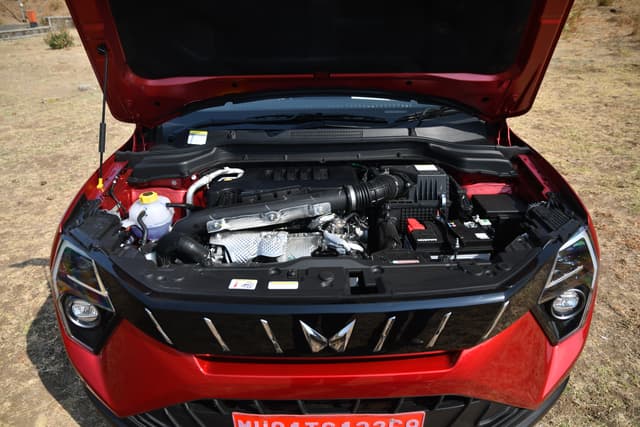
Strong engines
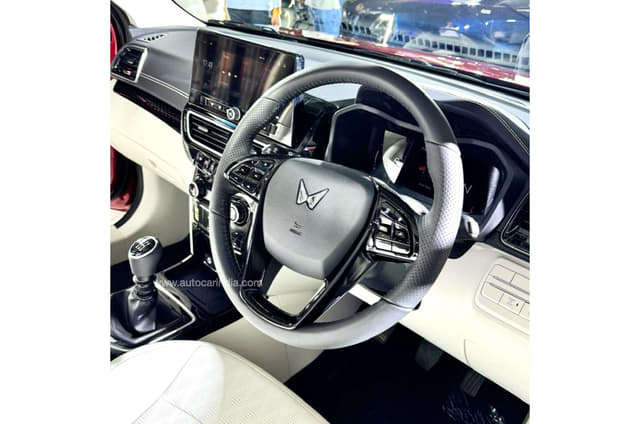
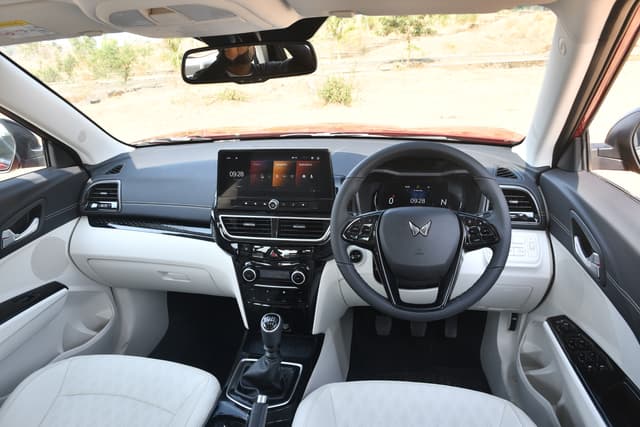
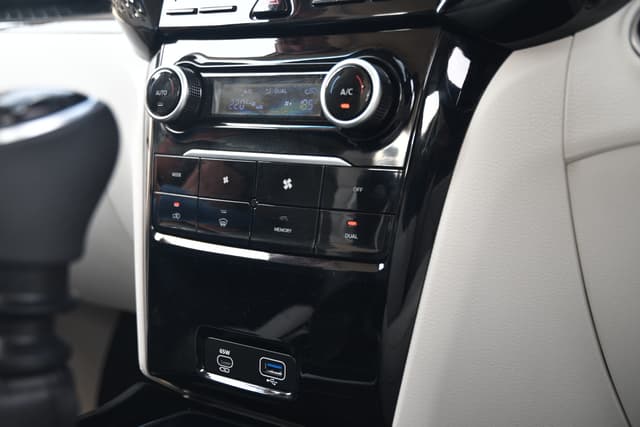
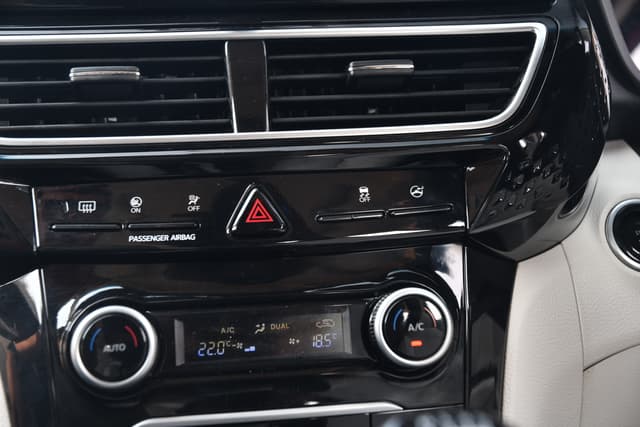
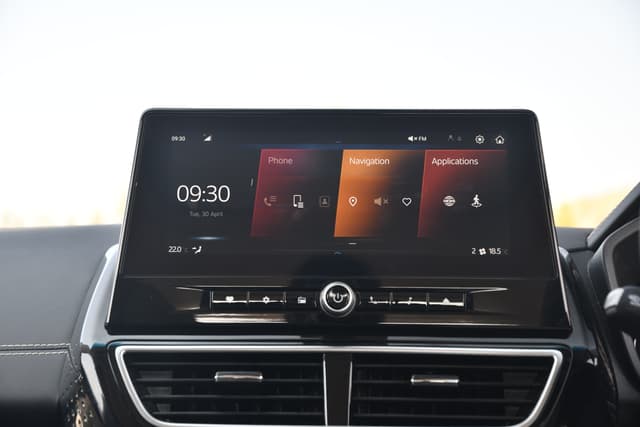
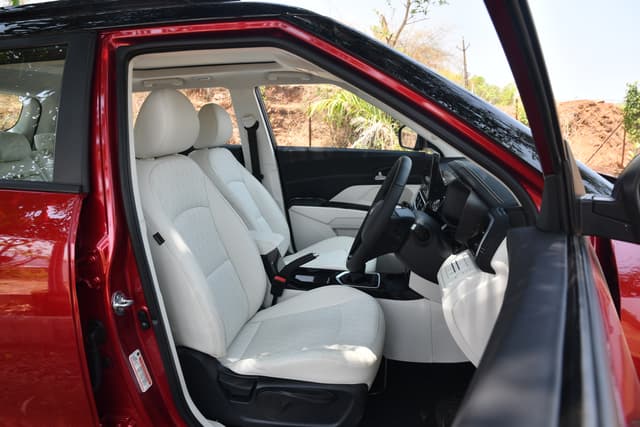
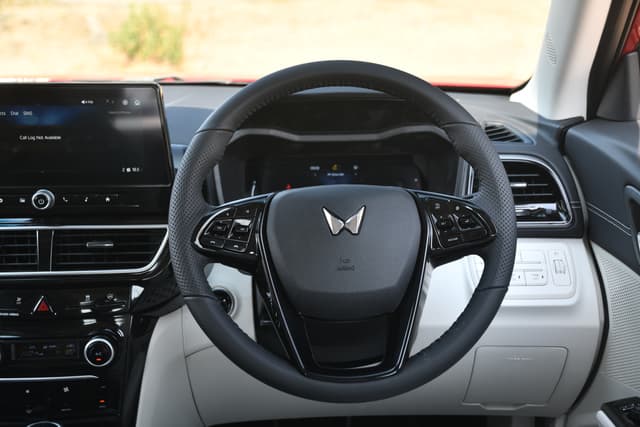
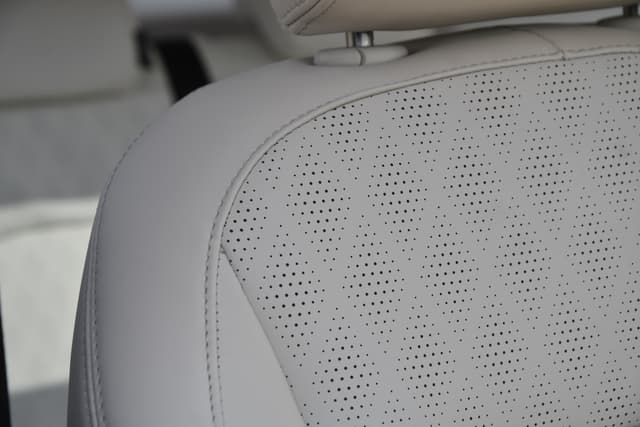
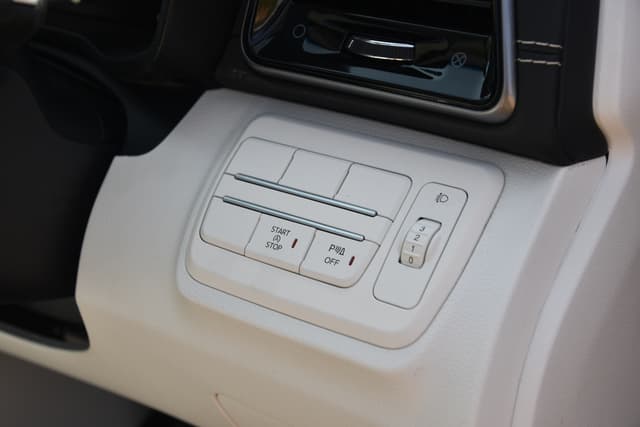
Upmarket interior, features
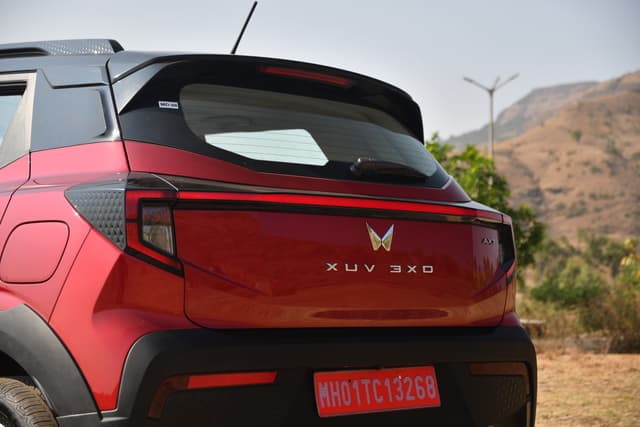
Boot space
I am planning to purchase a new SUV for my family and would appreciate your expert recommendation. I am currently considering the Skoda Kushaq, Skoda Kylaq, Tata Nexon, Hyundai Venue, Hyundai Creta, Mahindra XUV 3XO and Kia Sonet. My usage will primarily involve family trips, weekend drives, vacations and outstation or highway travel, as I do not use the vehicle for daily office commuting. Family comfort, safety and long-term reliability are my key priorities. I am particularly looking for a vehicle with low maintenance and service costs, good after-sales support and a strong service network, especially in Bengaluru, along with comfortable seating for four to five family members on long drives, good safety ratings and build quality, decent highway fuel efficiency, and strong resale value after five to seven years of ownership. Based on these requirements, could you please recommend the most suitable model and explain why, suggest the variant that offers the best value for money, highlight any common issues or ownership concerns I should be aware of, and provide your top three recommendations ranked in order of suitability for my needs?

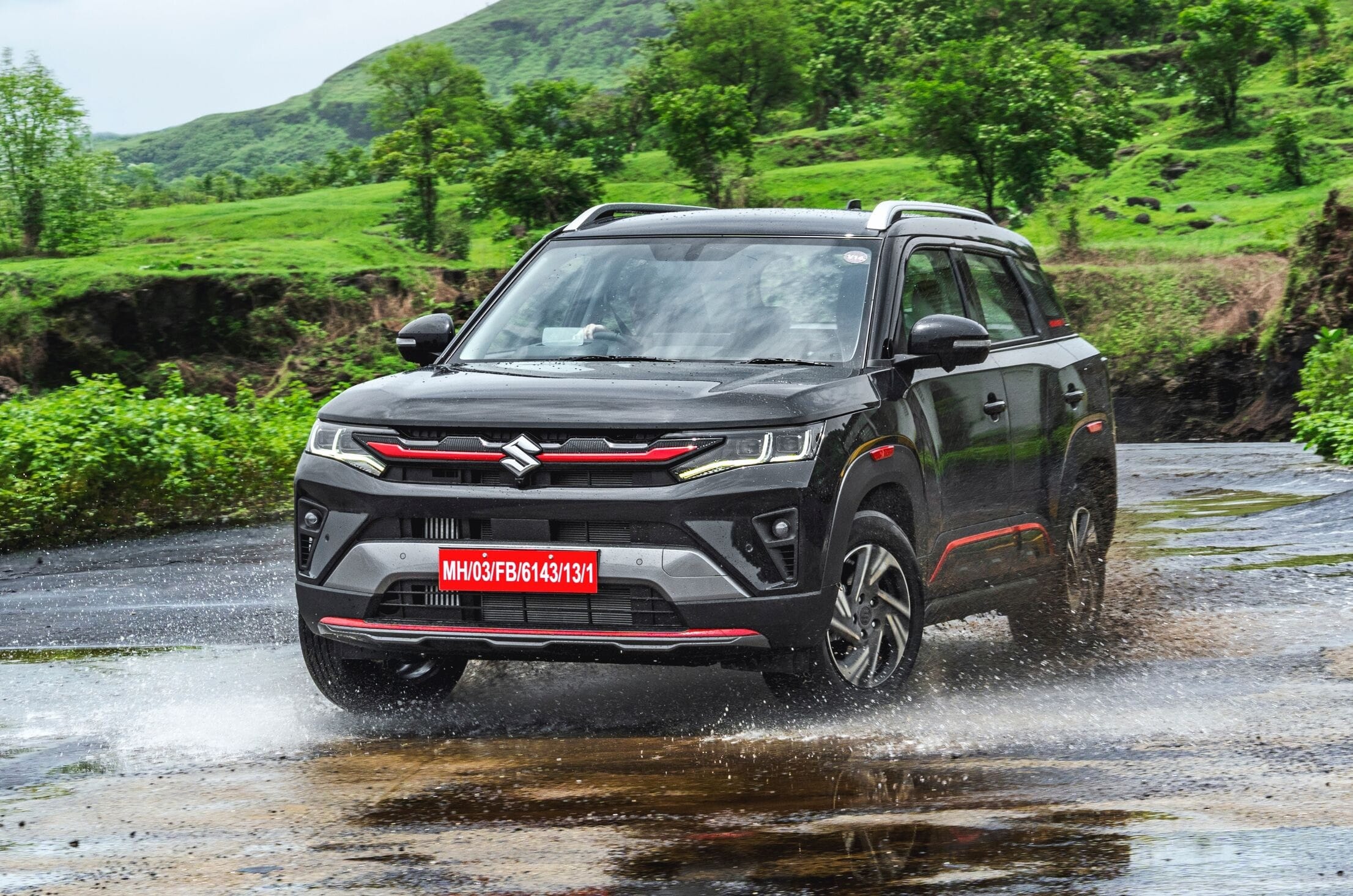
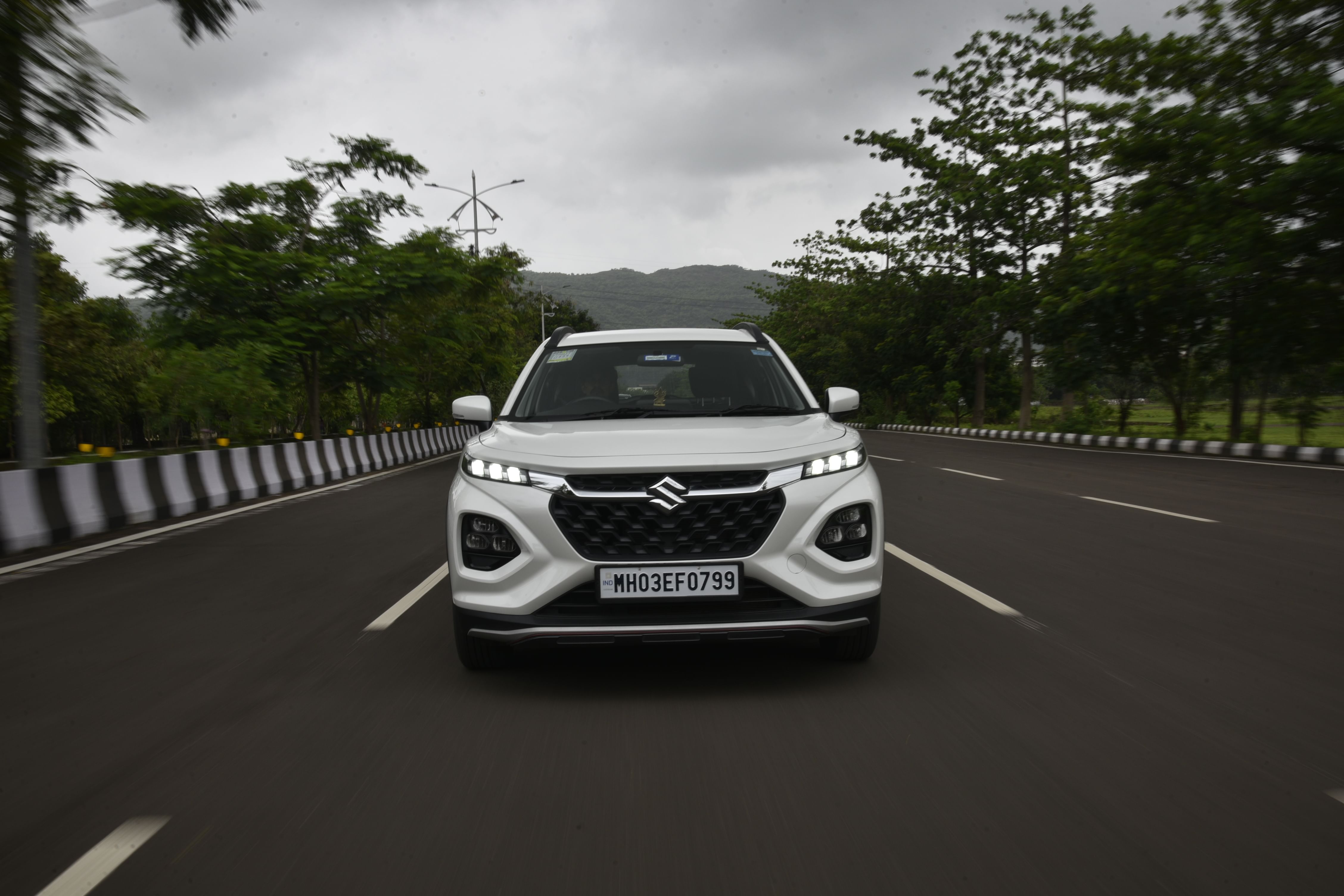
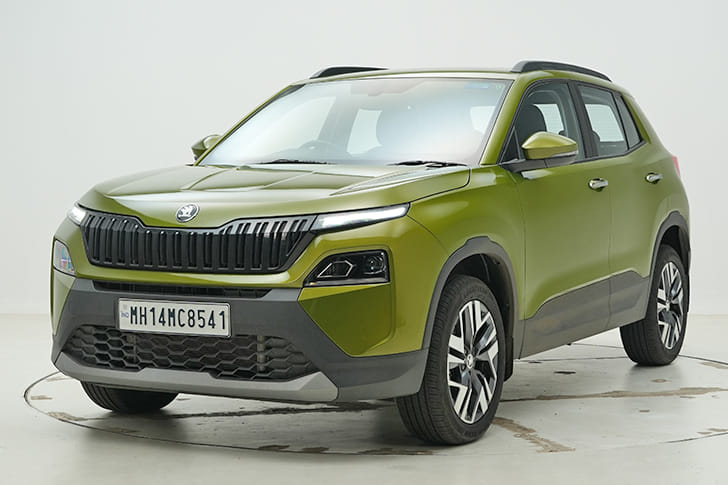
 Hyundai CretaSkoda KushaqSkoda KylaqMahindra XUV 3XO
I am planning to buy a new car in the sub-4m SUV segment, but I am not sure whether I should buy the Nexon/XUV 3XO or wait until next year for the Mahindra Concept S or the new-generation Nexon (Project Garud).
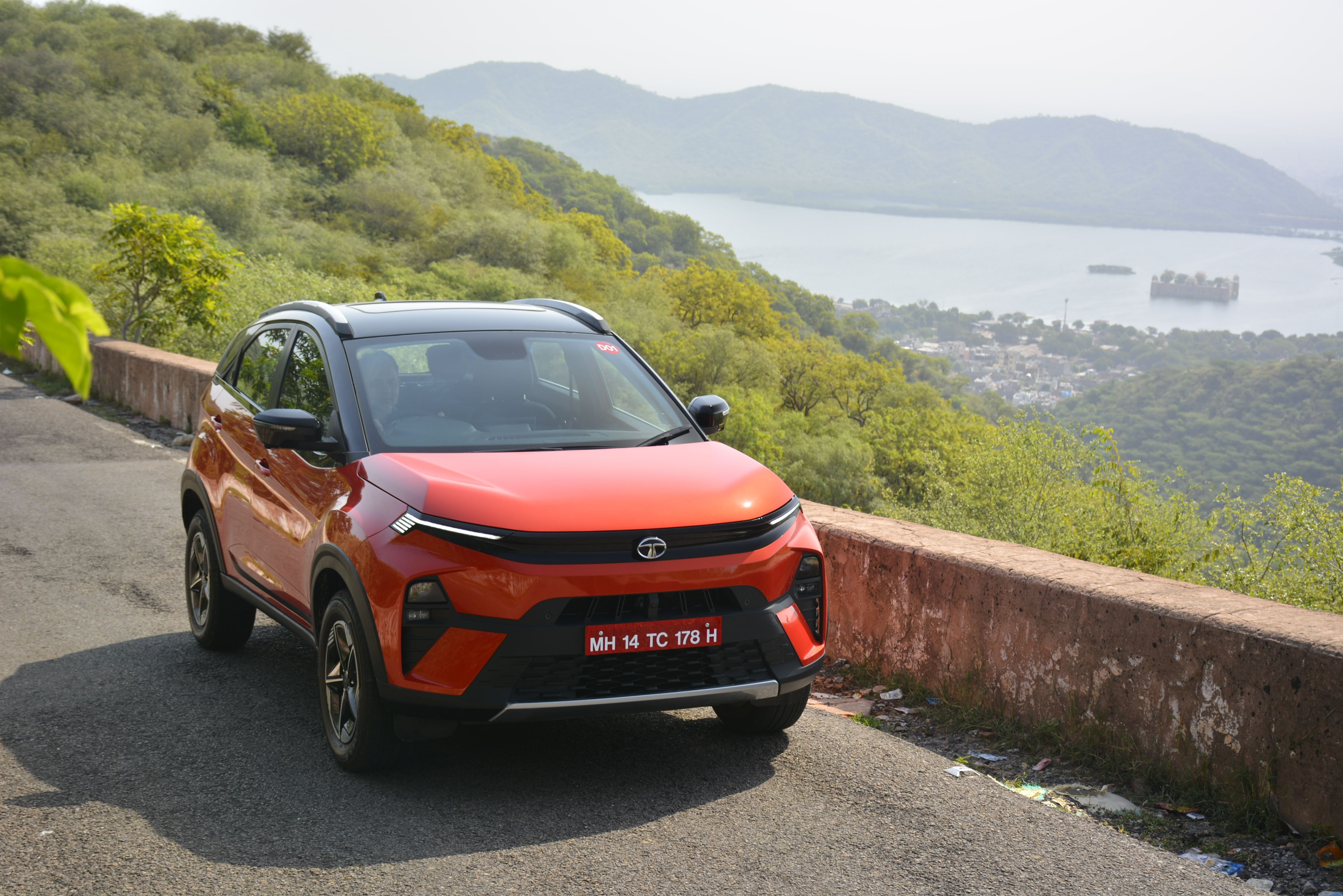
Mahindra XUV 3XOMahindra Vision STata NexonHi team Autocar, my usage is 16 km which includes 3 days a week on outer ring road in Bangalore. I take a maximum of 2-3 highway trips in a month around Bangalore. I have shortlisted Kylaq AT which I found peppy enough and has less turbo lag as well as XUV 3XO at that has noticable turbo lag. I am leaning more towards Kylaq but I am a little concerned about its AC performance, higher maintenance that may occur after warranty, EPC error and vehicle going into limp mode and being stalled in the middle of the highway. Do these issues happen in Mahindra as well? Do you think one should choose 3XO over Kylaq. What's your take on this?
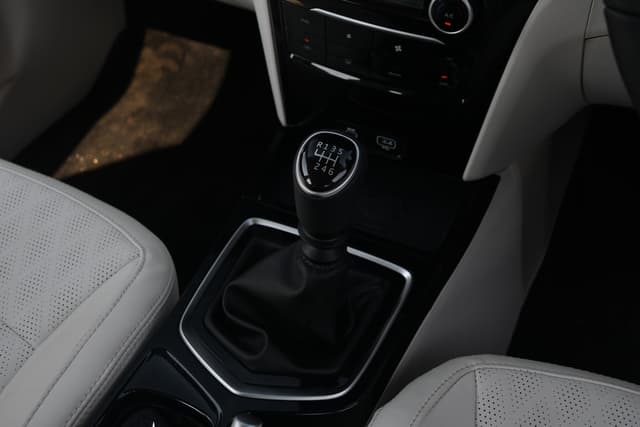
Skoda KylaqMahindra XUV 3XOHi, I am facing a persistent gear-shifting issue with my Mahindra XUV 3XO manual transmission, specifically when shifting between 1st and 2nd gear. When shifting between 1st and 2nd, both while upshifting and downshifting, the gear lever feels momentarily stuck or hitched before moving into place. I can also feel a slight downward movement or pull from the base of the gear shifter inside the cabin when shifting from 1st to 2nd. All higher gears, from 3rd to 6th, shift smoothly without any resistance. During the first service, the service centre adjusted the shift cables under the bonnet, but the problem has persisted. I am now taking the car in for its 20,000km service. What could be causing this issue, and what should I specifically ask the service advisor to inspect?
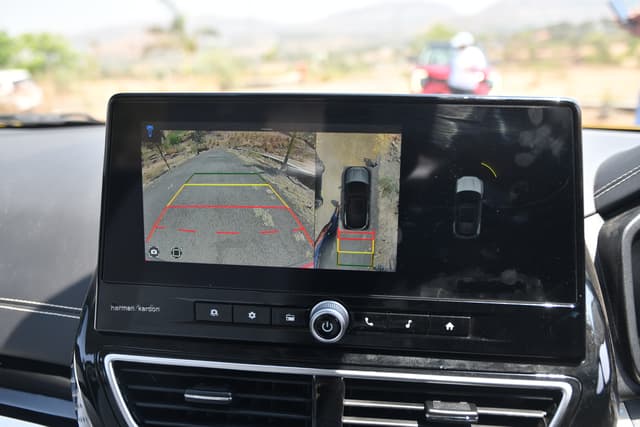
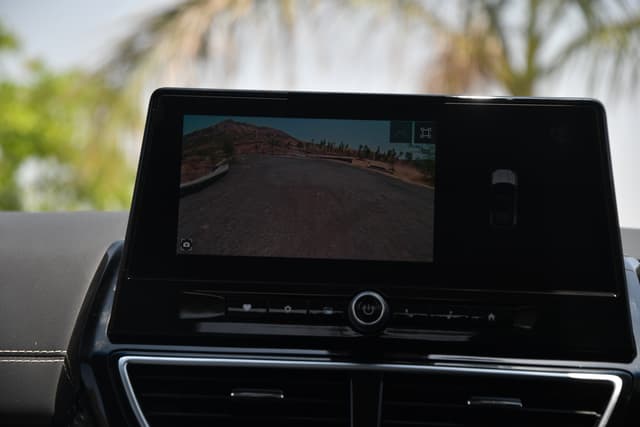
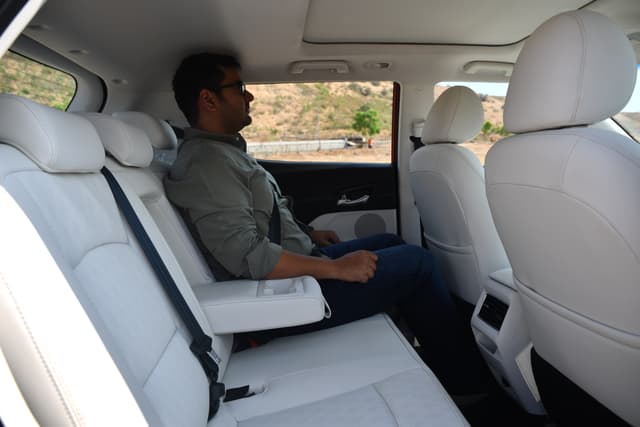
Mahindra XUV 3XOI am looking to buy my first car and am confused between the Mahindra XUV 3XO AX5L and Honda Elevate V CVT. I would appreciate some advice. I am 6 ft 2 in tall, while my wife is 5 ft 3 in. Neither of us has much driving experience apart from driving school and occasional driving, so a 360-degree camera would be very useful. My budget is Rs 14.5 lakh on-road under the BH series, which is already stretched by around Rs 2 lakh. I am looking for an automatic with good safety, a reliable engine and reasonable service costs. I do not want a sunroof, as the additional headroom would be more useful. My annual running will be around 3,000-5,000 km, with 60% city and 40% highway use. I plan to keep the car for around 15 years. My main considerations are: Mahindra XUV 3XO AX5L * I need to keep the seat almost at its lowest setting, although it slides back sufficiently. * The 360-degree camera is a major advantage. * My main concern is long-term reliability. How well will the turbo-petrol engine and torque converter automatic combination age over 15 years? Honda Elevate V CVT * I also need to keep the seat almost at its lowest setting, but it does not slide back as much as the 3XO's. * The 360-degree camera will be dealer-installed. * The naturally aspirated engine and CVT combination give me more confidence regarding long-term reliability. As I have limited driving experience, it is difficult for me to judge from a short test drive whether either seating position could cause fatigue during occasional 300-400 km journeys. For my usage, which would you choose: the XUV 3XO AX5L or the Elevate V CVT?
Honda ElevateMahindra XUV 3XO