
Last Updated on: 26 Oct 2026
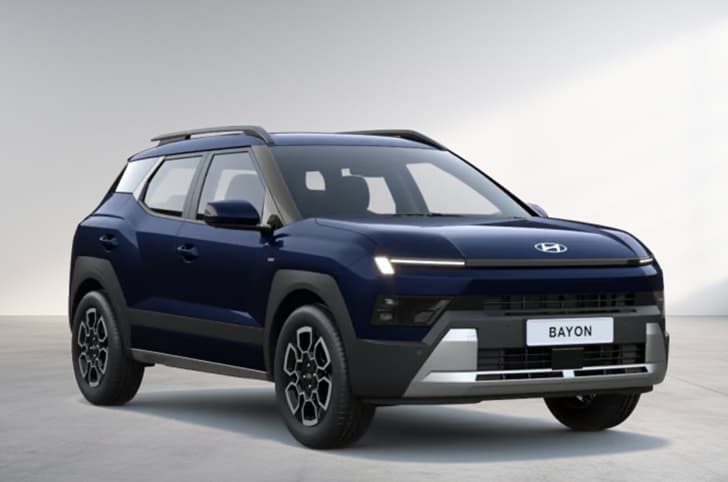
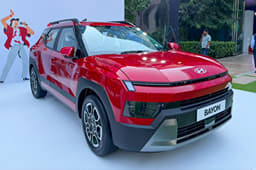
Hyundai Bayon Mileage
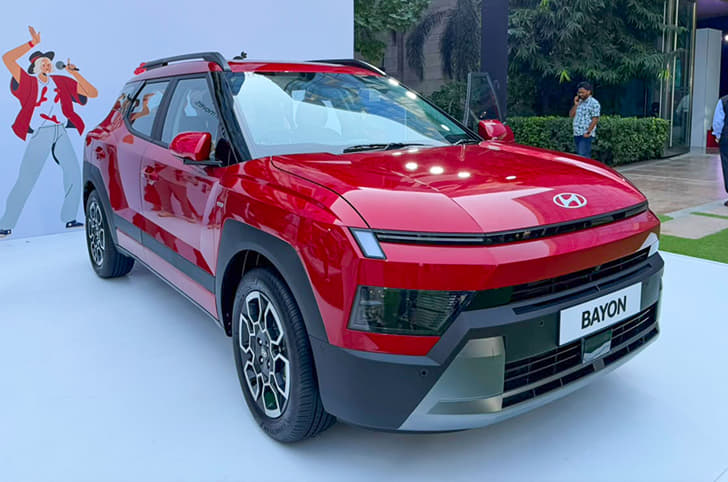
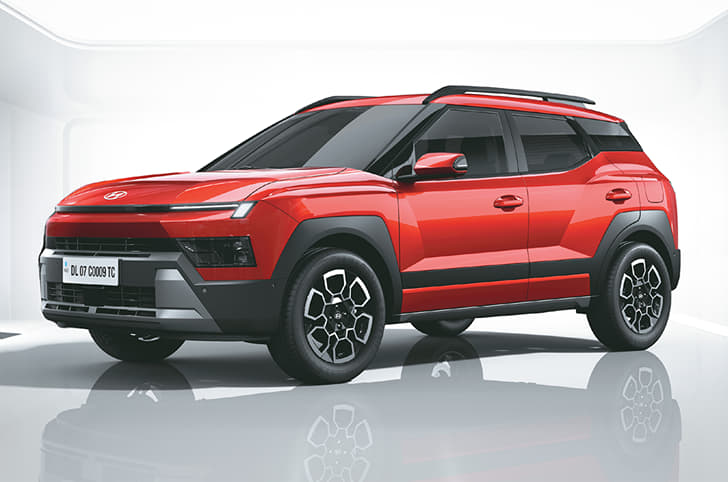
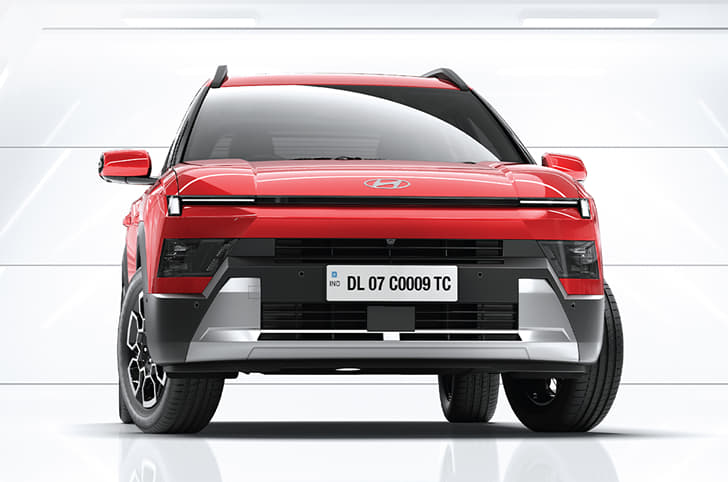
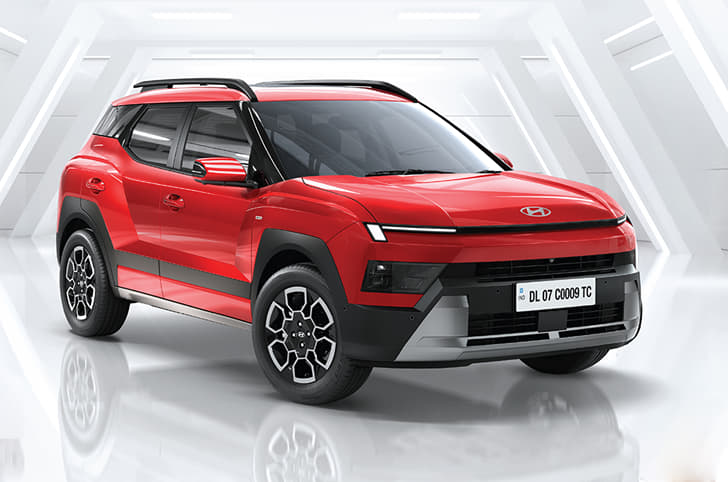
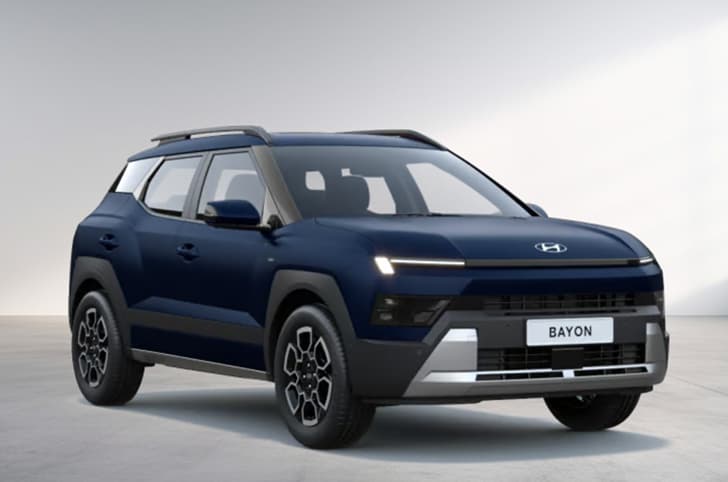
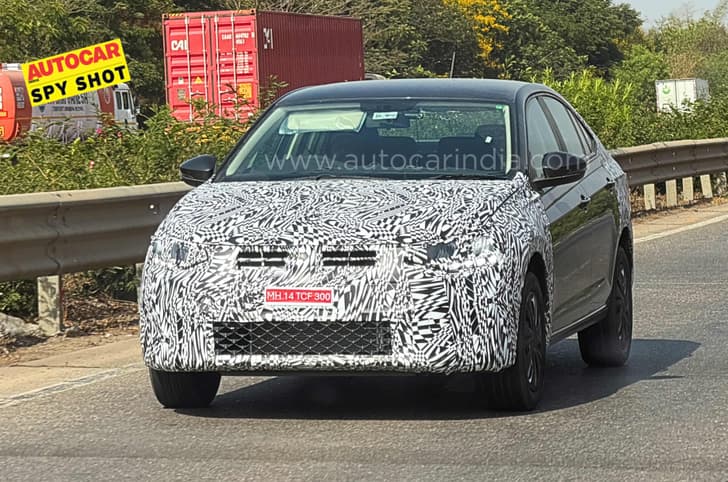
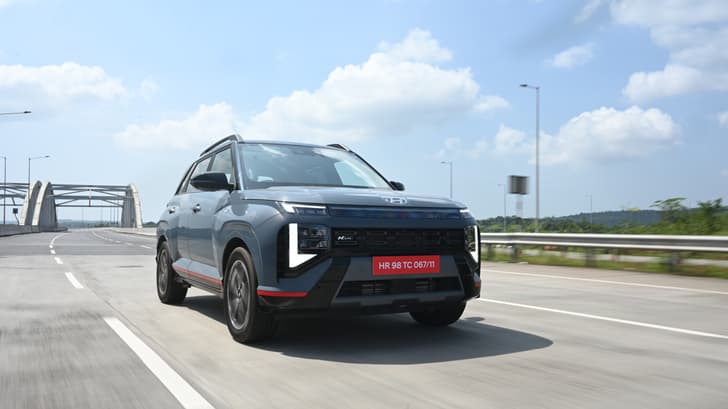
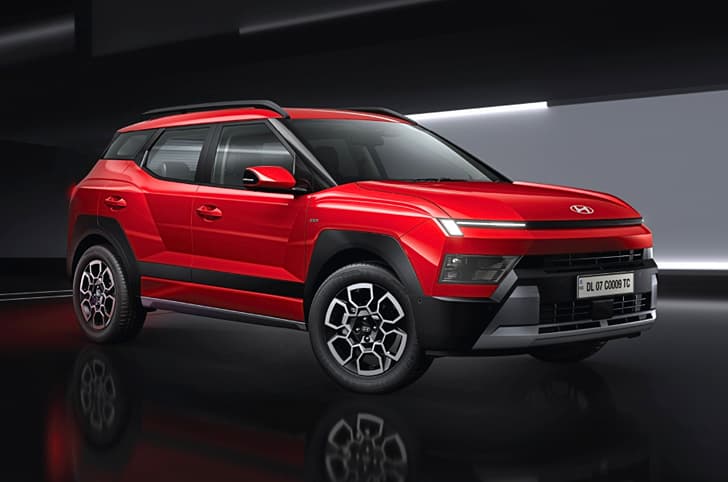
The Hyundai Bayon mileage is certified at 18.6 kpl. Our experts at the Autocar India has not tested the car's real-world fuel efficiency yet. We will update this section with the tested mileage figures once the car undergoes testing. The car comes with a 1.5-litre MPi petrol engine paired with either a 6-speed manual or an iVT automatic transmission.
Hyundai Bayon Mileage Summary
| PowertrainThe combination of engine type, fuel, and transmission that powers your vehicle and determines how it drives and what it runs on. | ARAI MileageMileage certified by the government, tested under controlled lab conditions. Real-world mileage will vary. |
|---|---|
Petrol-Automatic (CVT) 1497 cc | 18.6 kmpl |
Hyundai Bayon Mileage by Variants
Hyundai Bayon Official Brochure
Download the complete brochure with specs, features, and variants.
Calculate your fuel cost for Hyundai Bayon
Hyundai Bayon Mileage - User Reviews
Tell us about your experience
Hyundai Bayon news
Hyundai Bayon videos

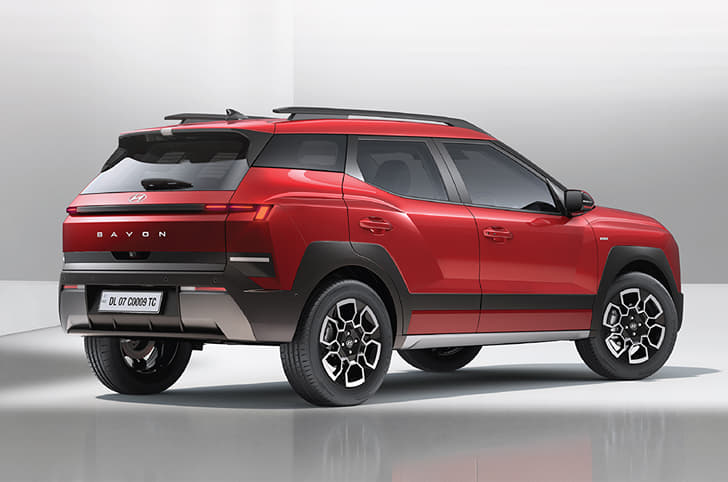
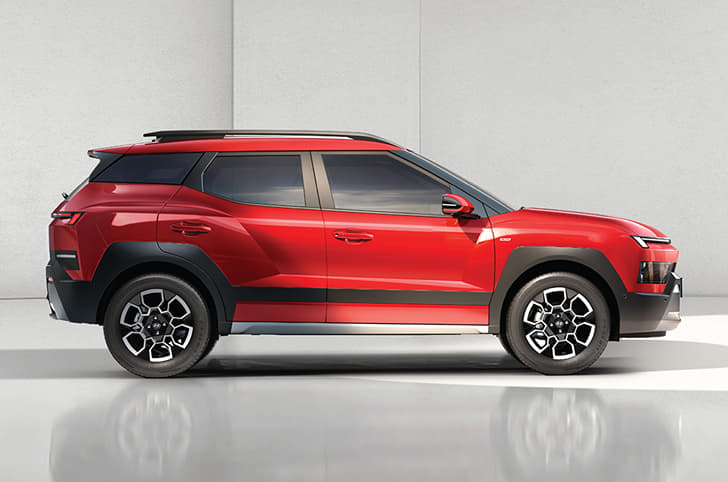
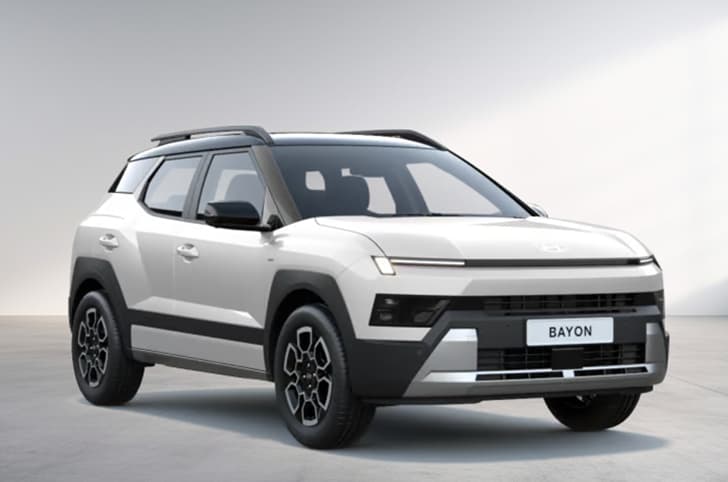
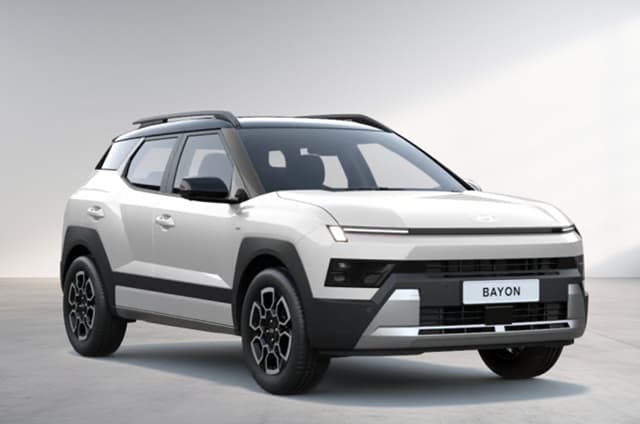
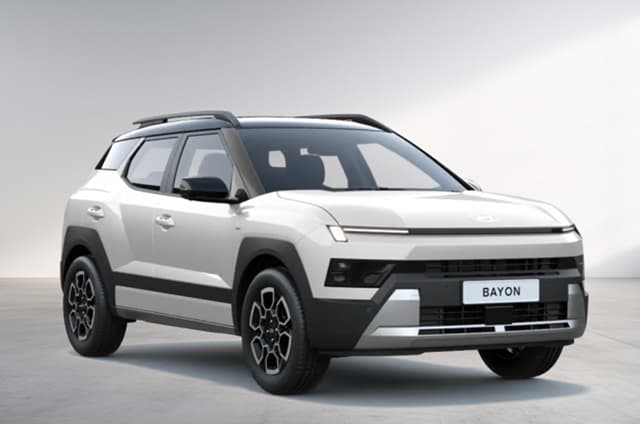
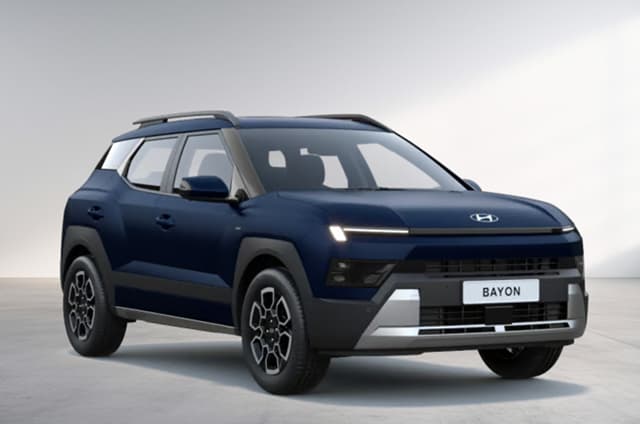
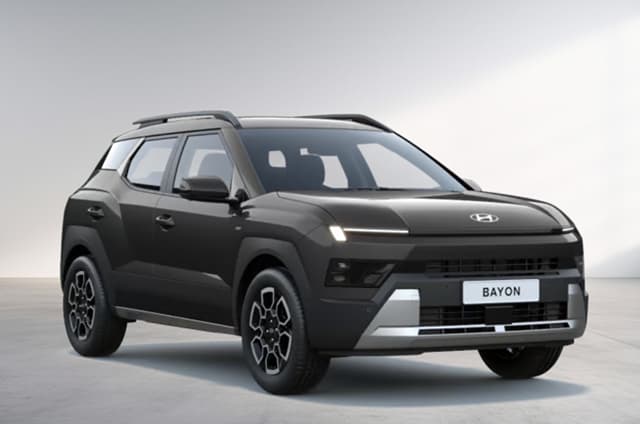
Hyundai Bayon Colours
Questions you may find useful
I currently drive a Hyundai i10 CNG, with daily running of around 6 km in Gurgaon city traffic and a monthly highway drive of around 200 km. I am now planning to upgrade my car, with an on-road budget of Rs. 12 lakh for a petrol sub-4-metre SUV, up to Rs. 14 lakh for a petrol midsize SUV, and Rs. 15 lakh for an EV. I live in a rented apartment on the second floor, so I am apprehensive about getting an EV. I prefer an EV, but installing a charger could be complicated due to the sanctioned load. My running could increase to nearly 800 km per month in the future. My key priorities are: - Good suspension and ride comfort, as I have a back problem - Decent fuel efficiency in heavy city traffic - Low to medium maintenance costs - Auto hold and ventilated seats would be good to have I sometimes consider buying a manual, but I mostly prefer an automatic. I am currently considering the Maruti Brezza, Baleno AMT, Fronx AMT/AT, Sonet iMT, Exter AMT, and even the upcoming Inster, VF3, and Bayon. I am open to other suggestions as well. Note: I had a bad driving experience with the Punch AMT, as it caused back fatigue.
Given your priorities of ride comfort, fuel efficiency and low maintenance, the Maruti Brezza automatic is the most sensible upgrade. It offers a comfortable ride, a proven naturally aspirated petrol engine and Maruti's strong service network, which keeps long-term ownership costs in check. The torque converter automatic is smooth in city traffic, and the Brezza's higher seating position will help with your back issues. The Sonet iMT is not the right choice here. While it is a good car, the iMT is not a true automatic and will not offer the same ease of use in Gurgaon traffic. The Baleno AMT and Exter AMT are also not ideal given your back issues and the fact that AMT gearboxes are not as smooth as torque converter automatics in stop-start conditions.On the EV front, your apprehension about charging is valid. Without a straightforward home charging solution, an EV will add unnecessary complexity to your ownership experience. The upcoming Bayon is interesting and if you can wait a few weeks you would have a better picture before making a decision. For now, the Brezza automatic strikes the best balance between comfort, efficiency and hassle-free ownership.
Hi Autocar Team, I am currently driving a Hyundai Elite i20 Asta petrol manual. So far, I feel it is the best-designed car in its segment, offering great comfort and mileage that varies depending on traffic conditions. I was wondering if I could give it a facelift by replacing the front section with that of the new-generation i20. My second thought is whether I should wait for the new Hyundai Bayon or if a facelifted Hyundai i20 or Hyundai Verna is expected. I find the rear design of the new-generation i20 disappointing, and I still feel that the Elite i20 I currently own is the best-looking version. What are your thoughts?
The best option is to hold on to your Elite i20 for now rather than modify its front end or replace it purely in anticipation of a new model. Since you value its design, comfort and fuel efficiency, a newer car needs to offer a meaningful improvement in those areas to justify the expense. A facelift using the next-generation i20's front end would also be a custom modification rather than a straightforward factory upgrade, with potential issues around body panels, lighting, fitment and insurance.The Hyundai Bayon is worth waiting for, particularly if you want something newer without giving up Hyundai's everyday usability. Its India launch is confirmed for 26 October 2026, with a 1.5-litre petrol engine and manual or IVT automatic options. However, Autocar India has not tested it yet, so its ride comfort, real-world mileage and driving experience remain to be assessed.There is no confirmed India launch date for the next-generation i20, while the Verna has already received a facelift in 2026. Since the Elite i20's design matters so much to you, replacing its front end with newer i20 components is unlikely to be a straightforward or cost effective modification.
Hear from the
Autocar Community
Join the Discussions
Hyundai Bayon On Road Price in India
Upcoming Cars


Hyundai Cars


Trending Cars


Latest Cars