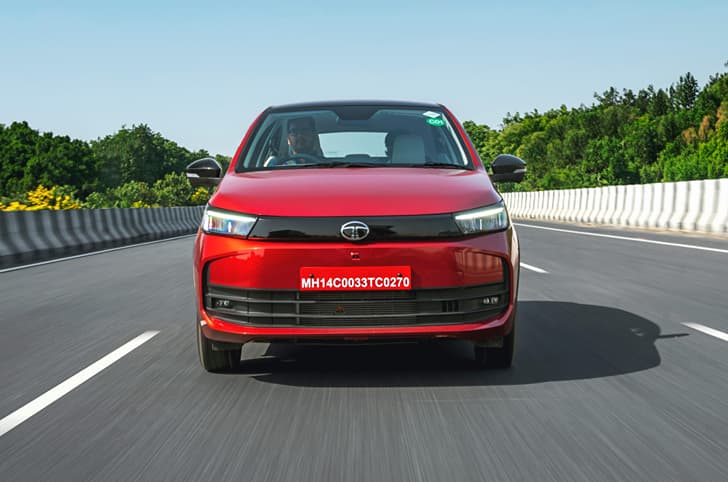
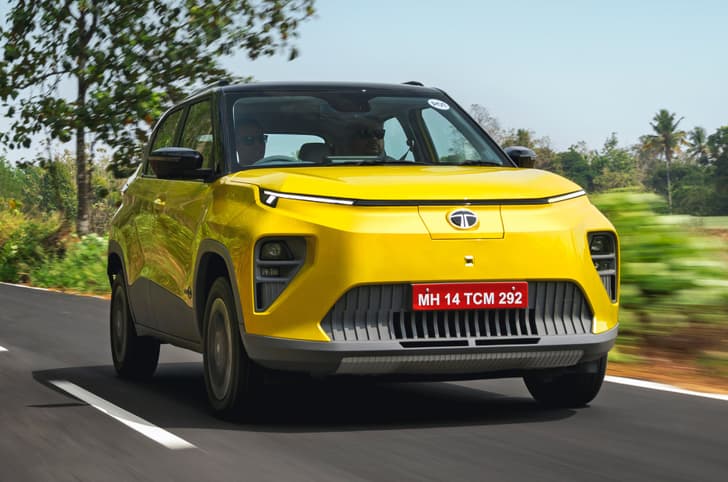
Nexon CNG or Punch CNG?


Last Updated on: 14 Oct 2026
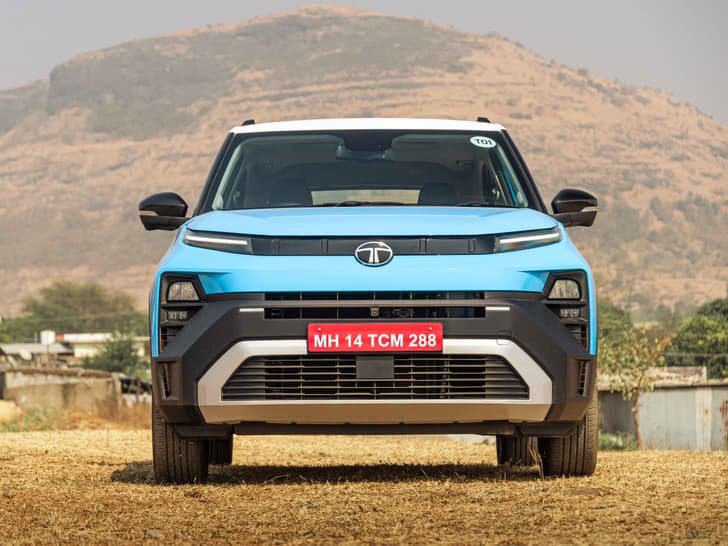
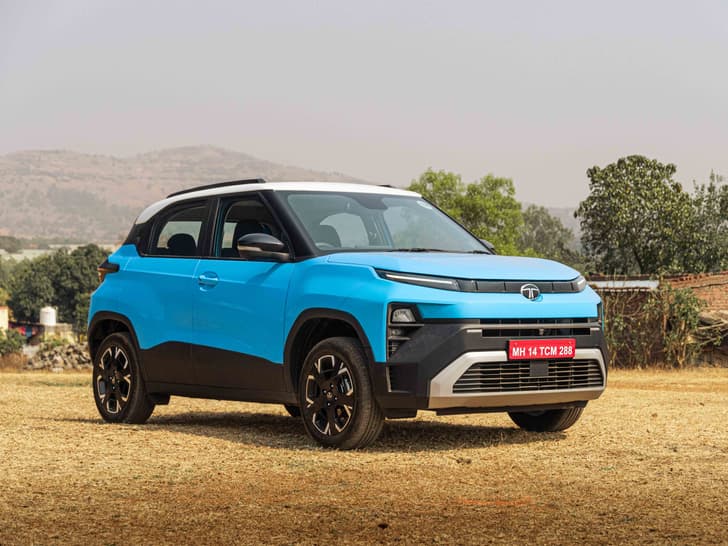
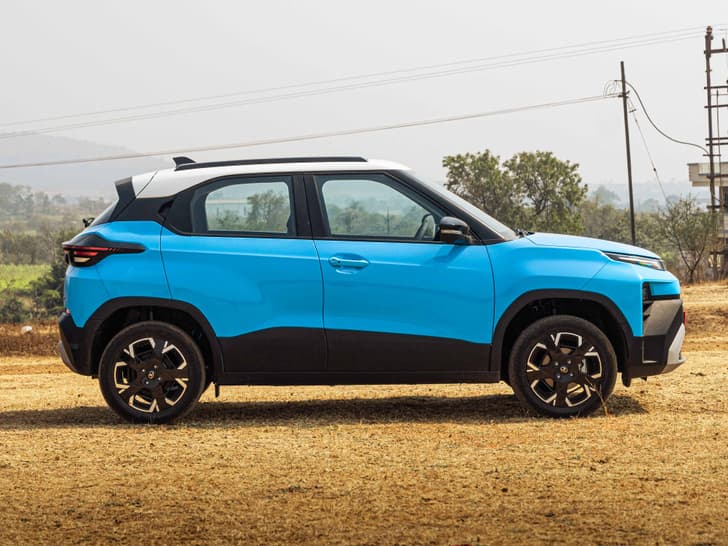
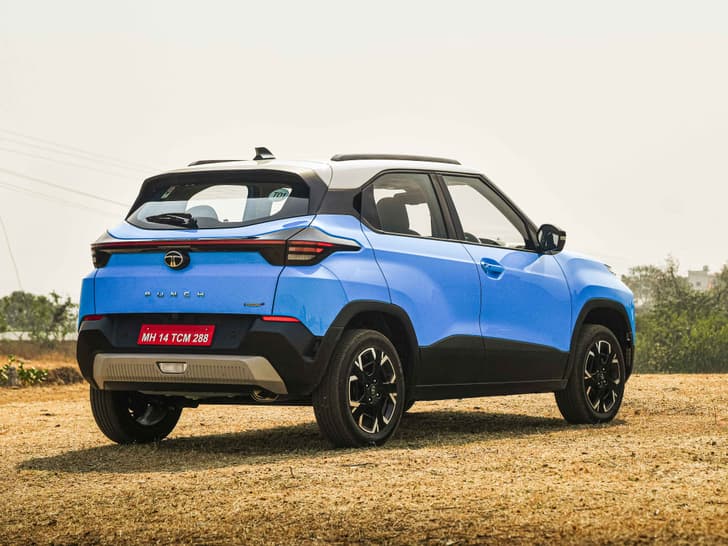
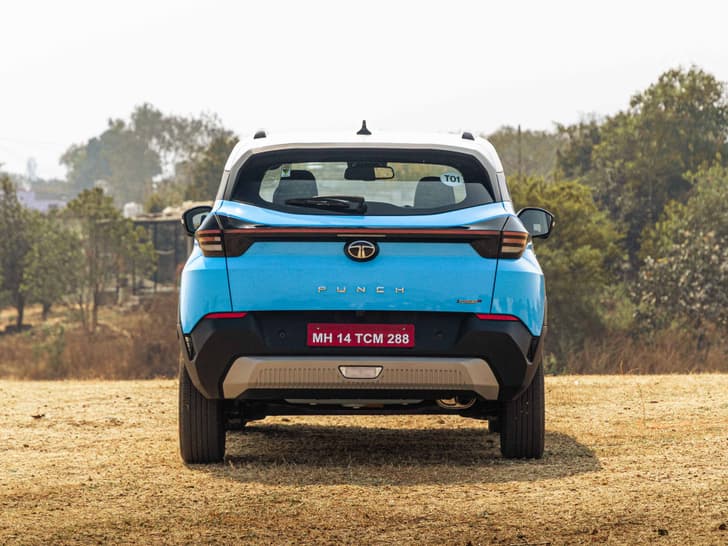
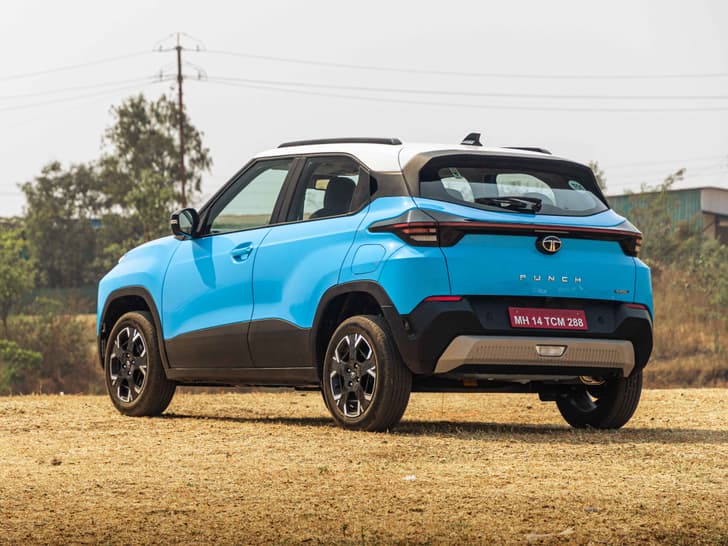
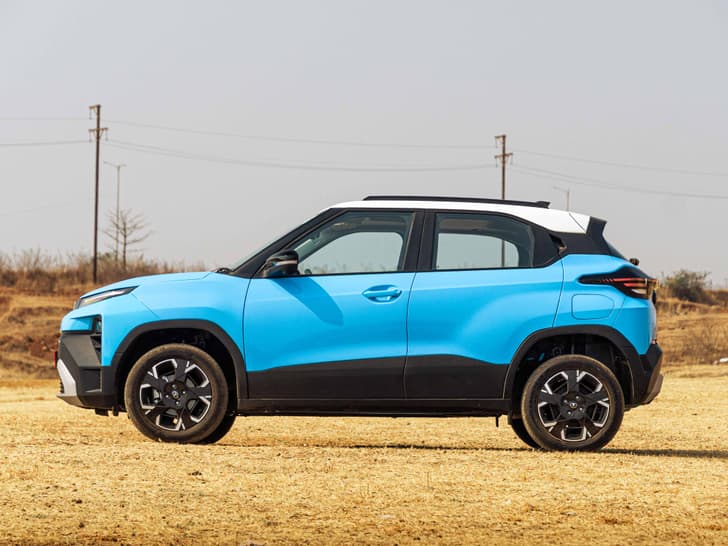
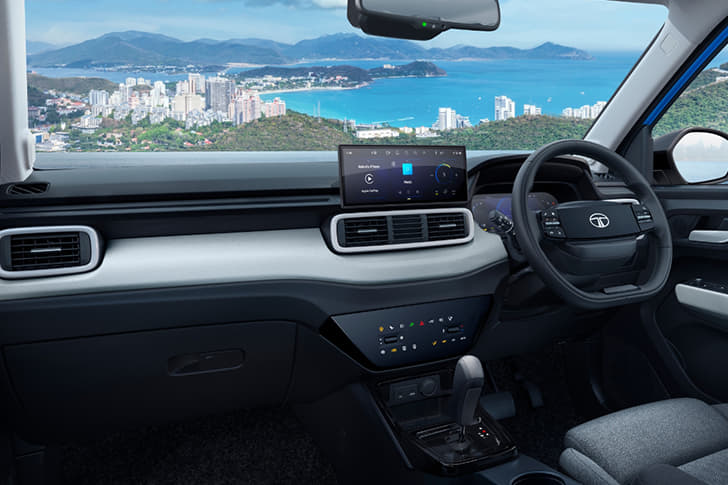
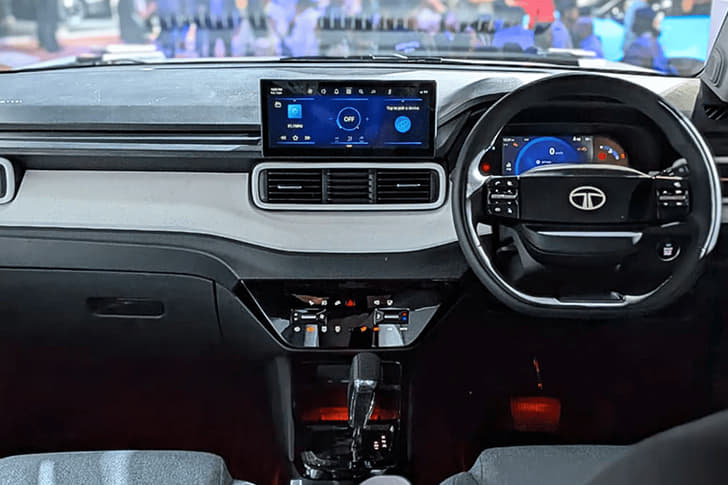
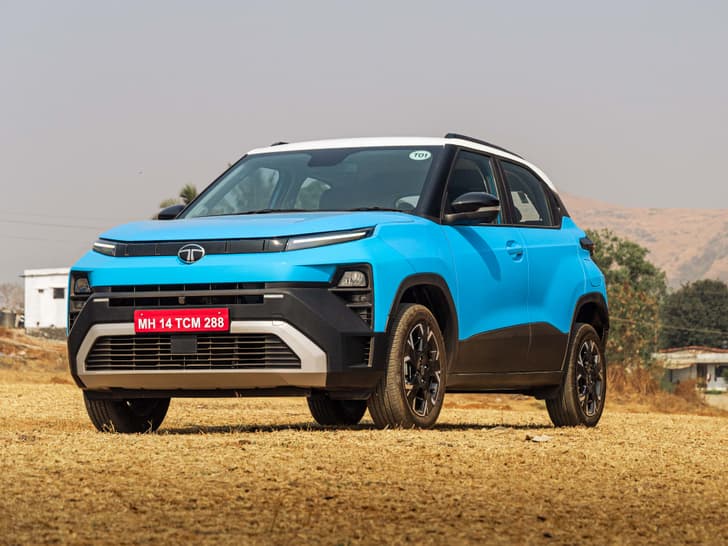
Engine 1199 cc | Fuel Type CNG, Petrol |
Transmission AMT, Manual | Body Style SUV |
Seats 5 |
Engine Type | |
Engine Displacement | 1199 cc |
Number of Cylinders | 3 |
Engine Installation | Front |
Fuel Type/ Propulsion | CNG |
Pure Electric Driving Mode | No |
Gearbox Type | AMT |
Number of Gears | 5 |
Manual Shifts via Gear Lever on Automatic Gearbox | Yes |
Paddle Shifters for Automatic Gearbox | Yes |
Sport Mode for Automatic Gearbox | No |
Drive Layout | Front Wheel Drive |
Lockable Differential/s | No |
Max Engine Power | 87.8 hp at 6000 rpm |
Max Engine Torque | 115 Nm at 3250 rpm |
Max Engine Power on CNG | 73.4 hp at 6000 rpm |
Max Engine Torque on CNG | 103 Nm at 3500 rpm |
Fuel Supply System | MPFI |
E20 Compatibility | Yes |
Emission Standard | Bharat Stage VI |
Auto Start/Stop | Yes |
City Fuel Economy as Tested | 18.87 km/kg |
Highway Fuel Economy as Tested | 25.36 km/kg |
Fuel Tank Capacity | 37 litres |
CNG/LPG Tank Capacity | 43.2 Kg |
0-100kph | 20.5 s |
20-80kph (in third gear/ kickdown) | 12.01 s |
40-100kph (in fourth gear/ kickdown) | 15.74 s |
Front Suspension Type | Independent Mcpherson Strut |
Front Springs | Coil Springs |
Rear Suspension Type | Non-independent Torsion beam |
Rear Springs | Coil Springs |
Damper Control | No |
Ride Height Adjust | No |
Type of Power Assist | Electric |
Steering Adjust type | Manual |
Steering Adjust | Tilt |
Front Brakes | Disc |
Rear Brakes | Drum |
Wheel Size | 16 inches |
Front Tyre Size | 195/60 R16 |
Rear Tyre Size | 195/60 R16 |
Wheels | Machine finished alloys |
Spare Wheel | Space Saver |
Length | 3876 mm |
Width | 1742 mm |
Height | 1615 mm |
Wheelbase | 2445 mm |
Ground Clearance | 193 mm |
Boot Capacity | 210 litres |
Doors | 5 |
| Front Seatback Pockets | |
| Rear Windscreen Sun Shade | |
| Remote Locking | |
| Roof Grab Handles | |
| Power Windows | Front and Rear |
| Hands-free Boot Opening |
| Automatic Wipers | |
| Automatic Headlamps | |
| Traction Control | |
| Rear Washer/Wiper | |
| Dual Tone Horn | |
| Blind Spot Collision Avoidance Assist |
| Door Handle Finish | Body Coloured |
| Roof Rails | |
| Follow Me Home Headlamps | |
| Front Fog Lamps | |
| Spoiler | |
| Headlight Type | LED |
| Tachometer | Digital |
| Low Fuel Level Warning | |
| Trip Meter | |
| Speedometer | Digital |
| Shift Indicator | |
| Instantaneous Consumption |
| MirrorLink | |
| Gesture Controls | |
| Display | 10.25-inch Touchscreen |
| Bluetooth Telephone Function | |
| Apple CarPlay | Wireless |
| Audio System |
Tell us about your experience

Hello Auto Car Team, I am planning to buy my first car and would appreciate your guidance. My primary usage will be monthly trips to my hometown, covering around 800 km per trip, once or twice a month. Most of the time, the car will be used by two occupants. My budget is around Rs. 10 lakh, although I can stretch it by another Rs. 1 lakh if the additional value is justified. The cars currently on my shortlist are Maruti Suzuki Brezza VXi, Mahindra XUV 3XO MX2 Pro, Honda Amaze VX and Tata Punch Adventure Turbo. My key priorities include good fuel efficiency, safety, comfort for long-distance travel as well as low maintenance and reliability as this will be my first car. Given my requirements and budget, which of these cars would you recommend? Also, if there are any better alternatives that I should consider, please let me know. Thank you for your help.

 Maruti Suzuki BrezzaMahindra XUV 3XOHonda AmazeTata Punch
Need help choosing my first automatic car (Budget 9 to 10 lakh on-road with BH registration) Hi everyone, I'm planning to buy my first car and would really appreciate some advice from experienced owners. I work in a bank, and this is a significant purchase for me, so I want to make the right decision. My budget is around 9 to 10 lakh on-road with BH registration (can stretch a little if it's genuinely worth it). My priorities are safety, reliability, a smooth automatic transmission, and low long-term ownership costs. I'll be using it mostly for city driving and intend to keep it for many years. The cars I'm considering are: Tata Punch AMT Tata Altroz (AMT) Maruti Baleno AMT If you were in my position, which one would you choose and why? I'd especially appreciate feedback from owners regarding: Reliability Service experience Real-world mileage Long-term ownership (5–10 years) Any regrets or things I should know before making the purchase Thanks in advance!
Hi, I’m planning to buy an automatic petrol SUV and I’m confused between these two options: Kia Seltos HTK(O) IVT Petrol and Hyundai Venue HX8 DCT Petrol. The on-road price difference is around Rs 3 lakh, so I want to understand whether the Seltos is truly worth the extra cost. My typical usage includes office commuting twice a week, with a one-way travel time of about 1 hour 15 minutes, mostly in city traffic. I also do weekend trips with my wife and occasional trips with family or friends, usually with 4-5 people. The only factor strongly pushing me towards the Seltos is the panoramic sunroof. However, I currently drive a Punch, so I am a little doubtful about handling the Seltos’ size in city traffic.
Kia SeltosHyundai VenueTata PunchI'm confused between three. Car is mostly for my dad, i use it rare. Daily commute: Let's say, at max 7 times a month, need to go 25km. Otherwise 3 km for daily work. Mostly city driving Coming from Santro Xing 2004, so any feature feels like an upgrade. going for reasonable top variants, so feature gap is minimal. Help me choose between i10 nios Asta Swift zxi + Punch Adventure. My family is inclined to punch as they find the design awesome, this car is for my dad mostly, i rarely use it, so he is not a heavy driver, but short 5'3. So, punch offers better view and safety. But i'm tilting to i10 nios as it is 4 cylinder. But my uncle who has 2018 i10 is facing suspension issues, so my parents are in the idea of i10=suspension bad, less space inside. But i like the quality of cabin interiors and the look, moreover there's some soft corner for hyundai blue lights interior. No specific reason to go for swift, except its wider, and suzuki's reliability.
Tata Punch