Autocar India
AN

Ankush

1d

I have been driving a Volkswagen Polo 1.2 TDI for the past 13.5 years and have clocked around 1.2 lakh km with it. It is a car I absolutely love, and despite test-driving many newer vehicles while looking for an upgrade, I am still struggling to find something that matches its combination of punchy performance, handling, steering feel, solidity, and overall driving quality. I am now looking to upgrade to an SUV with a budget of around ₹25 lakh. So far, I have test-driven the following: Renault Duster 1.3 Turbo Petrol Manual - contrary to the hype, I found it quite disappointing Tata Sierra 1.5 Petrol Automatic - comfortable, but it felt underpowered MG Hector, MG Astor, and Mahindra XUV700 - none of them really connected with me as a driver Volkswagen Taigun 1.5 TSI GT - this came closest in terms of driving feel, but the build quality and solidity still did not feel as robust as my older CBU Polo Volkswagen Tiguan - liked it, but it is unfortunately beyond my budget I am not inclined towards the Hyundai Creta or Kia Seltos because build quality and safety are very important to me. My driving usage is around 70% city and 30% occasional highway trips, although I would like to increase my long-distance driving in the future. Could you please suggest some strong options that offer solid build quality, engaging driving dynamics, good safety, and an overall premium driving experience that could genuinely feel like a worthy upgrade from my Polo?

Autocar India team

Autocar India

Verified
33m

Do note, only the Volkswagen Polo GTI was brought to India as a completely built unit (CBU); the regular Polo was locally manufactured, although the localised content varied over time.

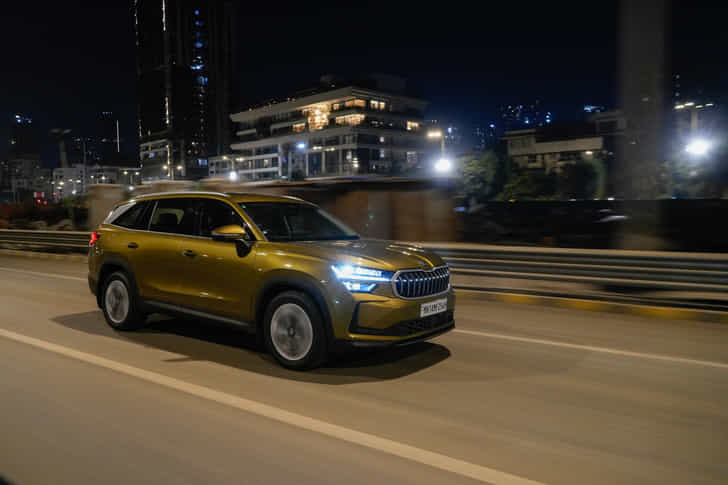
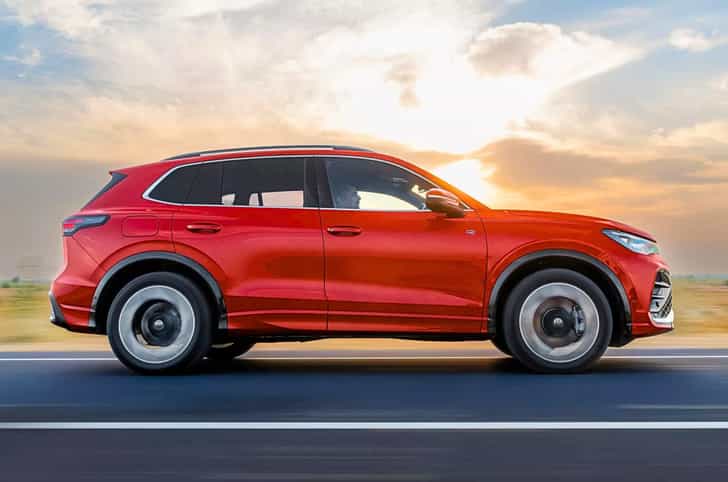
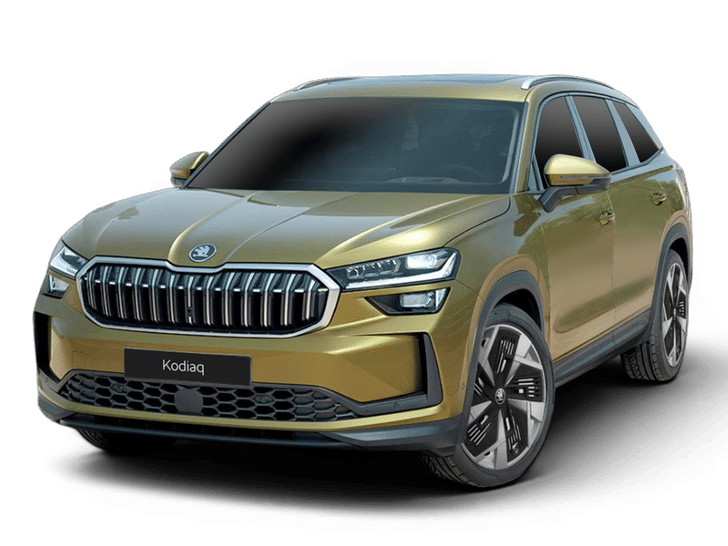
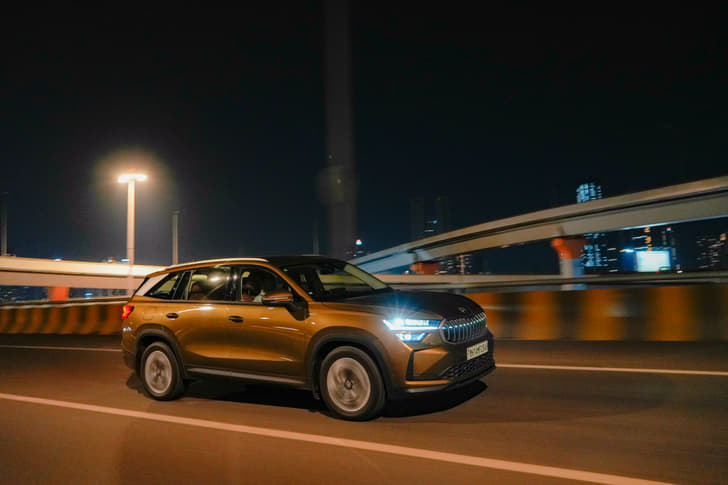
Coming to your question, you seem to have tried all the options available, and none have caught your fancy. In that case, we would recommend that you look at pre-owned options instead. A two- or three-year-old Skoda Kodiaq or Volkswagen Tiguan should fall within your Rs 25 lakh budget, and both have the same solid European build quality and are powered by a strong 2.0-litre turbo-petrol engine. 

You will enjoy driving either of these two cars, which will feel like a proper upgrade from your outgoing car. Look for a car that's still covered by factory warranty for greater peace of mind.
Skoda Kodiaq

Skoda Kodiaq

Want to sell your car?

Sell your car at the right price, without the stress.

More questions on similar cars

BA

Babu

1d

I am planning to buy a new car with a budget of around ₹7 lakh. I really liked the new Tata Punch and am considering buying the Smart variant. However, with rising fuel prices, I am now more inclined towards a CNG model for better running costs. Currently, I am confused between these two variants: Tata Punch Smart CNG Tata Punch Pure Plus iCNG The Pure Plus iCNG variant costs around ₹3 lakh more than the Smart variant, but I do like the additional features it offers. My monthly running will not exceed around 800 km, and I plan to keep the car for long-term usage. Could you please advise: Whether the Tata Punch CNG is a good long-term buy Whether the higher-priced Pure Plus variant justifies the extra cost If there are any better CNG alternatives from other brands that offer better mileage, reliability, comfort, and ownership experience within this budget

Autocar India team

Autocar India

Verified
1h

With your usage of under 800 km a month and long-term ownership in mind, we would first question whether CNG is actually necessary. CNG makes the most financial sense when the cost of running is significantly higher. At your usage, the payback period becomes much longer, so spending substantially more upfront purely for fuel savings may not be the smartest move. Also, while petrol prices do rise, CNG prices tend to rise too, so the savings gap does not remain fixed forever.Between your two choices, the Smart iCNG is actually the more rational pick if you are set on the Tata Punch. Yes, it is the base variant, but it still gets the essentials like LED headlamps, front power windows and central locking. So it does not feel bare bones from the usability perspective.The Pure Plus iCNG does add a lot more premium equipment like the touchscreen infotainment with wireless smartphone connectivity, reverse camera, cruise control, rear AC vents, all power windows and a more premium cabin feel. But the key question is whether you would want to stretch your budget significantly to have those niceties. That said, if fuel efficiency is your top priority and you are open to alternatives, Maruti’s CNG options make stronger sense than the Punch. The Fronx or Baleno CNG will generally offer better efficiency, a wider service network and a more proven CNG ownership experience.

VehicleTata Punch
NI

Nitin

22h

Hello, We are a family of four, although my elder son lives in a different city and visits us once every couple of months. Our cars are almost entirely chauffeur-driven, though I do occasionally enjoy driving on long trips myself. I had booked the Toyota Innova Hycross VX 7-seater primarily for its excellent second-row comfort and practicality. However, with the recent rise in petrol prices and growing government discussions about E25/E30 fuel blending, I am now reconsidering whether to cancel the booking and instead opt for the Mahindra XEV 9e. I personally prefer practical, no-nonsense cars over feature-heavy luxury gimmicks. For example, I specifically chose the lower Hycross variant because I do not really care for features like ottoman seats, which actually compromise legroom for me, or panoramic sunroofs. Similarly, the triple-screen layout in the XEV 9e also feels unnecessary to me. What attracts me towards the XEV 9e is the possibility of being relatively future-proof against changing fuel policies and rising fuel costs. However, I also understand that the XEV’s fixed second-row setup may not be as spacious or comfortable as the Hycross for chauffeur-driven usage. My priority is a comfortable, premium-feeling, reliable, and sensible long-term ownership experience within a budget of around ₹30–35 lakh. Between the Toyota Innova Hycross VX and the Mahindra XEV 9e, which one would you recommend, considering comfort, practicality, future readiness, ownership experience, reliability, chauffeur-driven comfort, and long-term peace of mind?

Autocar India team

Autocar India

Verified
1h

For your very specific use case, we would actually stick with the Innova Hycross VX rather than switch to the Mahindra XEV 9e.The reason is simple. You are almost entirely chauffeur-driven, value second row comfort, want a no-nonsense premium family car and do not care for gadgetry for its own sake. That is exactly where the Hycross plays to its strengths. The second row comfort and sheer sense of space in the Hycross is simply better, especially since you have consciously chosen the VX to avoid gimmicks while keeping the practical bits that matter. The XEV 9e is an impressive EV, but its fixed rear bench and lower knee room make it less ideal for a chauffeur-driven owner who will spend meaningful time in the back.On the fuel and ethanol concern, we would not let that drive the decision. The Hycross hybrid is already very efficient for a vehicle of its size, and while E25/E30 discussions are ongoing, any move beyond current blends will be gradual. Beyond a certain threshold, proper flex fuel solutions and lower blend availability for existing cars would need to coexist. We would not cancel a purchase decision around a hypothetical future policy shift.

VehicleToyota Innova HyCross
VehicleMahindra XEV 9e

Popular discussions right now

DJ

Deepak Jain

4d

I am planning to buy the Honda City facelift that was launched yesterday. How does it compare with the Volkswagen Virtus? I am also assuming that the government will continue supporting E20 fuel even if E85 is introduced in the future. So, is it still safe to buy a petrol vehicle in Delhi/NCR?

Autocar India team

Autocar India

Verified
3d

The new City facelift does make a stronger case now because Honda has added genuinely useful features like a larger infotainment screen and ventilated front seats, while pricing has remained fairly sensible. But fundamentally, the character of the car has not changed.Against the VW Virtus, the choice still comes down to personality. The Virtus is the more fun to drive option, especially with the turbo petrol engines, because it feels stronger, more eager and more engaging from behind the wheel. The City, on the other hand, is the more balanced sedan. The 1.5 naturally aspirated petrol is smooth, refined and easy to live with, but if outright performance is your priority, it will not feel as quick as the turbo Virtus. The City hybrid changes that equation because it is genuinely quick and can match the 1.5 TSI for straight line pace, but it is still not what you would call an enthusiast’s car.On the fuel front, yes, it is safe to buy a petrol car in Delhi NCR. Current mainstream petrol cars are already E20 compatible, and even if India eventually pushes toward higher ethanol blends, that transition will be gradual rather than an overnight switch. Beyond a certain point, if the country were to move meaningfully toward very high blends like E85, manufacturers would need proper flex fuel engines engineered for that fuel, and the government would also need to continue offering lower blend fuel options during any transition.

VehicleVolkswagen Virtus
VehicleHonda City

Posted on: 27 May 2026