

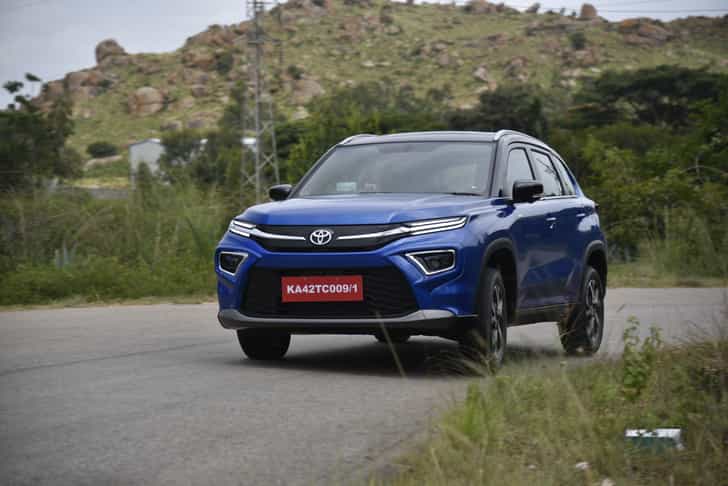
I am planning to purchase a new SUV. I have shortlisted two vehicles. Toyota Hyryder non-hybrid top model (manual) and Kia Seltos manual top model. Which one should I prefer? My daily running is very less around 10-15 kms.

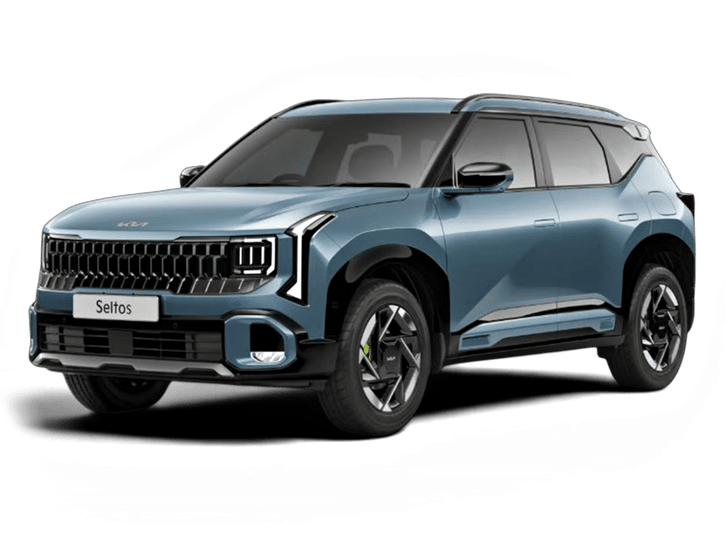
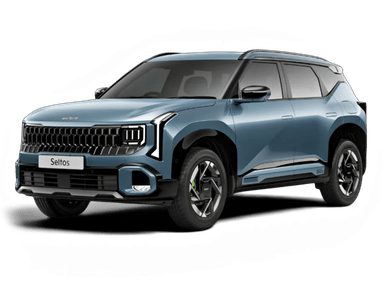
With a daily running of just 10-15km, there's little benefit in stretching to a strong hybrid, and since you've shortlisted the non-hybrid Hyryder, the Seltos is the more complete package. It offers a more premium cabin, better performance from its naturally aspirated petrol engine, a stronger feature list and an overall more polished driving experience.
The Toyota Hyryder still has its strengths. Toyota's reputation for reliability and aftersales support is second to none, and if long-term peace of mind is your top priority, it remains a very sensible choice. However, the non-hybrid petrol doesn't offer a significant efficiency advantage over the Seltos, so you miss out on the biggest reason to buy a Hyryder in the first place.
Given your low running, we'd simply choose the SUV that you enjoy driving and living with every day. The Seltos also feels a little more modern inside and delivers a better overall ownership experience without asking you to compromise on reliability.
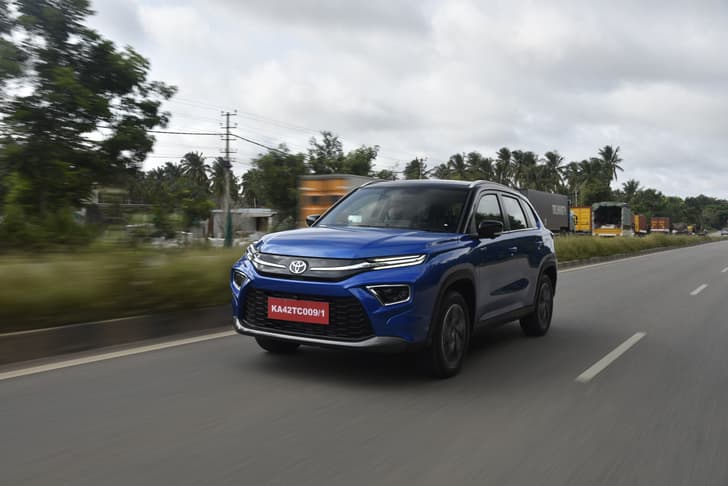
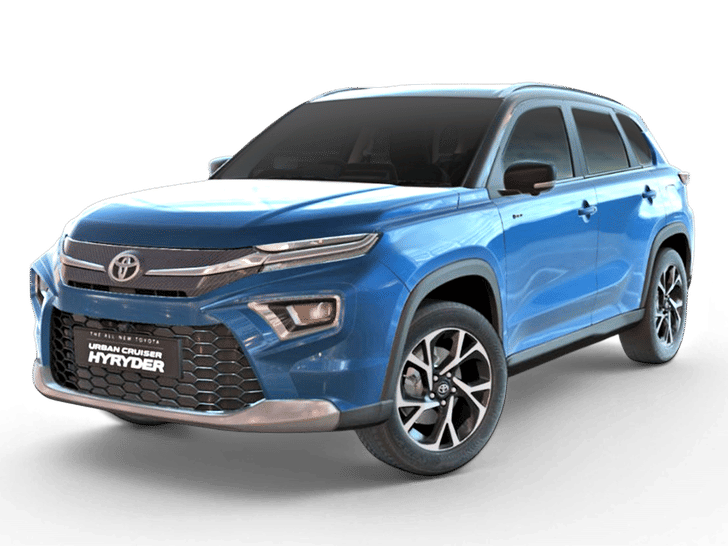
Toyota Urban Cruiser Hyryder
Explore cars mentioned
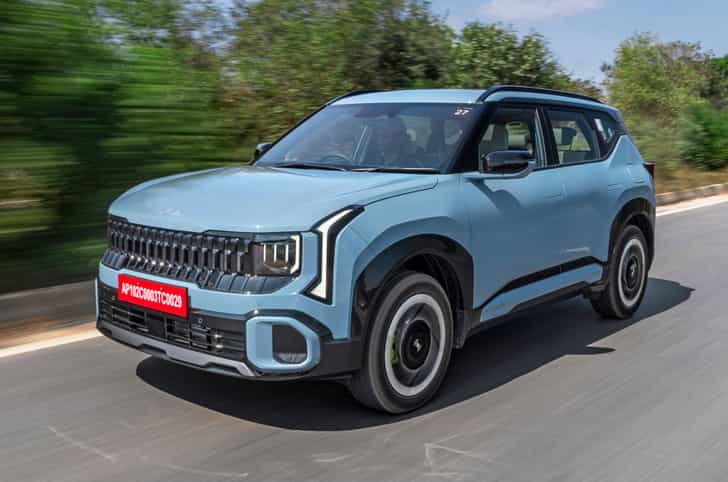
@gagan_deep_2 Go for Seltos because This car is just awesome. I purchase one not too long ago. NA 1.5 petrol manual HTK O in Delhi. This car is just a refined piece of automobile. I have driven around 5k kms so far as I traveled to Kashmir and went to camping and trekking with family in this car. It ran like a beast, refinement is just pure elegance. You will have to get used to driving manual in this traffic here. My only regret is I should have gone for IVT, simply taking cloth away and less gear shifting gives a lot of stress free driving experience even if you have dirt distances to cover. When I drive peacefully, I have gotten 21kmpl ( city+mostly highway) however pure City driving has yielded 10-14 kmpl. Now ofcourse of you are a good diver and know how to best use gear shifting with light foot you can get around 12-15 in the city. Hey, IVT performs much better in traffic ander is better at mileage. Rest, no harm exploring. Best of luck and have fun full and safe driving.
@gagan_deep_2 Go for Urban Cruiser Hyryder
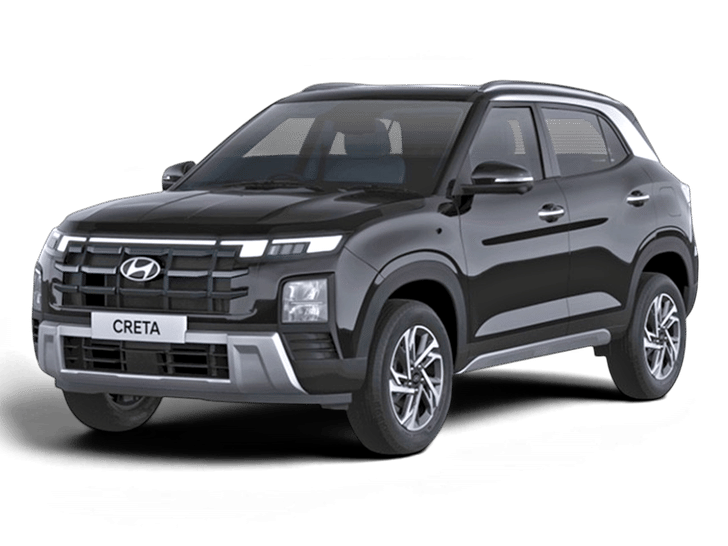
@saurabh.93 if using Honda city in present than which will be better Hyryder or Seltos or Creta
Which suv under 15 lacs has good ivt transmission which can provide smooth power in hills because most ivt underperform in hilly area with High rpm and low instant pickup and DCT gets heated up which suv covers this problem If torque converter is solution then kia hyundai and honda don't have torque converter only maruti and toyota provides can anybody solve this issue
 Creta owner · 19,800 km
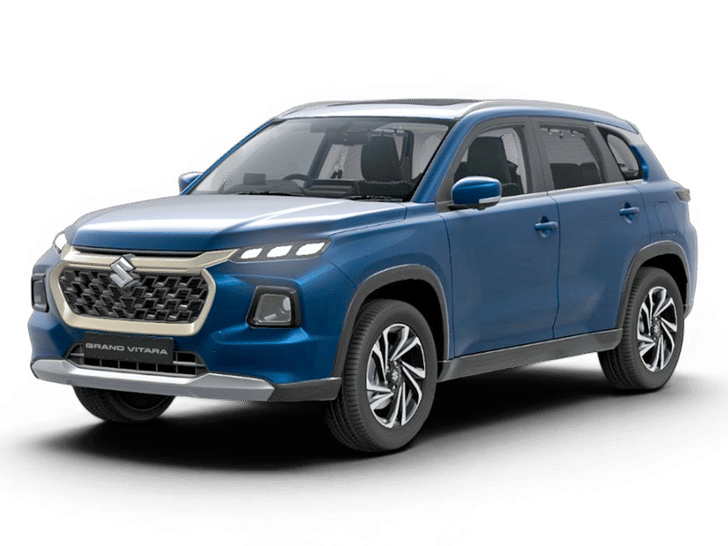
@vinaykumar.1 If hill driving is a priority, I would recommend the Maruti Grand Vitara 6-speed Torque Converter Automatic. A torque converter generally feels smoother and more natural on steep climbs than an iVT/CVT, and you also won't have the low-speed heat concerns associated with a DCT.
I want to buy a 7 or more seater within 20 lakhs with good power and comfort. My usage will be 5000 kms per year maximum
Creta owner · 19,800 km@lakshmanarao Kia Carens Clavis Turbo Petrol DCT should be best in this case. It offers a comfortable cabin, strong performance, and is one of the best family-friendly 7-seaters you can buy around the ₹20 lakh budget.
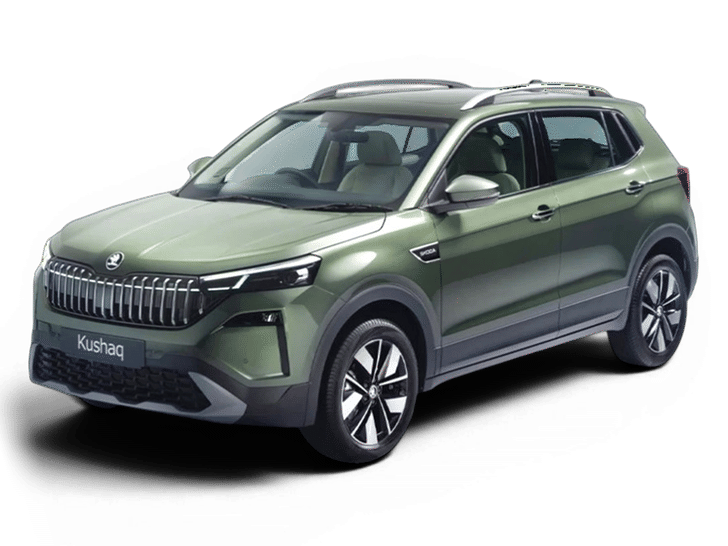
Iam planning to buy skoda kylaq classic plus in December for 10 lakhs
Makes sense 👍
More posts on similar cars

Expert reviews worth reading
Popular discussions right now
Upcoming launch buzz
Community discussions on upcoming launches
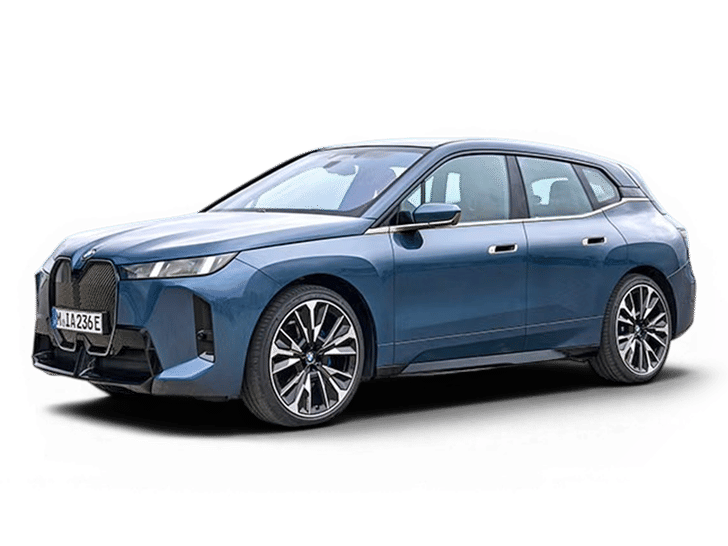
BMW
iX facelift
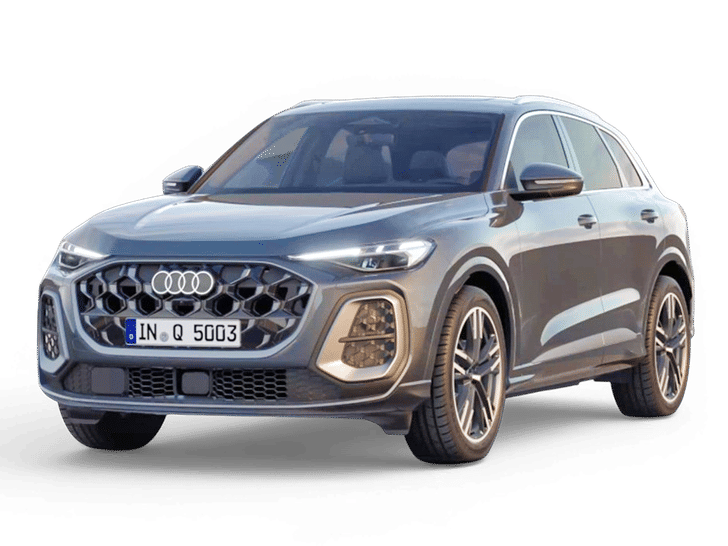
Audi
New Q5
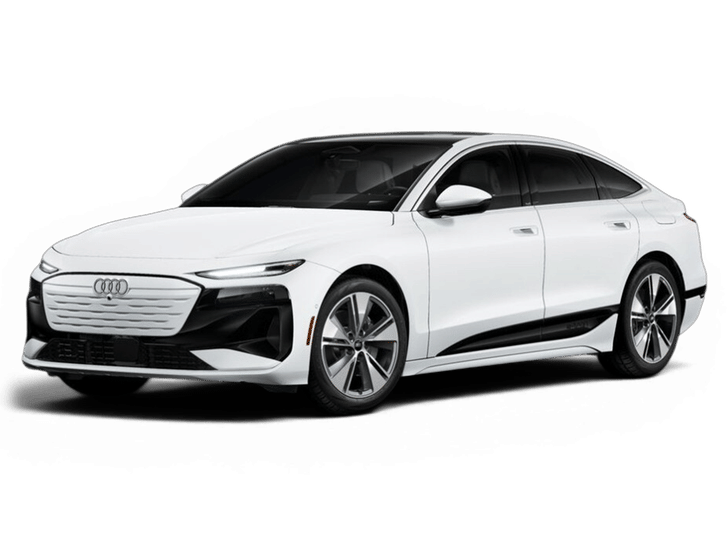
Audi
A6 e-tron

Audi
Q6 e-tron
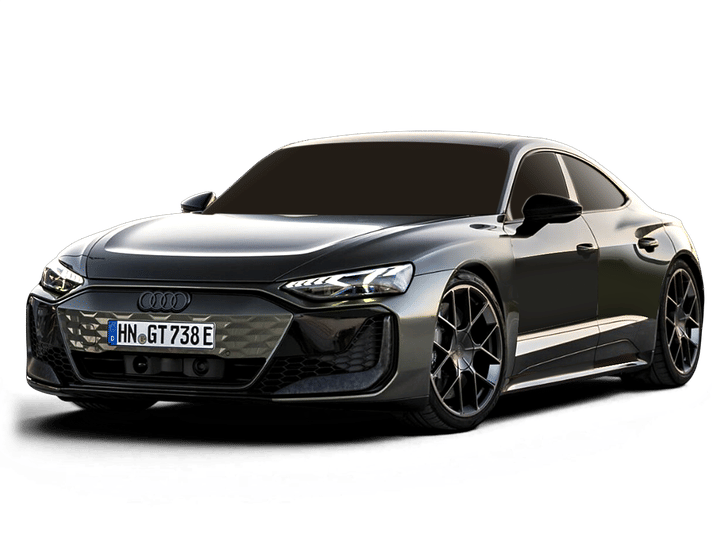
Audi
e-tron GT facelift
Volkswagen
Virtus facelift
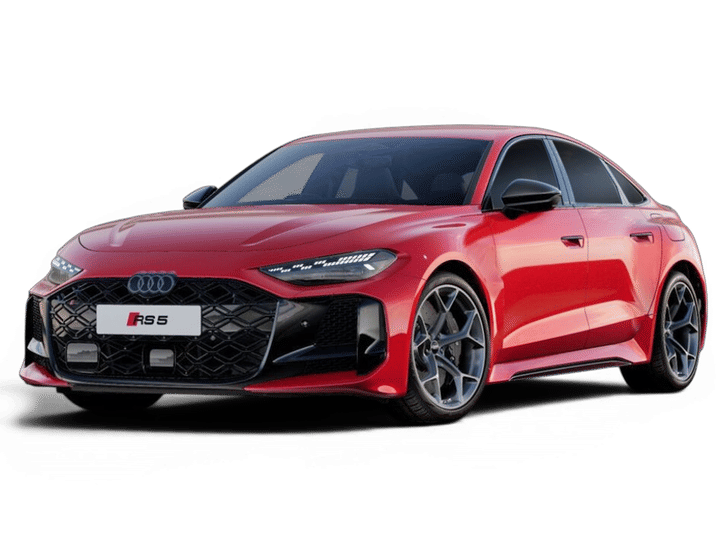
Audi
A5

Vinfast
VF5
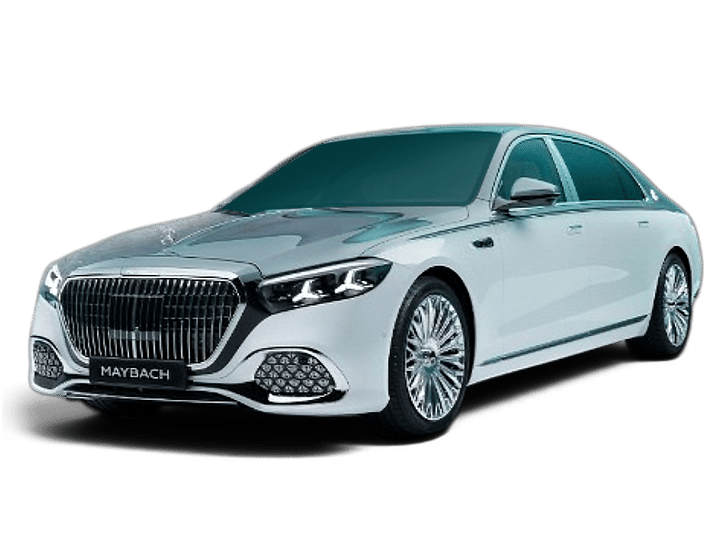
Mercedes-Benz Maybach
S-Class facelift
Volvo
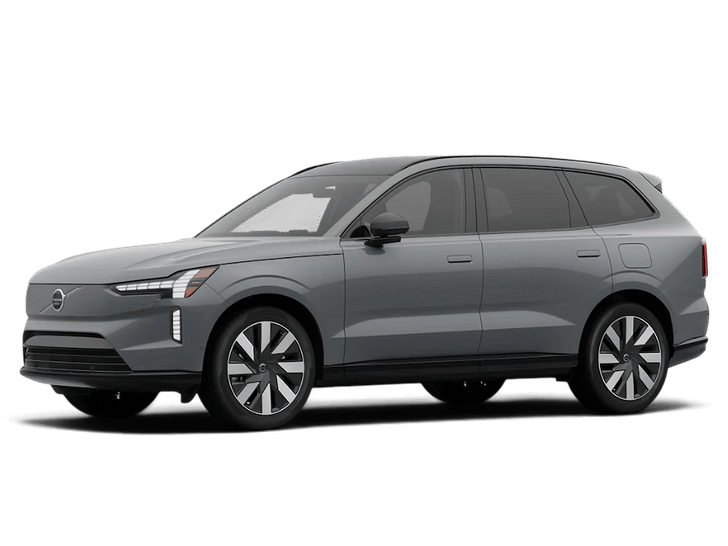
EX90
Compare suggested cars


Curated collections
Posted on: 9 Jul 2026
