Autocar India
•26w

I live in Andhra Pradesh, and most of my driving is on quarry roads and double-lane roads. I drive nearly 5,000 km per month. Please suggest a 7-seater SUV, MPV, or EV with captain seats within a budget of ₹30-40 lakh.

Verified
•26w

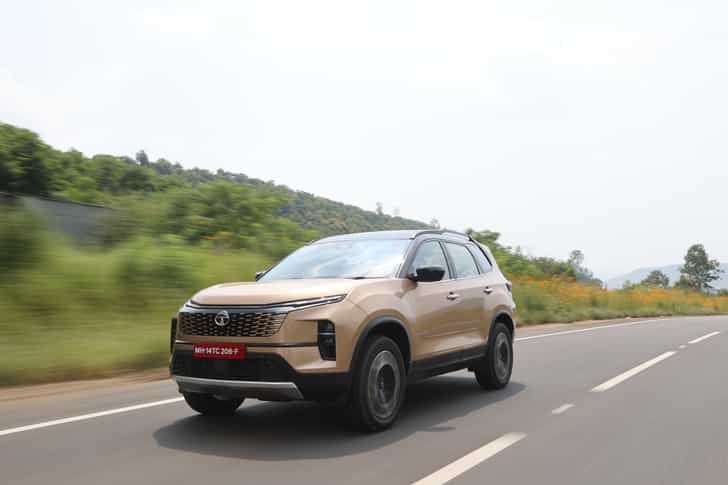
Your usage and requirements point to a tough yet comfortable diesel SUV with lots of space. In that use, the Tata Safari 6-seat diesel automatic Accomplished X+ fits you best. It rides comfortably on broken surfaces, feels steady at highway speeds, and the captain seats in the middle row are wide and easy to get in and out of, which matters when you are in the car for hours every day. They're also widely adjustable and even ventilated, which is a bonus. The diesel with an automatic gearbox means less effort in slow stretches and relaxed cruising between towns, and diesel makes sense for your monthly distance.

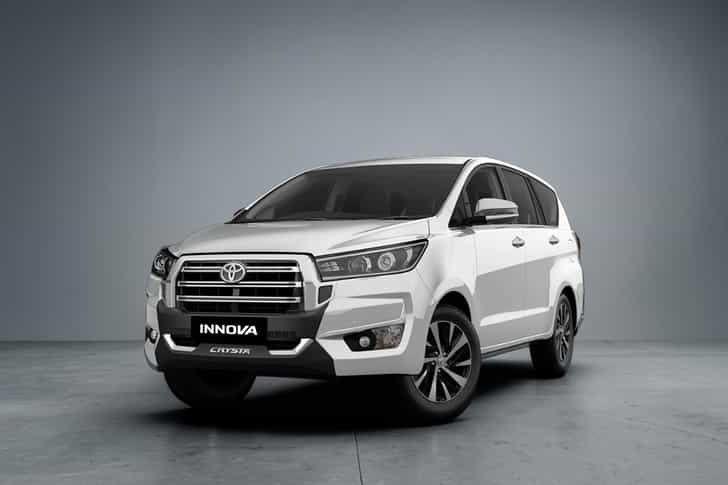
Know the trade-offs. With all three rows up, boot space is tight, so plan for a roof carrier if you carry a lot of luggage, and Tata's aftersales and service network isn't quite as good as some other brands. If you are fine with a manual, the Toyota Innova Crysta 7-seat diesel remains a great long-term workhorse and is very reliable too. However, it's not as comfortable or well equipped as the Tata Safari.

As for EVs, your two MPV options are the Vinfast VF MP7 and the BYD eMax7. However, due to their long wheelbases, slightly lower ground clearances and underbody battery packs, we'd recommend sticking to an ICE MPV for your usage on rough roads and quarries. Additionally, their dealership and after-sales networks are still limited compared to Tata and Toyota.
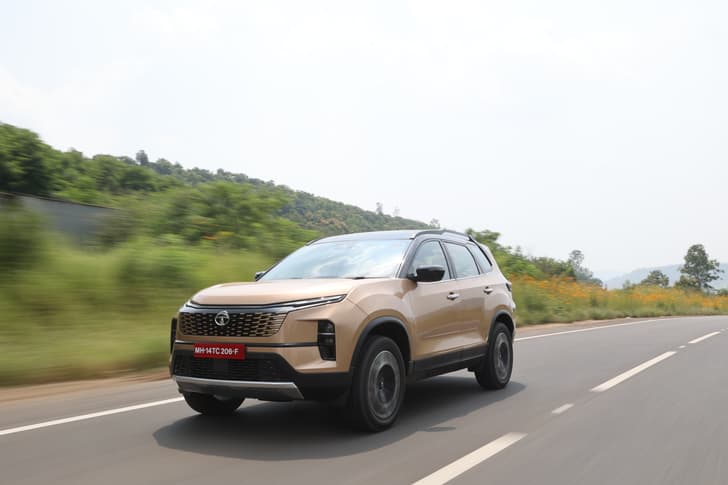
Tata Safari

Tata Safari

•25w•

Why not mahindra XEV9S

More posts on similar cars

•2d

With the third-gen Creta already under testing, what is Hyundai’s long-term plan for a 7-seater SUV positioned above it? Could the upcoming Ni1i hybrid SUV simply be launched as the second-gen Alcazar, or will the Alcazar be discontinued? There has been news about Ni1i for a long time. Will the Alcazar get a new generation, move upmarket to rival the Mahindra XUV 7XO, or make way for an entirely new model as it approaches the end of its lifecycle?

Verified
•1d

Hyundai is unlikely to simply replace the Alcazar with the upcoming hybrid SUV (Ni1i), as the two are expected to occupy different positions in its line-up. We had previously reported that Ni1i is planned as a larger, three-row hybrid SUV positioned above the Alcazar and below the Tucson, targeting rivals such as the Mahindra XUV 7XO and Tata Safari. If that positioning holds, the Alcazar would continue to fill the gap between the Creta and the larger hybrid SUV.The Alcazar is also expected to receive a new generation around 2027–28, while Ni1i has gone quiet and is unlikely to arrive before late 2027. Hyundai has not confirmed the final positioning or launch timeline for either model, so it is too early to say whether the Alcazar will move upmarket or be discontinued.For now, the most plausible plan is for Hyundai to retain the Alcazar as its more accessible three-row SUV and position Ni1i as a larger, more premium hybrid offering. The arrival of the third-generation Creta could influence that strategy, but there is no confirmed indication that Ni1i will simply become the next Alcazar.

VehicleHyundai Alcazar
VehicleHyundai Creta
VehicleMahindra XUV 7XO
VehicleTata Safari
•2d

Toyota and Honda often keep their engines and other mechanical components in production for many years. For example, Honda has used its 1.5-litre VTEC engine since 2008 and its 1.2-litre petrol engine since 2009, while its hybrid technology has been on sale since 2022. Does this approach mean they prioritise reliability and low maintenance over innovation? Is it also why their cars command a premium in the used-car market, even when the core product remains largely unchanged? Do they hold back on software-driven features until they are confident these will work reliably, as seen with the touchscreen and camera interfaces in the 2026 Honda City and Toyota Innova Hycross hybrid?

Verified
•2d

Yes, to an extent. Toyota and Honda have traditionally prioritised proven engineering and incremental improvement over frequent, wholesale changes, particularly with engines and mechanical components. Keeping a powertrain in production for years allows manufacturers to refine it, iron out problems and build service expertise around it. That can help reliability and maintenance costs, but a long product life cycle alone doesn't guarantee either. Toyota Innova Crysta and the Honda City are a prime example of that.Their reputation for reliability, predictable ownership costs and strong resale values comes from a combination of factors: proven mechanicals, service networks, parts support and buyer confidence. It isn't simply because the underlying product stays the same. The trade-off is that some rivals move faster on cabin design, infotainment and convenience features, making Honda and Toyota cars feel dated in certain areas.

VehicleToyota Innova Crysta
VehicleHonda City

Has E20 fuel affected your mileage?

Is ADAS worth paying extra for in a car?

Popular discussions right now

Upcoming launch buzz

Community discussions on upcoming launches
Add a photo of your Alcazar

First sightings, real road conditions, delivery buzz

Posted on: 30 Apr 2026