
Autocar India
BH

Bhadra

12w

My daily driving is between 80-120 km, mostly on the Hyderabad ORR. Once a month, I also visit my native place, which is 350 km one way from Hyderabad. I’m looking to replace my 2021 Grand i10 Nios, most likely with an EV. My budget is around ₹14-18 lakh. Please suggest.

Autocar India team

Autocar India

Verified
11w
With usage that high, especially highway usage, we do not recommend getting an electric car, at least not at present. While the need for cost savings is understandable, such high daily usage will require daily charging, which will quickly shorten the battery's life. Moreover, a 350km one-way trip will require an EV with a very long range, and most in this price bracket will not do it comfortably, so at least one charging stop is imperative.
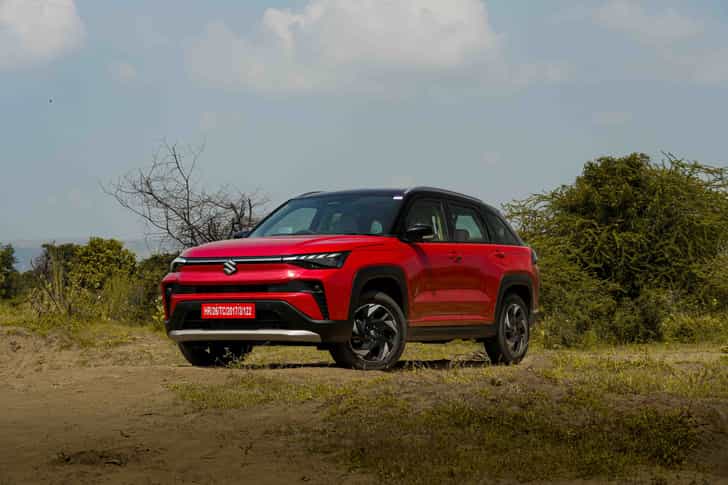
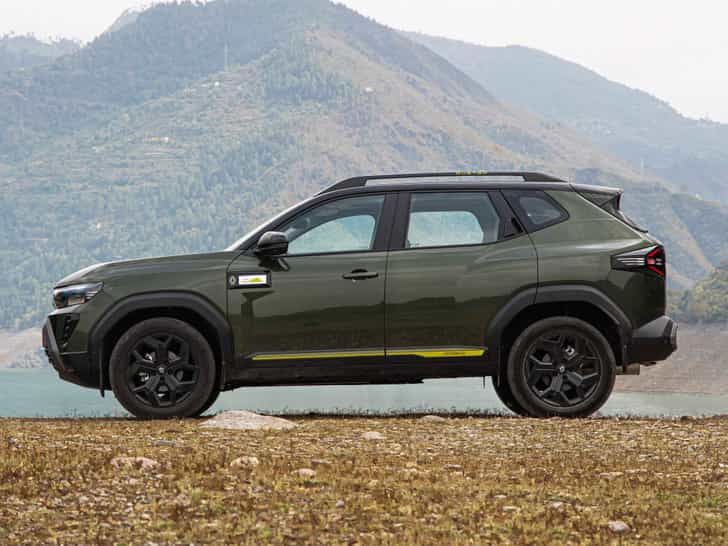
Instead, we recommend a strong hybrid SUV like the Maruti Suzuki Victoris, or if you can wait until Diwali, the new Renault Duster hybrid, as it offers the best of both worlds - low running costs as well as flexibility.
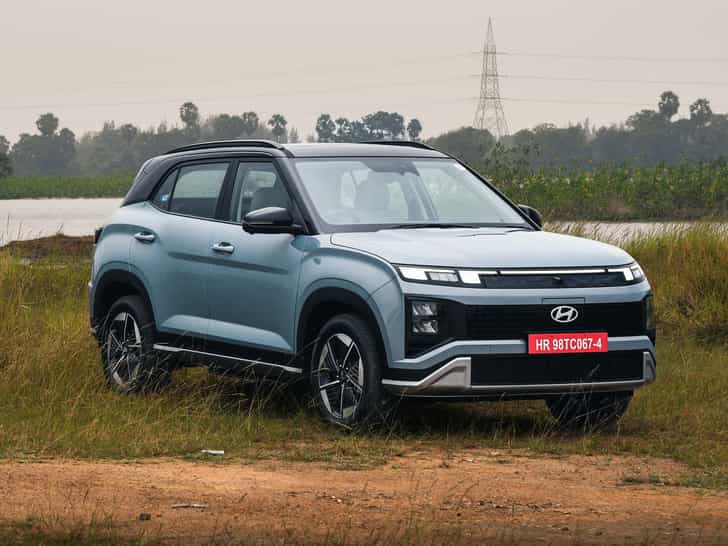
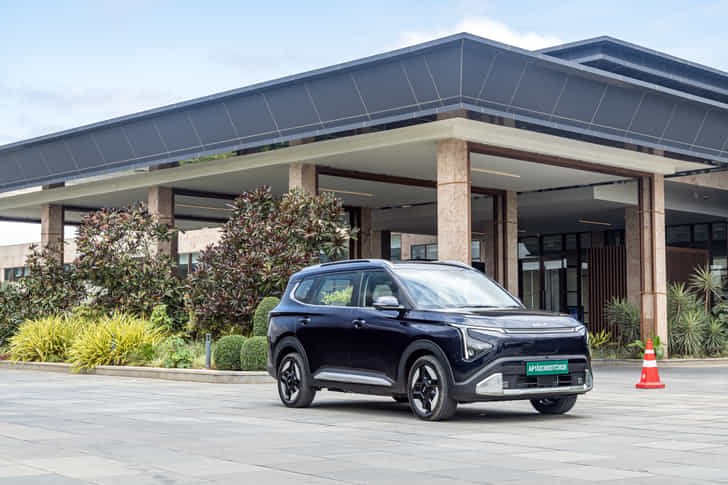
If you are still set on having an EV, you would need at least a mid-size EV, such as the Tata Curvv EV, Mahindra BE 6, Hyundai Creta Electric, or Kia Carens Clavis EV, in order to have enough comfortable range, but those would be outside your budget of Rs 18 lakh.
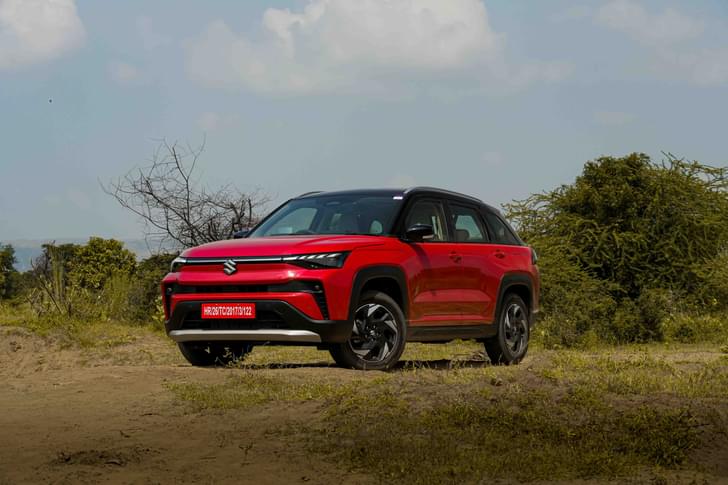
Maruti Suzuki Victoris

Maruti Suzuki Victoris

More questions on similar cars

NA

Narayan

1w

Hi Autocar team, I am planning to upgrade my vehicle. I currently own a Nissan Terrano, which has done over 3.5 lakh km and still runs very well. However, due to its age, its parts are wearing out, and Nissan service takes a long time (often 15 days to a month) to replace parts, sometimes even suggesting unnecessary replacements. I am confused between the Victor's Strong Hybrid and the GV Strong Hybrid. I am getting a good discount on the GV. My main concern is that the GV does not have a crash test rating, whereas the Victor's has a 5-star rating. Plus, can you tell me how much I'll pay in tolls for ride quality? Since Terrano has excellent suspension, is that acceptable, or should I avoid Maruti Duo & Toyota? After-sales service is very important to me, so if you suggest any other vehicles, please recommend from well-established brands.

Autocar India team

Autocar India

Verified
1d

The Maruti Suzuki Grand Vitara and Maruti Suzuki Victoris share the same Global C platform and are structurally as well as mechanically identical, so the crash structure and safety levels should be very similar. However, since you're concerned about having a certified 5-star rating, the Victoris is the safer bet as it has been officially crash-tested by Bharat NCAP and awarded a 5-star rating for both adult and child occupant protection. The rating applies to all Victoris variants, including the strong hybrid models. The Victoris is also the newer model with additional features like a larger 10.1-inch infotainment system, ADAS, and improved tech over the Grand Vitara.Regarding everyday use, the strong hybrid powertrain is exceptionally well-suited for city driving with long daily commutes. The system operates in near-silent EV mode for extended periods in city traffic, switches seamlessly between electric and petrol modes, and delivers excellent fuel efficiency. This Toyota-based strong hybrid technology is both smooth and refined in operation.As for ride quality, you will need to adjust your expectations coming from the Terrano. This Nissan car suspension setup was indeed exceptional on broken roads and offered a plush ride. The Grand Vitara and Victoris, while comfortable, have a slightly firmer setup that may not quite match the Terrano's ability to absorb bad road surfaces. However, the ride is still acceptable for most conditions.

VehicleMaruti Suzuki Victoris
VehicleMaruti Suzuki Grand Vitara
SH

Shashidhar

33w

Hi Autocar Team, Good morning. I own a 2014 Maruti Suzuki Swift Dzire VXI petrol, which has been a good car for my family of four. It has run well so far, with only a slight drop in mileage, and has not given any major issues despite the ongoing transition to E20 fuel. Now, I am planning to upgrade to a new SUV that is compliant with E20 fuel norms and future regulations. However, with the government moving towards higher ethanol blends like E27 to E85, I am confused about whether I should buy a new car now or wait until 2026 for more future-ready vehicles.

Autocar India team

Autocar India

Verified
4h

Your current Maruti Suzuki Dzire has already adapted to E20 with only a slight impact on mileage, which shows how gradual these transitions are. The same approach will apply going forward. E27 may come as an incremental step, but cars that are E20 compliant today, like the Maruti Suzuki Victoris, are already engineered to handle such small increases without major issues. Higher blends like E85 or E100 are a completely different case, as they need dedicated flex-fuel engines and separate fuel infrastructure, which will take time to develop and scale.Even when these higher ethanol fuels are introduced, they will not replace existing petrol overnight. They will be offered alongside current fuel types, and conventional petrol cars will continue to run on standard blends. So there is no real risk of your new car becoming unusable or outdated in the near future.Instead, focus on your upgrade. Moving from a Dzire to something like the Maruti Suzuki Victoris or the Grand Vitara will give you a clear improvement in comfort and efficiency, and both cars are already aligned with current fuel norms.

VehicleMaruti Suzuki Victoris
VehicleMaruti Suzuki Grand Vitara
KE

Kesar

1d

I have upgraded from a Fiat Punto 90 HP to a Fronx because of spares issues, as my car had clocked 2,50,000 km. But the ride on the Fronx is not as nimble as compared to the Punto. Can you recommend an upgrade, as I do a lot of highway runs, mostly in the mountains? My budget is approximately ₹18 lakh.

Autocar India team

Autocar India

Verified
8h

Check out the the Skoda Kushaq 1.0 TSI Signature. It will feel closer to your old Punto than the Fronx does. The steering has good weight and the car turns in eagerly, so it is easy to place in tight bends and hairpins. The suspension takes rough patches well without tossing you around, and the car feels steady at highway speeds. The 115hp turbo petrol has strong pull once spinning, so quick overtakes on climbs are simple, and with the manual, you have full control of gears on steep sections. It also has a solid safety record, which matters on hill roads.A couple of things to note. At very low revs, you may need a downshift to get going cleanly on an uphill, so keep it in the right gear. Also, Skoda’s service reach is not as wide as Maruti’s, so check dealer support in your town.Other alternatives include the Renault Duster Techno Plus 1.3 Turbo, which feels tough, comfortable and characterful, but not as nimble, and as it's a brand new product which means its reliability is yet to be proven. You could also check out the Citroen Basalt X 1.2 Turbo AT, which is excellent value for money, but its dealer network is even smaller than Skoda's, so that needs to be borne in mind.

VehicleSkoda Kushaq
VehicleRenault Duster
VehicleCitroen Basalt
VehicleMaruti Suzuki Fronx

Posted on: 4 Feb 2026