
autocar-logo
Mumbai
KA

Kamlesh

7w

My running is approximately 5,000 km per year, entirely within the city. Should I go for an EV or an automatic petrol car in the ₹20-25 lakh price range? I am considering an EV mainly for tax savings (40% tax deduction), but I am unsure whether petrol would be better. Please guide me on what makes more sense financially, as well as from a maintenance perspective.

Autocar India team

Autocar India

Verified
7w
Since your annual usage is so low, and all within the city, an electric car makes a lot of sense, both from the point of view of tax savings and due to much lower running costs. However, our advice is not to rely on the public charging network alone, and instead ensure you have a charger installed at your home or place of work, if not both. If you do have to make an occasional outstation trip, plan carefully and pick a route with multiple public chargers along the way, topping up in small amounts as you go.
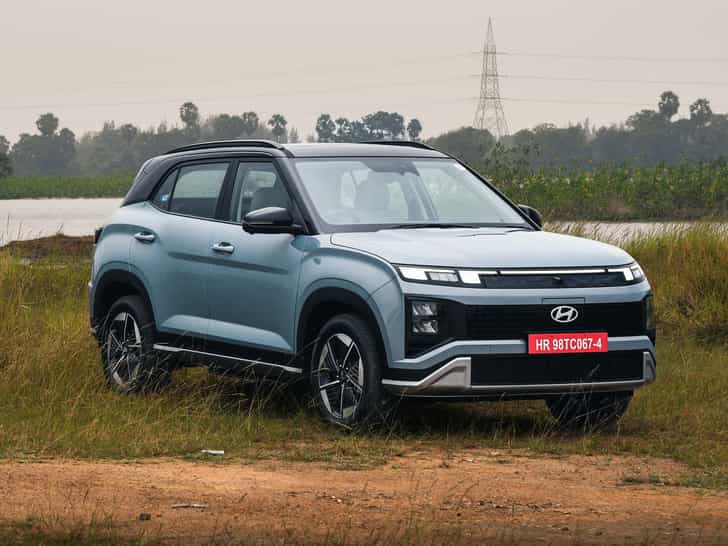
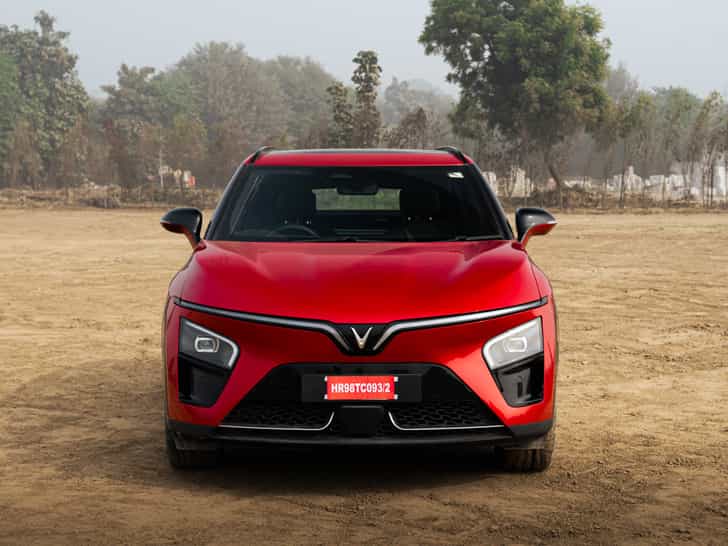
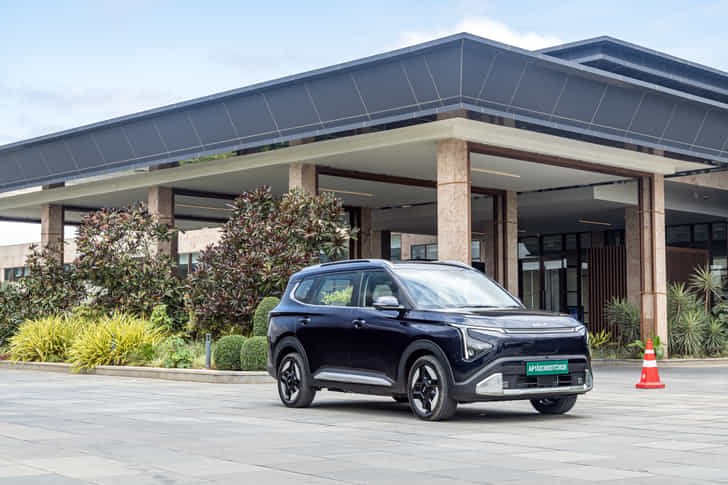
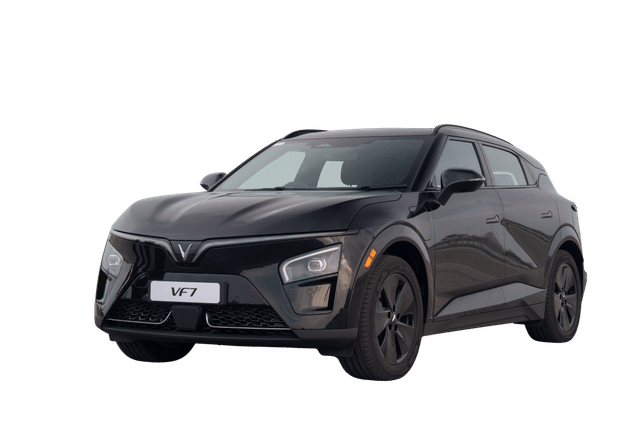
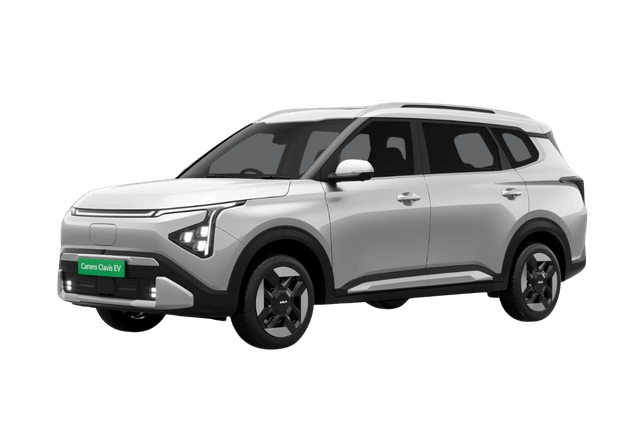
As for which car you should choose, there are plenty of options. If you want the best all-rounder with maximum efficiency, get the Hyundai Creta Electric. If you require more space, the Kia Carens Clavis EV is a great option. If you want ultimate value for money, try the Vinfast VF7. And if you want a dramatic and exciting EV with some compromises to practicality, check out the Mahindra BE 6.
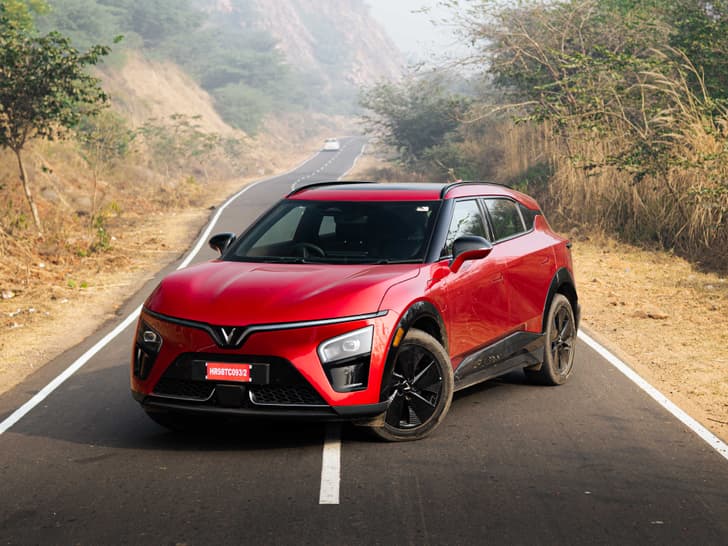
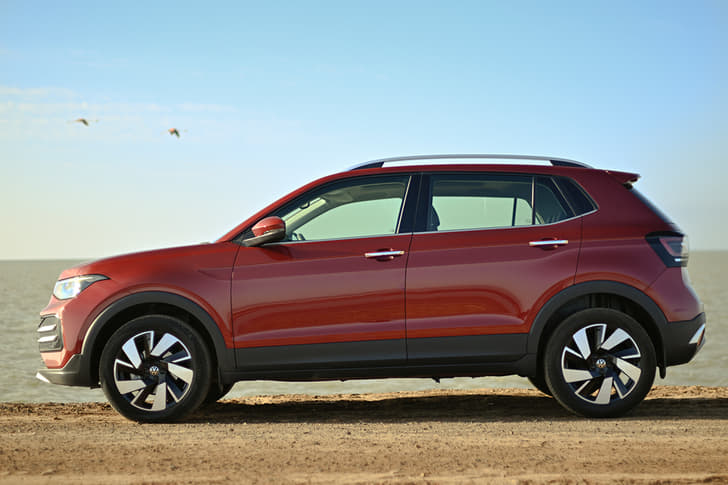
Vinfast VF7

Vinfast VF7

Got a suggestion for Kamlesh?

Add a Comment

Recommended questions for you

AD

Adithya

5d

Hi Autocar Team, I have recently moved from the UK to Hyderabad and am planning to buy a car for my family. We are a family of five (2 adults and 3 kids aged 11, 3, and 3), and my parents also live in the same apartment, so we often travel together. My usage will be around 80% city driving, with an annual running of approximately 6,000-8,000 km. I am looking for a safe 7-seater that is comfortable, enjoyable to drive (I am used to driving a VW Golf DSG), and capable of handling bad roads while offering a smooth ride for all passengers. I am currently confused between the Kia Clavis EV and the Mahindra XEV 9e. I prefer EVs due to their driving experience, but I am concerned about depreciation and resale value after 3 years. My budget is around ₹25-30 lakh. I am also considering an alternative strategy-buying a smaller EV like the Tata Punch EV for city use and using the remaining budget for a good 7-seater (new or used).

Autocar India team

Autocar India

Verified
1d

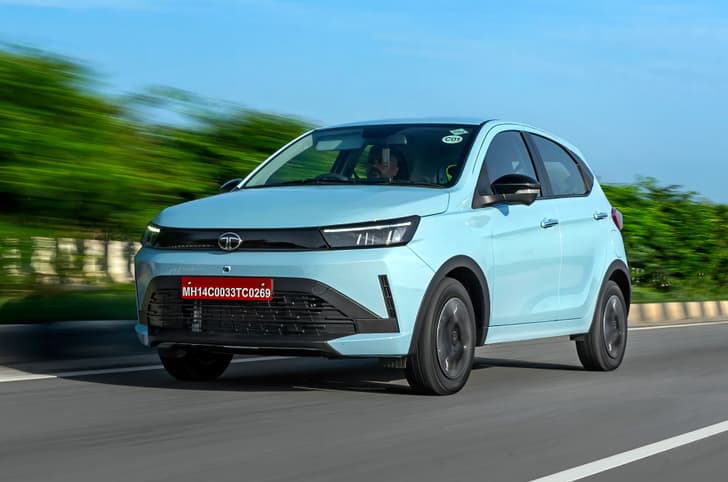
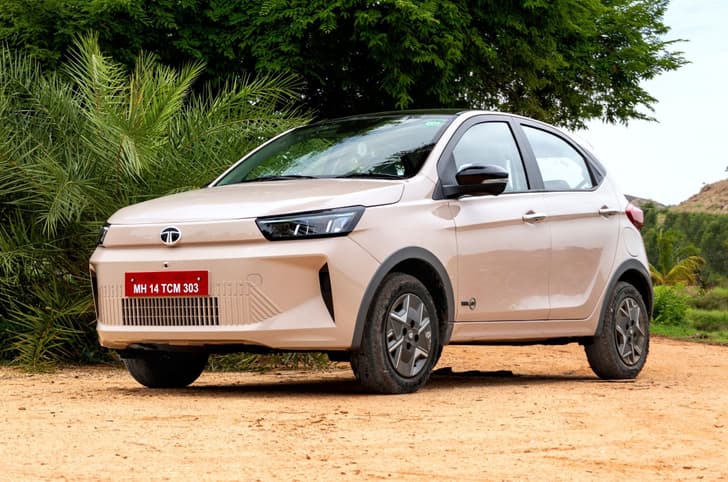
The Kia Carens Clavis EV will be the better pick for your needs. It's got the better third row seating and a more user-friendly cabin. Performance is good, and ride comfort is decent despite a slight firmness in the suspension set-up. The Mahindra XEV 9S has more wow factor, is quicker accelerating and has a longer range, but isn't as good a 7 seater as the Clavis EV. Your concern about EV depreciation isn't unfounded. In the fast-evolving EV world, current hardware and tech become outdated sooner, and this is part of the reason why EVs lose value faster than ICE vehicles. If this is not a dealbreaker for you, you will find an EV to suit your needs better than an ICE car. While we'd recommend one car for the family, you could also consider the combo of a Tata Punch EV and a Maruti Suzuki Ertiga AT VXI.

VehicleKia Carens Clavis EV
SK

Suresh Kumar

12w

I am confused between the Mahindra BE 6 and the VinFast VF7. My primary priorities are performance, handling, and driving range. Could you please advise which of these two electric SUVs would be the better choice based on these factors?

Autocar India team

Autocar India

Verified
2d

Both the Mahindra BE 6 and Vinfast VF7 are excellent EVs at a similar price but offer two completely different experiences. Where the Mahindra wows you with its design and long list of features, the Vinfast doesn't have the same road presence, though it is still unique-looking. Similarly, the interior of the BE 6 is far more radical and exciting to look at, but the VF7 is built of higher-quality materials and has better ergonomics. The biggest difference, however, is space, of which the Vinfast offers far more, especially in the rear seat, where the BE 6 is cramped. And finally, performance, where the VF7 comes in dual-motor guise with 350hp, the BE 6 offers 286hp for about the same price. The Vinfast's AWD system allows for much better acceleration than the RWD setup of the Mahindra. On handling, too, the lower-slung Vinfast feels sharper and more confident around corners, whereas the Mahindra feels loose, with lots of body roll.As for range, the two have similarly sized batteries, and we expect range to be comparable. In our real-world test, the Mahindra achieved 449km of range overall, so expect the AWD Vinfast VF7 to offer a slightly lower number.

VehicleMahindra BE 6
VehicleVinfast VF7

Posted on: 3 Feb 2026