

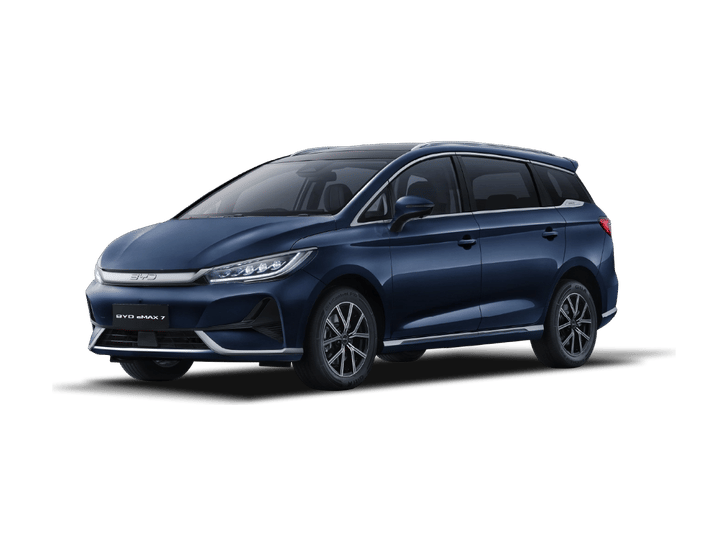
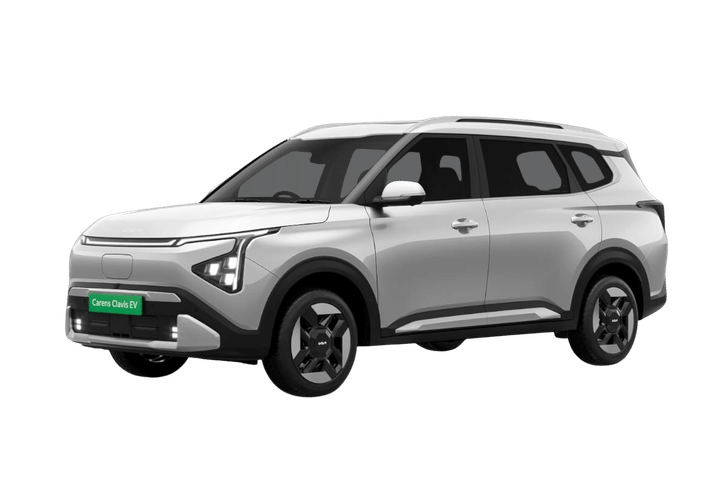
I need a 6- or 7-seater because I have two child seats and two nannies. I have booked the Toyota Innova Hycross ZX(O) top variant for around ₹40 lakh on-road, but it doesn’t feel premium enough for the price. I am also considering alternatives like the Kia Carens Clavis EV and the BYD eMAX 7 (2025 model), which is available at a discounted on-road price of around ₹26 lakh. However, I am unsure about long-term resale value. Between the Kia and BYD, which would you recommend? Or should I stick with the Hycross considering better resale and ownership peace of mind?

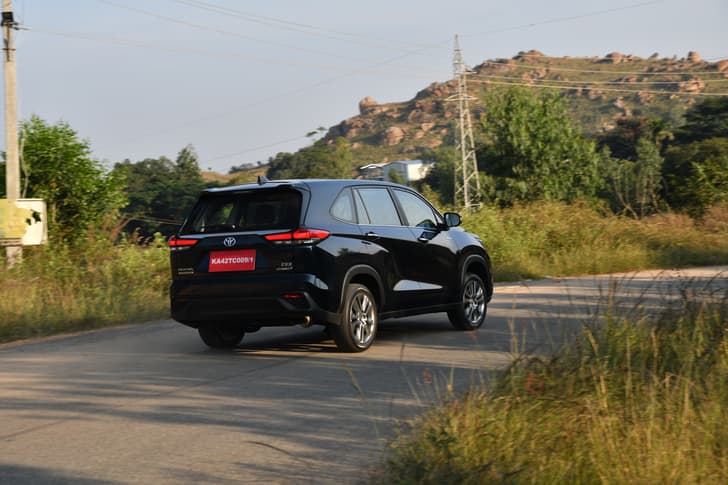
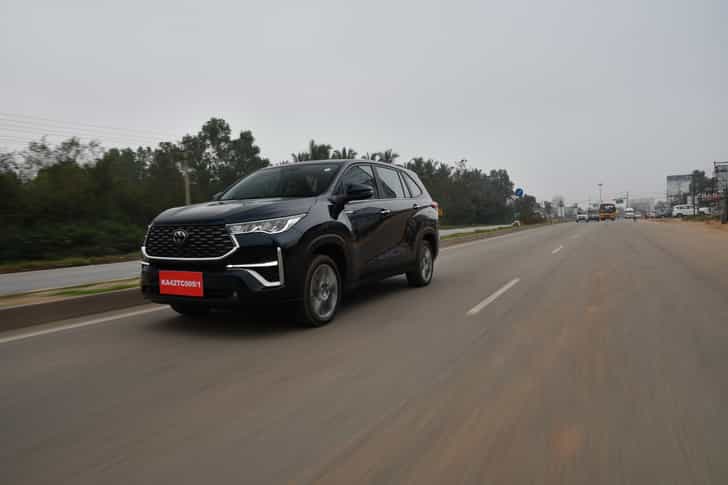
Toyota Innova HyCross may not feel special for the price, but it delivers exactly what your usage needs with genuinely usable third row space, flexibility for two child seats plus nannies. Also, it offers excellent ride comfort for family duties and, importantly, strong resale and hassle-free ownership that Toyota MPVs are known for in India.
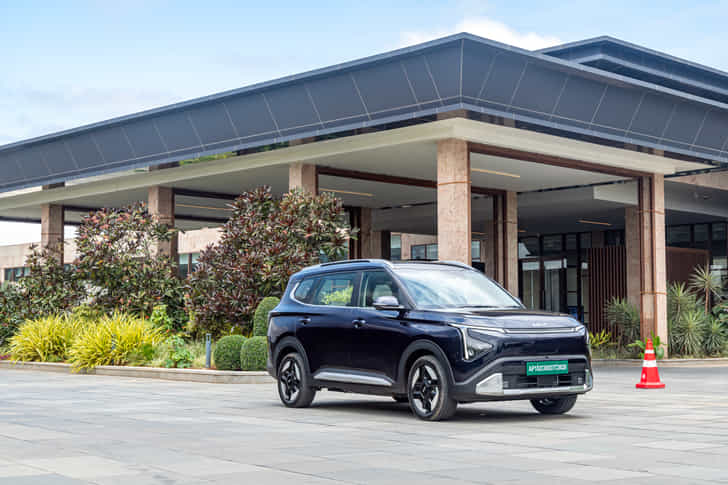
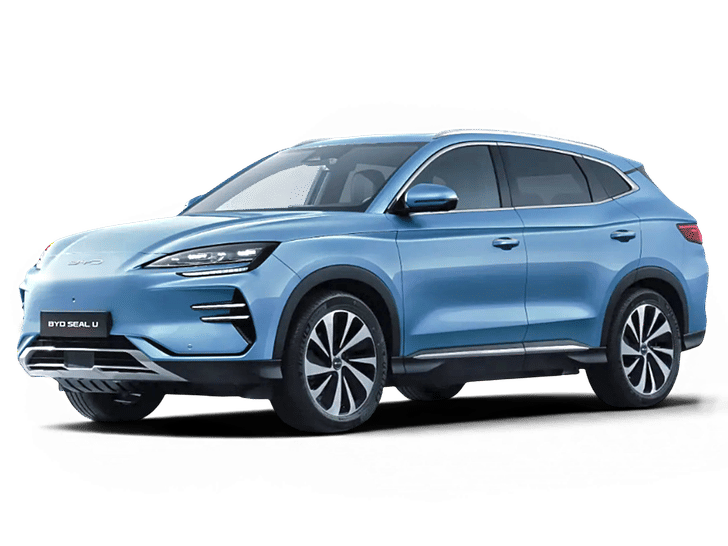
The BYD EMax 7 is the more practical of your EV alternatives, with good space and a more relaxed drive. While the Kia Carens Clavis EV would lean more towards features and a slightly more premium cabin feel. Both come with one clear trade-off today, which is that resale values are still a question mark compared to an Innova.
The only drawback with the Hycross is that it does not quite justify its price in terms of outright premiumness. But overall, it remains the most complete, dependable and financially sensible choice for your needs compared to the Kia and BYD car, making it the one to stick with.
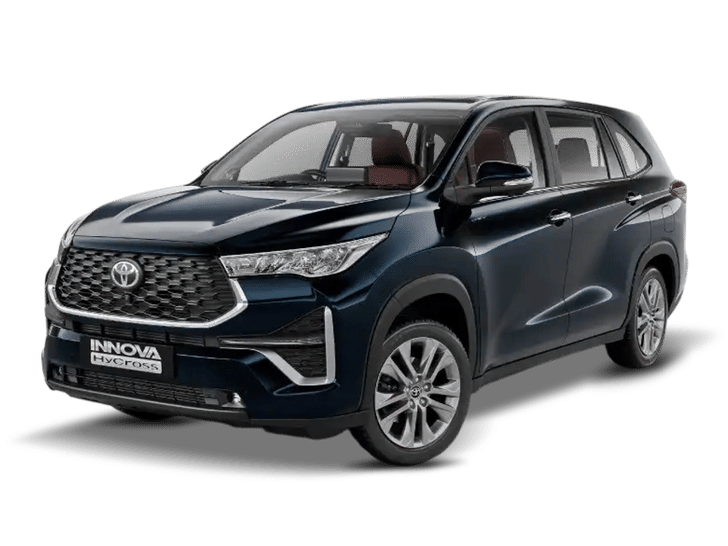
Toyota Innova HyCross
Explore cars mentioned

More posts on similar cars

Has E20 fuel affected your mileage?

Compare suggested cars


Is ADAS worth paying extra for in a car?
Popular discussions right now
Upcoming launch buzz
Community discussions on upcoming launches

Want to sell your car?
Sell your car at the right price, without the stress.
Expert reviews worth reading
Posted on: 3 May 2026
