


Every helpful action can earn a badge.
I am looking to buy a compact car for my family, with an annual running of 30,000–40,000 km. My father strongly prefers diesel vehicles, while I am also considering an electric vehicle within a ₹20 lakh budget. We currently own a 2017 Hyundai i20 (top model), which is nearing 3 lakh km and needs replacement. The new car will be used mostly for city driving, along with occasional long trips of 300-500 km. We also have a 2021 Jeep Compass 4x4 Model S, which has clocked 1.2 lakh km and will be retained, although its fuel efficiency is around 11 km/l. Given our usage and long-term ownership plans (up to 3 lakh km), should we opt for an electric vehicle, a diesel car, or a hybrid? We also have an 8 kW solar setup at home with surplus power generation. I am considering EVs like the Tata Punch EV, Tata Nexon EV, MG Astor EV (if launched), and the upcoming Kia Syros EV. For diesel options, I am looking at the Kia Sonet, Hyundai Creta, and Tata Curvv. However, while I like Tata cars, I have some concerns about after-sales service. Could you suggest the most suitable electric or diesel automatic options for my needs?

With your kind of usage of 30,000-40,000 km a year, mostly city driving, long-term ownership and an 8 kW solar setup, going electric makes a lot of sense. Among cars under 20 lakh, an EV will give you the biggest saving in running costs, especially since you can charge at home using surplus solar power, and the smooth, silent nature of an EV suits city driving perfectly.
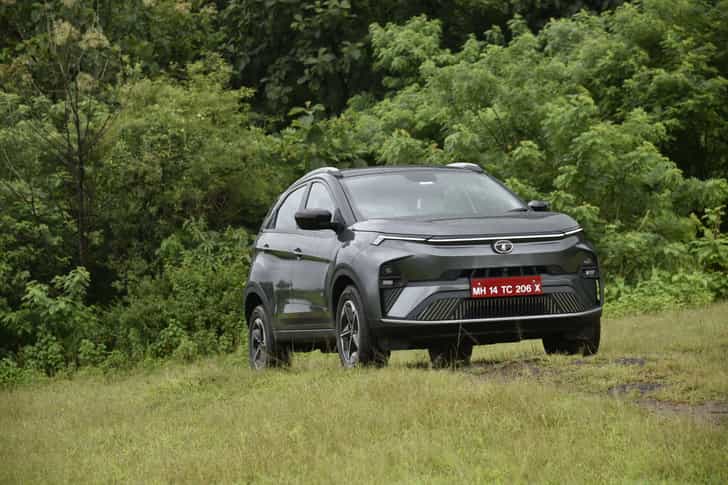
The Tata Nexon EV Long Range is still one of the most well-rounded options here. It offers a good balance of range, practicality and ease of use, and can handle your occasional 300-500 km trips with one planned charging stop. This Tata car is also a proven product with a wide user base.
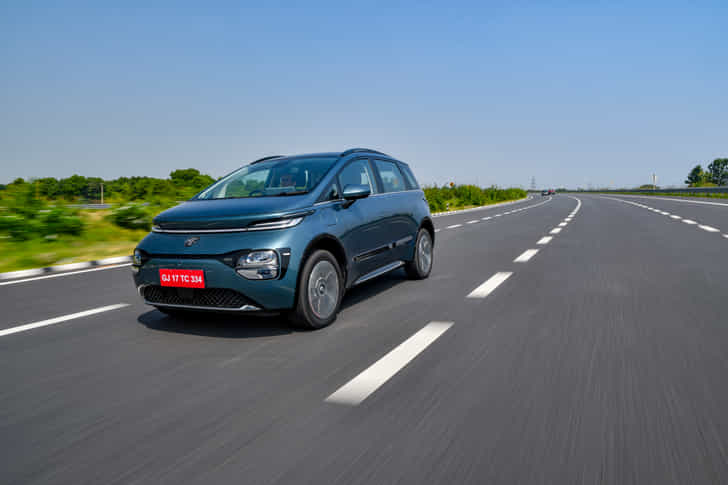
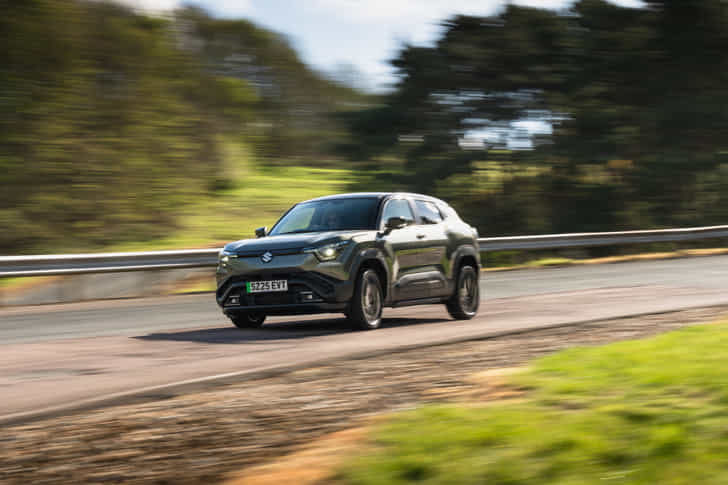
However, since you have concerns about Tata’s service, it is worth considering alternatives. The MG Windsor EV with the larger battery pack is a strong option. It offers more space, a more premium feel and a bigger battery, which helps with range and reduces charging stops. The Maruti Suzuki e-Vitara is another promising option, especially from a long-term ownership perspective, thanks to Maruti’s strong service network and reliability.
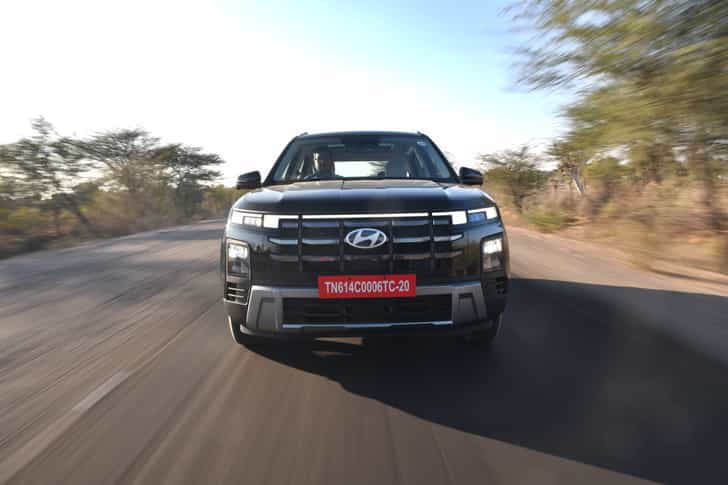
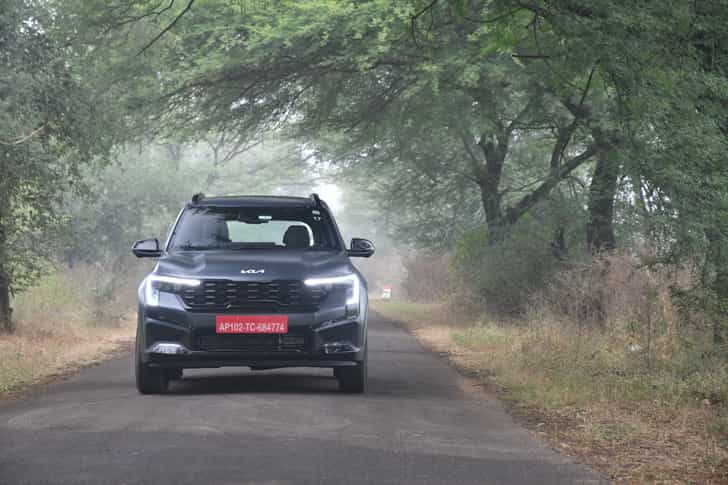
Diesel is still a valid fallback. If you prefer complete flexibility and do not want to depend on charging infrastructure at all, options like the Hyundai Creta diesel automatic or Kia Sonet diesel automatic make sense, offering effortless highway performance and strong mileage. Kia Sonet mileage figures range from 18.6 kmpl to 24.1 kmpl. The 1.2 petrol-manual is rated at 18.8kpl, the 1.0 turbo-petrol delivers 18.7kpl with the manual and 19.2kpl with the DCT, and the 1.5 diesel achieves up to 24.1kpl with the manual gearbox.
So, the decision comes down to priorities. Given your high running and solar setup, an EV is clearly the smarter long-term choice. Among EVs, the Nexon EV is the proven option, the Windsor EV offers more space and range, and the e Vitara is the safest bet for long-term ownership. Diesel should only be considered if you want maximum convenience without planning charging stops.
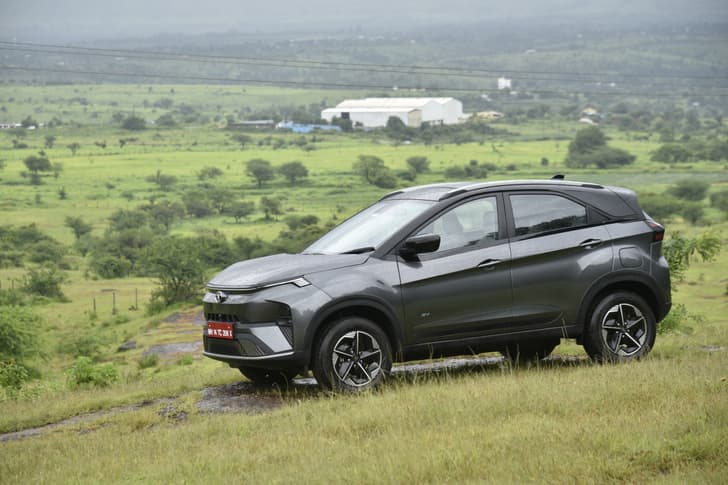
Tata Nexon EV
Explore cars mentioned
More posts on similar cars

Has E20 fuel affected your mileage?

Is ADAS worth paying extra for in a car?
Popular discussions right now
Upcoming launch buzz
Community discussions on upcoming launches





Add a photo of your Creta
First sightings, real road conditions, delivery buzz

Posted on: 2 Apr 2026
