Last Updated on: 30 Jun 2026
Hyundai Verna User Reviews
Tell us about your experience
The Verna IVT is a great value for money car and easy to drive.
I would recommend the Verna if you value good sound insulation. It is way more plush, better equipped, more fuel efficient, and arguably cheaper to maintain.
The Verna's engine feels lackluster on the highway, and its suspension is on the softer side. It's primarily suitable for city driving with some highway use.
I chose the Verna Sx(o) after evaluating all sedans at 20 lacs. It feels complete with all the features and power drive.
Hycross is excellent, but consider future features and investments.
I have purchased the Verna IVT SX(O). It's feature-rich and the CVT is butter smooth. Power is enough for highway driving and ground clearance is good. Till date, no issues and Hyundai service is good and reliable.
I bought this car last year. The comfort level is good, but the mileage is very poor. The best mileage I got after driving 13,000 km mostly for long trips is 15.1 km/ltr.
I have a 2014 model pre-owned Hyundai Verna with a 1.6 diesel engine. Now, I am searching for a low maintenance and high power vehicle within a low budget.
This vehicle is an excellent choice for family travel, offering exceptional spaciousness, superior comfort, and a generous boot capacity. It provides a comfortable driving experience, and passengers in the second row will appreciate the refined ambiance when chauffeured. The hybrid higher variant also boasts impressive fuel efficiency.
I have been driving Toyotas since 1999, but I feel this particular petrol variant is overpriced. Had it been a diesel model, it might have been more justifiable.
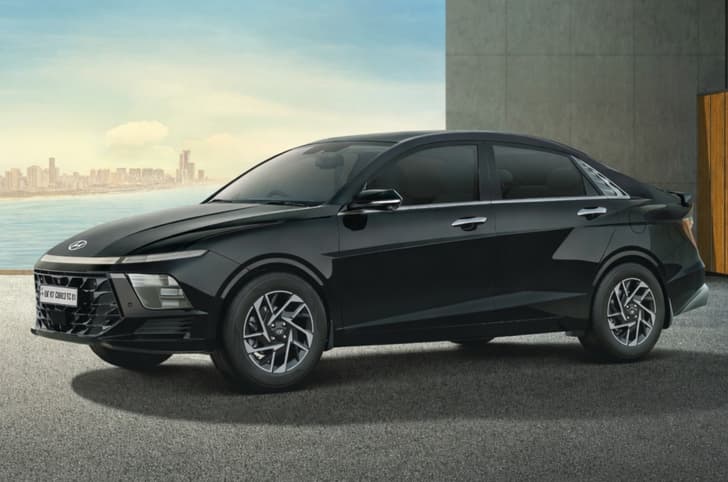
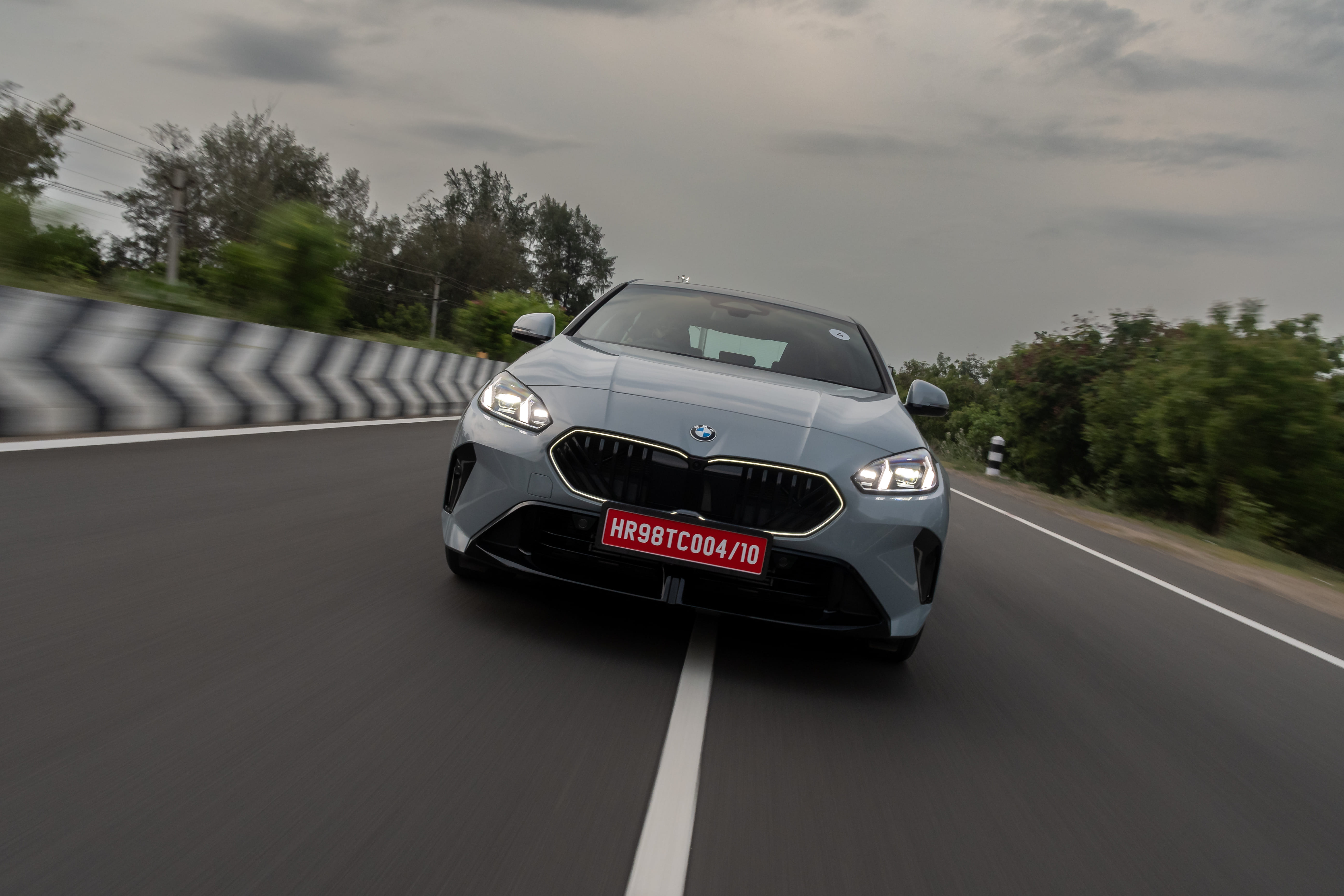
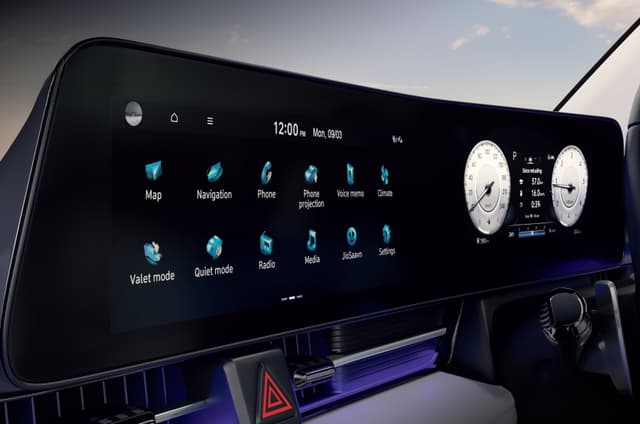
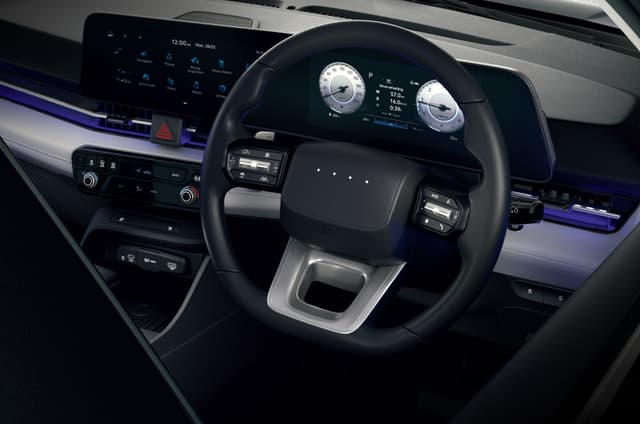
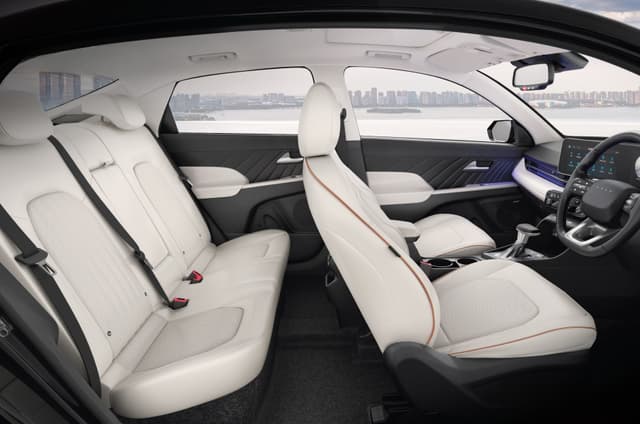
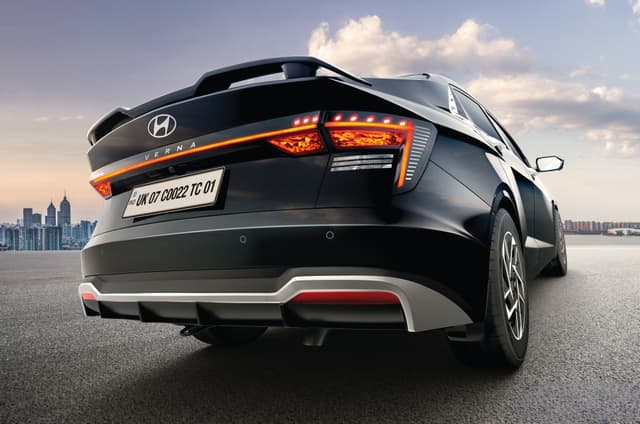
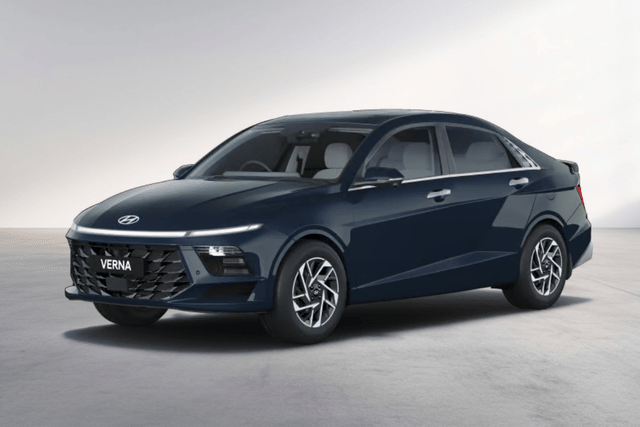
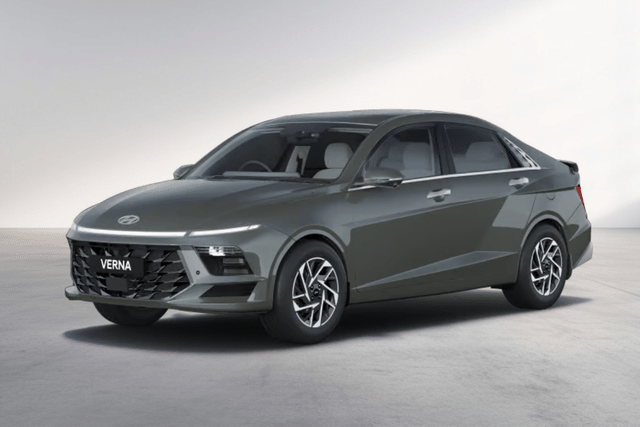
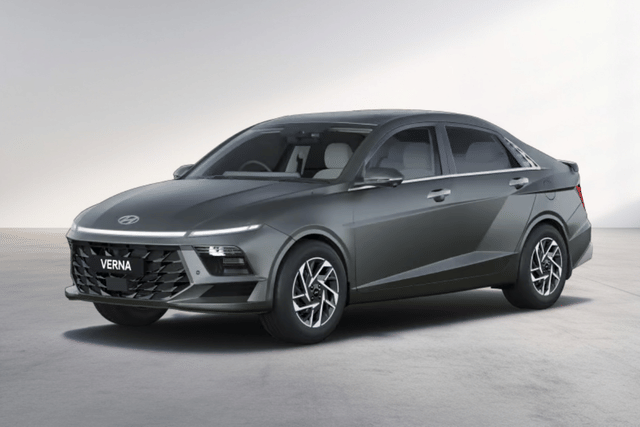
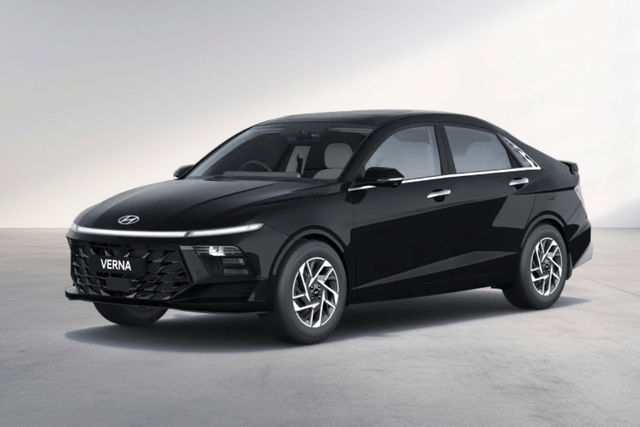
Hyundai Verna Images
Questions you may find useful
I PREFER SEDANS TO THE PSEUDO SUV AVAILABLE IN THE MARKET. DOES THIS MAKE SENSE IN 2026? IN SEDANS, MY PREFERENCE IS VERNA. SHOULD I EITHER GO FOR HX10 DCT OR HX10 IVT? I DRIVE THE CAR MYSELF, AND MY RUNNING IS INTER CITY AND MOSTLY 80% ON THE HIGHWAY. I DRIVE ROUGHLY 2500-3000 KM A MONTH. SAFETY/MILEAGE/PERFORMANCE/EASY POCKET FRIENDLY MAINTENANCE ARE MY CONCERNS. AT PRESENT I OWN DCT i20 ASTA (O)
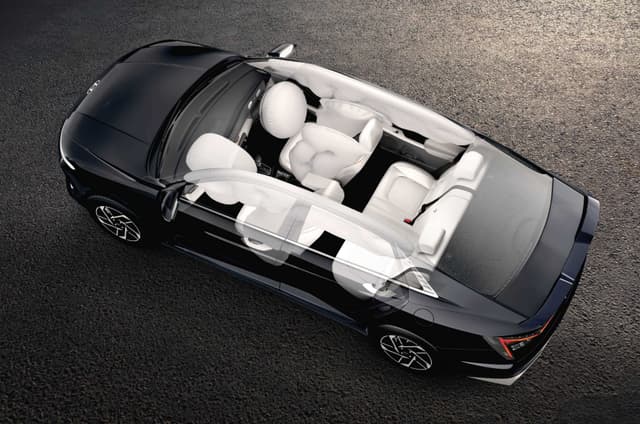
Go for the Verna HX10 DCT for your use. With 2,500-3,000km a month and 80% of it on the highway, you'll prefer the added punch from the turbo-petrol engine. The DCT is the quicker, more exciting choice. If you live for sharp overtakes and already enjoy your i20 DCT, you will like it. The 1.5 petrol IVT will be smoother in the city and slightly better on city mileage, but given your usage, the difference won't be so much.Either way, the safety kit is the same, and the Verna stays stable and quiet at speed. The Verna has also scored a 5-star Global NCAP crash test rating. And yes, choosing a sedan still makes sense in 2026 - the lower centre of gravity means better highway stability and braking, and you will usually get better mileage than a similar SUV at this price.
I own a Maruti Suzuki Ritz and want to replace it with a sedan. Should I choose the Hyundai Verna or the Honda City? I am looking for a car that is smooth and easy to drive.
Pick the Honda City, ideally the petrol automatic, because it is the smoothest and easiest to drive in traffic. Its engine is very calm at low speeds and the automatic glides along without fuss, the steering is light, and the big glass area makes it simple to place in tight streets. Coming from a Ritz, the driving position and light controls will feel natural, and the cabin is roomier, so family runs are easier too.The Verna is a strong second option if you want a sharper look and extra features. The 1.5 petrol with the automatic is smooth enough, but the turbo with the automatic can feel a bit snappy in stop-go, which takes away from that easy driving you want.If your priority is a relaxed, fuss-free sedan for city use with occasional highway trips, go City. It just feels effortless.
My running is around 2,500 km per month, currently between Faridabad and Dwarka. My route is likely to change next year, but the monthly distance should remain similar, with more highway driving than at present. Budget is max Rs. 21 lakh on-road. Looking for a safe, reliable, long-term car that is comfortable for the driver. I generally prefer sedans. For context, I drove an 8th-gen Civic AT for 2.5 lakh km and am currently driving a Ciaz AT. I've shortlisted a few options, but each seems to have a drawback: Punch EV 40 - Seats felt too hard, cabin didn't feel very premium. Sonet Diesel AT GTX - Safety concerns. Venue Diesel AT SX(O) - City fuel efficiency doesn't seem great. Curvv Diesel AT - Concerned about long-term prospects as it doesn't seem to be selling well. Verna 1.5 Turbo DCT - Worried about city fuel efficiency. City Hybrid - Stretching beyond my budget. Creta Petrol AT - Safety rating not very reassuring. Am I missing any good options? Would appreciate suggestions, especially from people with high annual running and long-term ownership experience.
Given your 2,500km monthly running, we'd actually recommend looking at a strong hybrid rather than a diesel. Our pick would be the Maruti Suzuki Victoris Hybrid. It fits within your budget, has a 5-star Bharat NCAP safety rating, offers excellent fuel efficiency in both city and highway driving and is backed by Maruti Suzuki's extensive service network. It also provides the kind of smooth, refined driving experience that should feel like a natural progression from your Civic and Ciaz. While it isn't a sedan, it offers generous interior space and excellent long-distance comfort.Another advantage is that, being a petrol hybrid, it is a more future-proof choice for Delhi NCR. With increasing scrutiny on diesel vehicles and evolving regulations in the region, a petrol hybrid offers greater long-term peace of mind while still delivering running costs that are comparable to many diesel SUVs.The City Hybrid would have been another obvious recommendation given your preference for sedans, but as you've mentioned, it stretches your budget.Among your shortlisted cars, we'd still lean towards the Verna Turbo DCT if you want to stay with a sedan. However, with your annual running, fuel costs will be significantly higher than with a strong hybrid.We would also be cautious about choosing the Seltos, Sonet or Venue diesel purely for efficiency. While all three use the same proven 1.5-litre diesel engine paired with a torque-converter automatic, it isn't the most fuel-efficient diesel automatic in real-world conditions.
My daily running is around 50 km, and I am looking for a 1.5-litre petrol manual sedan. Which would be the better choice among the Honda City SV, Volkswagen Virtus, and Hyundai Verna? Considering my usage pattern, which of these offers the best balance of performance, comfort, fuel efficiency, and long-term ownership experience?
Honda City SV manual suits your 50 km daily run best. Its 1.5 petrol is the smoothest here and the clutch and steering are light, so long city commutes will feel easier. In real traffic you will usually see better economy than the other two, and the rear seat space and ride comfort are still the class benchmark for family use.Volkswagen Virtus 1.5 TSI is no longer available with a manual so your choices are either the 1.5 TSI DSG or the 1.0 TSI manual. They are the fun pick if you love strong mid‑range and highway performance. For daily stop‑go, though, the turbo’s appetite will make it a bit costlier to run.Hyundai Verna 1.5 manual is very smooth and well equipped, but the Honda City still remains the better car to drive and be driven in.
Hello autocar team, I am looking to buy a new car and currently drive a Ford EcoSport Automatic. I am planning to purchase the Hyundai Verna. Would it be a wise decision to buy a sedan in 2026, considering current market trends and ownership requirements?
Coming from a Ford EcoSport Automatic, the Verna will feel like a significant upgrade in terms of refinement, comfort, space and overall quality. One of its biggest strengths is that it shares its 1.5-litre naturally aspirated petrol and 1.5-litre turbo-petrol engines with the Creta, so you're not missing out on performance by choosing the sedan. In fact, the Verna is every bit as spacious as the Creta, offers a more comfortable ride and is generally more enjoyable to drive on highways.The Verna also feels more premium inside, with a higher-quality cabin, better fit and finish and a feature-rich interior. Despite offering all of this, it is often more affordable than an equivalent Creta, which makes it excellent value for money.The only caveat is that you will have to be a little more mindful of rough roads and steep ramps compared to an SUV. However, if your driving is predominantly on good roads, this is a small compromise.
Still Confused? Ask AutoCar Experts
Get answers to your queries from our team of experts.