
Every helpful action can earn a badge.
My 2025 Verna naturally aspirated automatic is providing only 7- 9 km/l mileage in the city with the AC switched on. Is this the same experience for other owners, or is there something wrong with my car? The car has run only 3.5k km so far.

That fuel efficiency figure does sound a little on the lower side for the Hyundai Verna naturally aspirated petrol automatic, but it is not necessarily abnormal depending on your driving conditions. In dense city traffic with the AC running, frequent stop-start driving and short trips, it is not uncommon for fuel efficiency to drop into the 7-9 km/l range. The Hyundai Verna Mileage is up to 13.5kpl in real-world driving, while the DCT claims 20.6kpl as per ARAI. The Verna’s naturally aspirated petrol engine is smooth and refined, but it is not the most fuel-efficient unit in heavy urban conditions, especially when paired with an automatic gearbox.
At 3,500 km, the engine is still relatively new and may improve slightly as it loosens up, but do not expect a dramatic change. If your driving is predominantly bumper-to-bumper city traffic with the AC on, this figure is within the expected range. If you start seeing figures below 7 km/l consistently, or if this Hyundai car feels sluggish or rough, it would be worth having the car checked by the service centre. Otherwise, this is largely a reflection of the driving conditions rather than a problem with the car.
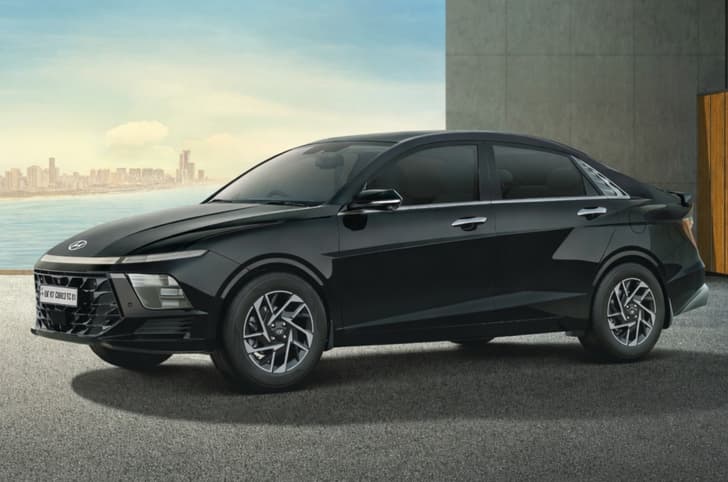
Hyundai Verna
Explore cars mentioned
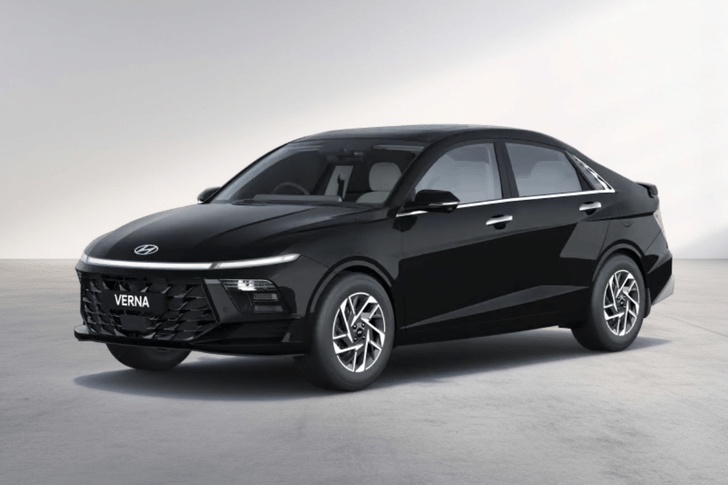
But I have Creta IVT petrol, same Fuel economy 7-9 in short trip in Delhi but when car run in long distance more than 20 then it may be goes to 10-11 km/l
@pankaj0808 yes I am also getting around 20 in highways
@verna.1 After driving the Verna, I felt , take some long rides, upto 10k kms
Does anyone uses Honda Dealership fitted CNG in Elevate VX CVT ? Is there any problem and whats fuel average in City and Highway
I have Ciaz NA AT petrol 2019 model. When using HP or IOC or BP petrol E20 it is giving 7-8 kmpl in city traffic with AC, but when switched to Shell with additives it is giving 10-11 kmpl with AC. Shell costs 135 per liter. Engine also feels smooth now.
 Verna owner · 15,000 km
Mine is also NAE auto,bought in 2024.just crossed 14000 km. 6-7 after E 20 and 13 approx on highways. Engine. E 20 is not of good quality
Verna owner · 15,000 kmMy verna NAE . 2024 .14k km . Before E20 used to give approx 11 km/l in bumper to bumper traffic . Approx 16-17km/l on highways... After E20 in city traffic its giving me 6 -7 km/l and highway apporx 13 km/l.. i can feel the lag in the engine now after E 20.
@verna.1 I have Verna 2023 model, I easily get above 13.5 km out of a litre while driving around city with AC on and even 15 if an experienced driver drives it. On highways I have got 22km and above 18-20km in general
My 2025 verna bought june 26 is providing 10 km average in town & 14 km on highway..
If its like start stop traffic of Mumbai then 10 kms is max that one can get. Have same experience with my Honda in my new car that is a year old.
I am getting 4-5 in Banagalore. And getting 6-7 in no traffic zones within city with AC on. The mileage reduced further to 2-3 in bumper to bumper traffic.
@daya2104 bhai aap car scrap kara do aisa he ho raha to
@daya2104 That's pretty bad. NA or Turbo? I have never seen my Turbo DCT (Feb 2024) go below 8 kmpl in heavy Bengaluru traffic, with the AC on full-time. Night trips on Hosur Road (11 PM and after) return mileage of 14-15 kmpl.
More posts on similar cars

Has E20 fuel affected your mileage?

Expert reviews worth reading
Is ADAS worth paying extra for in a car?
Popular discussions right now
Upcoming launch buzz
Community discussions on upcoming launches
BMW
iX facelift

Audi
New Q5
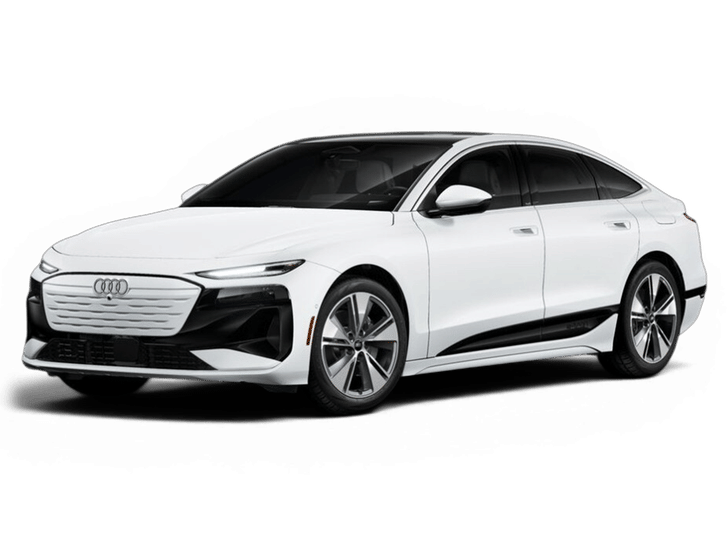
Audi
A6 e-tron

Audi
Q6 e-tron

Audi
e-tron GT facelift

Volkswagen
Virtus facelift
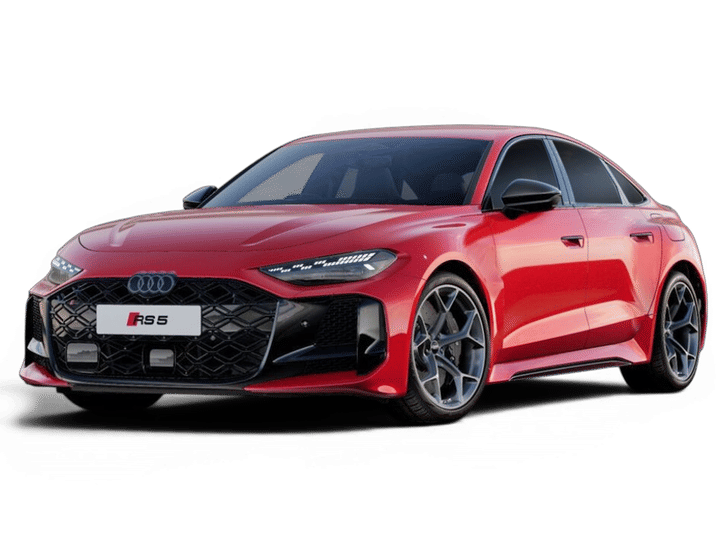
Audi
A5

Vinfast
VF5

Hyundai
Bayon
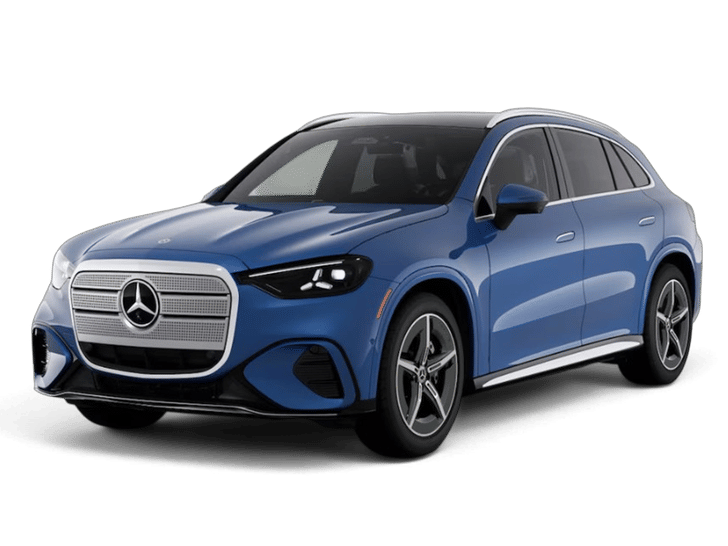
Mercedes-Benz GLC
Electric

Want to sell your car?
Sell your car at the right price, without the stress.



Posted on: 18 Jul 2026