Last Updated on: 04 May 2026
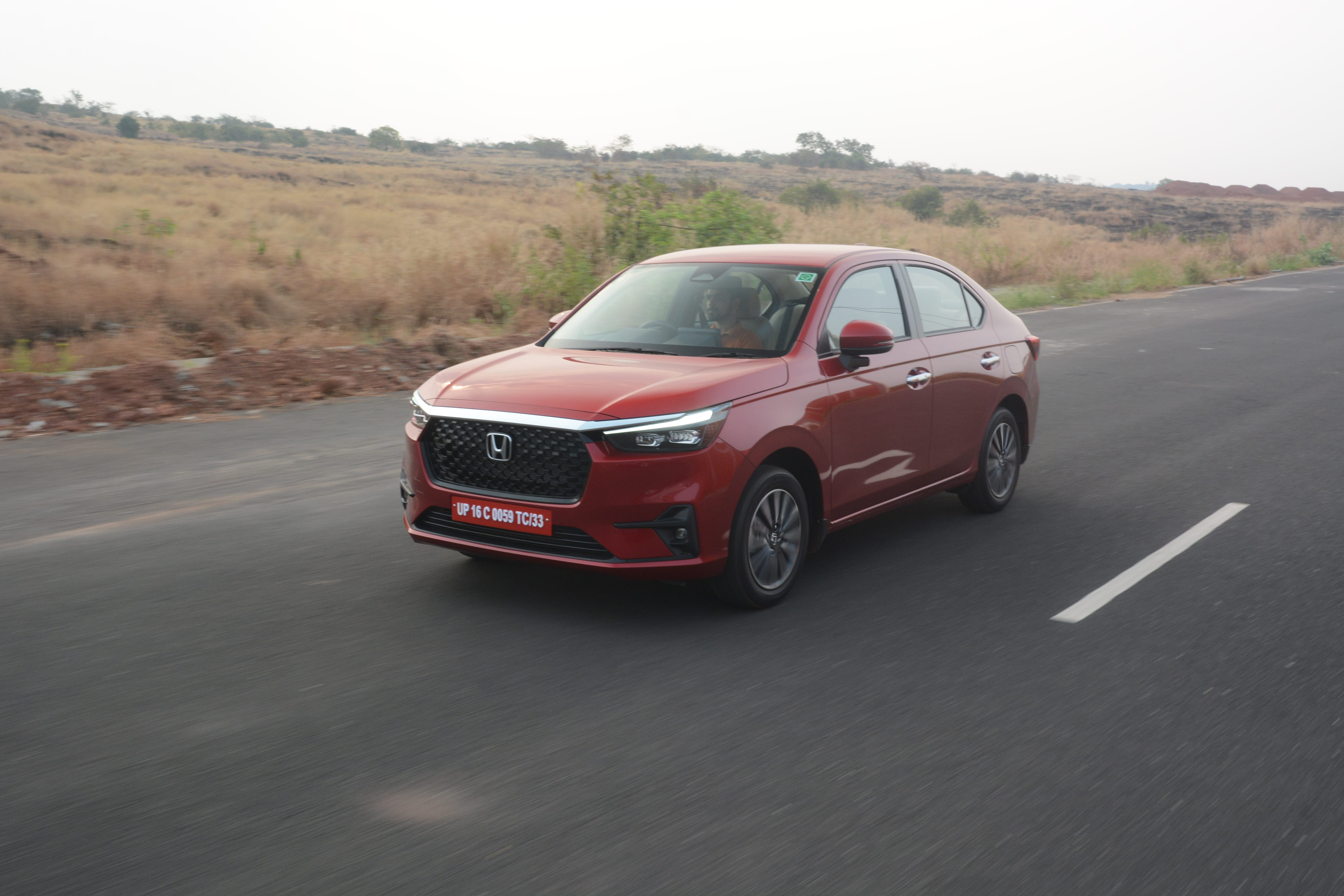
Honda City User Reviews
Tell us about your experience
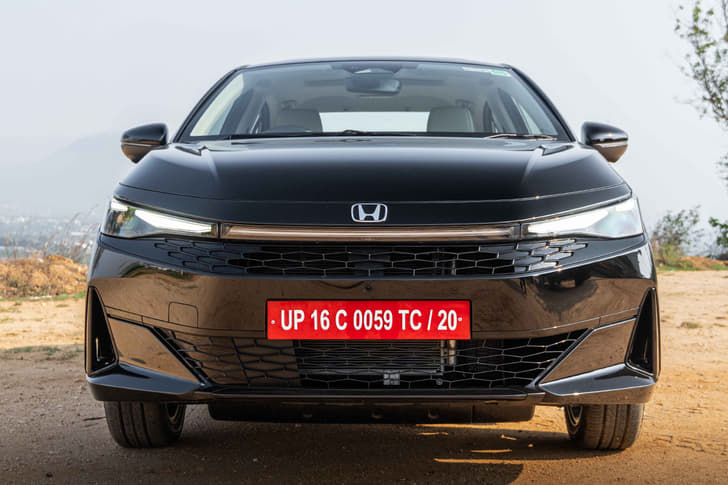
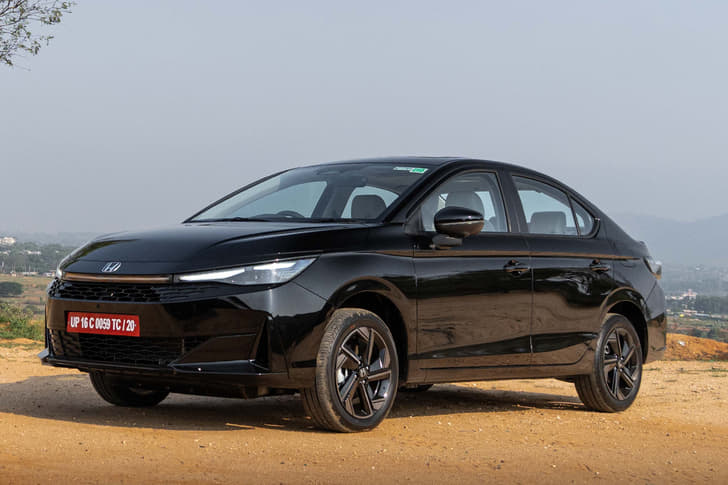
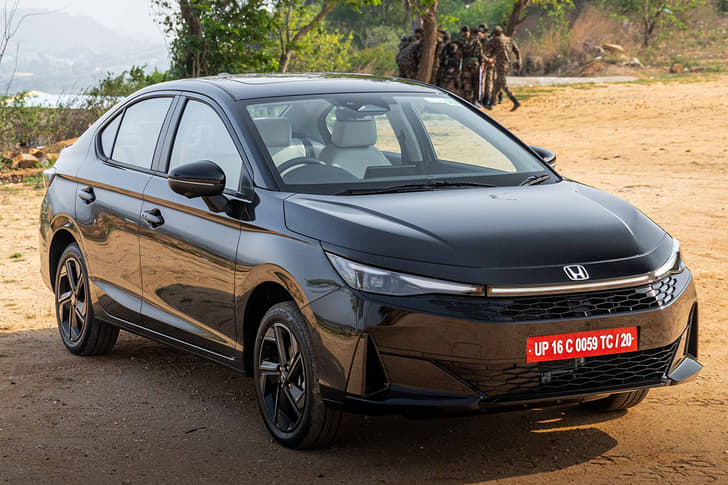
Honda City offers better mileage and smoother ride quality. It's ideal if you prioritize comfort and lower running costs. However, it has lower ground clearance, which can be a concern on uneven roads.
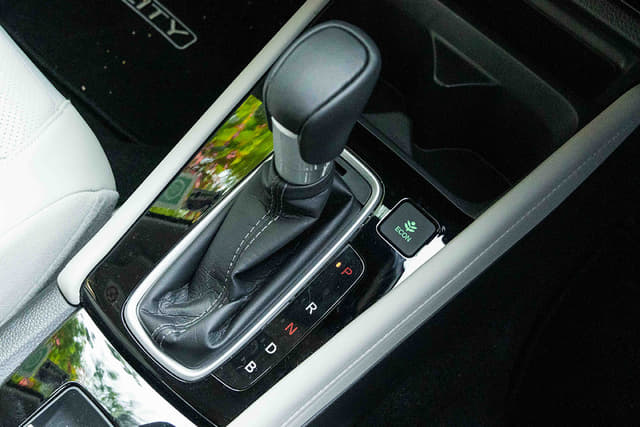
The Honda CVT automatic is suited for city drives.
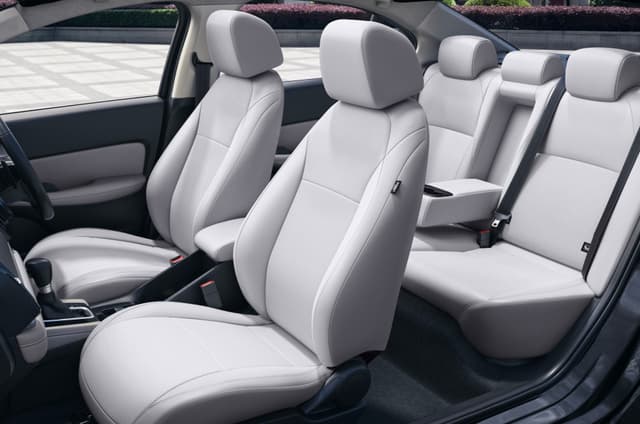
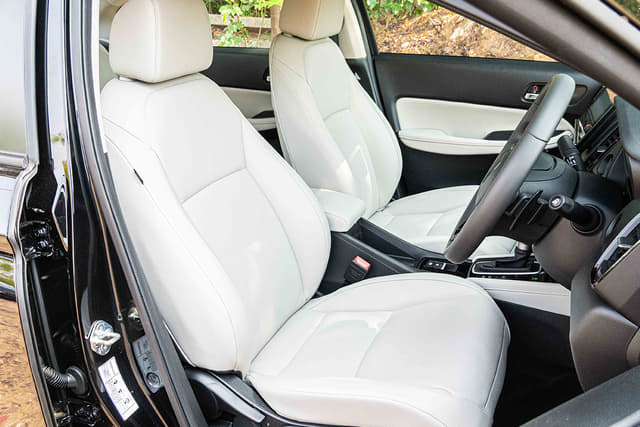
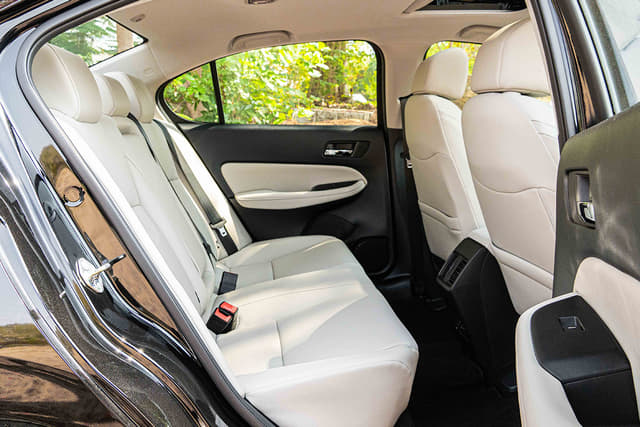
I also took the test drive of Honda City. Seat comfort is good but my head is touching the roof when I sit in the rear seat.
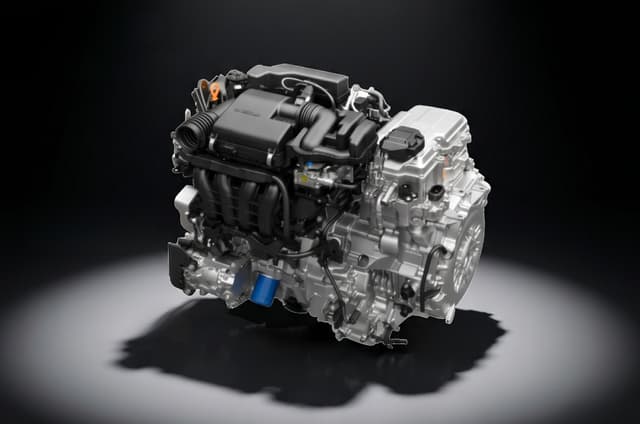
i drive honda city petrol manual which has the same 1.5 ivtec engine as elevate and i have to say it is the best petrol engine in my whole extended family car collection. no turbo failure headache smooth power delivery. i have a sonet petrol turbo iMT too but not very happy with uneven power delivery and throttle response can feel jerky. elevate with that NA engine is the most reliable and smooth option in this segment
honda city is the most comfortable and refined in the segment but lacks the same punch as turbo options. very smooth though
honda is only a fringe player in indian PV market. it is neither classy nor service friendly. not a strong ownership proposition
i own honda city automatic and never feel the car is underpowered even on highway. smooth and confident power delivery at all speeds. very satisfying engine for daily use
Honda City Expert Reviews
We like
Space and comfort
Well-rounded performance
We don't like
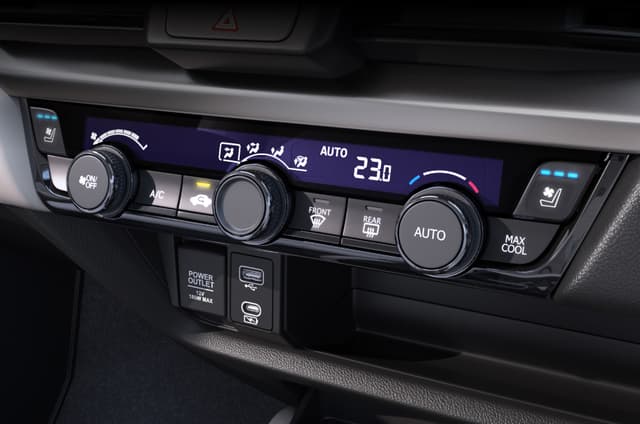
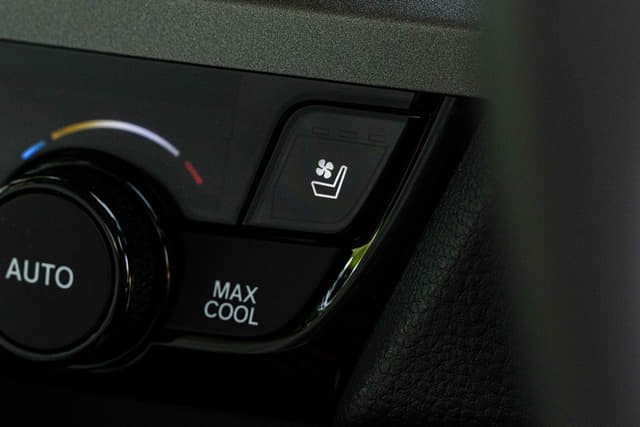
Misses ventilated seats
Premium pricing
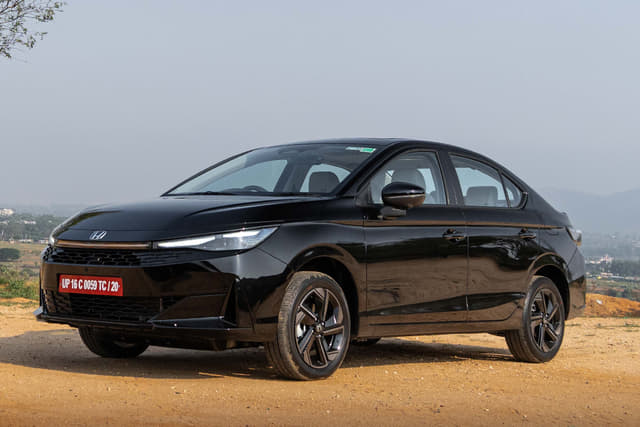
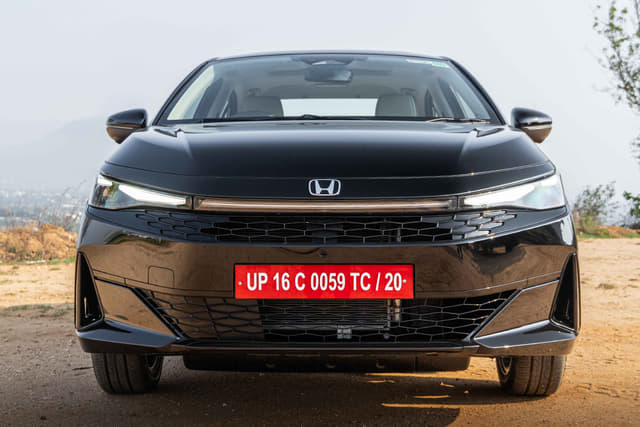
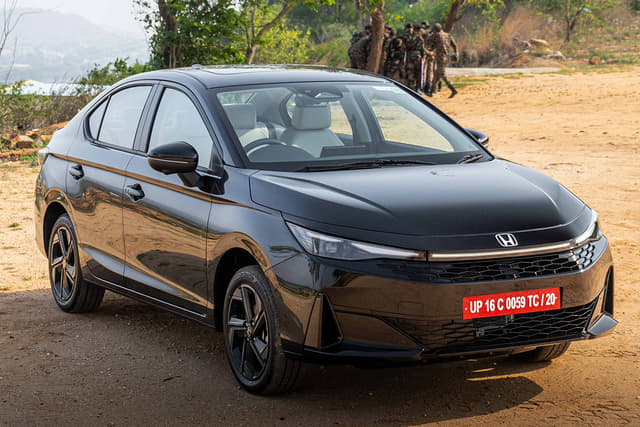
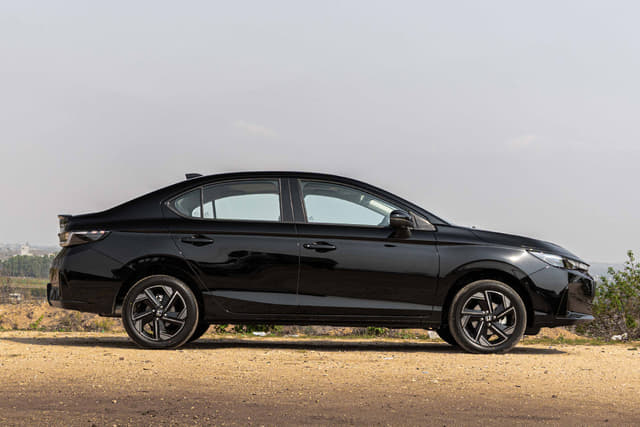
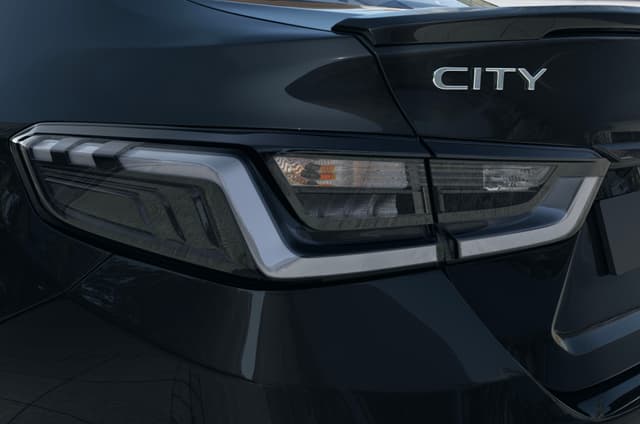
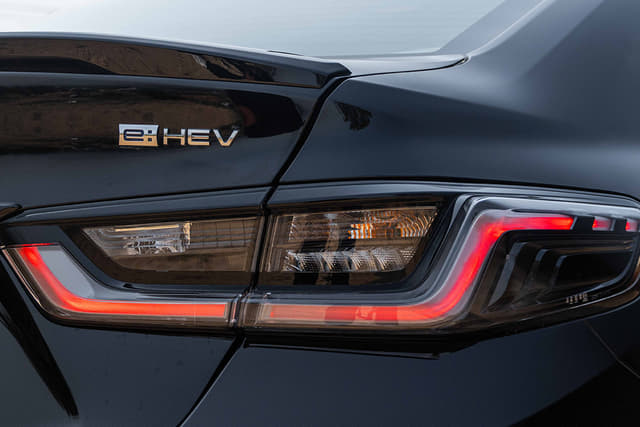
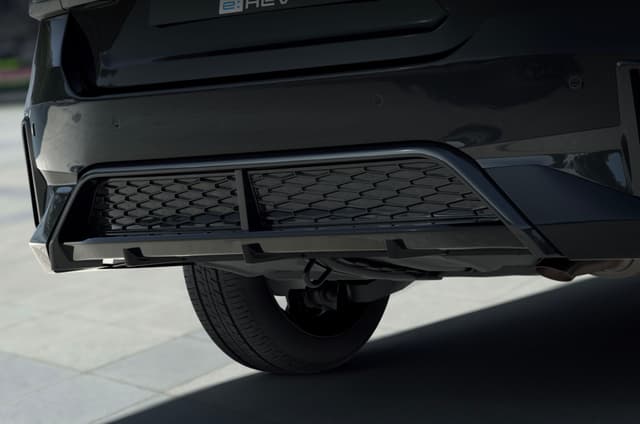
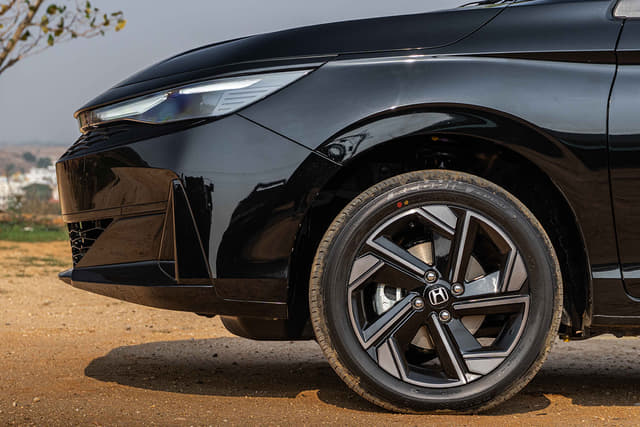
Honda City Images
Questions you may find useful
Akshay Nayak
•2dI am planning to buy a new car and have narrowed my choice down to the Skoda Slavia/VW Virtus with the 1.5 DSG. I really love how both cars drive, and the DSG feels like magic. However, 90% of my driving is in the city, and I live in one of the most traffic-congested areas of Mumbai (Malad). Would it be a wise decision to go for the DSG gearbox? Which other cars would you recommend in this segment (no SUVs)?

Autocar India
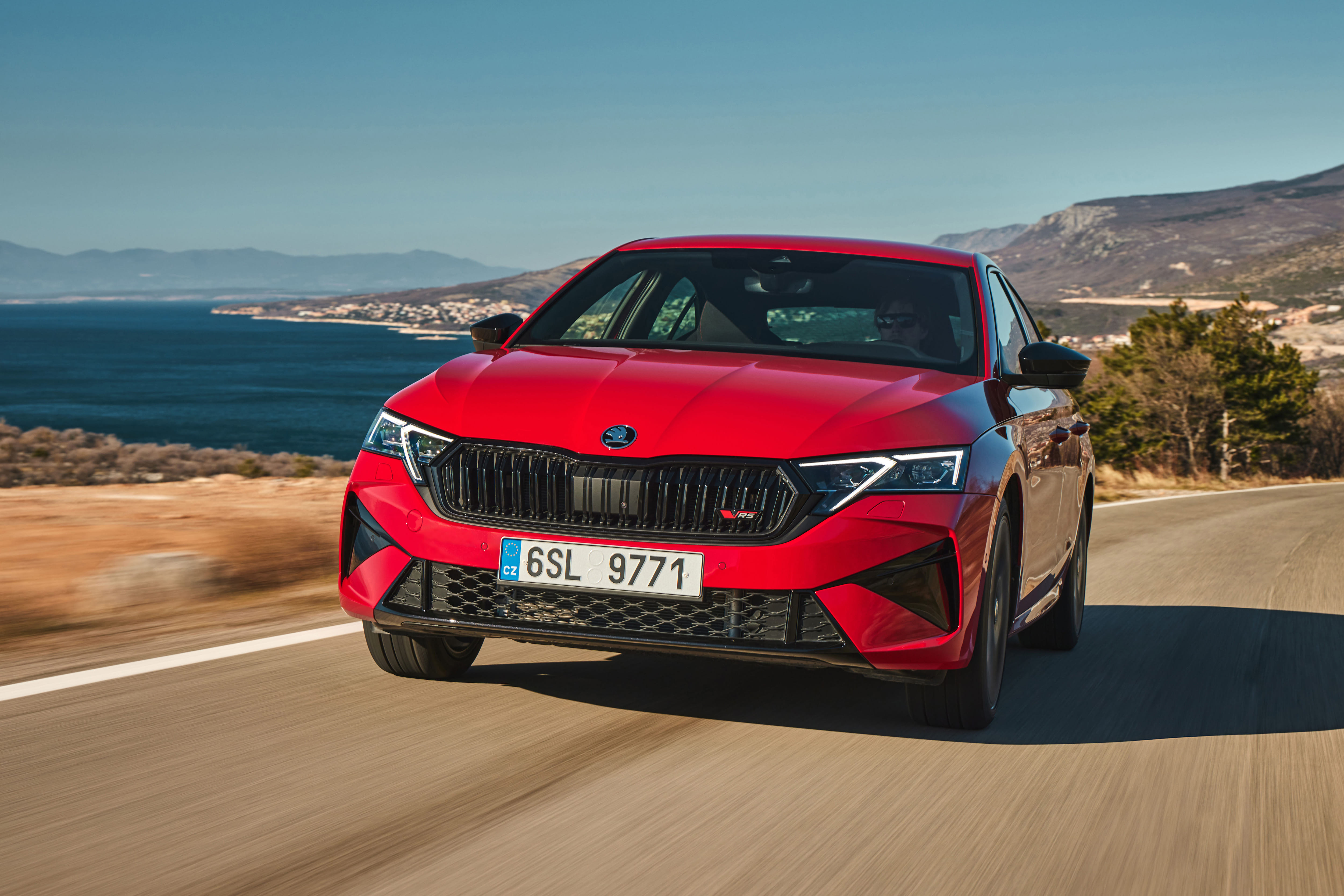
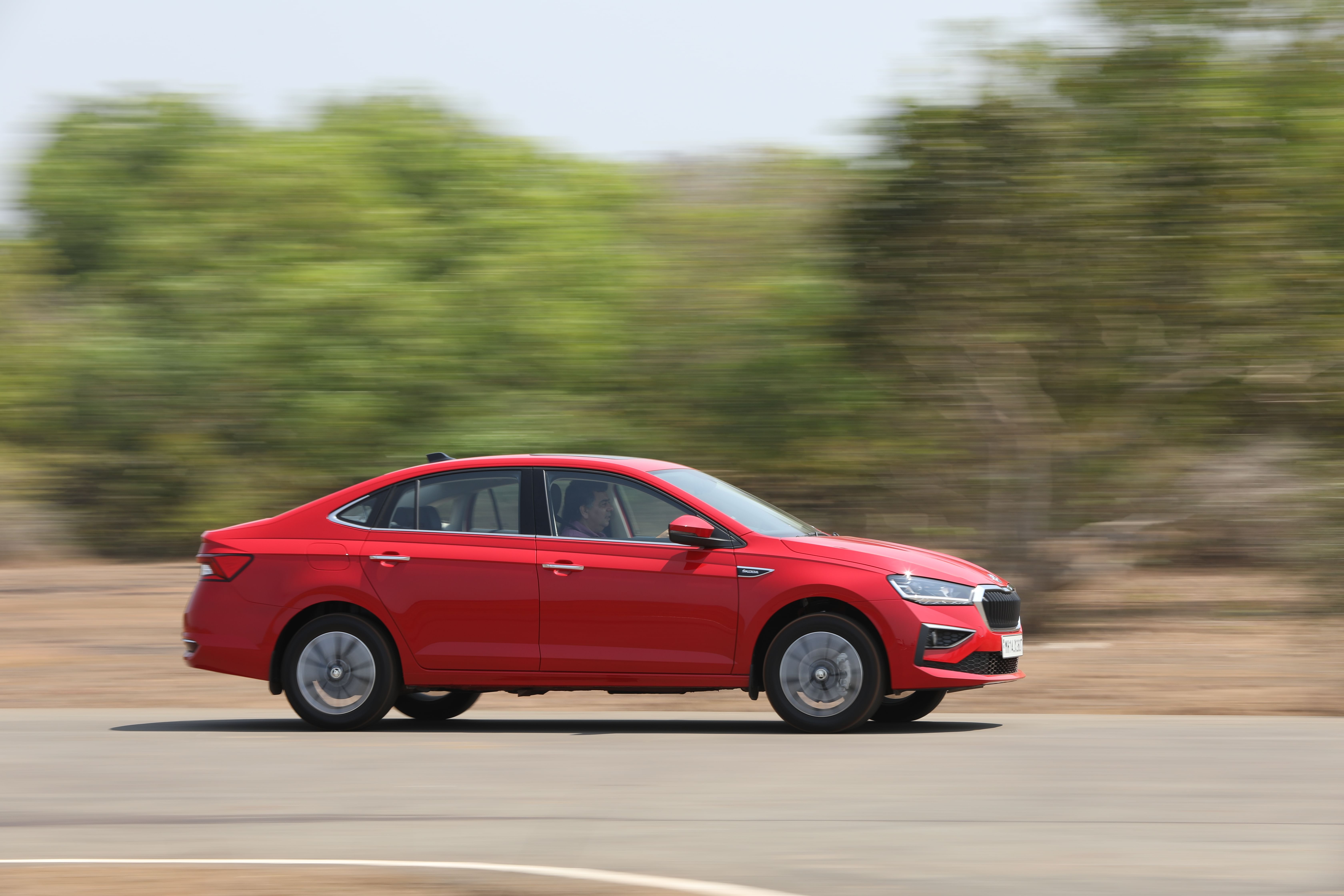
Go for the Volkswagen Virtus 1.0 TSI automatic rather than the 1.5 DSG, given your 90 percent city use in Malad’s heavy stop start traffic. You get the same cabin, driving position and overall feel you liked, but the 1.0’s torque converter automatic is far better suited to daily Mumbai conditions as it is smoother at low speeds, easier to modulate in bumper to bumper traffic and less stressful to live with over time. The 1.5 DSG, while genuinely quick and engaging with its fast shifts, can feel jerky at crawling speeds, tends to heat up in prolonged traffic and can be expensive to repair once out of warranty, which makes it less ideal for your usage. The 1.0 still feels adequately quick in the city with light controls and easy drivability, so you are not really giving up much unless you drive hard on open roads. If you are considering alternatives, the Honda City CVT and Hyundai Verna IVT are even smoother in traffic and very easy to live with, while the City e:HEV is the best for city efficiency if you are willing to stretch. The only drawback with the 1.0 is that it lacks the punch and sharp shift feel of the 1.5 DSG on highways, but overall it is the far more practical and stress free choice for your driving conditions.
Peasant Sampan
•5dHello Autocar, I am planning to buy a sedan, with almost 90% city usage. Please suggest a suitable option. Also, is it true that for my usage, naturally aspirated (NA) engines are better suited than turbo-petrol engines?

Autocar India
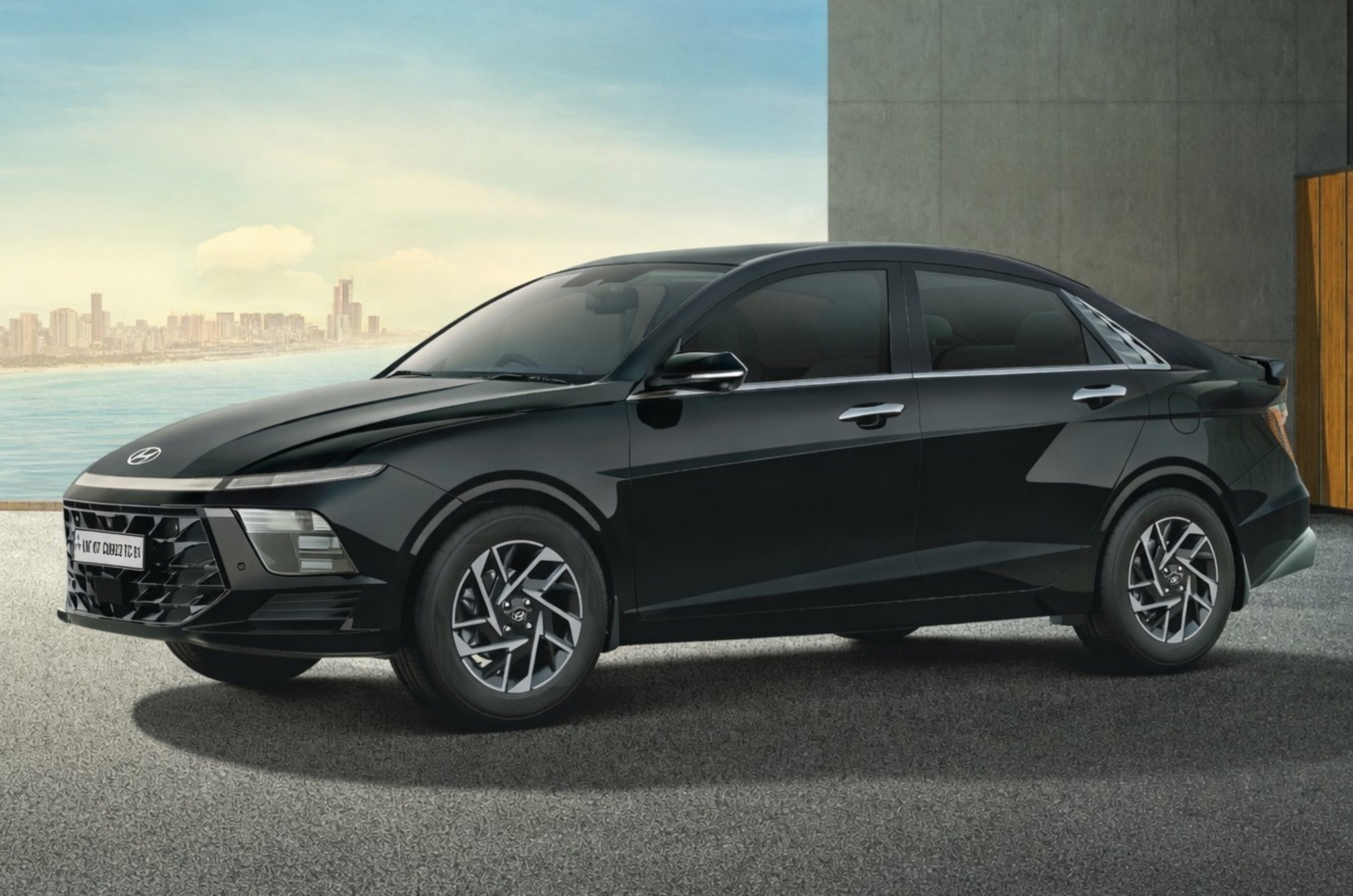
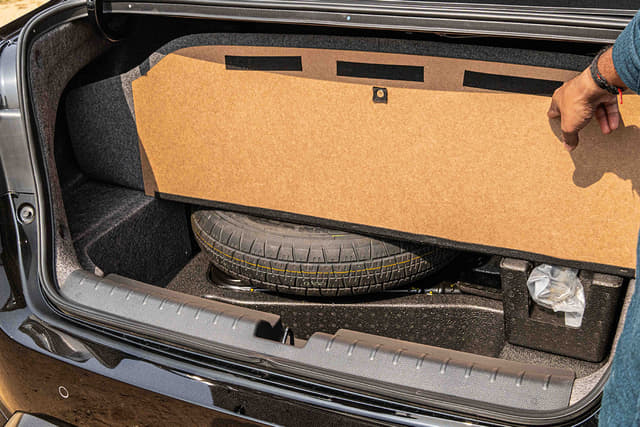
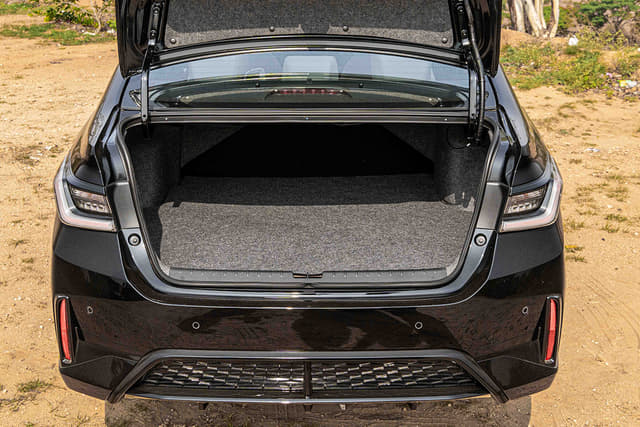
For your usage, a naturally aspirated petrol with a CVT or IVT is the best fit. These setups are smoother, easier to drive in traffic and more predictable, which matters far more in city conditions than outright performance. So yes, in your case, NA engines are better suited than turbo petrol.The Hyundai Verna IVT stands out as the most well-rounded option for city driving. The engine is smooth, the IVT gearbox is very intuitive in stop-and-go traffic, and the overall driving experience is effortless. It feels refined and easy to live with daily.The Honda City Hybrid is worth considering if your running is high. It offers excellent fuel efficiency, strong performance and is very easy to drive in the city thanks to its hybrid system. However, it comes with a higher upfront cost, and the battery placement results in a higher boot floor, which slightly affects practicality.Compared to the Verna, the standard Honda City CVT is also an option, but the engine feels a bit noisier, and the gearbox is not as intuitive as the Verna’s IVT in everyday use.
Sachin Bhosle
•1wHi Autocar Team, I am looking for a powerful sedan for a daily commute of around 80 km, with most of the driving on highways, along with a 600 km long drive on most weekends. I am looking for a car with solid build quality, no sunroof, and one that feels planted at high speeds. It should also offer strong safety, including ADAS features. Additionally, I would prefer a sedan with good steering feel and engaging driving dynamics.

Autocar India
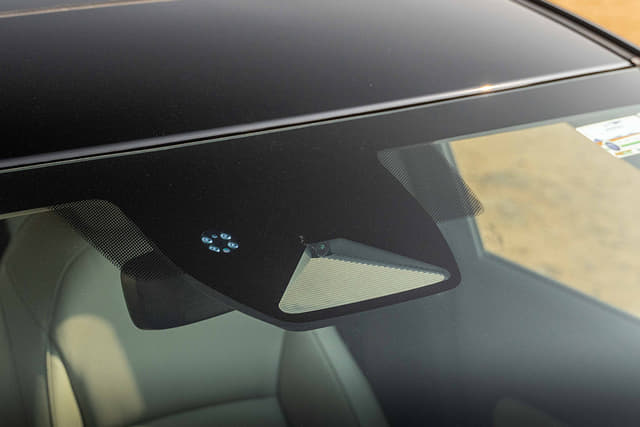
With 80 km a day, mostly on highways and a 600 km run most months, you need a safe, steady sedan that feels good at speed and does not force a sunroof. In that brief, the Honda City V CVT with Honda Sensing fits best because it gives you ADAS without a sunroof and stays calm and secure on fast roads.The City’s steering is light in town but feels natural and sure as speed builds, and the car remains composed over rough patches. The cabin is well-made, and you get core safety features like six airbags and stability control.Do note: the City is not the most powerful in this price band, so if you want very quick bursts for overtakes, you will need to press the engine harder, and the CVT can sound loud when you do.If you want stronger power and a more connected feel and can give up ADAS or the no-sunroof requirement, look at the Volkswagen Virtus 1.5 TSI DSG or Skoda Slavia 1.5 TSI DSG. They feel very strong on the highway, and their steering has more weight, but they miss ADAS, and top versions will add a sunroof. Overall, for your highway-heavy use, ADAS and no-sunroof requirement, the City V CVT lines up best.
Prithvi Singh
•2wI am considering purchasing a car within the ₹25-30 lakh budget range. My daily commute is approximately 60-80 km between Noida and Delhi, along with occasional outstation trips every 3-4 months. I am currently unsure whether to choose an electric vehicle (EV), a petrol vehicle, or a petrol-hybrid. Given my high daily running, an EV appears to be the most cost-efficient option. However, concerns regarding charging infrastructure and range anxiety; especially during outstation travel, make it less convenient compared to petrol or hybrid vehicles, which offer greater flexibility for long-distance journeys. On the other hand, petrol or hybrid vehicles would be more expensive to operate in the long run. I would consider buying a diesel car, but due to the 10-year usage limit, I am hesitant. The Toyota Innova HyCross seems like a strong option, but its larger size may not be ideal for predominantly city driving. Additionally, since this will be my primary vehicle, I am hesitant to rely entirely on an EV at this stage, as it is still not as widely adopted or universally convenient as traditional alternatives.

Autocar India
With 60-80 km of daily driving, you are absolutely right that an EV would be the cheapest to run and very smooth in city traffic. However, since this is your primary car and you also take outstation trips, the need for charging planning and dependence on infrastructure can become inconvenient over time, especially on longer drives. It is usable, but not completely effortless yet.A strong hybrid fits your usage better. It gives you EV-like smoothness and excellent efficiency in city driving, while also delivering very good efficiency on highways, something modern hybrids now do surprisingly well. At the same time, you retain the full flexibility of a petrol car, eliminating any range anxiety or planning concerns. What’s even more impressive is that despite its size, it’s very easy to drive with great visibility, though its length can make parking in tight spots a bit challenging.We would have recommended you the Toyota Urban Cruiser Hyryder Hybrid instead, but considering you currently own the Honda City, the Toyota Urban Cruiser Hyryder may not feel like a meaningful upgrade in terms of space. This is where the HyCross makes a stronger case. It offers a clear step up in space, comfort and long-distance usability, while still delivering the efficiency benefits of a hybrid.A petrol-only SUV in this budget will feel simpler to own, but with your running, fuel costs will be significantly higher, which reduces long-term value.
Abhi
•3wHi Autocar Team, I am planning to buy a 5-seater SUV within a budget of ₹18–19 lakh. I currently own a 15-year-old Honda City and am looking to upgrade. My key requirements are: Automatic transmission Petrol or hybrid powertrain Comfortable rear seat space (especially for second-row passengers) My usage is around 500 km per month, mostly within the city, with occasional outstation trips every couple of months. Please suggest a suitable SUV that meets these requirements.

Autocar India
You should consider the Honda Elevate ZX CVT. Coming from your Honda City, you'll appreciate the familiarity when it comes to the drive experience and after-sales service. It gets a peppy 1.5-litre petrol engine that's paired to a smooth CVT automatic gearbox, which makes it easy and stress-free to drive. The Elevate also has a comfy rear seat, and getting in/out of the cabin is easy, which your parents will appreciate. The Honda also feels composed going over broken roads and at highway speeds. Alternatively, you can even consider the Hyundai Creta SX IVT, which offers a smoother drive and a more refined cabin.
Similar Car Reviews
Still Confused? Ask AutoCar Experts
Get answers to your queries from our team of experts.


.jpg?w=640&q=75)

.jpg?w=640&q=75)


.jpg?w=640&q=75)
.jpg?w=640&q=75)


.jpg?w=640&q=75)
.jpg?w=640&q=75)