

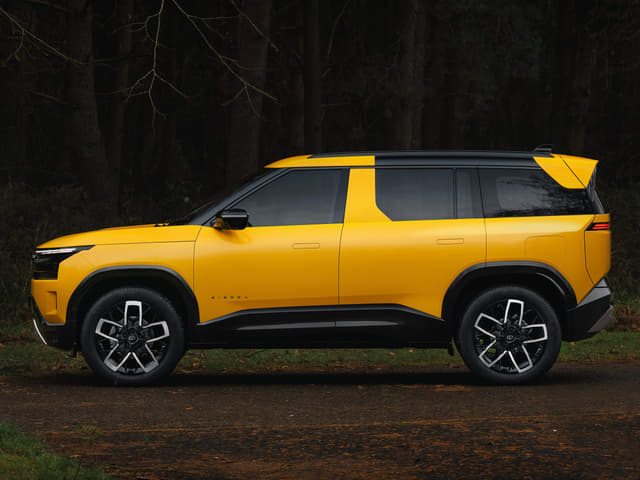
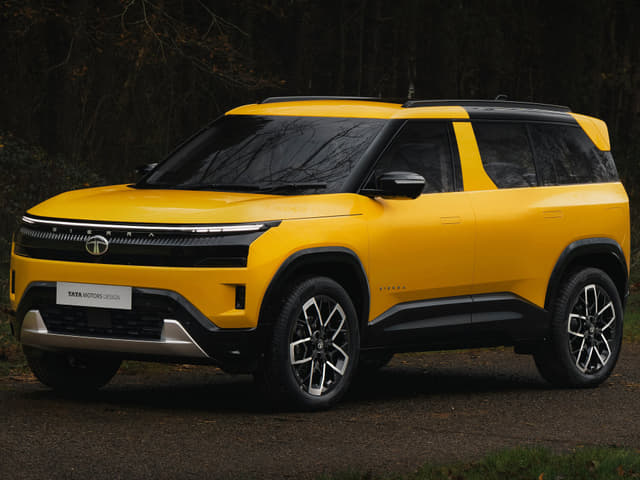
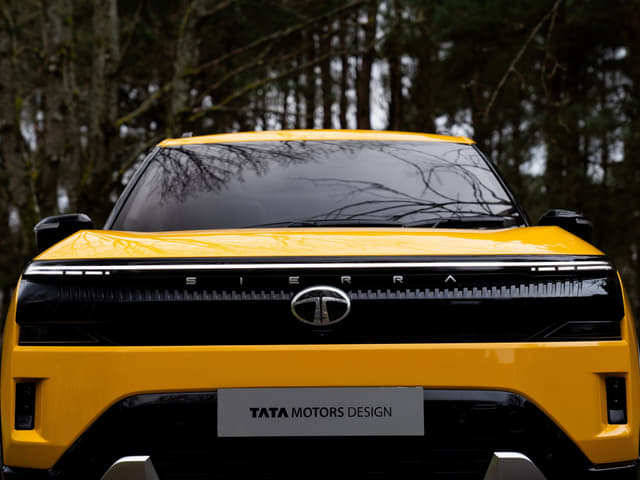
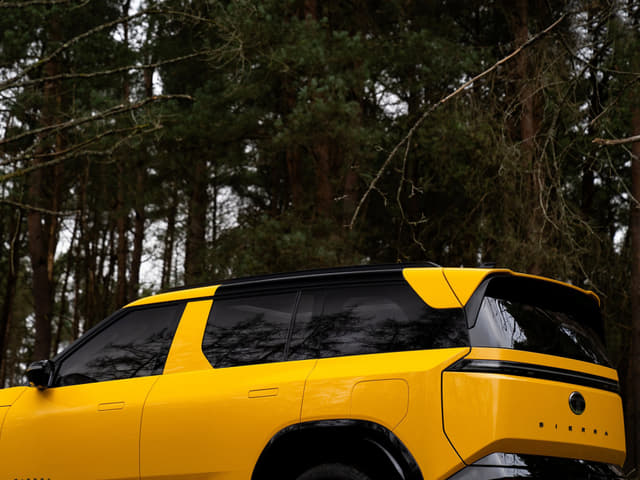




Last Updated on: 19 Jun 2026
Tata Sierra User Reviews
Tell us about your experience
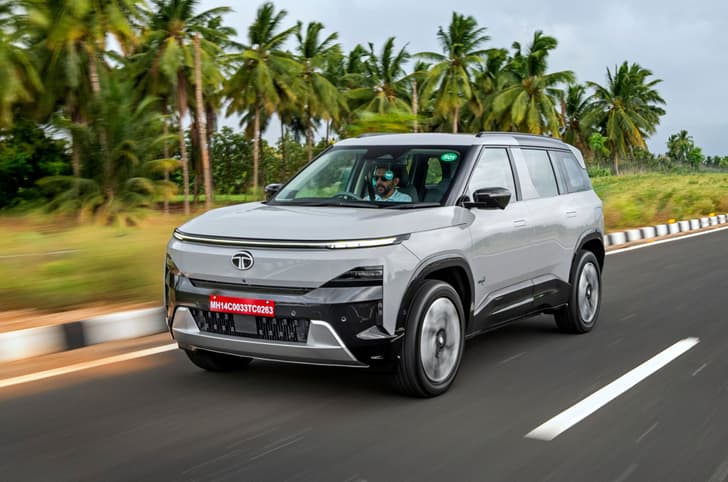
The Sierra turbo has a nice engine but becomes fussy in traffic. Mileage drops, and its performance isn't fully utilized in city driving.
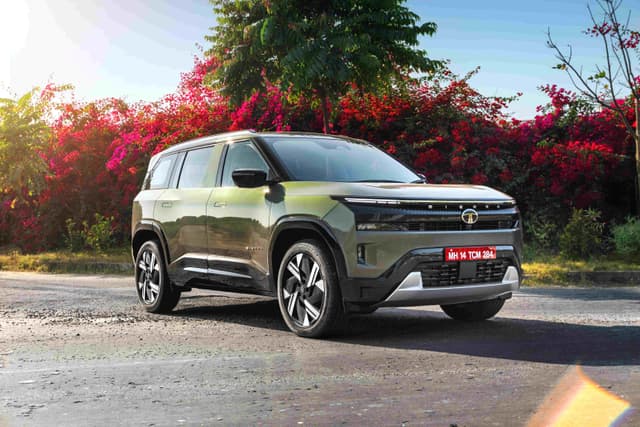
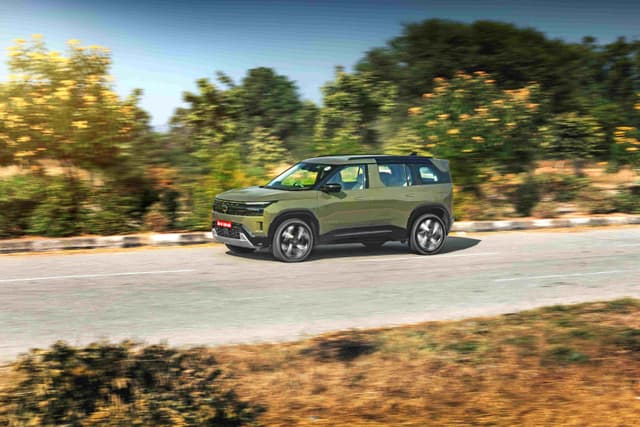
Sierra offers an SUV feel with a high sitting position and better visibility. It can flatten potholes but comes with some body roll around corners.
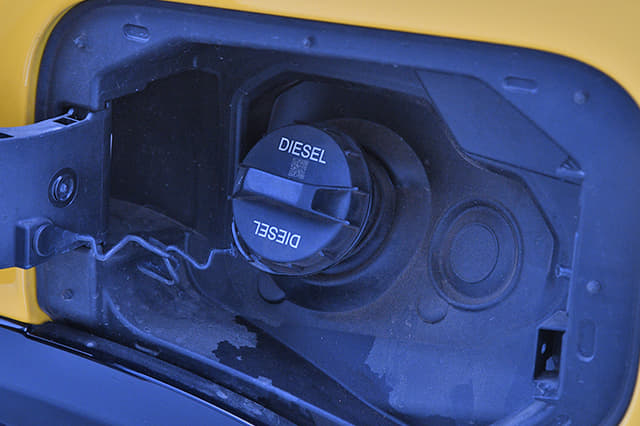
Tata Sierra has an advantage as it doesn't require AdBlue, which is a plus point. This means there is no DOF issue.
I have a Tata Sierra Adventure automatic. My experience has not been superior in terms of service and ontime delivery. The car feels solid with good road grip and build quality. The automatic has a bit of lag during acceleration from road humps. The styling is good, cabin finish is excellent, and all sensors work fine. Highway driving is a pleasure.
Excellent diesel motor for comfort cruising. It's pretty refined contrary to the online narratives by reviewers. Suspension is soft and comfortable is supreme. Own the Acoomplished diesel at.
For mostly city-based usage, the Tata Sierra would suit better as it feels more manageable in daily metro traffic.
Bestest car ever I've seen. It's very good like comfort, safety, etc. All are very best in an affordable price. Just its power sometimes feels low and mileage should be better. But lastly it's returned to its legacy!!!
My Tata Sierra diesel engine breakdown happened on the first delivery day itself. Car is in service center and I am paying EMI. Engine replacement on the first day is not good.
The Tata Sierra EV is worth waiting for, expected to launch in the next 3-4 months. It's an automatic, soundless, hassle-free car that can improve life in traffic jams and on highways.
The petrol manual variant is not recommended. The engine feels underpowered, making it difficult to drive up ramps and flyovers.
Tata Sierra Expert Reviews
We like
Refined turbo-petrol delivers strong performance
Excellent ride and handling
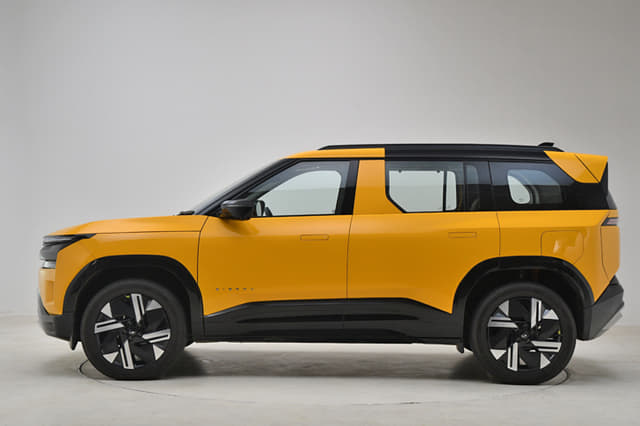
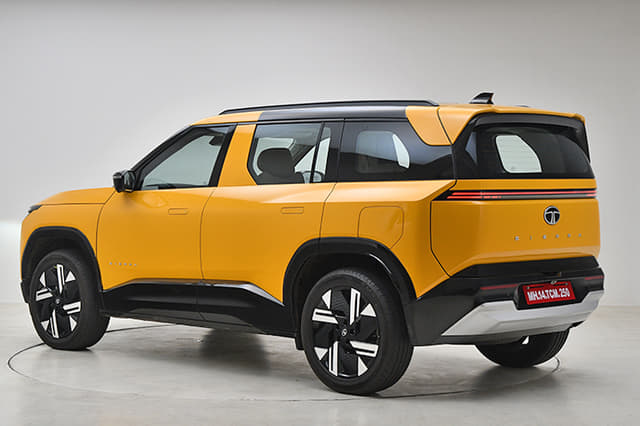
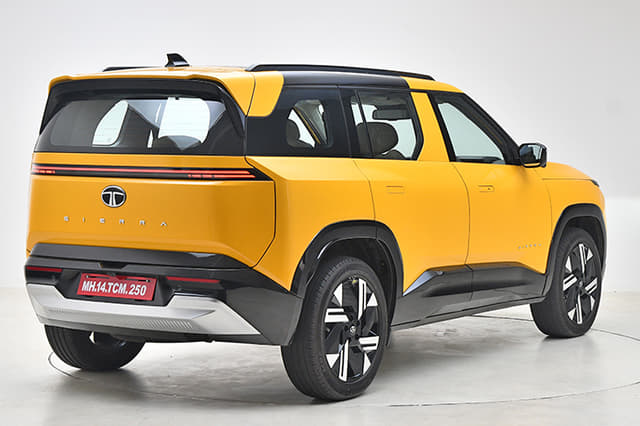
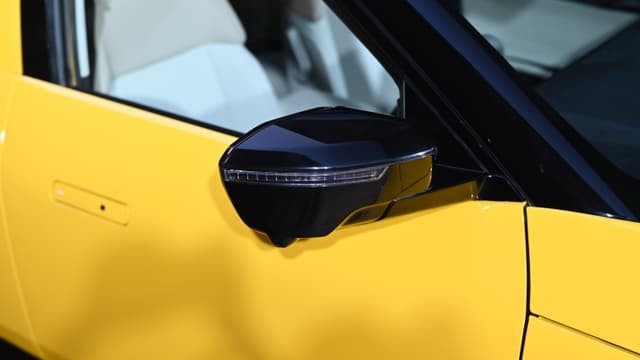
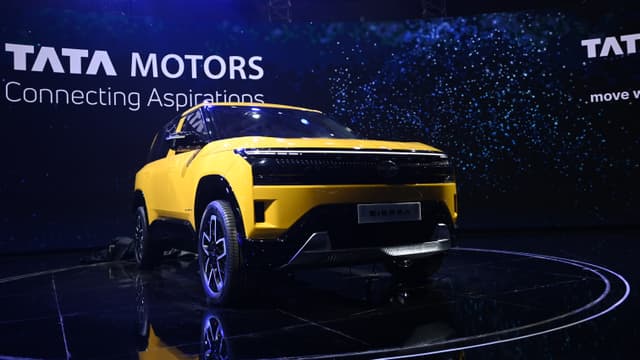
Big on desirability
We don't like
Diesel engine is noisy
Road and tyre noise filters through
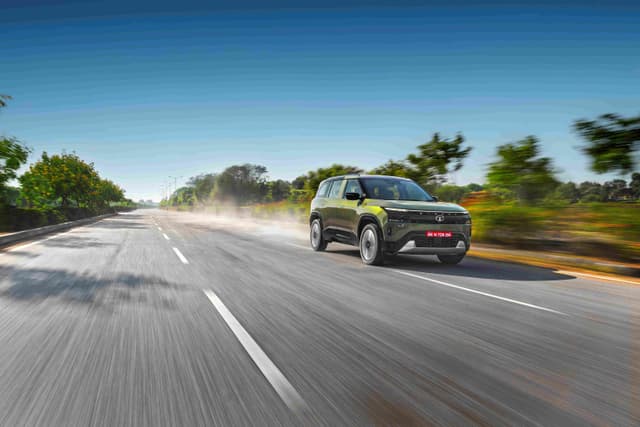
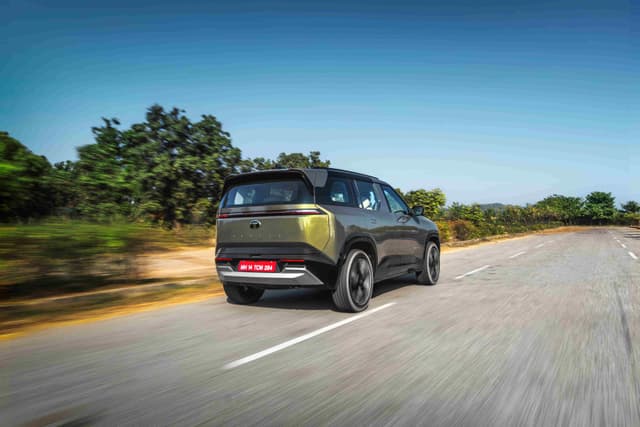
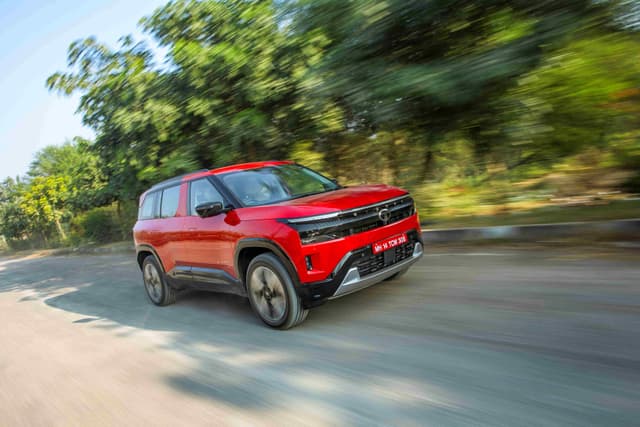
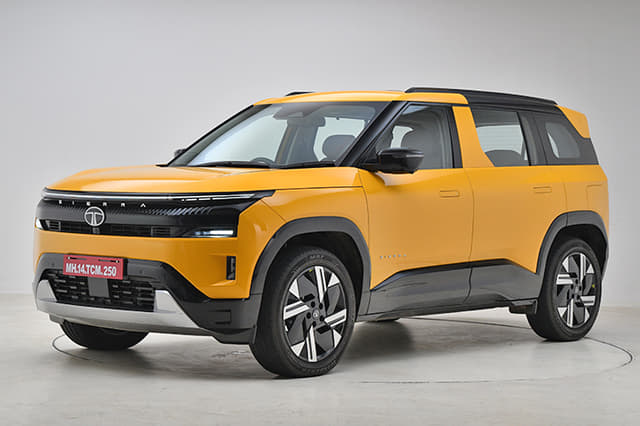
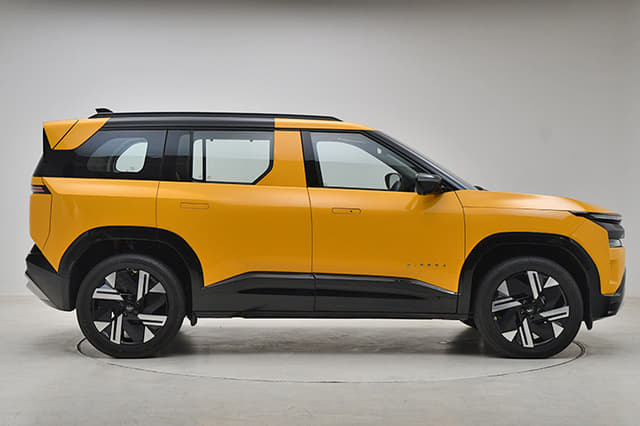
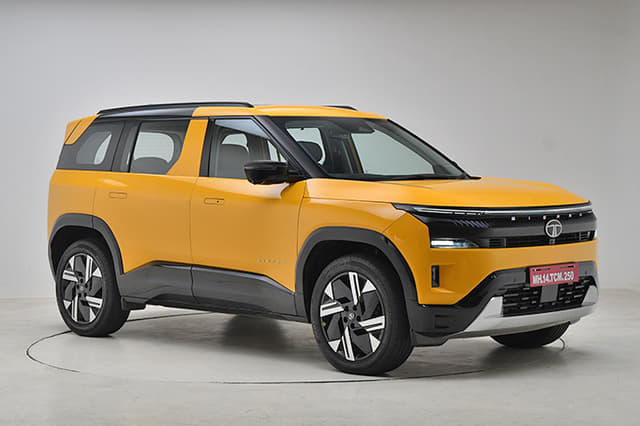
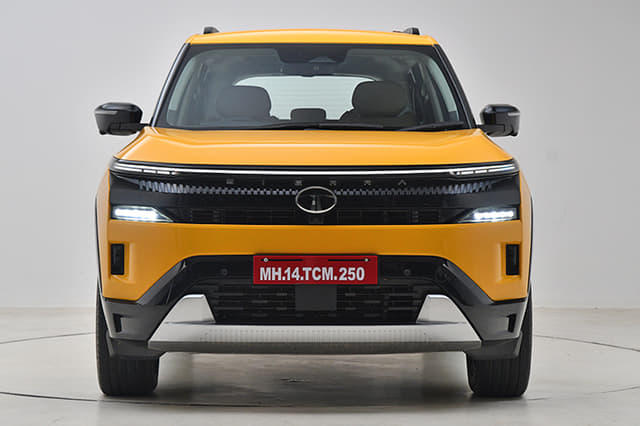
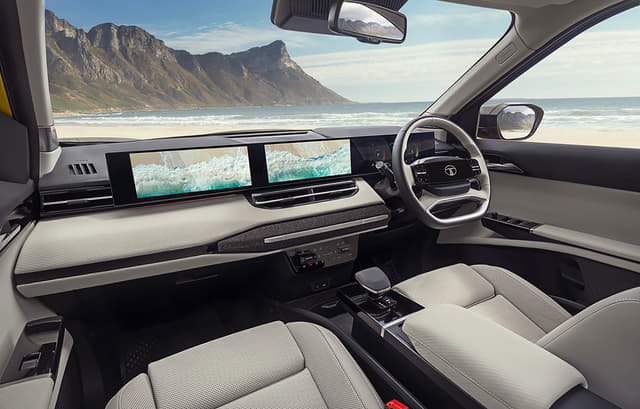
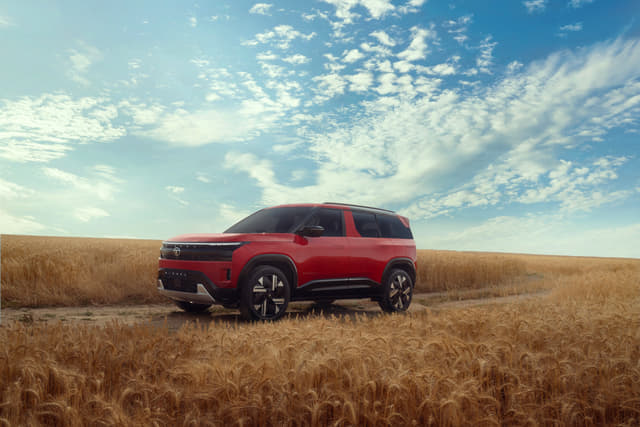
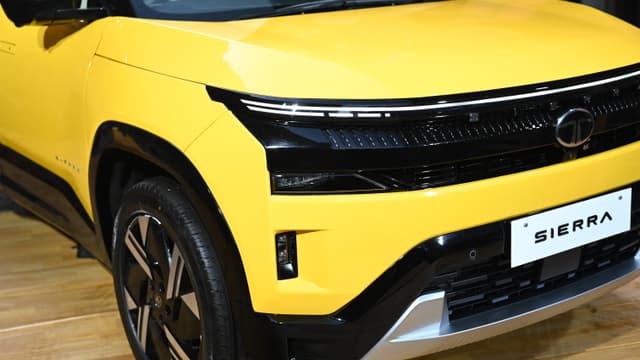
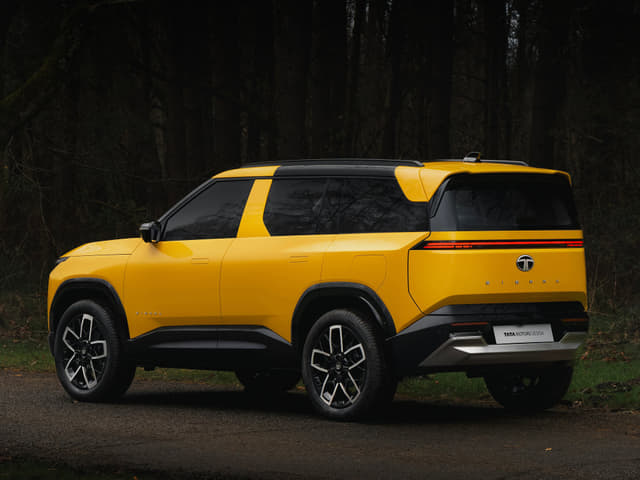
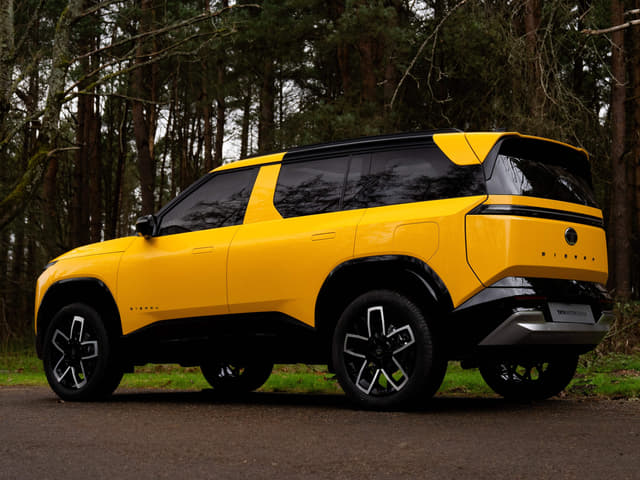
Tata Sierra Images
Questions you may find useful
I am comparing the Hyundai Creta King petrol IVT, Kia Seltos petrol GTX A IVT and Tata Sierra petrol accomplished turbo. The car will be required for long ownership, expected annual mileage of around 8-10000 kilometres with almost 70-80% in Delhi NCR limits. Please suggest which one is a better option.
The Kia Seltos GTX+ IVT would be the recommendation here. Given your annual running of 8,000-10,000km and predominantly city-based usage in Delhi NCR, a naturally aspirated petrol automatic is the right choice. That's why we'd suggest narrowing your decision down to the Creta IVT and Seltos IVT, rather than the Tata Sierra Turbo AT. While the Sierra is an impressive package, the turbo-petrol powertrain is likely to be less efficient and more expensive to run over the long term than the Hyundai-Kia 1.5-litre naturally aspirated petrol.Between the Creta and Seltos, the nod goes to the Seltos. It is the newer product, feels more premium inside, offers a slightly more spacious cabin and remains one of the most feature-rich SUVs in the segment. Ride comfort is also very good, and the IVT automatic is exceptionally well-suited to urban driving.Another factor worth considering is that the next-generation Creta is expected within the next year or so, whereas the Seltos has a longer lifecycle ahead of it, making it the safer long-term bet.
I am a first-time car buyer. My regular commute will be around 20 days a month, primarily on highways, with a round-trip distance of approximately 130 km per day. I have shortlisted the Renault Duster Techno 1.3 Turbo and would like to know whether it would be a good choice for my requirements. I am also open to other recommendations. Additionally, could you please suggest some good diesel cars within a similar budget?
The Renault Duster 1.3 Turbo is a good choice, especially if you enjoy driving. The turbo-petrol engine offers strong performance, effortless overtaking ability and makes long highway commutes far more enjoyable than most naturally aspirated rivals.However, your usage pattern is quite demanding. A daily round trip of around 130km for 20 days a month works out to nearly 3,000km every month. In our real-world fuel efficiency tests, the Duster 1.3 Turbo DCT returned 7.47kpl in the city and 13.47kpl on the highway. While those figures are acceptable for a performance-oriented turbo-petrol SUV, your monthly fuel bills will be fairly substantial given the distances you cover.For that reason, it may be worth waiting for the Duster Hybrid, which should offer significantly lower running costs while retaining much of the Duster's practicality and appeal.You should also consider the Toyota Urban Cruiser Hyryder Hybrid and Maruti Suzuki Grand Vitara Hybrid. They may not be as engaging to drive as the Duster, but they are exceptionally efficient and are likely to save you a considerable amount in fuel costs over the years.If you'd prefer a diesel, the Kia Seltos Diesel Automatic and upcoming Tata Sierra Diesel Automatic are worth looking at. Both should be considerably more fuel efficient than the Duster petrol and are well suited to high-mileage highway use.
I have been driving a Ford EcoSport diesel since 2014. I am looking to upgrade in a price bracket of 20 lakh. I drive around 1200-1400 km per month (50%-50% in the city and on the highway). The new car should have excellent build and interior quality. Open to ICE as well as EV.
The Duster 1.3 Turbo Petrol DCT would be the recommendation here. Coming from a Ford EcoSport diesel, the Renault Duster is one of the few SUVs that should give you a similar sense of solidity and driving involvement. The 1.3-litre turbo-petrol engine is punchy, the DCT gearbox is quick and responsive, and the overall package feels robust and confidence-inspiring on both city roads and highways. The new-generation model also brings a significant improvement in interior quality and cabin ambience over the outgoing car.The main drawback is fuel efficiency, which is on the lower side, especially in the city.Given that roughly half your driving is on highways and your monthly running is in the 1,200-1,400km range, the Tata Sierra Diesel Automatic is also worth considering. It should deliver better fuel efficiency and long-distance touring ability, although it is unlikely to feel as refined or as engaging to drive as the Duster's turbo-petrol powertrain.If you're open to an electric car, it may be worth waiting for the Tata Sierra EV. It is expected to fall within your budget and promises a spacious cabin, strong feature set and a more premium EV experience than most options currently available at this price point.
Hi, I am a photographer and am also planning to start an online garments business. I am looking for a spacious SUV that offers good fuel efficiency within a budget of Rs. 15-16 lakh. I am particularly interested in the Tata Sierra and would like to know whether it would be the right choice for my requirements. Additionally, could you please suggest whether a petrol or diesel engine would be a better option for my usage?
The Tata Sierra is a large and capable SUV, and for your work, would give loads of space for camera gear and garment boxes alike, but in your budget of Rs 15-16 lakh, you will only get the base model. Moreover, the downside of it being a large and heavy vehicle is that the mileage is not great compared to rivals, whether comparing the petrol or diesel versions. However, should you go with the Sierra and want to get the maximum mileage, the diesel is probably the best way to go, and if possible, we would recommend stretching the budget by at least Rs 1-1.5 lakh to get a few more features.Consider the Kia Seltos instead - it too has a large and spacious cabin, almost as big as that of the Sierra, and good boot space as well. However, its engines, comparable to what you get in the Sierra, offer better real-world mileage. And, as safety is another concern, the Seltos has scored a 5-star Bharat NCAP crash test rating, just like the Sierra. What's more, you can get mid-spec variants, at least with the petrol engines, in your budget of Rs. 15-16 lakh, so you don't necessarily have to increase it so much. If you want even more space, and don't mind picking an MPV over an SUV, the Kia Carens Clavis is a far more practical option.
Hello Autocar. Thank you for continuing to solve our doubts in such a genuine way. I have a small query. We currently own a 2022 Tata Altroz XZ+ diesel. Since I have to travel about 100km daily, we are planning to upgrade to an EV. However, everyone at home, including me, is attached to the Altroz and is looking for a similar experience. I wanted to ask if an Altroz EV is in the works or if there has been any development on that front. Otherwise, could you suggest whether the Punch EV or the Nexon EV would be better for a family of four?
Pick the Tata Nexon EV. It will feel closest to your Altroz while giving you more range cushion and more room for four. With 100 km daily, that larger battery and stronger AC performance mean less charging stress and easier weekend runs, and the Nexon’s wider rear seat and bigger boot make family life comfier. The Nexon's larger footprint also translates to greater confidence, especially at higher speeds.The Punch EV is a great value and very easy to drive in traffic. If your use is almost all city and parking is tight, the Punch EV can be considered as an option. However, for an Altroz owner used to that solid, grown-up feel, the Nexon EV will feel more familiar.About an Altroz EV, there’s nothing on sale or officially announced for the near term. Tata showed a concept years ago, but the current focus is Punch EV, Curvv EV, Harrier EV and Sierra. If you want an EV now, do not wait.
Similar Car Reviews
Still Confused? Ask AutoCar Experts
Get answers to your queries from our team of experts.