Last Updated on: 23 Feb 2026
Tata Sierra Expert Review
The Tata Sierra is a modern revival of a unique three-door SUV of the same name that Tata sold in the 1990s. Aside from the shared nameplate and some styling nods, though, the new Sierra is a completely different product compared to its predecessor, thanks to a distinctive design, tech-rich interiors, and more diverse powertrain offerings - including an EV counterpart. Read our expert review of the Tata Sierra to learn more about everything the mid-size SUV brings to the table.
Tata Sierra pros and cons
We like
Refined turbo-petrol delivers strong performance
Excellent ride and handling
Big on desirability
We don't like
Diesel engine is noisy
Road and tyre noise filters through
Tata Sierra expert review
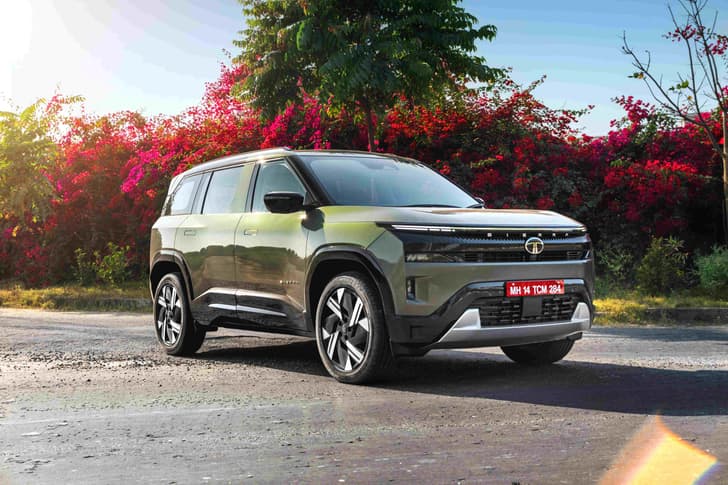
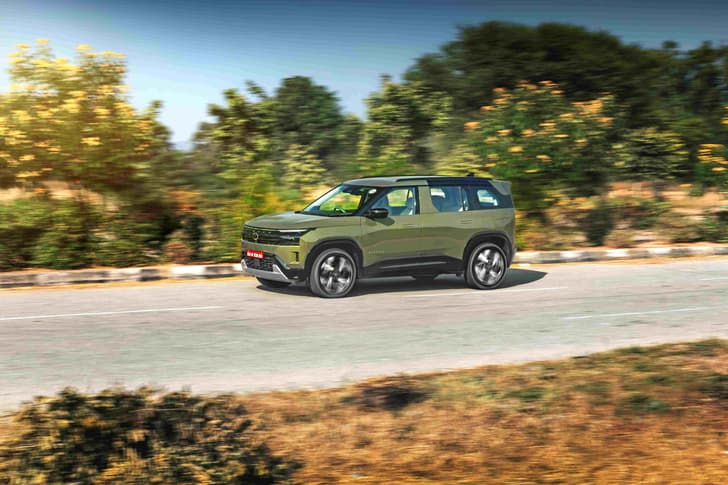
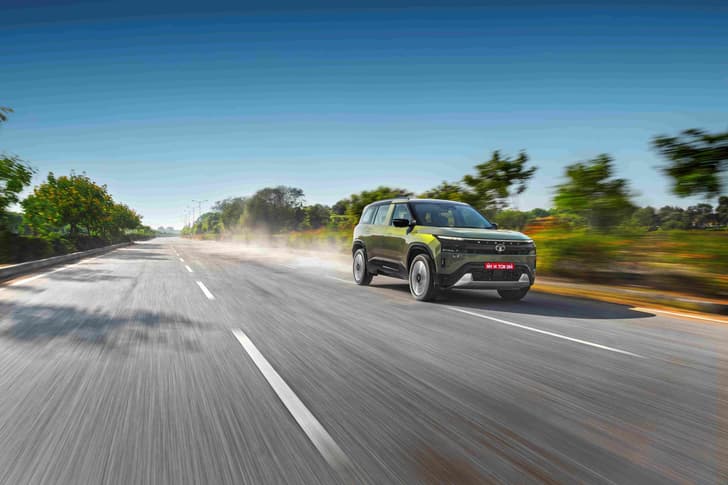
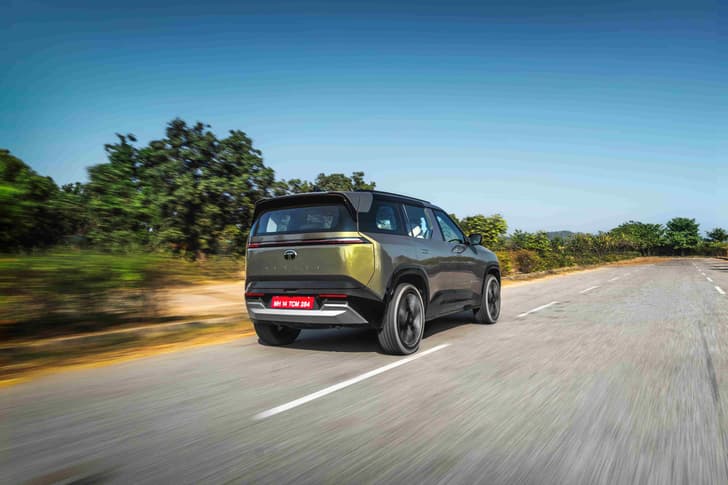
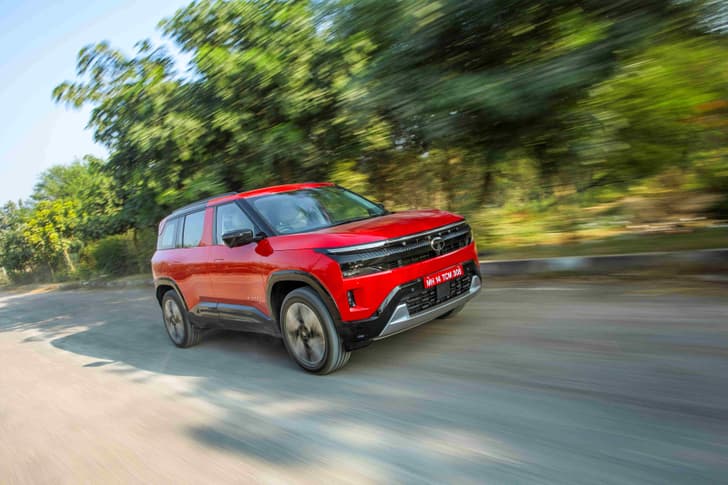
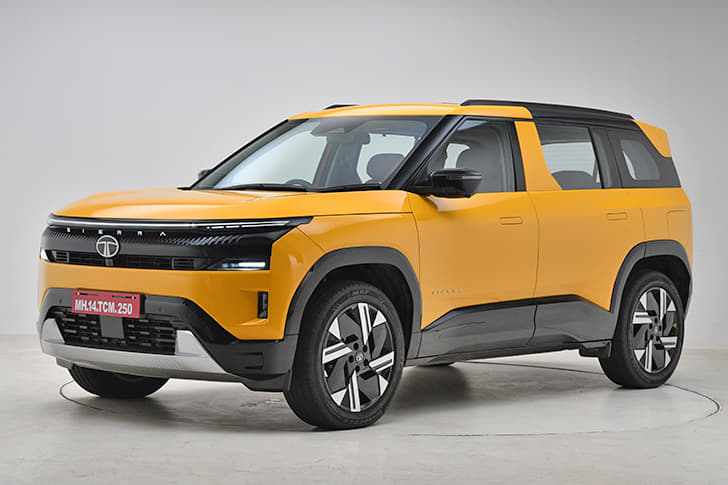
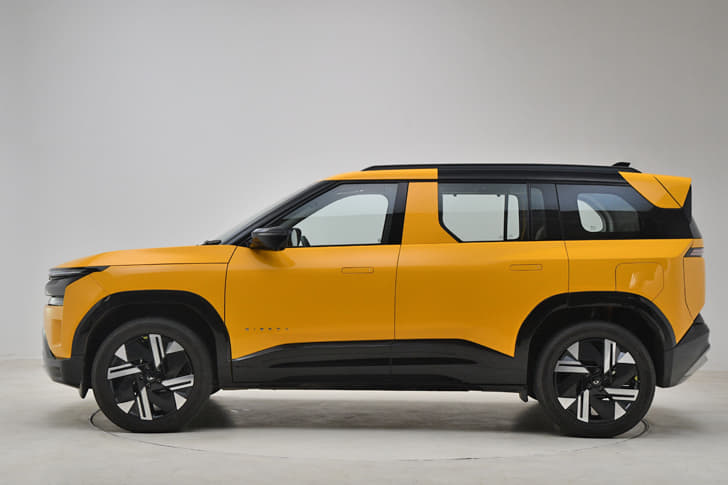
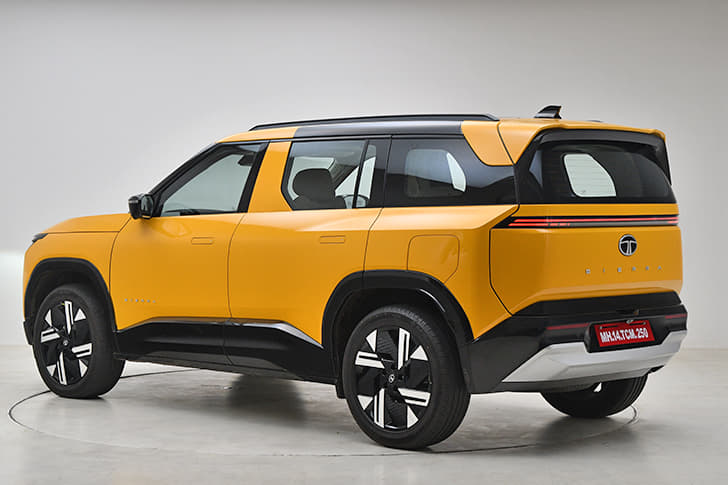
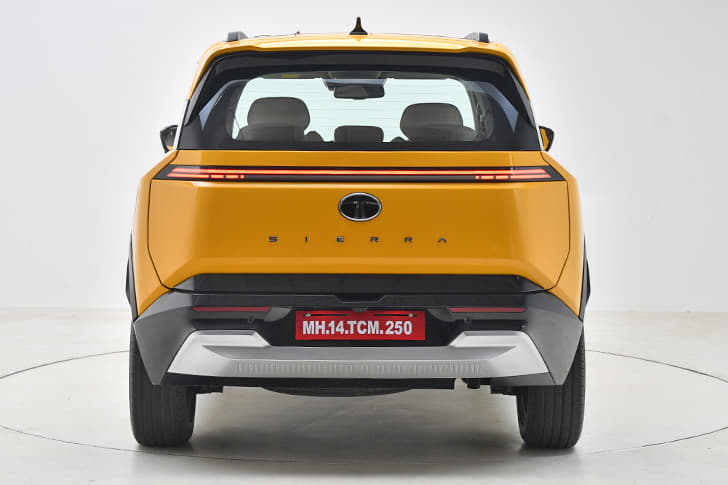
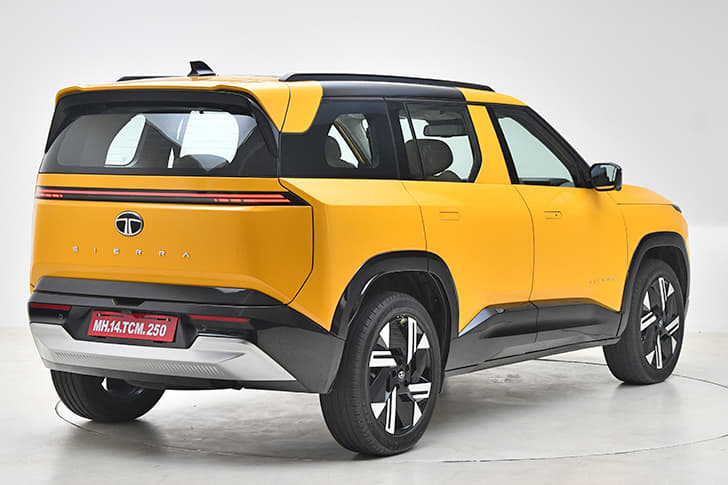
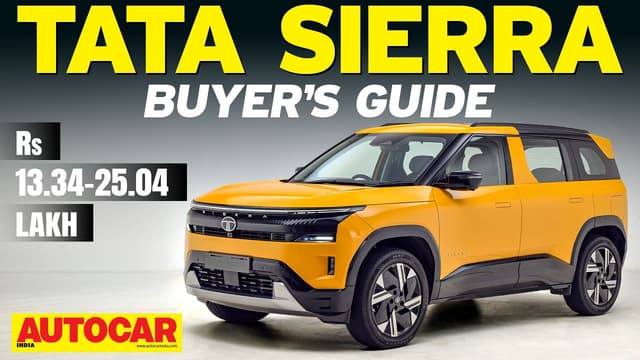
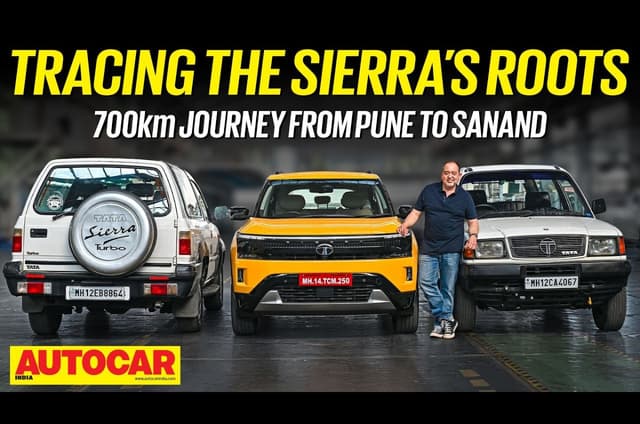
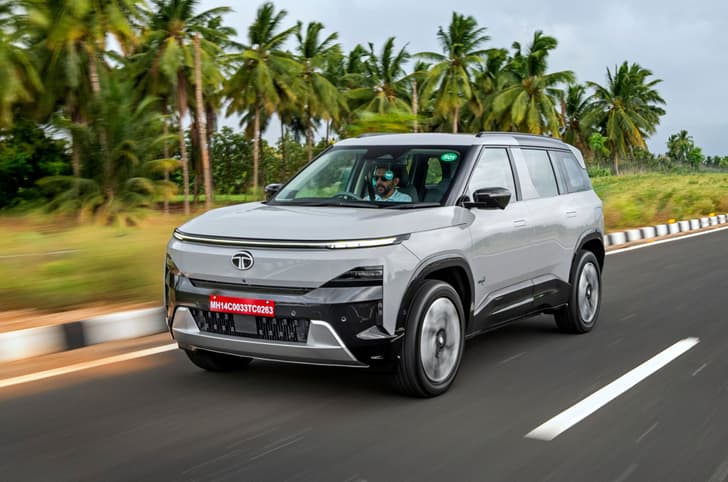
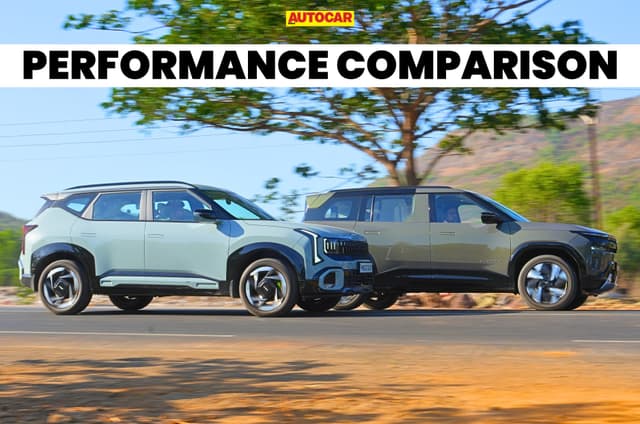
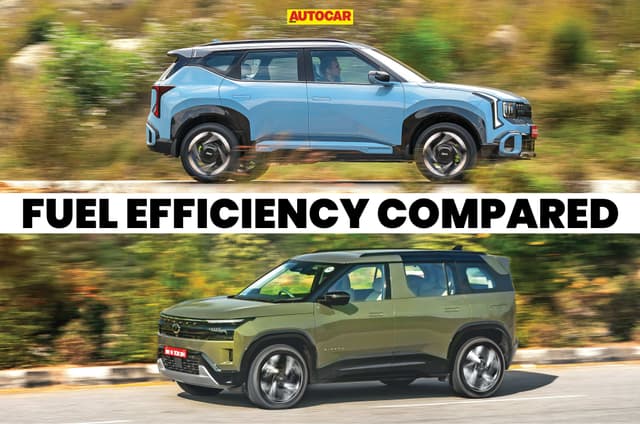
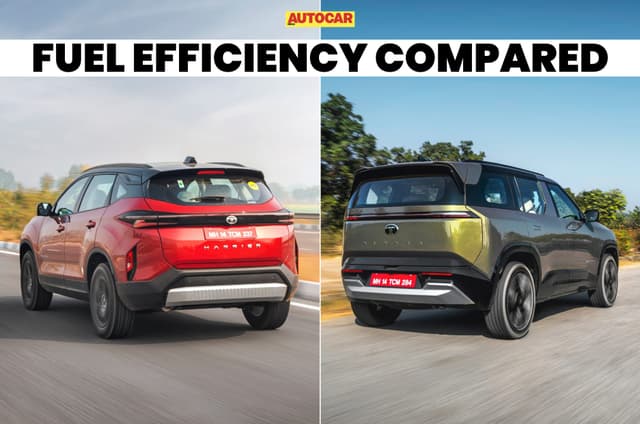
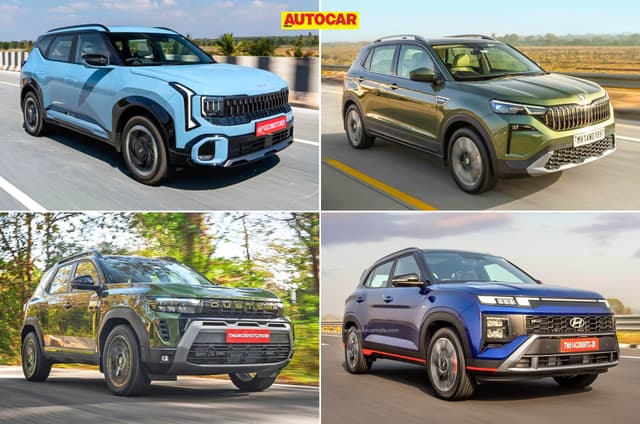
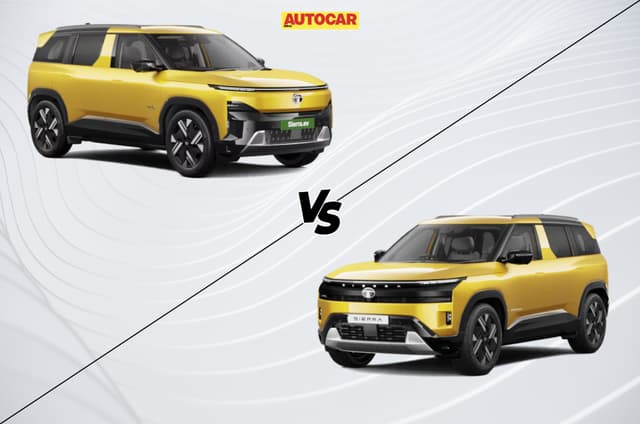
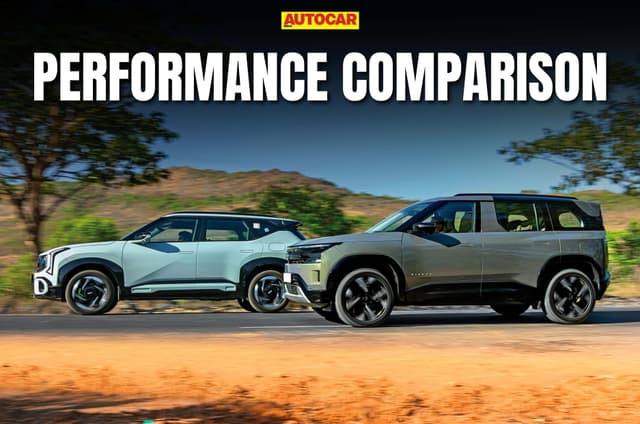
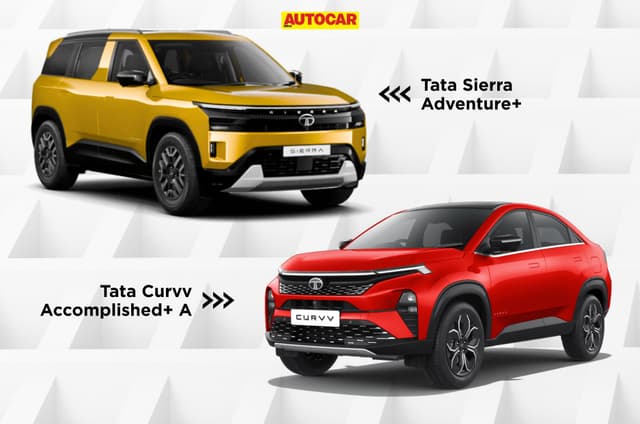
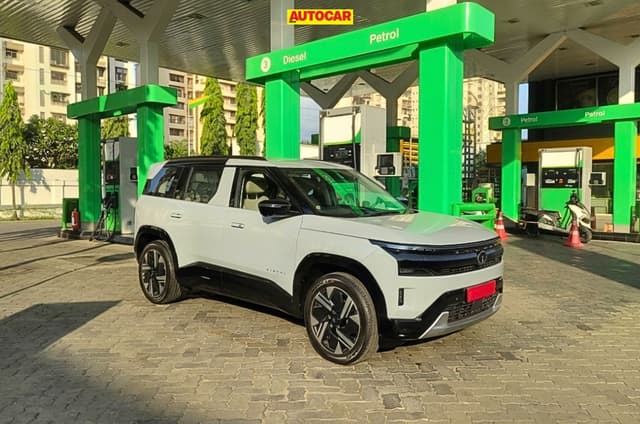
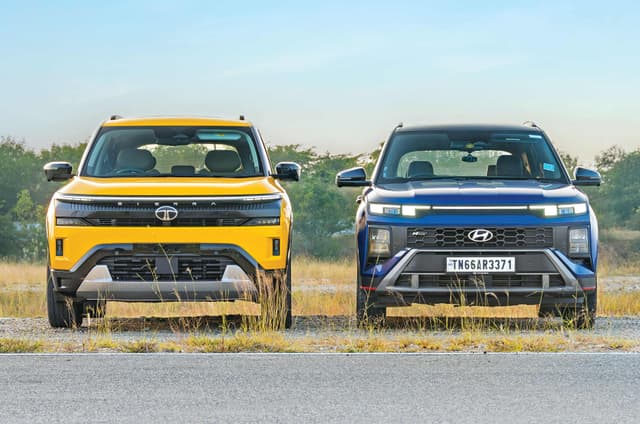
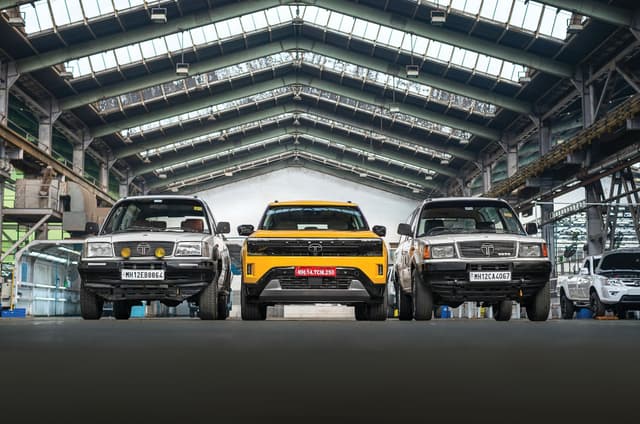
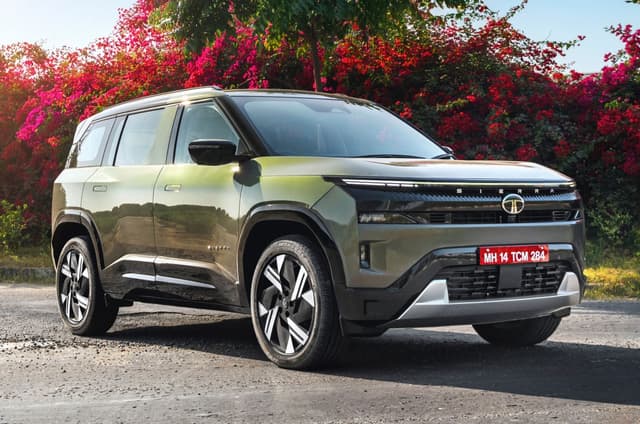
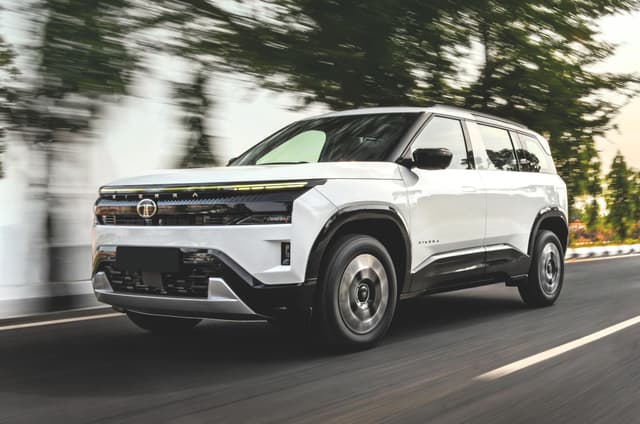
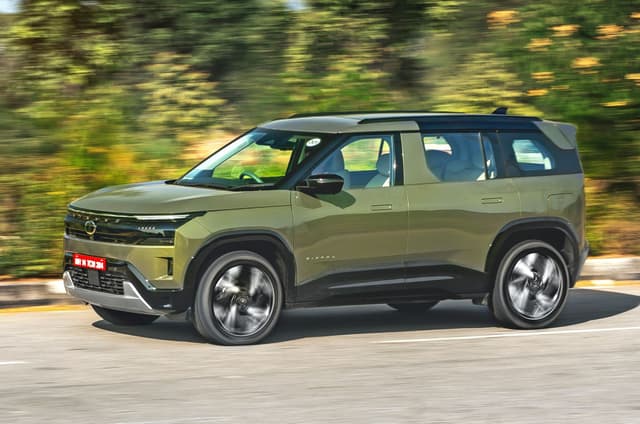
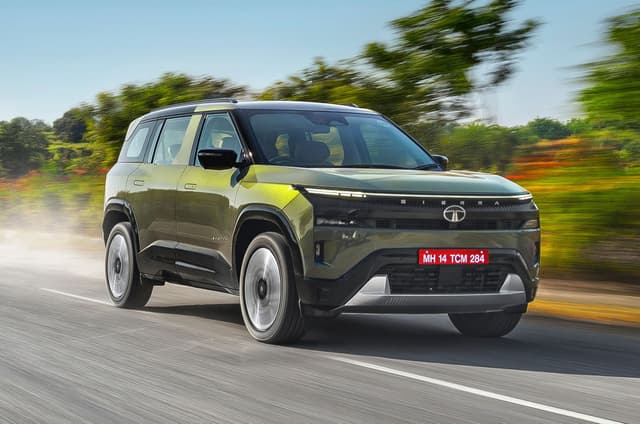
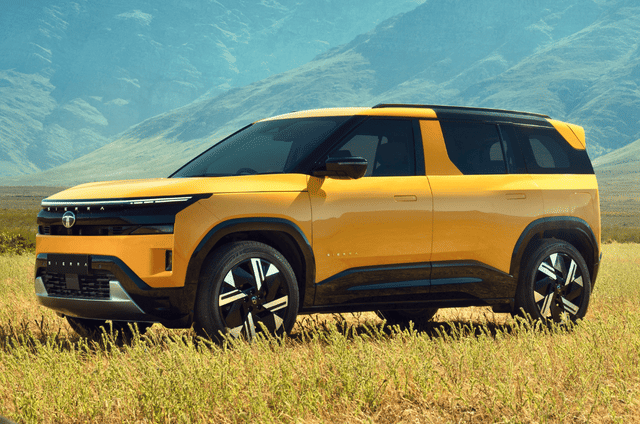
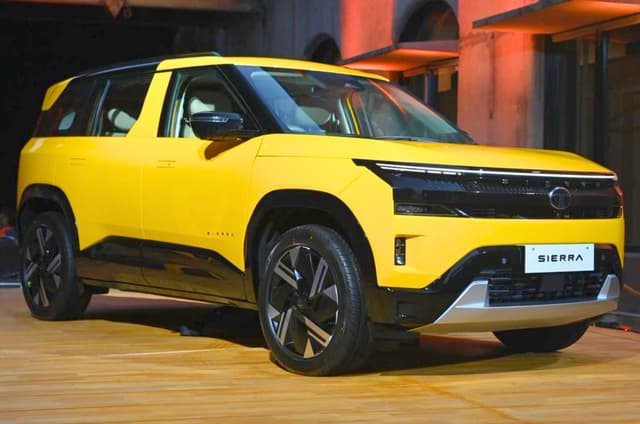
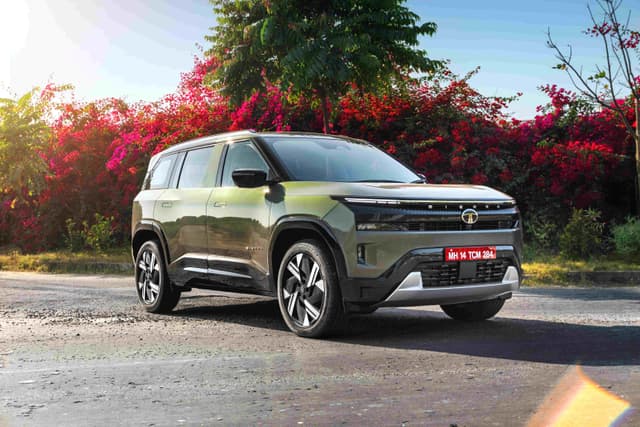
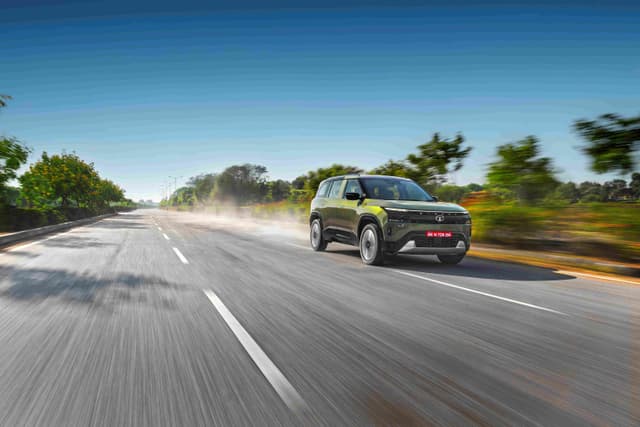
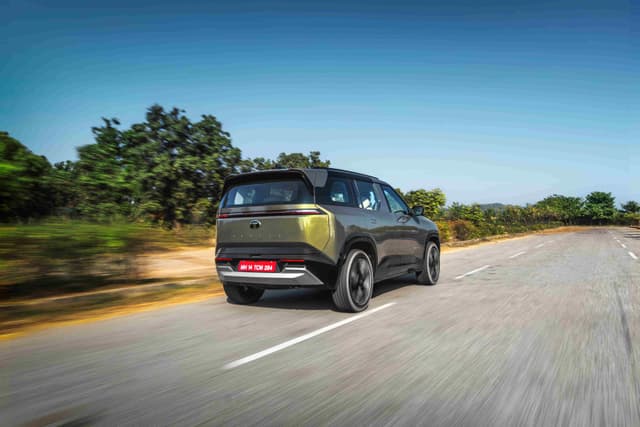
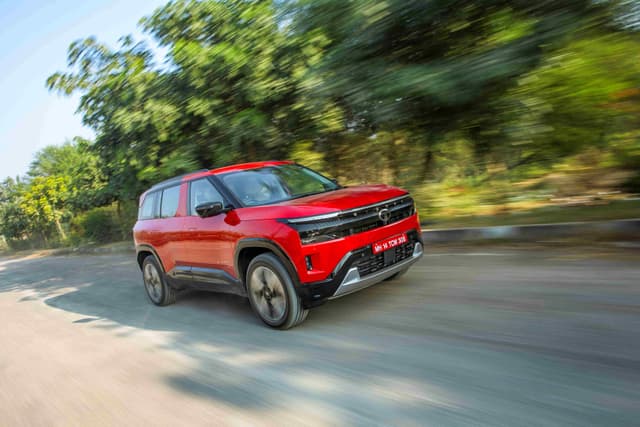
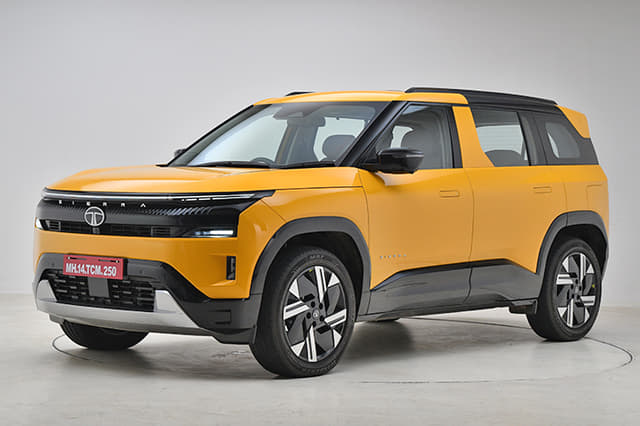
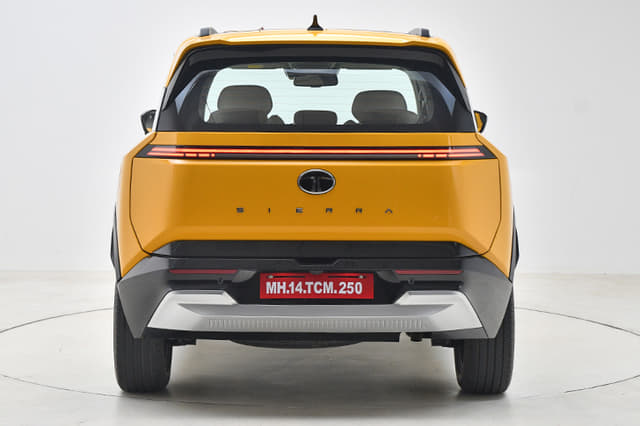
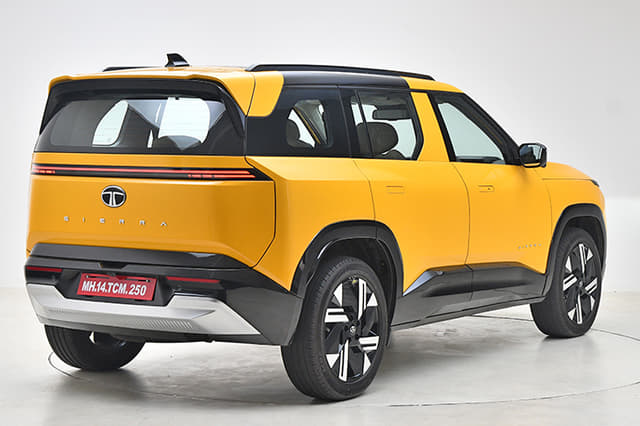
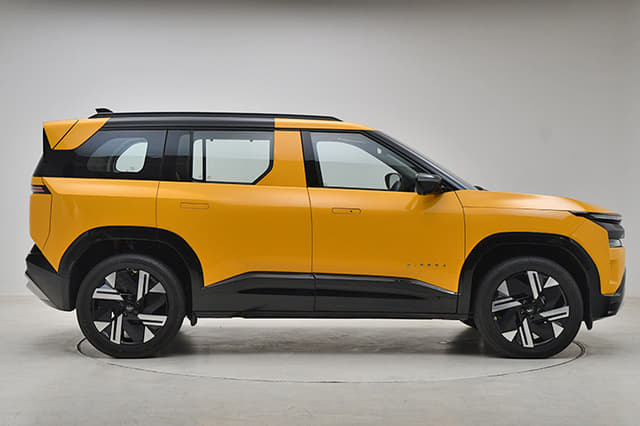
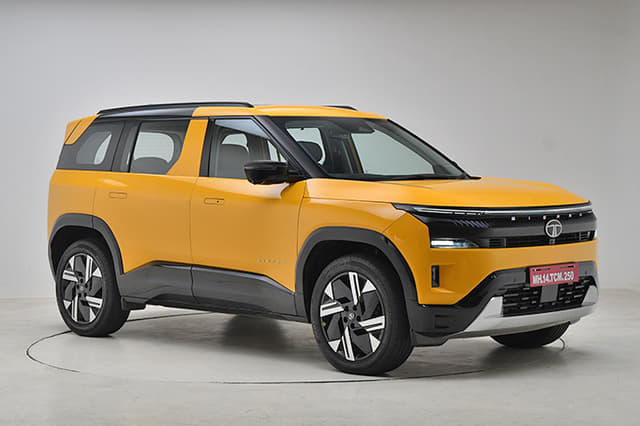
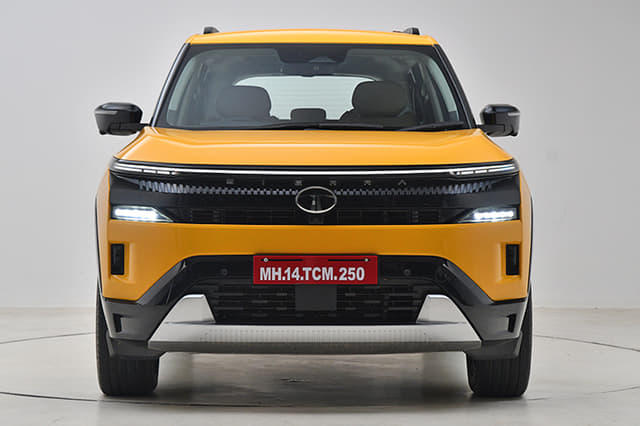
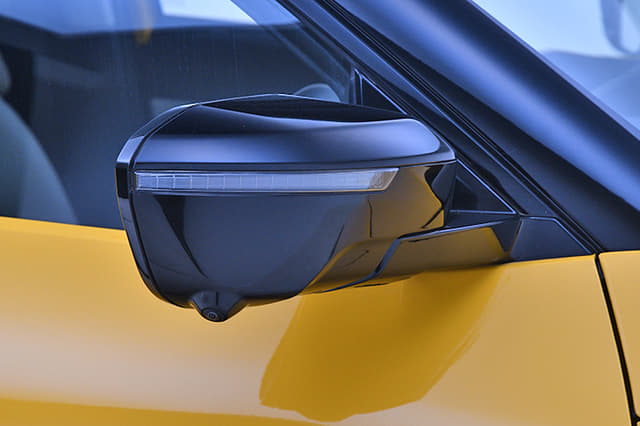
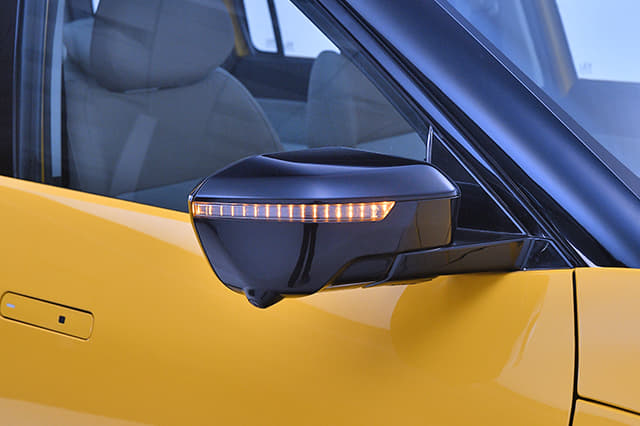
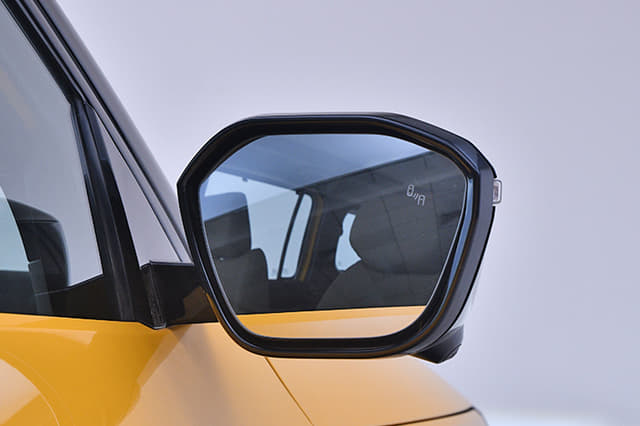
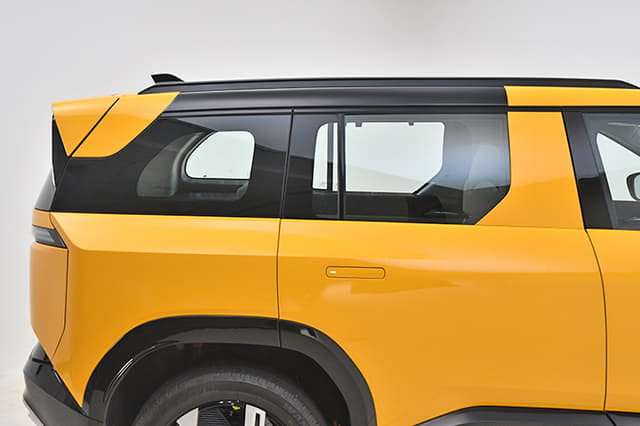
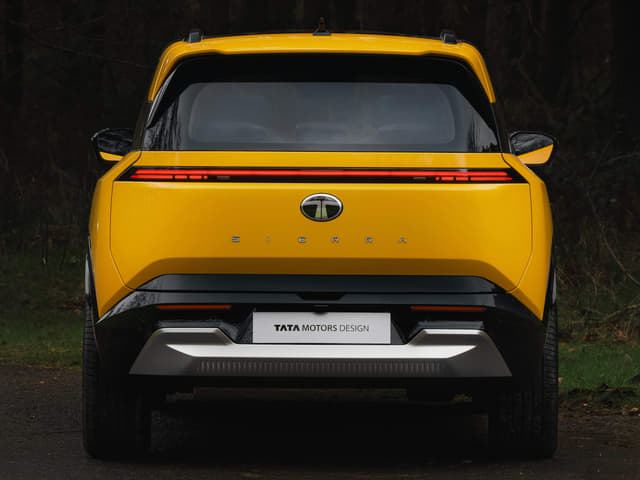
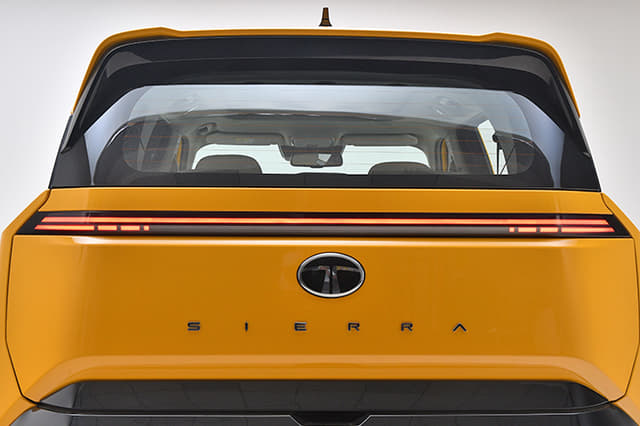
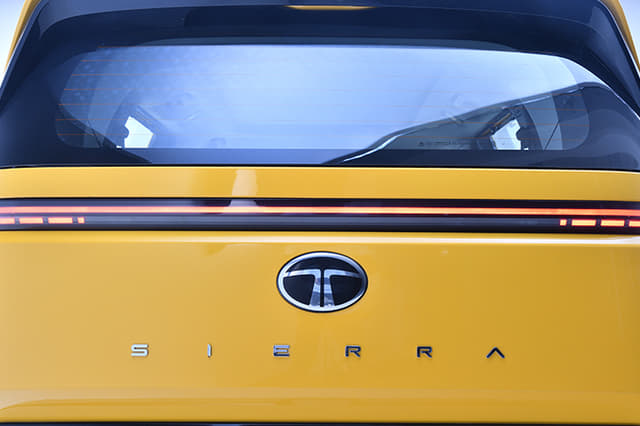
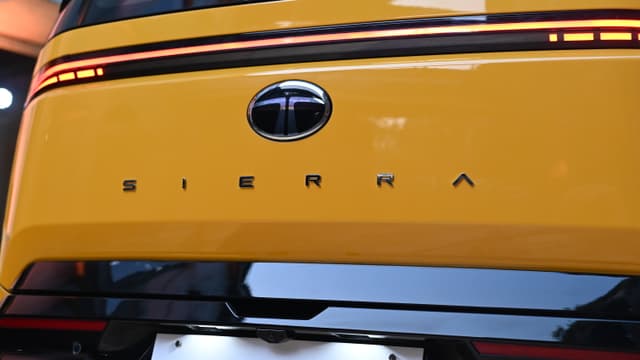
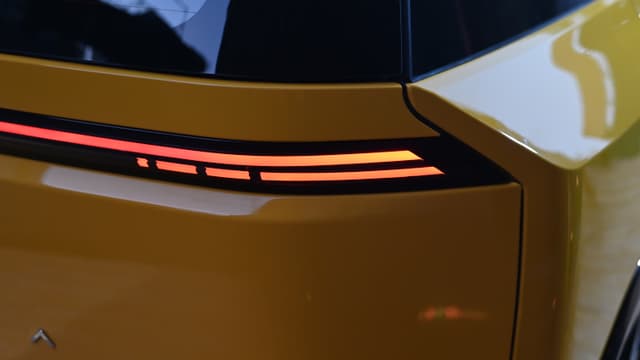
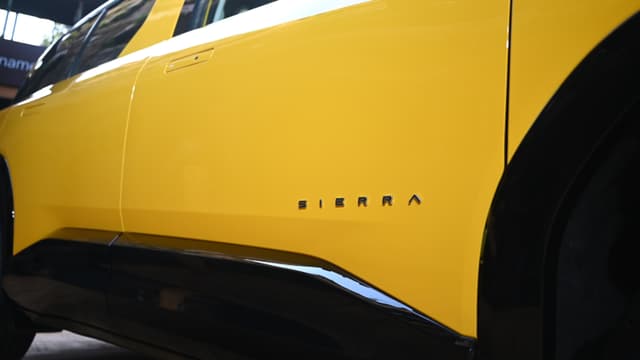
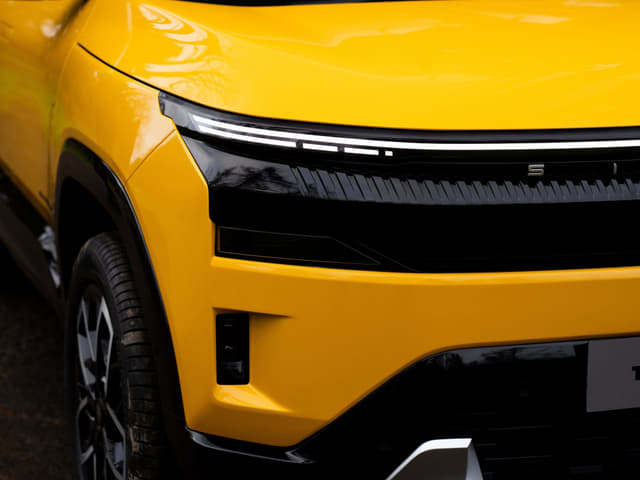
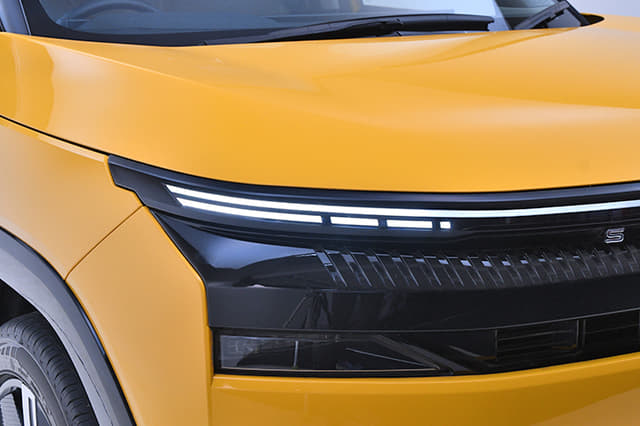
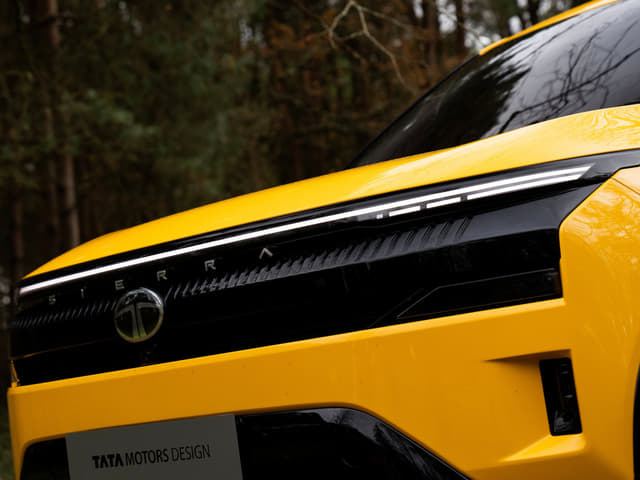
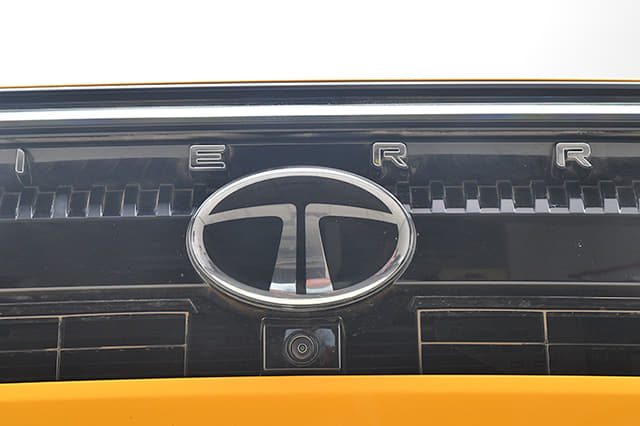
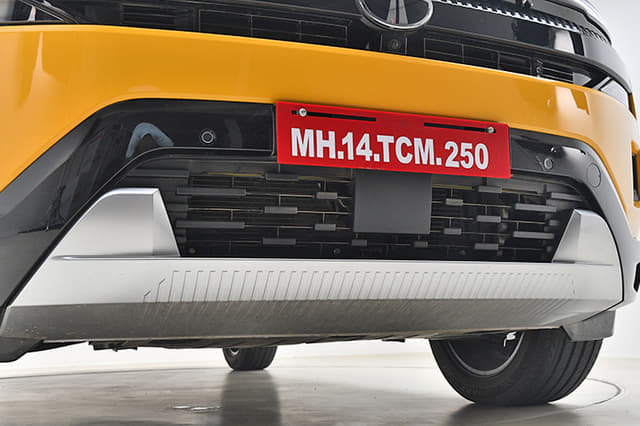
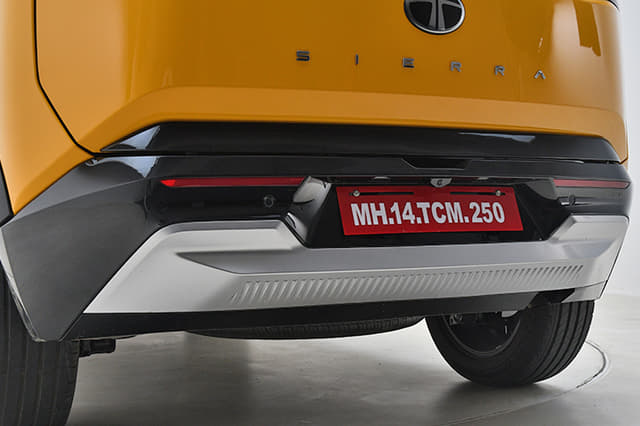
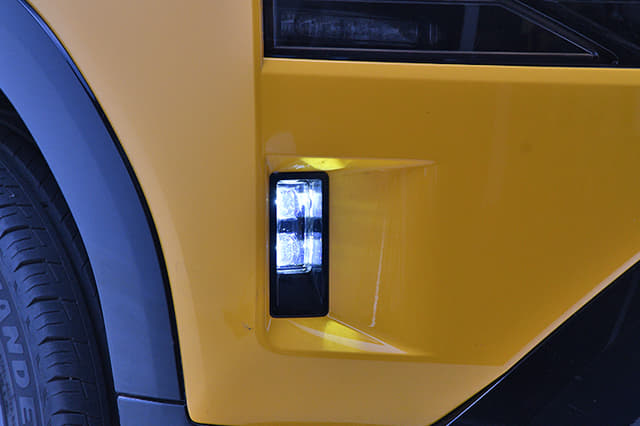
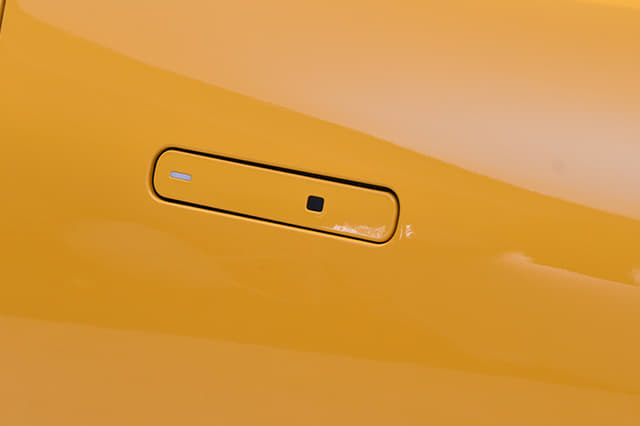
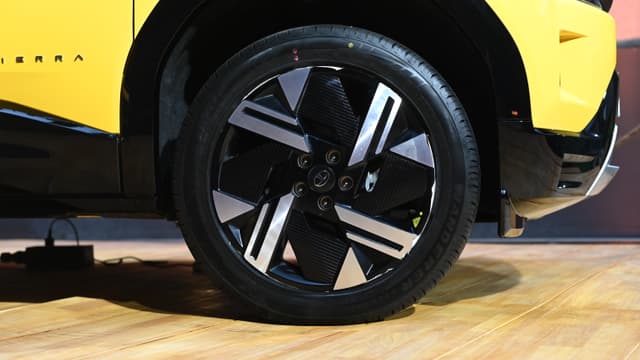
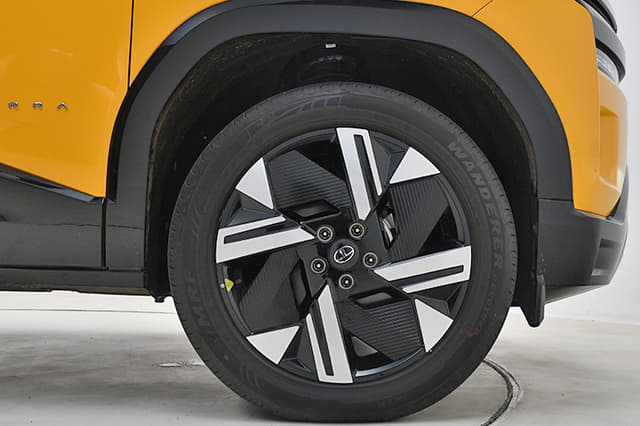
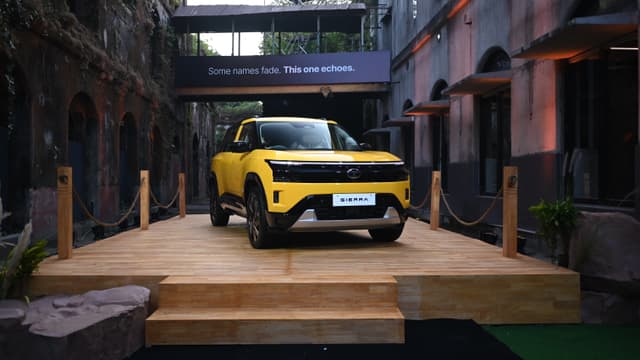
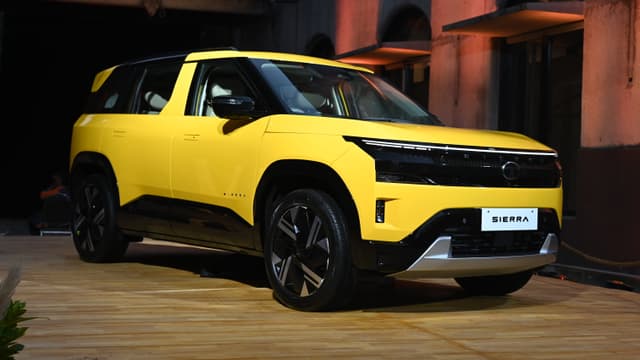
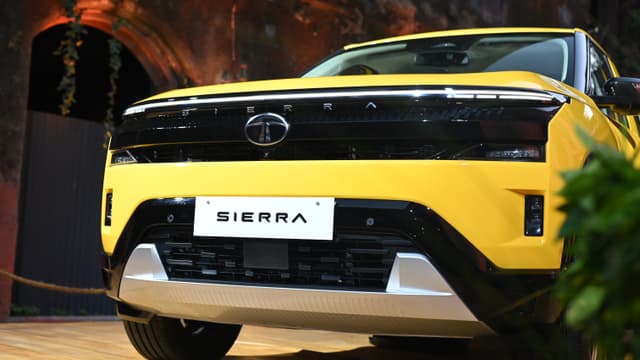
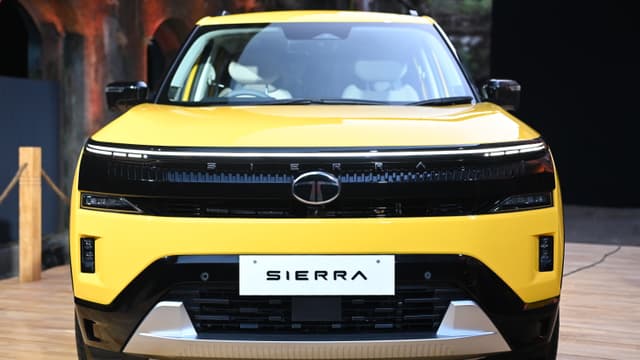
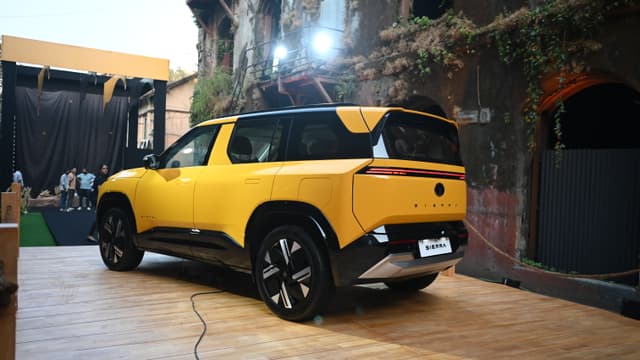
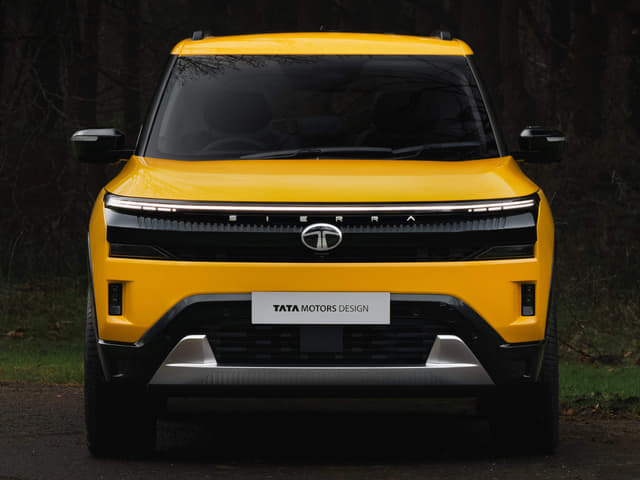
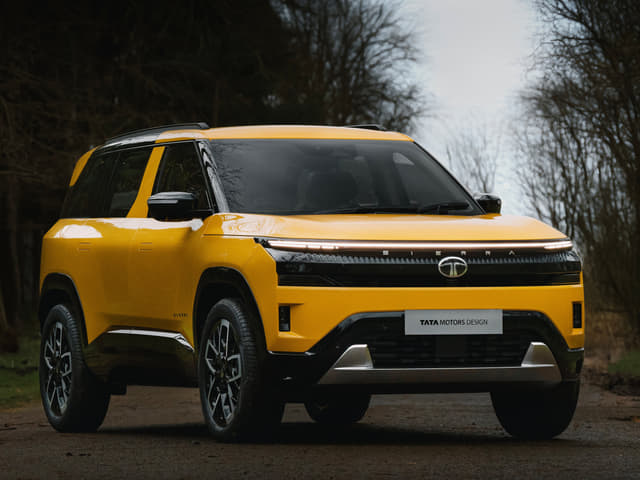
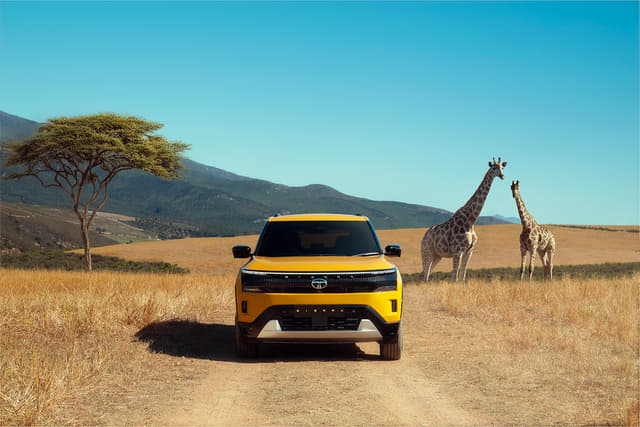
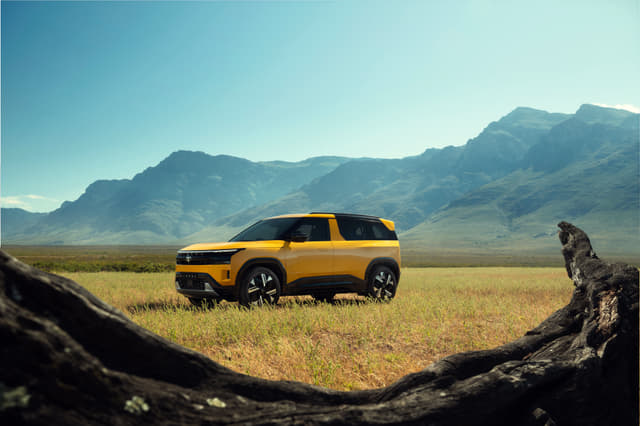
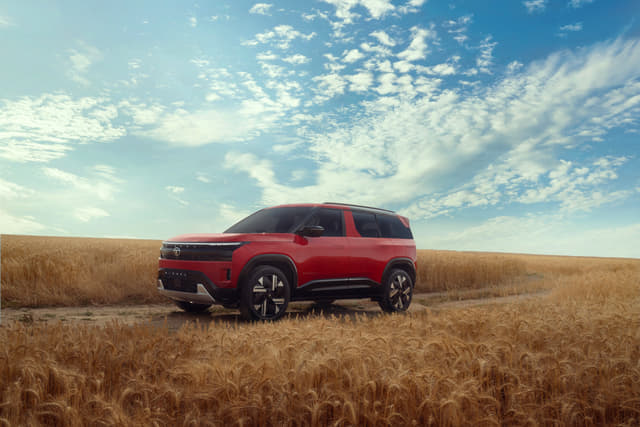
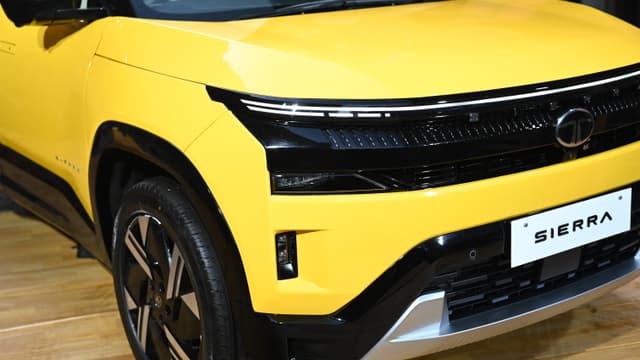
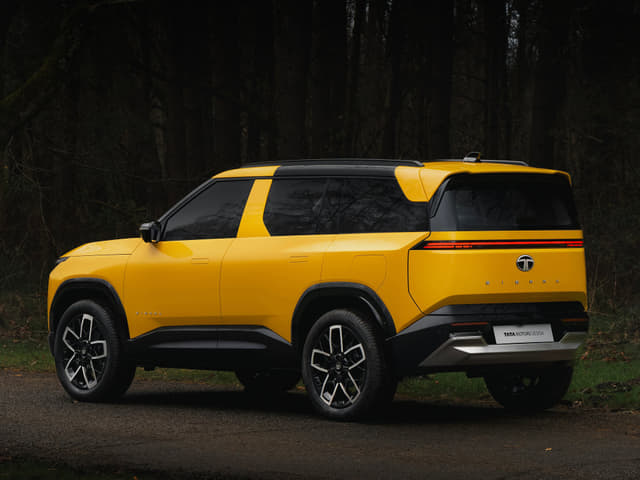
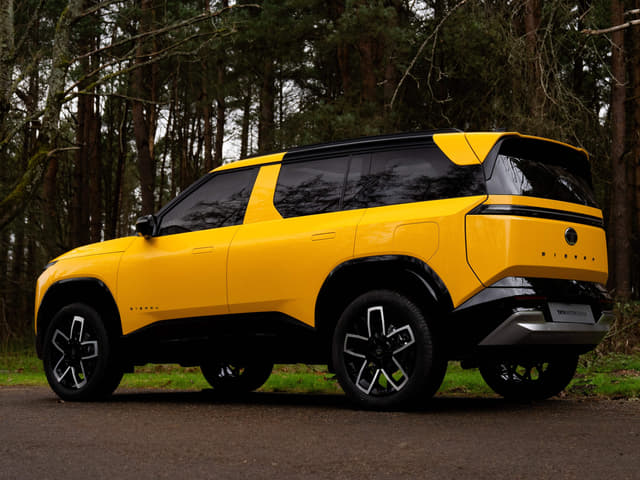
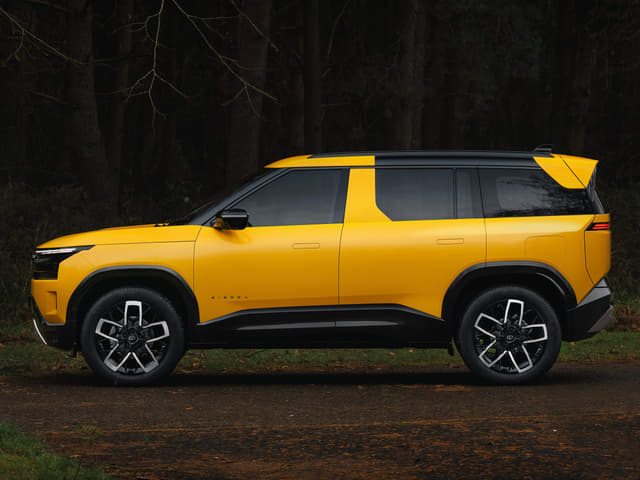
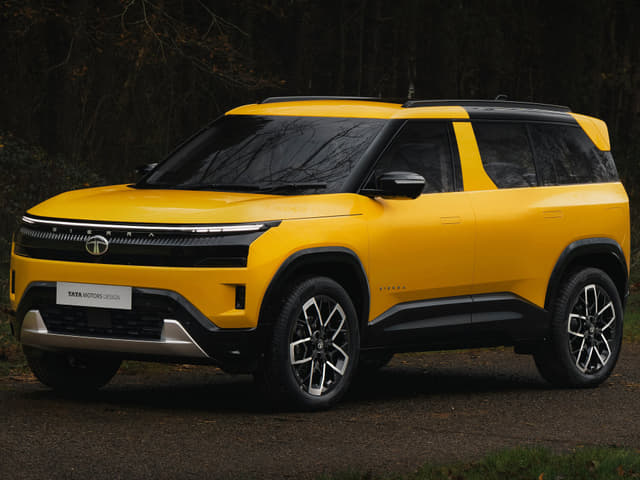
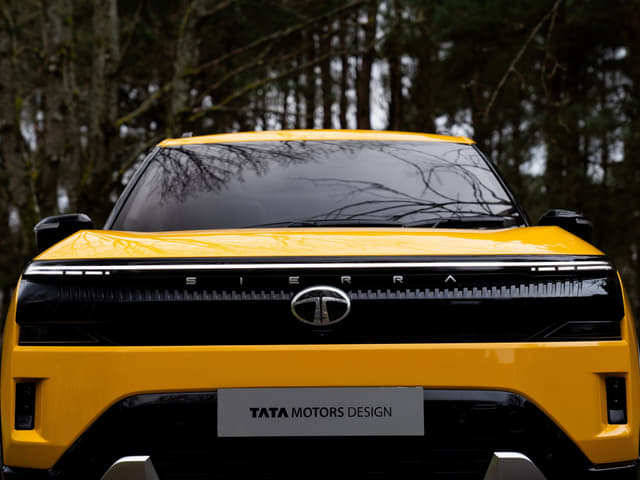
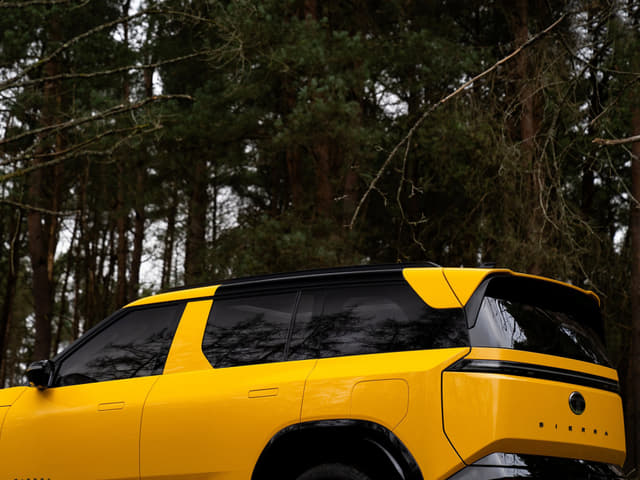
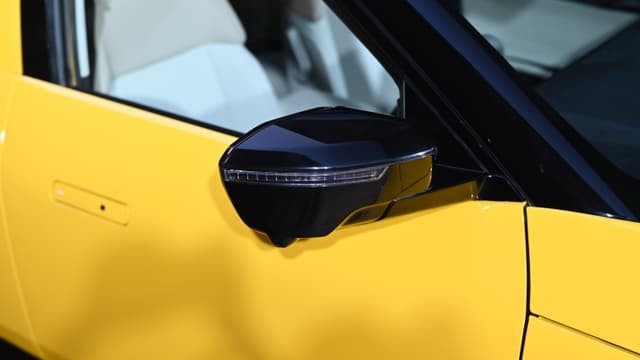
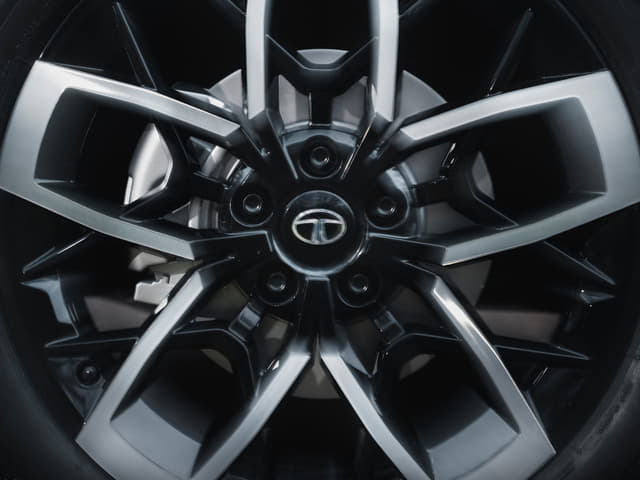
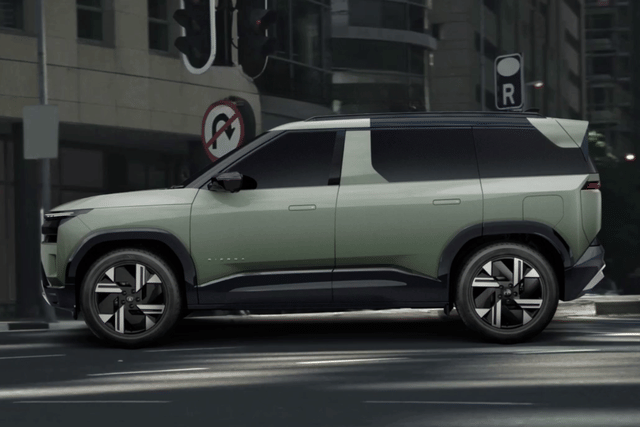
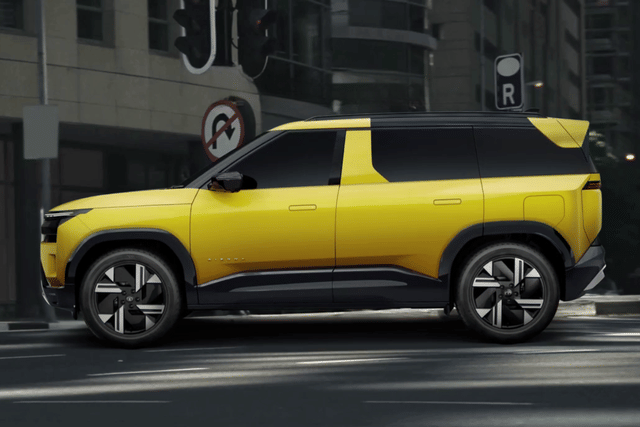
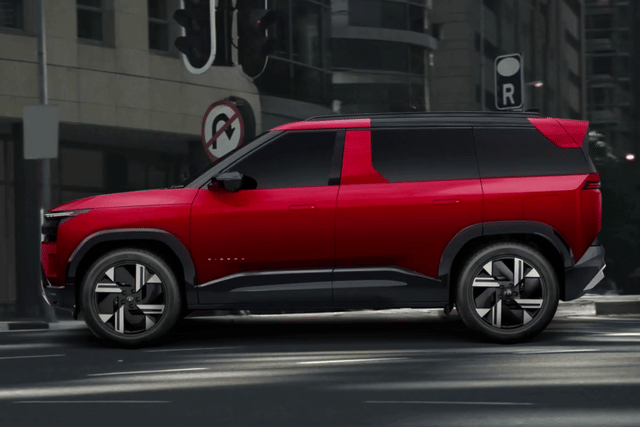
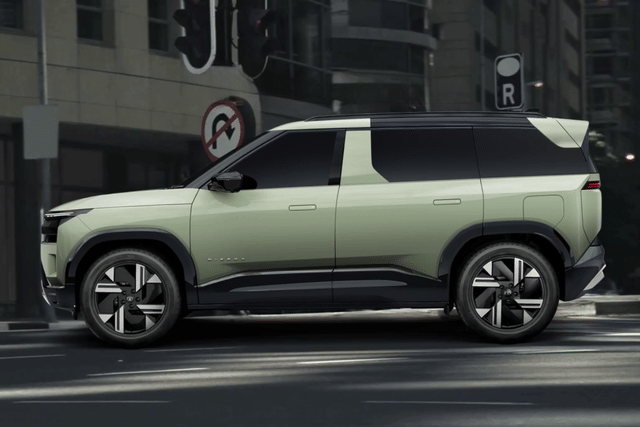
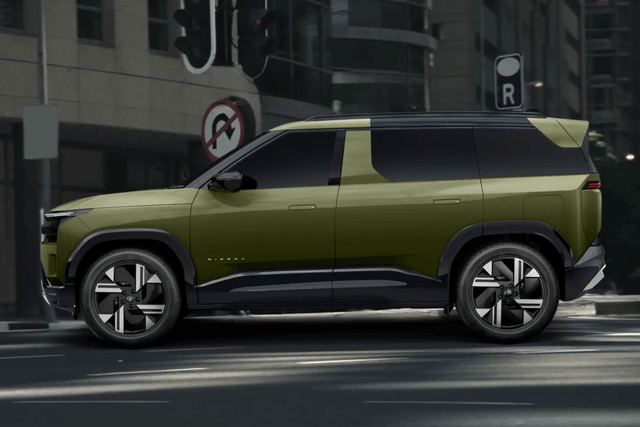
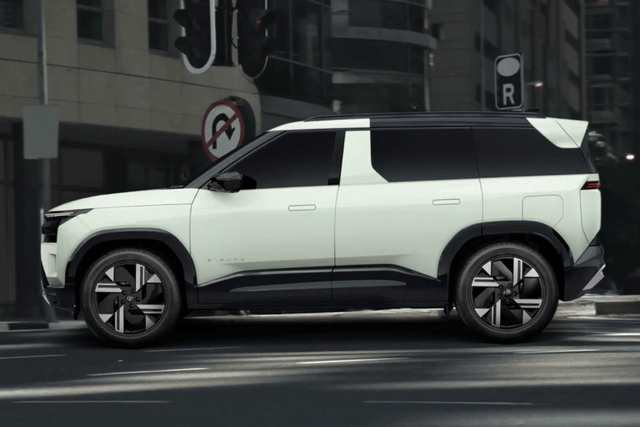
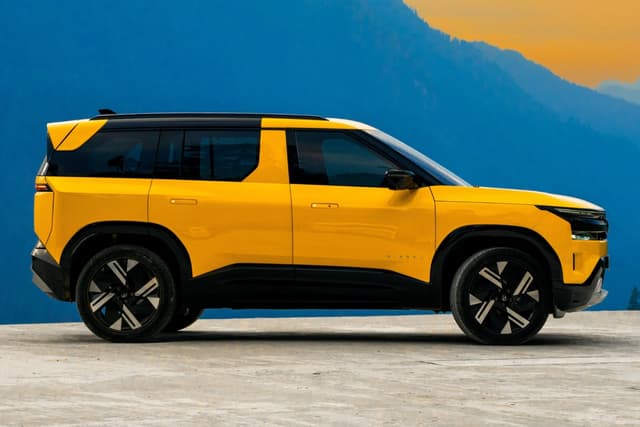
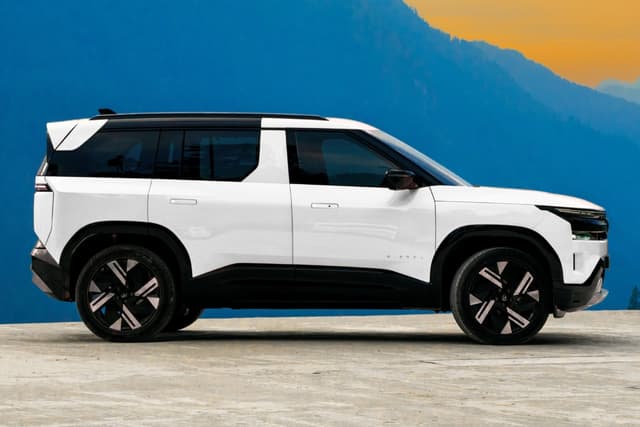
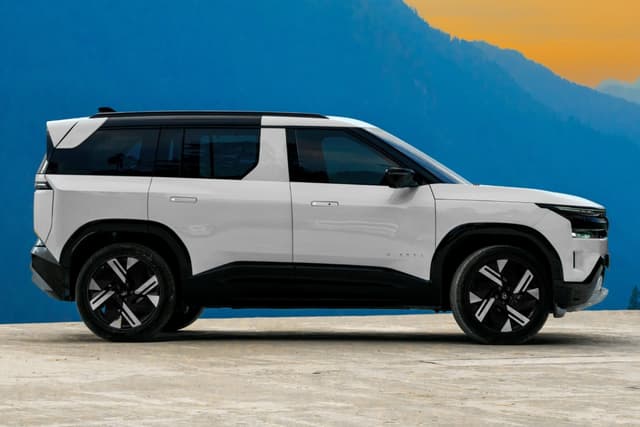
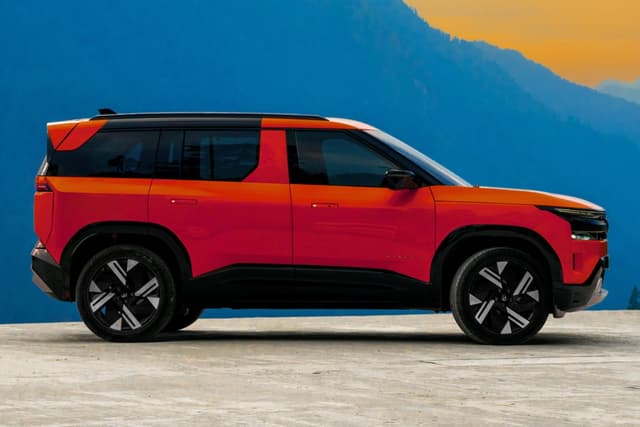
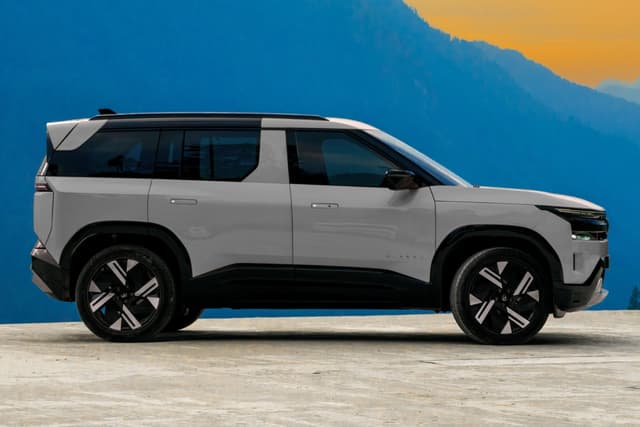
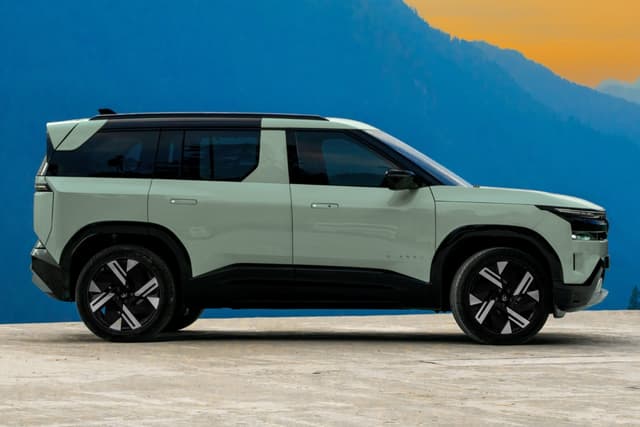
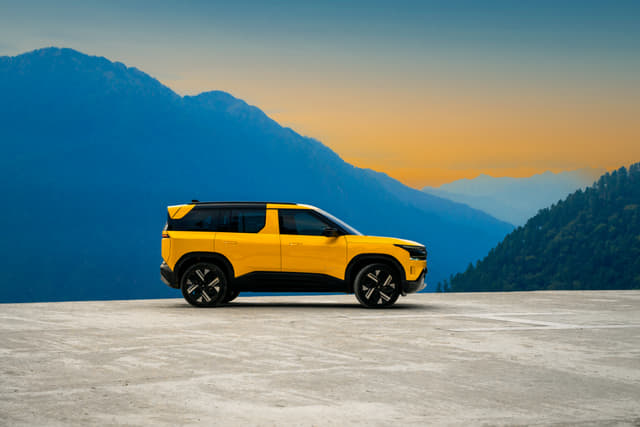
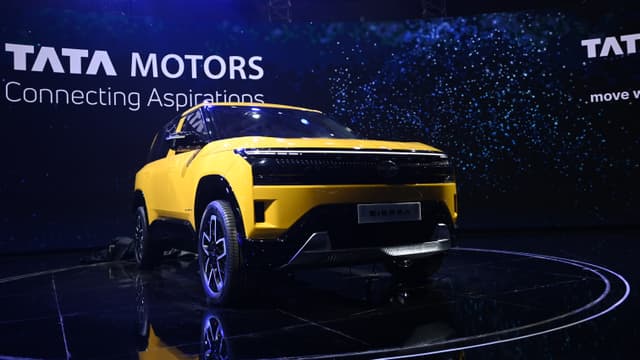
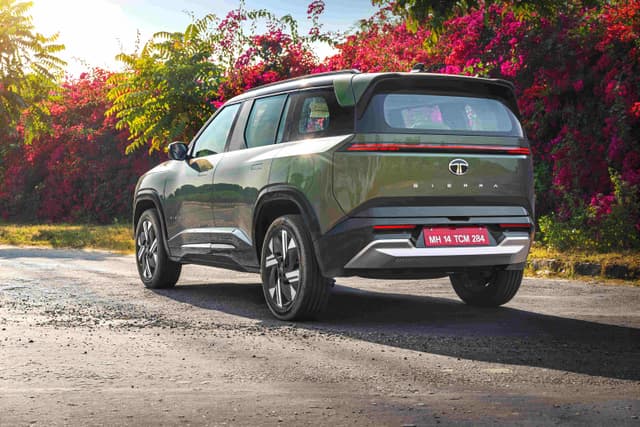
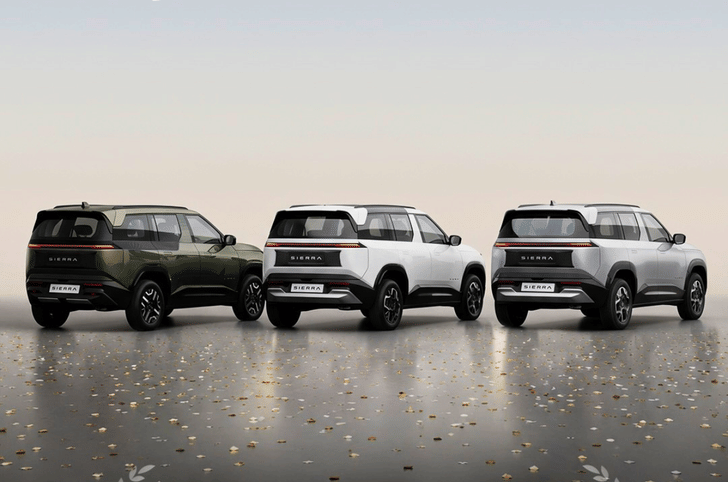
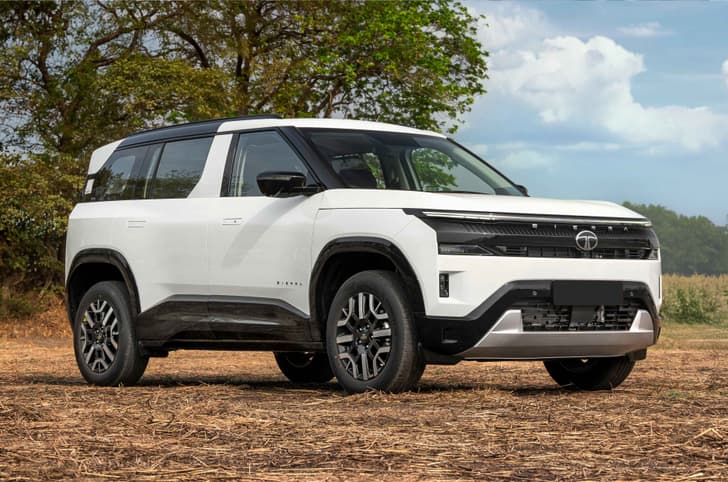
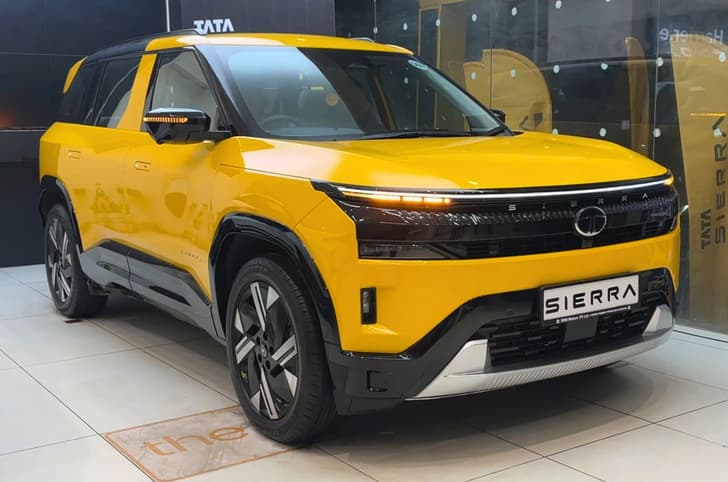
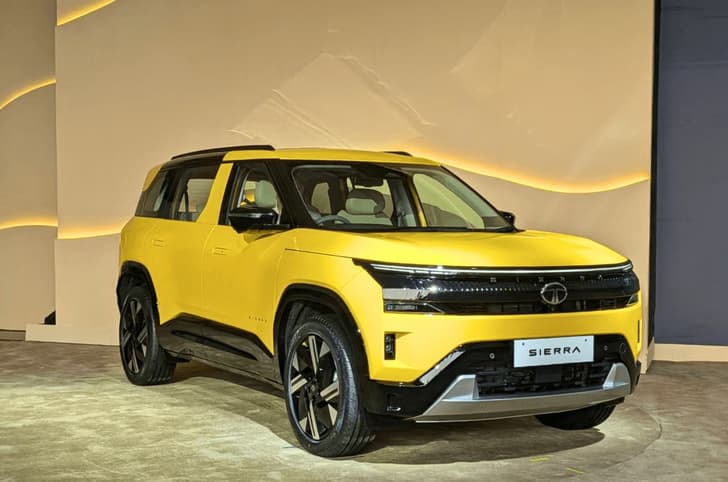
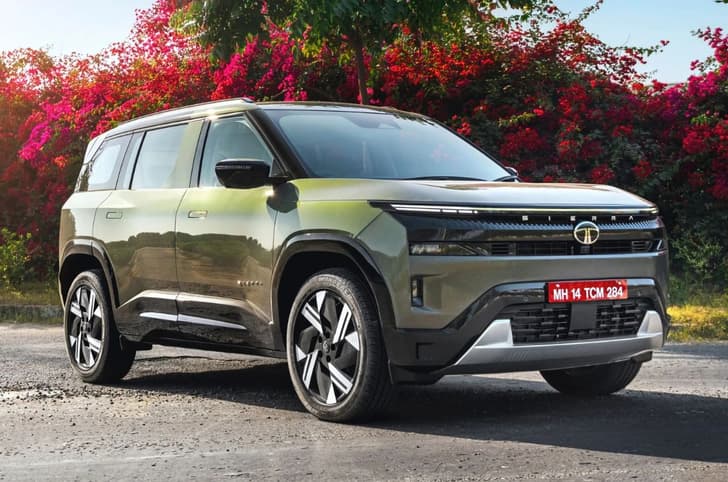
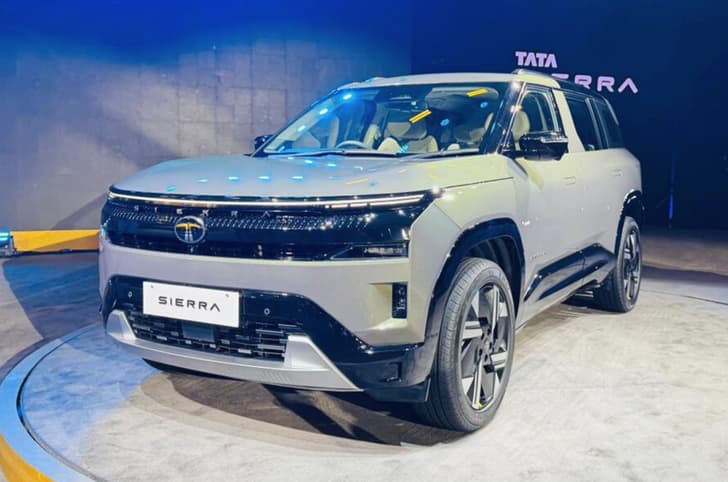
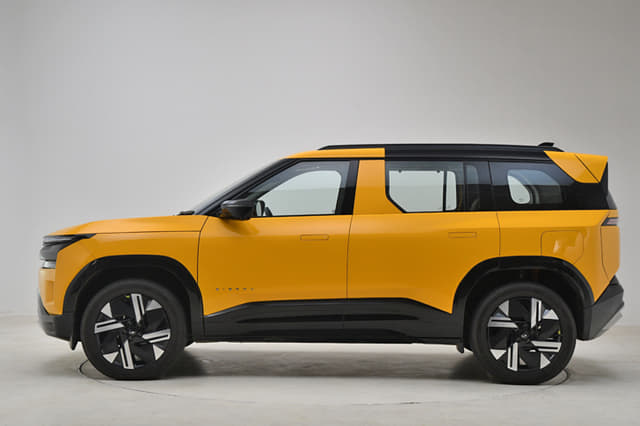
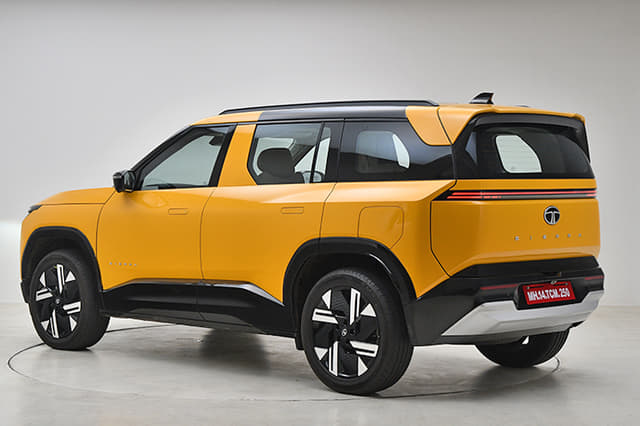
The Sierra is a striking SUV that blends futuristic styling with nods to the original. The upright, boxy silhouette, blacked-out grille, high-set bonnet, squared-off arches, thick B-pillar and blacked-out rear glass recall the 1991 Sierra, while LED lightbars, slim LED headlamps, flush door handles and 19-inch alloys add modernity. Roof rails are bolted but not load-bearing, and a tailgate spoiler hides the rear wiper. Faux skid plates and gloss-black cladding look premium but the latter will be scratch-prone. Unlike the original, the spare tyre sits under the SUV, lowered via a boot-floor bolt. Six paint shades are offered, with Munnar Mist and Andaman Adventure among the standouts.
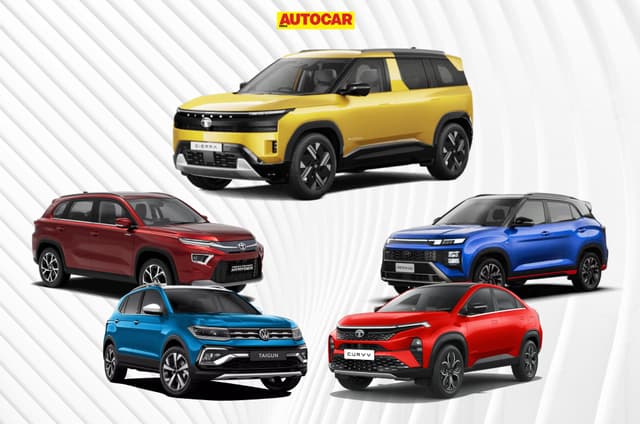
Underneath is Tata’s new ARGOS architecture, compatible with ICE, CNG, hybrid, and FWD/AWD. The current Sierra is FWD. Measuring 4.3m long, 1.8m wide, 1.7m tall with a 2.7m wheelbase, it’s the tallest and widest in its segment with the longest wheelbase.
9
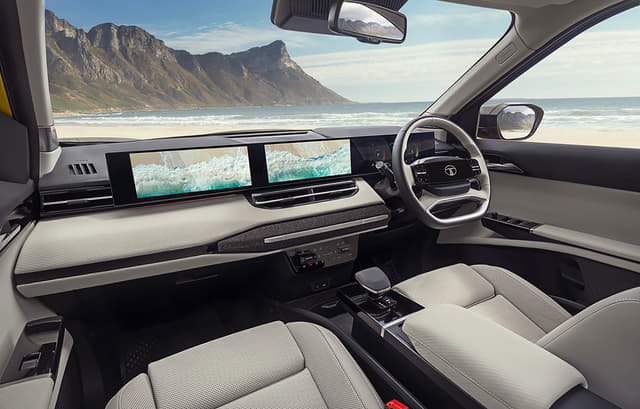
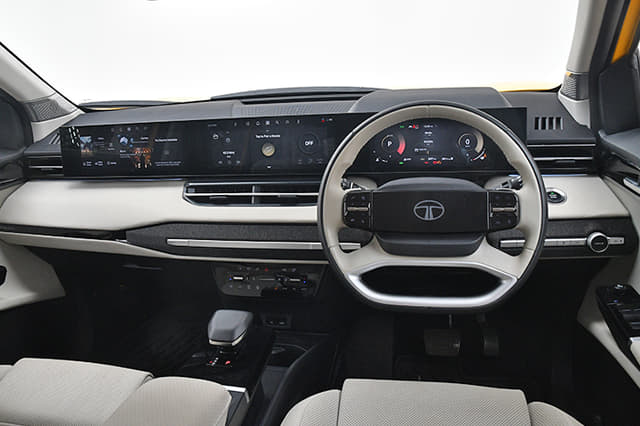
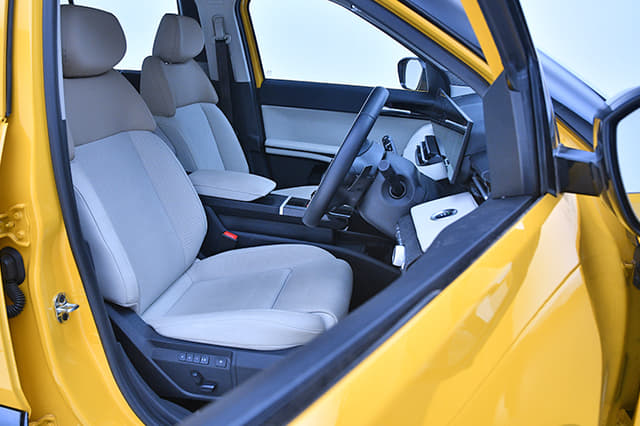
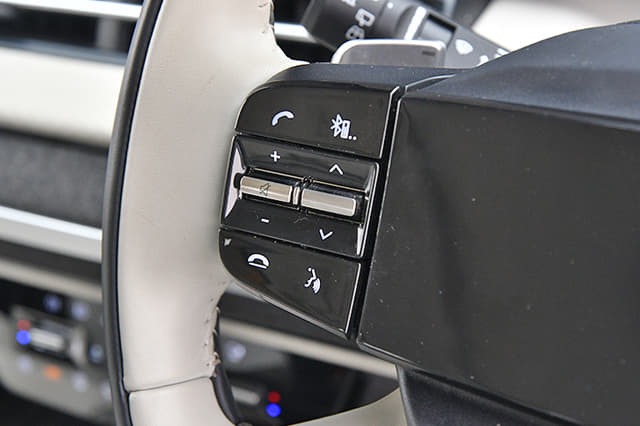
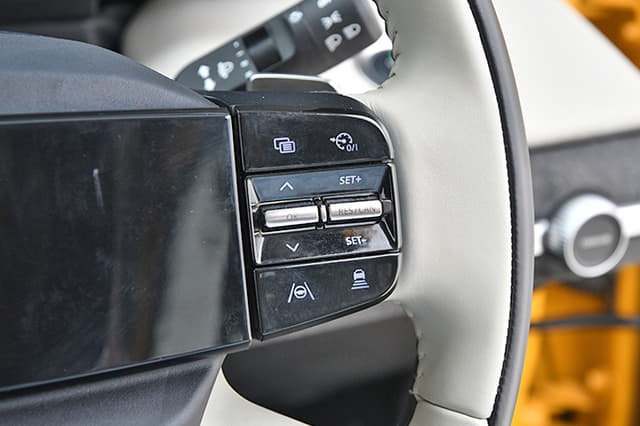
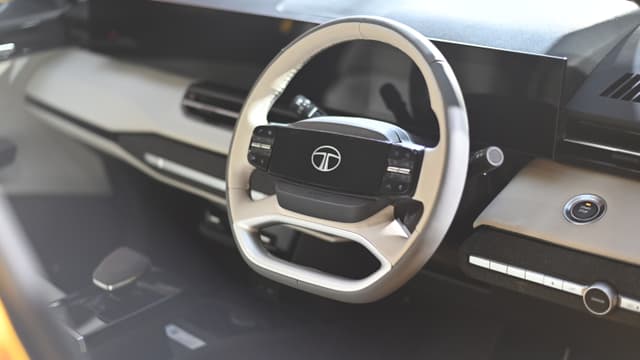
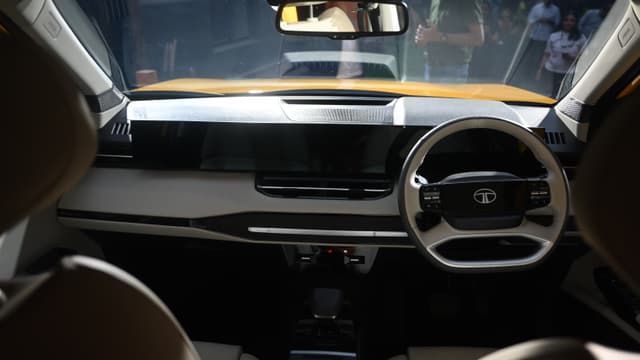
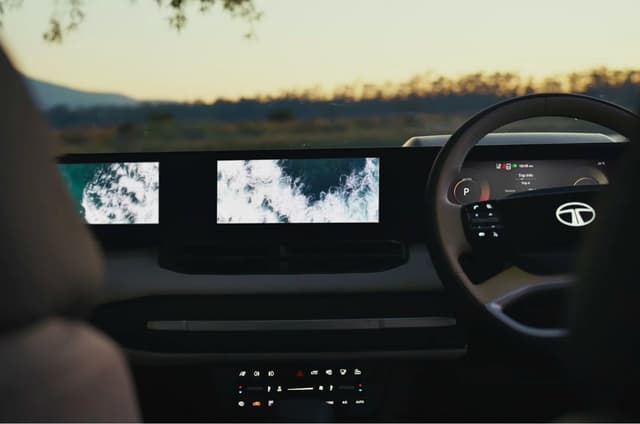
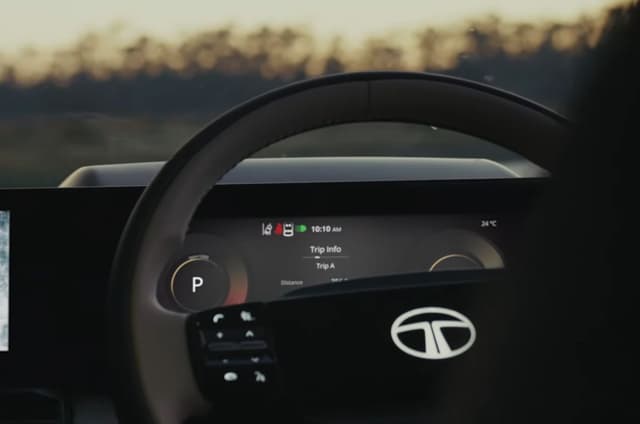
This is Tata’s best interior yet, with a modern design, premium materials, light dual-tone upholstery and a three-screen setup headlining the dash. The four-spoke steering (shared with Harrier/Safari) has an illuminated logo, though the horn pad feels intrusive. The touch-sensitive AC controls also come from larger Tatas.

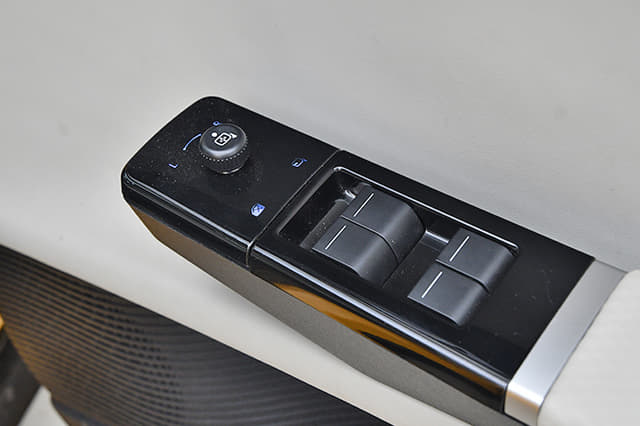
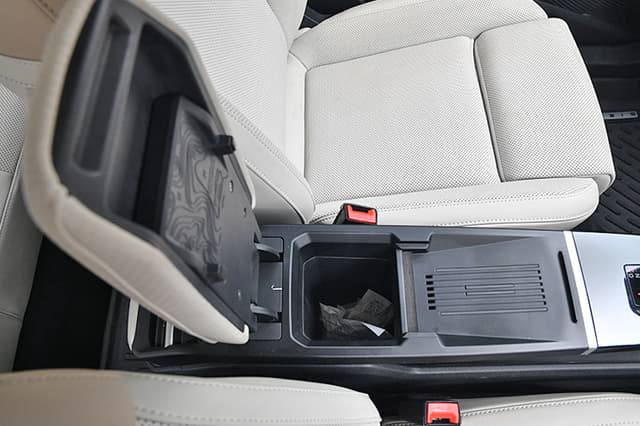
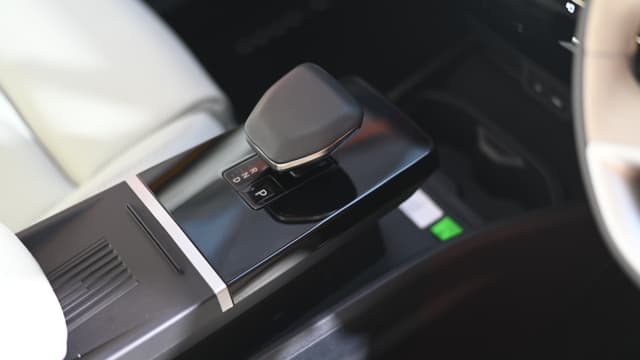
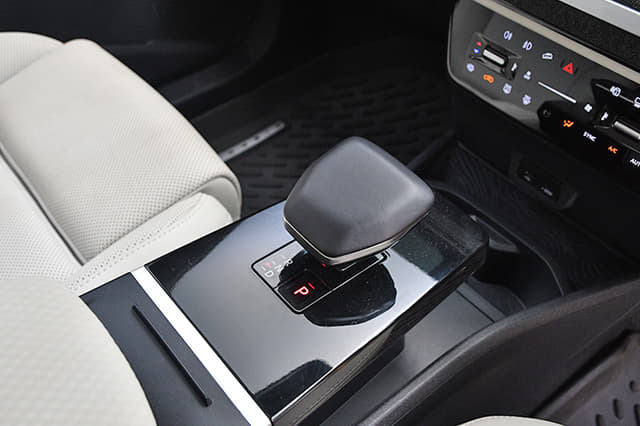
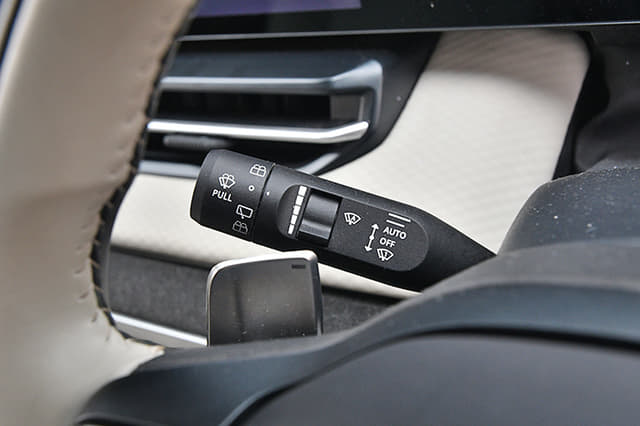
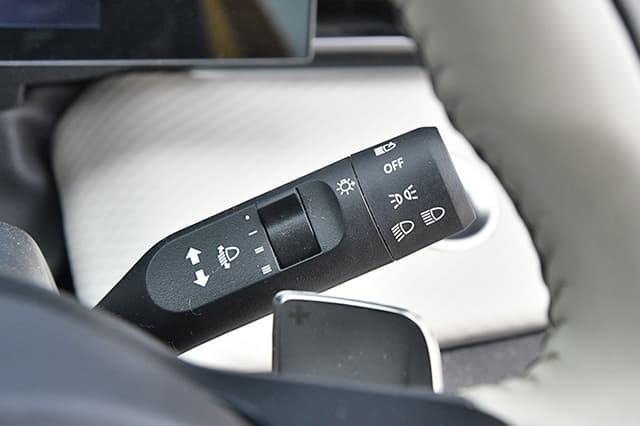
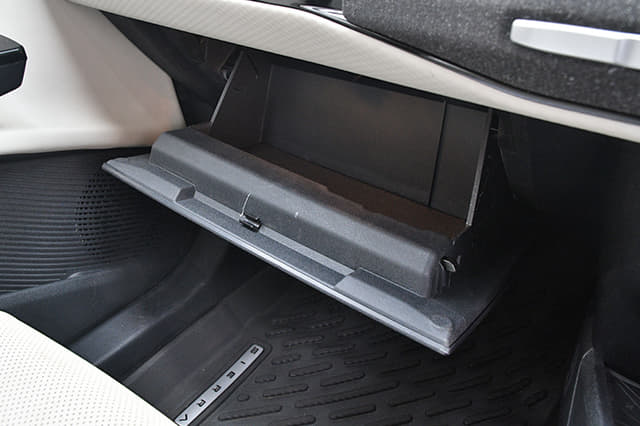
The centre console has two levels: the lower section with cupholders and ports, the upper with the gear selector, wireless charger and armrest. Storage is ample, though the armrest bin is narrow and deep. New control stalks and window switches feel more premium than past Tata units.
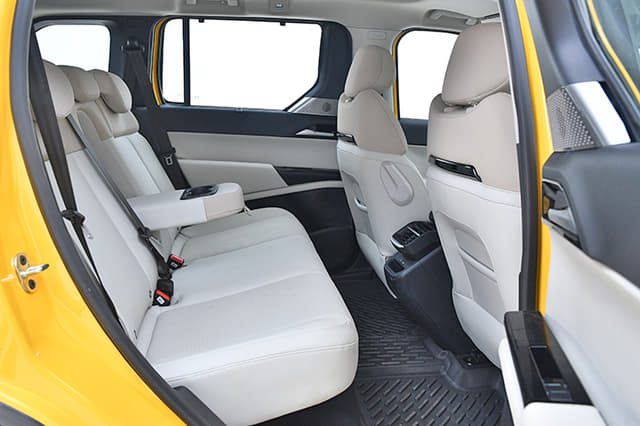
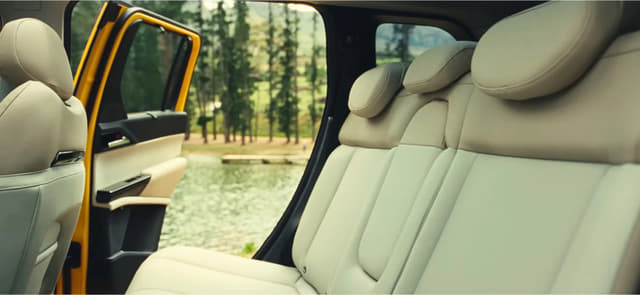
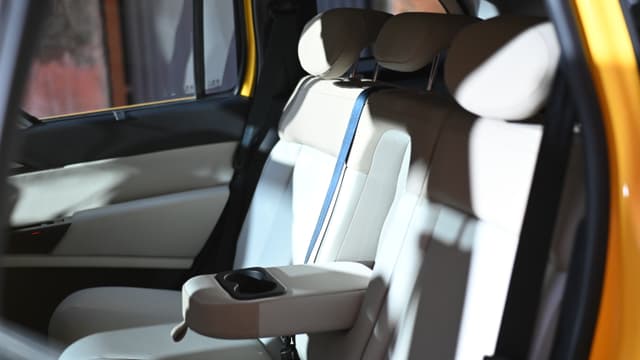
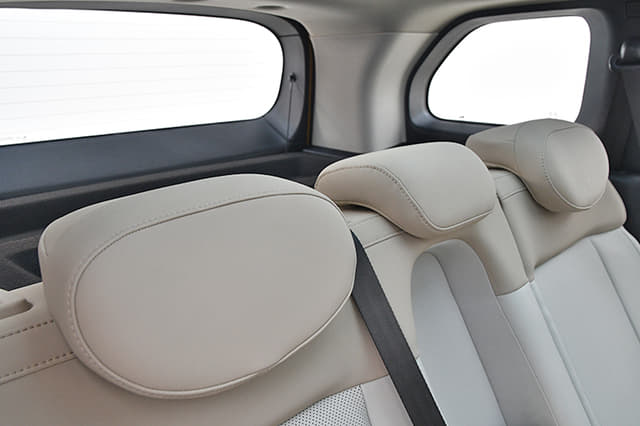
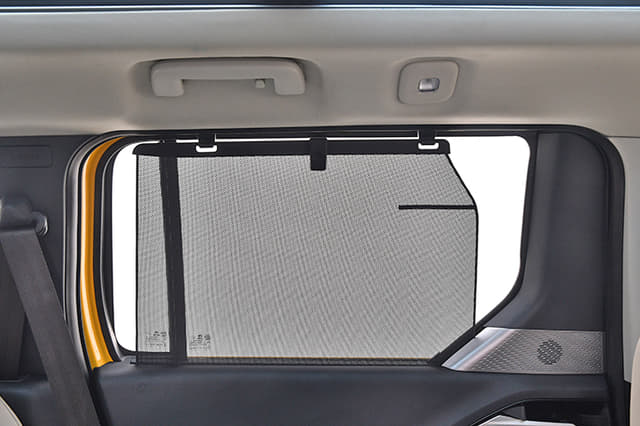
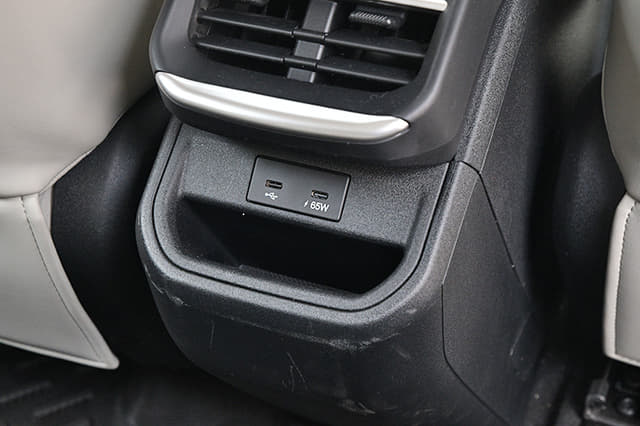
Front seats are comfy with extendable under-thigh support and well-judged cushioning. Rear space is generous for three adults, with ample knee, shoulder and headroom. Rear passengers get window blinds, AC vents, USB ports, reclining backrest, boss mode, and a fold-down armrest. All three get adjustable head restraints and three-point seatbelts.
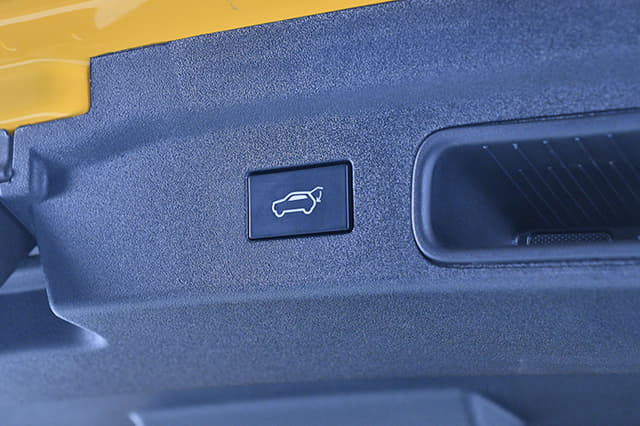
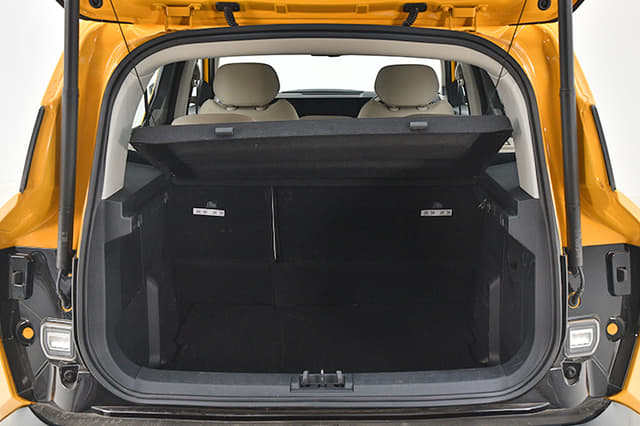
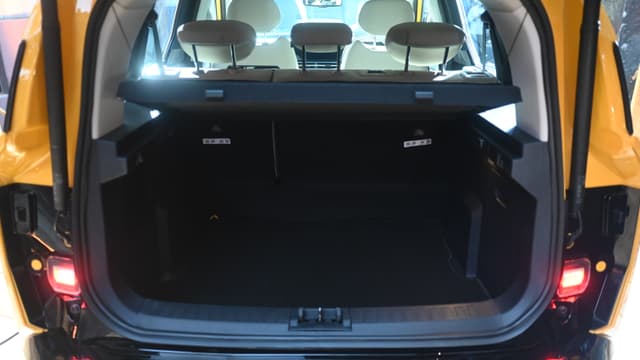
Boot space is 622 litres to the roof (450 litres to the parcel shelf), expanding to 1,257 litres with the rear seats down. A wide opening and low loading lip help, though wheel wells intrude slightly and the electric tailgate needs more clearance.
9
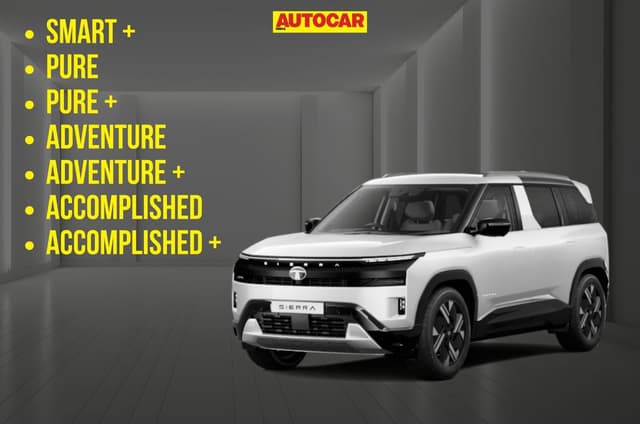
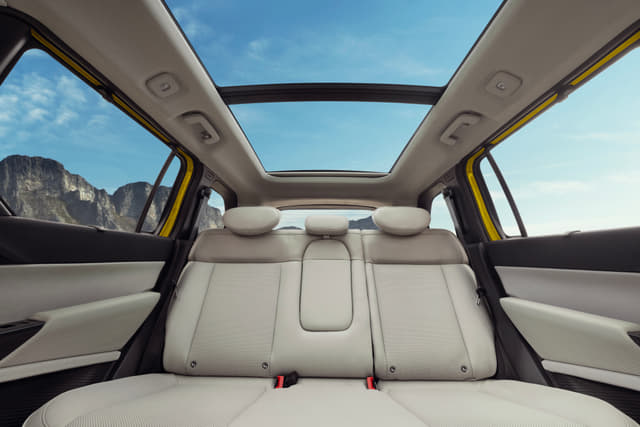
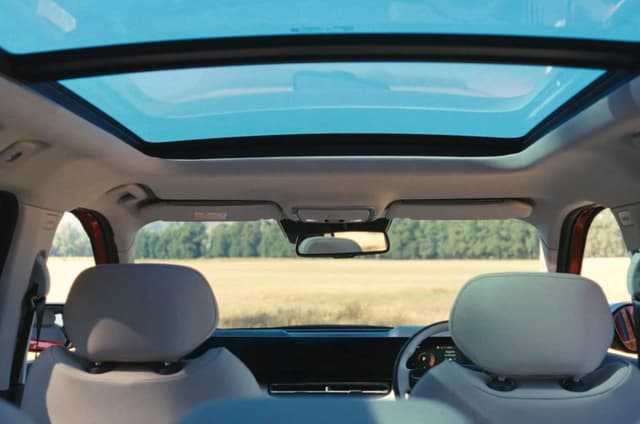
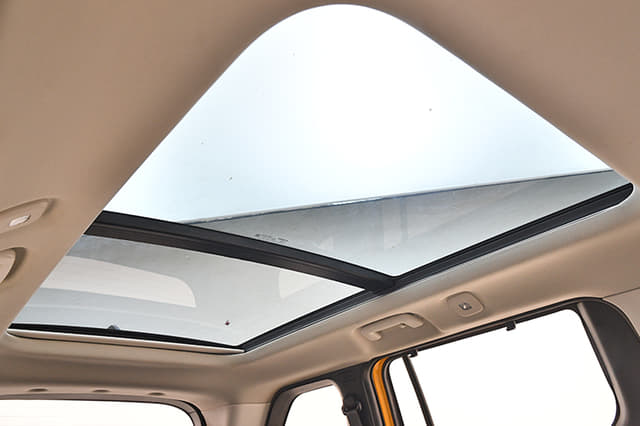
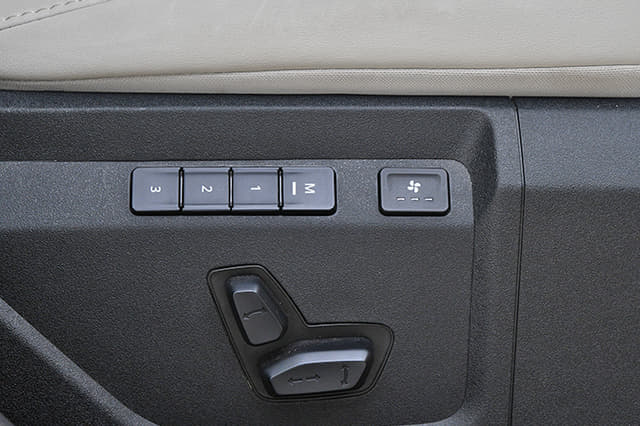
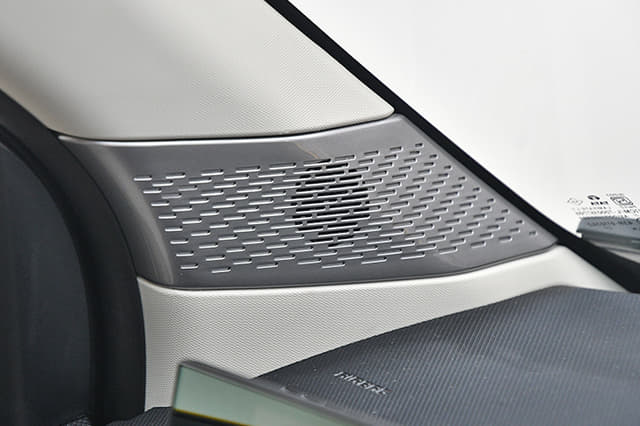
The top Sierra Accomplished+ gets ventilated seats, powered driver’s seat, connected tech, wireless Android Auto/CarPlay, auto-dimming IRVM, rear sunshades, dual-zone climate control, panoramic sunroof and more. The 12-speaker JBL Black system with subwoofer, soundbar, Dolby Atmos and 13 modes is superb.
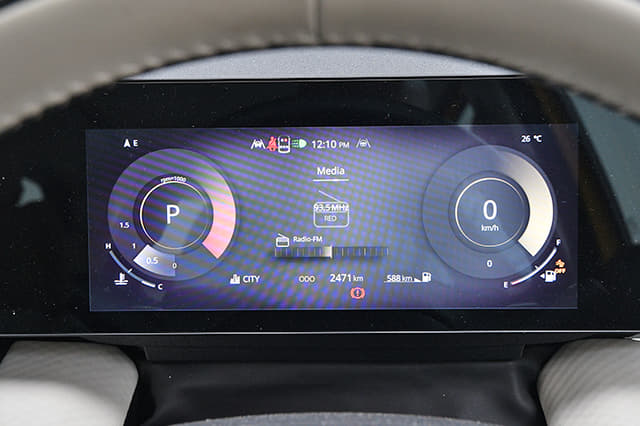
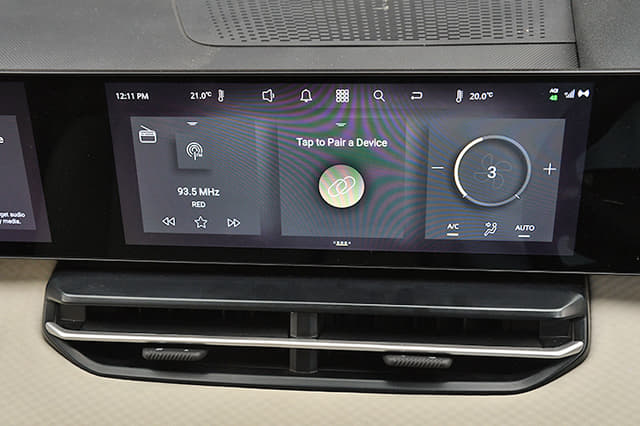
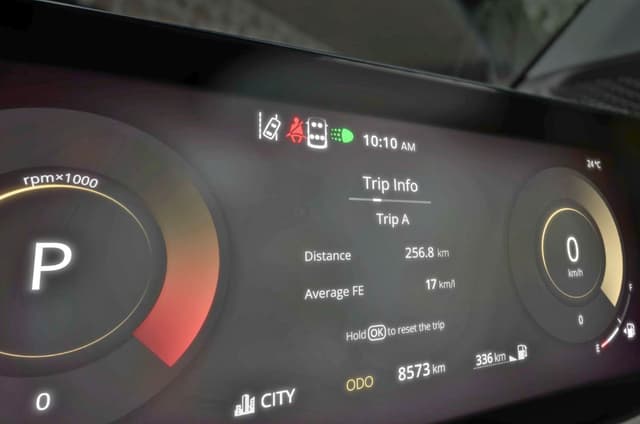
Higher variants get three screens – a 10.25-inch digital cluster and two 12.3-inch Samsung OLED touchscreens. They’re crisp, slick and easy to use, though the passenger screen lacks a privacy filter. Lower variants get two screens plus a heads-up display.
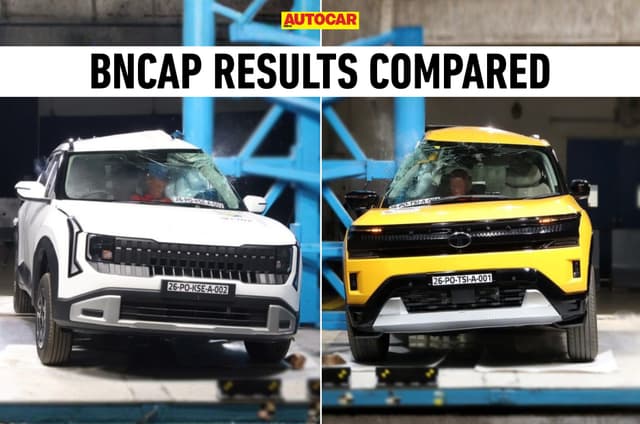
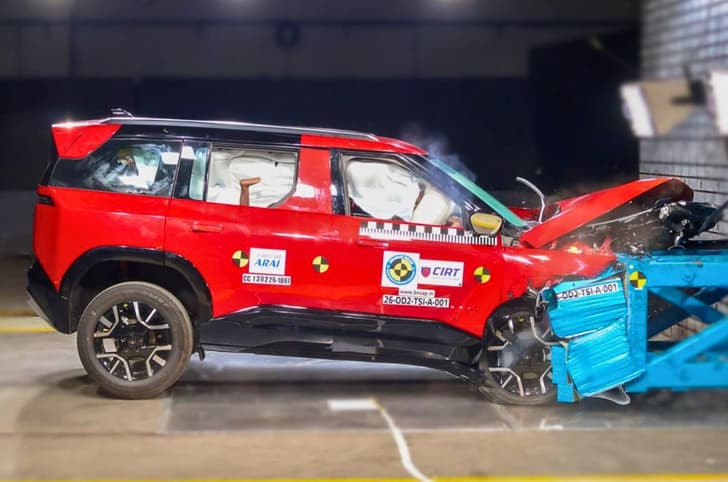
Safety kit includes 6 airbags, ESC, traction control, 360-camera, all-disc brakes, hill-hold and an ADAS suite with AEB, LKA, cross traffic alert and adaptive cruise control. Crash tests are pending, though Tata claims it targets a 5-star rating.
9
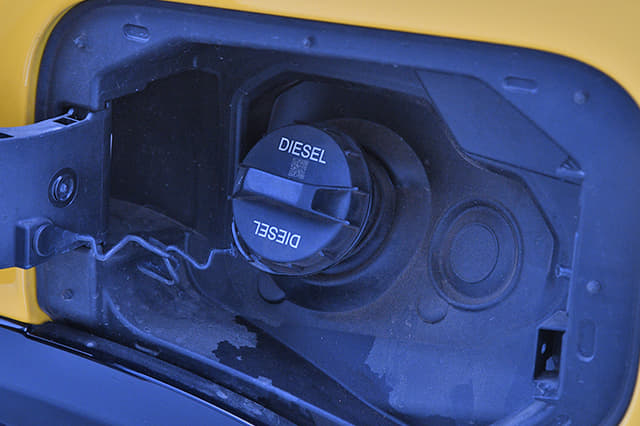
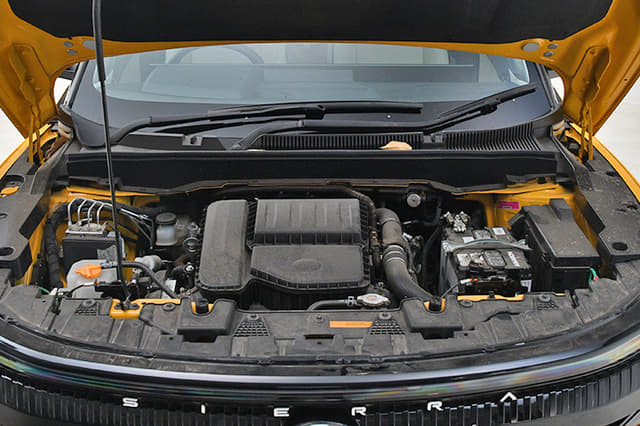
Engine options include a new 1.5-litre NA petrol (106hp, 145Nm), a 160hp/255Nm turbo-petrol (6-speed Aisin auto) and a 1.5-litre diesel (118hp/260–280Nm with 6-speed manual/auto). We sampled the turbo-petrol and diesel.
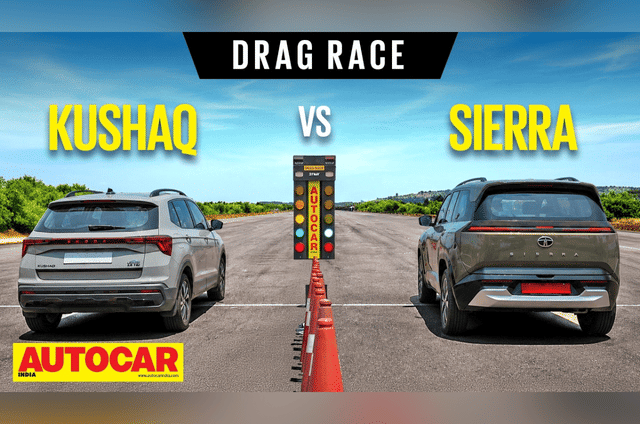
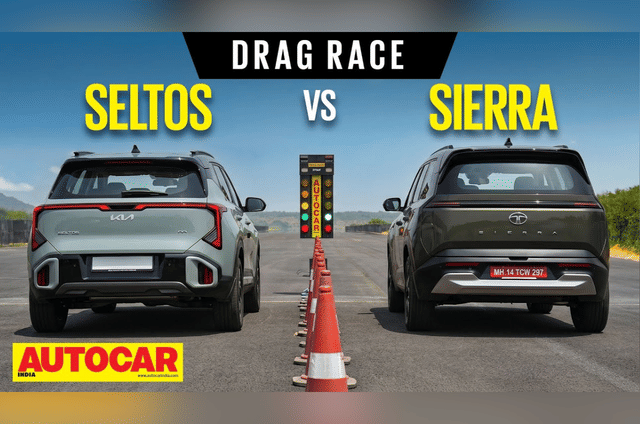
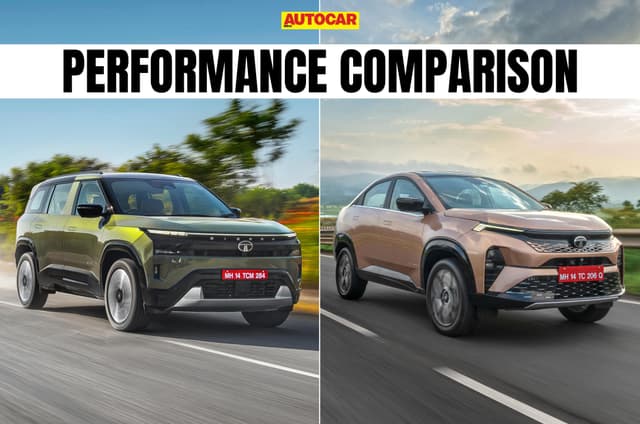
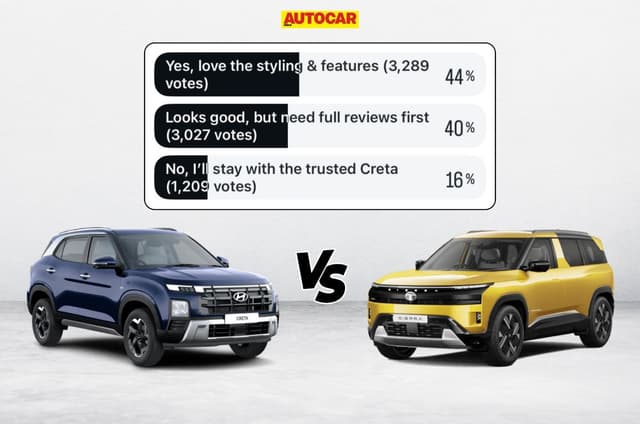
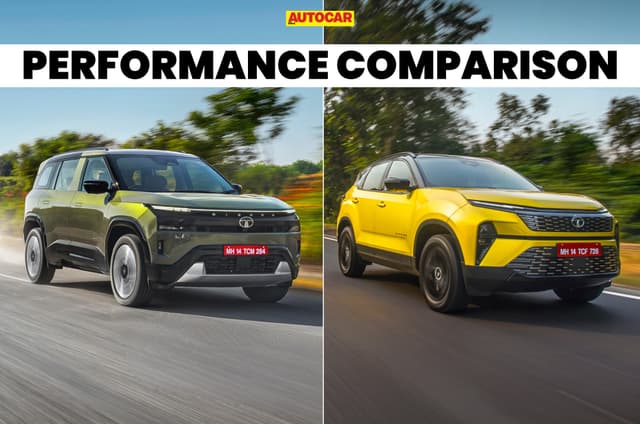
The new turbo-petrol is the pick of the range, offering excellent refinement, minimal turbo lag and linear power delivery. It does 0–100kph in 10.09sec, quicker than the Creta N Line. Rolling acceleration is strong, and the Aisin auto shifts smoothly, if not quickly.
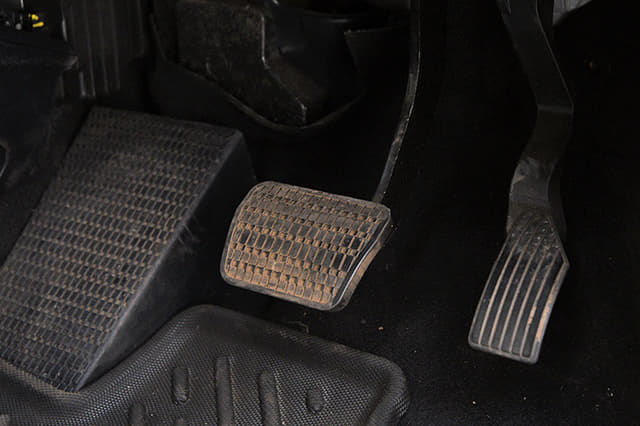
The diesel is noisier with noticeable vibrations and a linear, not punchy, midrange, but it excels on highways. It does 0–100kph in 12.87sec. Both autos keep the engines in their ideal powerbands. Road and tyre noise are noticeable on both. Braking is strong though the petrol’s pedal travel feels long.
8
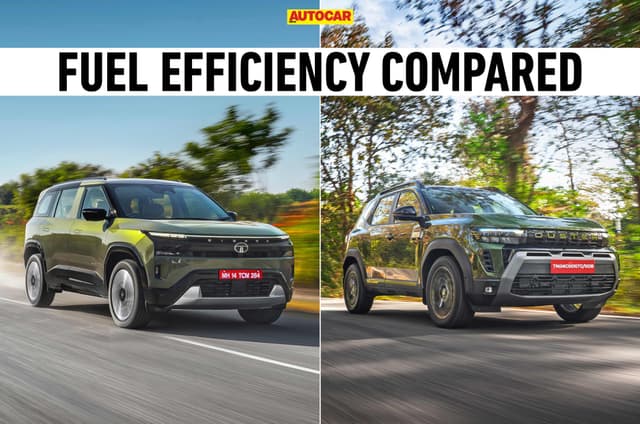
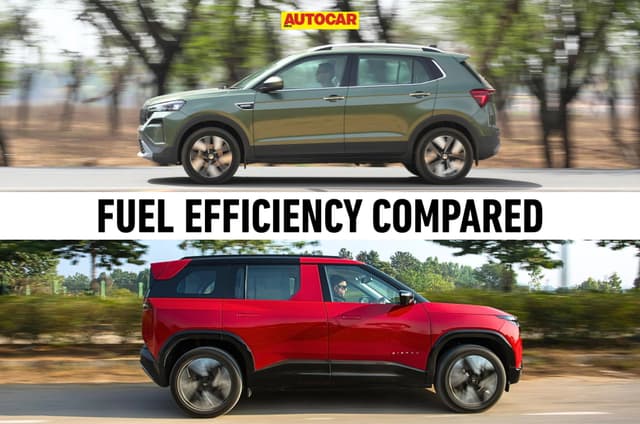
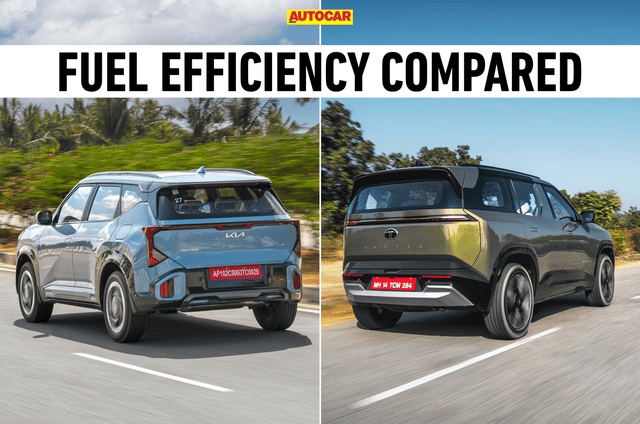
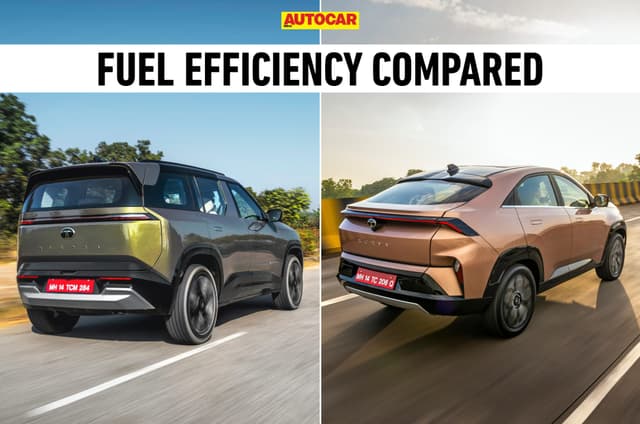
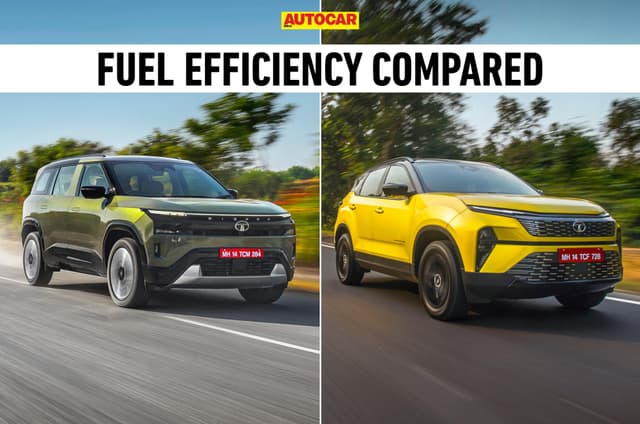
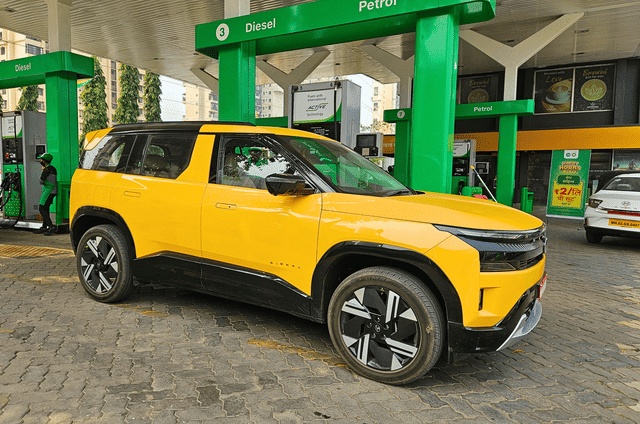
Official fuel efficiency figures aren’t out yet and we’re yet to subject it to our real-world fuel efficiency tests.
7
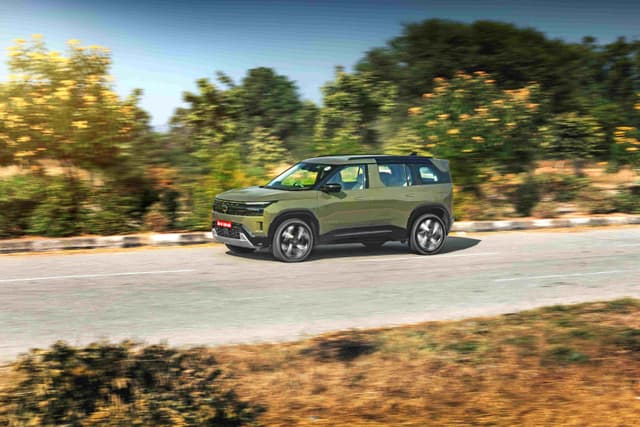
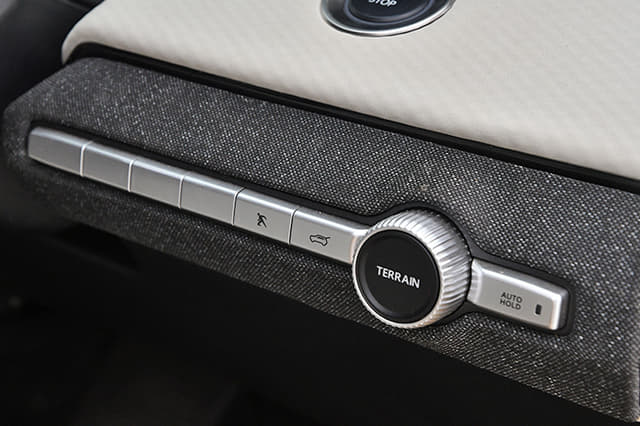
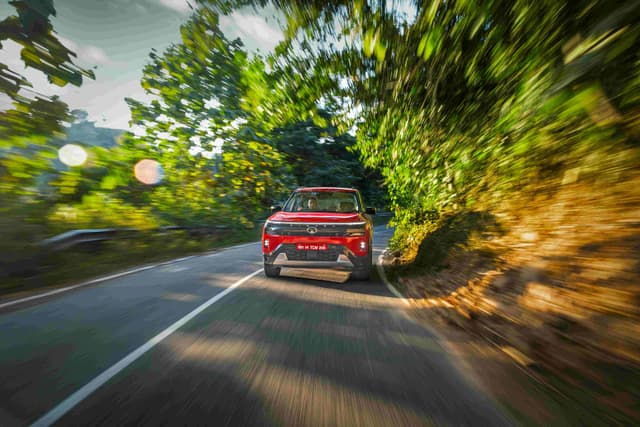
Top variants get frequency-dependent dampers that work well. The Sierra feels tough and composed over broken roads, with some low-speed firmness but excellent absorption at higher speeds. Off-road ability is aided by 205mm clearance and terrain modes (Normal, Wet, Rough). Body roll is controlled, steering is light but predictable, and grip is strong, making it fun in the twisties.
8
Prices start at ₹11.50 lakh for petrol, ₹13 lakh for diesel and ₹18 lakh for turbo-petrol, and should top out around ₹20 lakh. Despite some downsides—noisy diesel, road/tyre noise and a few nitpicks—the Sierra’s strengths shine: a long features list, refined turbo-petrol, spacious cabin and sorted dynamics, wrapped in nostalgic, standout styling.
8
Reviewed by: Soham Thakur
Tata Sierra reviews

Tata Sierra Images
Tata Sierra videos


.png?w=640&q=75)