
Autocar India
PS

Prithvi Singh

4h

I am considering purchasing a car within the ₹25-30 lakh budget range. My daily commute is approximately 60-80 km between Noida and Delhi, along with occasional outstation trips every 3-4 months. I am currently unsure whether to choose an electric vehicle (EV), a petrol vehicle, or a petrol-hybrid. Given my high daily running, an EV appears to be the most cost-efficient option. However, concerns regarding charging infrastructure and range anxiety; especially during outstation travel, make it less convenient compared to petrol or hybrid vehicles, which offer greater flexibility for long-distance journeys. On the other hand, petrol or hybrid vehicles would be more expensive to operate in the long run. I would consider buying a diesel car, but due to the 10-year usage limit, I am hesitant. The Toyota Innova HyCross seems like a strong option, but its larger size may not be ideal for predominantly city driving. Additionally, since this will be my primary vehicle, I am hesitant to rely entirely on an EV at this stage, as it is still not as widely adopted or universally convenient as traditional alternatives.

Autocar India team

Autocar India

Verified
20s

With 60-80 km of daily driving, you are absolutely right that an EV would be the cheapest to run and very smooth in city traffic. However, since this is your primary car and you also take outstation trips, the need for charging planning and dependence on infrastructure can become inconvenient over time, especially on longer drives. It is usable, but not completely effortless yet.

A strong hybrid fits your usage better. It gives you EV-like smoothness and excellent efficiency in city driving, while also delivering very good efficiency on highways, something modern hybrids now do surprisingly well. At the same time, you retain the full flexibility of a petrol car, eliminating any range anxiety or planning concerns. What’s even more impressive is that despite its size, it’s very easy to drive with great visibility, though its length can make parking in tight spots a bit challenging.

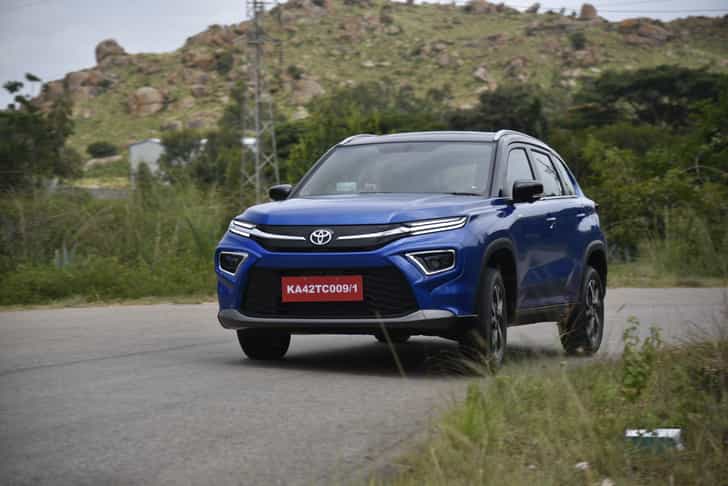
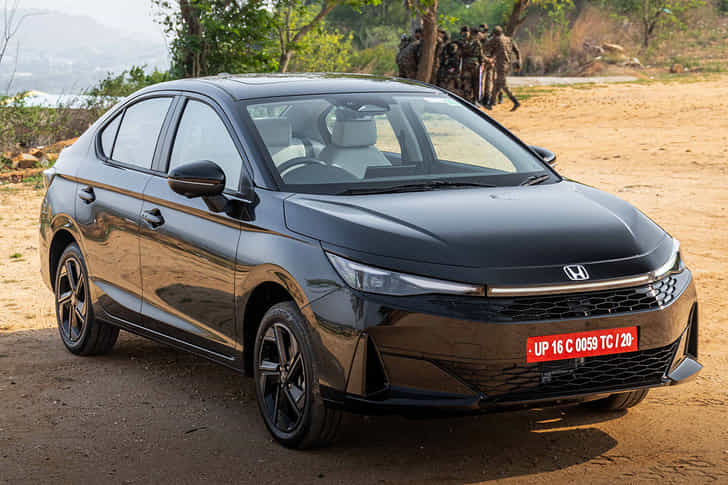
We would have recommended you the Toyota Urban Cruiser Hyryder Hybrid instead, but considering you currently own the Honda City, the Toyota Urban Cruiser Hyryder may not feel like a meaningful upgrade in terms of space. This is where the HyCross makes a stronger case. It offers a clear step up in space, comfort and long-distance usability, while still delivering the efficiency benefits of a hybrid.

A petrol-only SUV in this budget will feel simpler to own, but with your running, fuel costs will be significantly higher, which reduces long-term value.
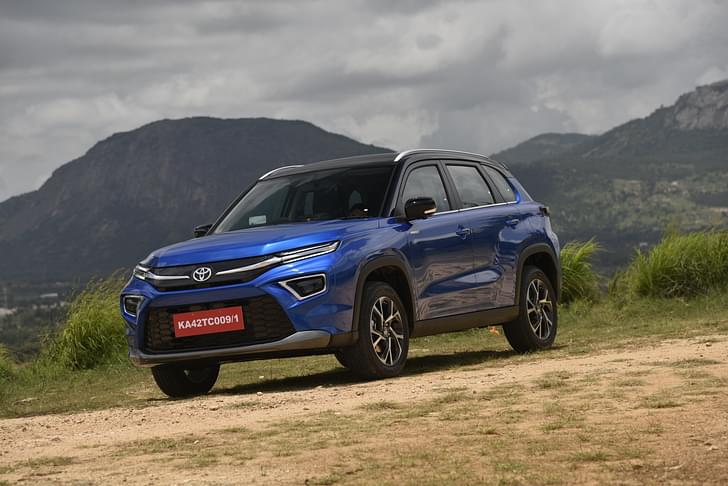
Toyota Urban Cruiser Hyryder

Toyota Urban Cruiser Hyryder

More questions on similar cars

SA

Sai

1w

I am planning to buy a new car around August 2026 with a budget of ₹15-17 lakh. I am currently confused between the Toyota Hyryder and the upcoming/facelifted Citroën Aircross X (expected around June).

Autocar India team

Autocar India

Verified
2d

Go for the Citroen Aircross if comfort and space are your priority; otherwise, pick the Toyota Urban Cruiser Hyryder for a more well-rounded ownership experience. The Citroen has a more spacious rear seat, better cushioning and a softer ride, which makes it noticeably more comfortable over long drives and bad roads. If you are often travelling with family or prioritise back seat comfort, this is the car that will feel better day to day.The Hyryder takes a different approach. It is not as spacious or plush at the rear, but it feels more complete overall, with better features, refinement and a stronger ownership experience thanks to Toyota’s reliability and service support. It is the easiest car to live with long-term.

VehicleCitroen Aircross
VehicleToyota Urban Cruiser Hyryder
SN

Sunil Naths

2d

I have a Scorpio, a diesel Dzire, and a Tata Zest, all Euro 4, and all running fine without any problems. I want to buy a family car as I have to travel to New Delhi with my family two or three times a month. Which SUV would you suggest?

Autocar India team

Autocar India

Verified
1d

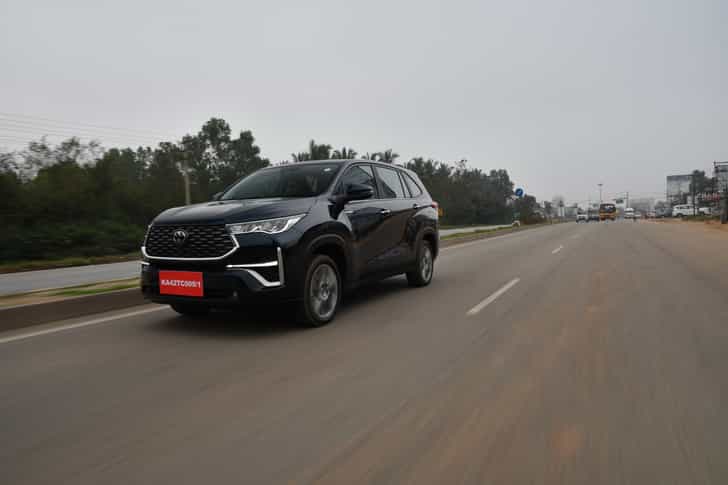
Trips to New Delhi with family two or three times a month call for a roomy, safe, easy long-distance car that stays steady at highway speeds. For that use, we would pick the Toyota Innova HyCross VX Hybrid. It suits this job best because it rides comfortably over bad patches, has a very spacious second row, and with the third row folded, it swallows all the luggage a family carries. The hybrid runs on petrol with help from an electric motor, so it feels very smooth and quiet in traffic and uses less fuel on those long runs. The automatic gearbox makes the Delhi traffic parts far less tiring, and Toyota’s good service network is another plus.Two things to keep in mind. The Toyota Innova HyCross is priced on the higher side, and there can be a waiting period in some cities. Also, it is not as rough-road tough as your old Scorpio, so if you do a lot of broken village roads, drive it and see if the ground clearance and comfort work for you.If you prefer a diesel with strong pull and a higher driving view, look at the Mahindra XUV 7XO diesel automatic. It is more comfortable and modern than your older Scorpio and feels steady at highway speeds. Another good diesel family SUV is the Tata Safari automatic, which has a big cabin, a more spacious third row than the 7XO and a comfy ride.Overall, for frequent Delhi runs with family, the Innova Hycross VX Hybrid lines up best. If you want a diesel feel, the XUV 7XO or Safari will suit you better.

VehicleToyota Innova HyCross
VehicleTata Safari
VehicleMahindra XUV 7XO
MU

Munikiran

1d

Hi, I am planning to purchase a new 7‑seater vehicle and have shortlisted two options: Mahindra XUV 700 AX7 Diesel Automatic and Toyota Innova HyCross Hybrid VX(O). Personally, I am more inclined towards the XUV 700 due to its superior features and overall ride quality. However, I am concerned about the discussions on social platforms suggesting that diesel vehicles may face restrictions or bans starting in 2030, which could potentially impact usability and resale value, especially since I plan to purchase the car under a car lease policy and typically replace vehicles every 5-6 years. While I am open to the Innova HyCross Hybrid, I am not fully convinced by the features it offers compared to the XUV 700. Could you please guide me on whether it would be advisable to go ahead with the XUV 700 diesel, considering the long‑term outlook, or if opting for the HyCross Hybrid would be a safer choice under these circumstances? Thanks in advance for your guidance.

Autocar India team

Autocar India

Verified
6h

For a 7-seater on a company lease that you’ll replace in 5-6 years, and with your worry about policy risk and resale, I’d lean to the Toyota Innova HyCross Hybrid VX(O). It is the safer long-term pick for your plan because hybrids are not under any talk of future limits, they draw wider demand in the used market, and in daily traffic, the hybrid’s smooth, quiet pull and lower fuel use make city runs easy on you and your wallet. It also offers a more useful third row and boot when all seats are up, which matters if you often have six or seven on board.Your pull towards the Mahindra is very understandable. The XUV 7XO (earlier sold as XUV700) AX7 Diesel Automatic still makes sense if you love its features and strong highway feel. For a 5-6 year horizon, there is no confirmed 2030 diesel ban across India today, and outside NCR, the main limit is usually 10 years, so usability should be fine, and resale should hold if you maintain it well.Do note two things for your use: if most of your driving is short city trips, modern diesels can be fussy with their exhaust filter and may need regular highway runs to stay healthy. And policy in big cities can tighten faster than we expect, which can nudge resale.So, if you want the least-risk choice for a lease cycle and you value smooth city driving and space, pick the Innova Hycross VX(O). If features and a stronger drive matter more and you are not in NCR, the XUV remains a confident buy.

VehicleToyota Innova HyCross
VehicleMahindra XUV 7XO

Posted on: 21 Apr 2026