

Last Updated on: 07 Aug 2026
Honda City Mileage
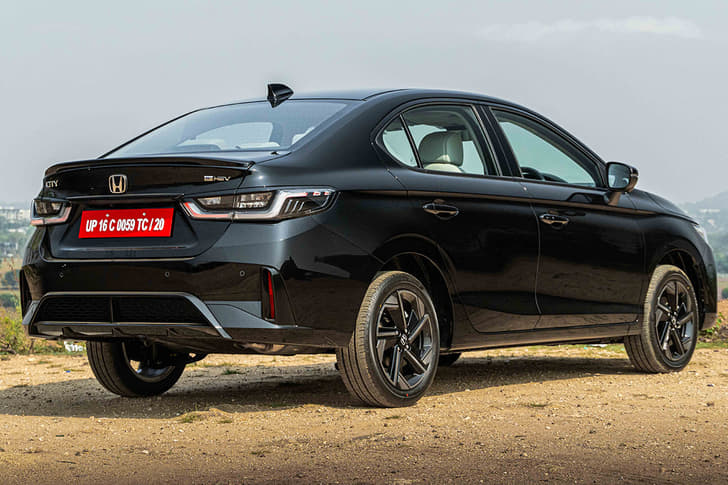
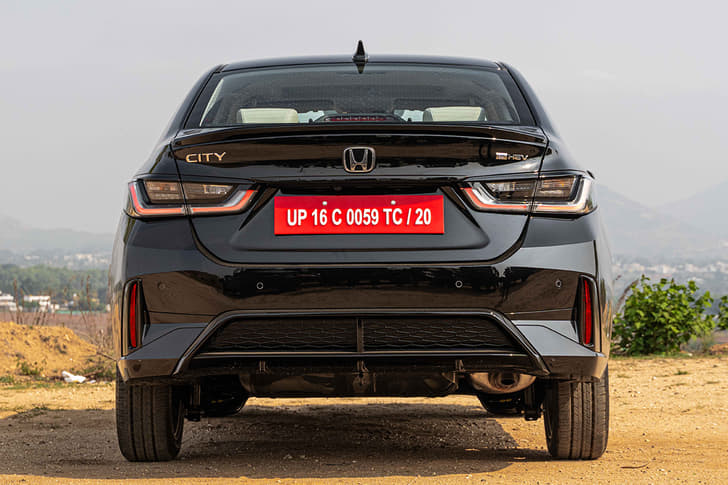
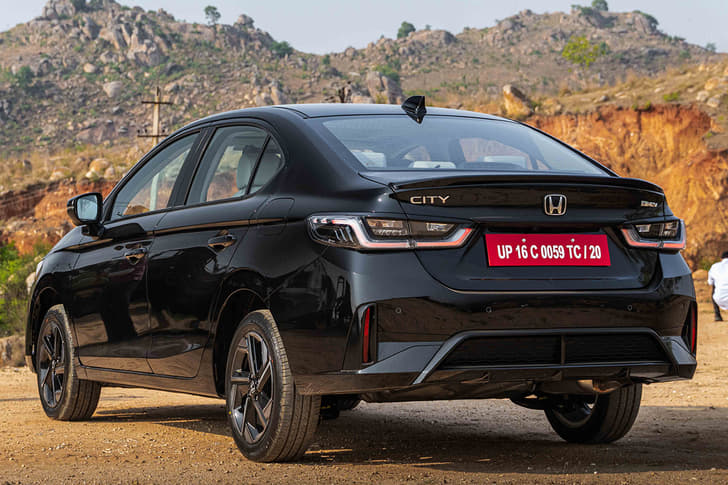
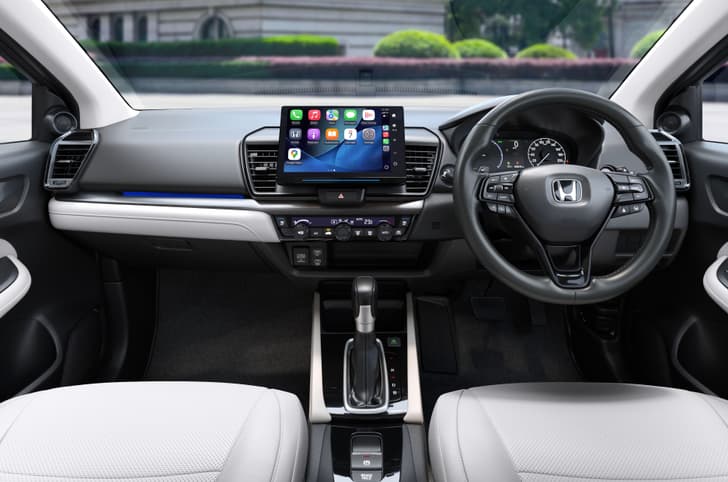
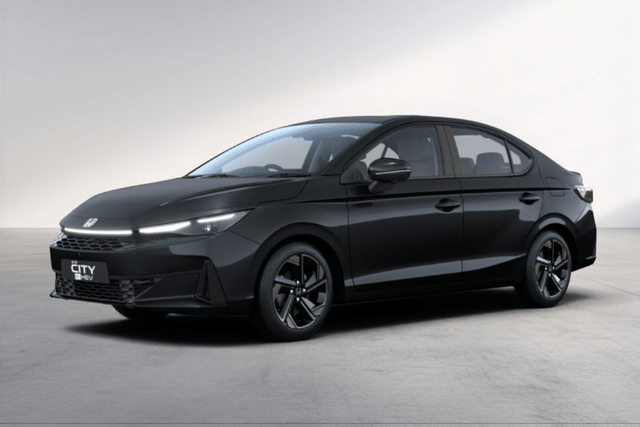
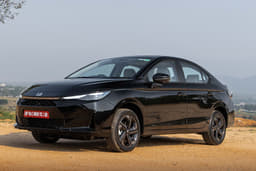
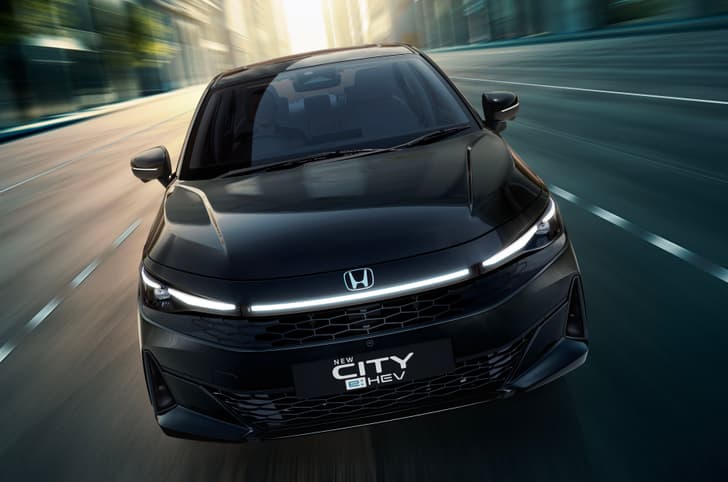
The Honda City hybrid mileage is rated at 27.26kpl, the highest in the mid-size sedan segment. The Honda City petrol mileage is 17.77kpl with the manual gearbox and 17.97kpl with the CVT, as per the carmaker.
Honda City Mileage Summary
| PowertrainThe combination of engine type, fuel, and transmission that powers your vehicle and determines how it drives and what it runs on. | ARAI MileageMileage certified by the government, tested under controlled lab conditions. Real-world mileage will vary. | Autocar Tested MileageAutocar's experts test each vehicle on fixed city and highway routes under standardised conditions - single occupant, AC running, manufacturer-recommended tyre pressures. Tanks are filled to the brim before and after each run to calculate efficiency. Results reflect realistic real-world usage. | User Reported MileageMileage figures are reported by vehicle owners and represent the approximate real-world efficiency you may experience. Actual mileage will vary based on driving conditions, habits, and vehicle condition. |
|---|---|---|---|
Petrol-Manual 1498 cc | 17.77 kmpl | 14.6 kmpl | - |
Petrol-Automatic (CVT) 1498 cc | 17.97 kmpl | 14.2 kmpl | 14.76 kmpl |
Petrol-Electric Hybrid-Automatic (e-CVT) 1498 cc | 27.26 kmpl | - | - |
Honda City Mileage by Variants
Honda City Official Brochure
Download the complete brochure with specs, features, and variants.
Calculate your fuel cost for Honda City
Honda City news
Honda City videos


Honda City Colours
Questions you may find useful
I bought a Mahindra XUV 3XO two years ago, but its mileage has been quite poor, averaging only around 7 kpl due to mostly city and office-area driving. I also own a Honda City petrol, purchased in August 2016, which is now 10 years old. It has covered around 50k km and also returns an average of about 7 kpl. I now want to replace one of these cars with an electric SUV within a budget of Rs. 10 - 12 lakh. Which EV would you recommend?
Given your budget of Rs 10-12 lakh and the desire to replace one of your petrol cars with an electric SUV, the Tata Punch EV is the most sensible recommendation. It is the most affordable electric SUV in the market today, and it offers a genuinely usable range for city commuting. The Punch EV is compact and easy to drive in urban conditions, and it will significantly reduce your running costs compared to your current petrol cars. Tata also has one of the widest electric car service networks in the country.The only caveat is that the Punch EV is a compact SUV, so if you are replacing the Honda City, you will be moving to a smaller car in terms of rear seat space and boot capacity. Overall, the Punch EV is the best fit for your budget and usage, and it will deliver the biggest running cost benefit in your city-heavy driving pattern.
My daily running is around 30 km, mostly within Bangalore city, with a highway trip once every quarter of approximately 250-300 km. I am confused between the Honda City SV and the Tata Nexon Creative. I am a first-time driver, and my preferences, in order of priority, are reliability, safety, handling, comfort, and fuel efficiency. Which would be the best value-for-money option?
Pick the Honda City SV. With 30 km a day in Bengaluru traffic and quarterly 300 km runs, it will feel easier, smoother and cheaper to live with. Honda’s reliability and service consistency are stronger, the petrol is smoother in stop-go traffic, and you will see better mileage than the Nexon petrol. On the highway, the City sits more calmly at speed and its rear seat and ride comfort make those long trips less tiring.Safety is where the Nexon has the edge on paper, and its ground clearance and smaller footprint help over nasty speed breakers and tight parking. It also packs more features for the price. But your order of priorities puts reliability, handling, comfort and mileage before gadgets, and the City nails those every day.One honest caveat: the SV variant is light on features, and you must slow for big speed breakers with a full load. If that worries you more than fuel costs and smoothness, the Nexon Creative makes sense, but for your use, the City gives better long-term value.
I am planning to downsize from my four-year-old Mahindra XUV 700 AX7 L Petrol. I love all the features and technology it offers, but I am now considering a midsize SUV or even the Honda City Hybrid. My wife and I are retirees, and we regularly drive to the hills. While I do enjoy the extra performance and effortless cruising on highways, I would also appreciate better fuel efficiency. What would you suggest? Additionally, after four years of driving on Indian highways, I am wondering whether ADAS is truly necessary. That said, I do value features such as emergency braking, auto hold, and hill descent control. Over to you, Autocar experts.
Go for the Maruti Suzuki Victoris strong hybrid. It keeps the SUV ground clearance that's beneficial on hill trips, yet gives real 20-plus-kpl economy and an smooth, refined automatic driving experience. As retirees you will like the relaxed drive, light controls and the long features list - ventilated seats, 360 camera, EPB with auto hold, wireless Android Auto and Apple CarPlay - so you still get your bells and whistles without the size and thirst of your XUV700. And though the Victoris gets ADAS features, they aren't offered on the strong hybrid, but you do get cruise control, which should be helpful on long drives.While the Honda City Hybrid is an excellent option, and possibly more fuel efficient than even the Maruti Suzuki car, but its sedan shape works against it. Ground clearance is nowhere near as good, and ingress and egress could be an issue. Plus, as its hybrid system isn't localised like Maruti and Toyota's, the City Hybrid is very expensive. While the electric assist helps, as you've noted, hybrids in general are not as quick as a powerful turbocharged car like your XUV700, and the engine can sound strained when wrung out, such as on steep climbs. Also, the hybrid variant does not get AWD or hill descent. If you truly need extra grip in slush, the AWD mild-hybrid manual exists, but you will lose the auto hold feature.
I own a Honda City 4th Generation and have been getting an average fuel efficiency of 16.1 km/l over 85,000 km. Would it be worth installing a CNG kit to improve the mileage further? Please suggest.
With the kind of mileage you are already seeing from your 4th generation Honda City, I would not rush to fit a CNG kit. Around 16 kpl over 85,000 km is actually a healthy real world figure for a petrol sedan, and since the City is known for its smoothness and refinement, adding an aftermarket CNG kit will inevitably change the character of the car. Honda does not offer a factory CNG option for the City, so any retrofit will be third party, which means compromises in boot space, some loss in outright performance and the added variable of installation quality and long term reliability. Honda also recommends using fuel that meets the vehicle specifications, and aftermarket modifications can complicate warranty or support considerations on newer cars.A CNG conversion only starts making strong financial sense if your running is very high and you plan to keep the car for several more years to recover the kit cost. If your annual usage is moderate, the payback period can be longer than expected. The only real case for going CNG here is if fuel cost reduction is your absolute top priority. Otherwise, given how well your City is already performing, I would leave it as is and enjoy the refinement rather than fixing something that is not really broken.
I have a Honda City ZX MT, Jimny Zeta MT, and Ignis Alpha AMT. We are planning to get a new Seltos diesel automatic for convenience and mileage. Which of these should I replace, considering that I love the City for its VTEC? Also, is this a wise decision in terms of rear-seat comfort, driving feel, and fuel economy?
Of your cars, you should replace the Maruti Ignis with a Kia Seltos diesel automatic. This gives you the convenience and better fuel efficiency you are looking for, while allowing you to keep the City for its VTEC driving experience and the Jimny for rough roads or compact lanes. The Kia Seltos diesel auto is smooth and relaxed in traffic thanks to its smooth torque converter, and on highways, it cruises at low engine speed, so it feels calm and will likely use less fuel than your Honda City or Maruti Jimny. The back seat is wide enough for family use, the seat height is good for elders, and the boot is much larger than the Ignis, so it works well as the main family car.One thing to keep in mind is that you will miss the Ignis’s tiny size, and though the Jimny is a compact car, it isn't quite as light and manoeuvrable as the hatchback. Overall, the Seltos feels like a more upmarket and high-tech alternative to your existing cars, and should be a good upgrade that works in a variety of situations.
Honda City FAQs
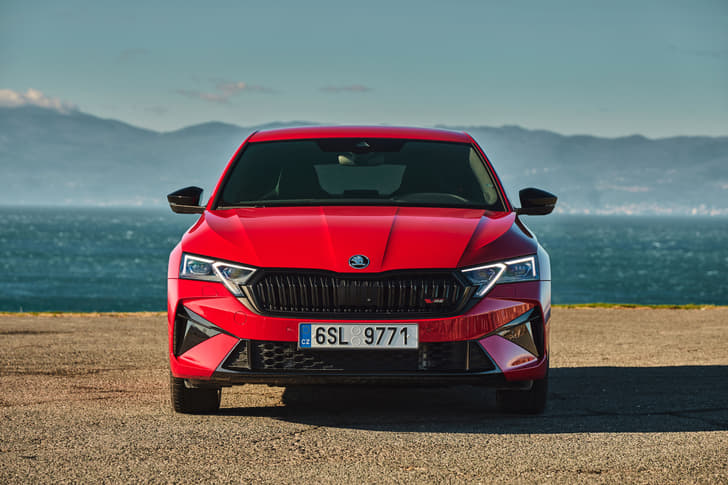
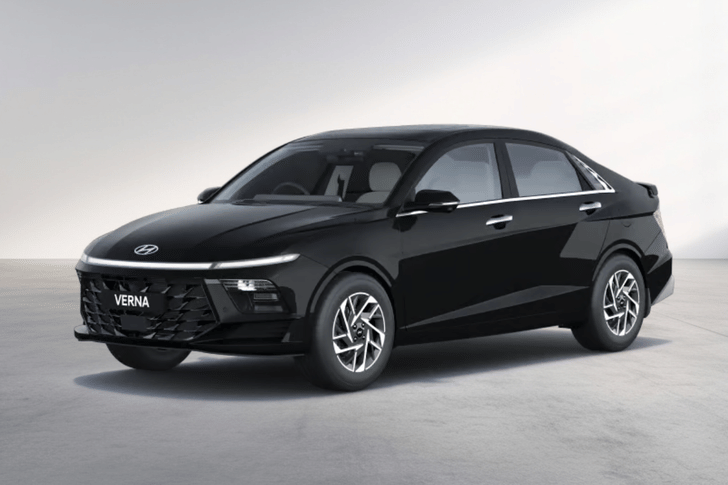
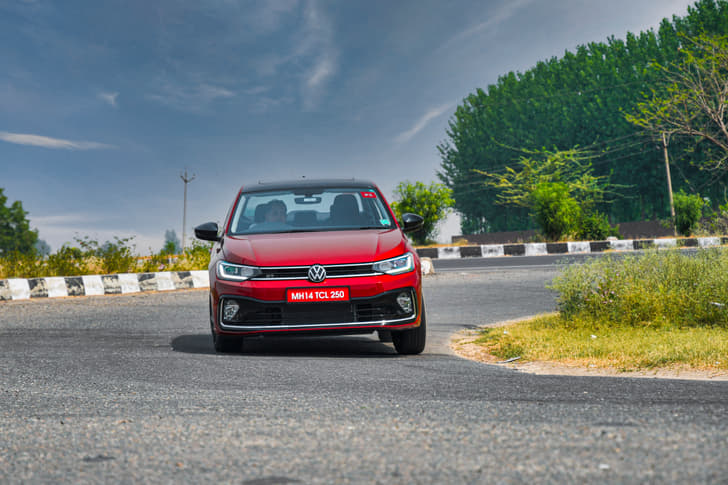
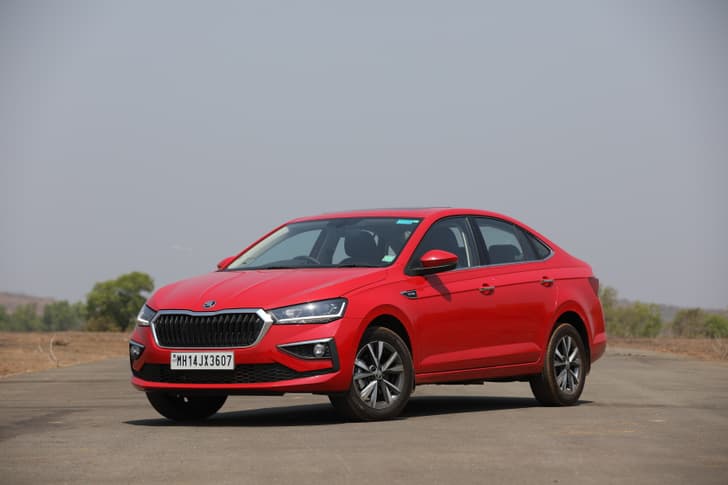
The petrol-only variants of the Honda City have a slightly lower ARAI-claimed mileage when compared to segment rivals like the Hyundai Verna and Skoda Slavia. However, the City hybrid's claimed mileage is far higher than its rivals.
With a claimed mileage of 17.97kpl, CVT variants offer the highest fuel economy among all the petrol-powered versions of the Honda City. Meanwhile, manual variants of the City have a claimed mileage of 17.77kpl.

Honda City On Road Price in India
Upcoming Cars


Honda Cars


Trending Cars


Latest Cars