Green Honda - Nagole
No 2/4/135,Snehapuri Colony, Opposite IOC Petrol Bunk, Hyderabad, Telangana 500035
saleshead@greenhonda.in
Last Updated on: 30 Jul 2026

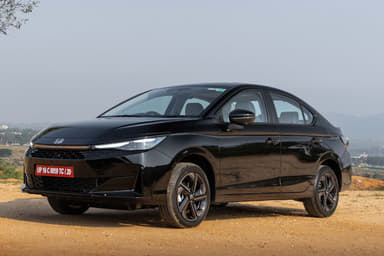
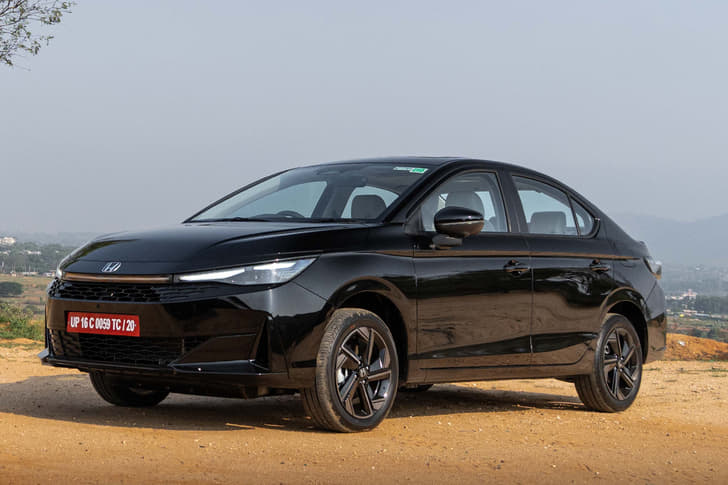
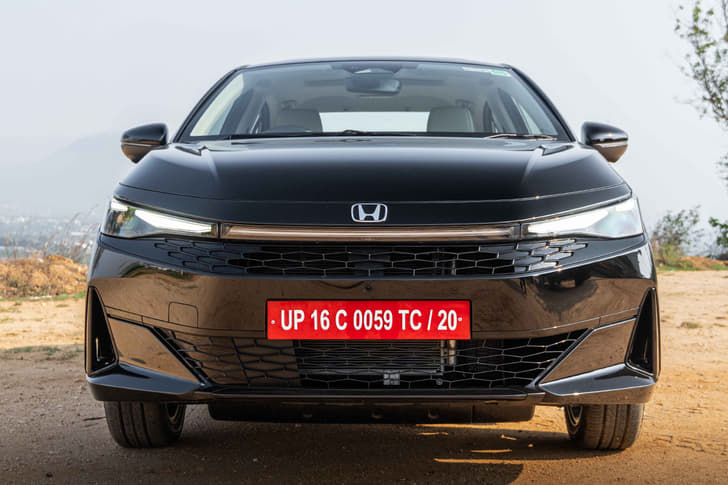
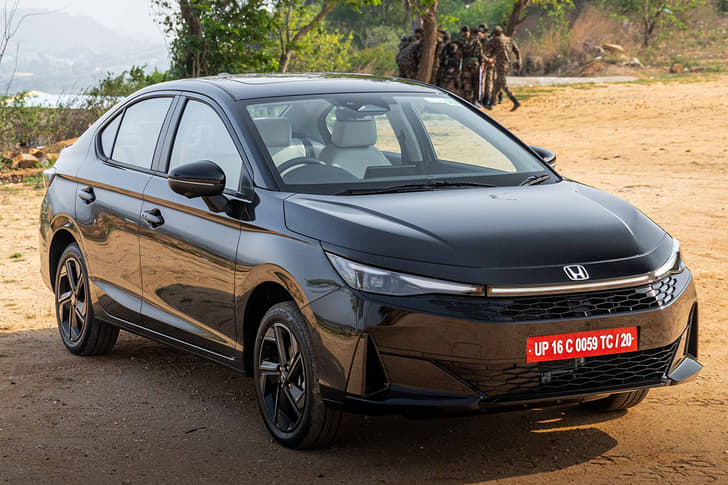
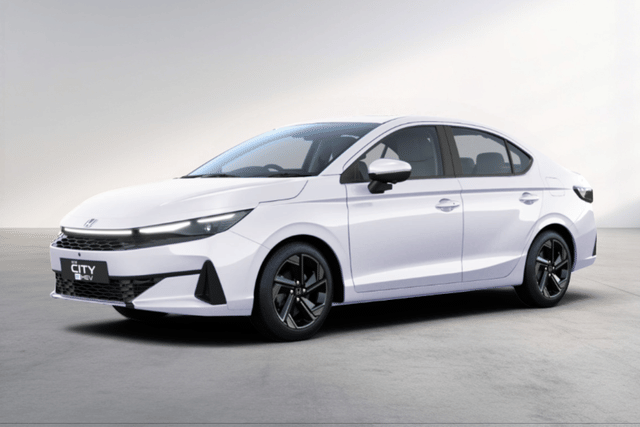
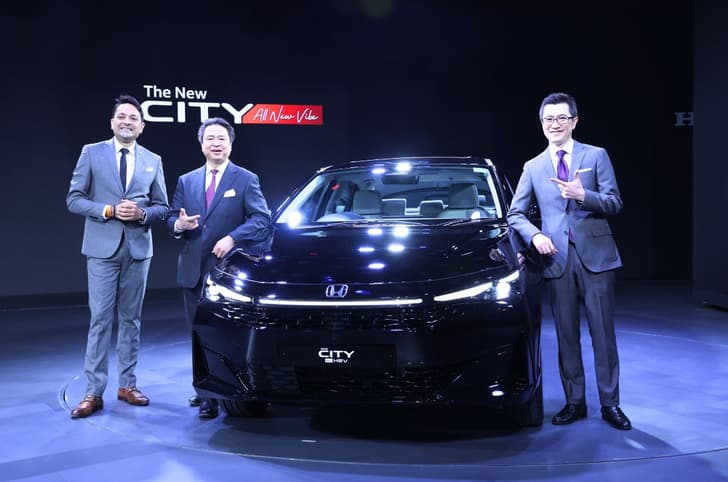
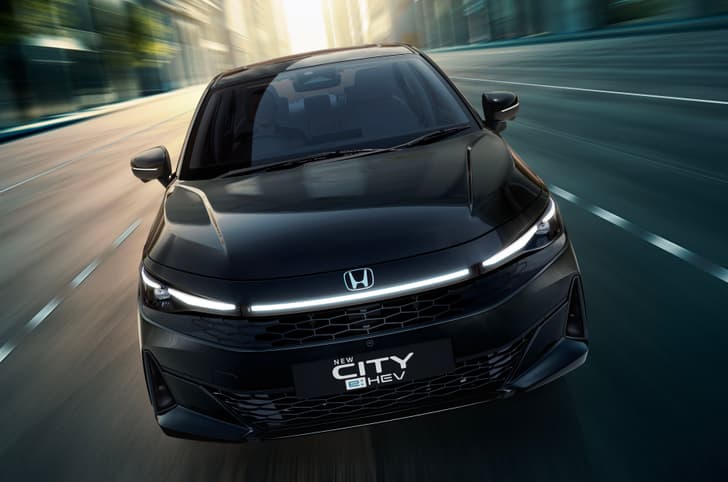
Honda City price in Hyderabad
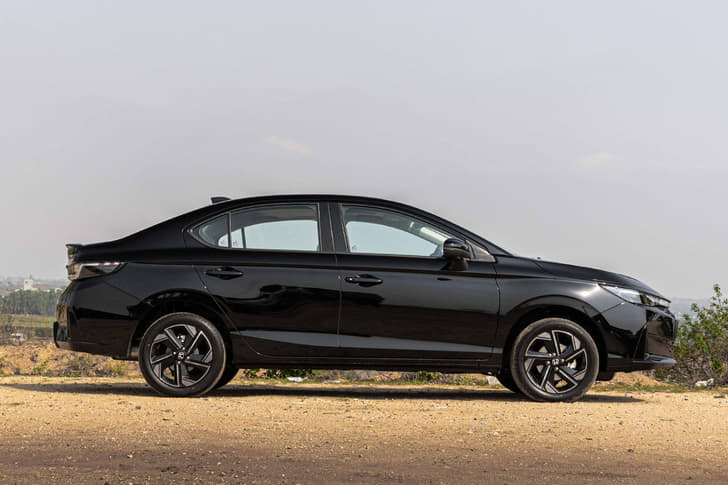
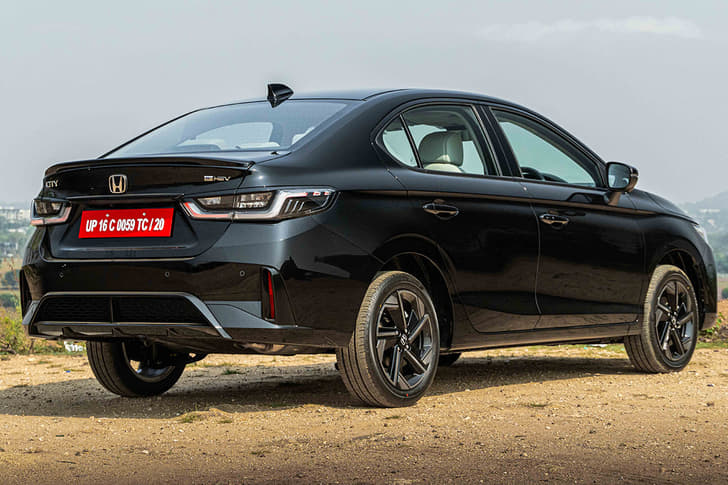
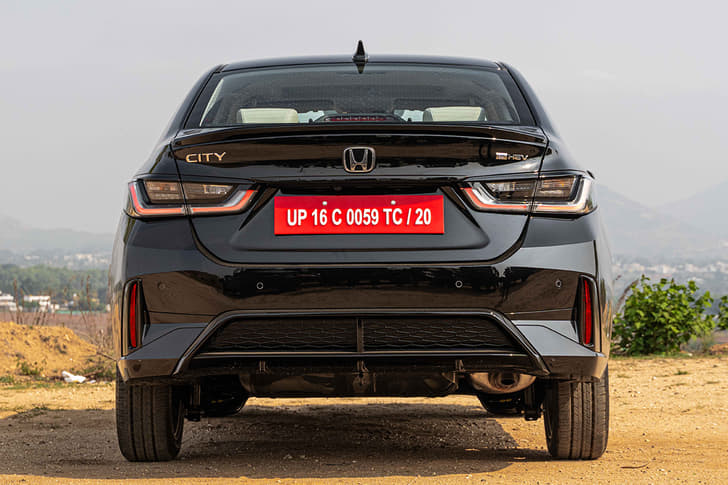
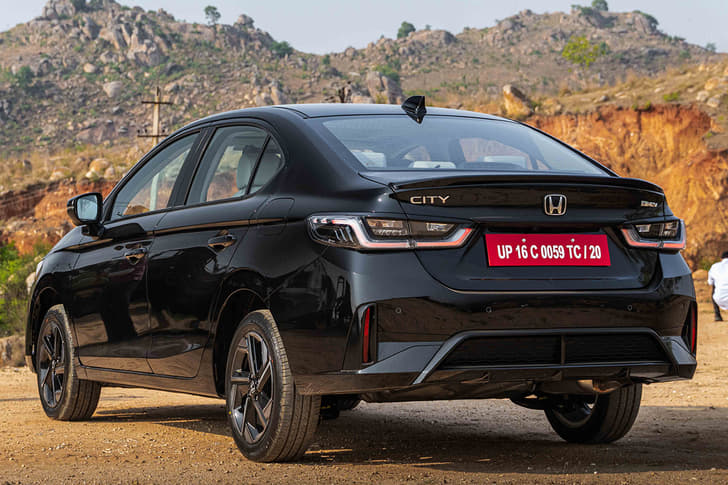
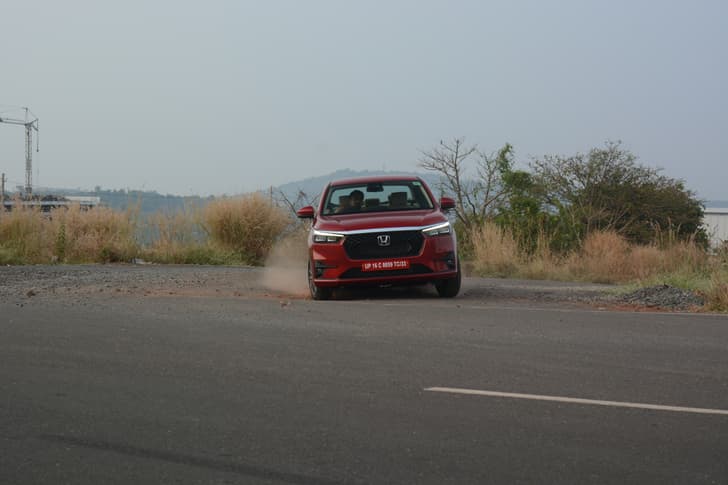
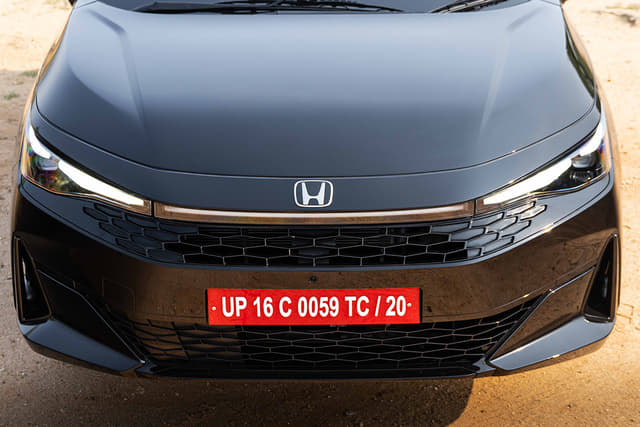
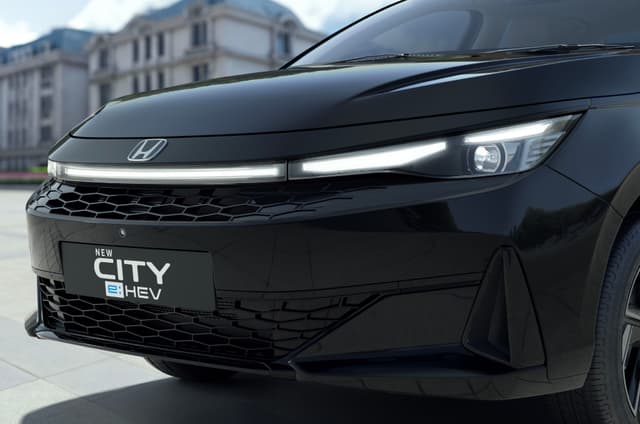
The Honda City price in Hyderabad starts at ₹12.08 lakh (ex-showroom) for the SV MT variant and goes up to ₹21.08 lakh for the Hybrid ZX Plus e-CVT.
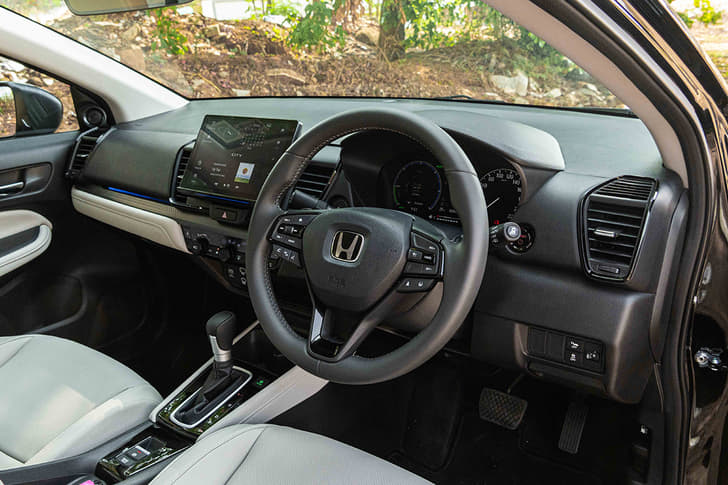
The Honda City on-road price in Hyderabad ranges from ₹14.86 lakh to ₹26.25 lakh, depending on the variant, registration charges and insurance.
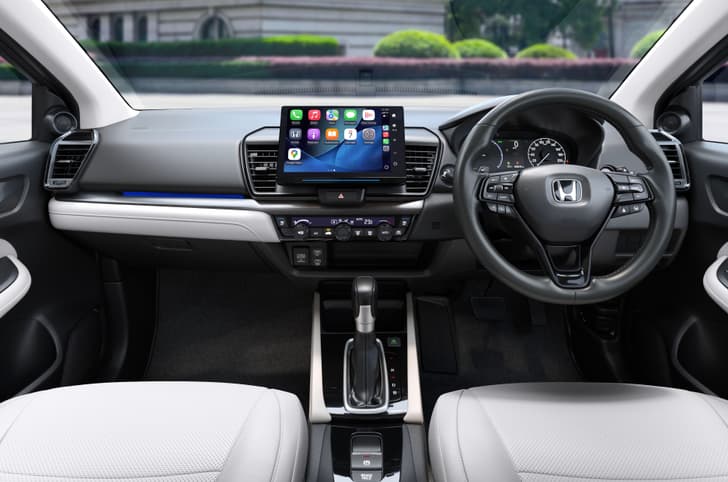
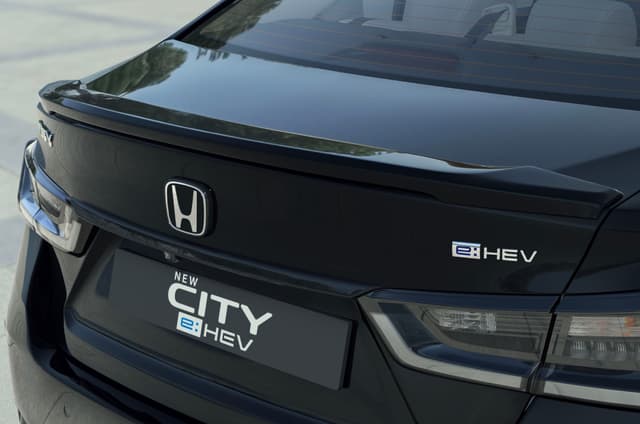
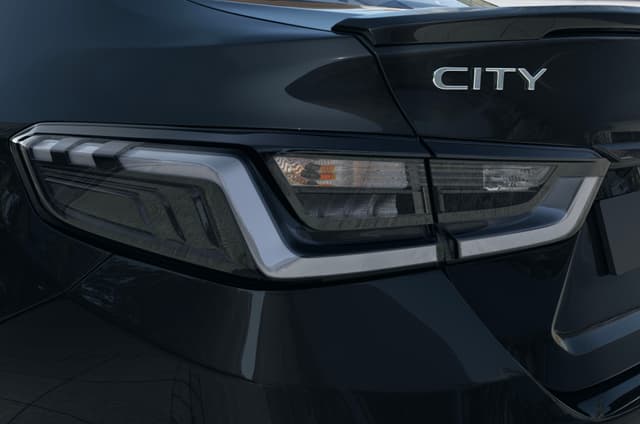
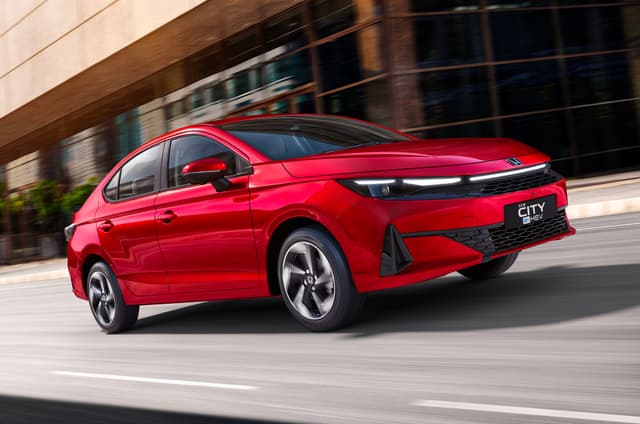
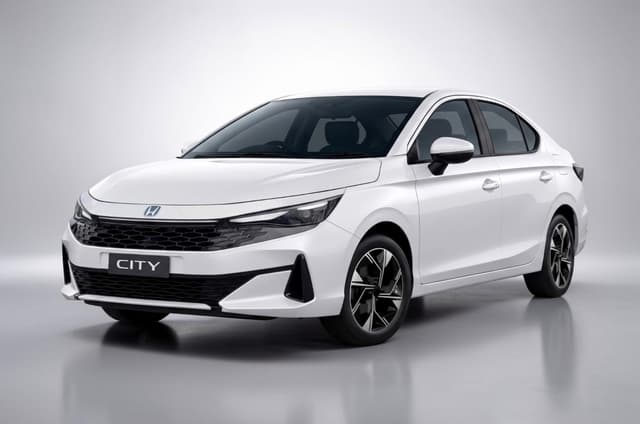
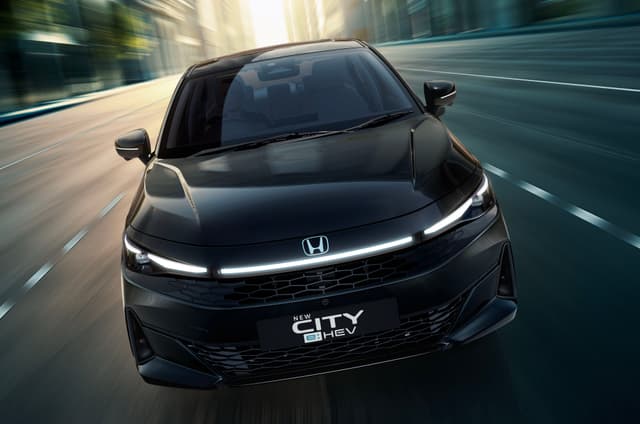
The Honda City is available with petrol and strong hybrid powertrains, paired with 6-speed manual, CVT and e-CVT transmission options. Compare the ex-showroom and on-road prices of every Honda City variant below to find the one that best suits your budget and requirements.
The Honda City price in Hyderabad starts at ₹12.08 lakh (ex-showroom) for the SV MT variant and goes up to ₹21.08 lakh for the Hybrid ZX Plus e-CVT.
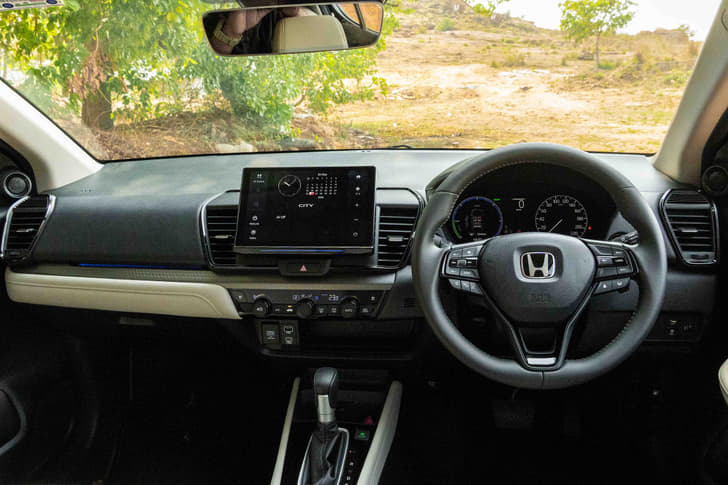
The Honda City on-road price in Hyderabad ranges from ₹14.86 lakh to ₹26.25 lakh, depending on the variant, registration charges and insurance.
The Honda City is available with petrol and strong hybrid powertrains, paired with 6-speed manual, CVT and e-CVT transmission options. Compare the ex-showroom and on-road prices of every Honda City variant below to find the one that best suits your budget and requirements.
* Estimated on-road price. Final amount may vary.
Honda City Official Brochure
Download the complete brochure with specs, features, and variants.
Planning to buy City? Here are a few dealers in Hyderabad
No 2/4/135,Snehapuri Colony, Opposite IOC Petrol Bunk, Hyderabad, Telangana 500035
saleshead@greenhonda.in
No 2/4, 135, Rd Number 9, opposite IOC Petrol Bunk, Gaytri Arcade, Income Tax Colony, Nagole, Hyderabad, Telangana 500035
Sy No 33, NH 7 Bowenpally, Secunderabad, Near Checkpost, Hyderabad, Telangana 500011
Sy No 345, Kokapet Service Road, Rajendra Nagar, Hyderabad, Telangana 500032
Plot No. 9 Sy No. 64 Huda Tech Enclaves Madhapur, Near Ratnadeep Super market, Hyderabad, Telangana 500081

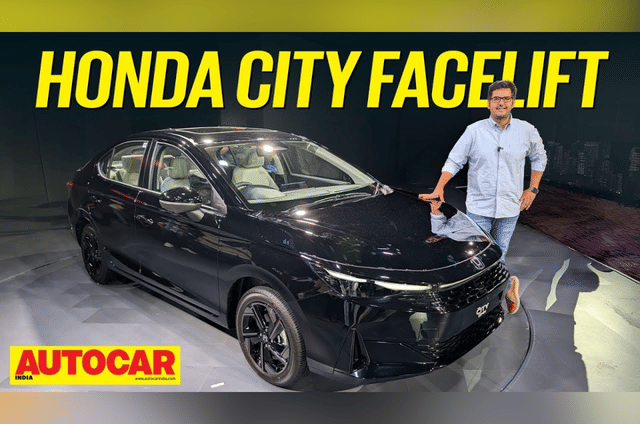
The base manual variant of the 2026 Honda City has a price that's comparable to the pre-facelift model. The most affordable CVT variant is pricier by Rs 20,000, and the top end hybrid variant is costlier by Rs 1 lakh.
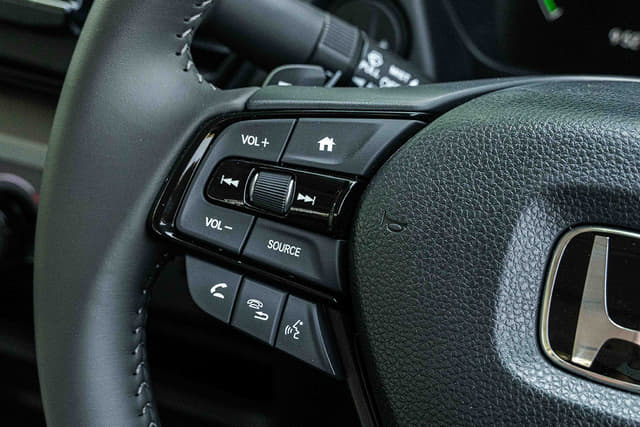
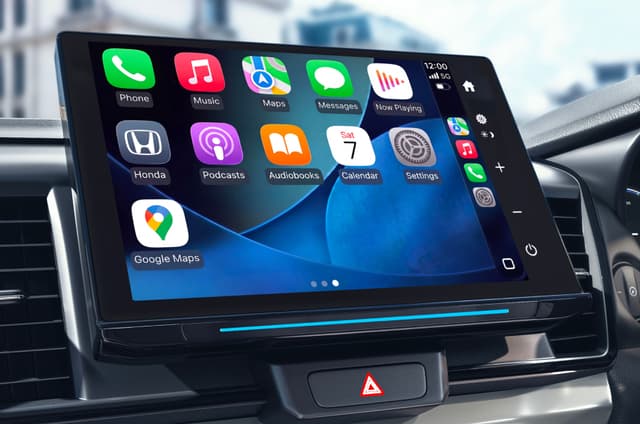
Depending on your location and banking partner, the base SV MT variant of the Honda City has an EMI of Rs 26,571. This amount takes into account a loan tenure of five years, 10 percent downpayment, and an interest rate of 9 percent.
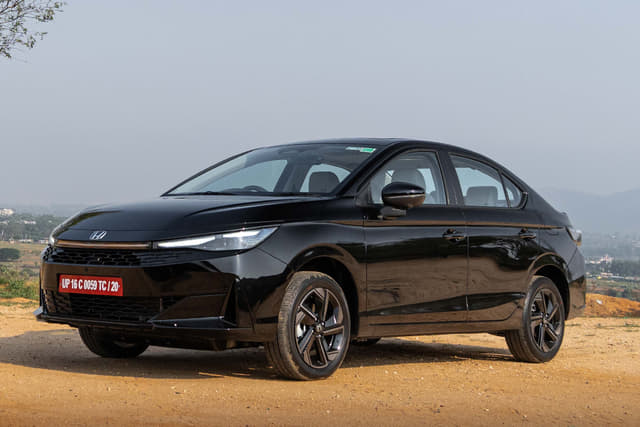
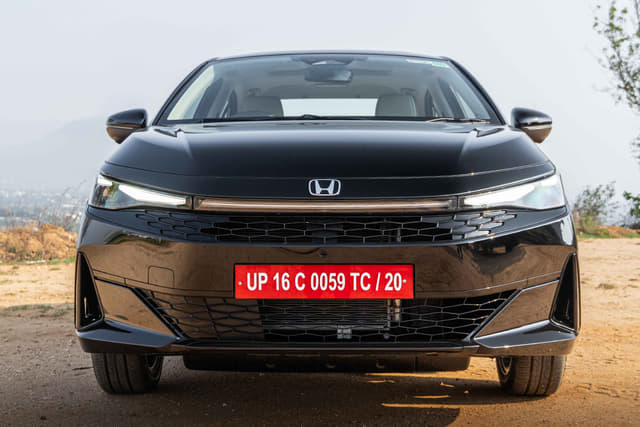
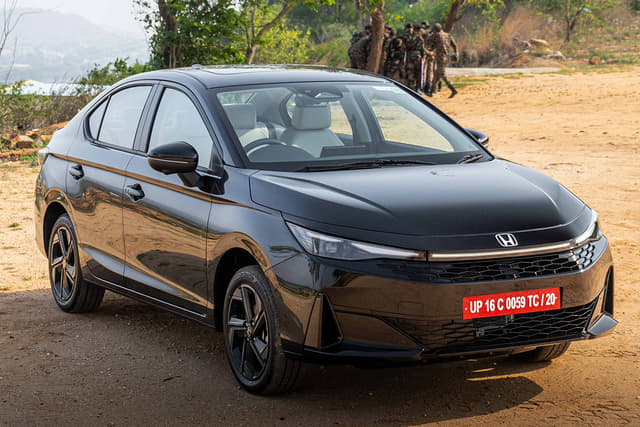
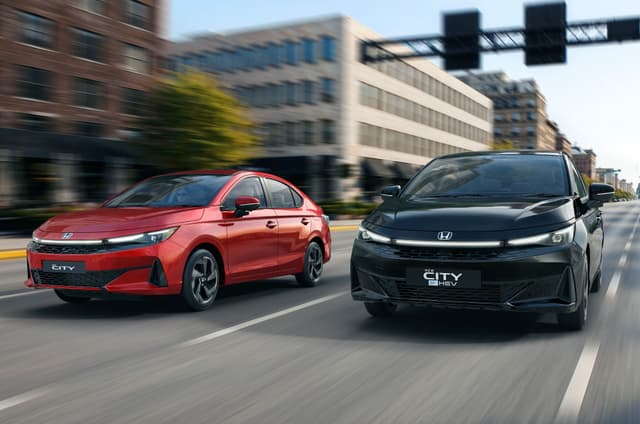
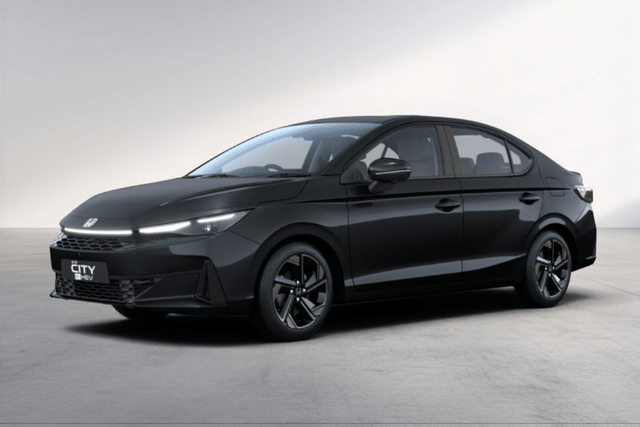
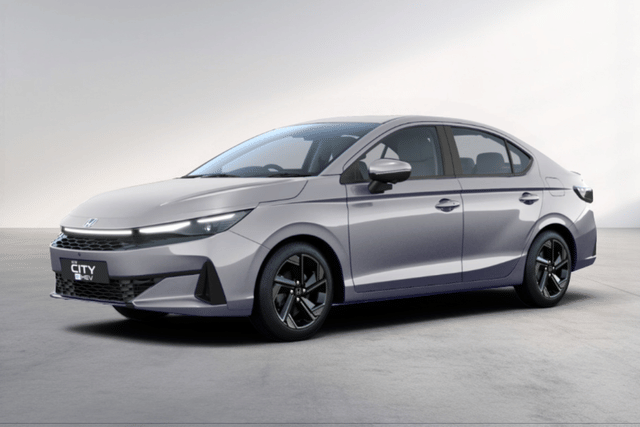
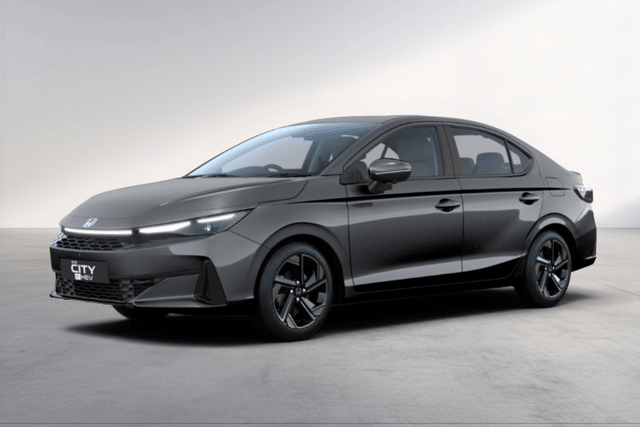
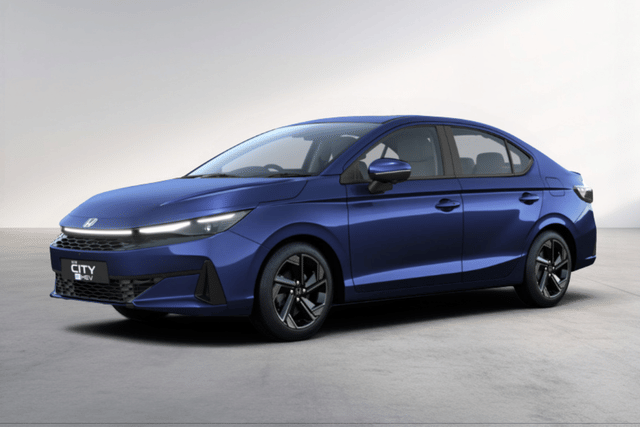
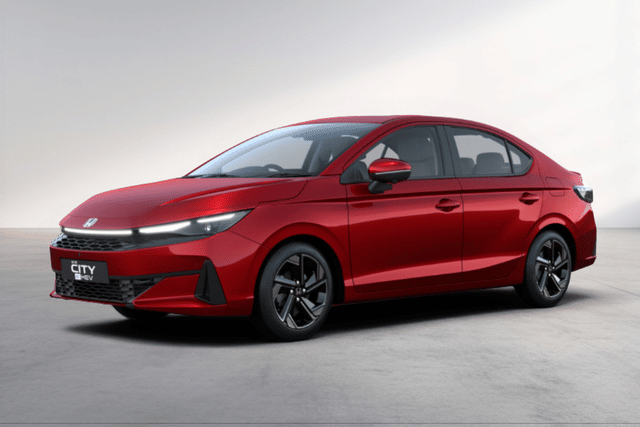
Colours like Lunar Silver Metallic, Meteoroid Gray Metallic and Radiant Red Metallic are all standard colours on the Honda City. However, shades like Platinum White Pearl, Obsidian Blue Pearl and Crystal Black Pearl cost Rs 8,000 over and above the car’s ex-showroom price.
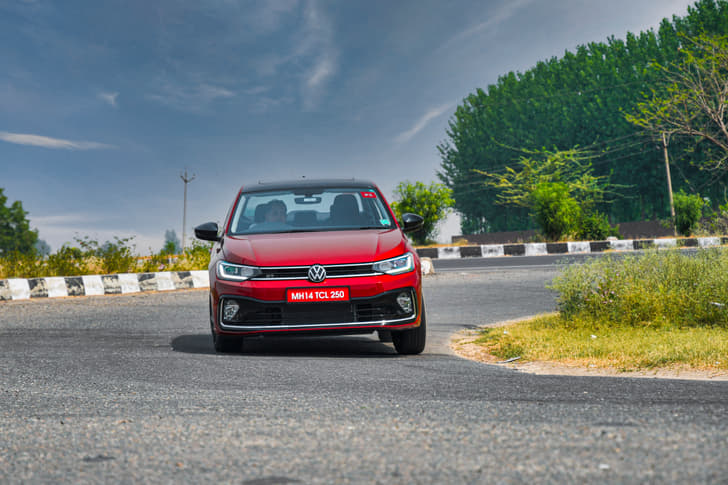
Hello, I currently drive a 2015 Honda City Petrol Manual (Stage 1 Tune) and am planning to upgrade to the Volkswagen Virtus 1.5 GT DSG. My daily commute is around 40-50 km, and I also do monthly highway drives of 400-500 km. Being a sedan enthusiast and with very limited options in the Rs. 20-25 lakh price range, would the Virtus 1.5 GT DSG be a good choice for my requirements? Thank you.
Yes, the Volkswagen Virtus 1.5 GT DSG is a very good upgrade from your 2015 Honda City petrol manual, especially given your usage pattern and preferences. Your daily commute of 40- 50 km combined with regular highway runs of 400- 500 km a month makes the Virtus 1.5 GT a strong fit. The 1.5 TSI engine is genuinely punchy, and the DSG gearbox delivers quick, crisp shifts, making both city driving and highway overtakes effortless. The Virtus also has a well-sorted chassis, a comfortable ride and a spacious cabin, which will make your daily commute and long drives more enjoyable.You could also consider the updated Skoda Slavia that's likely to be launched in a few weeks, or wait for the updated Virtus that'll launch towards the end of the year. These cars will have an upgraded air-con unit (like the Skoda Kushaq and VW Taigun) that you will surely appreciate.
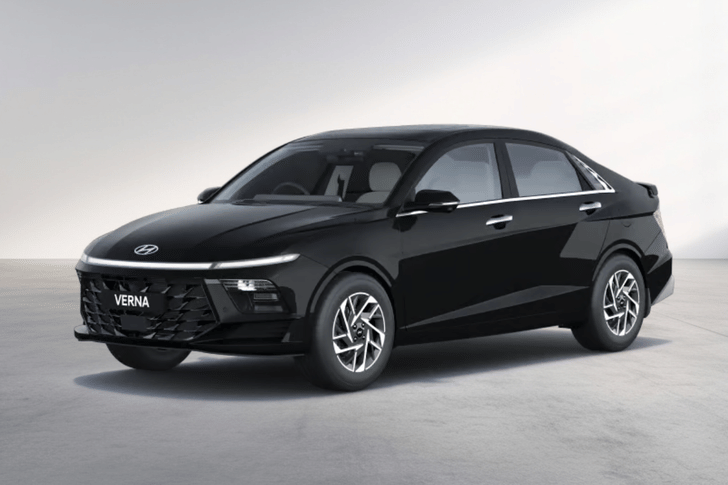
I am planning to buy Honda City V CVT. Is it still worth buying the Honda City in 2026 from a long-term (7-10 years) ownership and reliability standpoint? Or should I consider other cars in the segment, such as the Virtus, Slavia, or Verna?
Yes, the Honda City V CVT is still worth buying in 2026 from a long-term ownership and reliability perspective. The City remains one of the most dependable and well-rounded sedans in the segment, with a proven naturally aspirated petrol engine, smooth CVT gearbox and Honda's strong reputation for reliability and low maintenance costs. It is also a very comfortable and spacious family car, with a well-sorted ride and a premium ownership experience.The Volkswagen Virtus and Skoda Slavia are more driver-focused cars with stronger turbo petrol engines and a more engaging driving experience, but they do not have the same long-term reliability track record as the City. The Hyundai Verna is a strong all-rounder with a more feature-rich cabin and a more powerful turbo petrol option, but the City still feels more practical and better suited to long-term ownership.If your priority is a car that you can keep for 7-10 years with minimal fuss, the City remains the safest and most sensible choice in the segment. The only reason to look at the Virtus, Slavia or Verna would be if you specifically want a more powerful turbo petrol engine and good driving dynamics Otherwise, the City V CVT is still the benchmark for long-term ownership.
I want to purchase a car, considering 3 options- Petrol, Hybrid & EV 1- slavia 1.5 dsg 2- Mahindra BE6 pack2 79kwh 3- Honda City Hybrid My yearly drive is 12.5K km (60% highway and 40% city), and I am planning to keep the car for 15 years. Due to e20 concern, I am hesitant to buy Slavia, as a European car may need only xp95 or xp100, which will have high running cost, so I kept 2 more options of hybrid & EV. Can I put normal E20 to slavia1.5dsg, and with all 3, which one should I pick? All 3 cars are almost 25L on road.
Go for the Honda City Hybrid. With 12,500km a year and a 60% highway/40% city split, the hybrid powertrain will deliver the best balance of efficiency, refinement and long-term ownership confidence. The City Hybrid is a proven, reliable package with excellent fuel economy in both city and highway conditions, and Honda’s ownership experience is among the best in the segment. It is also a car you can realistically keep for 15 years without major concerns.The Mahindra BE6 is an interesting EV, and at 12,500km a year and EV would prove to be economical. However, with significant highway usage, charging infrastructure, and long-distance planning, you may not want to add complexity.The City Hybrid gives you the best of both worlds: low running costs, strong reliability and no charging concerns. It is the most sensible long-term choice for your usage pattern.
I bought a Mahindra XUV 3XO two years ago, but its mileage has been quite poor, averaging only around 7 kpl due to mostly city and office-area driving. I also own a Honda City petrol, purchased in August 2016, which is now 10 years old. It has covered around 50k km and also returns an average of about 7 kpl. I now want to replace one of these cars with an electric SUV within a budget of Rs. 10 - 12 lakh. Which EV would you recommend?
Given your budget of Rs 10-12 lakh and the desire to replace one of your petrol cars with an electric SUV, the Tata Punch EV is the most sensible recommendation. It is the most affordable electric SUV in the market today, and it offers a genuinely usable range for city commuting. The Punch EV is compact and easy to drive in urban conditions, and it will significantly reduce your running costs compared to your current petrol cars. Tata also has one of the widest electric car service networks in the country.The only caveat is that the Punch EV is a compact SUV, so if you are replacing the Honda City, you will be moving to a smaller car in terms of rear seat space and boot capacity. Overall, the Punch EV is the best fit for your budget and usage, and it will deliver the biggest running cost benefit in your city-heavy driving pattern.
Which is better among the Maruti Suzuki Grand Vitara Strong Hybrid, the Honda City Strong Hybrid, or the Maruti Suzuki Victoris Strong Hybrid? These are the cars I have shortlisted, and I am confused about which one to buy. Please advise.
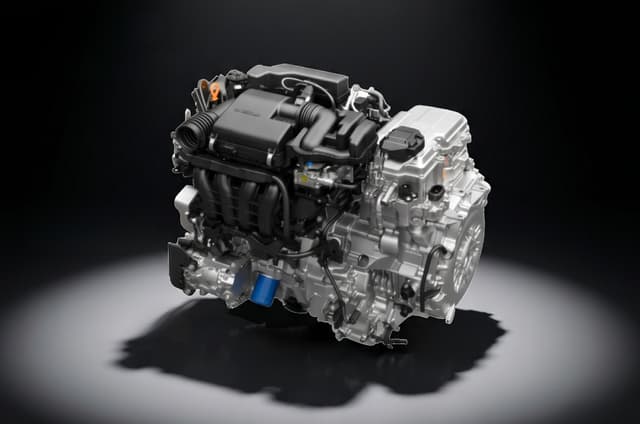
The Victoris and the Grand Vitara Strong Hybrid are mechanically identical, sharing the same Toyota-sourced hybrid powertrain. The difference is in the execution. The Victoris offers a cabin that looks and feels more premium, and at a similar price, it represents better value for money. Unless you specifically prefer the Maruti's styling or dealership, we'd lean towards the Victoris.The Honda City e:HEV has the more sophisticated hybrid system. Its larger battery and more powerful electric motors mean it spends more time driving on electric power and feels more effortless, especially in city traffic. However, the jump in price from the standard City to the hybrid is substantial because of lower localisation, making it harder to justify on value alone.The final decision comes down to what you prioritise. If you're looking for the most advanced hybrid technology regardless of cost, the Honda City e:HEV is the better engineering package. But if you're after the best balance of efficiency, value, practicality and long-term ownership, we'd recommend the Maruti Suzuki Victoris Strong Hybrid.