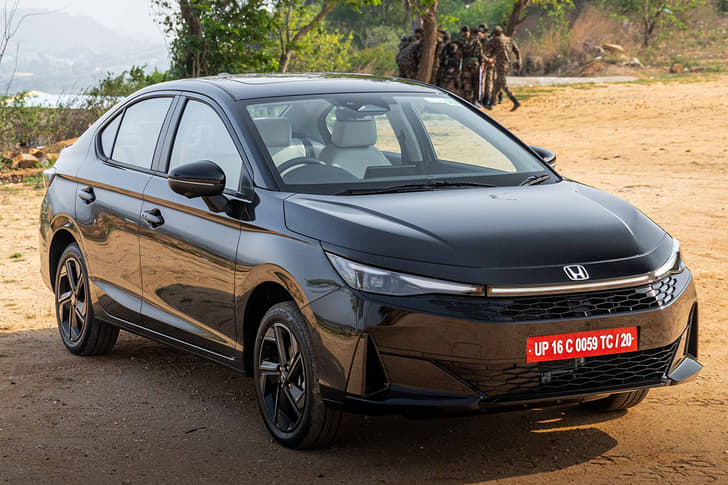
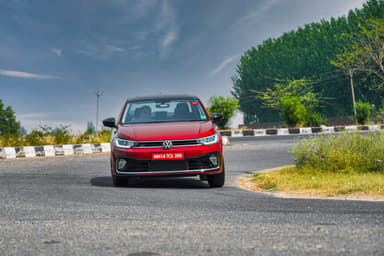
City facelift vs Virtus



Last Updated on: 25 Sep 2026
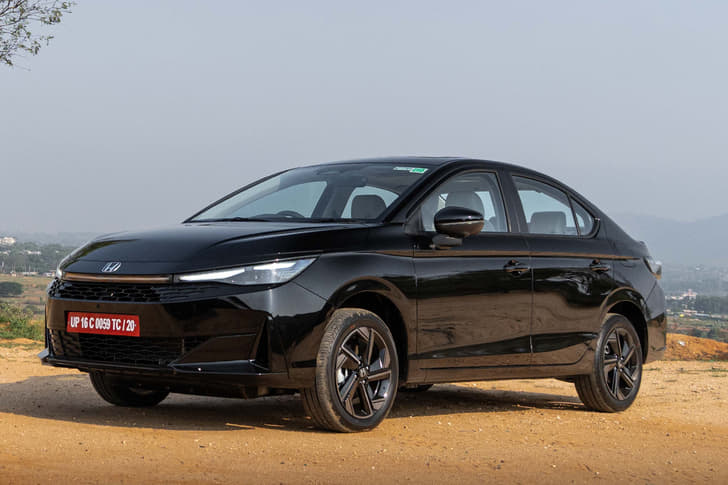
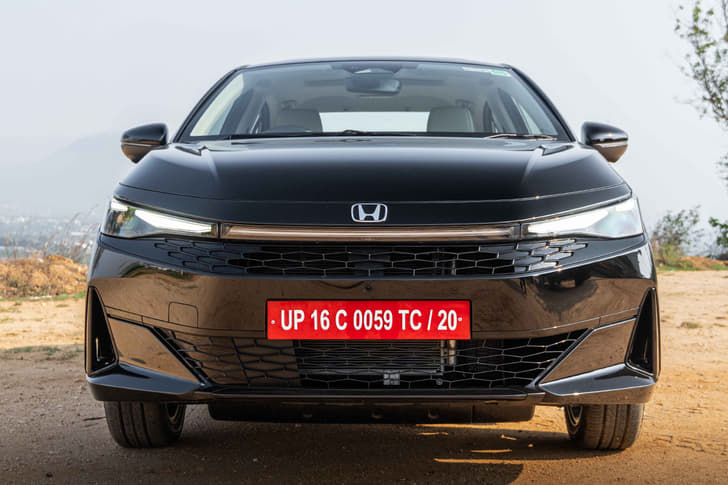
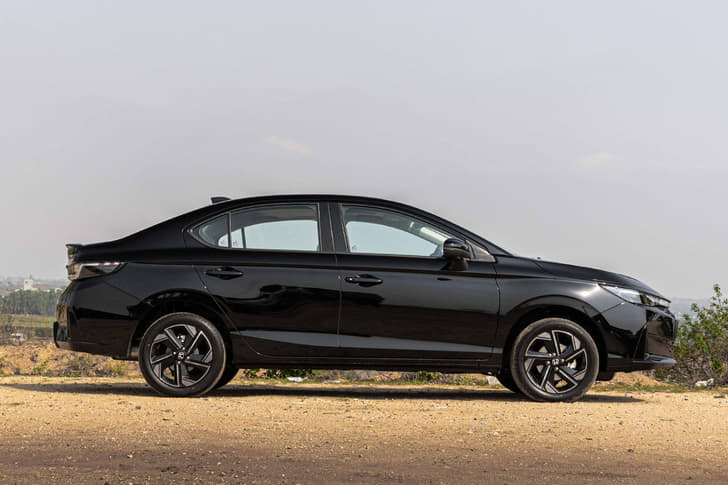
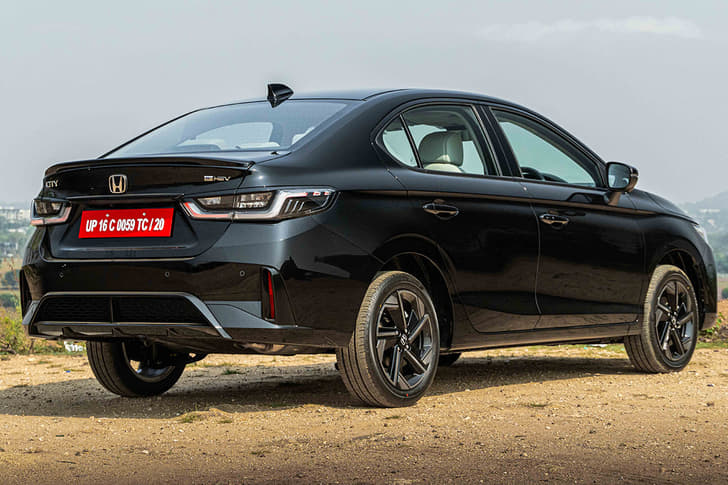
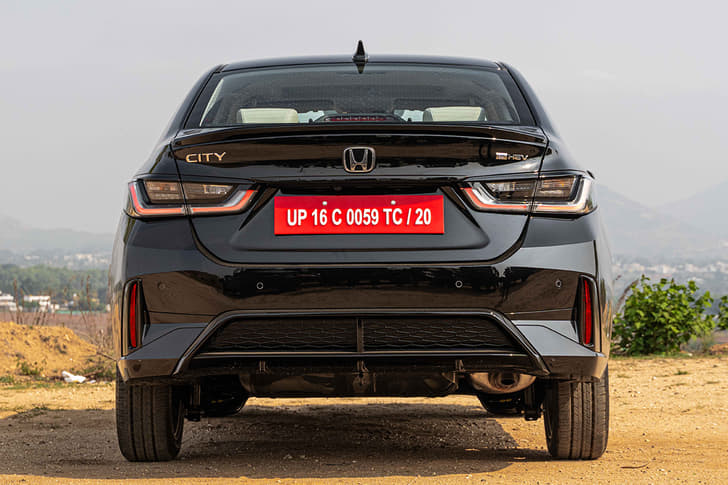
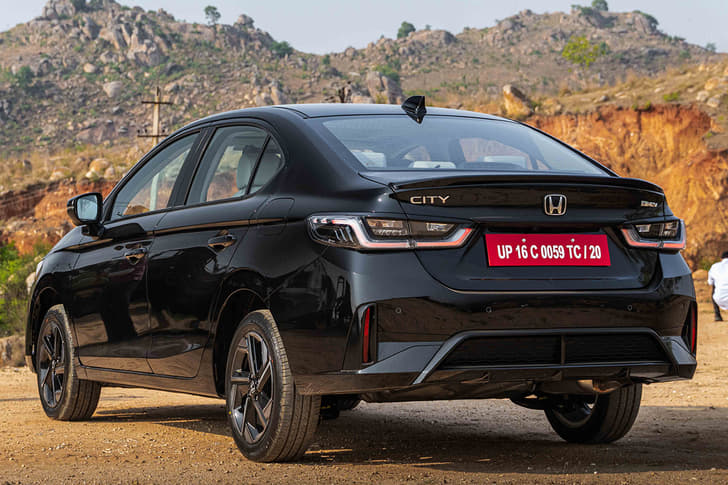
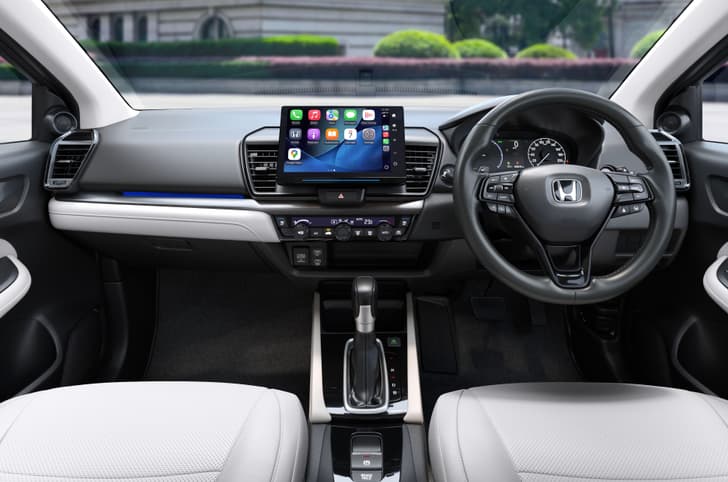
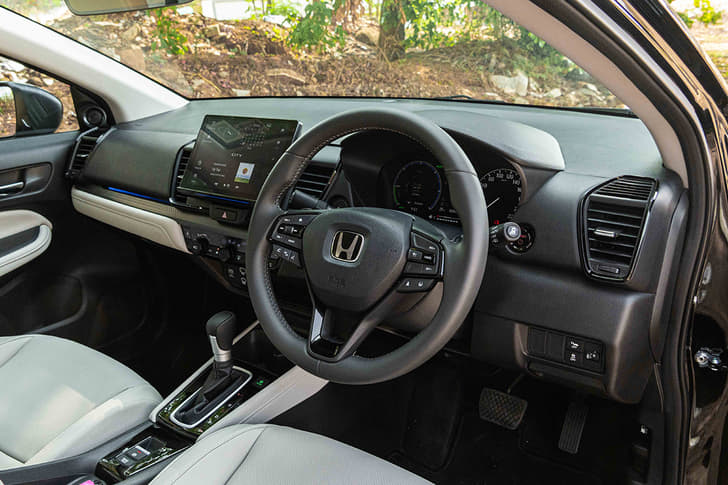
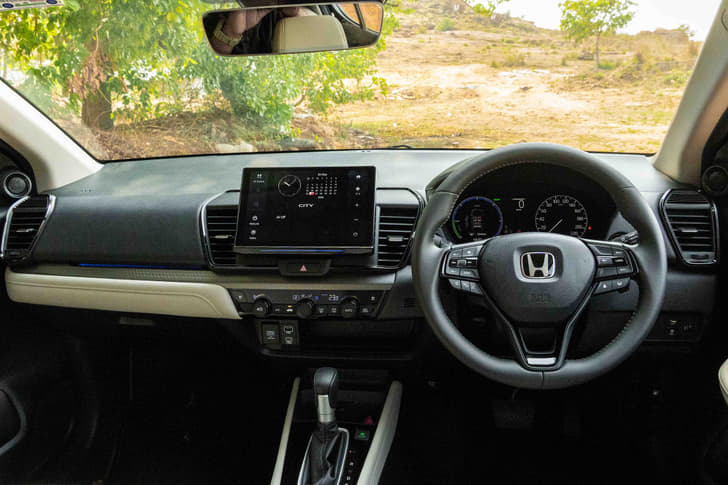
Engine Displacement | 1498 cc |
Number of Cylinders | 4 |
Engine Installation | Front |
Fuel Type/ Propulsion | Petrol |
Gearbox Type | Manual |
Number of Gears | 6 |
Drive Layout | Front Wheel Drive |
Lockable Differential/s | No |
Max Engine Power | 121 hp at 6600 rpm |
Max Engine Torque | 145 Nm at 4300 rpm |
Fuel Supply System | MPFI |
E20 Compatibility | Yes |
Emission Standard | Bharat Stage VI |
Terrain Modes | No |
Auto Start/Stop | No |
Official Fuel Economy | 17.77 kmpl |
Fuel Tank Capacity | 40 litres |
Autocar Tested Mileage | 14.6 kmpl |
Front Suspension Type | McPherson Strut |
Front Springs | Coil Springs |
Rear Suspension Type | Torsion beam |
Rear Springs | Coil Springs |
Damper Control | No |
Ride Height Adjust | No |
Type of Power Assist | Electric |
Steering Adjust type | Manual |
Steering Adjust | Tilt and Telescopic |
4 Wheel Steer | No |
Turning Radius | 5.3 m |
Front Brakes | Ventilated Disc |
Rear Brakes | Drum |
Wheel Size | 15 inches |
Front Tyre Size | 185/60 R15 |
Rear Tyre Size | 185/60 R15 |
Wheels | Steel rims with wheel covers |
Spare Wheel | Full Size |
Length | 4594 mm |
Width | 1748 mm |
Height | 1489 mm |
Wheelbase | 2600 mm |
Kerb Weight | 1123-1142 kg |
Chassis Type | Monocoque |
Boot Capacity | 506 litres |
Doors | 4 |
| Cooled Cup Holders | |
| Door Pockets | |
| Digital Instrument Cluster | Part Digital / Part Analogue |
| Dead Pedal | |
| Power Windows | Front and Rear |
| Cup Holders |
| Blind Spot Monitor | |
| Road Departure Mitigation System | |
| Electronic Parking Brake | |
| Seat Belt Warning | |
| Electronic Stability Control | |
| Emergency Brake Light Flashing |
| LED headlamps | |
| Stop Lamp | |
| Illuminated Logo | |
| LED taillights | |
| Wheel Arch Cladding | |
| Welcome and Goodbye Animation |
| Gear Indicator | |
| Speedometer | Analogue |
| Shift Indicator | |
| Tachometer | Analogue |
| Average Fuel Consumption | |
| Average Speed |
| Display | 8-inch Touchscreen |
| CD Player | |
| Branded Music System | |
| Rear Entertainment Screens | |
| Rear Seat Infotainment Controls | |
| MirrorLink |
| Emergency Call Button | |
| Auto Crash Alert | |
| Driving Analytics | |
| E-Call & I-Call | |
| App Details | |
| Summon Mode |
 Electronic Stability ControlPart Digital / Part Analogue Digital Instrument ClusterPhone-based Satellite NavigationFabric Seat MaterialLED headlampsAdaptive Cruise ControlDriving ModesWireless Android AutoHome to Car ConnectivityWireless Apple CarPlayBlind Spot MonitorSingle Pane Sunroof8 SpeakersLeather Seat MaterialConnected LEDElectronic Parking Brake with AutoholdAll Power Windows with One Touch-DownWireless Phone ChargingFront Only Ventilated SeatsSpoiler

Join the Discussions
Had a puncture on my Honda City during a late-night highway drive and realised I hadn't checked the spare wheel since buying the car. Luckily it was properly inflated.
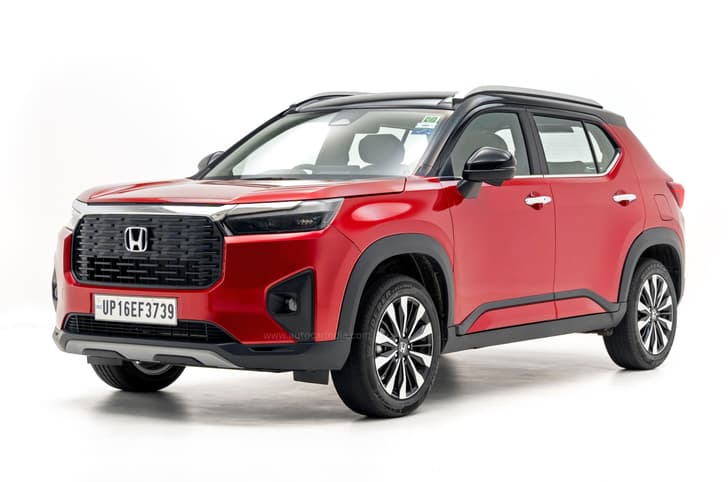
Hi, I want to buy my last car as I am 66 years old. I have been driving a Honda City for the last 12 years without any major hiccup. The Honda City engine and its reliability is excellent although its ground clearance is an issue. I have looked at Elevate and given its ground clearance as an SUV, I am impressed although the issues on E20 and abrupt blending issues are surely technical issues. Windsor EV was a great test drive but all controls on screen could be a bottleneck for me at my age and am planning to move to an automatic. Please recommend as experts. My monthly running will not be more than 500 km. Should I also look at Seltos. I will appreciate a feedback from experts. I want a reliable, easy to drive car with low maintenance cost and good family value with. There won't be any great pick ups or many highway drives will not be there.

 Honda ElevateHonda CityMG WindsorKia Seltos
Hello Autocar, I have shortlisted three cars: the Honda City 1.5 naturally aspirated, Honda Elevate and Skoda Slavia 1.5 TSI. I am looking for a peaceful ownership experience and plan to keep the car for a long time, possibly around 10 years. I really like the Honda Elevate, especially the ADV Edition, but I keep hearing about its NVH levels. Is it still a good choice for long-term ownership? I also like the Skoda Slavia 1.5, but I am a little concerned about its long-term ownership and reliability. I have not yet driven the facelifted Honda City, although I particularly like its looks, especially in silver. Most of my driving will be in the city, in Bangalore, with a highway trip roughly once every two months. I do not drive every day and generally use the car for commuting to the office two or three days a week. Considering my usage and my priority of hassle-free long-term ownership, which of these three would be the right choice for me?
Honda CityHonda ElevateSkoda Slavia