Verna or Aura: Which to Buy?


Last Updated on: 12 Oct 2026
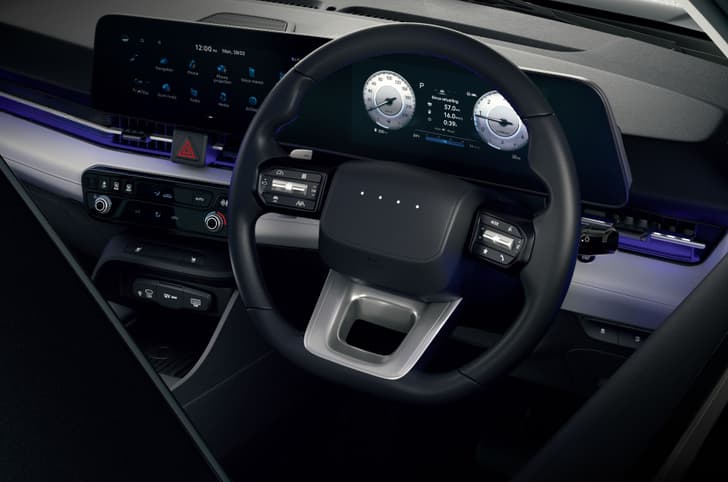
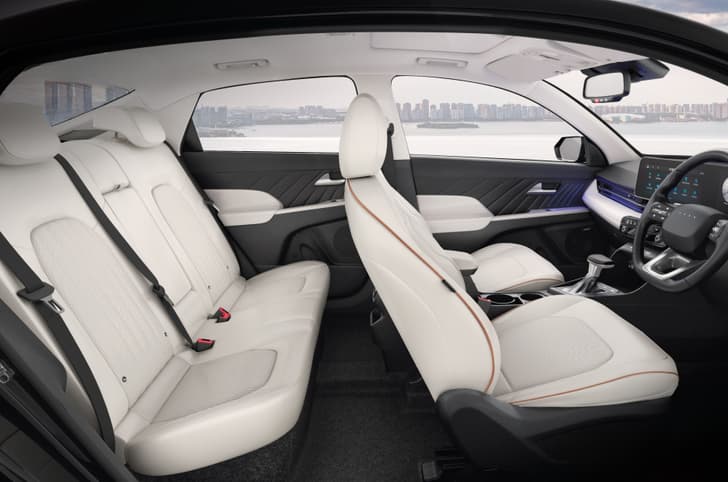
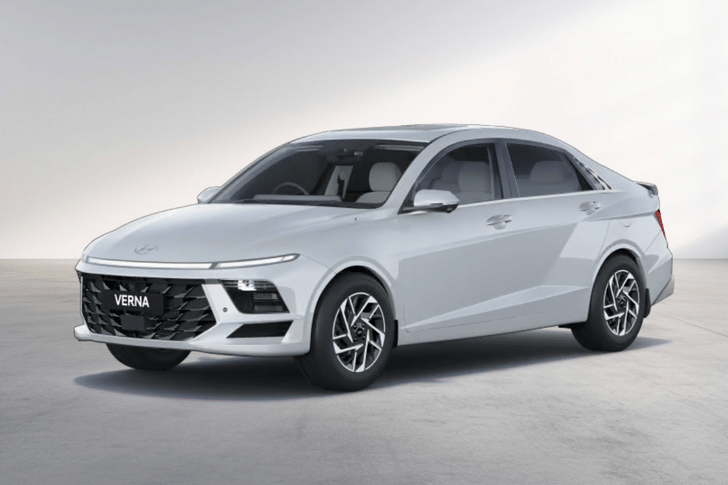
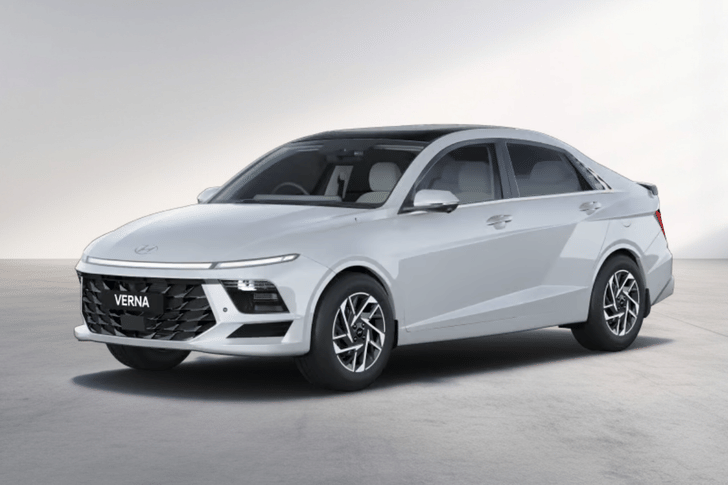
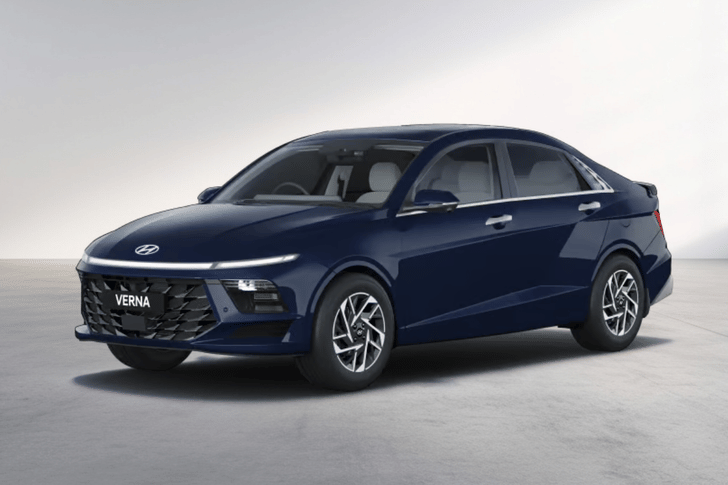
 Electronic Stability ControlManual Climate ControlNo SpeakersAnti Theft ImmobilisationFabric Seat MaterialWith Display Tyre Pressure Monitoring SystemSingle Pane SunroofOn-board Satellite NavigationFront Seat ArmrestConnected LEDRear Parking CameraPowered TailgateWireless Phone ChargingAdjustable Rear HeadrestsLED headlampsBose Branded Music SystemFront Only Ventilated SeatsSingle Pane SunroofLED headlampsOn-board Satellite NavigationAdaptive Cruise ControlRemote Engine Start/StopDriver's Seat MemorySingle Pane SunroofLED headlamps360 degree Parking CameraDriver rear view monitor (DRVM)Electric Adjust for Front Passenger's SeatAdaptive Cruise ControlSingle Pane Sunroof
Hyundai Verna Official Brochure
Download the complete brochure with specs, features, and variants.

.jpg?w=640&q=75&fm=auto)
I owned a Verna Diesel AT for 6yrs, which had a 4 Speed Torque Converter AT and now own Seltos Diesel AT for 7yrs, which is a 6 speed TC. I enjoyed both of them and never missed the driving pleasure given the output from these cars and their pairing and the fact that they always come with a manual mode if you want, I'm sure that is the case with 7XO Diesel AT also, which is again a TC unit. Never had any problem with any of these cars in the last 13yrs. Pls go for an AT without worry (atleast with TCs or CVTs). They are time tested. Also, What's the fun in pressing the clutch if beyond a certain age, legs are more important for atleast 18hrs of usage everyday than the small driving pleasure that we get for few hrs here and there ;-)
How does the Hyundai Verna Turbo Manual HX8 compare with the Mahindra Thar Roxx MX5 2WD Petrol Manual? Both are similarly priced, so a comparison of their highway driving ability, performance on bad roads, ride and handling, features and overall usability would be useful. A comparison of their after-sales service and ownership experience would also help in deciding between the two.

 Hyundai VernaMahindra Thar Roxx
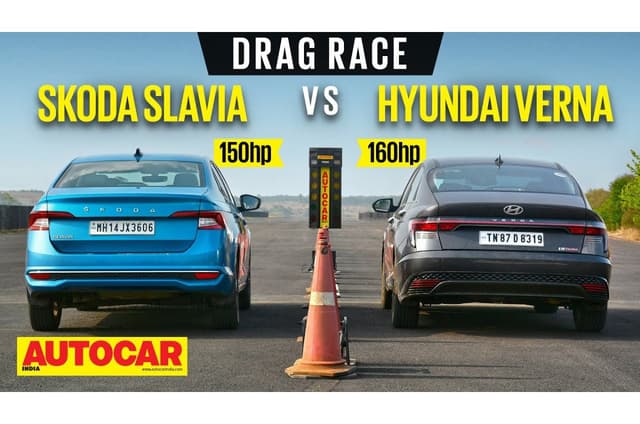
Hi Autocar India, I’m planning to buy a new car under Rs 16 lakh for my family of five. My monthly usage is around 500km, mostly on highways. I’m currently considering: Hyundai i20 N Line, Hyundai Verna 1.5 MPI, Kia Seltos, Volkswagen Virtus, and Skoda Slavia. I personally prefer low-slung cars over SUVs. My priorities are long-term reliability, family comfort, highway stability, good safety, reasonable maintenance costs, and overall ownership experience. Which one would you recommend for my requirements, especially for long-term ownership? Also, which engine and variant would be the best choice within my Rs 16 lakh budget? Thanks! I’d love to hear your expert recommendation.
Hyundai VernaSkoda Slavia (2022-2026)I have a 2021 Hyundai Venue (second base variant), and my daily running is around 45-50 km. Should I replace it with a new car, or should I continue using it? If I do replace it, should I choose an EV or a petrol car? I am looking for a car that offers good comfort, spacious interiors, good mileage, and an automatic transmission. Would the Hyundai Verna HX6 Plus Automatic be a good choice, or would you recommend a better petrol or EV option?
Kia Syros EVHyundai VernaI am getting a Hyundai Verna 2013 FLUIDIC 1.6 VTVT SX at 3.8 lakh on road and an i20 2015 Asta 1.2 at 3.84 lakh on road through a renowned used car platform. Please let me know which out of above two should be preferred ideally. I have occasional office drives of around 600 km monthly, weekend city drive with family and annual 4-5 trips to our native in Konkan. I am a fan of Hyundai's fluidic design hence I am attracted to the looks of both cars. Also the price seems to be tempting. Please let me pros and cons of both vehicles in terms of their usage life, mileage, maintainance and their suitability to my use.
All Verna variants - HX 2, HX 4, HX 6, HX 6+, HX 8 and HX 10 - offer an NA petrol engine choice.
Save for HX 2, every Verna variant comes with a sunroof.
Yes, the Hyundai Verna comes with 6 airbags as standard.
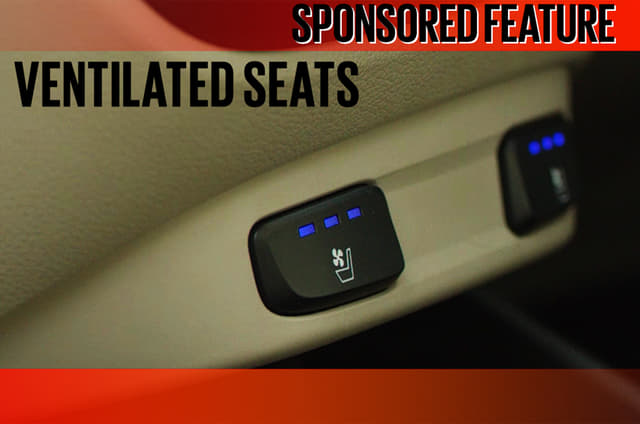
Front ventilated seats are offered in the Hyundai Verna from the HX 6+ variant.
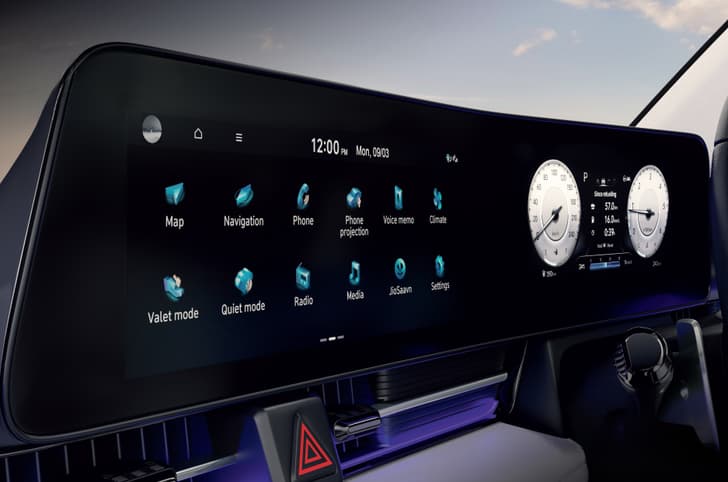
Excluding the base HX2 trim, rest of the Verna variants feature a touchscreen.
For most buyers looking for a value-for-money Verna, it's the HX6+ we'd recommend. However, if there's no budget constraint, the HX8 trim is a great pick.