Last Updated on: 04 Sep 2026
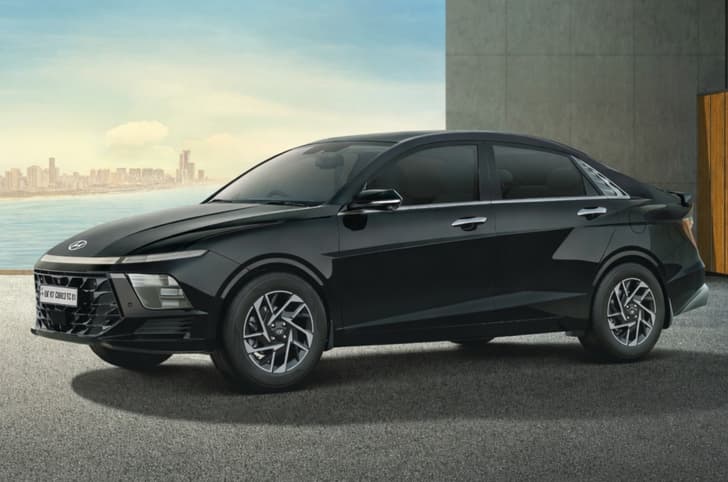
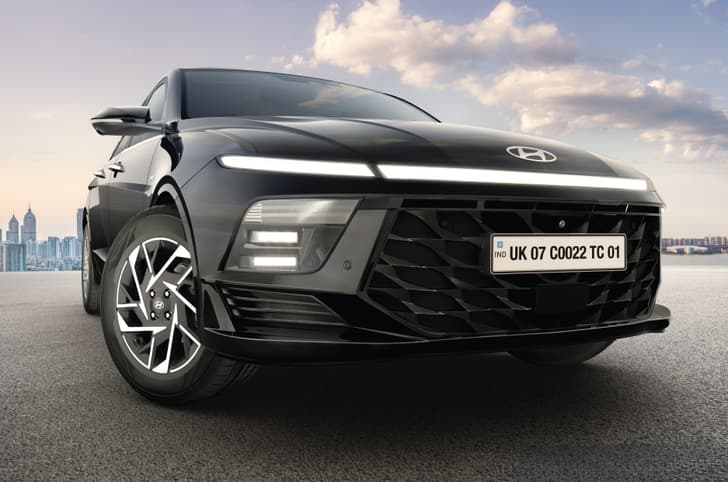
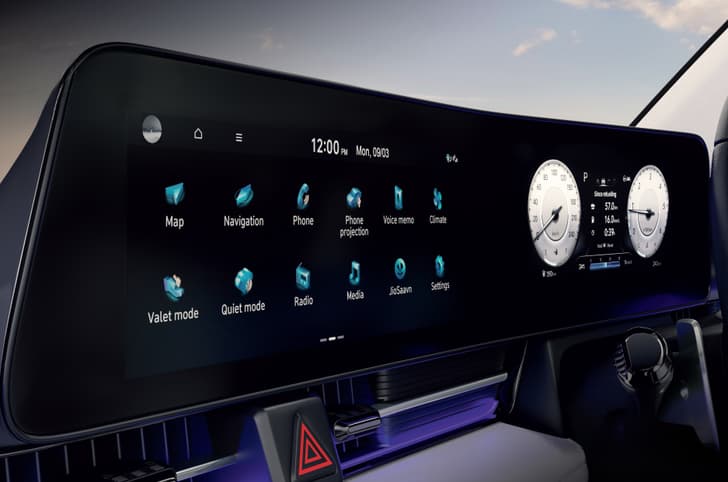
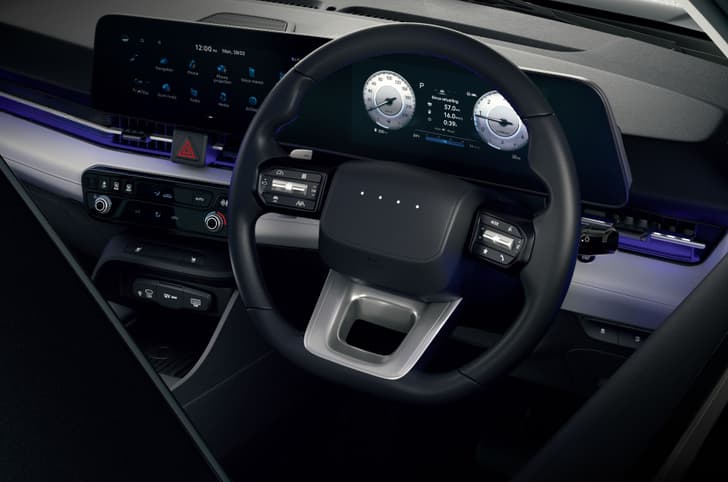
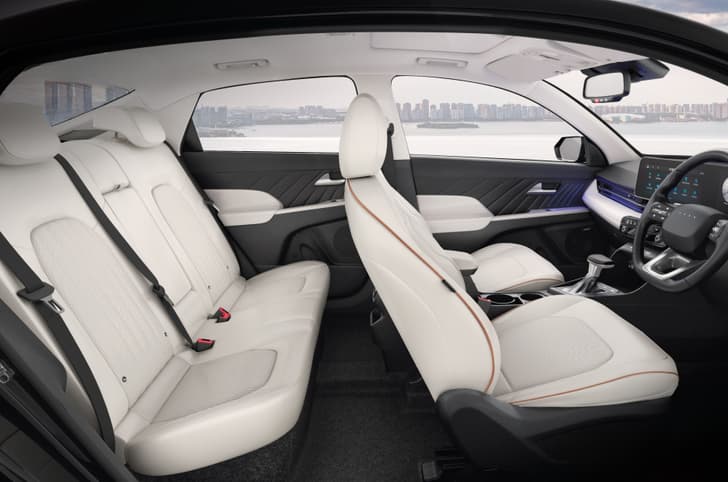
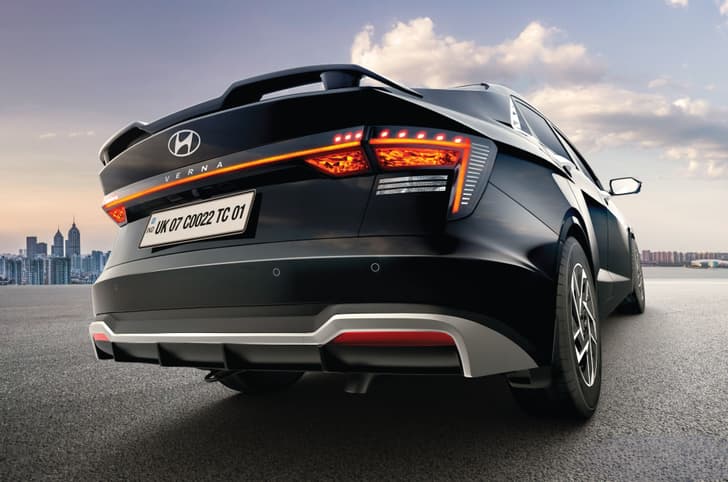
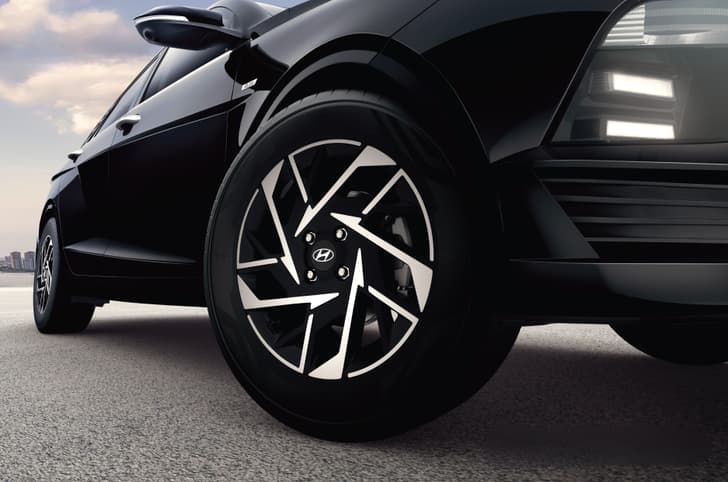
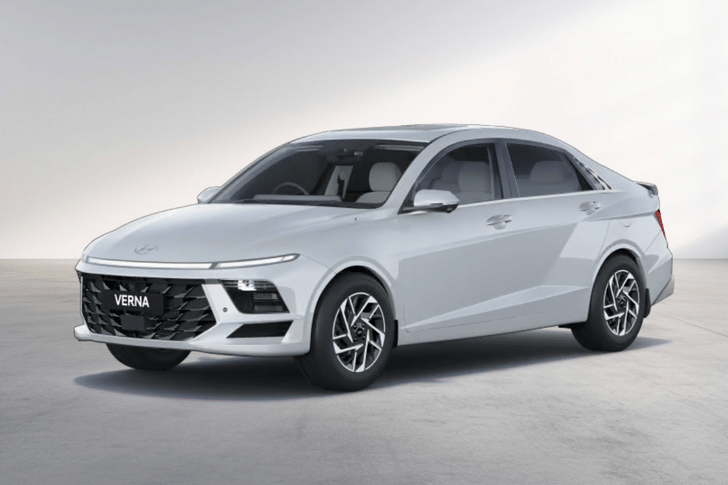
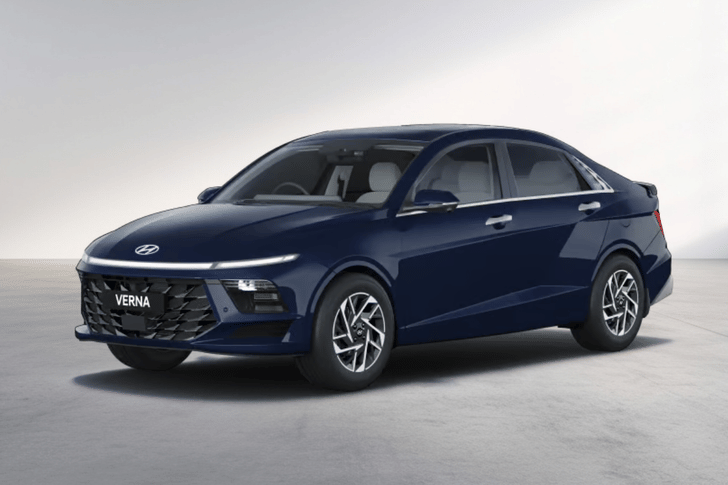
Hyundai Verna HX6+ Petrol MT
Hyundai Verna HX6+ Petrol MT Key Features
- Bose Branded Music System
- 8 Speakers
- Front Only Ventilated Seats
- Leatherette Seat Material
Hyundai Verna HX6+ Petrol MT specifications
Engine & Transmission
Engine Displacement | 1497 cc |
Number of Cylinders | 4 |
Engine Installation | Front |
Fuel Type/ Propulsion | Petrol |
Gearbox Type | Manual |
Number of Gears | 6 |
Drive Layout | Front Wheel Drive |
Lockable Differential/s | No |
Max Engine Power | 115 hp at 6300 rpm |
Max Engine Torque | 143.8 Nm at 4500 rpm |
Fuel & Performance
Fuel Supply System | MPFI |
E20 Compatibility | Yes |
Emission Standard | Bharat Stage VI |
Terrain Modes | No |
Auto Start/Stop | Yes |
Official Fuel Economy | 18.6 kmpl |
Fuel Tank Capacity | 45 litres |
Suspension & Steering
Front Suspension Type | McPherson strut |
Front Springs | Coil Springs |
Rear Suspension Type | Coupled torsion beam axle |
Rear Springs | Coil Springs |
Damper Control | No |
Ride Height Adjust | No |
Type of Power Assist | Electric |
Steering Adjust type | Manual |
Steering Adjust | Tilt and Telescopic |
4 Wheel Steer | No |
Front Brakes | Disc |
Rear Brakes | Drum |
Wheel Size | 16 inches |
Front Tyre Size | 205/55 R16 |
Rear Tyre Size | 205/55 R16 |
Wheels | Machine finished alloys |
Spare Wheel | Space Saver |
Dimensions
Length | 4565 mm |
Width | 1765 mm |
Height | 1475 mm |
Wheelbase | 2670 mm |
Chassis Type | Monocoque |
Doors | 5 |
Hyundai Verna HX6+ Petrol MT features
Comfort
| Electric Tailgate Release | |
| Bottle Holder in Doors | |
| Power Windows | Front and Rear |
| Foldable Seatback Table | |
| Flat Bottom Steering Wheel | |
| Cabin Boot Access |
Safety
| Central Locking | |
| Seat Belt Warning | |
| Child Safety Lock | |
| Curtain Airbag | |
| Road Departure Mitigation System | |
| Dashcam |
Exterior
| LED taillights | |
| LED headlamps | |
| LED fog lamps | |
| Headlight Type | LED |
| Headlight Height Adjuster | |
| LED DRLs |
Interior
| Shift Indicator | |
| Average Speed | |
| Average Fuel Consumption | |
| Tachometer | Digital |
| Speedometer | Digital |
| Instantaneous Consumption |
Entertainment
| Satellite Navigation | On-board |
| Voice Commands | |
| Web Browser | |
| Rear Entertainment Screens | |
| Rear Seat Infotainment Controls | |
| Wireless Phone Charging |
Connected Car Features
| Google/Alexa connectivity | |
| Home to Car Connectivity | |
| In Car Payment | |
| Driving Analytics | |
| Remote Engine Start/Stop | |
| Live Location Sharing |
Hyundai Verna variants
 Electronic Stability ControlManual Climate ControlNo SpeakersAnti Theft ImmobilisationFabric Seat MaterialWith Display Tyre Pressure Monitoring SystemSingle Pane SunroofOn-board Satellite NavigationFront Seat ArmrestConnected LEDRear Parking CameraPowered TailgateWireless Phone ChargingAdjustable Rear HeadrestsLED headlampsBose Branded Music SystemFront Only Ventilated SeatsSingle Pane SunroofLED headlampsOn-board Satellite NavigationAdaptive Cruise ControlRemote Engine Start/StopDriver's Seat MemorySingle Pane SunroofLED headlamps360 degree Parking CameraDriver rear view monitor (DRVM)Electric Adjust for Front Passenger's SeatAdaptive Cruise ControlSingle Pane Sunroof
Hyundai Verna comparison

Questions you may find useful
Verna vs City, both loaded automatics around the same price, yet owners of each seem equally convinced theirs is the smarter buy. Which is a better buy?
I went to book a Hyundai Creta but seeing the stylish Verna next to Creta, took its test drive. The seat and ambience seem way better than any car and have almost decided to go with Verna but I have one doubt about its ground clearance. Since I will be driving the car in Chennai city and on highways with occasional patchy roads, even if scrapping occurs rarely, will it be a costly affair to repair?

 Hyundai VernaHyundai Creta
Every time it rains even a little my basement parking floods partially and my Verna's been through it twice this month. Anyone face this problem? How do you guys protect your cars?
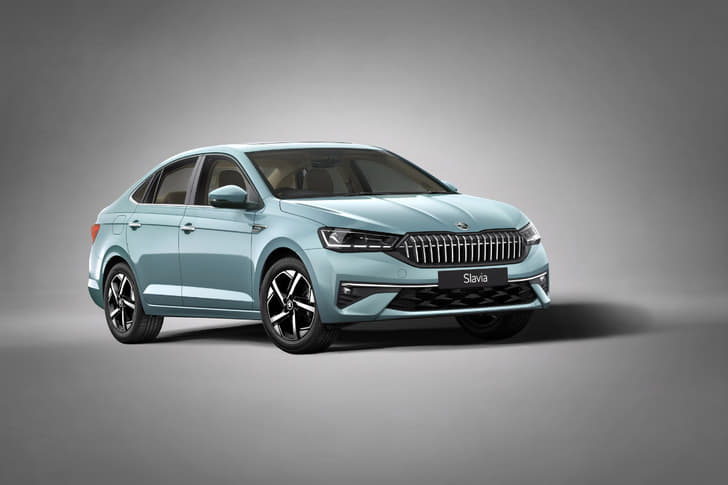
Hi Autocar India, I’m planning to buy a new car under Rs 16 lakh for my family of five. My monthly usage is around 500km, mostly on highways. I’m currently considering: Hyundai i20 N Line, Hyundai Verna 1.5 MPI, Kia Seltos, Volkswagen Virtus, and Skoda Slavia. I personally prefer low-slung cars over SUVs. My priorities are long-term reliability, family comfort, highway stability, good safety, reasonable maintenance costs, and overall ownership experience. Which one would you recommend for my requirements, especially for long-term ownership? Also, which engine and variant would be the best choice within my Rs 16 lakh budget? Thanks! I’d love to hear your expert recommendation.
Hyundai VernaSkoda SlaviaHyundai Verna price in India
Upcoming Cars

Hyundai Cars
Trending Cars


Latest Cars