Totally confused between XUV 7XO diesel auto and XEV 9E. My yearly usage is 10 to 15k kms. My usage will be primarily as a 5-seater. Among these two, which car has better ride and handling?
Tap if an answer actually helped you decide.

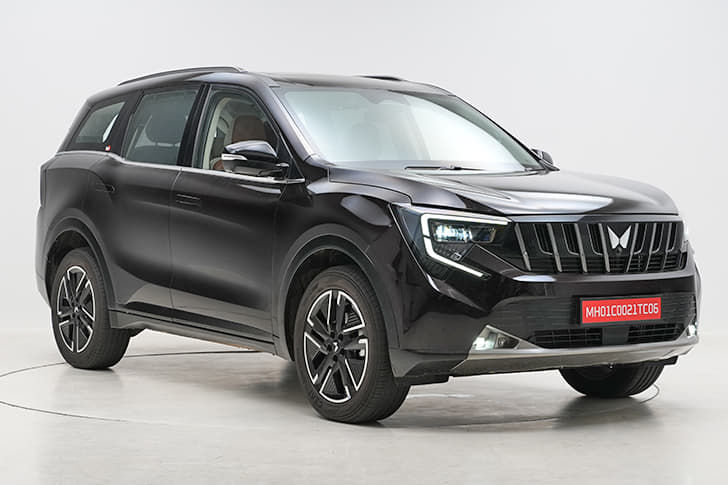
Pick the XUV 7XO diesel automatic for the better ride-handling balance. Over broken roads and big speed breakers, it stays calmer, and with five on board, it keeps its composure without that side-to-side bob you often feel in heavier SUVs. At highway speeds, it tracks straight, the steering has a natural weight, and body control feels more reassuring when you need to change lanes or brake hard.
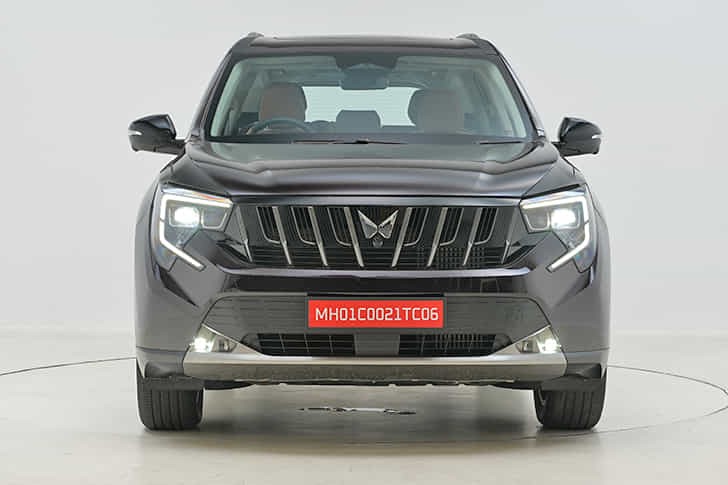
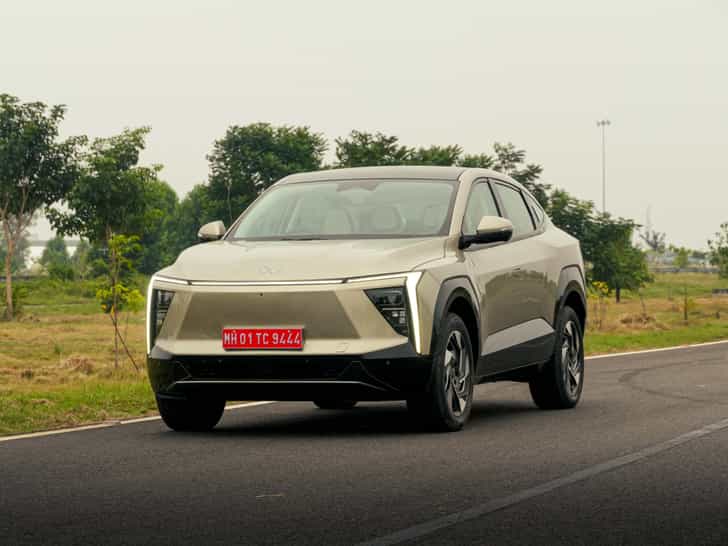
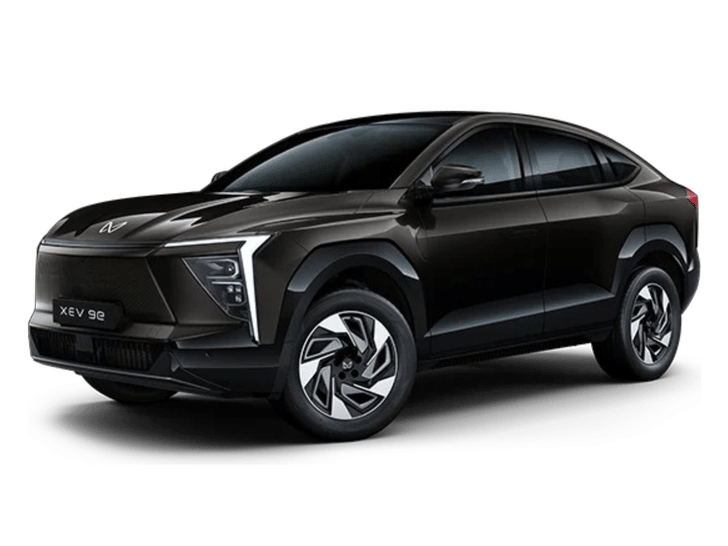
The XEV 9e does feel flatter through bends thanks to the battery’s low position, so quick direction changes are tidy, but its extra weight makes sharp edges and patchy city tarmac come through more firmly, and the braking feel is less consistent. On a long drive with family and bags, the Mahindra diesel’s suspension tuning feels more relaxed and confident.
One caveat. In city traffic, the XEV 9e is quieter and smoother, so if most of your 10-15k km each year are short urban runs, you might enjoy that. But for mixed use as a five-seater, the XUV 7XO rides better and feels more secure.
Mahindra XUV 7XO
Explore cars mentioned
@autocar.india mahindra and TATA vehicle hi mat lo,worst service.
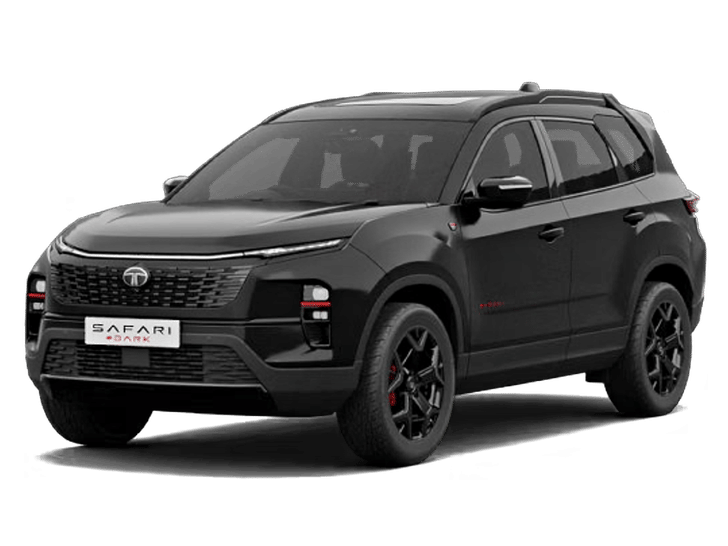
This is the question from a middle class guy from Bangalore. My dad owns a car - Alto k10, completed its 15th year overall driven 50k so far. My family has extended now, I need switch to a 7 seater. I need the best recommendation for fuel efficient 7 seater. I have very less options running on my mind, they're Safari, XUV 7XO, Kia Carens Clavis. I have driven Maruti enough! So I'm not going there. What do experts suggests?
I want to buy a SUV but confused in diesel amd EV...My running is 12k to 15k annually...Budget is 30 to 35 lak...75% running is in city with mostly heavy traffic and 25% on highways...what should I buy...car would be used for long term maybe 7 to 8 yrs...considering maintainance, tyres, everything in mind...please suggest best choice in mahindra and tata only
 Creta owner · 19,800 km
@shubhamraje3 Since 75% of your driving is in heavy city traffic and have an annual running of 12-15k kms, I would suggest an EV. Between Mahindra and Tata, my pick would be the Mahindra XEV 9e. It offers a more premium driving experience, lower running and maintenance costs over the long term, and should suit your 7-8 year ownership plan well. You should consider a diesel only if you frequently do long highway trips where charging could be a concern.
@adarsh_paliwal30 EV tyres get trashed every 25k to 30k is it myth or fact...If it is fact then cost of 4 tyres will effect any condition of affordability and comortness of buying an ev
Creta owner · 19,800 km@shubhamraje3 It's partly a myth. EVs are heavier and deliver instant torque, so tyres can wear a bit faster if driven aggressively. But with normal driving, many owners still get 4-50k kms from a set of tyres. Even after factoring in tyre replacement, the savings on fuel and lower maintenance usually keep an EV more economical over the long run.
Creta owner · 19,800 km@arun1493 If your primary focus is ride and handling, pick the XEV 9e. It feels more planted, more refined, and offers a smoother, more premium driving experience than the XUV 7XO. With an annual running of 10k-15k km, an EV also makes sense if you have reliable home charging. Choose the XUV 7XO Diesel Automatic only if you frequently do very long highway trips where charging convenience could be a concern.
@adarsh_paliwal30 if you can shed some light on the difference between the da vinci dampers vs the adaptive suspension
Creta owner · 19,800 km@arun1493 Think of it this way - the Da Vinci dampers are designed to make the ride smoother without any electronics - they simply do a better job of absorbing bad roads. Adaptive suspension goes a step further by constantly adjusting itself while you drive based on the road and your speed. In real life, both are comfortable, but adaptive suspension gives you a little more comfort on rough roads and a little more confidence when driving fast.
More posts on similar cars

Expert reviews worth reading
Popular discussions right now
Upcoming launch buzz
Community discussions on upcoming launches
BMW
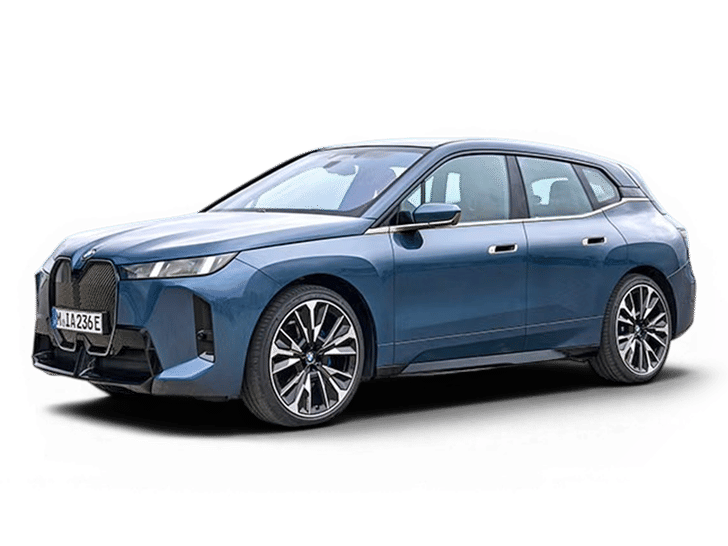
iX facelift
Audi
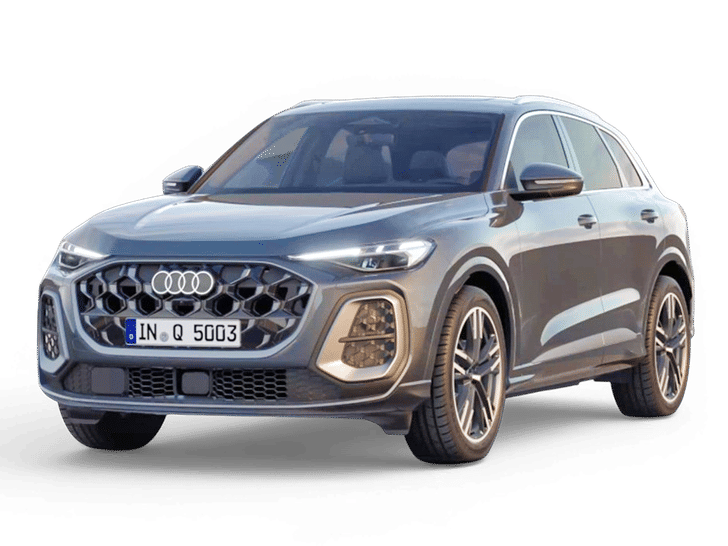
New Q5
Audi
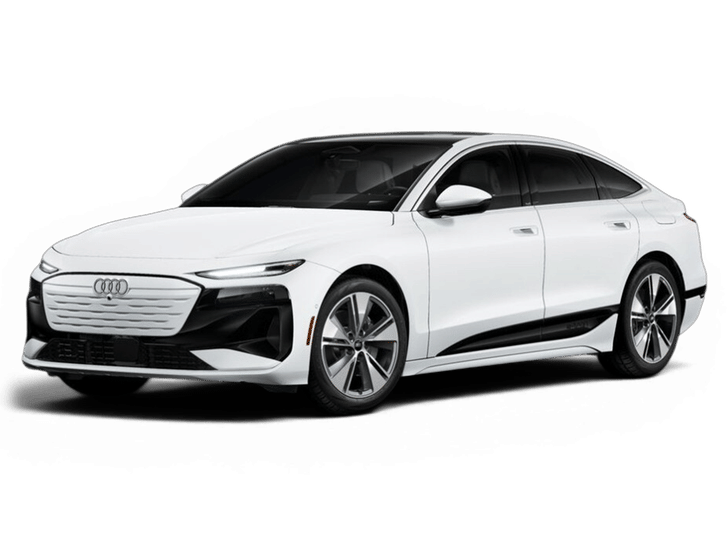
A6 e-tron

Audi
Q6 e-tron
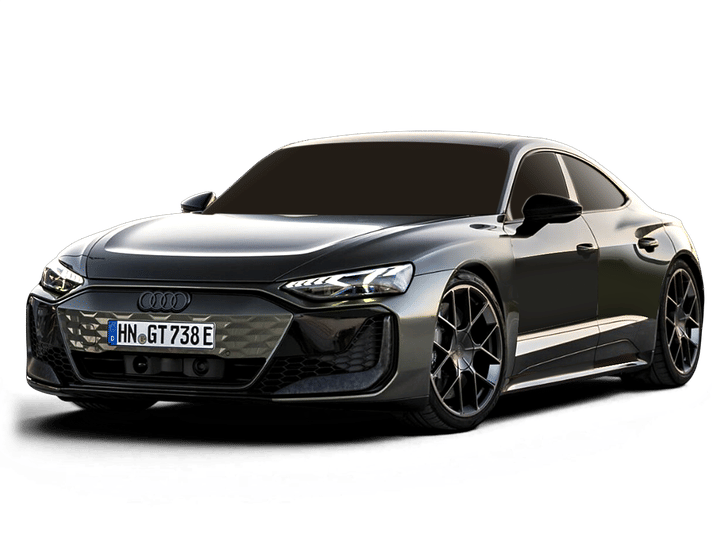
Audi
e-tron GT facelift
Volkswagen
Virtus facelift
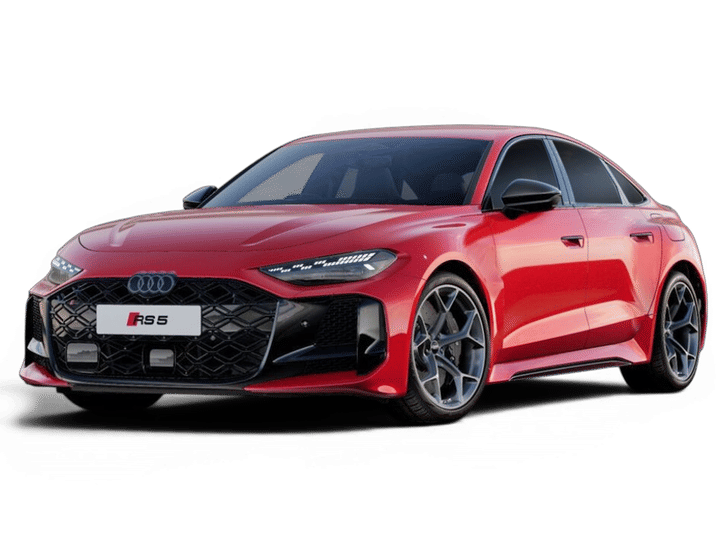
Audi
A5

Vinfast
VF5
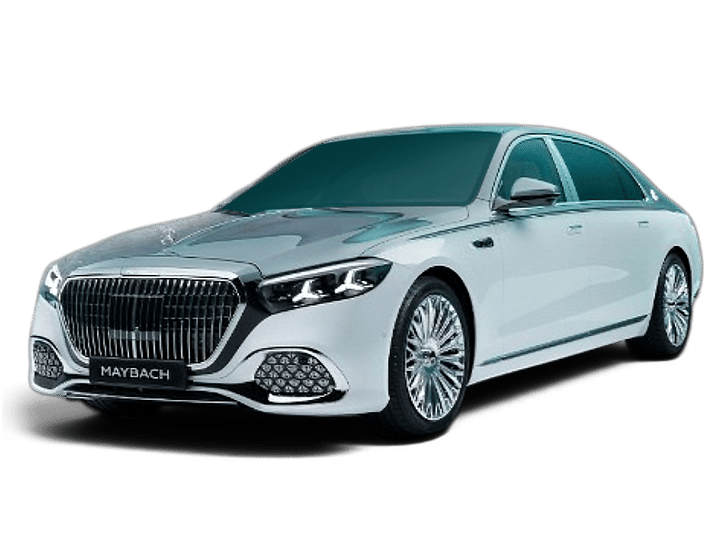
Mercedes-Benz Maybach
S-Class facelift
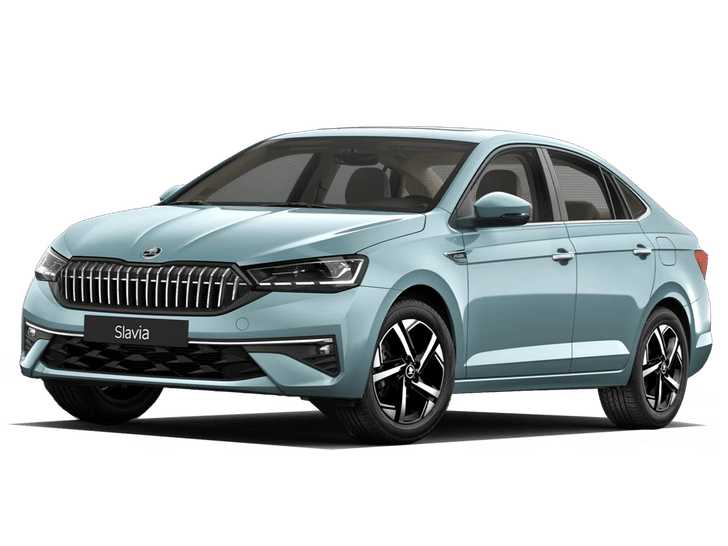
Skoda
Slavia facelift
Compare suggested cars


Curated collections

Posted on: 6 Jul 2026