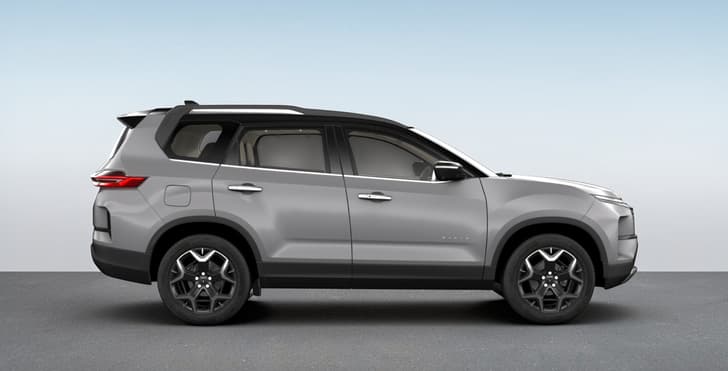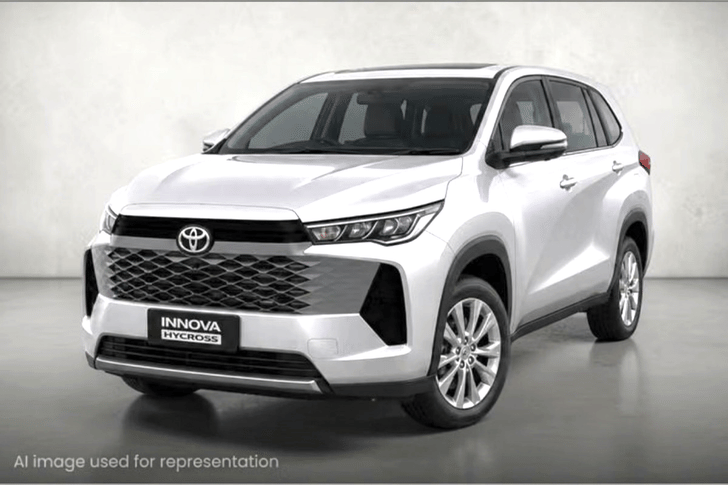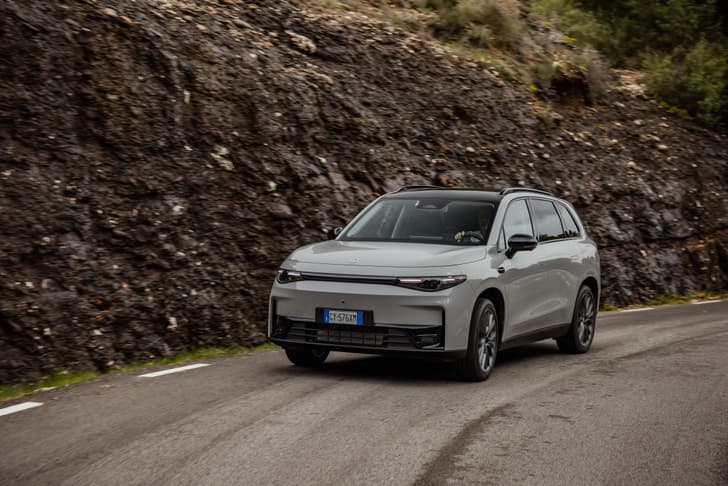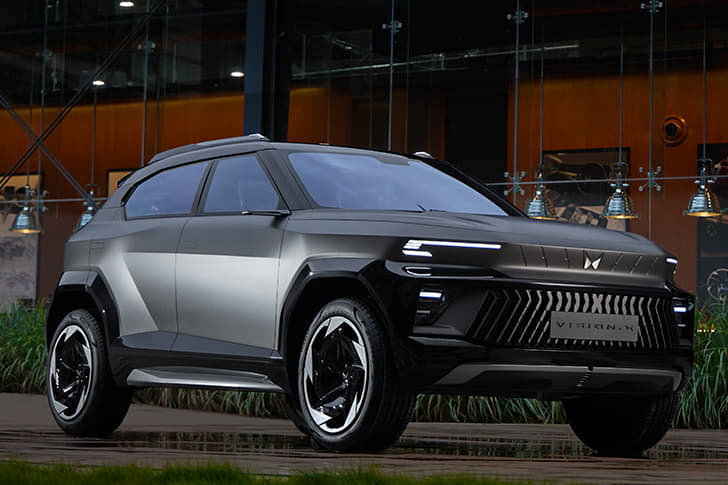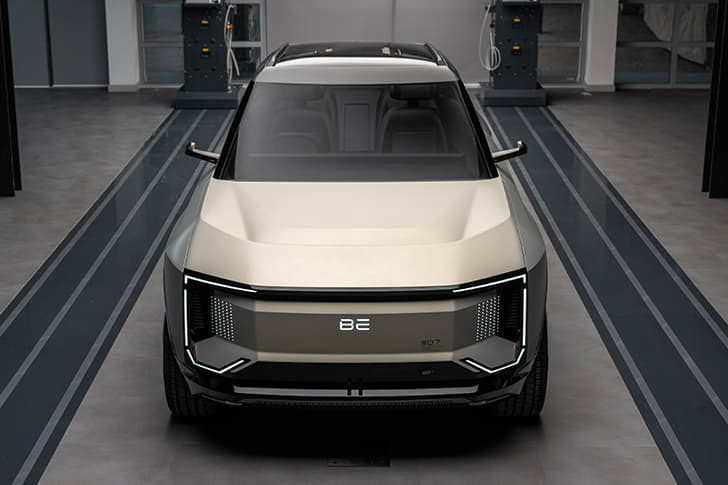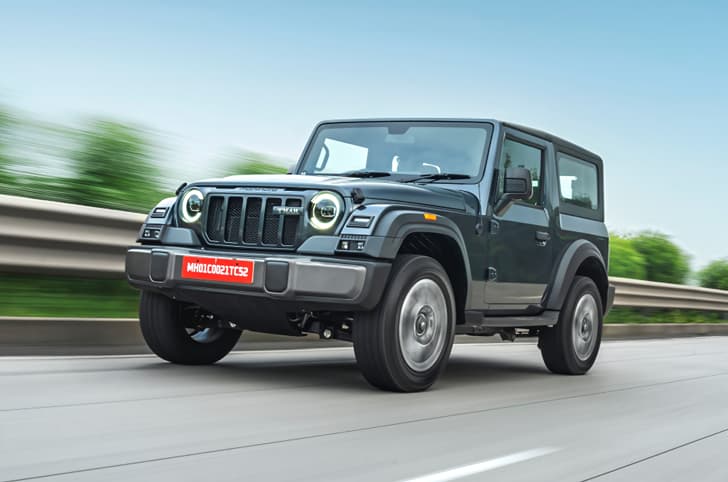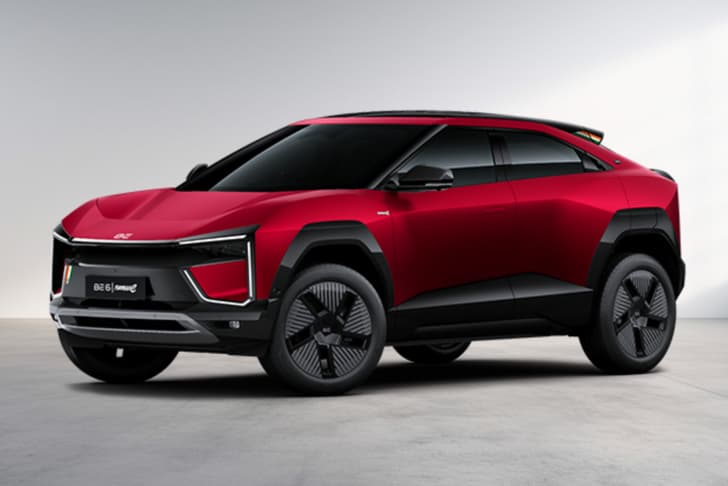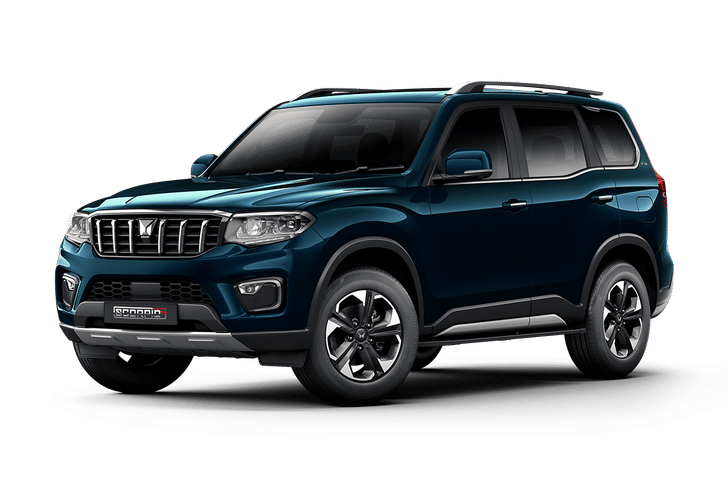
XEV 9S Wait Plugin Hybrid



Last Updated on: 31 Aug 2026
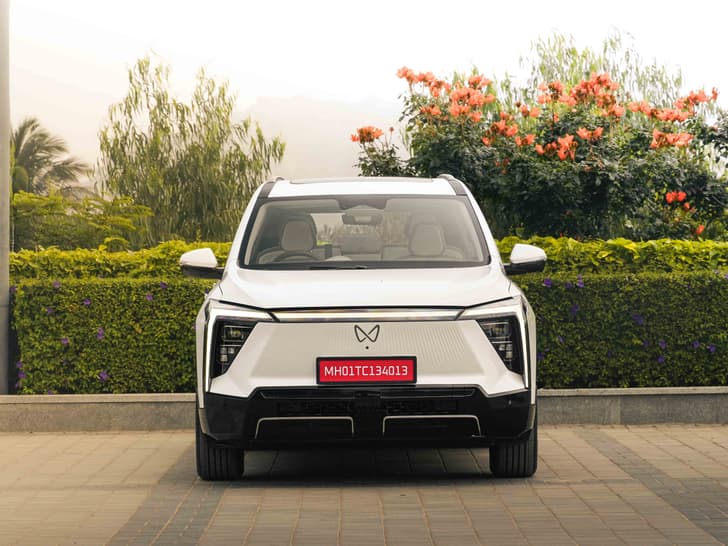
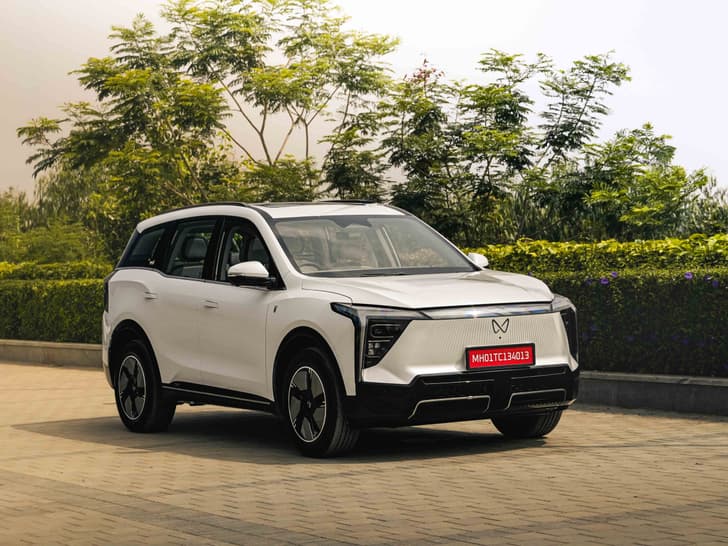
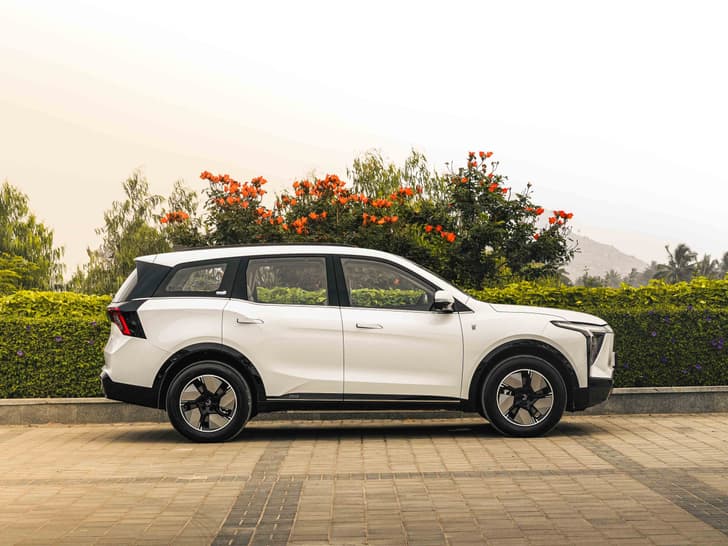
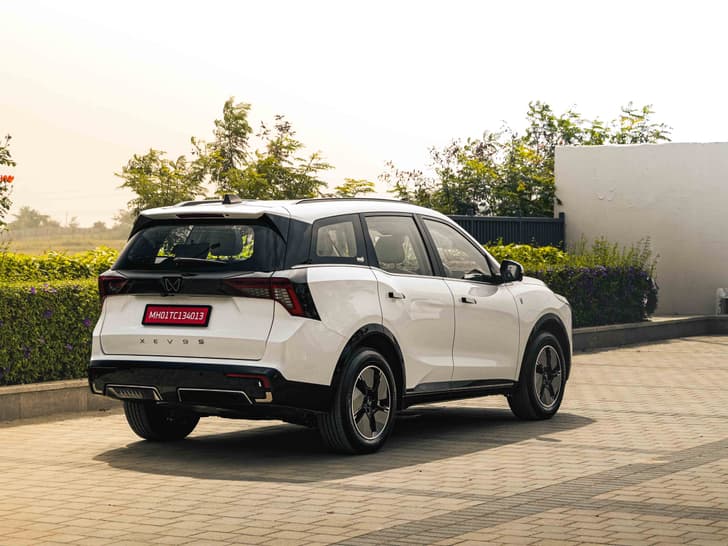
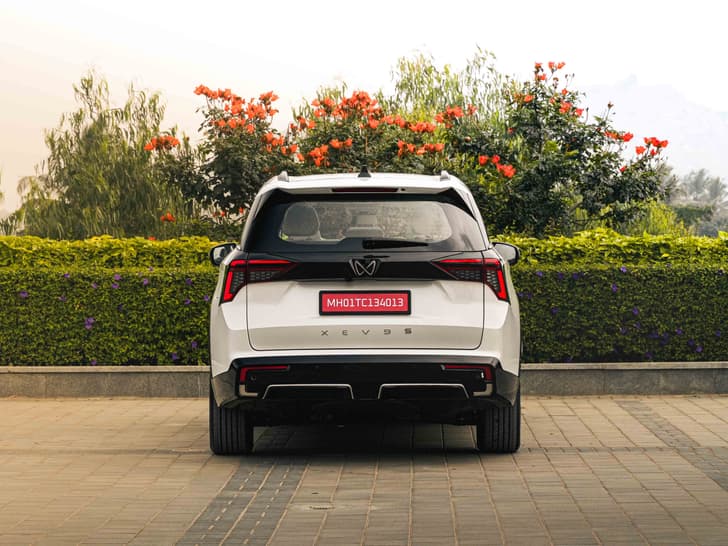
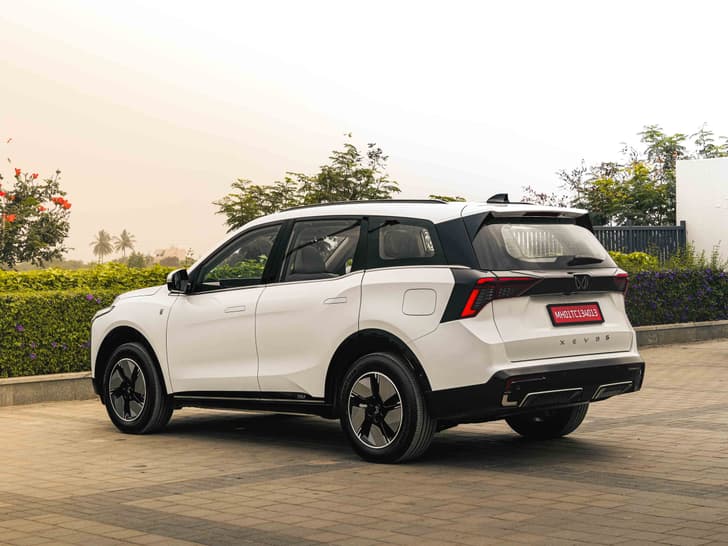
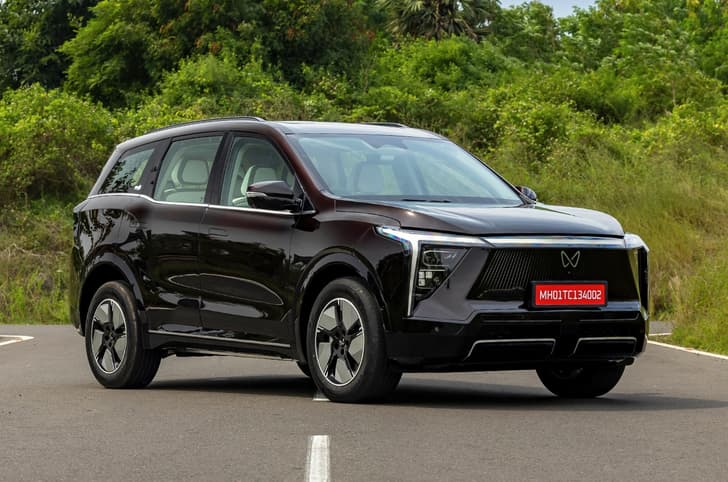
 Electronic Stability ControlPanoramic SunroofFront Passenger ScreenDigital KeyFabric Seat MaterialAdaptive Cruise ControlPowered Backseat Recline AdjustmentHarman/Kardon Branded Music SystemFront Only Ventilated SeatsBlind Spot MonitorRear Cross Traffic Collision AvoidanceAmbient LightingFront & Rear Ventilated SeatsCornering HeadlightsAdaptive Cruise ControlHeads Up DisplayAuto ParkingPuddle LampsAdaptive Cruise ControlCornering Headlights
Mahindra XEV 9S Official Brochure
Download the complete brochure with specs, features, and variants.
Join the Discussions
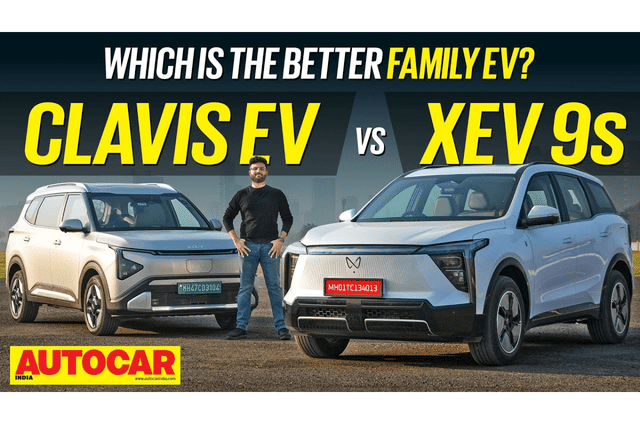


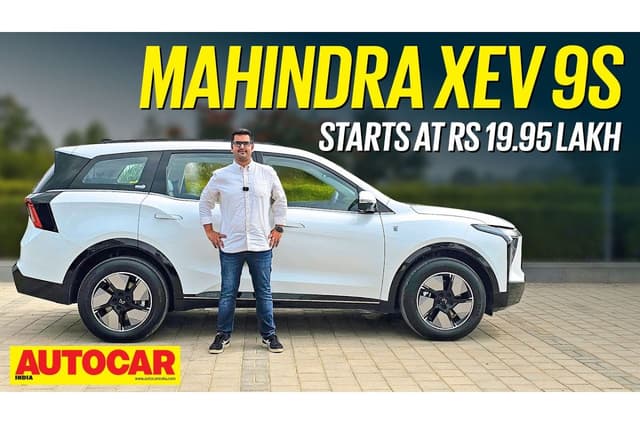
I want to upgrade from a Tata Nexon EV Max to a seven-seater SUV. Having used the EV for almost 4 years, I have experienced how economical it is and would like to go for another EV. One of the best options I am considering is the Mahindra XEV 9S. However, I am not sure whether it is really worth the price, as I don't feel comfortable spending over Rs. 30 lakh on a Mahindra. Are there any better options I should consider? Please advise.

 Mahindra XEV 9SKia Carens Clavis EV
I would really appreciate your expert guidance because I’m confused between three Mahindra options: * Mahindra XUV 7XO AX5 Diesel Automatic * Mahindra XUV 7XO AX5 Petrol Automatic * Mahindra XEV 9S My driving pattern is as follows: * Around 30–40 km daily, almost entirely within Chandigarh city. * Occasional highway trips, but the majority of my driving is in city traffic. My biggest priorities are: 1. Low running cost over the long term. 2. Reliability and hassle-free ownership. 3. Good drivability in city traffic. 4. A future-proof choice that I can comfortably keep for the next 7–10 years. My questions are: 1. Is a modern diesel automatic a good choice for someone driving only 30–40 km per day in the city? I’ve heard concerns about DPF regeneration and diesel suitability for predominantly urban driving. Is my daily running sufficient to avoid such issues? 2. If my usage remains 30–40 km daily in the city, would you recommend the XUV 7XO Diesel Automatic over the Petrol Automatic, or is the petrol variant a better long-term choice? 3. I have also been reading discussions that, in the future, diesel may gradually see higher blends of isobutanol or other biofuels, similar to how ethanol blending has increased in petrol. Is this something buyers should genuinely be concerned about over the next 7–10 years, or is it unlikely to affect the reliability and longevity of modern diesel engines? Would you consider diesel a safe long-term investment from this perspective? 4. I also really like the Mahindra XEV 9S because of its low running costs, smooth driving experience, and the convenience of home charging. However, my only concern is charging infrastructure on outstation trips. While most of my driving is within the city, I do take occasional long-distance drives and don’t want to feel restricted because of charging availability. 5. Considering my usage, which of these would you personally recommend: * XUV 7XO AX5 Petrol Automatic * XUV 7XO AX5 Diesel Automatic * Mahindra XEV 9S If you were buying a vehicle for yourself with the same driving pattern and intended to keep it for the next 7–10 years, which one would you choose and why? Looking forward to your expert advice. Thank you!
Hi Autocar, Log in You said: Hi Autocar, I am planning to buy a car and here are the details- Weekly commute within the city-650km Every quarter we go for a trip -2500-3000km(mostly south india) Every year we go for a north trip-6000-7000km(source location -Hyderabad). We are 2 of a family, I am thinking to buy an Ev (3 cars in my mind Harrier AWD/Sierra AWD/XEV 9S) please suggest me, if EV works for the above. Can i ask in this way? ChatGPT said: Yes. Your question is understandable, but you can make it clearer and include the information that matters most for getting useful advice. Here's a polished version: I'm planning to buy a new car and would like your recommendation on whether an EV suits my usage. Here are my driving patterns: City commute: ~650 km per week (Hyderabad) Quarterly road trips: 2,500–3,000 km across South India Annual road trip: 6,000–7,000 km to North India (starting from Hyderabad) Family size: 2 adults (occasionally carrying luggage for long trips) I'm considering these EVs: Tata Harrier EV AWD Tata Sierra EV AWD Mahindra XEV 9e AWD My questions are: Is an EV the right choice for this kind of usage, especially considering the frequent long-distance road trips? Which of these three vehicles would you recommend, and why? What are the pros and cons of each in terms of real-world range, charging network, highway comfort, reliability, service support, and long-term ownership? Are there any challenges I should expect during my South India and North India road trips? Would you recommend an EV over a diesel or petrol SUV for my driving pattern? Please explain with estimated running costs and travel-time differences. I'm looking for a practical recommendation based on real-world ownership experience rather than just brochure specifications.
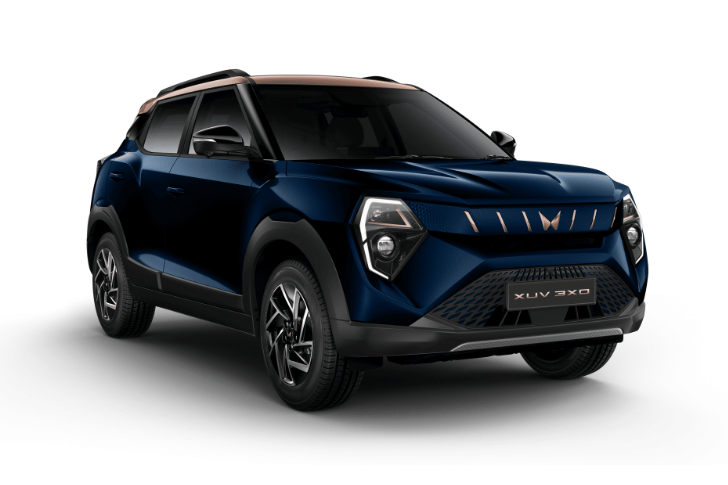
I have a 2021 Skoda Kushaq 1.0 TSI Petrol AT and a 2025 Mahindra XUV 3XO AX5 Petrol AT. We have decided to buy the Mahindra XEV 9S between December and February. The Kushaq has covered 31,100 km and is expected to reach around 33,000 km by then, while the XUV 3XO has covered 10,700 km and is expected to reach around 12,000 km by the time the XEV 9S arrives. Mahindra XUV 3XO is being sold for Rs. 14,30,000 and Skoda Kushaq 1.0 TSI Petrol AT is being sold for Rs. 14,60,000. Can you suggest which one I should sell after buying the Mahindra XEV 9S? Please advise based on practicality and financial considerations. I would be glad to hear your advice.
Mahindra XEV 9SSkoda KushaqMahindra XUV 3XOHi Autocar India team, I would really appreciate your expert guidance, as I'm confused between three Mahindra options: the XUV 7XO AX5 Diesel Automatic, the XUV 7XO AX5 Petrol Automatic, and the XEV 9S. My driving pattern consists mainly of 30-40 km per day, almost entirely within Chandigarh city. I do take occasional highway trips, but the majority of my driving is in city traffic. My biggest priorities are low running costs over the long term, reliability and hassle-free ownership, good drivability in city traffic, and choosing a vehicle that I can comfortably keep for the next 7-10 years. I have a few questions. First, is a modern diesel automatic a sensible choice for someone who drives only 30-40 km a day in the city? I've heard concerns about DPF regeneration and whether diesel vehicles are suitable for predominantly urban driving. Would my daily usage be enough to avoid such issues? Second, if my driving pattern remains the same, would you recommend the XUV 7XO Diesel Automatic over the Petrol Automatic, or would the petrol variant be the better long-term choice? I've also been reading discussions suggesting that diesel fuel could gradually see higher blends of isobutanol or other biofuels in the future, similar to how ethanol blending has increased in petrol. Is this something buyers should genuinely be concerned about over the next 7-10 years, or is it unlikely to affect the reliability and longevity of modern diesel engines? From this perspective, would you still consider a diesel vehicle a safe long-term investment? I also really like the Mahindra XEV 9S because of its low running costs, smooth driving experience, and the convenience of home charging. My only concern is the availability of charging infrastructure during outstation trips. Although most of my driving is within the city, I do take occasional long-distance journeys and wouldn't want to feel restricted by charging availability. Considering my usage and priorities, which of these three would you recommend: the XUV 7XO AX5 Petrol Automatic, the XUV 7XO AX5 Diesel Automatic, or the Mahindra XEV 9S? If you were buying a vehicle for yourself with the same driving pattern and planned to keep it for the next 7-10 years, which one would you choose, and why? Looking forward to your expert advice. Thank you!
Mahindra XEV 9SMahindra XUV 7XO