

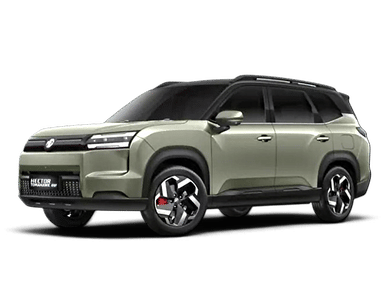
I am confused between choosing MG Tomahawk Excite/Exclusive variants and Mahindra XEV 9S 79 kWh variant. Does the price premium really justify the upgrade? There is a price difference of approximately Rs. 3.66 lakh between MG Excite and XEV 9S, and around Rs. 1.5-2 lakh between the MG Exclusive and XEV 9S. Technically, the XEV 9S appears to have an advantage with its additional 10 kWh battery capacity, more powerful motor, higher torque and significantly better DC fast-charging capability. However, the MG offers better value in terms of pricing and, in the exclusive variant features such as ventilated seats. Does the XEV 9S's additional battery capacity, motor performance and faster charging justify paying an additional Rs. 1.5-3.66 lakh? I would like to get a few things evaluated. How noticeable is the difference in power and torque during regular city driving and highway cruising? Does the additional motor power translate into a meaningful everyday advantage? Although the XEV 9S supports much faster DC charging, how often can owners realistically access 180 kW chargers on Indian highways? Considering charger availability, infrastructure limitations and actual charging speeds, does this advantage make a significant difference to overall travel time? Does the additional 10 kWh battery translate into a substantial improvement in usable highway range, especially at 100-120 km/h? Is it worth sacrificing comfort features such as ventilated seats in the MG Exclusive to get the XEV 9S's additional battery capacity, performance and charging technology? If warranty coverage and routine service costs are broadly comparable, which vehicle offers better overall value over 5-8 years? I would appreciate a genuine, practical comparison rather than just comparing specification sheets. Ultimately, if you were spending your own money, would you choose MG Tomahawk Exclusive and save Rs. 1.5-2 lakh, or stretch the budget for Mahindra XEV 9S 79 kWh? More importantly, what tangible benefits would justify that additional investment in real-world Indian driving conditions?

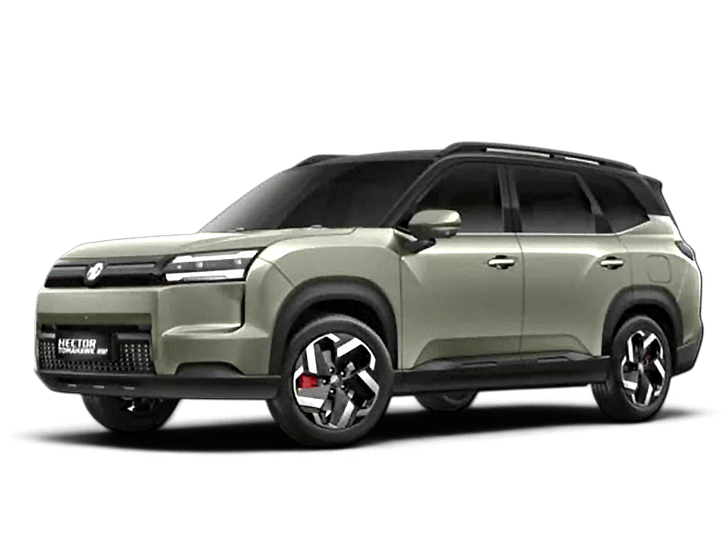
We would recommend the Mahindra XEV 9S 79kWh over the MG Hector Tomahawk EV Exclusive, provided you are comfortable paying the additional Rs 1.5-2 lakh. The Mahindra offers a meaningful advantage in highway range, performance and charging speeds. In Autocar India's real-world range test, it returned 477km on the highway against 397km for the MG. Interestingly, the MG delivered better city range, at 495km against the Mahindra's 478km.
The XEV 9S also gets a more powerful 286hp, 380Nm rear-wheel-drive motor, compared to the MG's 204hp, 310Nm front-wheel-drive setup. This translates into stronger acceleration, better high-speed performance and a more engaging driving experience. Its 180kW DC charging capability is another advantage over the MG's 90kW, although access to compatible high-powered chargers will determine how much time you actually save.
The MG, however, makes a strong case with its lower price, spacious cabin and comfort features such as ventilated front seats in the Exclusive variant. If most of your driving is within the city, it offers better value and there is little reason to spend extra on the Mahindra.
Our pick would be the Mahindra XEV 9S 79kWh if you regularly undertake highway journeys and want the additional range and performance. If your usage is predominantly urban, save the Rs 1.5–2 lakh and go for the MG Hector Tomahawk EV Exclusive.
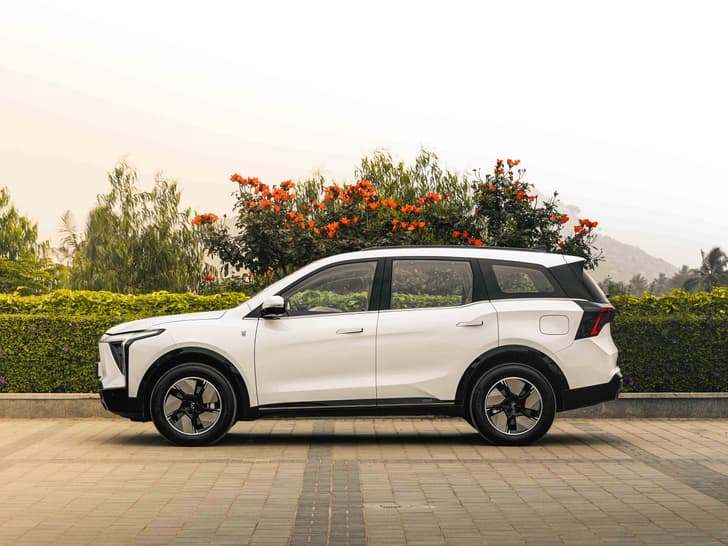
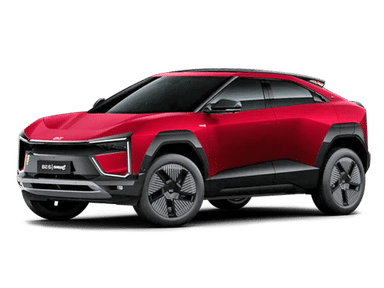
Mahindra XEV 9S
Explore cars mentioned
More posts on similar cars

Has E20 fuel affected your mileage?

Expert reviews worth reading
Is ADAS worth paying extra for in a car?
Popular discussions right now

Upcoming launch buzz
Community discussions on upcoming launches


Curated collections

Add a photo of your XEV 9S
First sightings, real road conditions, delivery buzz

Posted on: 6 Nov 2026
