Last Updated on: 26 Mar 2026
Mahindra XEV 9S Expert Review
Mahindra XEV 9S pros and cons
We like
Strong performance
Feature packed
Value for money
We don't like
Ergonomic flaws
Infotainment not intuitive to use
Mahindra XEV 9S expert review
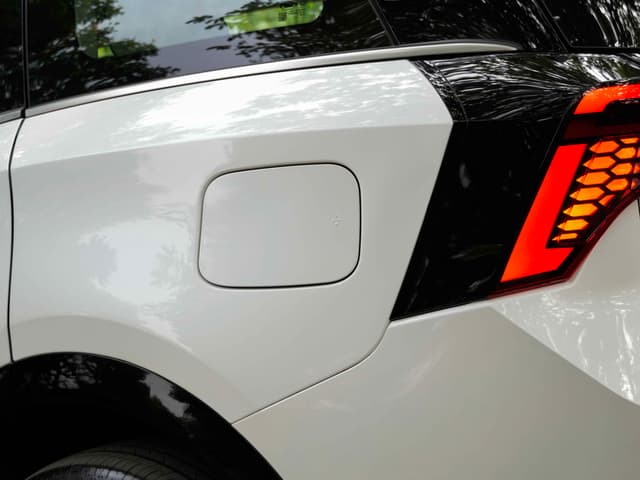
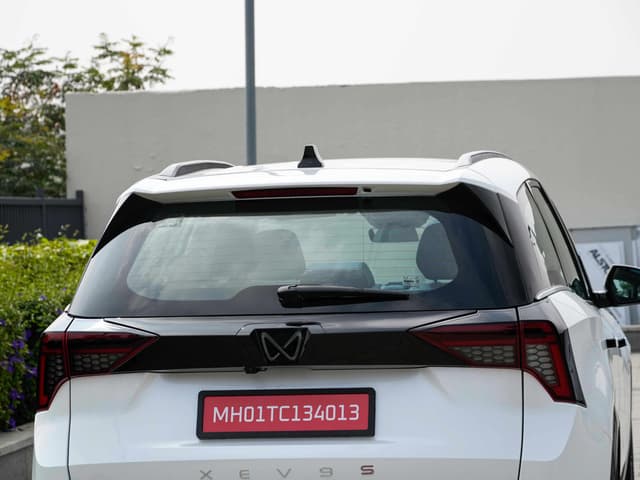
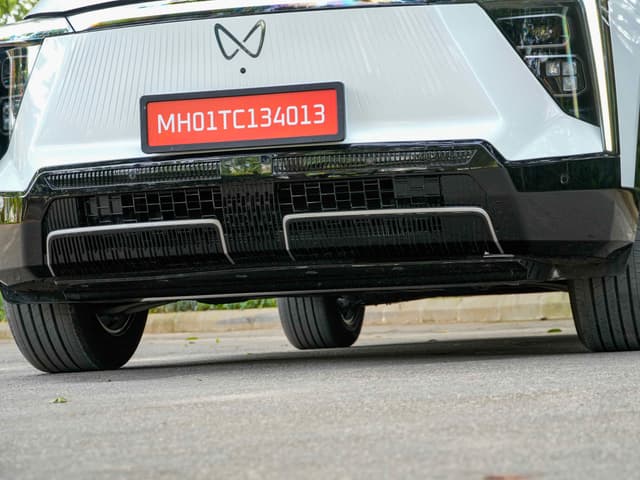
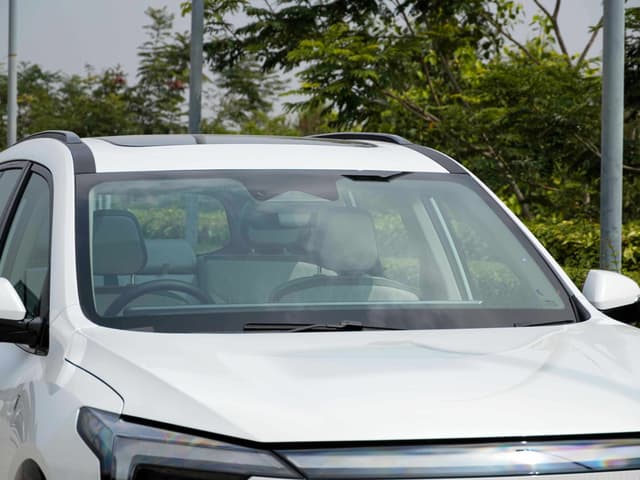
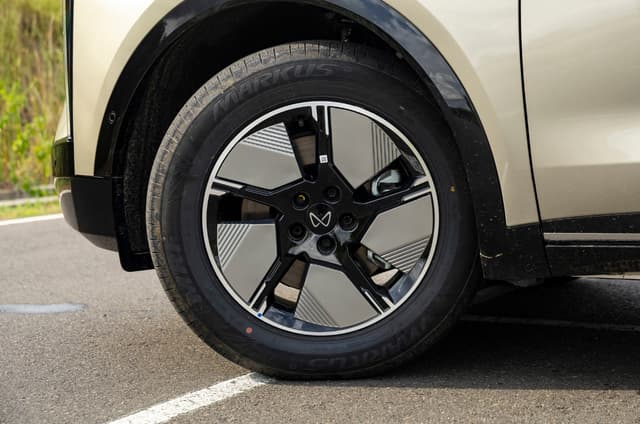
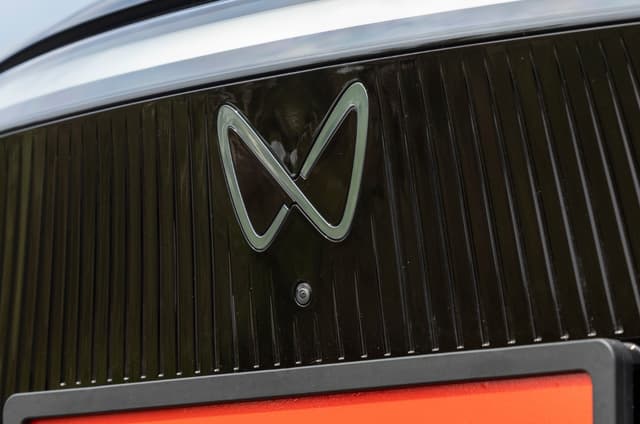
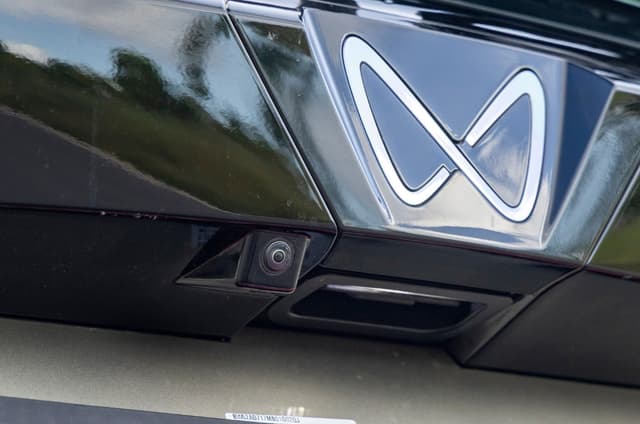
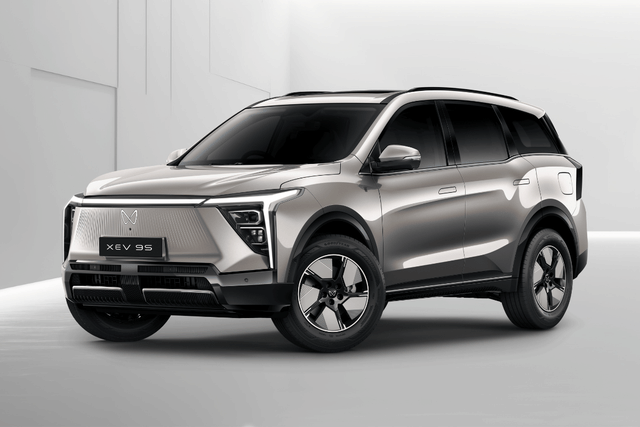
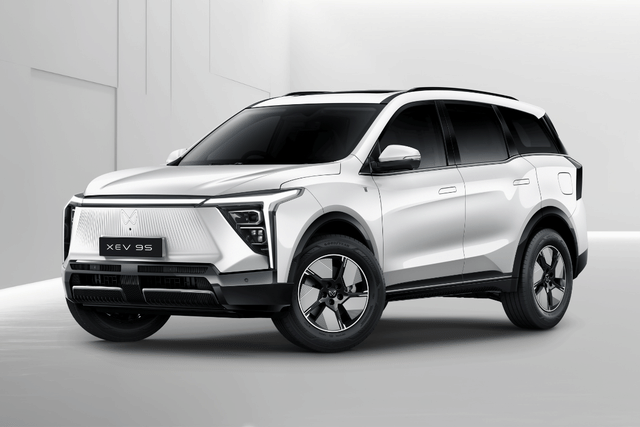
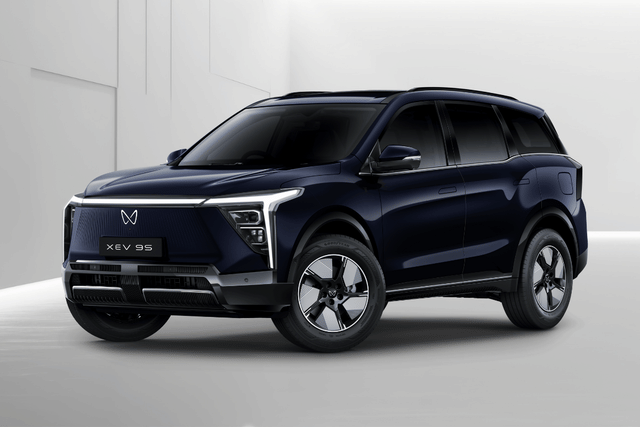
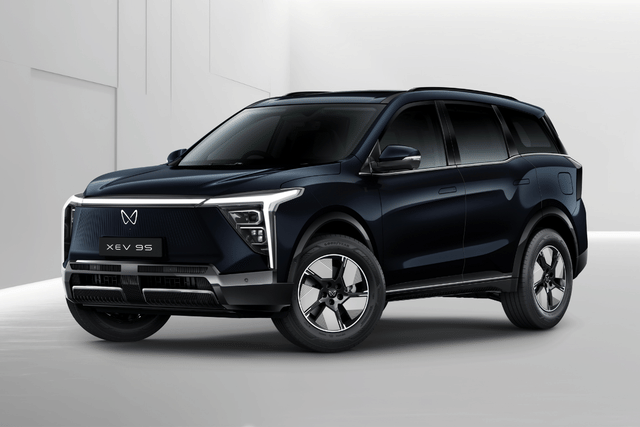
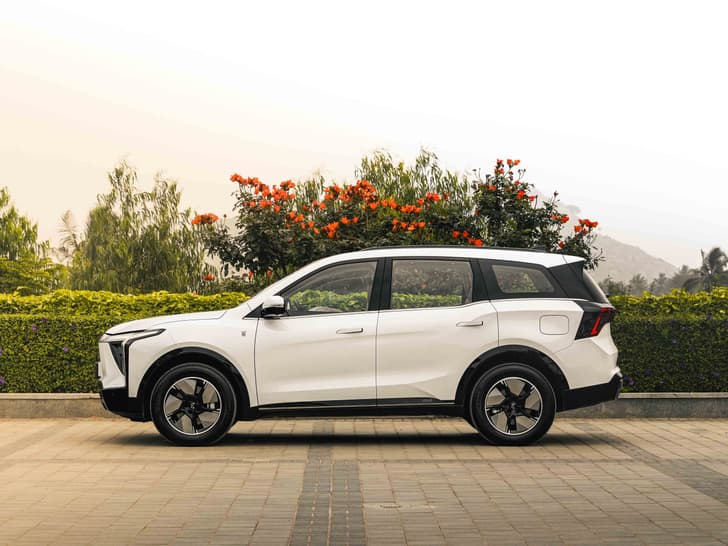
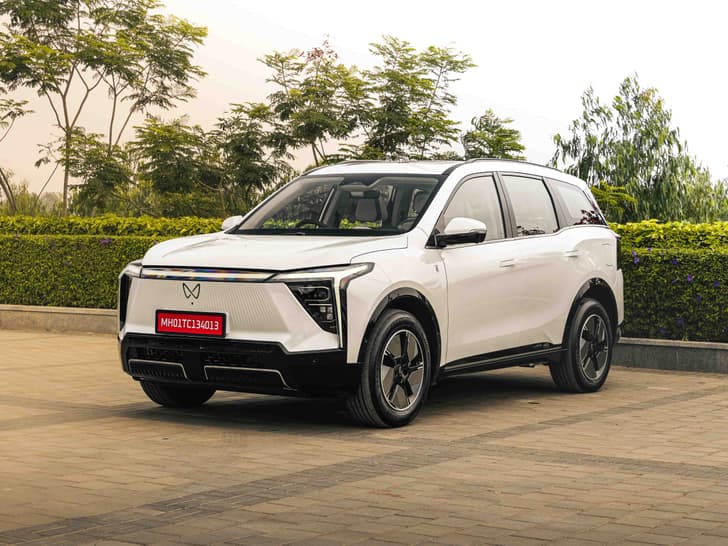
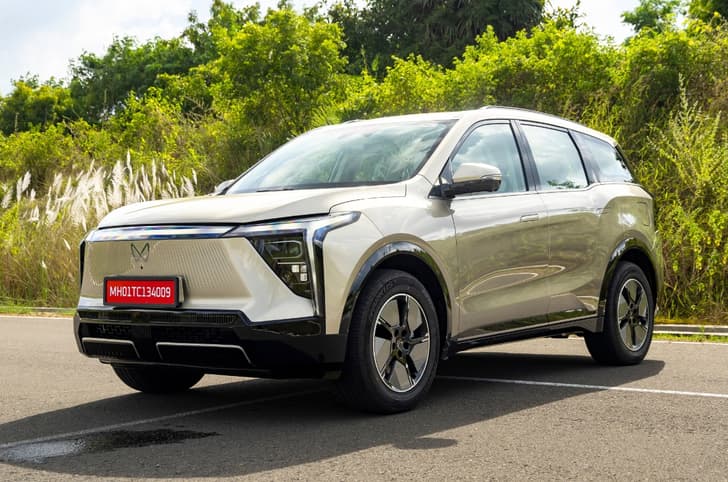
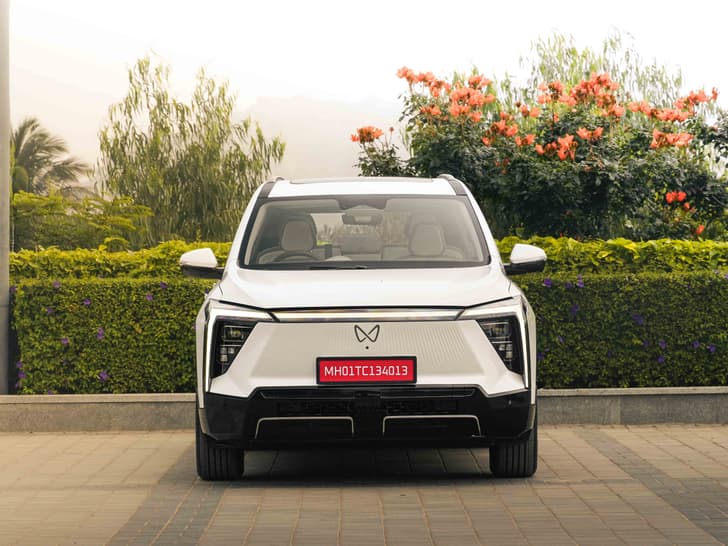
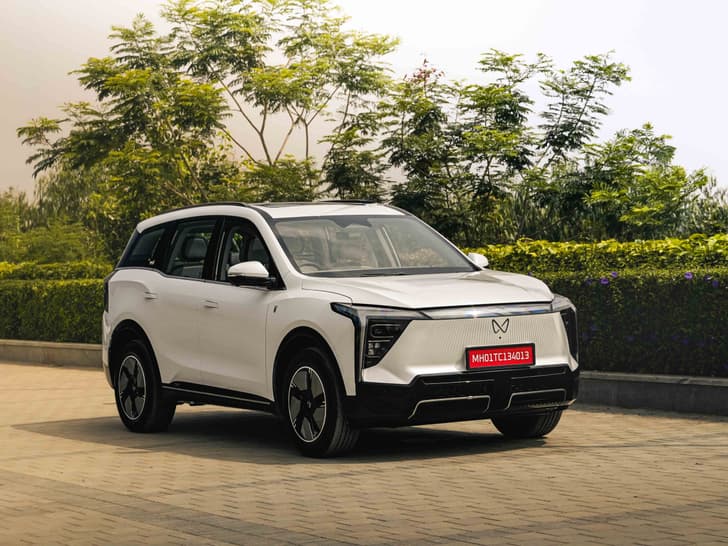
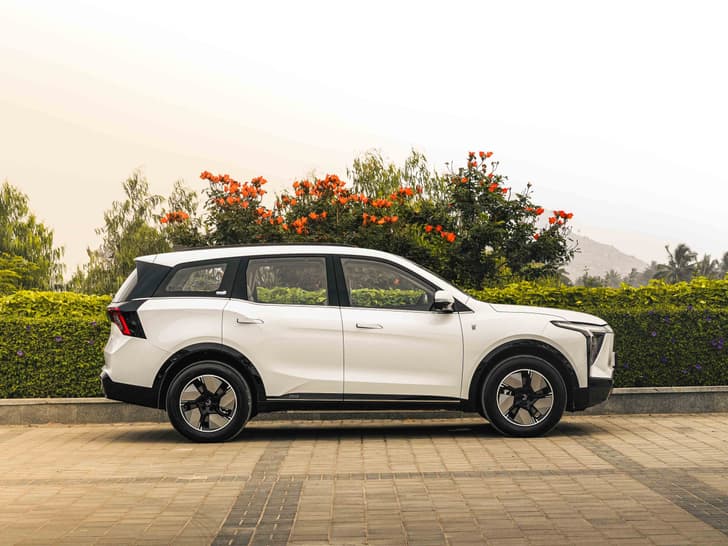
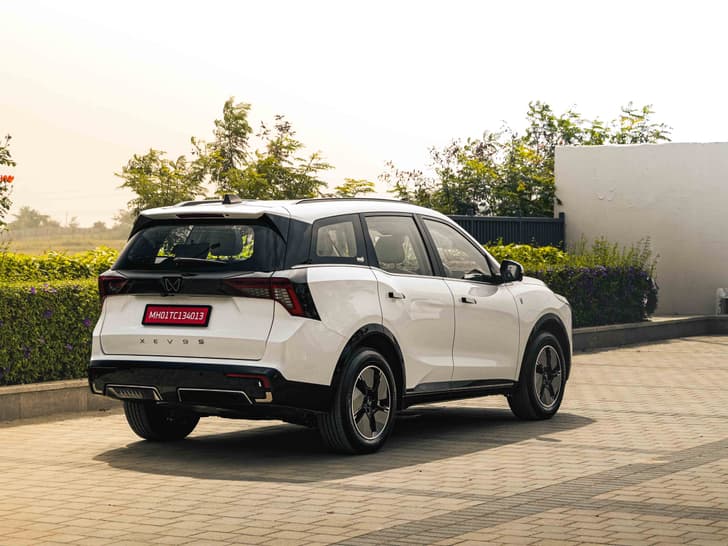
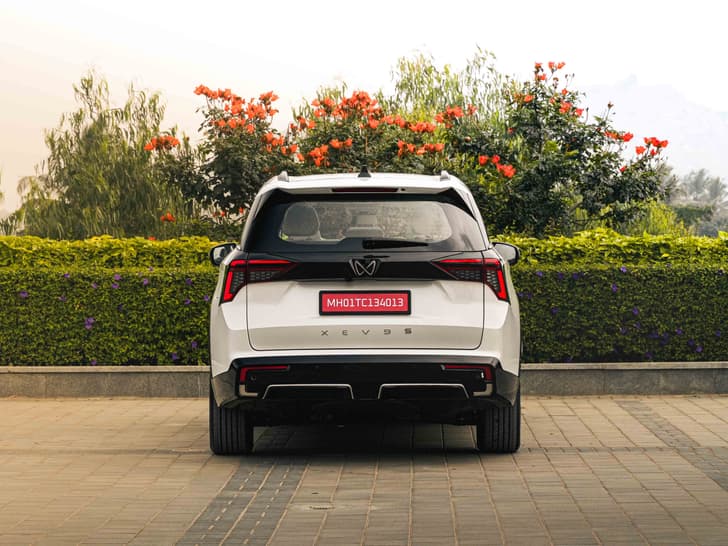
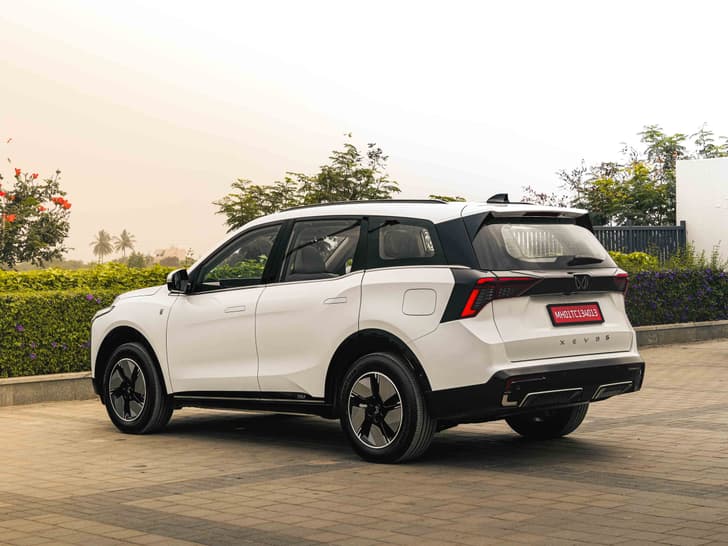
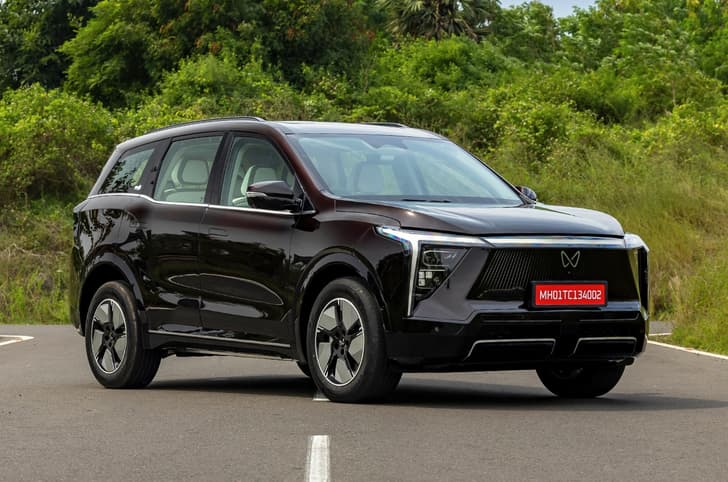
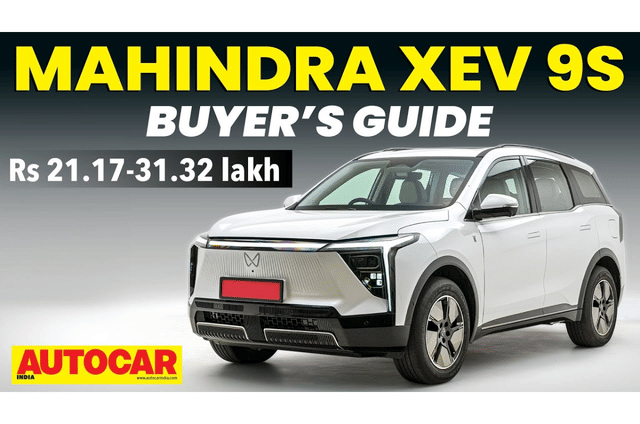
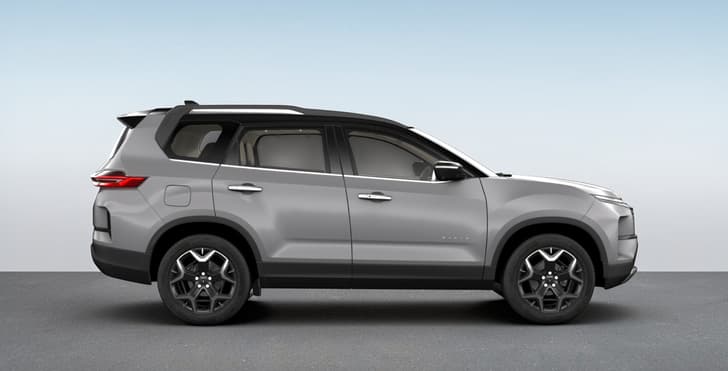
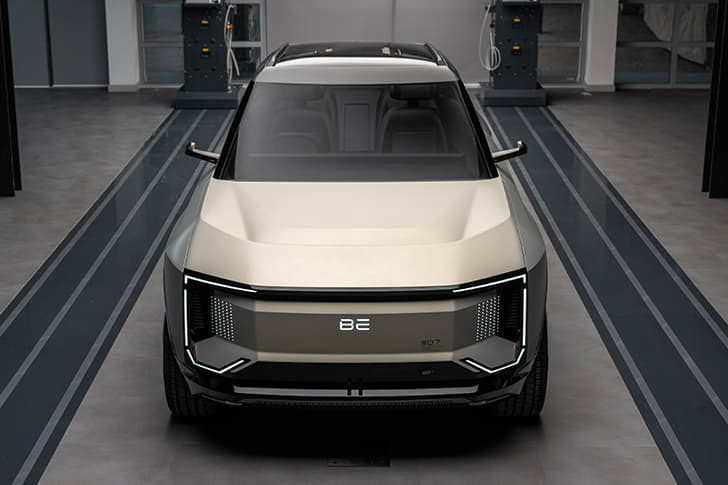
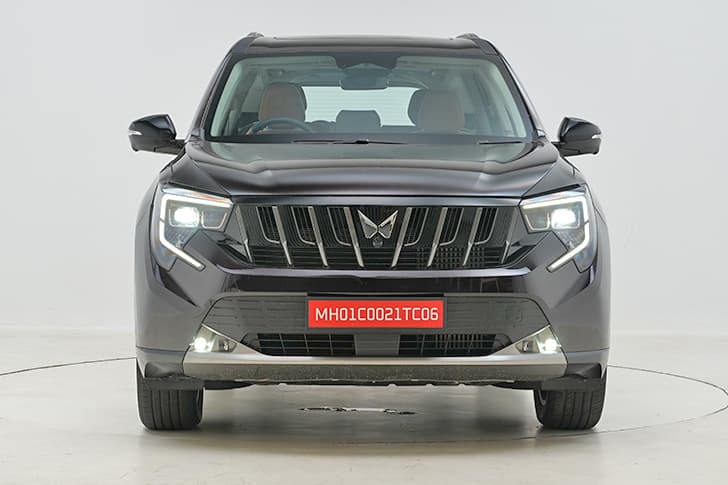
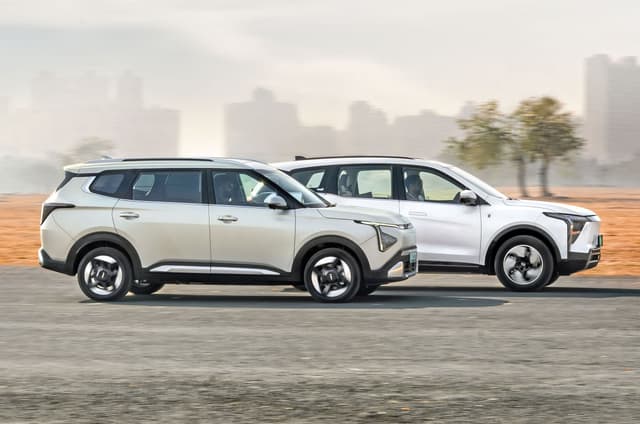
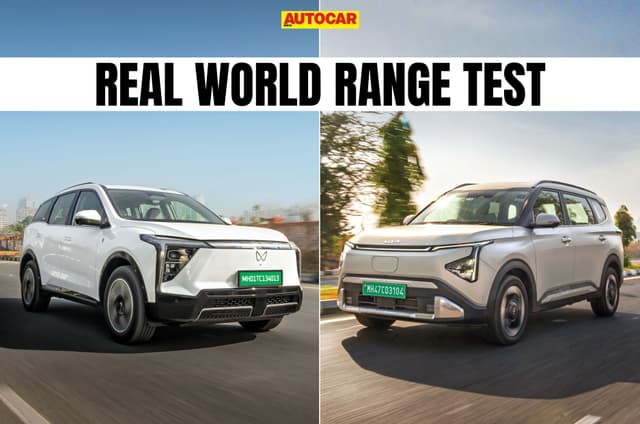
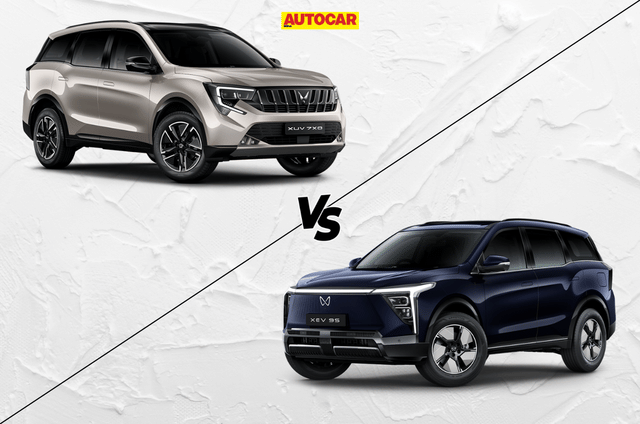
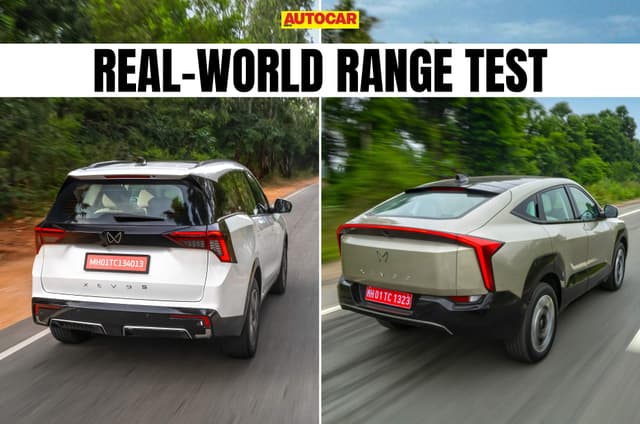
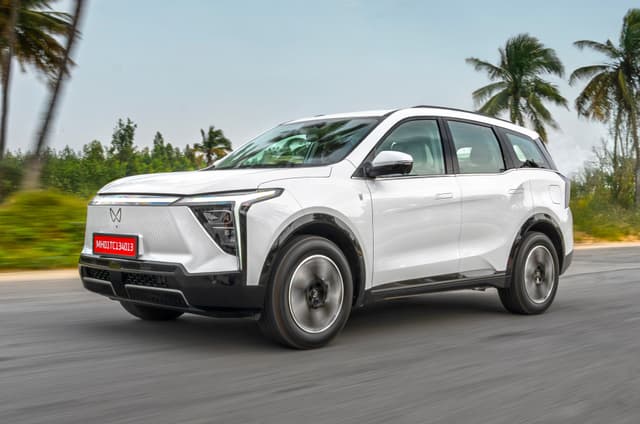
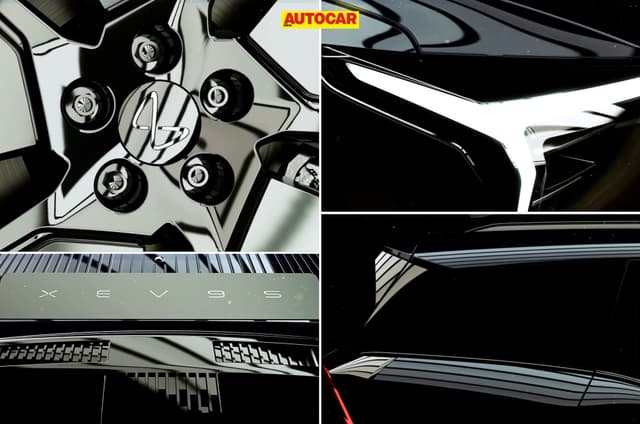
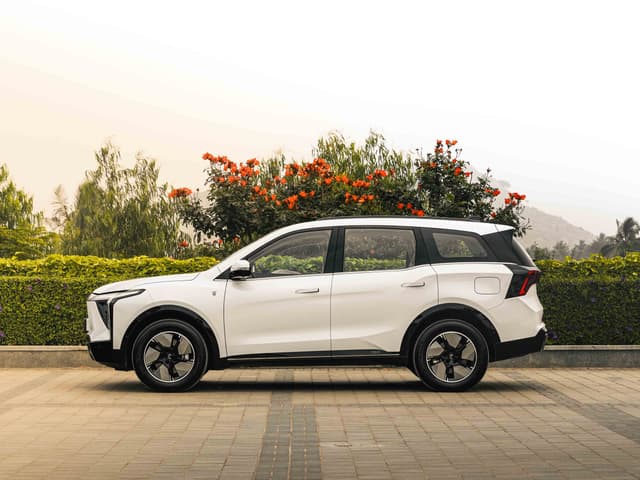
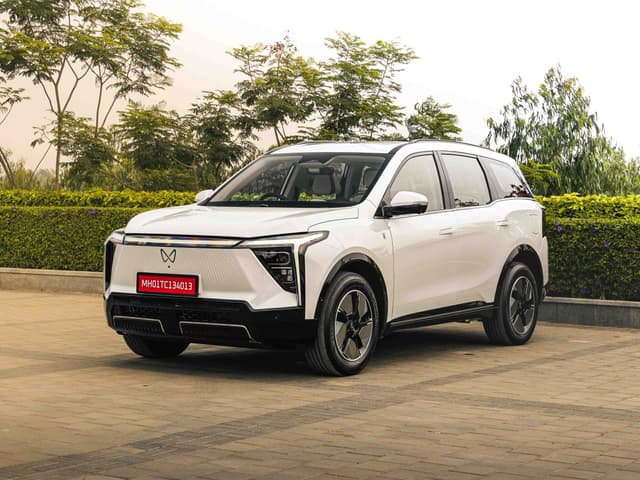
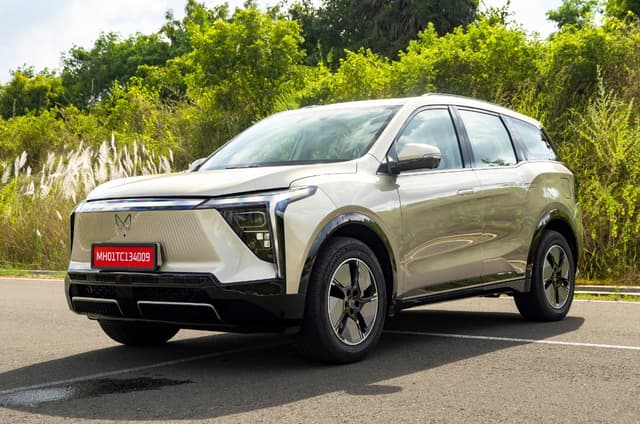
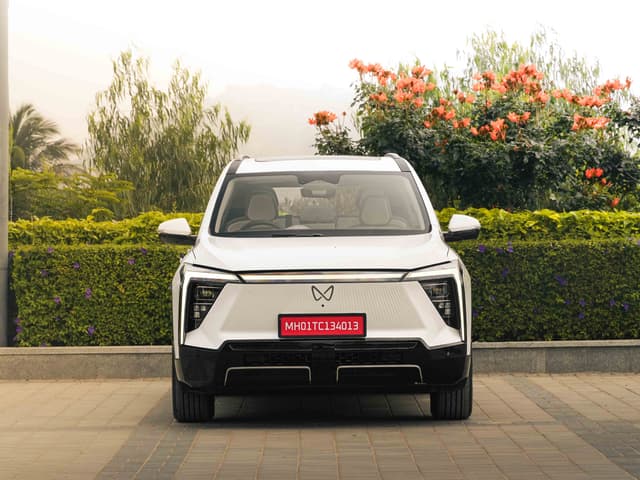
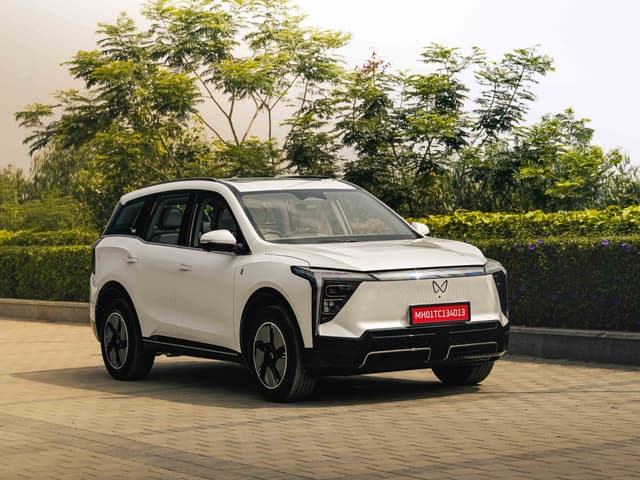
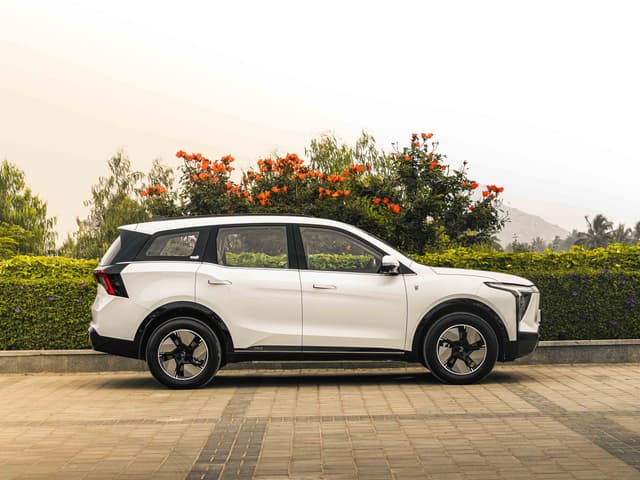
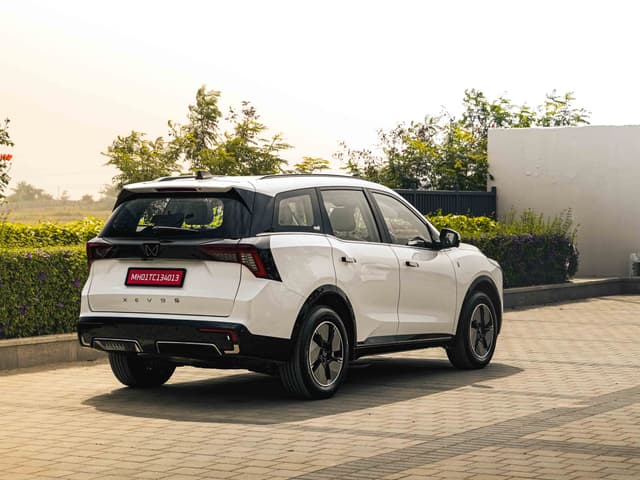
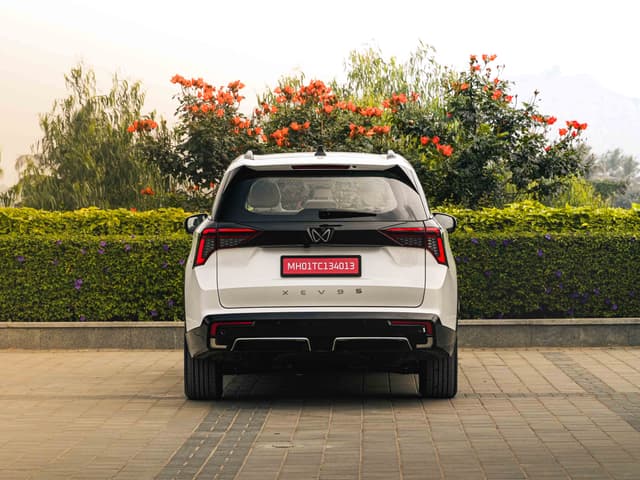
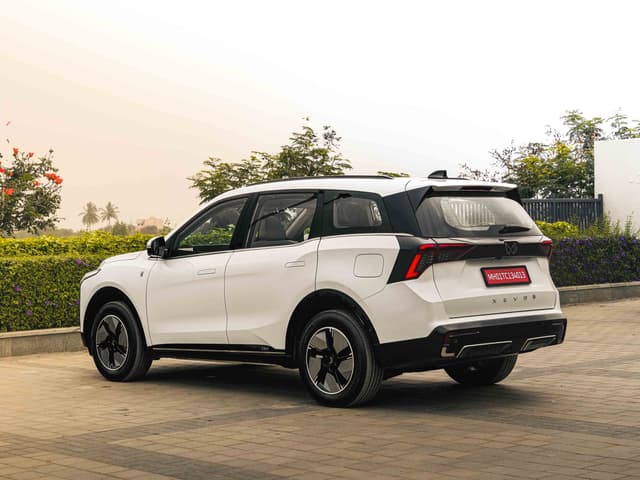
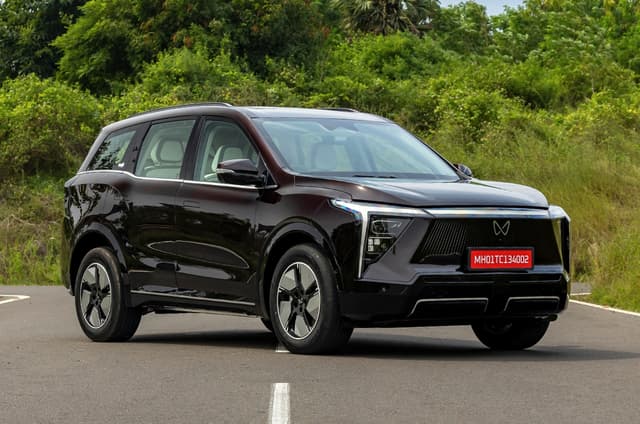
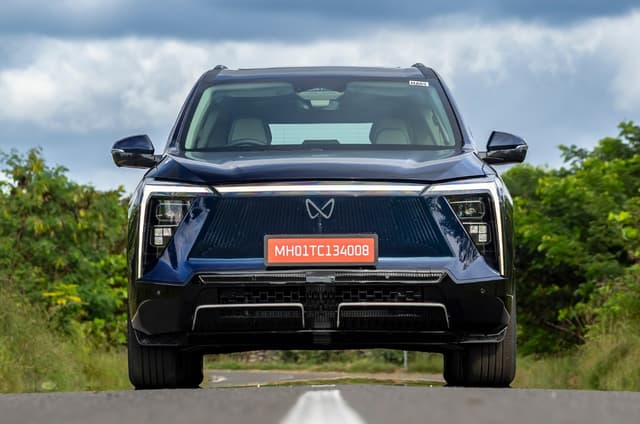
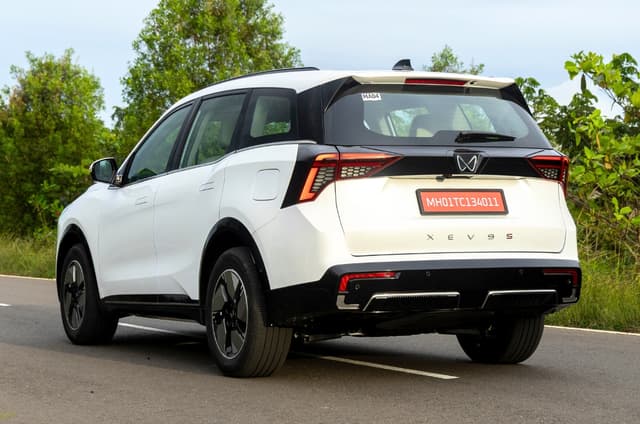
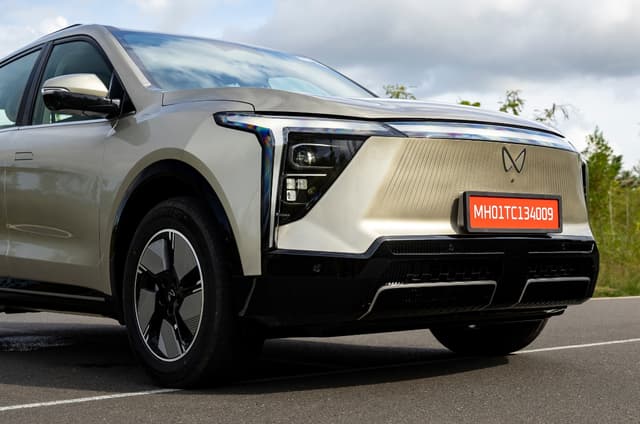
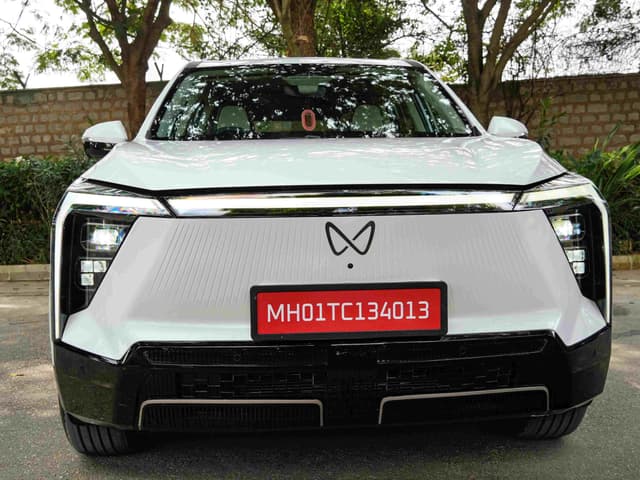
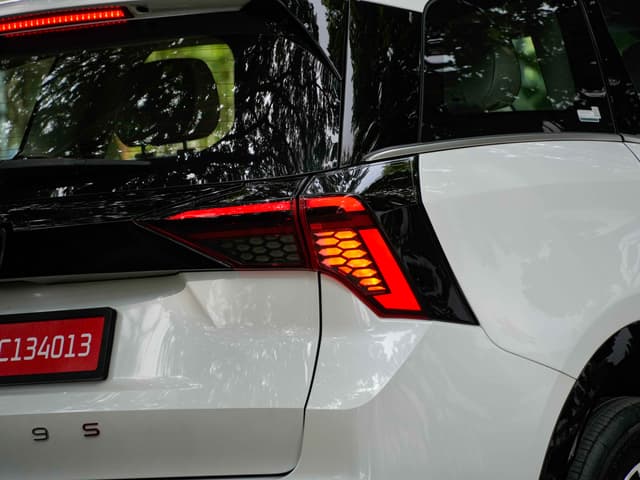
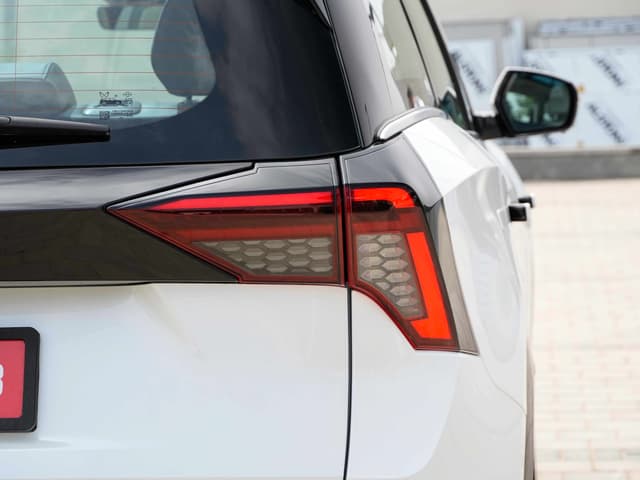
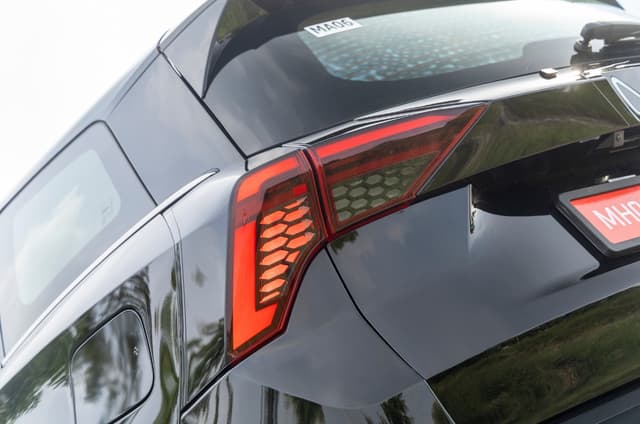
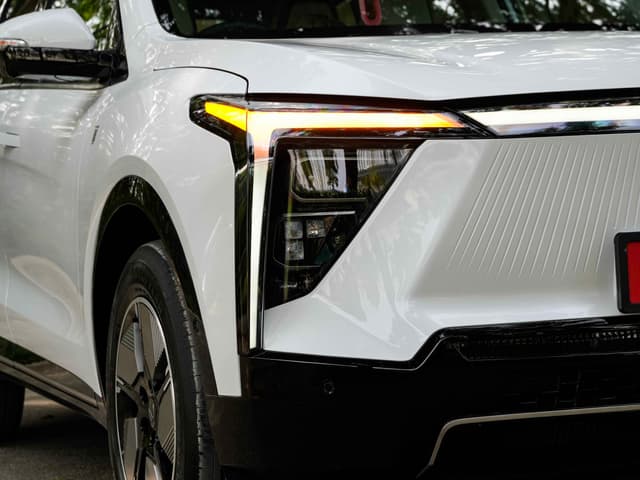
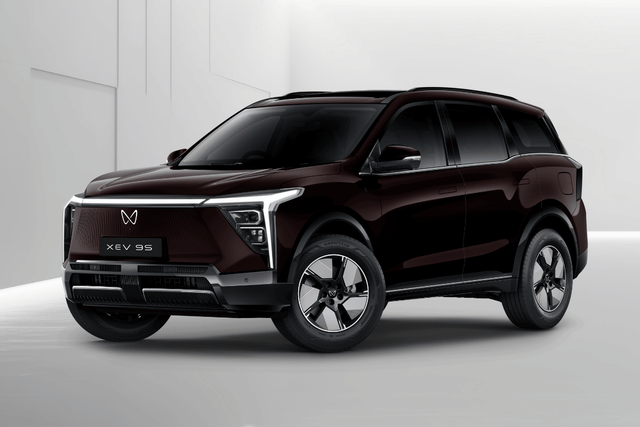
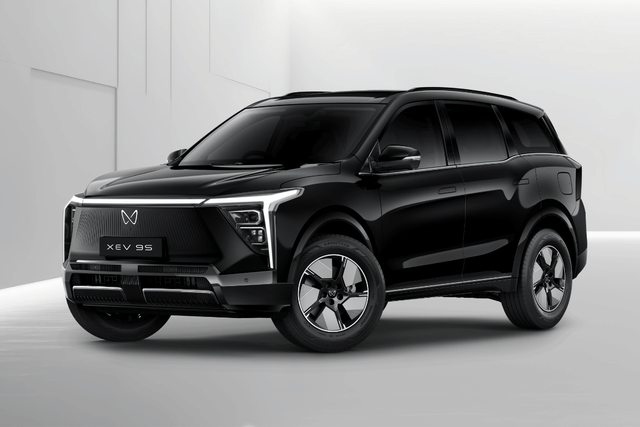
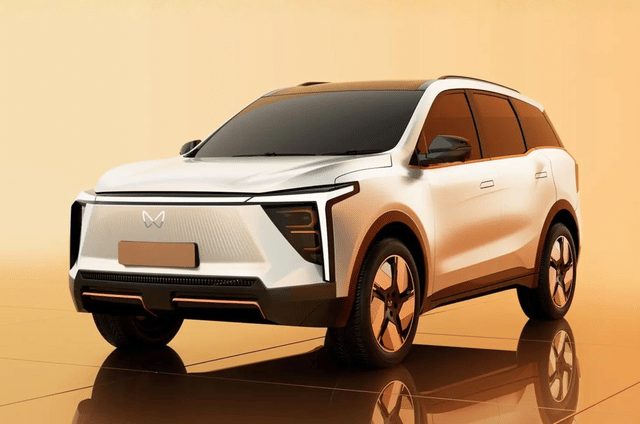
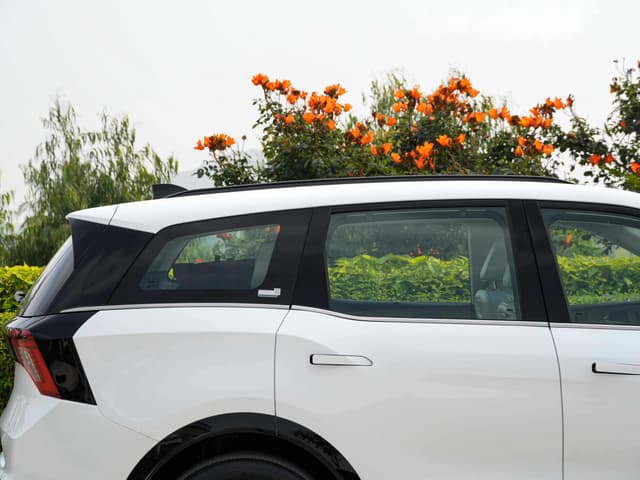
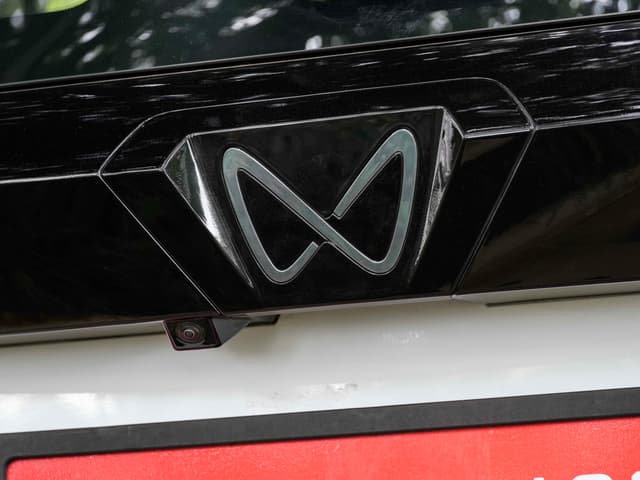
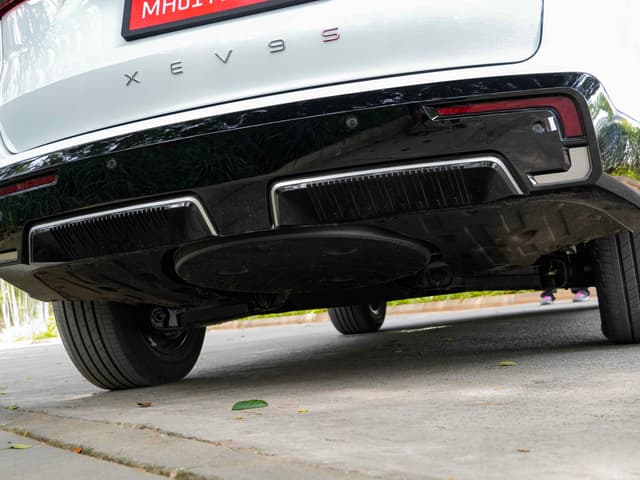
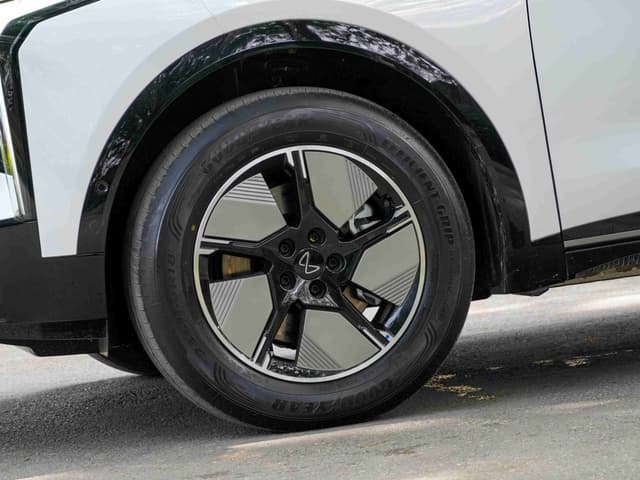
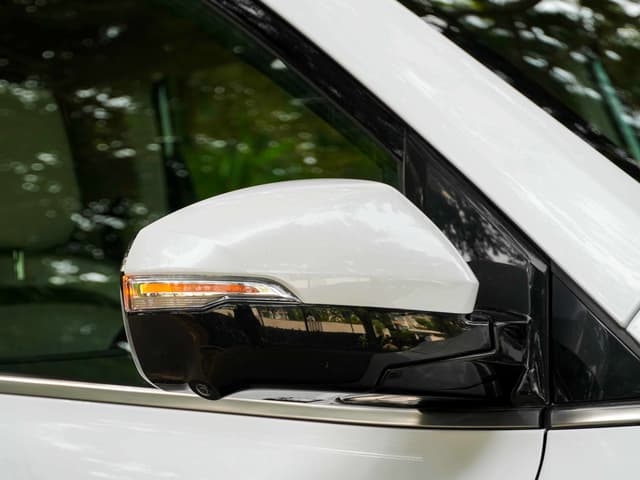
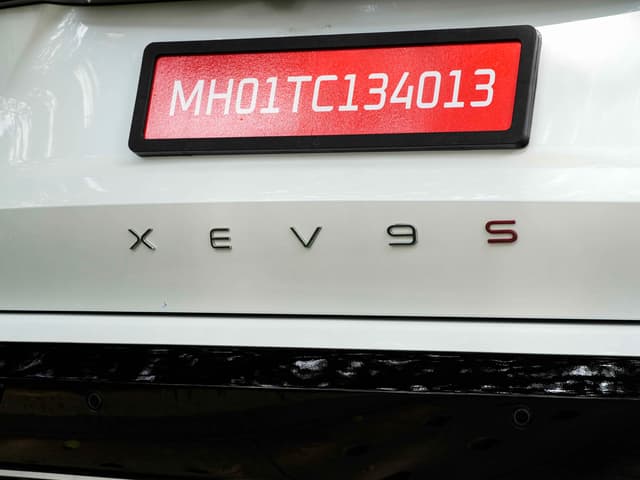
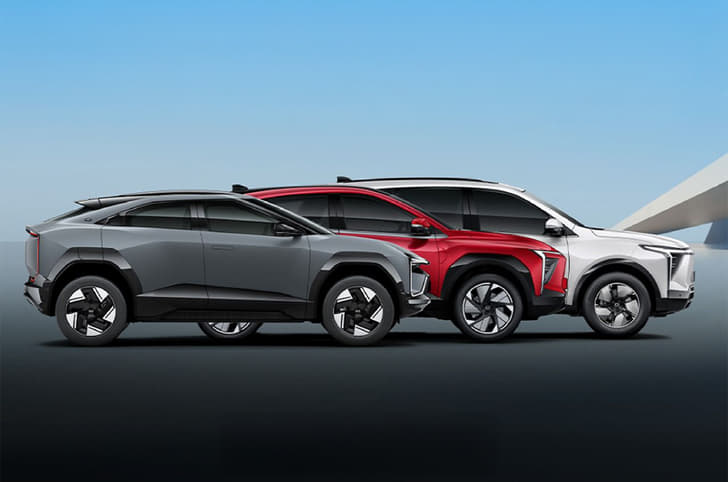
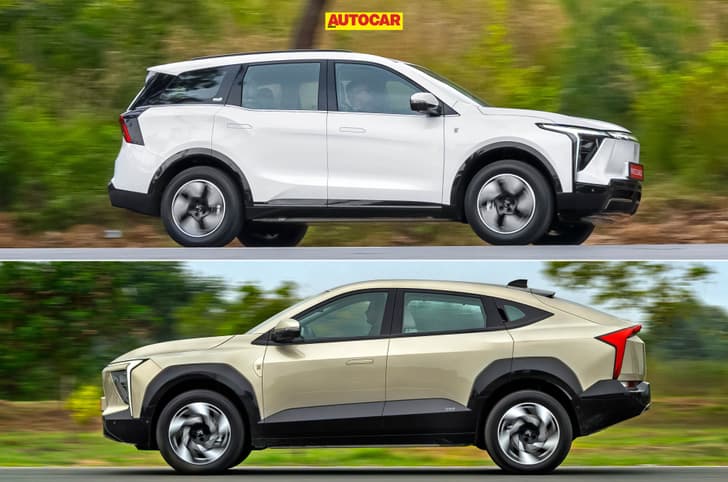
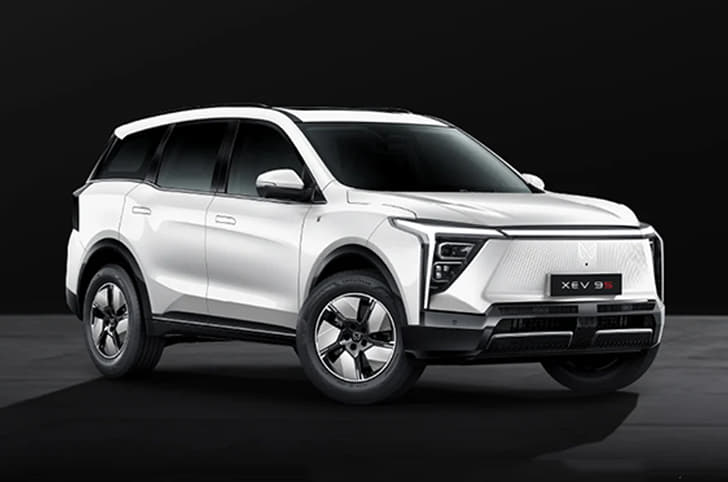
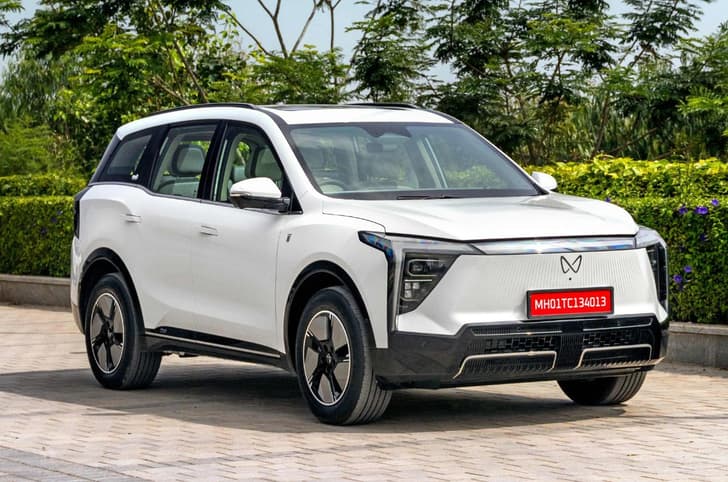
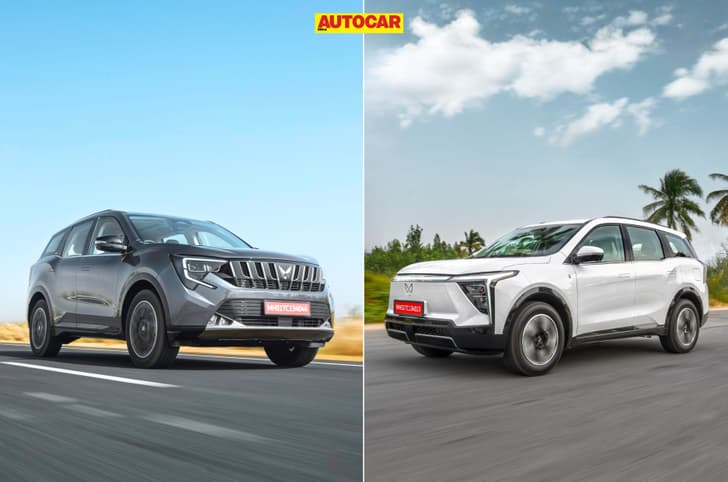
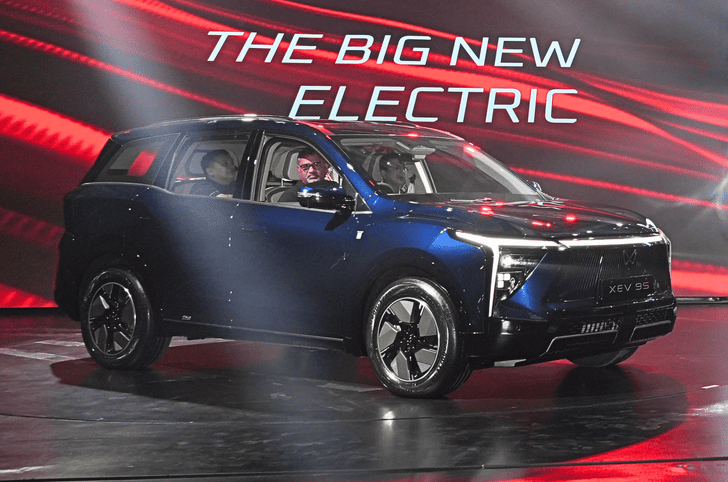
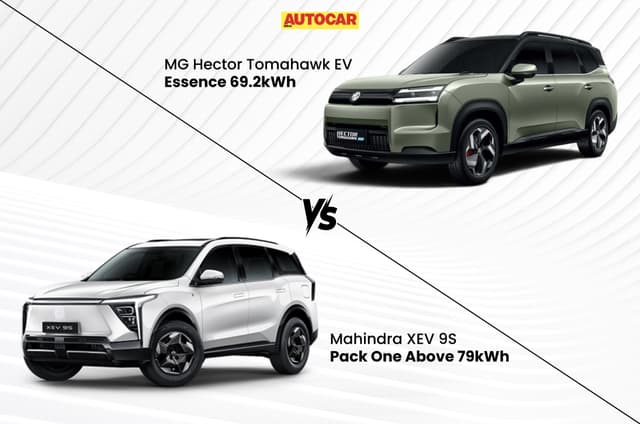
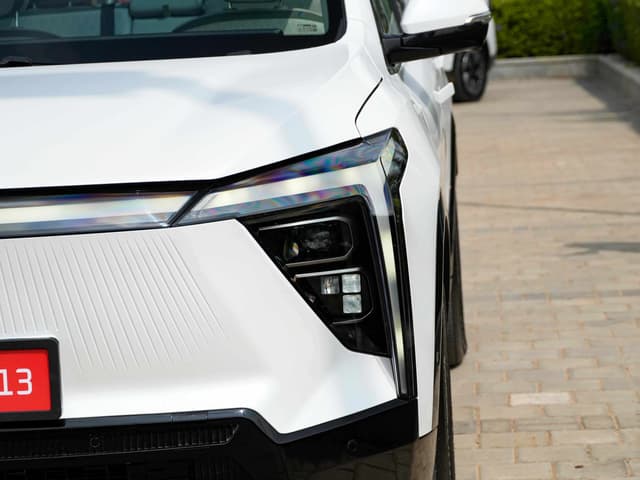
The XEV 9S is based on Mahindra’s INGLO platform using an LFP battery mounted in the floor, powering a motor on the rear axle. Fitting the XUV700’s bodywork onto this platform required some re-engineering, resulting in a slightly shorter wheelbase than the XEV 9e and BE 6 – 2762mm versus 2775mm. In terms of styling, the LED lighting signature is similar to the 9e, running along the width and then continuing downward, but the lighting element is thicker. LED headlamps flank a blanked-off grille while the lower half of the bumper is finished in gloss black. The glasshouse and shoulder line are identical to the XUV700, with a pronounced shoulder line and now-trademark kick-up at the C-pillar. It rides on 18-inch aero-optimised wheels. At the, a black trim panel connects new LED tail-lamps with neat hexagonal detailing. Mahindra has resisted the temptation to give it a connected light bar, choosing instead to place classy XEV 9S lettering below the number plate.
8.0
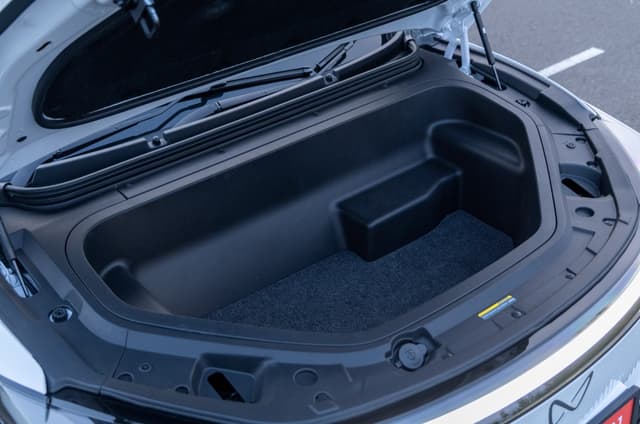
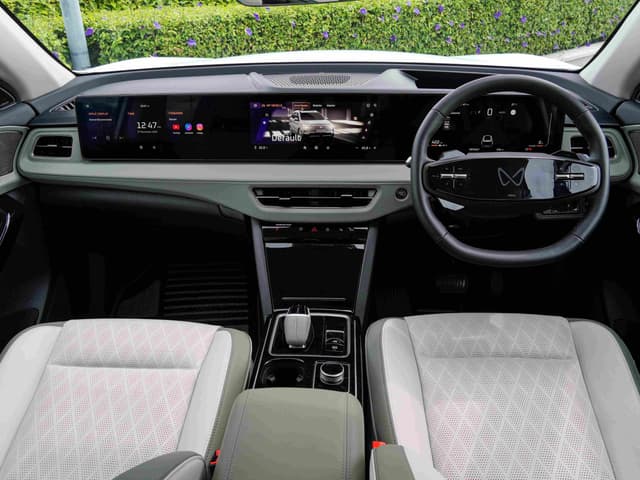
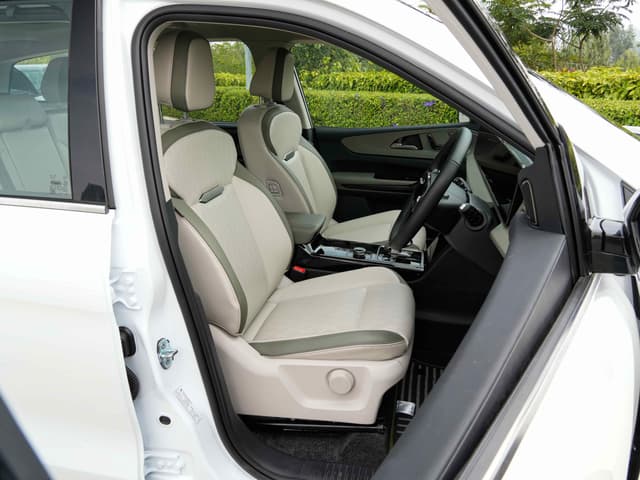
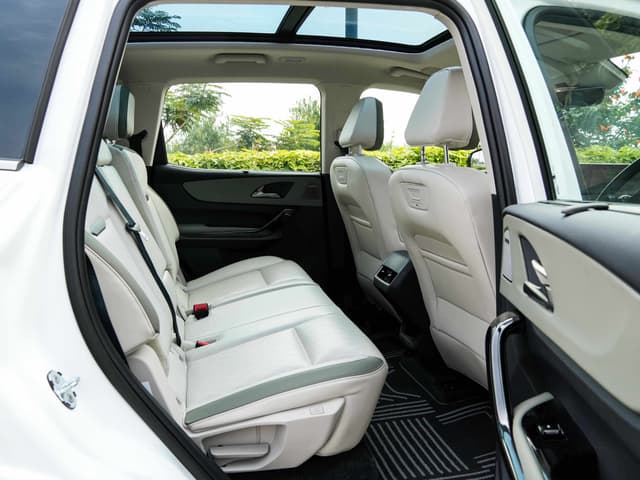
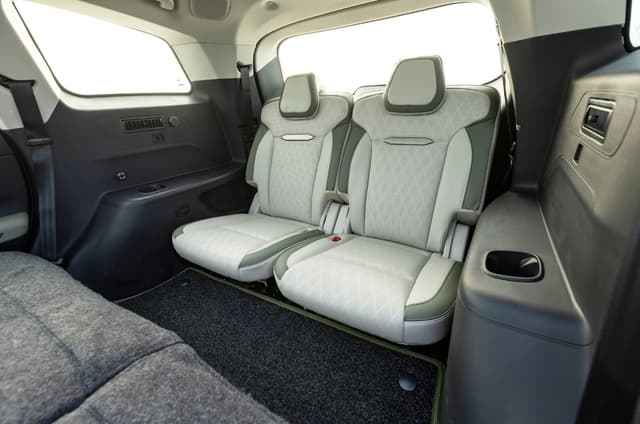
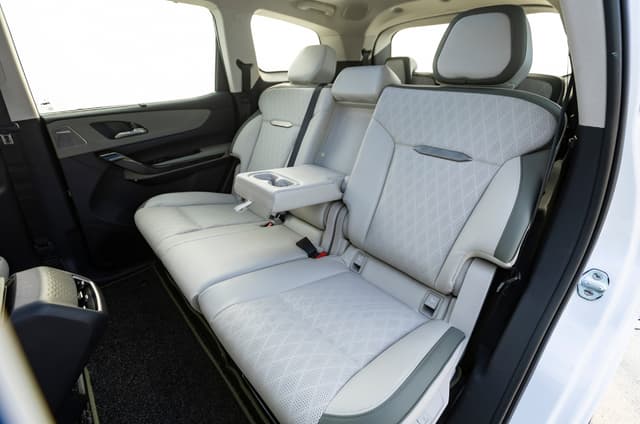
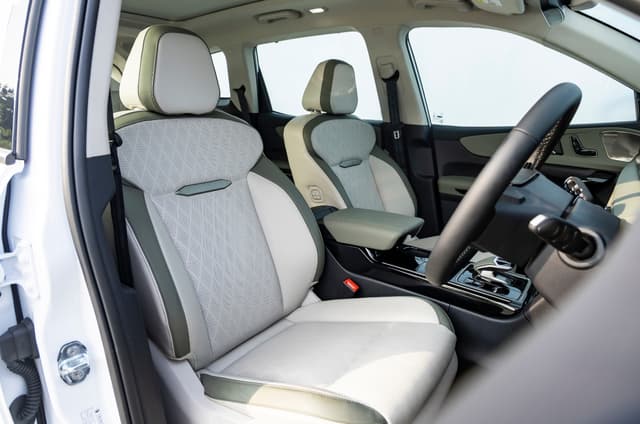
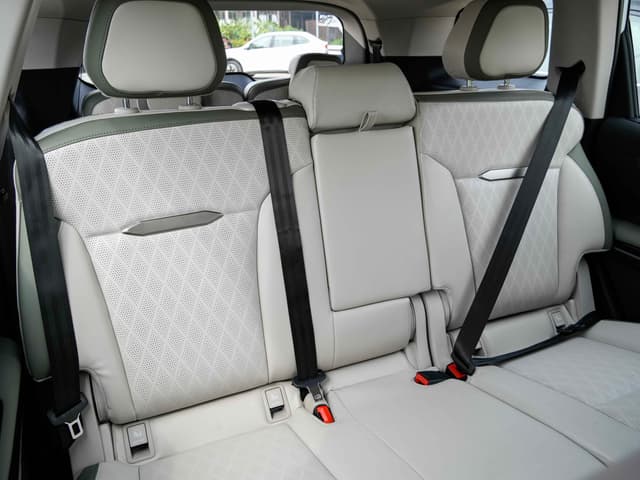
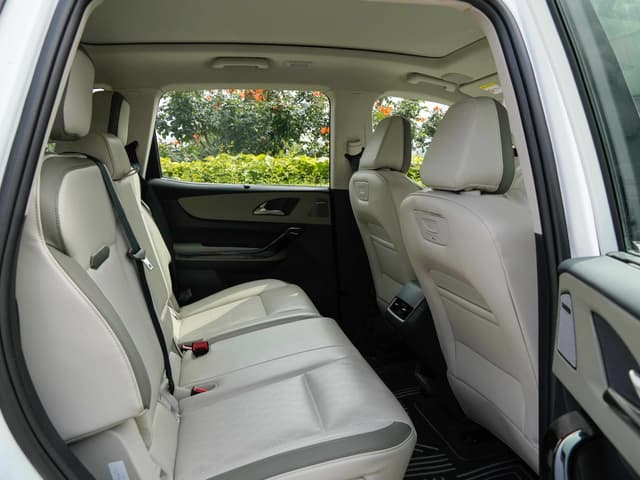
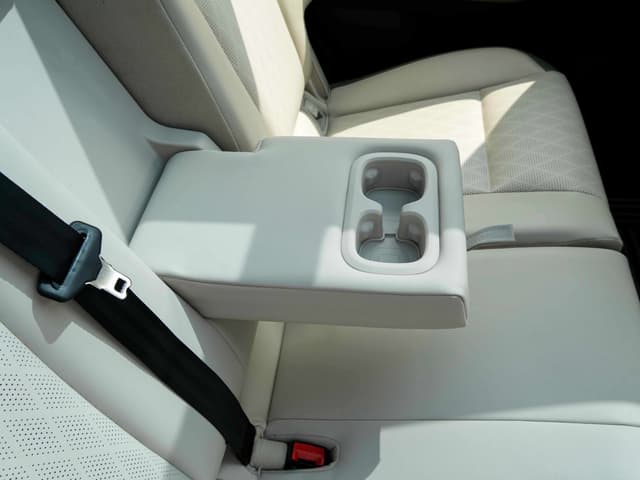
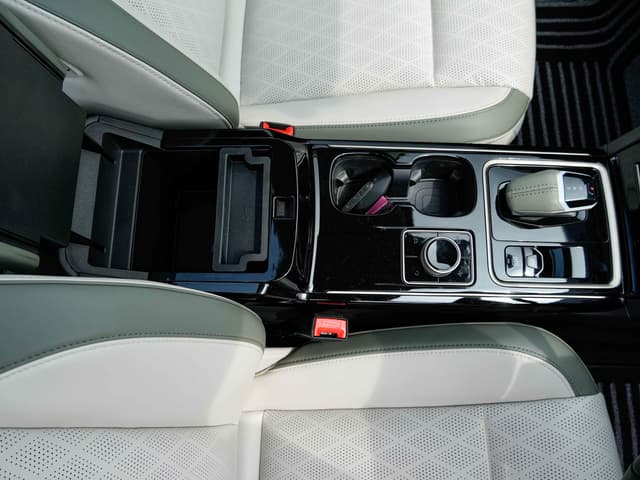
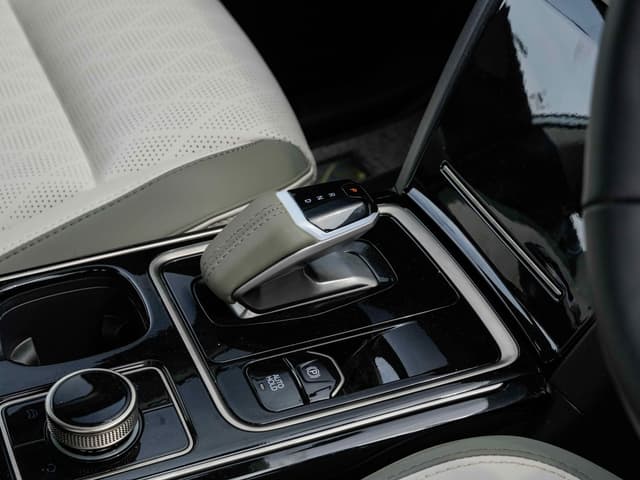
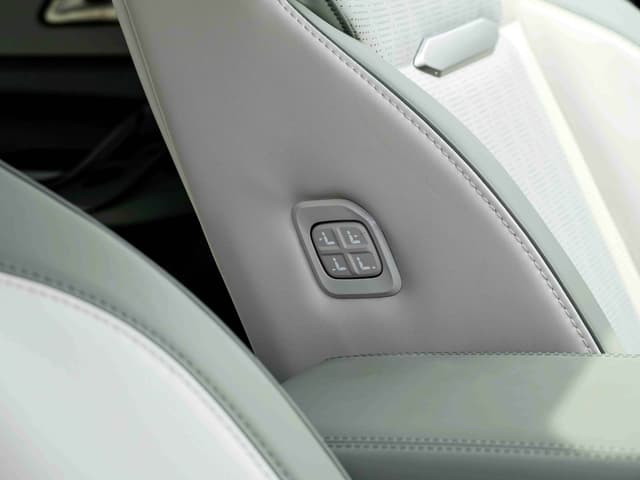
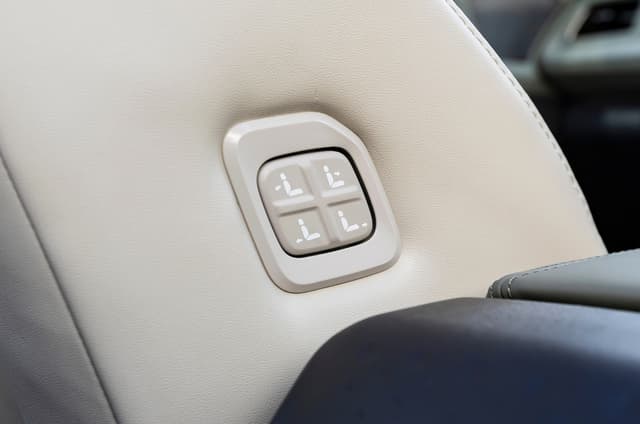
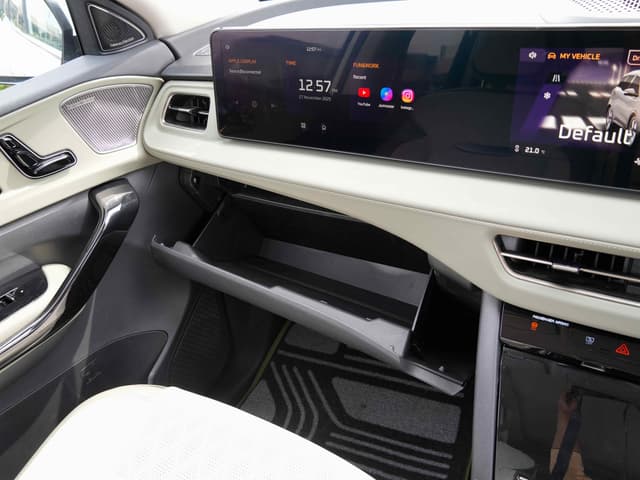
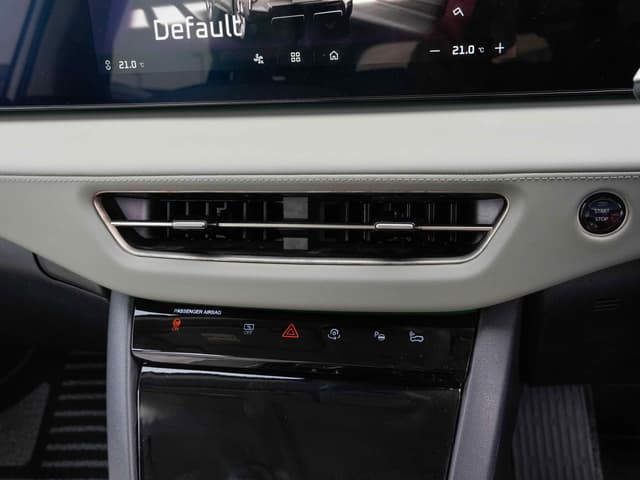
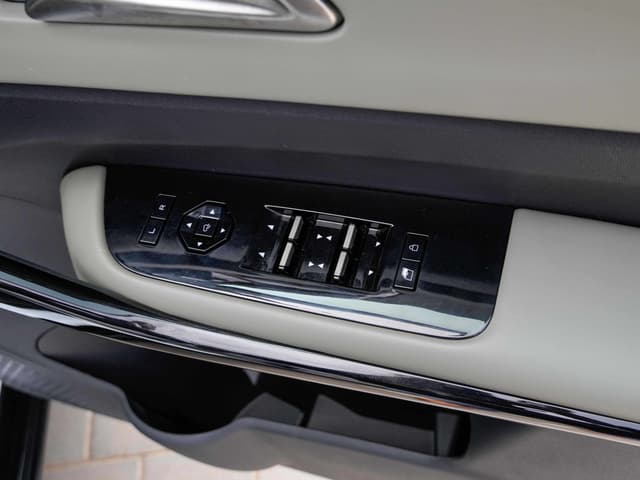
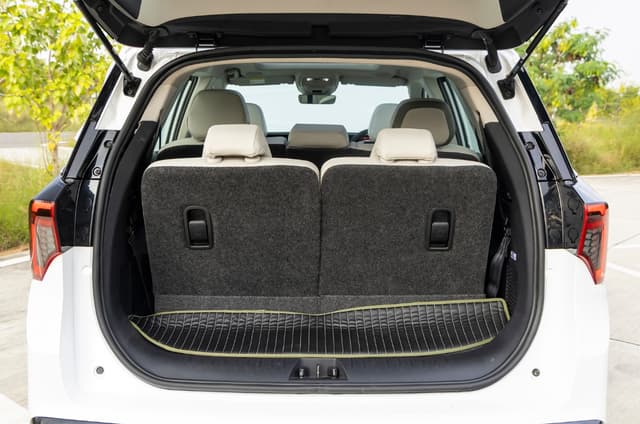
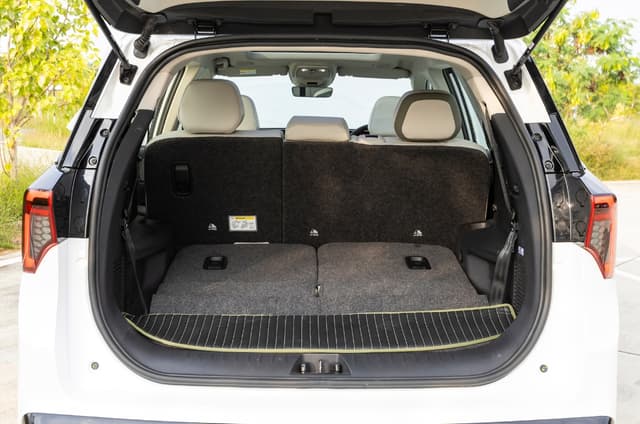
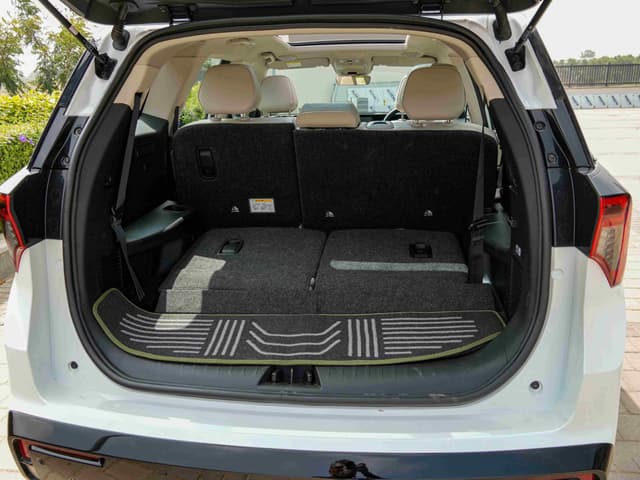
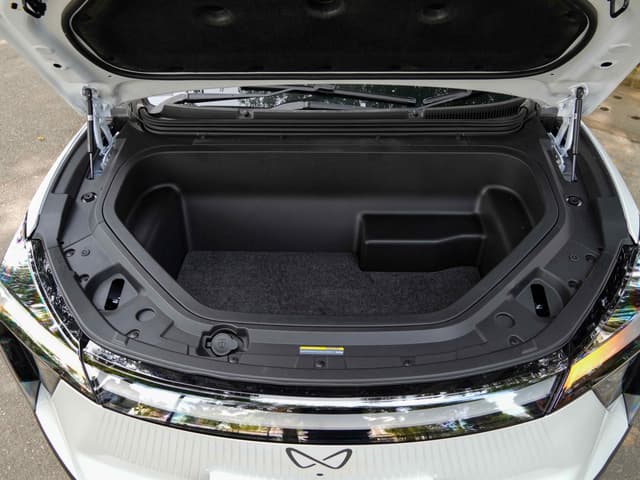
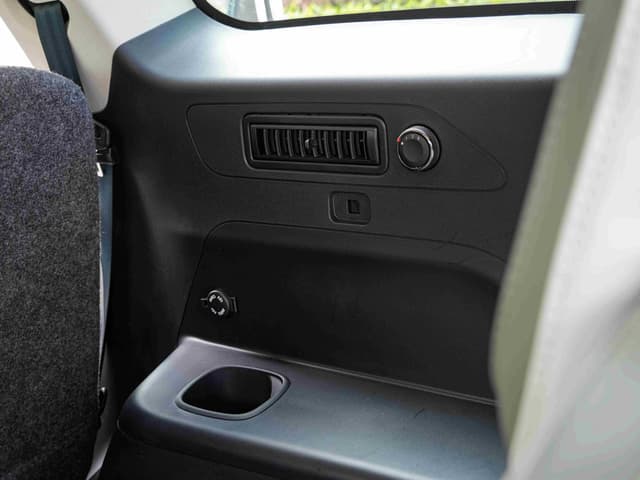
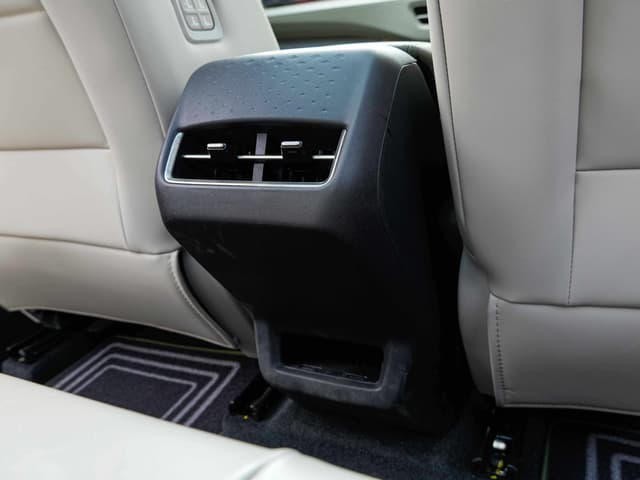
The dashboard of the XEV 9S is lifted straight from the 9e with the triple-screen panel. The surface immediately below is trimmed in olive green leatherette, but almost everything below this line is hard, scratchy plastic. The 9e’s ergonomic quirks also persist like haptic buttons that accidentally activate when you go to honk. Key functions like the HVAC controls are in the screen while the passenger’s screen lacks a privacy filter distracting the driver. Comfort, though, is very good. The front seats are wide and supportive, and it’s easy to find a comfy driving position. Similarly, the bench in the middle row is comfortable with good thigh support, with a sliding and recline function, a flat floor, centre armrest and sunblinds on the doors. Getting into the third row is fairly straightforward and comfort is better than in the XUV700, though headroom is still tight with a very knees-up seating position. With the rearmost seats folded flat, boot volume is 527 litres, supplemented by a generous 150-litre frunk.
8.0
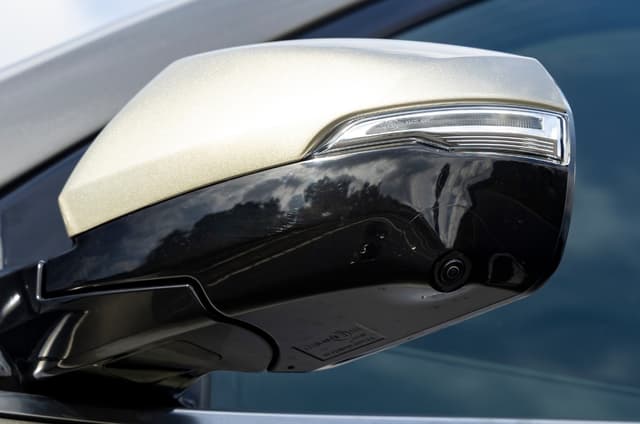
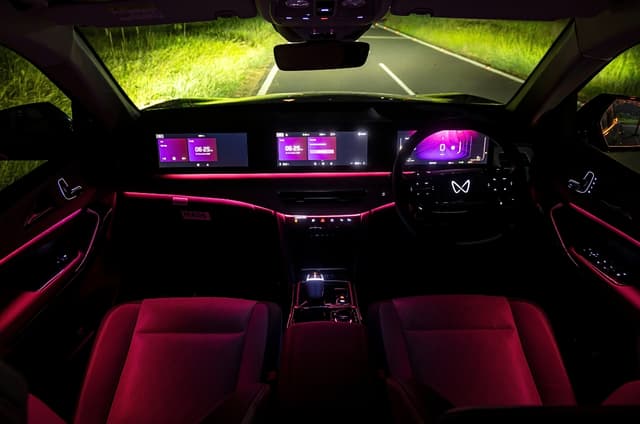
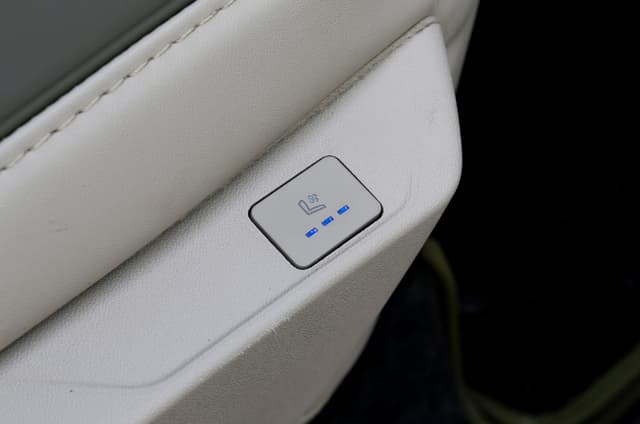
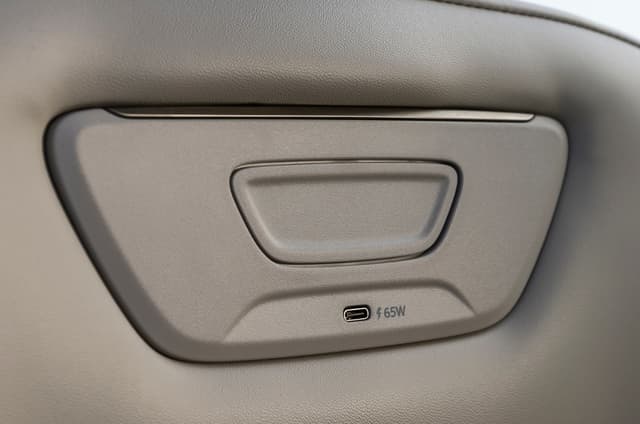
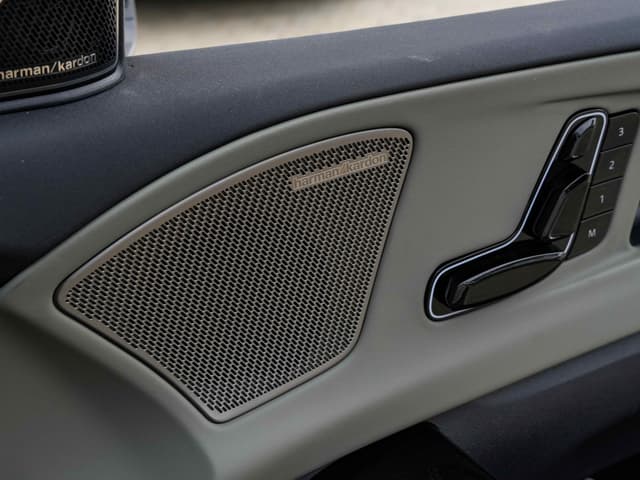
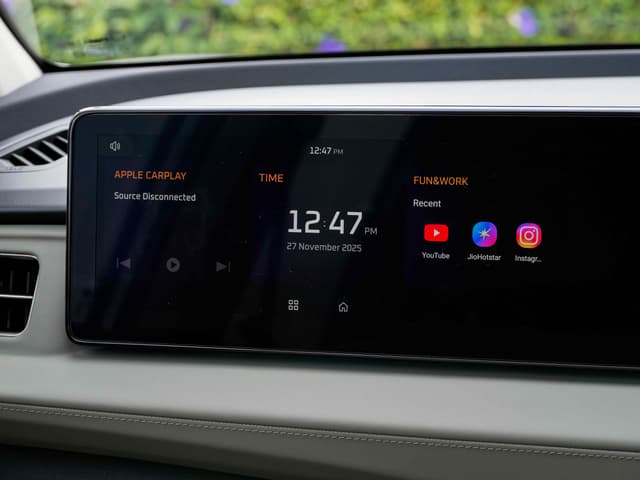
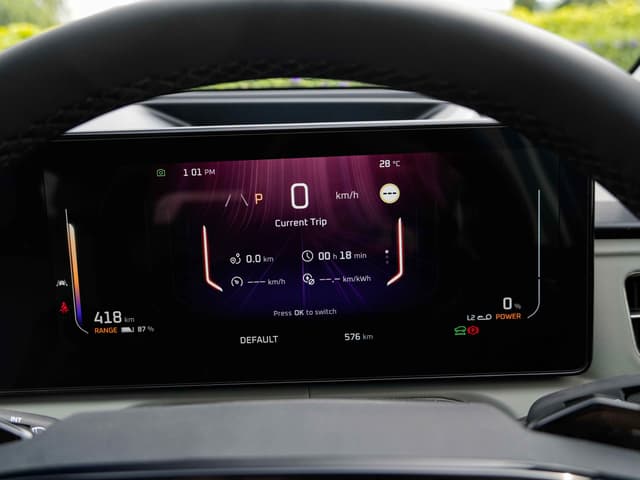
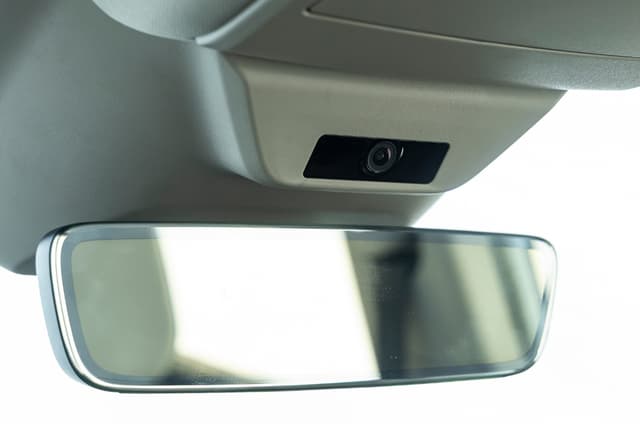
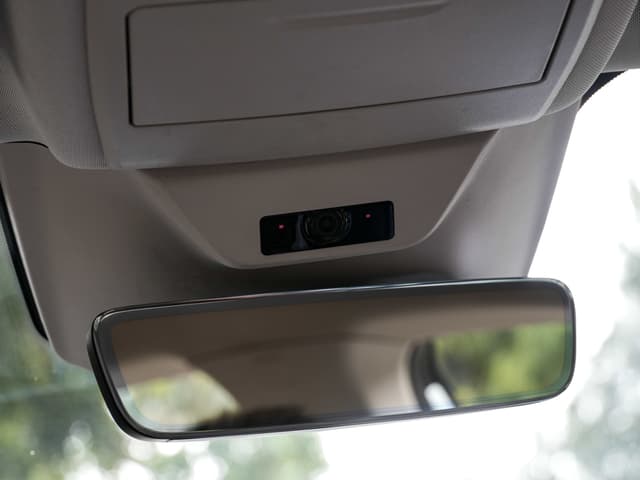
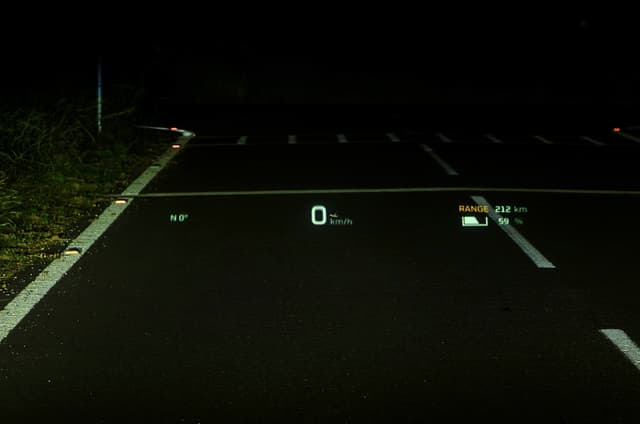
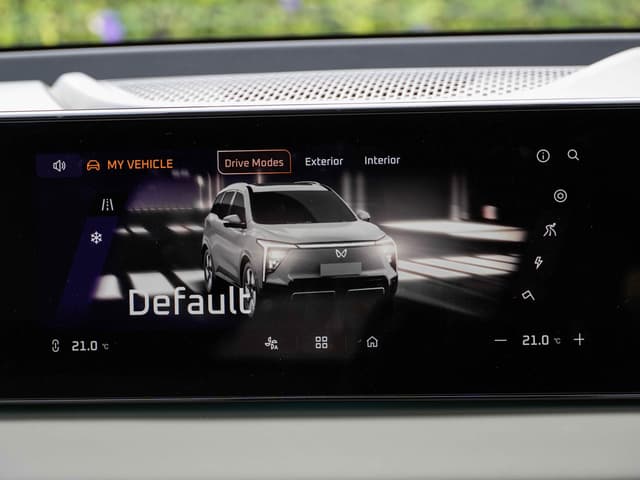
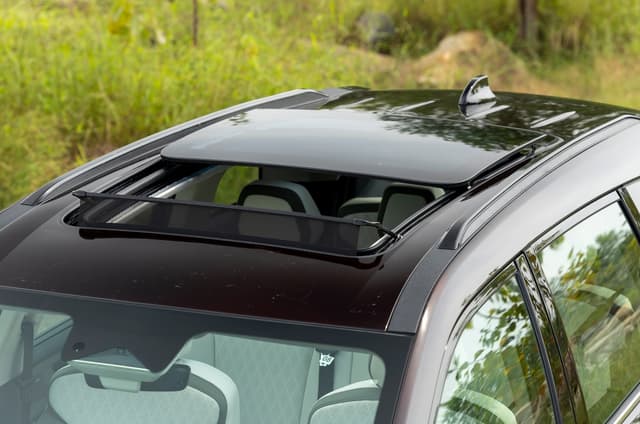
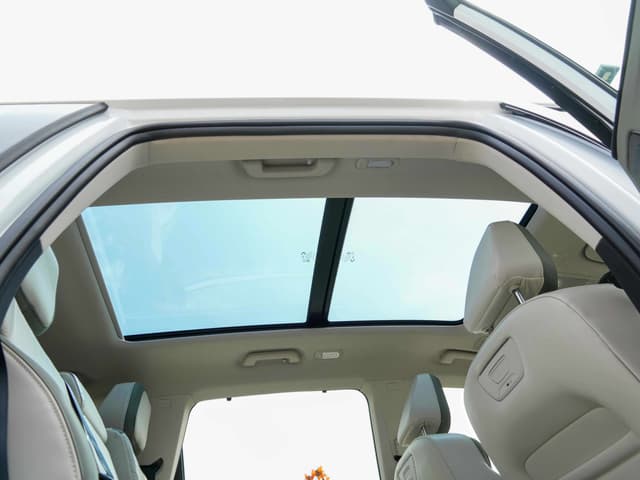
The XEV 9S is packed to the gills with features – even bettering the 9e in some areas. The trio of 12.3-inch screens dominates the cabin, with a vibrant driver’s display offering layouts like a full map or side-camera feed, backed up by a head-up display with key info and AR navigation. Wireless Apple CarPlay and Android Auto are present, along with Amazon Alexa and ChatGPT. The 360-degree camera is sharp but not the most responsive. The passenger screen mirrors many of the centre screen’s apps and can stream on the move, though a privacy filter would’ve helped. The interface is the main bugbear, with several functions buried in menus despite shortcut buttons and a rotary controller. You still spend time diving into screens. Features include a 16-speaker Harman Kardon system, electric, memory and ventilated front seats, rear boss mode controls, BYOD mounts, two 65W Type-C ports and a wireless charger. Rear outer seats are ventilated, the panoramic sunroof opens, but there’s no powered tailgate. Safety kit includes six airbags (seven on Pack Three), TPMS, ISOFIX, ESP and ADAS.
9.0
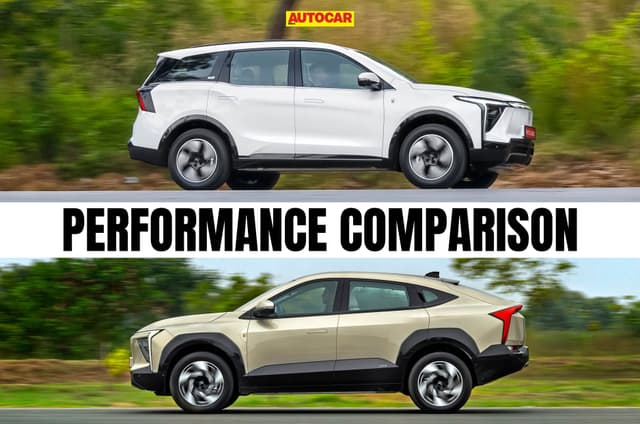
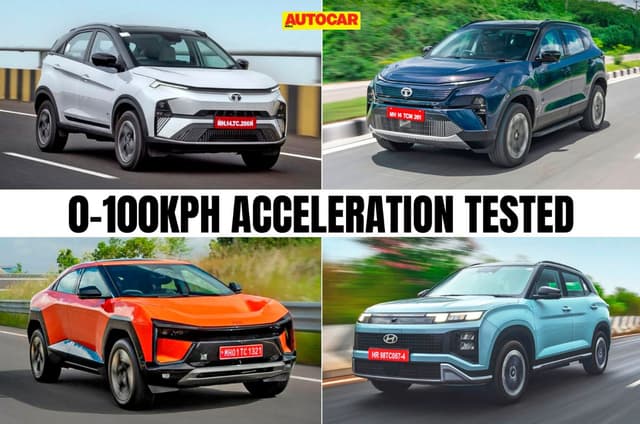
Mahindra has also introduced a 70kWh variant on the XEV 9S, joining the 59kWh and 79kWh units. The torque rating on all versions is 380Nm; the 59kWh version produces 231hp, the 70kWh makes 245hp and the 79kWh puts out 286hp. We tested the 79kWh version, and even in the most docile drive mode, performance is more than adequate with a noticeable ramp up as you shift modes. Overtakes require very little planning and no more than a slight flex of the right foot. Mahindra claims a 0–100kph time of 7 seconds and a top speed of 202kph. The XEV 9S also gets five regenerative braking modes and a one-pedal driving mode. The four-wheel discs bring this heavy SUV to a confident halt, but pedal feel could be better. Refinement is also excellent, with almost no noticeable wind or tyre noise even at higher speeds.
9.0
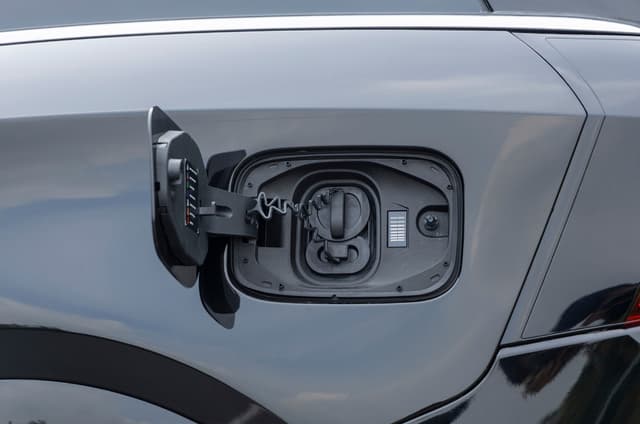
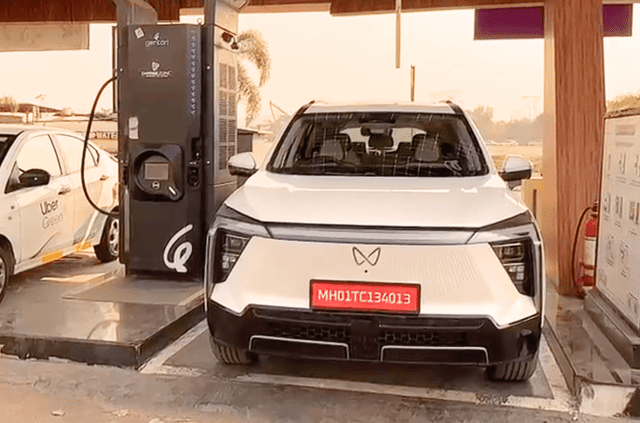
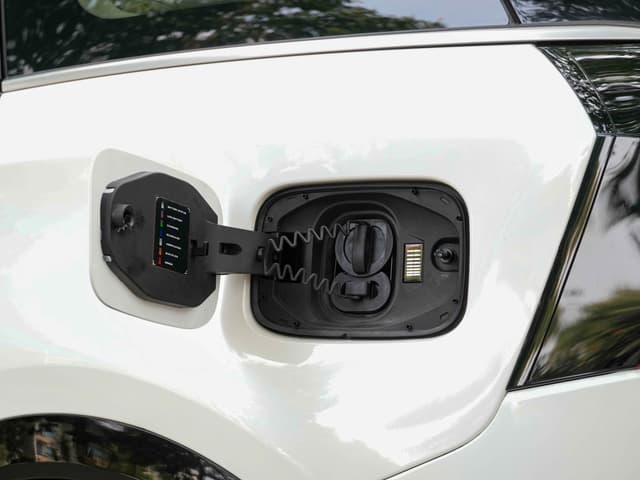
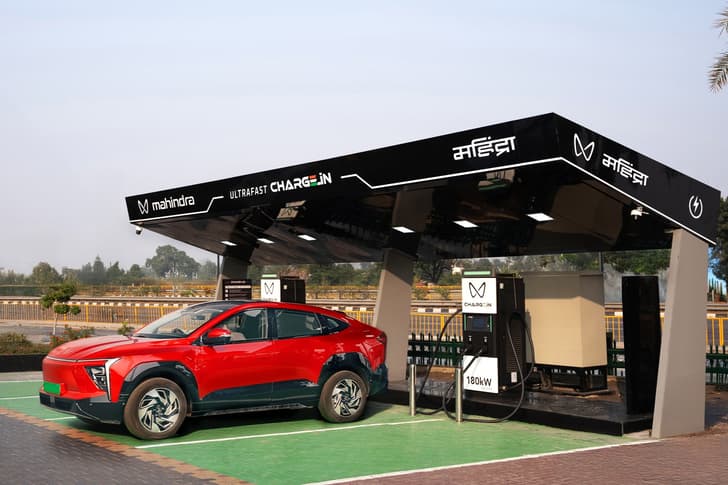
Mahindra claims an MIDC range of 521km for the smallest 59kWh battery rising to 600km for the 70kWh unit and 679km for the 79kWh unit. There are two choices when it comes to AC wall chargers – 7.2kW and 11.2kW – although they aren’t included in the cost of the car, priced at Rs 50,000 and Rs 75,000 respectively. Topping up the biggest battery from 0 to 100 percent takes 11.7 hours using the former, while the latter does the same in 8 hours. The XEV 9S accepts up to 180kW of DC fast charging, which takes the 79kWh battery from 20 to 80 percent in 20 minutes. All versions of the XEV 9S use LFP cells, which aren’t as energy dense as some other chemistries but are more stable and durable – evidenced by Mahindra offering a 15-year or lifetime warranty to the first owner.
8.0
The XEV 9S rides on independent suspension at both ends. Pack One and Pack Two trims get passive frequency-dependent damping, while Pack Three upgrades to Intelligent Adaptive Suspension. This, combined with the 18-inch wheels and tall sidewalls, gives the XEV 9S excellent bump absorption. Mahindra has softened the suspension, in keeping with its intended role as a family car. It shrugs off sharp bumps and potholes, but on gently undulating tarmac a constant vertical movement becomes quite apparent and can get disconcerting as speeds rise. The firmer damping in Race mode reduces this. It feels quite stable around bends and body roll is well managed. Effort required to twirl the electric steering at parking speeds is very light, but crucially it weighs up noticeably at speed. At a fast clip, it helps place the car accurately through bends, aids stability and even delivers some feel and feedback. This is largely down to the RWD architecture, which allows the front axle to get on with the job of steering without being corrupted by also having to transmit power to the road.
8.0
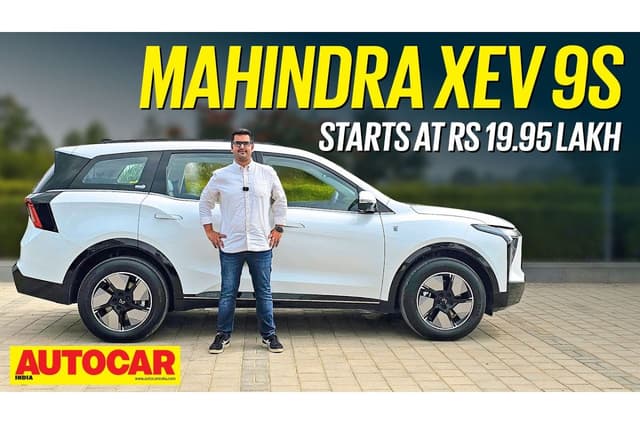
By taking everything that’s great about the INGLO-based cars and giving it a familiar top hat, Mahindra has created an eSUV with much broader appeal. It has characteristics that both the self-driven and chauffeur-driven will appreciate, with the added benefit of a usable third row. If that wasn’t enough, Mahindra has absolutely nailed the pricing. At Rs 19.95 lakh (ex-showroom, introductory), the entry-level Pack One Above trim undercuts the base XEV 9e by almost Rs 2 lakh, while the top-spec Pack Three Above 79kWh, at Rs 29.45 lakh, is about a lakh cheaper than the equivalent XEV 9e. What’s more, the 9S’s entry-level trim sits in the same ballpark as the AX7 variant of the XUV700. Considering everything you get for the money, that’s exceptional value.
10.0
Reviewed by: Lenny D'sa
Mahindra XEV 9S reviews

Mahindra XEV 9S Images
Mahindra XEV 9S videos


Mahindra XEV 9S news
Mahindra Cars