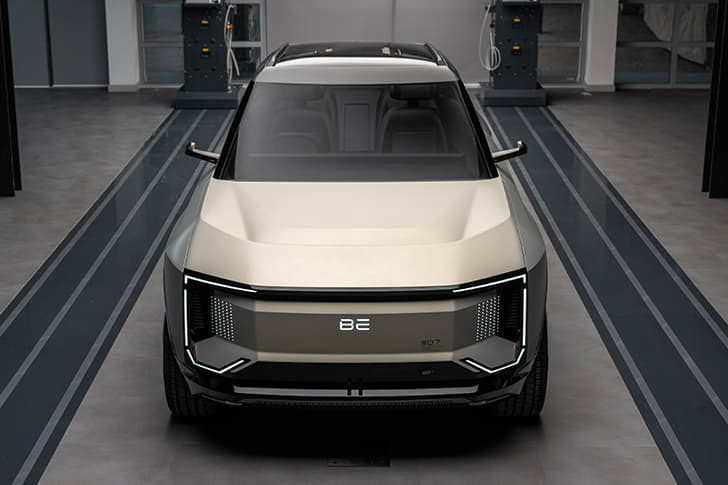
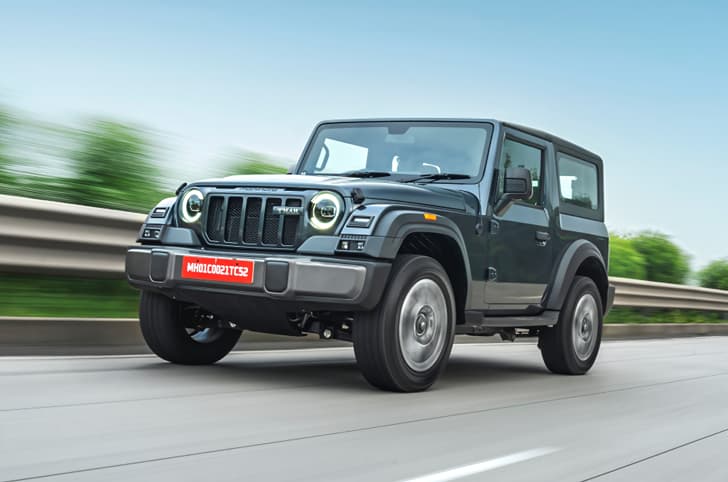
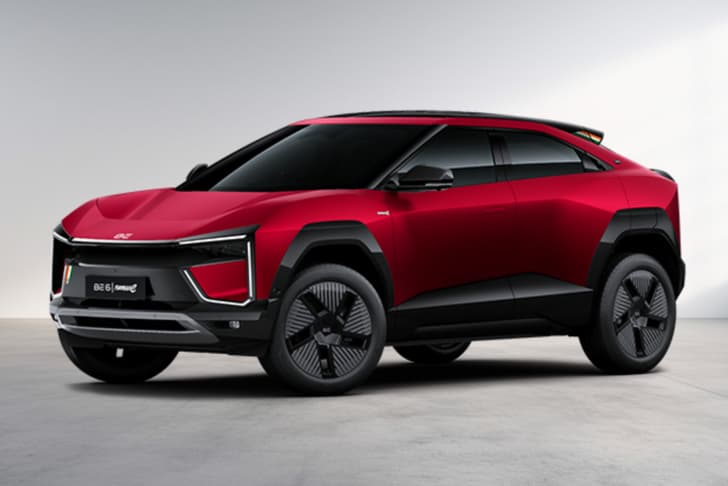
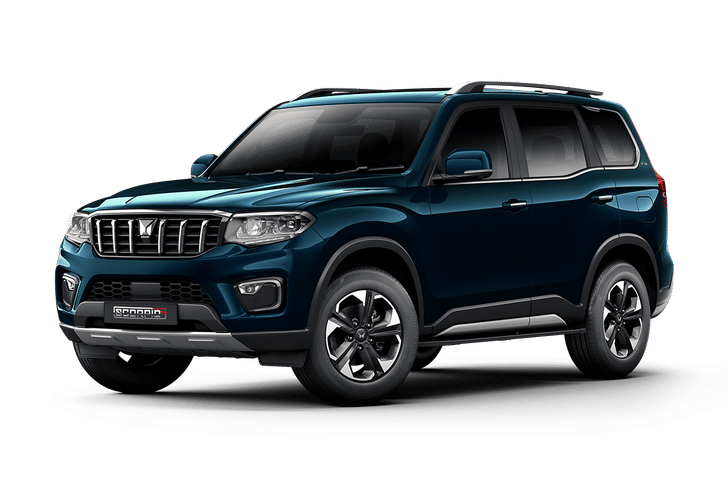
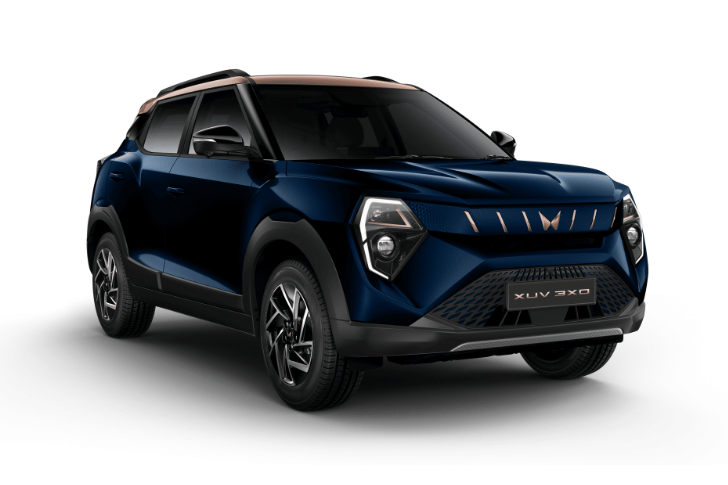
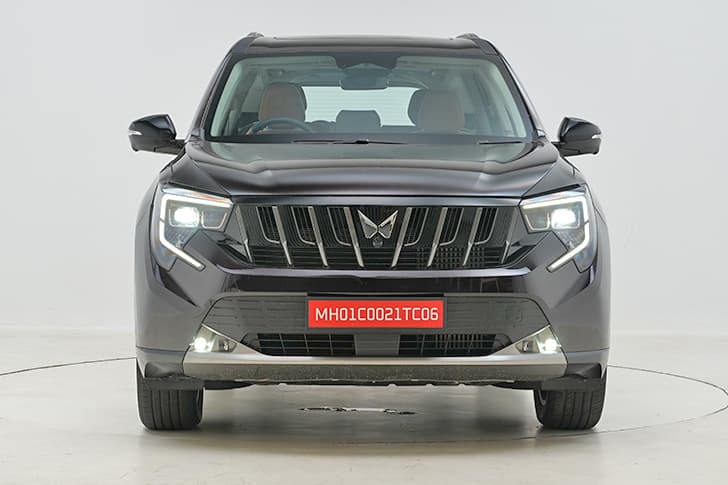
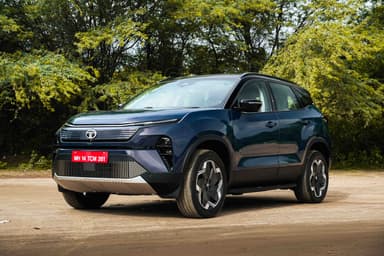
6 or 7 Seater EV



Last Updated on: 31 Aug 2026
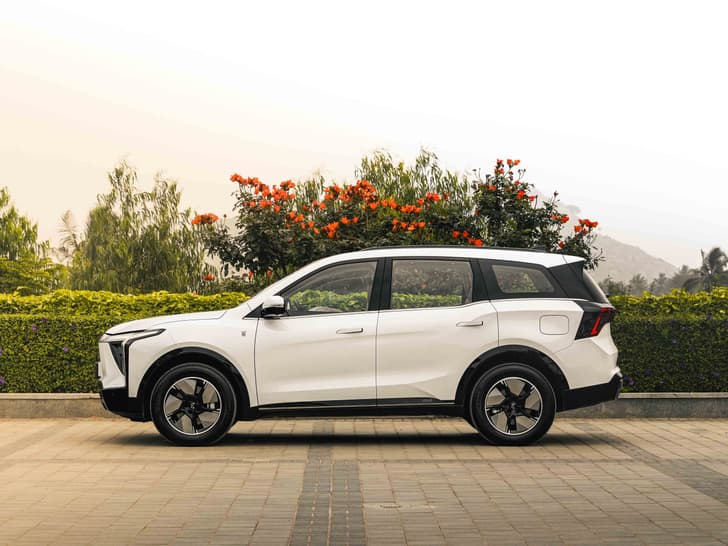
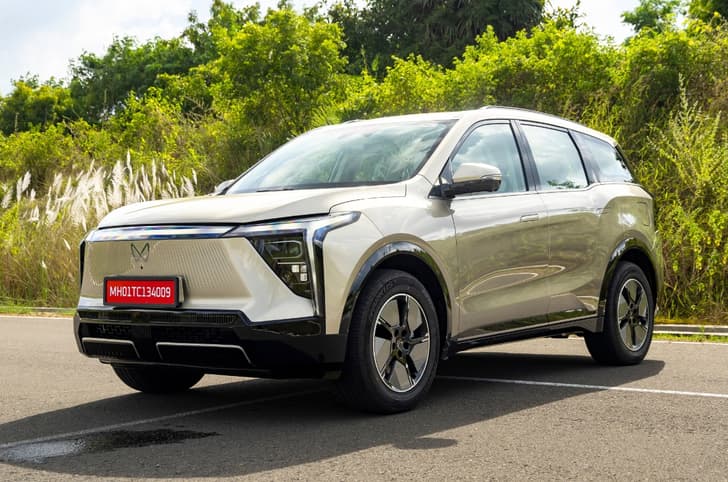
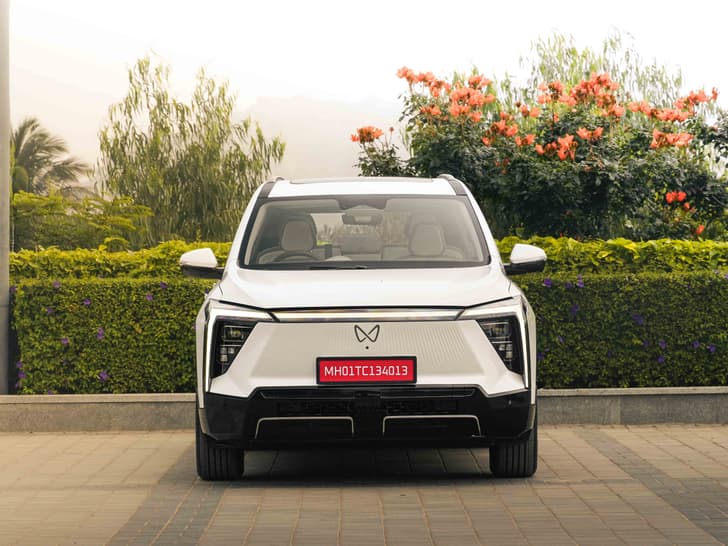
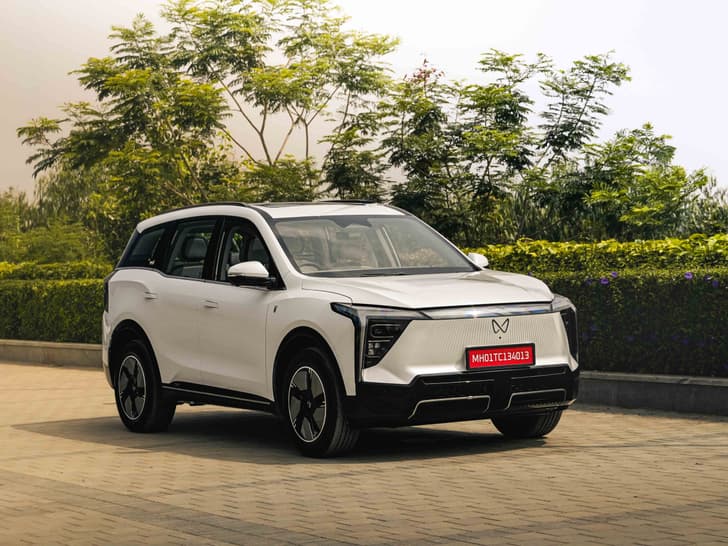
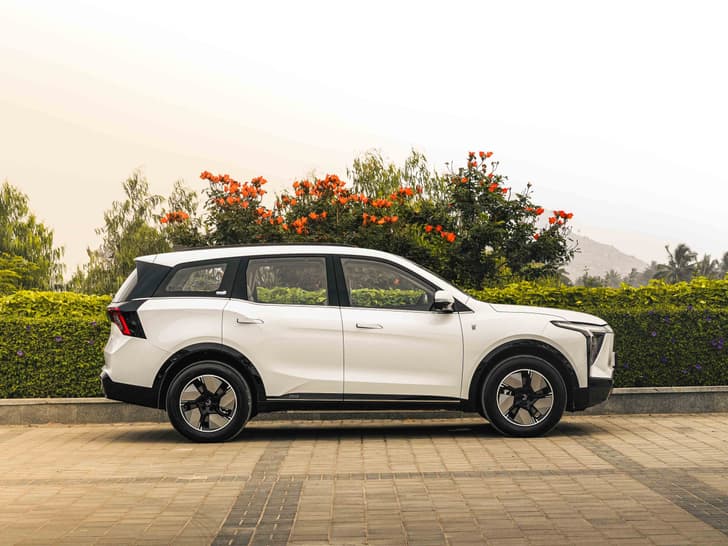
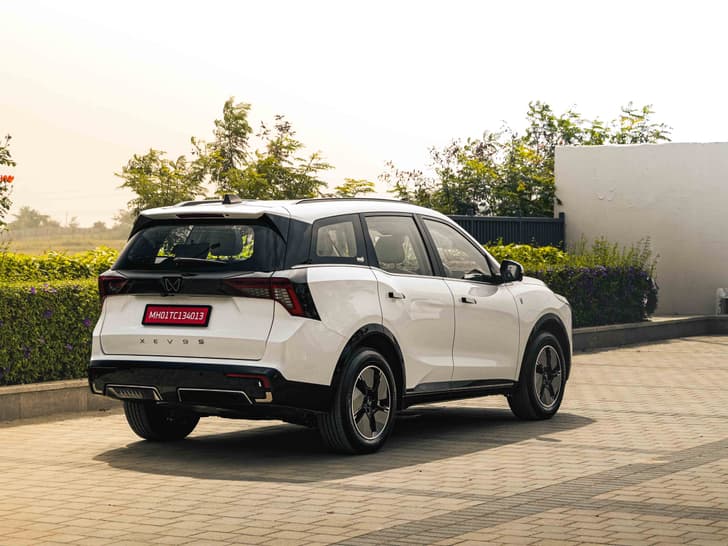
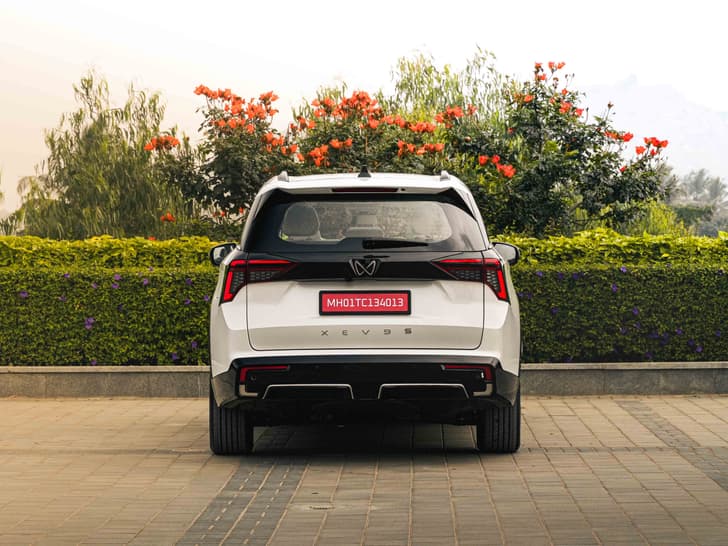
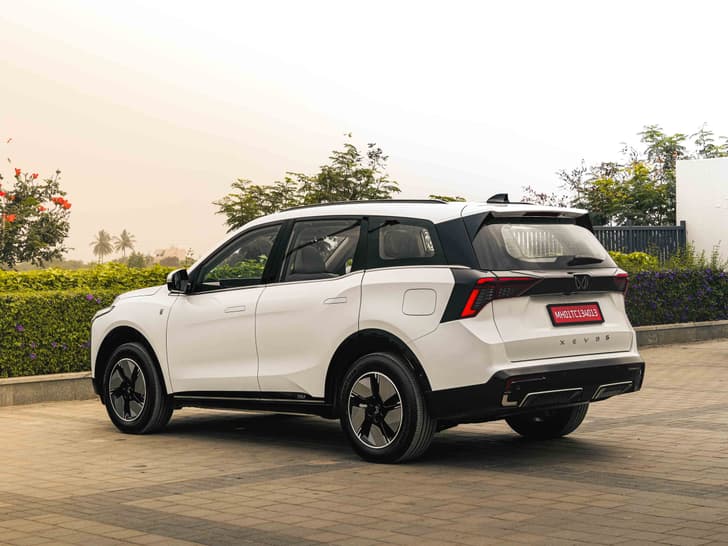
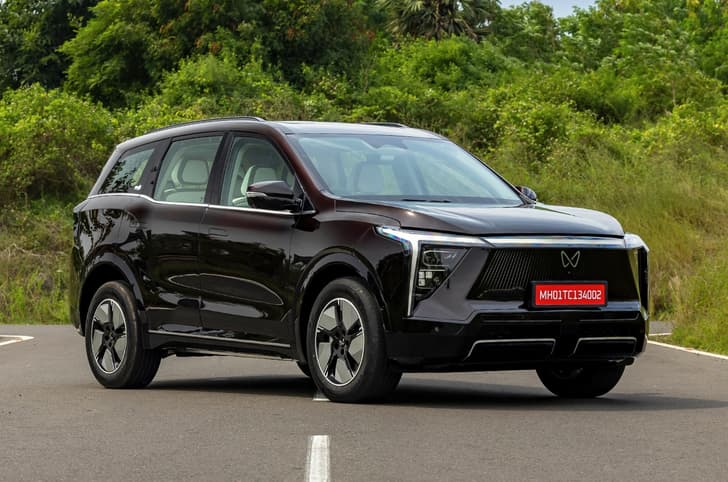
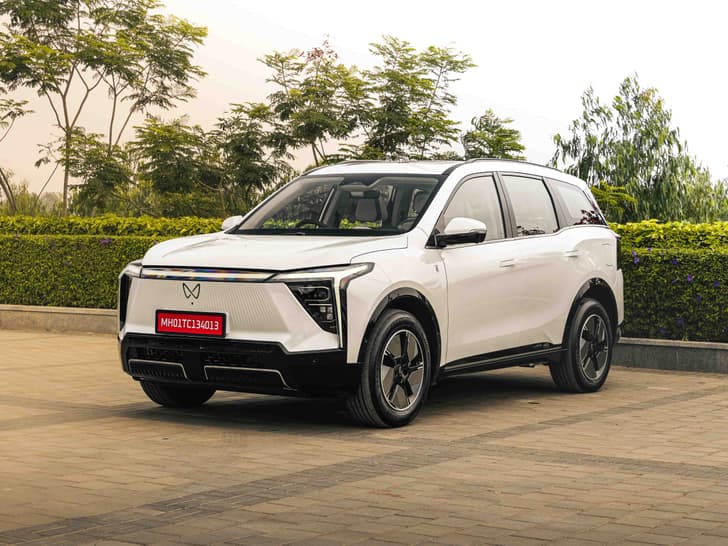
Fuel Type/ Propulsion | Electric |
Motor Type | Permanent Magnet Synchronous Motor |
Number of Motors | 1 |
Gearbox Type | Auto |
Number of Gears | 1 |
Manual Shifts via Gear Lever on Automatic Gearbox | No |
Paddle Shifters for Automatic Gearbox | No |
Sport Mode for Automatic Gearbox | No |
Drive Layout | Rear Wheel Drive |
Lockable Differential/s | No |
Max Motor Power | 245hp |
Max Motor Torque | 380Nm |
User Reported Mileage | 510 km |
Emission Standard | Other |
Drive Mode Types | Multiple |
Terrain Modes | Yes |
Auto Start/Stop | No |
Battery Capacity | 70 kWh |
Charging Time | 7hrs 0%-100%(11.2kW AC), 10.2hrs 0%-100%(7.2kW AC), 20min 20%-80%(160kW DC) |
Claimed Range | 600 km |
Front Suspension Type | Independent, MacPherson Strut |
Front Springs | Coil Springs |
Rear Suspension Type | Independent, Multi-link |
Rear Springs | Coil Springs |
Damper Control | No |
Ride Height Adjust | No |
Type of Power Assist | Electric |
Steering Adjust type | Manual |
Steering Adjust | Tilt and Telescopic |
4 Wheel Steer | No |
Turning Radius | 5 m |
Front Brakes | Disc |
Rear Brakes | Disc |
Wheel Size | 18 inches |
Front Tyre Size | 235/60 R18 |
Rear Tyre Size | 235/60 R18 |
Wheels | Steel rims with wheel covers |
Spare Wheel | Space Saver |
Length | 4737 mm |
Width | 1900 mm |
Height | 1747 mm |
Wheelbase | 2762 mm |
Ground Clearance | 205 mm |
Chassis Type | Monocoque |
Boot Capacity | 500 litres |
Doors | 5 |
| Foldable Seatback Table | |
| Power Windows with One Touch-Down | Driver Window Only |
| Power Windows | Front and Rear |
| Launch Control | |
| Keyless Entry | |
| Interior Lamps |
| Tyre Pressure Monitoring System | With Display |
| Video Recording | |
| Traffic Sign Recognition | |
| Anti Theft Alarm | |
| Anti-Pinch Power Windows | Driver's Window Only |
| Anti-Lock Brakes (ABS) |
| Spoiler | |
| Antenna | Shark Fin |
| Headlight Type | LED |
| Body Coloured Bumpers | |
| Illuminated Logo | |
| Wheel Arch Cladding |
| Average Fuel Consumption | |
| Head-up Display | |
| Shift Indicator | |
| Gear Indicator | |
| Speedometer | Digital |
| Average Speed |
| Steering Audio Controls | |
| Branded Music System | Harman/Kardon |
| Front Passenger Screen | |
| Touchpad | |
| CD Player | |
| Steering Phone Controls |
| Check Vehicle Status via App | |
| Breakdown Assistance Call Button | |
| Live Location Sharing | |
| Low Battery Warning | |
| Find My Car | |
| Digital Key |
 Electronic Stability ControlPanoramic SunroofFront Passenger ScreenDigital KeyFabric Seat MaterialAdaptive Cruise ControlPowered Backseat Recline AdjustmentHarman/Kardon Branded Music SystemFront Only Ventilated SeatsBlind Spot MonitorRear Cross Traffic Collision AvoidanceAmbient LightingFront & Rear Ventilated SeatsCornering HeadlightsAdaptive Cruise ControlHeads Up DisplayAuto ParkingPuddle LampsAdaptive Cruise ControlCornering Headlights
Join the Discussions
The MG Hector Tomahawk EV has a 69.2kWh battery, which is 10.2kWh larger than the 59kWh unit in the Mahindra XEV 9S, yet both have almost identical claimed ranges of around 517km and 521km, respectively. What is the main reason for this difference: lower vehicle efficiency, aerodynamics, powertrain efficiency or battery characteristics? Based on your testing, would you expect the Tomahawk’s real-world range to be higher or lower than that of the XEV 9S 59kWh?

 MG Hector Tomahawk EVMahindra XEV 9S
XUV 7XO AXT diesel automatic vs XEV 9S: which one should I buy? My driving is around 40-50km per day, with 80-90% of it in the city. I like to go on short trips almost every 15 days, so I believe DPF should not be a problem, but I would like your advice on this. I can also have a charger installed at home. Which one would you suggest?
Mahindra XEV 9SMahindra XUV 7XOI am looking to buy a new EV for my daily office commute, which is roughly 100 km round-trip. My current ride is a Toyota Innova Crysta. While it is a reliable workhorse, I find it increasingly tiring for daily use. The constant body roll, low-speed bounciness, and typical ladder-frame wobble over uneven roads are wearing me down. I want to switch to a smooth, refined electric SUV. My usage will be a mix of self-driving and being chauffeur-driven. My absolute top priorities are: Ride Comfort & Stability: I need a car that glides over bad roads, handles speed bumps cleanly, and minimises vertical movement/head-toss. I want to avoid the wobbliness of the Crysta at all costs. Cabin Space: Generous legroom, good under-thigh support, and a spacious cabin environment are highly important. I am currently considering four upcoming/recently launched options, but I am torn between them: Mahindra XEV 9e, Mahindra XEV 9s, Tata Sierra EV, Tata Harrier EV. Given my 100 km daily run, battery efficiency is a factor, but comfort overrides everything else. Which of these four will offer the most stable, plush, and fatigue-free ride for someone moving away from an Innova Crysta? I do not intend to sell the Innova Crysta, as I want to keep it for the airport and family runs for long distance.
Tata Sierra EVToyota Innova CrystaMahindra XEV 9eMahindra XEV 9SI want to upgrade from a Tata Nexon EV Max to a seven-seater SUV. Having used the EV for almost 4 years, I have experienced how economical it is and would like to go for another EV. One of the best options I am considering is the Mahindra XEV 9S. However, I am not sure whether it is really worth the price, as I don't feel comfortable spending over Rs. 30 lakh on a Mahindra. Are there any better options I should consider? Please advise.
Mahindra XEV 9SKia Carens Clavis EVI would really appreciate your expert guidance because I’m confused between three Mahindra options: * Mahindra XUV 7XO AX5 Diesel Automatic * Mahindra XUV 7XO AX5 Petrol Automatic * Mahindra XEV 9S My driving pattern is as follows: * Around 30–40 km daily, almost entirely within Chandigarh city. * Occasional highway trips, but the majority of my driving is in city traffic. My biggest priorities are: 1. Low running cost over the long term. 2. Reliability and hassle-free ownership. 3. Good drivability in city traffic. 4. A future-proof choice that I can comfortably keep for the next 7–10 years. My questions are: 1. Is a modern diesel automatic a good choice for someone driving only 30–40 km per day in the city? I’ve heard concerns about DPF regeneration and diesel suitability for predominantly urban driving. Is my daily running sufficient to avoid such issues? 2. If my usage remains 30–40 km daily in the city, would you recommend the XUV 7XO Diesel Automatic over the Petrol Automatic, or is the petrol variant a better long-term choice? 3. I have also been reading discussions that, in the future, diesel may gradually see higher blends of isobutanol or other biofuels, similar to how ethanol blending has increased in petrol. Is this something buyers should genuinely be concerned about over the next 7–10 years, or is it unlikely to affect the reliability and longevity of modern diesel engines? Would you consider diesel a safe long-term investment from this perspective? 4. I also really like the Mahindra XEV 9S because of its low running costs, smooth driving experience, and the convenience of home charging. However, my only concern is charging infrastructure on outstation trips. While most of my driving is within the city, I do take occasional long-distance drives and don’t want to feel restricted because of charging availability. 5. Considering my usage, which of these would you personally recommend: * XUV 7XO AX5 Petrol Automatic * XUV 7XO AX5 Diesel Automatic * Mahindra XEV 9S If you were buying a vehicle for yourself with the same driving pattern and intended to keep it for the next 7–10 years, which one would you choose and why? Looking forward to your expert advice. Thank you!