
Dr T Durganna
•8wI have shortlisted two cars - Innova Hybrid and XEV 9S. I am now worried about electric vehicles over the long run (about 15 years), especially issues like public charging availability and getting charging slots as more EVs come on the road. I recently read an article saying that the future is hybrid because of battery life and disposal concerns. I have booked both vehicles. Which is the better choice? I am 70 years old. Please advise.

Autocar India

As EVs are still relatively new, their performance after 15 years is still an unknown quantity. EV batteries are expected to have a shelf life of 10-12 years. During the course of which the battery's capacity to hold a charge will gradually deplete.
After this point, it will have to be replaced, which is a high cost, although the savings on fuel over the years are expected to offset it. This, of course, reduces their resale value considerably compared to petrol or diesel cars.
Public charging infrastructure is improving at a rapid rate, so the problem of busy chargers should be less with each passing year. But the best charging solution remains to have a charger at your home and at your destination, and to charge in small amounts as needed.
As for hybrids, the same battery concerns apply to them too - it's just that the batteries are smaller and therefore cheaper to replace. Self-charging strong hybrids aren't burdened with charging and therefore not dependent on charging infrastructure. But while they are super efficient, they still use petrol, which is expensive. Still, if you do plan to keep the car for 15 years plus, a hybrid would be a safer bet overall.
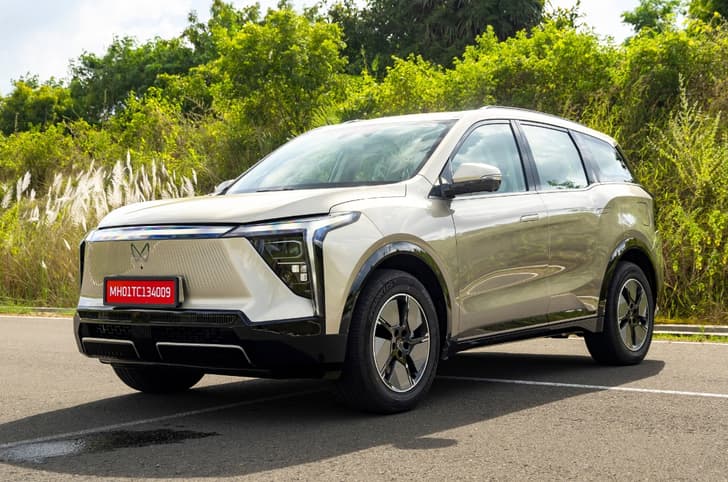
Mahindra XEV 9S
Explore cars mentioned
Got a suggestion for Dr?
Add a Comment
Related questions you may find helpful

Posted on: 30 Jan 2026