
LA

Lokesh A

5w

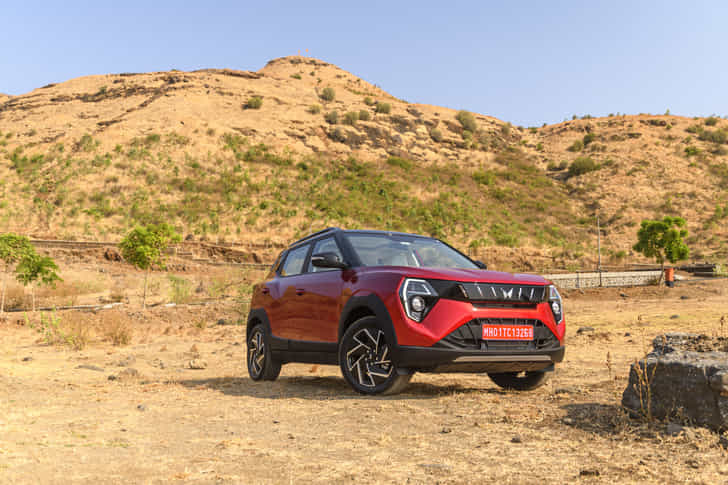
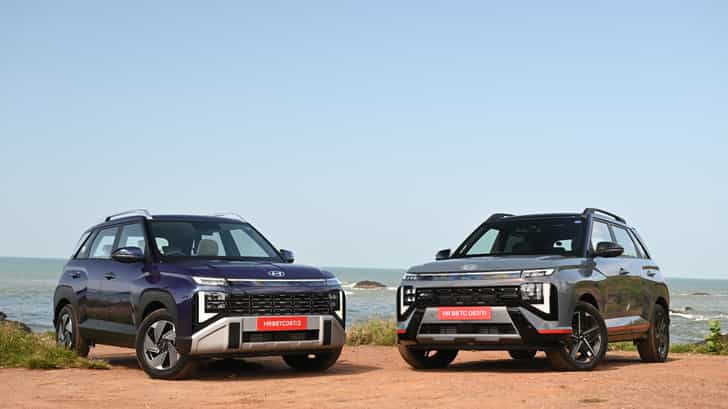
During my test drive, the torque-converter gearbox felt smoother, and both the gear shifts and overall ride quality were noticeably better in the Mahindra XUV 3XO. In the Hyundai Venue, I could clearly feel turbo lag at lower speeds, and the DCT did not feel as smooth as the 3XO’s gearbox. However, from a long-term ownership perspective, Hyundai’s service network is more reliable and hassle-free, and the resale value is generally stronger compared to Mahindra. I’m also slightly concerned that the 3XO might develop rattles or increased engine noise over time, whereas the Venue, if maintained well, may remain more refined. I also doubt fuel efficiency: will the Venue’s DCT deliver better mileage compared to the 3XO’s torque-converter? I would appreciate guidance from the community based on real-world usage and long-term ownership experience.

Autocar India team

Autocar India

Verified
5w

You’ve summed up the driving difference quite accurately.

A torque-converter automatic, like the six-speed Aisin unit in the Mahindra XUV 3XO, uses hydraulic fluid between the engine and gearbox. That fluid coupling cushions the initial take-off and smoothens out power delivery, which is why it feels more progressive and less jerky in traffic. There’s a slight build-up of torque before full engagement, and that’s what gives it that fluid and easy feel. 

A DCT, like the dry-clutch unit in the Hyundai Venue, uses two clutches to pre-select gears. Shifts are quicker and more direct. But at low speeds, especially with a small turbo engine, you can feel turbo lag followed by a slightly sharper clutch engagement. That’s the “snappier” sensation you experienced. In crawling traffic, a torque converter generally feels more natural.

On long-term ownership, Hyundai does have a very strong service network and typically excellent resale value. Mahindra has improved significantly in recent years, and the 3XO’s platform (derived from the globally developed SsangYong Tivoli architecture) is fundamentally robust, so we wouldn’t be overly concerned about structural quality. Minor rattles over time depend more on usage and maintenance than brand alone.

On fuel efficiency, the Venue’s DCT may be marginally more efficient in ideal conditions. But in real-world city driving, the difference is unlikely to be dramatic. It shouldn’t be the deciding factor.

Where the Venue clearly scores is in overall polish, its user interface, feature integration and ergonomics feel more mature. The 3XO, on the other hand, gives you stronger performance and a smoother automatic experience.
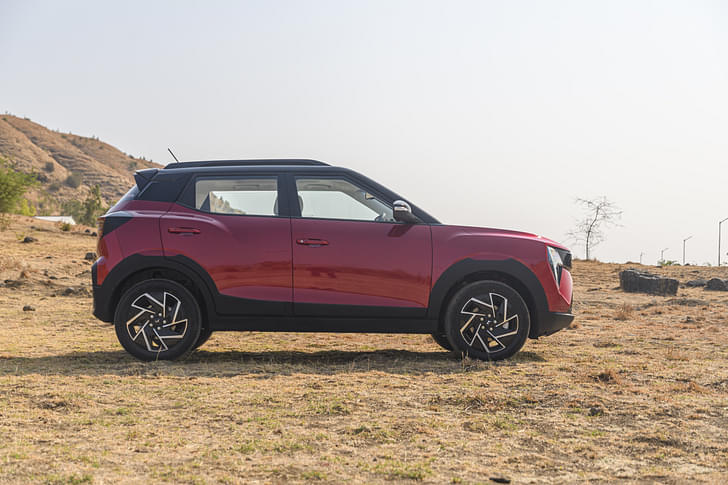
Mahindra XUV 3XO

Mahindra XUV 3XO

Recommended questions for you

AG

Anshul Gupta

3d

Hello, I am planning to buy a petrol automatic car and I am a beginner driver. My budget is around ₹11 lakh. My monthly usage will be approximately 1,000 km, with around 40% highway driving. I have shortlisted the Tata Nexon Pure Plus S and the Mahindra XUV 3XO MX2 Pro. Which of these would be a better choice for me, considering my priorities of safety, ease of maintenance, fuel efficiency, and comfort?

Autocar India team

Autocar India

Verified
15h

Go for the Mahindra XUV 3XO MX2 Pro automatic for a first-time buyer who wants strong safety, an easy drive, and sensible running. It fits your brief slightly better than the Tata Nexon. The 3XO’s automatic is a torque-converter unit, which means it is smoother shifting than the Nexon's automated manual. That makes daily driving less tiring, especially when you are learning. The XUV 3XO is also a 5-star BNCAP-rated car which meets your requirements.One thing to be aware of is that, like any turbo-petrol automatic, fuel use in heavy traffic can rise if you drive hard. Pick the Nexon only if you value a roomier cabin and a bigger boot.Test drive both in slow traffic and a quick highway overtake to see how they feel.

VehicleMahindra XUV 3XO
VehicleTata Nexon
SA

Sunil Arya

1d

I am planning to buy a new SUV with a budget of around ₹20 lakh. I am confused between the Renault Duster (new generation) and the Tata Sierra. My usage will primarily be within Delhi for city driving, along with occasional long drives (around once a month). My main priorities are mileage and comfort. Could you please advise which of these would be the better choice? Also, feel free to suggest any other suitable options within my budget that offer better mileage and comfort.

Autocar India team

Autocar India

Verified
6h

Since comfort is a priority for you, we would recommend the Tata Sierra. The car has a very spacious cabin, and the seats are very comfy too. Against the Renault Duster, the rear seating space in the Sierra is significantly more. As for mileage, we have yet to put the Renault Duster through our instrumented test cycle. But in any case, if mileage is your top priority ahead of comfort, then you would consider waiting for the hybrid Duster. It is likely to launch this festive season or the diesel Sierra, though with a diesel, it's best for every two to three weeks, you have a long drive of around 20 mins with speeds above 50kph to keep the diesel particulate filter in good health. As an alternative, you can consider the strong hybrid versions of the Toyota Urban Cruiser Hyryder or the Maruti Suzuki Grand Vitara, where the mileage would be significantly more. In our real-world tests, the Grand Vitara strong hybrid returned an impressive 23.77kpl in the city and 20.39kpl on the highway. In city traffic, the hybrid system mostly runs on the electric motor. One thing to be aware of: the hybrid’s boot is smaller than some rivals because of the battery, so check your luggage fit.

VehicleTata Sierra
VehicleToyota Urban Cruiser Hyryder
VehicleMaruti Suzuki Grand Vitara

Posted on: 1 Mar 2026