autocar-logo
Delhi
DH

Dhanoop

1w

Hi, I am a 38-year-old surgeon with a daily travel of 100 km, split between city roads (50%) and state highways (50%). I am currently driving a 2018 Amaze and facing high fuel costs (around ₹8,000 weekly). I am looking to switch to an electric automatic SUV in the ₹20-35 lakh budget. I have considered the Harrier EV, XEV 9S, and Creta EV. Kindly suggest the right car (new or used) among these or any other suitable option.

Autocar India team

Autocar India

Verified
1w
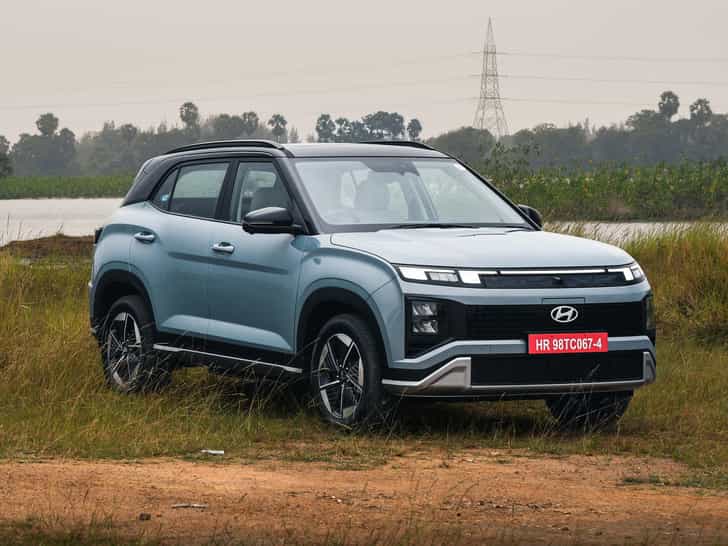
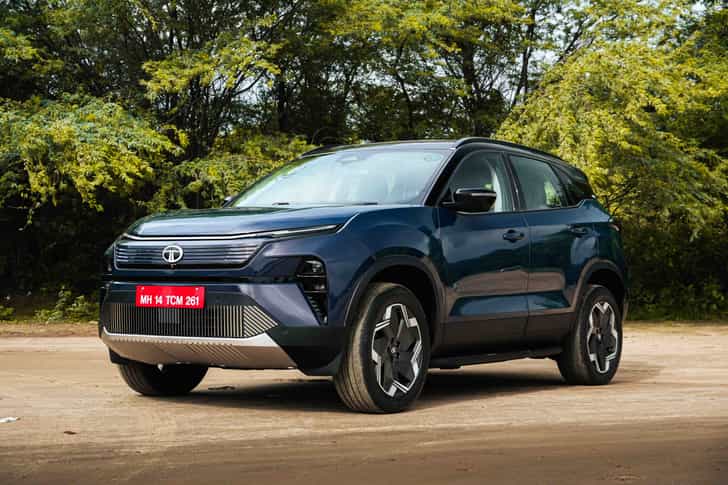
The Hyundai Creta Electric is much smaller than the Tata Harrier EV and Mahindra XEV 9S, making it relatively much lighter than the other cars. It also has the smallest battery pack compared to the others, but on account of its lower kerb weight, it is a lot more efficient, and you can expect around 430km on a single charge with mixed usage.
Hyundai has also improved the battery's DC fast-charging capability recently, so charging times are also much lower. Furthermore, it is the most sorted electric SUV you can buy, with logical ergonomics and a clutter-free user interface/experience. Also, with no or minimal glitches, the Hyundai is much more reliable than the other two, and one that's very easy to recommend.
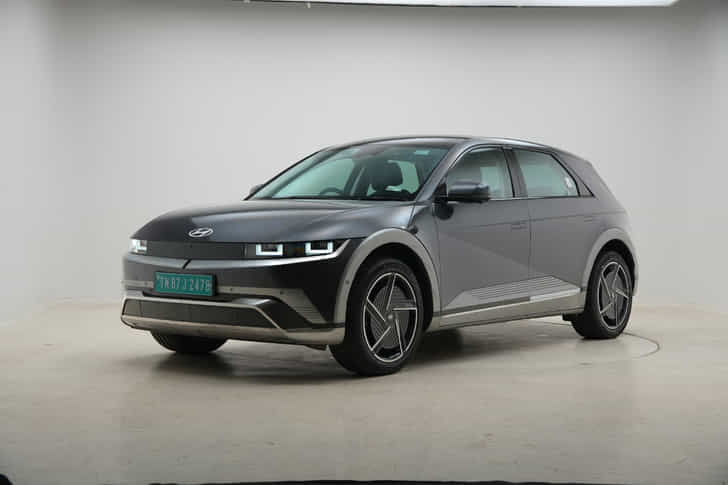
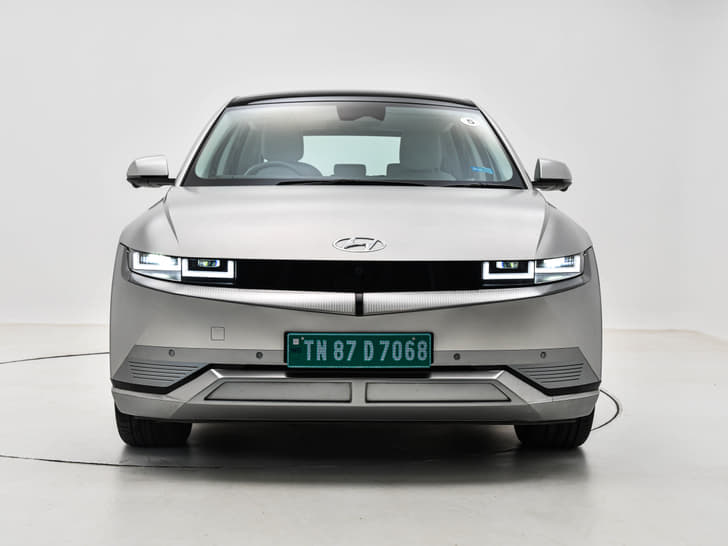
Since you have a budget of up to Rs 35 lakh, you could look for a Hyundai Ioniq 5. The Ioniq 5 is an outstanding electric car, and for all its merits, it even won our 2024 Car of the Year. It will be a bit more effort to source one, but because a facelift is expected soon, dealers will try to liquidate existing stock at mouth-watering discounts.
Hyundai Ioniq 5

Hyundai Ioniq 5

Was this helpful? Ask a follow-up

DS

Dr Santosh Bagali

1w

Hello, fellow doctor! It’s great to meet a colleague here. I completely understand the grind—that 50 km commute each way between home and the hospital can be exhausting, and seeing ₹8,000 vanish into your fuel tank every week is enough to give anyone a headache. I’m actually driving a Hyundai Ioniq 5 myself for a very similar 100 km daily run. Like you, I charge at home, and the cost is literally less than ₹1 per km. Transitioning from your Amaze to an EV will be the best "financial surgery" you’ve ever performed on your monthly budget. Based on the current 2026 market, here is how your top choices stack up against your ₹20–35 lakh budget: 1. The Strongest Contender: Tata Harrier EV Since you mentioned the Harrier EV, it is now officially launched and fits your persona perfectly. It offers the "big SUV" feel you might be looking for. * Price: Approximately ₹22–30 lakh. * Range: Real-world range is around 440–480 km, which means you only need to charge it twice a week for your 700 km weekly commute. * Best For: If you want road presence, a rugged build, and the option of AWD (All-Wheel Drive) for those monsoon highway drives. 2. The Sophisticated Choice: Hyundai Creta EV Since you are coming from an Amaze, the Creta EV will feel like a massive upgrade in tech without being "too big" for city traffic. * Price: ₹18–25 lakh. * Range: Real-world range is about 400 km. * Best For: Seamless after-sales service (which we doctors need because we don’t have time for garage visits) and a very refined, "car-like" driving experience. 3. The Wildcard: BYD Atto 3 I highly recommend you test drive this. It fits right in the middle of your budget (₹25–34 lakh) and is globally one of the most reliable EVs. * Why it works: It has a very "premium clinic" vibe inside—high-quality materials and quirky design. The Blade Battery is also considered one of the safest in the world. 4. My Personal Suggestion: A Used/Demo Hyundai Ioniq 5 Since your budget goes up to ₹35 lakh, you might find a used or dealer-demo Ioniq 5 (usually retailing new at ₹46 lakh). * The "Doctor's Choice": It offers Level 2 ADAS, ventilated seats (a godsend after a long surgery), and ultra-fast charging. It feels like a luxury lounge on wheels. If you can find a 2024–2025 model within your budget, grab it. Comparison at a Glance | Feature | Tata Harrier EV | Hyundai Creta EV | BYD Atto 3 | |---|---|---|---| | Real Range | ~450 km | ~400 km | ~420 km | | Vibe | Tough & Dominating | Practical & Techy | Premium & Unique | | Weekly Fuel Cost | ~₹600 (Home Charge) | ~₹600 (Home Charge) | ~₹600 (Home Charge) | | Current Weekly | ₹8,000 (Gas) | ₹8,000 (Gas) | ₹8,000 (Gas) | The Verdict: If you want the best "VFM" (Value for Money) and peace of mind, go for the Creta EV. If you want a car that matches your status as a senior professional, go for the Harrier EV or look for a pre-owned Ioniq 5. Would you like me to help you calculate the exact "Break-even" period for these cars based on your current ₹32,000 monthly petrol bill?

More questions on similar cars

VR

Vrinda

2d

Hi, I am thinking of purchasing the Mahindra XEV 9S due to the variety of features it offers. I am confused whether to buy an EV or the Innova HyCross, considering resale value in another 3 years.

Autocar India team

Autocar India

Verified
9h

While both brands are very popular, there's no doubt that Toyota has an edge over Mahindra when it comes to resale value. This is especially true of the Innova brand, which has made a strong name for itself with regard to reliability and longevity since its introduction in 2005, and that has passed on to the Innova HyCross strong hybrid as well.Moreover, given that electric cars have only been around a relatively short time and the longevity of their batteries is yet to be proven, there is uncertainty around them, and thus their resale value is generally lower than that of vehicles with an engine, which aren't solely dependent on their battery.So even after three years, the Innova will have a stronger resale value than the Mahindra XEV 9S. And yes, while the Mahindra has a long list of the latest features, the Toyota Innova HyCross in top-spec trim gets all the essentials and then some.

VehicleToyota Innova HyCross
VehicleMahindra XEV 9S
RI

Ritz

3d

I am confused between Windsor EV (VFM) and XEV 9s (amazing driveability, feature-rich, and future-proof). My daily driving usage is low, around 300km per month, with occasional outstation trips (600kms once in every 3 to 4 months). I enjoy a good torque (acceleration) coming from a diesel world. When I did a test drive of Windsor, the acceleration was okay, but even in the lowest regen level setting, I felt a slight jerk. It makes sense from a VFM standpoint, but it felt like a compromise compared to XEV 9s.

Autocar India team

Autocar India

Verified
1d

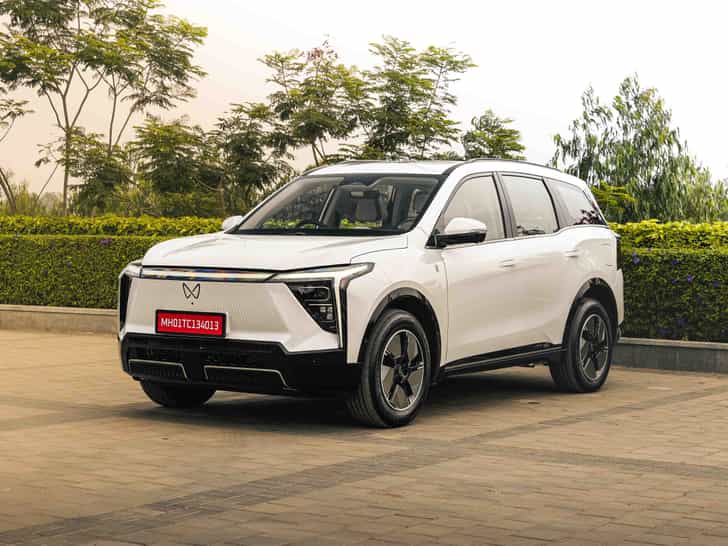
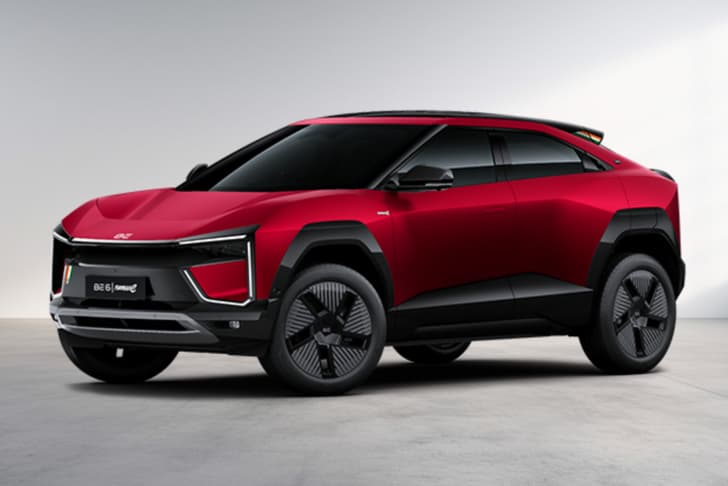
If you don't mind stretching your budget, the Mahindra XEV 9S is the one to buy. It's larger than the Windsor EV and offers the flexibility of a third row of seats. The XEV 9S is also packed with equipment. We aren't fans of the user interface, but it's still better than the MG Windsor.For someone switching from a diesel, the XEV 9S' biggest pull is its power. It's significantly more powerful than the Windsor EV, and acceleration is brisk in its sportiest driving mode.

VehicleMahindra XEV 9S
YO

Yogesh

1d

Hi all, I have been using a Skoda Rapid for the last 12 years, and it has amazing power and stability on the highway. I generally drive at the highest permissible speed on the expressway, and my Rapid has never disappointed me. Now it has started ageing and I am looking for a 5-star NCAP-rated SUV. Any recommendations for me, considering I drive weekly 150km in the city and occasional outings? The budget is around ₹30 lakh. Thanks for your recommendation.

Autocar India team

Autocar India

Verified
18m

Since you have had a positive experience with the Rapid, sticking to a Skoda would be ideal. The updated Skoda Kushaq was recently revealed, and the price launch is just around the corner. It will continue to get the 1.5 TSI engine that is unanimously loved for its performance inside the city and out on the highway. The facelift has not been tested for the Global NCAP rating, but the old Kushaq had scored a perfect 5-stars and the facelift is likely to follow the same.The new Kushaq is a facelift that brings with it new equipment and refreshed design, but mechanically, it has carried over its powertrain for the bigger engine. The smaller 1.0-litre TSI will feature a new 8-speed torque converter automatic gearbox, but since you are a keen driver, we would recommend you stick to the 1.5.The engine also features cylinder deactivation, which helps save fuel in the city, and the DSG gearbox is smooth and effortless. The top-spec version would be well under your budget when it gets launched.

VehicleSkoda Kushaq

Posted on: 2 Mar 2026