
Autocar India
SI

Sitaram

7w

I tried looking for the Mahindra Thar Roxx MX3 Petrol AT, but my parents refused because it hurts their backs, as both are 60+, and the Thar has noticeable body roll. I am now considering the Volkswagen Virtus 1.0L engine as an alternative. My core requirements are strong safety, a reliable vehicle, fun to drive, and good performance on a mix of highways, mountain roads, and bad roads, with very good power. My budget is below ₹18 lakh on road. Please suggest how I should go about this.

Autocar India team

Autocar India

Verified
7w

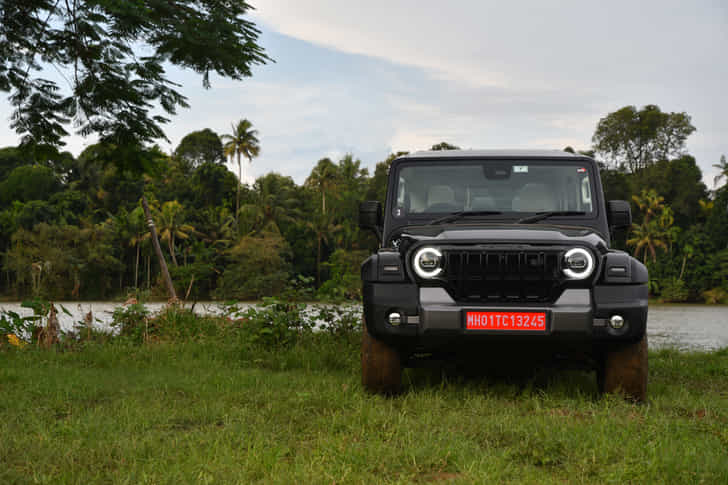
For your aged parents, the Mahindra Thar Roxx can indeed be uncomfortable. Getting in and out requires effort because of the high step-in height, and since it’s based on a body-on-frame chassis, the ride tends to be bumpy. There is noticeable body roll as well, which can make senior passengers uneasy, especially on rough roads.

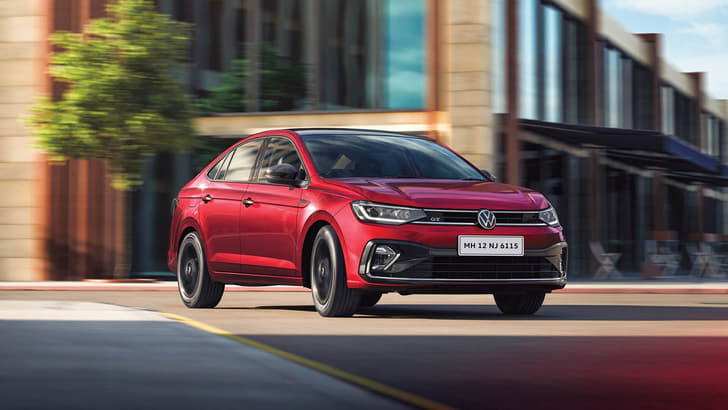
The Volkswagen Virtus 1.0 TSI is a sensible alternative within your ₹18 lakh on-road budget. It offers strong safety credentials, solid build quality and is genuinely fun to drive. The 1.0 turbo-petrol has good low- and mid-range punch, making it enjoyable both on highways and mountain roads. It’s stable at high speeds and feels planted in corners.

On bad roads, you will need to be a bit careful, as it’s still a sedan, but the ground clearance is decent enough for most situations if driven sensibly. If your usage is a mix of highways, hills and occasional rough patches, and you want a safer, more comfortable and still engaging option, the Virtus is a well-balanced way to go.
Volkswagen Virtus

Volkswagen Virtus

MU

Mukesh

7w

What about Nissan gravitia

More questions on similar cars

SA

Sabu

1w

I would like to understand the highway driving comfort of the Mahindra Thar 2-door diesel base model. I typically undertake long-distance drives of around 700–750 km, twice a month.

Autocar India team

Autocar India

Verified
2d

The Mahindra Thar 2-door certainly has a lot of appeal, and it’s easy to see why you’re considering it. It offers strong road presence and that rugged, go-anywhere feel that few SUVs can match. However, when it comes to highway comfort, especially for long drives of 700-750km, it’s not the most suitable choice. The hydraulic steering is quite heavy, the ride is quite stiff and tends to feel bumpy, particularly over uneven surfaces, and there’s noticeable road noise at cruising speeds. All of this adds up, making long highway journeys more fatiguing than they should be.A better-rounded alternative is the Thar Roxx. It retains much of the Thar’s visual appeal and toughness but is significantly more comfortable and refined. The lighter electric steering, improved ride quality, and better overall highway manners make it far easier to live with on long trips.That said, it still uses a body-on-frame setup, so it does feel bumpy on broken roads and may move passengers around, but it’s a far less of a compromise than the 2-door Thar.

VehicleMahindra Thar
VehicleMahindra Thar Roxx
KU

Kushagra

12h

I am planning to buy the Kia Carens 2026. My usage will be 6 days of city driving (100 km total) weekly, 1 day of highway driving (150 km), and an additional 500–800 km trip once every 3 months. However, I am confused about whether to go ahead with it, as the showroom salesperson is suggesting petrol due to DPF concerns. Currently, I own a 2017 Ciaz diesel, which has successfully completed 2.5 lakh km in 9 years.

Autocar India team

Autocar India

Verified
8h

Your usage is actually very well suited to a diesel engine. You are driving around 250 km a week, including a proper 150 km highway run, along with long 500-800 km trips every few months. This is exactly the kind of usage a BS6 diesel needs. Regular longer drives generate enough heat for the DPF to regenerate naturally, which is the key to avoiding issues.The concern raised by your showroom mentioned is valid, but only in specific cases. DPF problems typically occurs when the car is used only for short city runs or constant crawling traffic without any sustained driving. In such cases, soot builds up because the filter does not get enough heat to clean itself.In fact, even owners point out that diesel cars can throw warnings if they don’t get periodic highway runs for regeneration.Your pattern is the opposite. You are already giving the car exactly what it needs. Daily running plus a weekly highway stretch means the system will take care of itself without you needing to think about it.Now, coming to petrol vs diesel in the Carens. The diesel is clearly the better engine for your usage. This Kia car is more efficient and far more suited to a loaded 7-seater, especially on highways and ghats. Real-world efficiency is also significantly better, which matters over time. The petrol is smoother for pure city use, but it feels underpowered when fully loaded and will be more expensive to run.

VehicleKia Carens
PA

Partha

11h

Hi, I want to buy a large SUV (XUV, Scorpio, Safari) under ₹20 lakh, but I am concerned about petrol mileage. My driving is 40–50 km per day (city + highway), and every 3–4 months I take a 500 km trip. Should I buy a diesel car, and if yes, will it have any impact on the DPF?

Autocar India team

Autocar India

Verified
9h

Your 40–50 km daily running, plus periodic 500 km trips, is ideal for a diesel. These engines need consistent use and occasional highway driving to stay healthy, and you are already doing both. Issues with BS6 diesels usually arise only when the car is used for very short city runs or constant crawling traffic without ever getting a proper stretch.The DPF needs heat to clean itself, which happens during steady driving at moderate speeds or higher RPM. Short trips and low speed driving lead to soot build-up, but your usage naturally allows the system to regenerate. It also makes sense to choose diesel in cars like the Mahindra Scorpio N, XUV700 or Tata Safari, as the petrol versions are not very fuel-efficient.

VehicleMahindra Scorpio N
VehicleTata Safari

Posted on: 3 Mar 2026