Autocar India
SA

Sabu

6d

I would like to understand the highway driving comfort of the Mahindra Thar 2-door diesel base model. I typically undertake long-distance drives of around 700–750 km, twice a month.

Autocar India team

Autocar India

Verified
49m

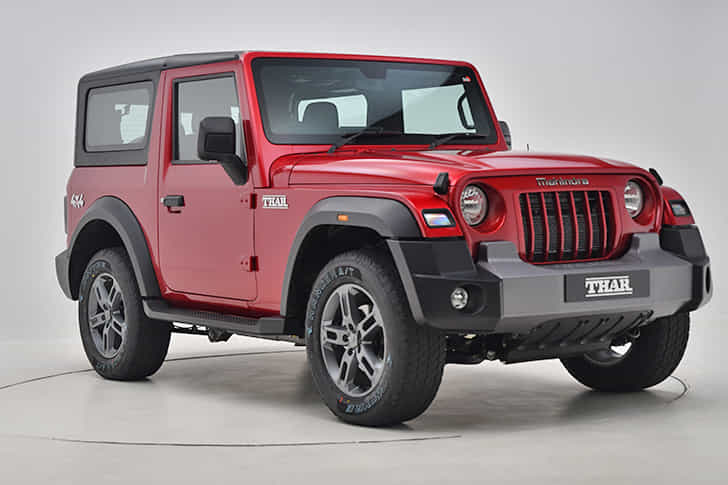
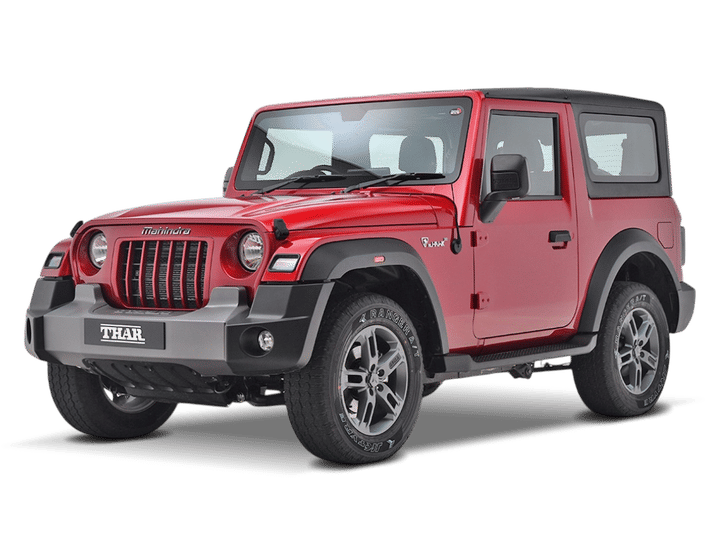
The Mahindra Thar 2-door certainly has a lot of appeal, and it’s easy to see why you’re considering it. It offers strong road presence and that rugged, go-anywhere feel that few SUVs can match. However, when it comes to highway comfort, especially for long drives of 700-750km, it’s not the most suitable choice. The hydraulic steering is quite heavy, the ride is quite stiff and tends to feel bumpy, particularly over uneven surfaces, and there’s noticeable road noise at cruising speeds. All of this adds up, making long highway journeys more fatiguing than they should be.

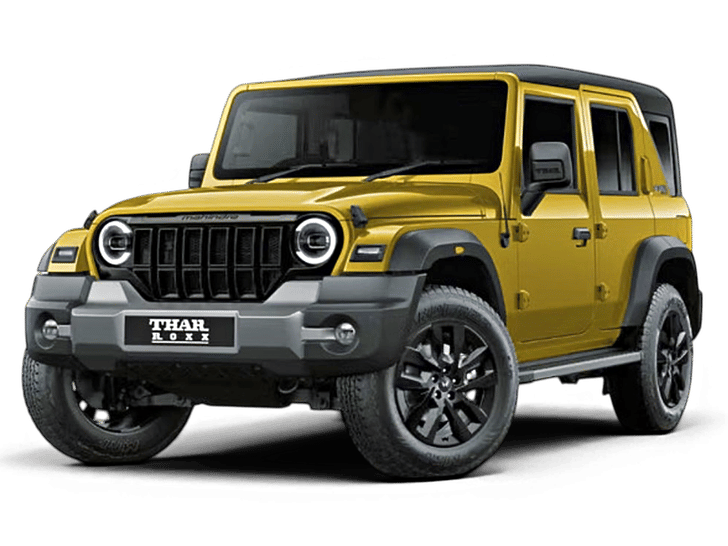
A better-rounded alternative is the Thar Roxx. It retains much of the Thar’s visual appeal and toughness but is significantly more comfortable and refined. The lighter electric steering, improved ride quality, and better overall highway manners make it far easier to live with on long trips.

That said, it still uses a body-on-frame setup, so it does feel bumpy on broken roads and may move passengers around, but it’s a far less of a compromise than the 2-door Thar.
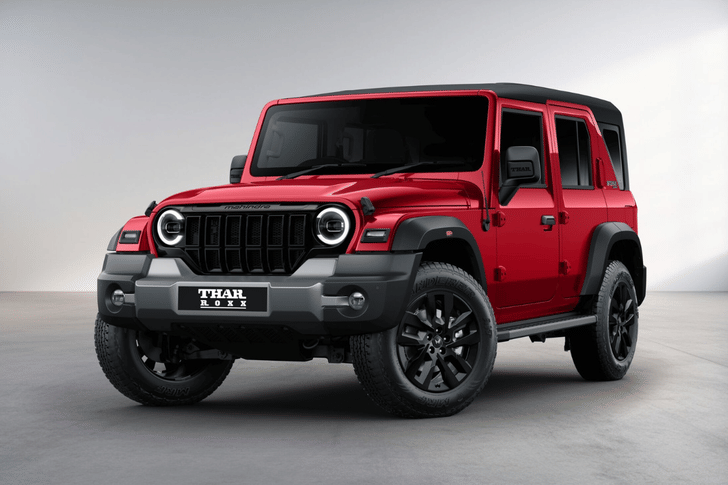
Mahindra Thar Roxx

Mahindra Thar Roxx

More questions on similar cars

BA

Bask

1d

Reposting the question I asked a few weeks back. Could you please give your expert opinion? I own a 2020 Tiguan TDI Highline. The practicality of the SUV, with its interior space, top-notch build quality, fuel economy, AWD capability, and driving pleasure, is second to none. VW is no longer selling the 2.0-litre TDI engine with the DQ500 gearbox, so I plan to keep this car for another five years. With the warranty period completed, I would like to remap the engine to 180+ bhp with 400 Nm torque. Will the DQ500 gearbox be able to handle this? Do I need to install a bigger turbo? What other precautions should I consider (suspension, brakes, etc.)?

Autocar India team

Autocar India

Verified
9h

For a 2020 Tiguan TDI that you plan to keep for five more years, a mild Stage 1 tune to about 180-190 bhp and around 380-400 Nm is the sweet spot, and we would do it as an ECU plus gearbox software tune rather than chasing hardware changes.The DQ500 is a strong DSG in the VW family and, if tuned right, it can handle 400 Nm. The key is the gearbox software: ask the tuner to raise clutch pressure and keep torque delivery smooth, with torque slightly limited in the first few gears. That protects the clutches and keeps shifts clean. At this level, you do not need a bigger turbo. The stock unit can make those numbers safely. A larger turbo only makes sense if you want 200+ bhp, which brings more heat and cost and reduces long-term peace of mind.A few precautions will help. Stick to conservative maps that keep exhaust temperatures in check, especially in summer. If your car has a DPF, make sure the tune keeps it intact and manages soot well; otherwise, you will face clogging. If it does not, still keep the map mild. Shorten service intervals for engine oil, DSG oil, and the AWD coupling oil. Replace the fuel filter more often and use good diesel. Upgrade to better brake pads and fresh high-quality brake fluid; stock discs are fine. Good tyres with a proper speed rating matter more than stiffer suspension at this power. Avoid hard launches and lugging the engine in a high gear at low speed.

VehicleVolkswagen Tiguan
AK

Akhil

2d

I am planning to buy the Toyota Innova Crysta and intend to keep it for at least 10 years. Could you please advise whether it is a safe and sensible choice in terms of service support and parts availability, resale value, and future regulatory norms?

Autocar India team

Autocar India

Verified
1d

Planning to keep it for 10 years and want hassle‑free ownership for that use, the Innova Crysta 2.4 diesel manual in the mid VX trim is a safe pick. It fits long family trips and daily duty, and Toyota’s track record on this model over many years is strong.On service and parts, you are on solid ground. The Crysta is used by many families and also by taxis and company cars across India, so Toyota keeps parts well stocked, and most jobs are straightforward at their workshops. Even outside shops can source common parts easily, which helps if you plan to keep it for a long time.Resale value is among the best in this class. If you sell at 5 to 7 years, you will likely get more than you would for most rivals because buyers trust the Innova for long life. If you keep it for the full 10 years, the value will still be decent in most states, though it will drop faster as it ages.On rules, the current Crysta on sale meets the latest BS6 Phase 2 norms. One key point: in Delhi‑NCR, diesel cars must come off the road after 10 years. So your 10‑year plan is fine there, but resale near the end will be weak. In most other states, private cars can run 15 years before fitness tests start.Trade-offs to note: it is manual‑only, so heavy traffic can get tiring. Also, if most of your drives are very short, the diesel may need an occasional longer run to keep its diesel particulate filter happy.Overall, yes, for long, worry‑free use, the Crysta is a safe choice.

VehicleToyota Innova Crysta
GZ

G Zacharia

3d

My new Kia Seltos DCT 2026 rolled down while I was taking a steep U-turn and had to apply the brake due to traffic. As I accelerated to move forward, the vehicle rolled back and hit a wall behind. Why did this happen, and how can I avoid it in the future?

Autocar India team

Autocar India

Verified
3d

What you experienced is typical of how a DCT behaves, and it can catch you out on steep inclines. In your Kia Seltos DCT, there is no traditional torque converter to “creep” forward like a regular automatic, so on a steep U-turn when you come off the brake, the car can momentarily roll back before the gearbox engages and builds drive. If you then accelerate quickly, there can be a slight delay before power comes in, which is likely why the car rolled back and tapped the wall.To avoid this, the key is to control the car on inclines rather than relying on the throttle alone. Use the brake firmly, then ease onto the accelerator smoothly instead of stabbing it, giving the gearbox a moment to engage. If your car has hill hold, make sure it is active, as it will hold the car briefly when you release the brake. In tighter situations, such as steep U-turns, it is also safer to use the handbrake method by holding the car with the handbrake, then releasing it as you start moving forward. Keeping a slightly larger gap behind you in such situations also helps.The only drawback with DCTs is exactly this behaviour in stop-go or incline conditions, as they are not as intuitive as torque converter automatics.

VehicleKia Seltos

Posted on: 20 Apr 2026