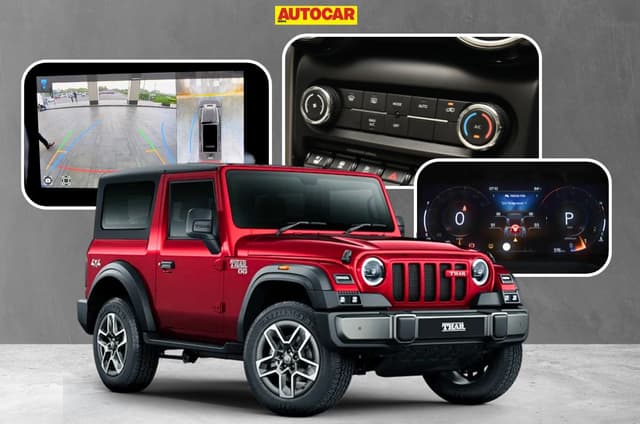
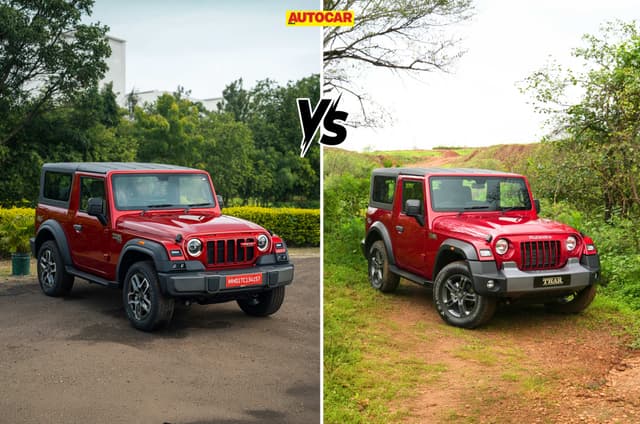
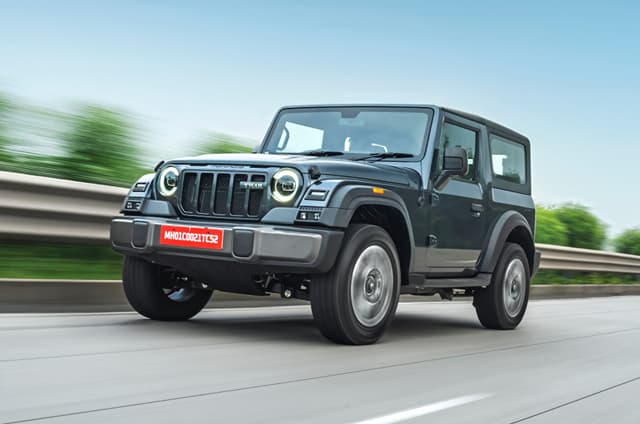
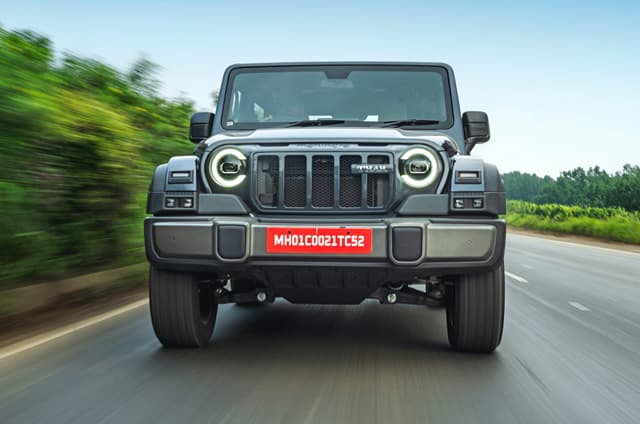
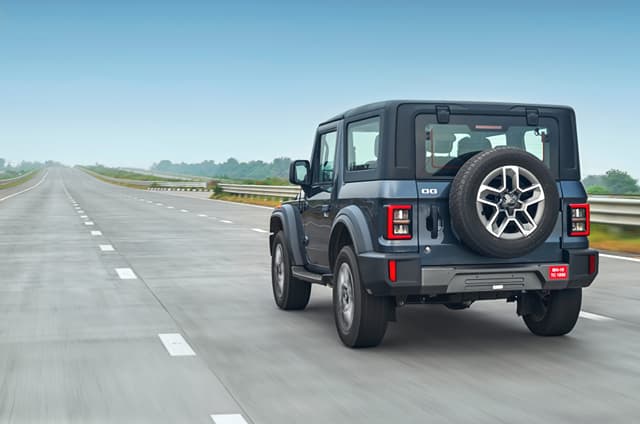
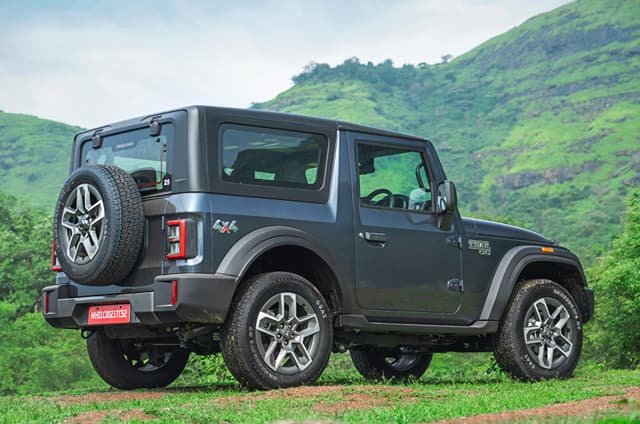
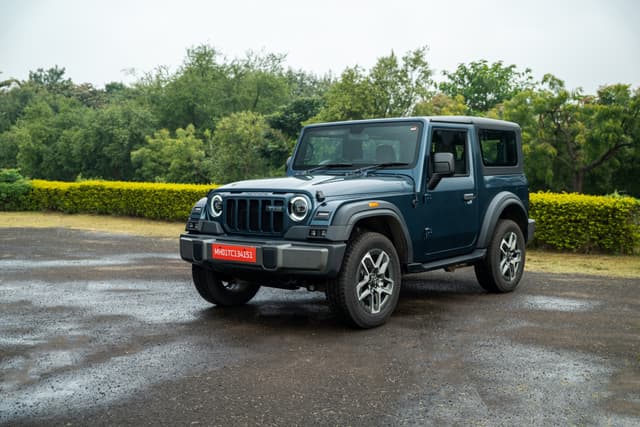
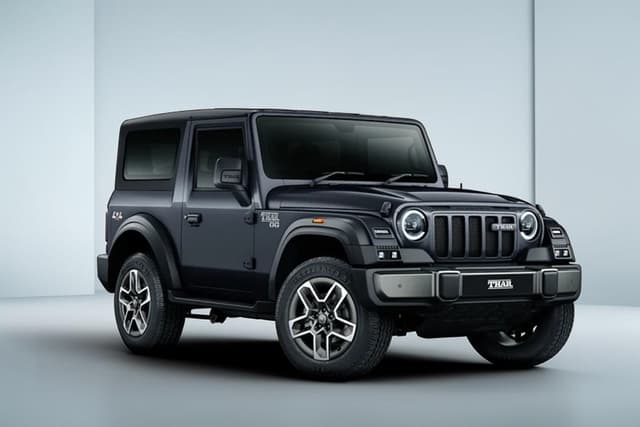
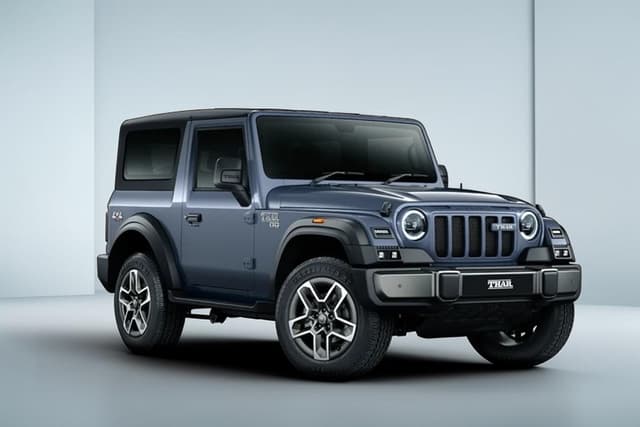
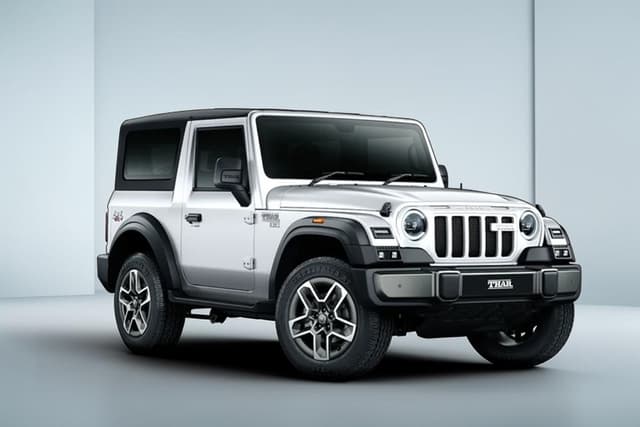
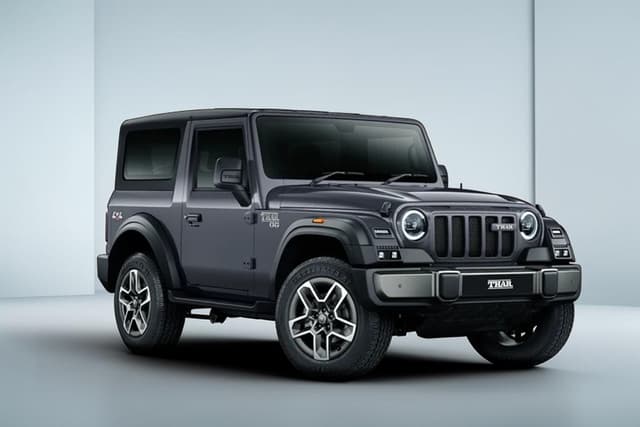
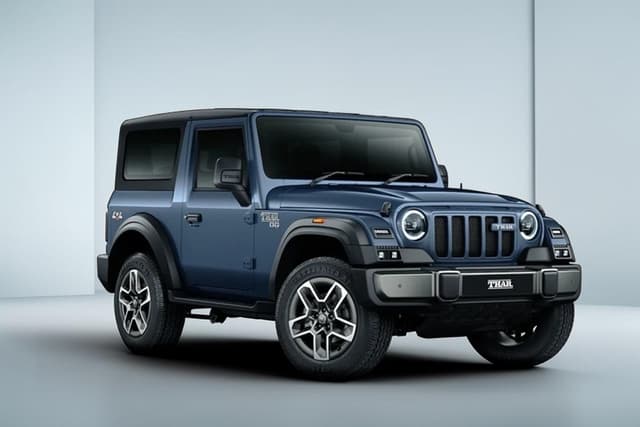
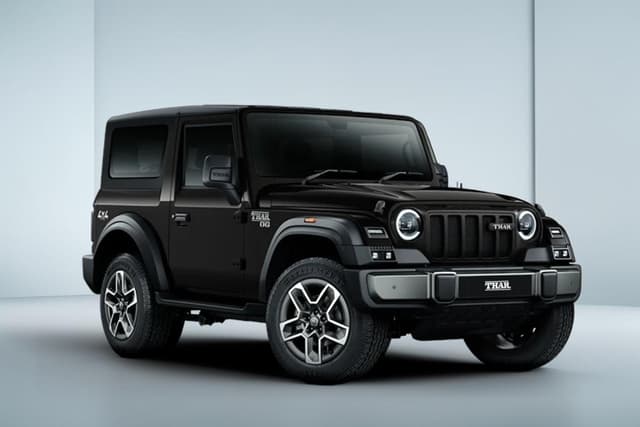
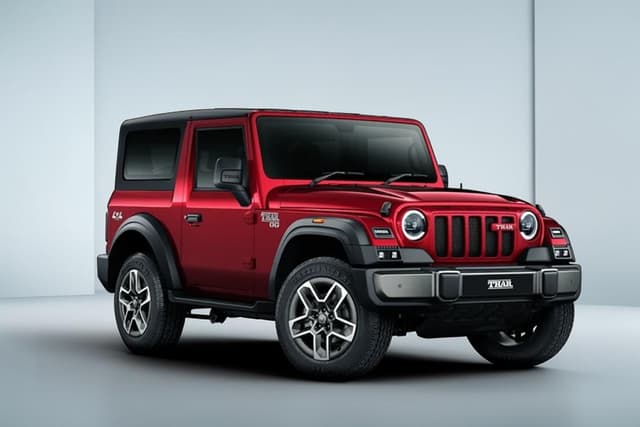
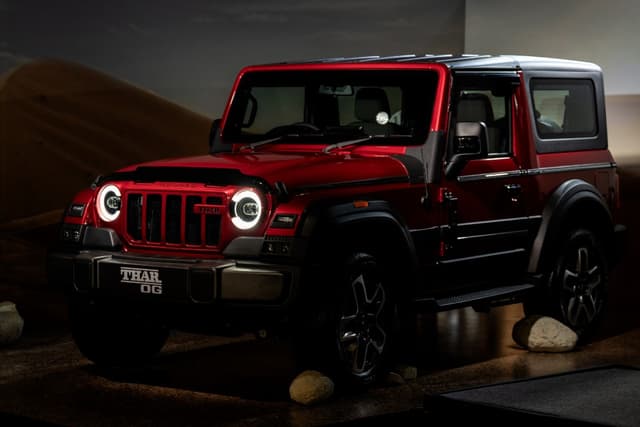
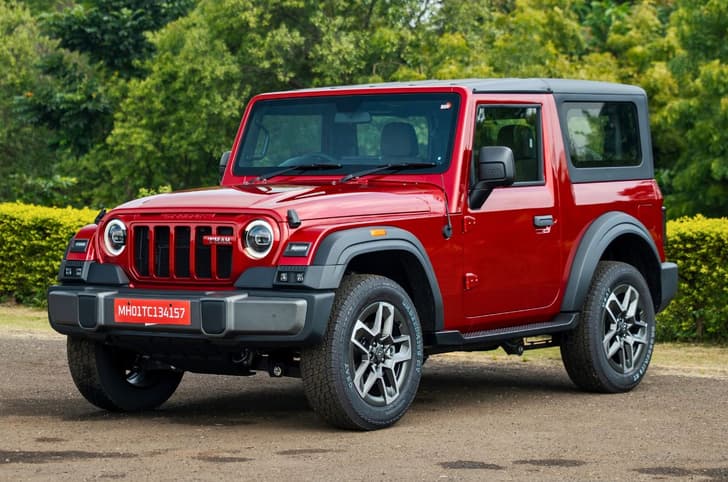
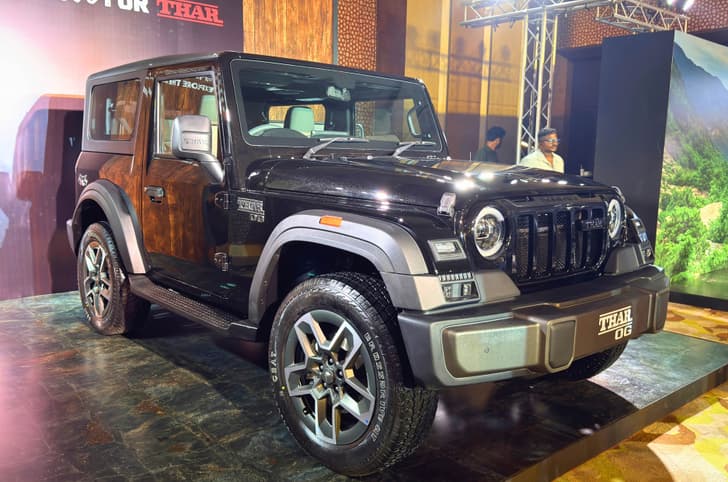
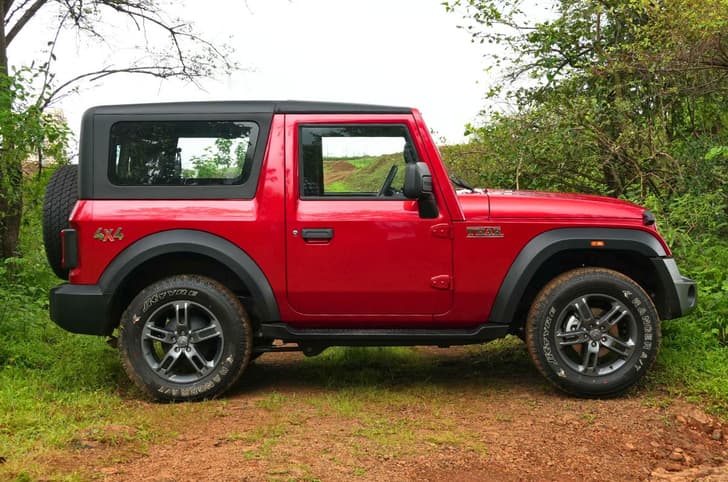
Take a closer look at the Mahindra Thar OG through our expert inspection. Get insights into its driving experience, comfort, safety features, and overall performance.
Show more
Mahindra Thar OG pros and cons
We like
Light steering
Improved stability
We don't like
Lack of space
Plastic quality
Mahindra Thar OG Expert Review
Autocar score
7
Exterior Design And Engineering
9.0
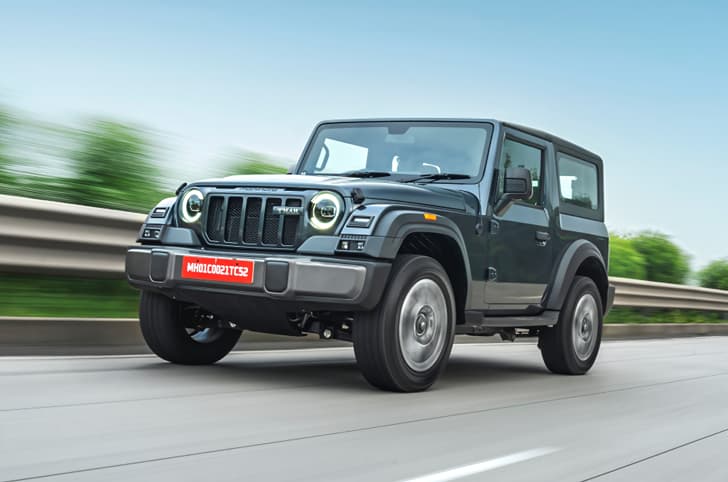
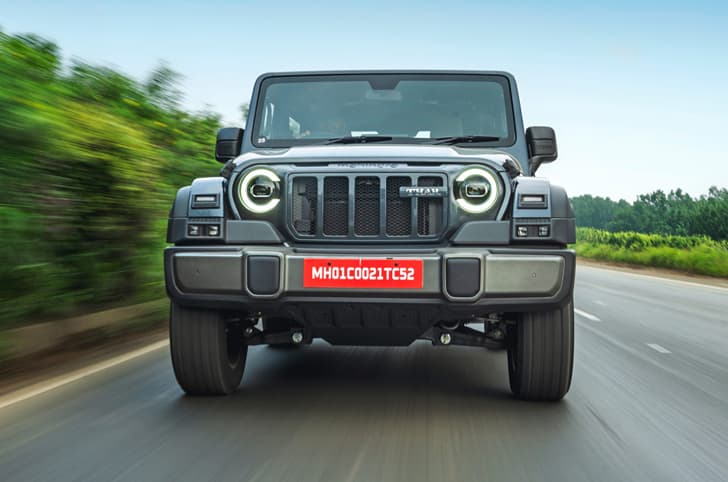
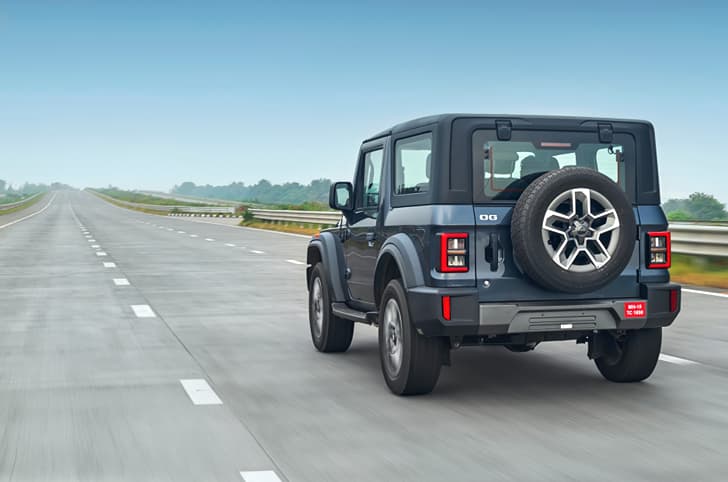
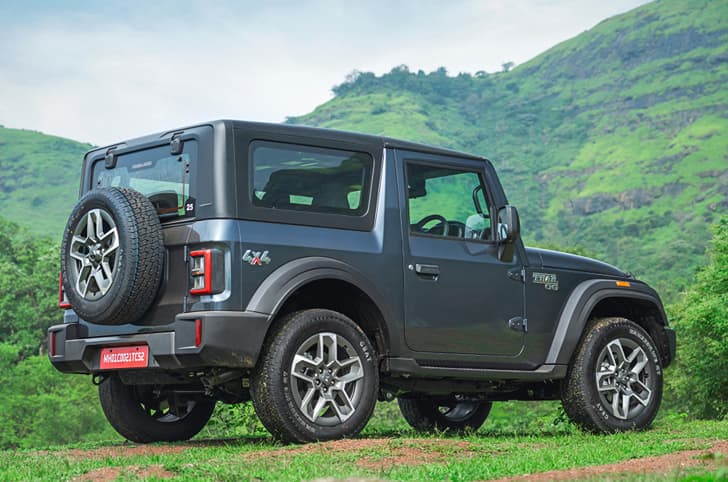
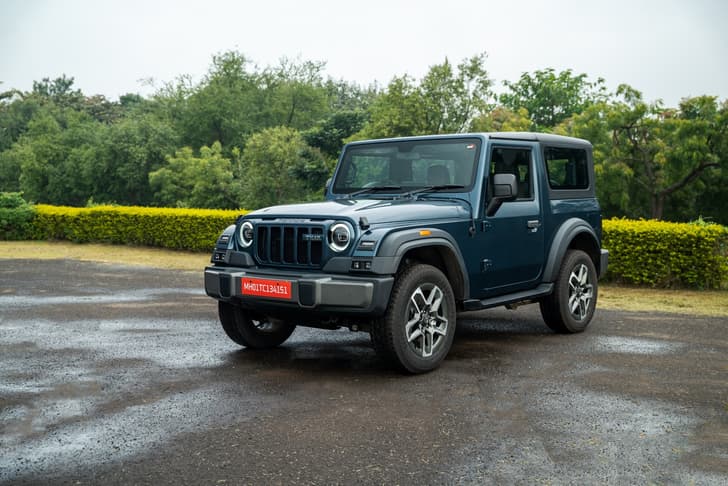
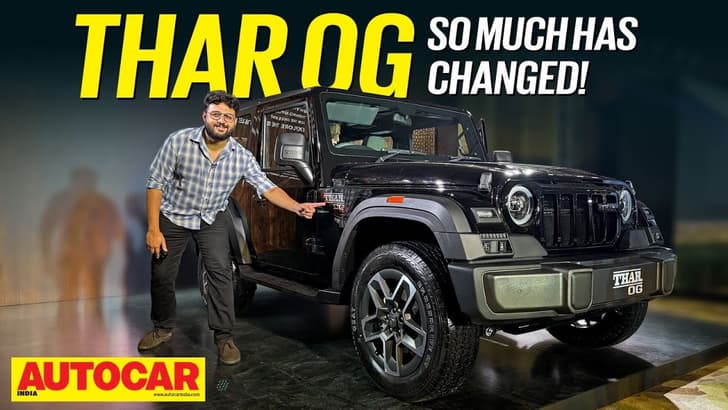
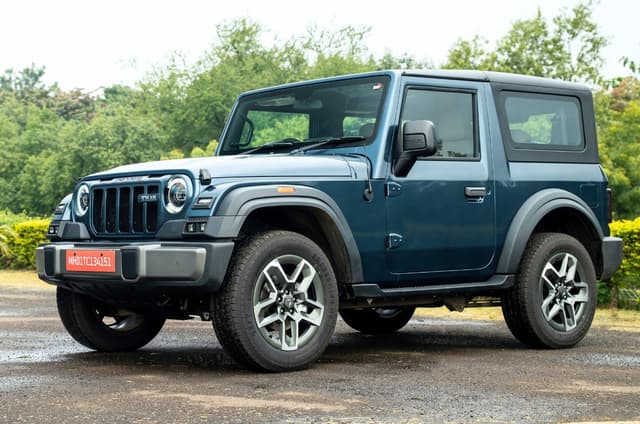
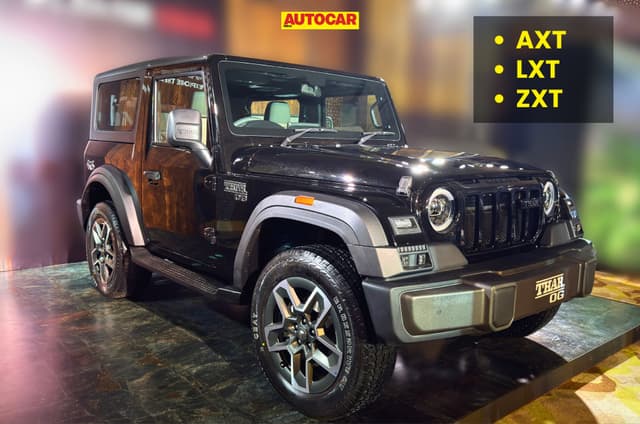
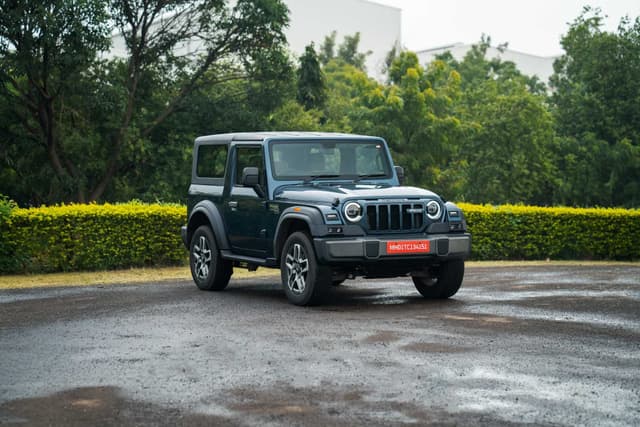
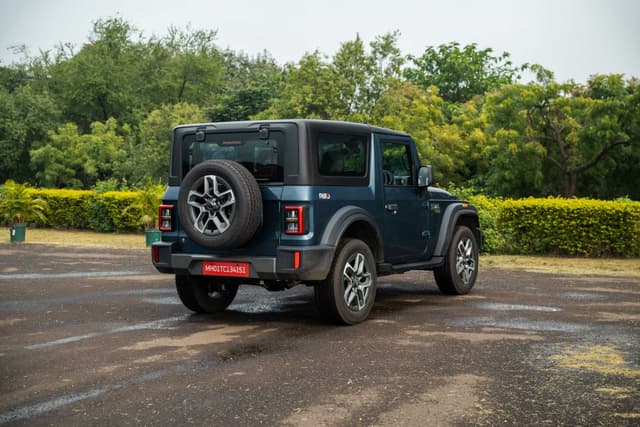
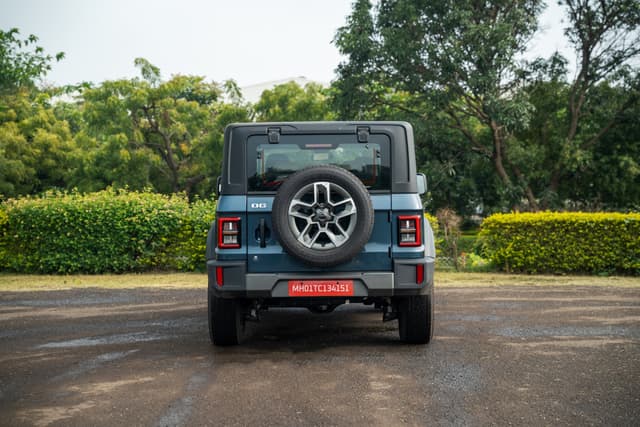
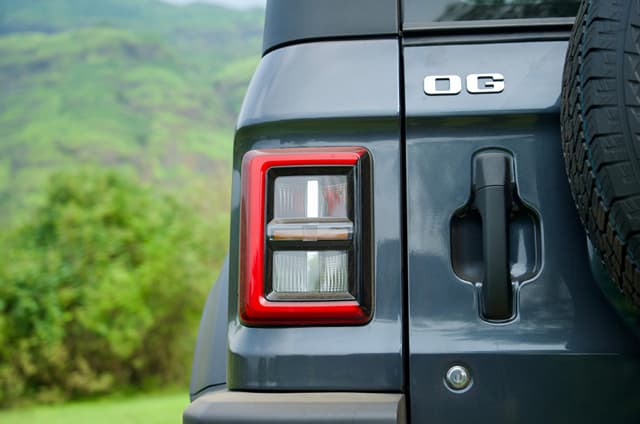
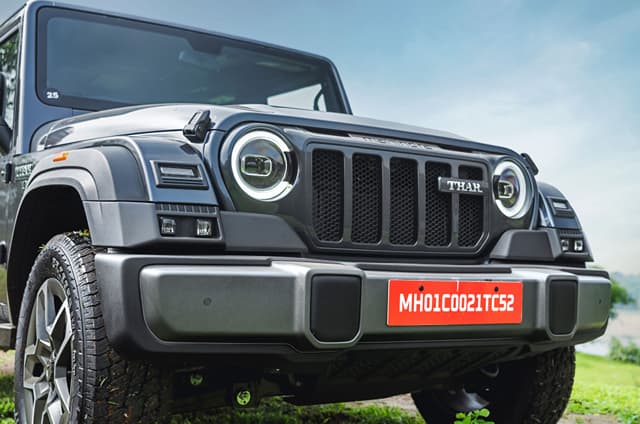
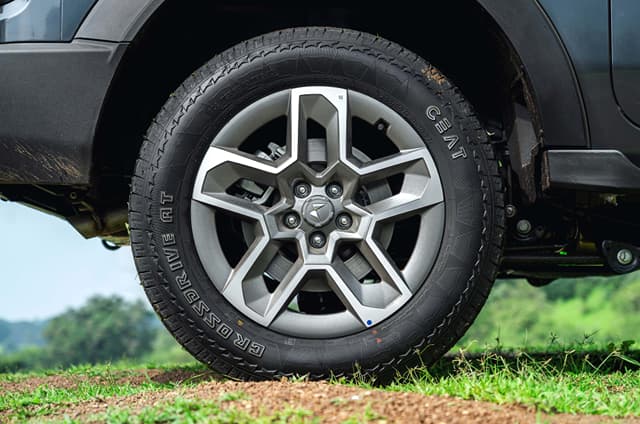
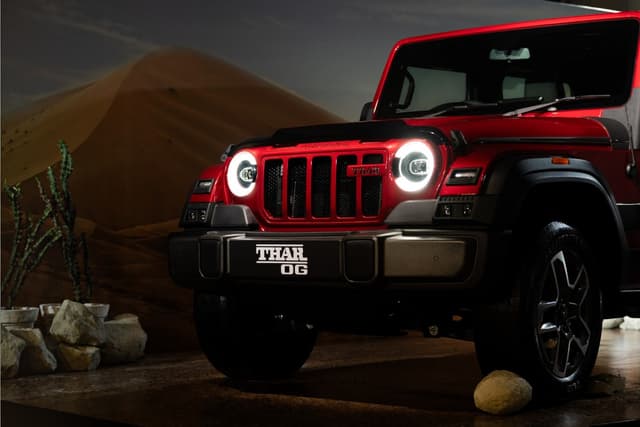
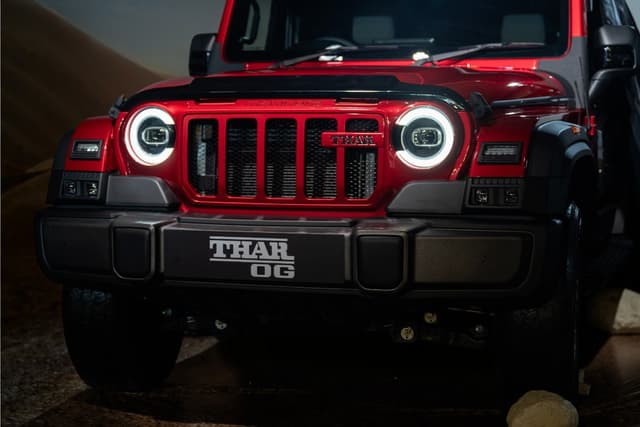
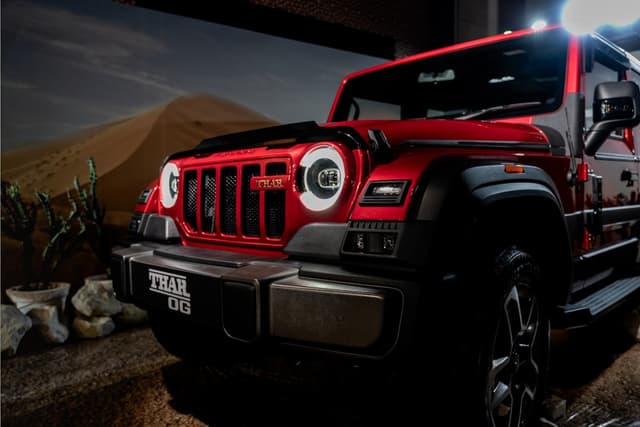
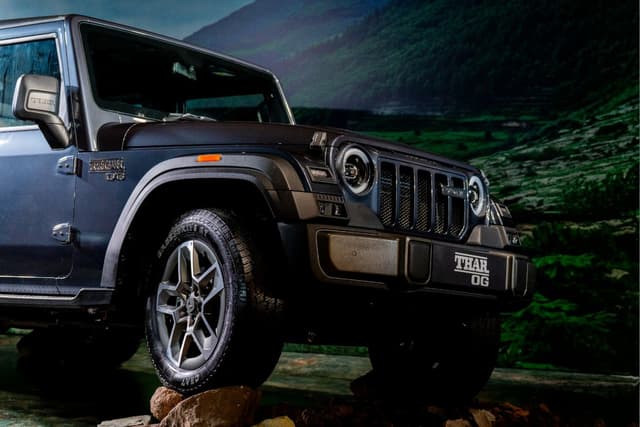
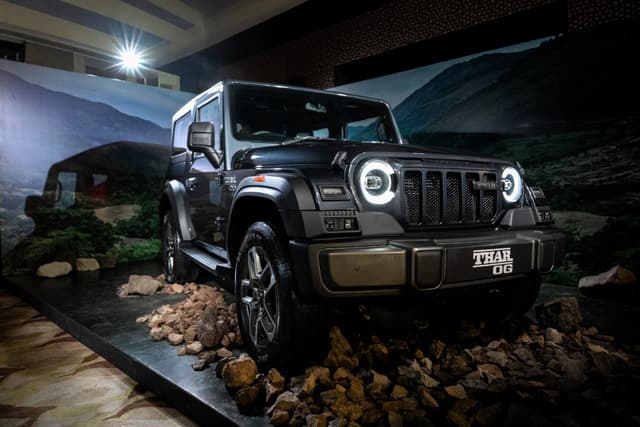
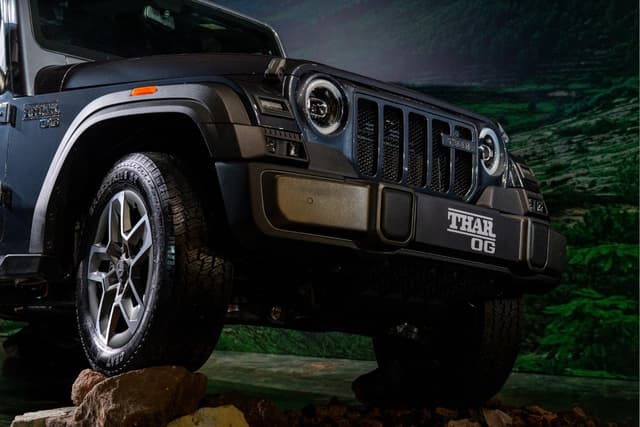
The Thar OG retains its familiar, butch design while adding modern touches such as LED headlamps with C-shaped DRLs, LED fog lamps and a redesigned grille and bumper. New 19-inch wheels, revised cladding and LED tail-lamps further freshen the look. More importantly, it now sits on Mahindra’s Gen 4 M-Glyde chassis, also used by the Roxx, while a wider track adds stability.
Read More
Interior Space And Comfort
6.0
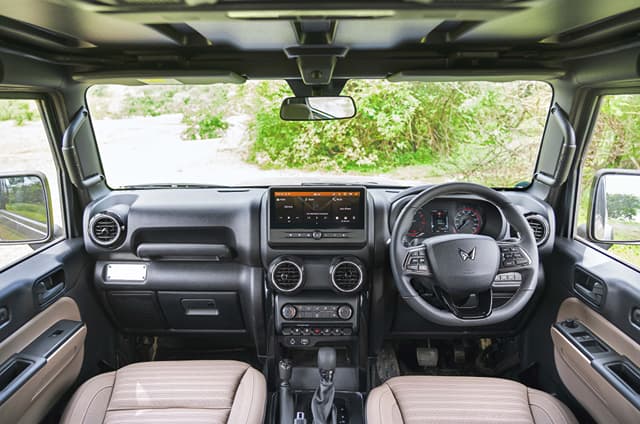
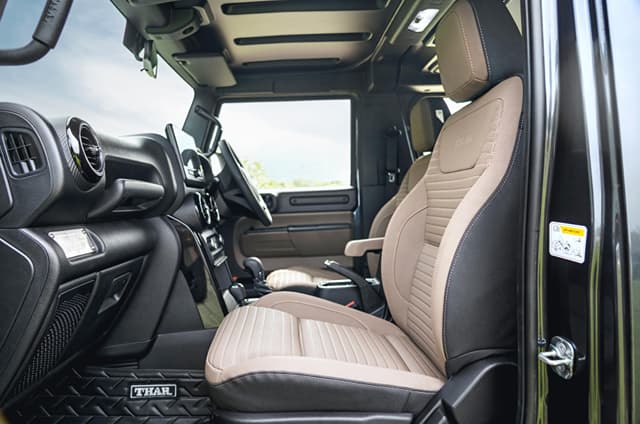
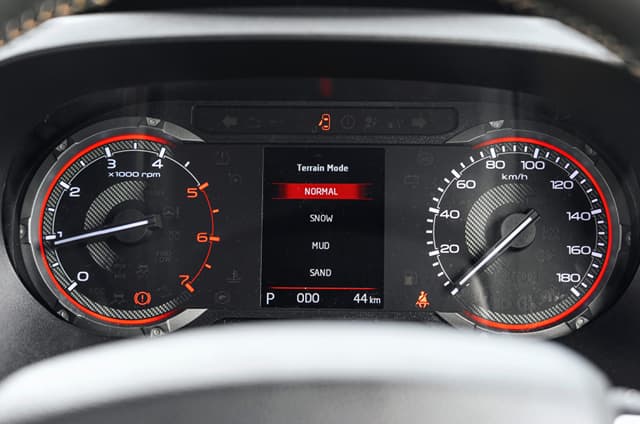
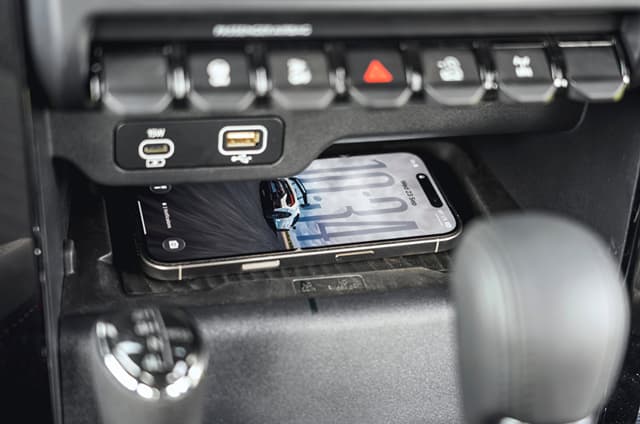
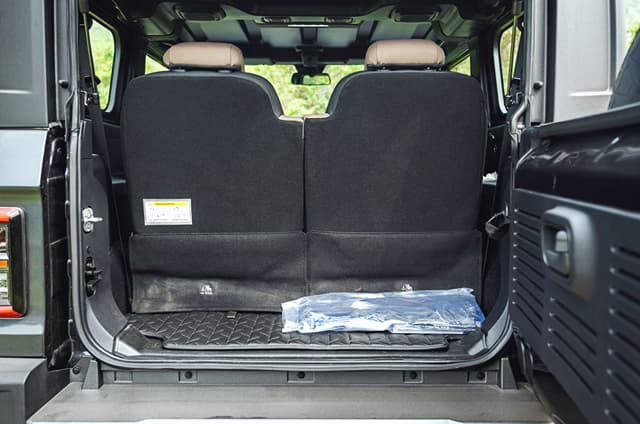
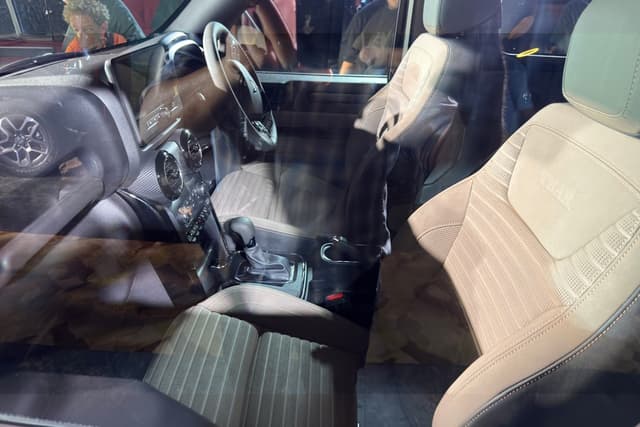
The cabin gets brown leatherette upholstery on the top-spec ZXT trim, along with a wireless charger and new switches for the terrain modes and electronic locking differential. The broad seats are comfortable but lack ventilation, while the rear remains a two-seater. Added AC vents, a USB-C port, soft-plastic armrests and reclining backrests improve rear-seat comfort. Boot space, however, remains severely limited.
Read More
Features And Safety
7.0
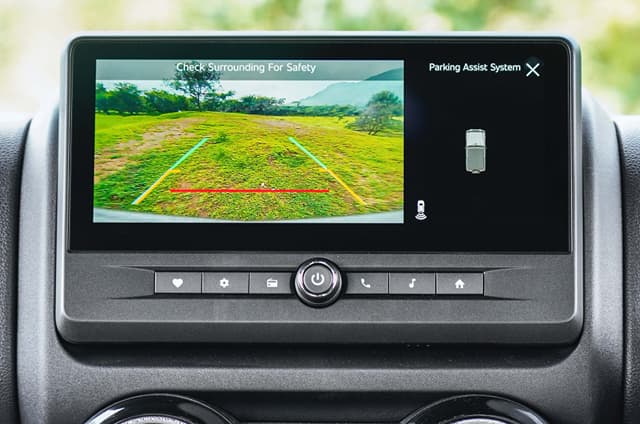
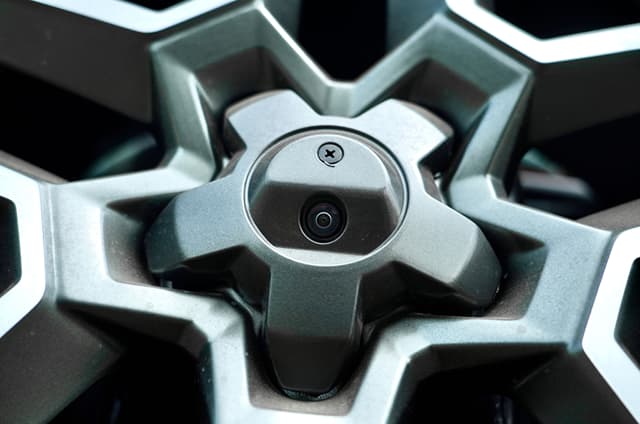
The Thar OG gets the essentials, including manual AC controls, wireless Android Auto, Apple CarPlay via USB-A and USB-C charging. The ZXT trim now gets six airbags, including the new HPTS units, along with front parking sensors and a reversing camera. ESP has also been retuned for better response, although a 360-degree camera would have been more useful given the Thar’s off-road focus.
Read More
Performance And Refinement
8.0
The 2.2-litre diesel now produces 152hp and 330Nm, up by 18hp and 30Nm over the outgoing engine. The additional performance is most noticeable at higher revs, making highway cruising more effortless, though the Thar remains better suited to relaxed driving. NVH has improved, although the diesel gets vocal beyond 2,500rpm. The six-speed automatic is smooth but relaxed, with quick overtakes requiring some patience.
Read More
Ride Comfort And Handling
7.0
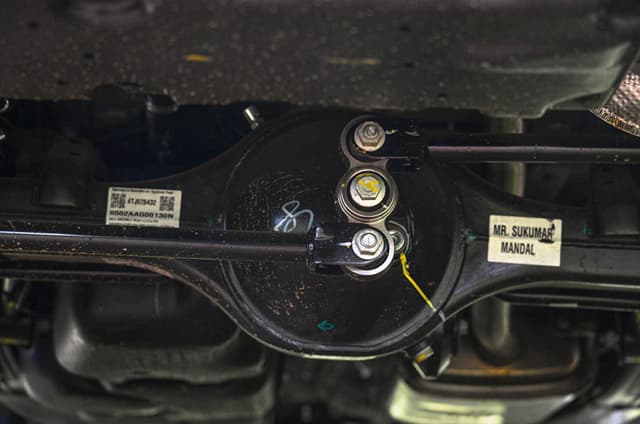
The Gen 4 chassis, Pentalink rear suspension, Watts linkage and DAVINCI dampers have significantly improved the Thar’s road manners. It feels more stable over uneven highways and sharp bumps are better controlled, while the new EPS makes low-speed manoeuvring considerably easier. The ZXT’s frequency-dependent dampers and rear disc brakes add further refinement and stopping confidence. However, it remains a body-on-frame SUV, so the ride is still not particularly plush.
Read More
Value For Money
8.0
Priced from Rs 10.32 lakh, the Thar OG offers more capability, comfort and refinement than before, although many of the new features are reserved for the top-spec ZXT. It remains compromised as an everyday car due to its limited practicality and creature comforts, but for buyers who prioritise off-road ability and character over plushness, the Thar OG remains a distinctive proposition.