Autocar India
PA

Partha

7w

Hi, I want to buy a large SUV (XUV, Scorpio, Safari) under ₹20 lakh, but I am concerned about petrol mileage. My driving is 40–50 km per day (city + highway), and every 3–4 months I take a 500 km trip. Should I buy a diesel car, and if yes, will it have any impact on the DPF?

Autocar India team

Autocar India

Verified
7w

Your 40–50 km daily running, plus periodic 500 km trips, is ideal for a diesel. These engines need consistent use and occasional highway driving to stay healthy, and you are already doing both. Issues with BS6 diesels usually arise only when the car is used for very short city runs or constant crawling traffic without ever getting a proper stretch.

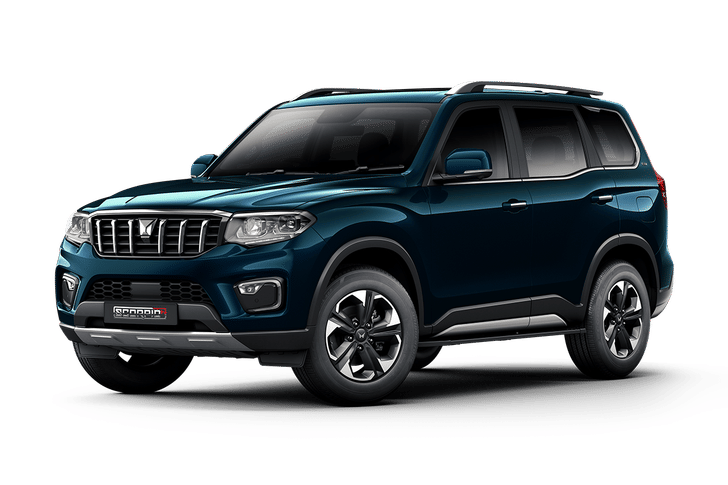
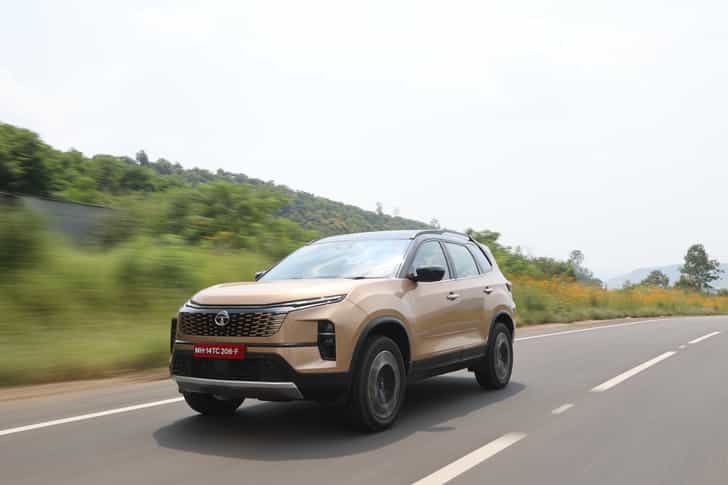
The DPF needs heat to clean itself, which happens during steady driving at moderate speeds or higher RPM. Short trips and low speed driving lead to soot build-up, but your usage naturally allows the system to regenerate. It also makes sense to choose diesel in cars like the Mahindra Scorpio N, XUV700 or Tata Safari, as the petrol versions are not very fuel-efficient.
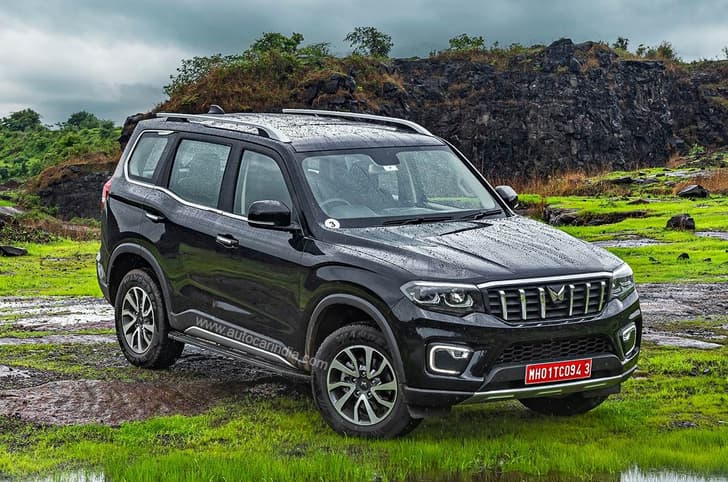
Mahindra Scorpio N

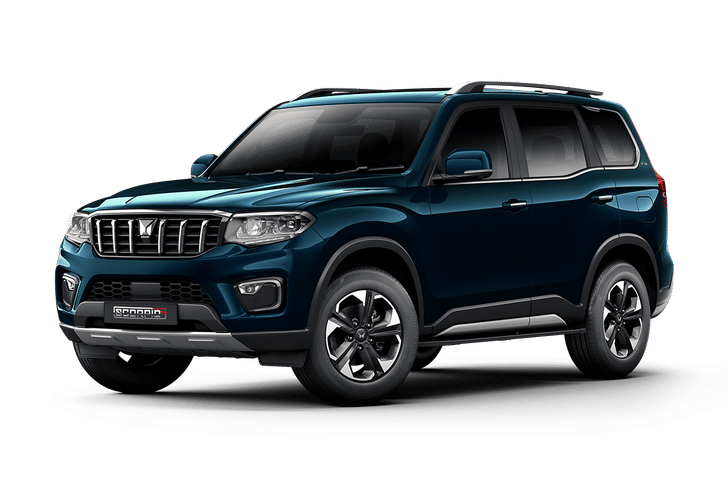
Mahindra Scorpio N

VM

Vivek mathur

7w

Scorpio n xuv700 and safari me better kon si hai

SK

Satyam Kumar Singh

7w

Take a test drive. Safari feels more premium and comfortable

PB

Pankaj Bora

7w

Which car is best for Assams road between Xuv700 and Tata Safari ? I always ride 30 to 40 KM in city . I completed aproximatly 1200 KM in a month. Which car is best for me petrol or diesel ? I need a 7 seater car.

More questions on similar cars

SH

Shaadab

5d

I want to purchase a car for my daily commute on village roads, as well as for highway driving. My monthly running is around 3,000 km, and once every quarter, I travel to a city that is approximately 350 km away from my town. Considering my usage pattern, would an EV be a suitable choice? Please suggest the best options within a budget of Rs. 20-30 lakh.

Autocar India team

Autocar India

Verified
2d

If you can install a charger at home and have charging stations on the route to your destination, an EV does make sense for your heavy use. Under Rs. 20 lakh, consider the Tata Curvv EV with the 55kWh battery pack. In our real world tests, it managed 352km on the highway which means your 350km journey is possible with a quick stop in between to top up. It also has good ground clearance and rides well, so it will deal with village roads nicely.For under Rs. 30 lakh, consider the Mahindra XEV 9e with the 79kWh battery pack. In our tests, it managed 488km on the highway meaning with some care, your 350km journey is possible in one go. You will need to charge at your destination though. EVs are less efficient on the highway and particularly with a full load require care to ensure the battery doesn't deplete too quickly. Your charging stops will also need to be planned in advance and there is possibility that you will have to wait at a stop for charge to become available. If this seems like too much work, then stick to a diesel. Under Rs. 20 lakh, consider the Kia Seltos diesel or the Hyundai Creta diesel. Under 30 lakh, you could consider the Mahindra XUV 7XO or the Scorpio N. All of these will comfortably manage village roads and do long highway stints without worries.

VehicleMahindra XEV 9e
VehicleTata Curvv EV
VehicleHyundai Creta
VehicleMahindra XUV 7XO
VehicleMahindra Scorpio N

Popular discussions right now

VV

Vaibhav Vats

1w

I own a Hyundai Venue Turbo Petrol, which is driven around 4,000 km per year and is occasionally used by my parents. I have been considering to upgrade it, as I am tired of spending money on maintenance. The car has been problematic since its second year of ownership. I am currently considering the Kia Syros HTK (EX) manual and HTK+ (DCT). However, some automobile enthusiasts have advised me against buying a DCT if I am looking for a hassle-free ownership experience, especially since the car will mostly be driven in Delhi’s office-hour traffic and the overall running is quite low. Could you please suggest whether I should opt for the DCT, stick with a manual, or consider a diesel automatic instead? Alternatively, if there are better options within a budget of Rs. 15 lakh, I would be open to considering them. I can also wait if there are any promising new launches expected this year within my budget. I am not interested in an EV at the moment. Thanks in advance.

Autocar India team

Autocar India

Verified
6d

Given your low annual running and predominantly city use in Delhi, a diesel does not make sense. Modern diesels are happiest when regularly driven on longer runs, and with just 4,000km a year, the higher purchase cost and potential emission system issues are difficult to justify.As for DCTs, they have become far more reliable than early examples, but if the priority is a smooth, stress-free ownership experience in heavy urban traffic, a torque-converter automatic is still the safer bet. It is generally smoother at low speeds and better suited to constant stop-start driving.Rather than moving to a Syros DCT, it would be worth considering the Skoda Kylaq automatic or the Mahindra XUV 3XO automatic. Both use torque-converter gearboxes and offer a more relaxed driving experience in city conditions. The Kylaq feels particularly polished to drive, while the 3XO counters with a richer feature list and a more spacious cabin.If you like the Syros, the manual remains a sensible choice given your limited annual usage, but if an automatic is preferred, a torque-converter-equipped rival would be a better fit than a DCT.

VehicleKia Syros
VehicleSkoda Kylaq
VehicleMahindra XUV 3XO

Posted on: 22 Apr 2026