
video|14 Sep 2026
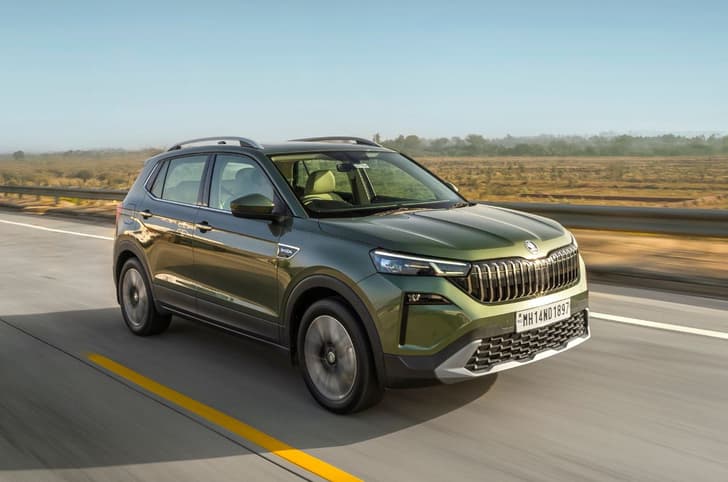
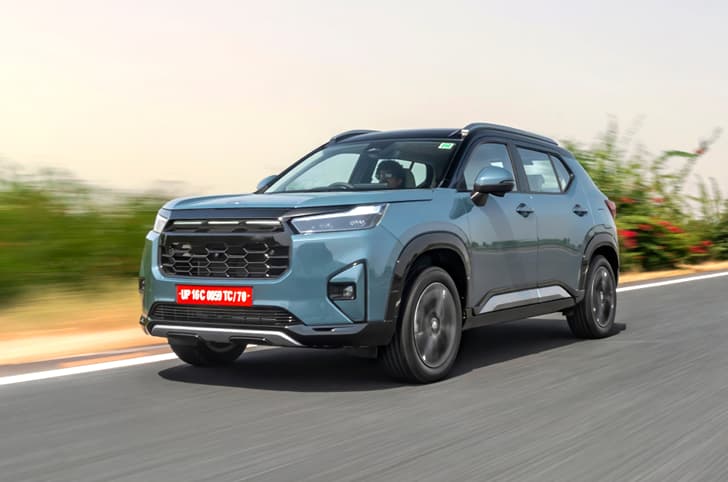
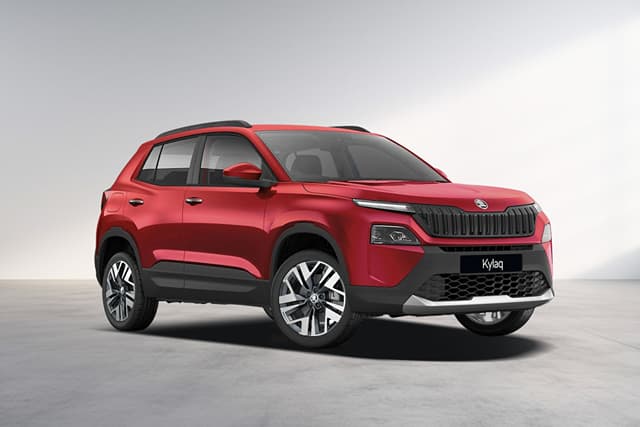
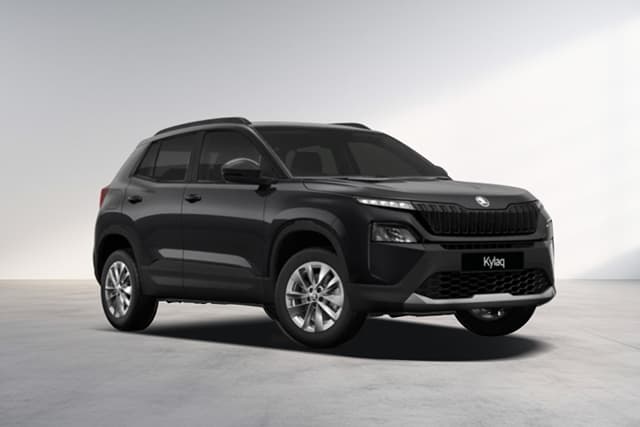
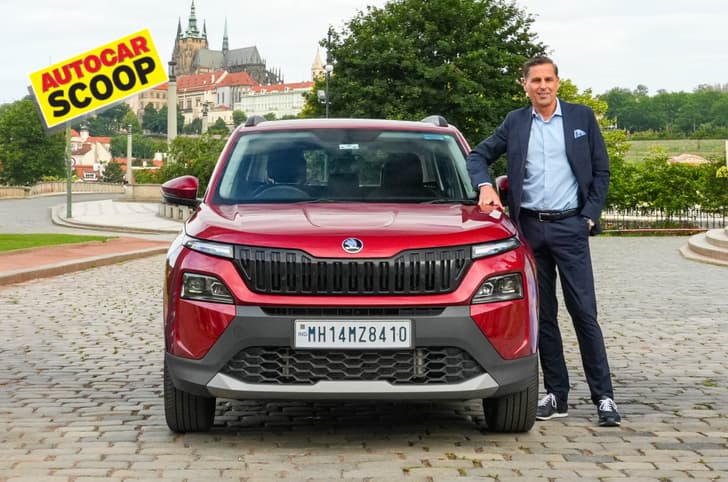
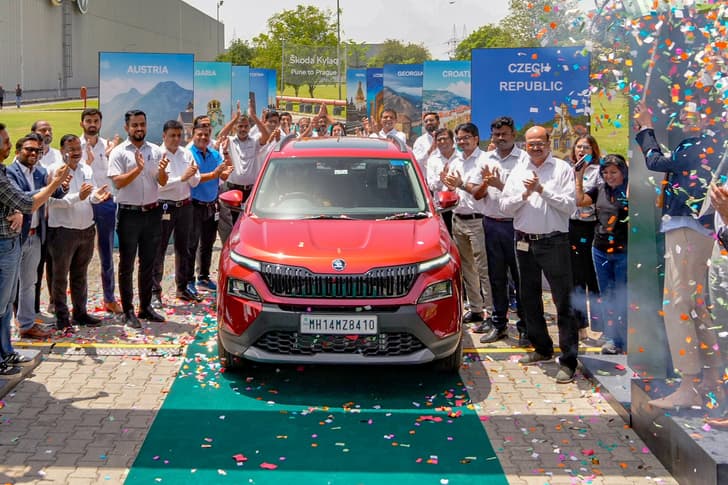
Pune to Prague in a Skoda Kylaq - Episode 6: Gateway to Europe


Last Updated on: 12 Oct 2026


| PowertrainThe combination of engine type, fuel, and transmission that powers your vehicle and determines how it drives and what it runs on. | ARAI MileageMileage certified by the government, tested under controlled lab conditions. Real-world mileage will vary. | Autocar Tested MileageAutocar's experts test each vehicle on fixed city and highway routes under standardised conditions - single occupant, AC running, manufacturer-recommended tyre pressures. Tanks are filled to the brim before and after each run to calculate efficiency. Results reflect realistic real-world usage. | User Reported MileageMileage figures are reported by vehicle owners and represent the approximate real-world efficiency you may experience. Actual mileage will vary based on driving conditions, habits, and vehicle condition. |
|---|---|---|---|
Petrol-Manual 999 cc | 19.68 kmpl | 12.86 kmpl | 17.16 kmpl |
Petrol-Automatic (Torque Converter) 999 cc | 19.05 kmpl | 11.03 kmpl | 15.7 kmpl |
Skoda Kylaq Official Brochure
Download the complete brochure with specs, features, and variants.








I am looking for an automatic SUV under Rs 14 lakh, preferably with a torque-converter or CVT gearbox. The car will primarily be used for city driving, with occasional highway trips and long-distance journeys. I am leaning towards a petrol model rather than an EV, as I feel EV charging infrastructure is still not widely available. My main priorities are mileage and long-term reliability. I have shortlisted the Maruti Suzuki Brezza, Skoda Kylaq, Hyundai Venue and Mahindra XUV 3XO.

 Maruti Suzuki BrezzaSkoda KylaqMahindra XUV 3XOHyundai Venue
Hi, I am looking for an automatic car for my dad for 70% travelling on open highways/country roads and 30% in slow moving (not heavy) traffic. with quarterly over 350km of travel. Fuel efficiency is not a concern to me and features as well as cabin toys are not deal brakers. My pure focus is on engine, transmission and reliability. I have shortlisted i20 CVT as the belt drive is smooth, but I am not sure about longer 110kph cruising and overtakes. I have also shortlisted, 3XO TC as the MPFi is convincing but I am not convinced about the service of Mahindra. The car is also a bit bulky for my dad. I have also shortlisted Kylaq automatic as this car is compact but has enough power but I am a bit worried about the 2.0 Skoda/Volkswagen reliability. The nearest ASC is 70kms away, which is the major concern as accessibility worry when i face some issues. Also, I am not sure how the engine will feel while driving in the city because of direct Injection in the long run. Other cars are rejected because of AMT/DCT/Budget/strict petrol requirement.
Hyundai i20Mahindra XUV 3XOSkoda KylaqI am planning to purchase a new SUV for my family and would appreciate your expert recommendation. I am currently considering the Skoda Kushaq, Skoda Kylaq, Tata Nexon, Hyundai Venue, Hyundai Creta, Mahindra XUV 3XO and Kia Sonet. My usage will primarily involve family trips, weekend drives, vacations and outstation or highway travel, as I do not use the vehicle for daily office commuting. Family comfort, safety and long-term reliability are my key priorities. I am particularly looking for a vehicle with low maintenance and service costs, good after-sales support and a strong service network, especially in Bengaluru, along with comfortable seating for four to five family members on long drives, good safety ratings and build quality, decent highway fuel efficiency, and strong resale value after five to seven years of ownership. Based on these requirements, could you please recommend the most suitable model and explain why, suggest the variant that offers the best value for money, highlight any common issues or ownership concerns I should be aware of, and provide your top three recommendations ranked in order of suitability for my needs?
Hyundai CretaSkoda KushaqSkoda KylaqMahindra XUV 3XOI am planning to buy a sub-4m SUV and have shortlisted the Skoda Kylaq Signature Plus Automatic and Hyundai Venue HX5 Diesel Automatic. My annual running is expected to be around 16,000 to 18,000 km, including approximately 12,000 km of highway driving. From an economic point of view, I am slightly concerned about the Kylaq’s real-world petrol mileage, especially given the high amount of highway running. I am also concerned about the long-term implications of E20 petrol and whether it could lead to any issues in the future. On the other hand, I have concerns about buying a diesel due to the possibility of future government restrictions and the uncertainty around long-term diesel ownership. Considering these factors, I would appreciate your advice on which of the two would be the better choice for at least eight years of ownership.
Hyundai VenueKia SeltosSkoda KylaqHi, I am from Kolkata and am planning to buy a new car for the first time. My budget is between 11 and 12 lakh. Now, my driving will be more or less within 600-700 km/month which will involve 60% city and 40% highway driving. I want a compact SUV and my choices are Maruti Suzuki Brezza 1.5 ZXi, Brezza ZXi 1.0L Turbo, Skoda Kylaq Classic+/Signature and Tata Nexon Pure Plus PS. You can suggest me other cars as well. I am confused between NA and Turbo. Mileage is also an important factor but not the first priority.
Maruti Suzuki BrezzaTata NexonSkoda KylaqJoin the Discussions
In our real-world tests, the Kylaq AT returned a fuel efficiency of 8.70kph in city and 13.36kpl on highways, thus averaging at 11.03kpl.
In our real-world tests, the Kylaq MT returned fuel efficiencies of 10.60kpl in the city and 15.12kpl on the highway, averaging at 12.86kpl.