Autocar India
23h

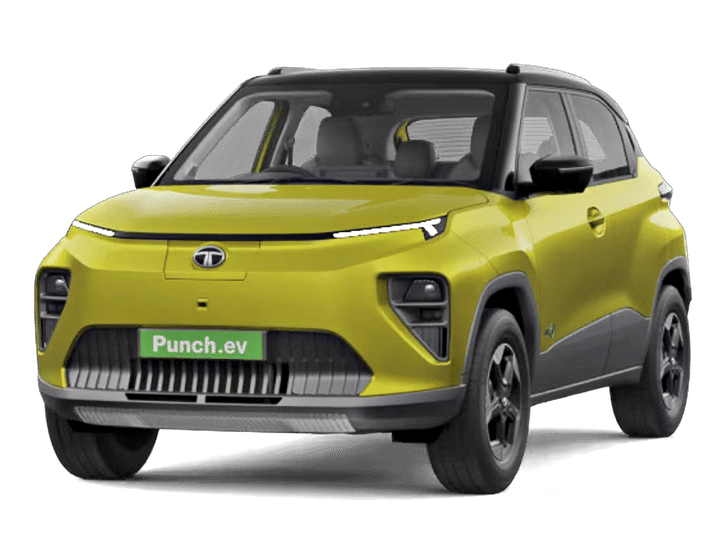
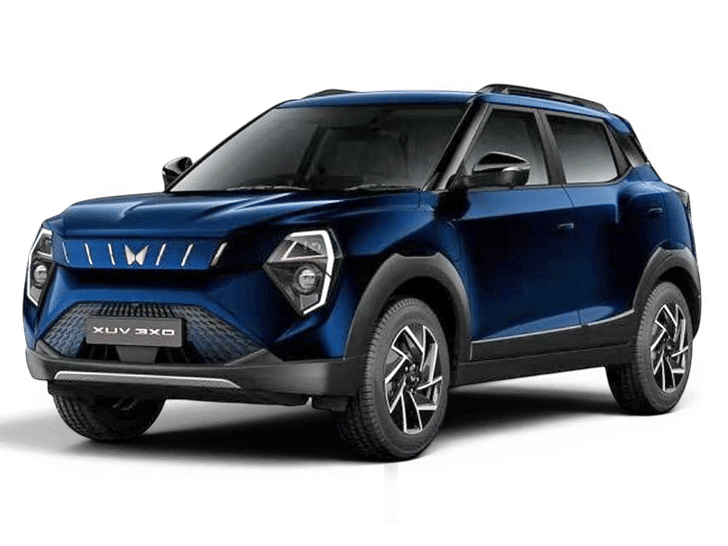
I am looking to upgrade my 19-year-old i10 Era and am seeking a vehicle that offers a great blend of comfort and longevity for the next 15 years. My budget is 12-16 lakh. While I am happy with my current car, I need something with more power for overtaking and lower maintenance requirements. Although my current annual usage is low (approximately 2,000-3,000km), I expect this to increase with a new car. My primary use will be city driving in Kochi with three passengers, but I need enough space and comfort for occasional long drives and airport runs. I am prioritising value for money. My current picks: Tata Punch EV (Empowered S+) - around 14 lakh Pros: The instant torque and overtaking performance are appealing. Shock absorbers are also nice. There are features (but not sure how much they will help me). Concerns: Tata’s quality control, long-term service consistency, and uncertainty around EV resale value and technology depreciation. Mahindra XUV 3XO (MX2 Pro TC Automatic) around ₹12 lakh Pros: Feels like a proper, spacious SUV. Cons: Lower fuel efficiency and higher RTO costs compared to an EV. Skoda Kylaq (Signature TC Automatic) - around 12.75 lakh Pros: Excellent reviews for handling and engine performance. Cons: Lower fuel efficiency and higher RTO costs compared to an EV. Citroen Aircross (X You Manual) - around 10 lakh Pros: Excellent reviews for ride comfort and handling. Cons: Manual transmission and concerns about the brand's service network. Overall, what should I choose between a manual, an automatic and an EV? Are automatics a no-brainer these days? Is the Punch EV a good option now?

Verified
31m
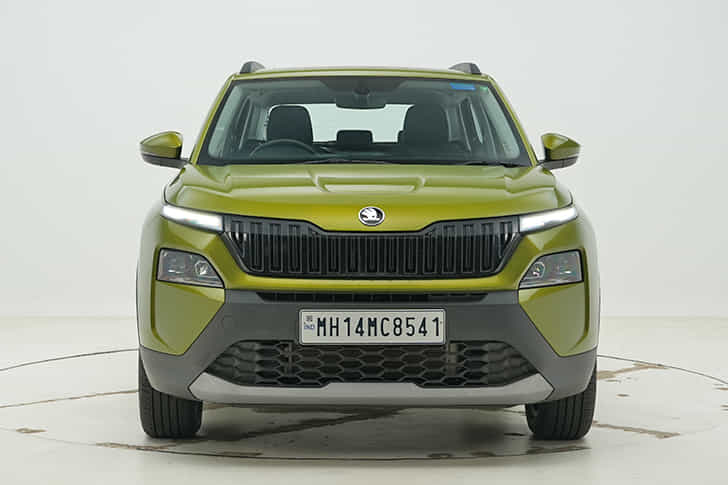
Given your priorities of comfort, longevity, low maintenance and value for money, the Skoda Kylaq Signature AT would be the recommendation from your shortlist.
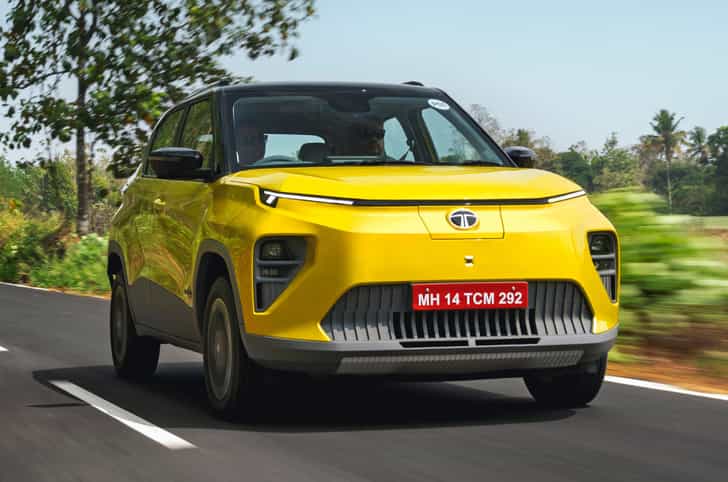
The Tata Punch EV is actually one of Tata's more sorted products, and the instant torque will certainly make overtaking effortless. However, if you're planning to keep the car for the next 15 years, there are still some unknowns around long-term battery technology, resale values and how EVs will evolve over such a long ownership period. It makes sense as an EV, but perhaps not as the safest long-term bet.
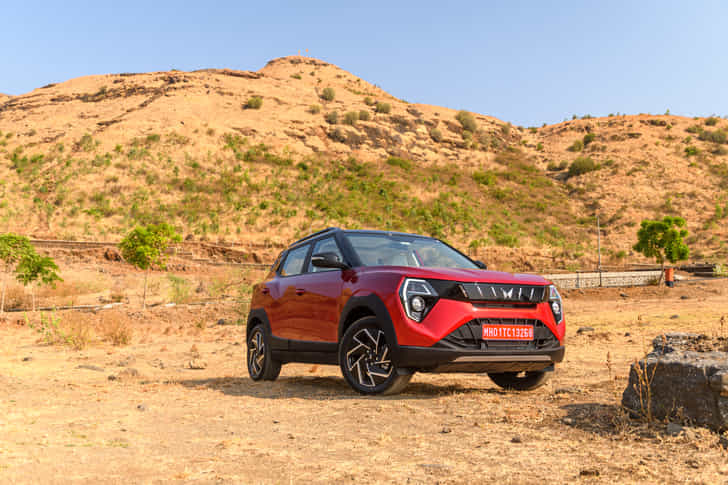
The Mahindra XUV 3XO offers more space and feels like a bigger vehicle, but its fuel efficiency is likely to be lower than the Kylaq's, and it doesn't feel quite as polished from behind the wheel.
The Kylaq strikes a sweet spot. Its turbo-petrol engine provides the performance you're looking for, the torque-converter automatic is smooth and reliable, and the car feels well engineered. It is also likely to be easier to live with over the long term than an electric car if your goal is to keep it for 15 years.
As for manual versus automatic, for a predominantly city-driven car in 2026, an automatic is increasingly becoming the default choice. Modern torque-converter automatics such as the one in the Kylaq are smooth, reliable and remove much of the fatigue associated with urban driving.
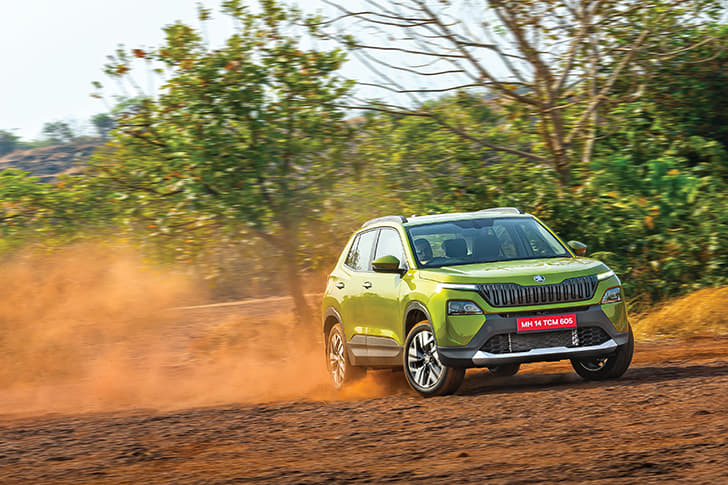
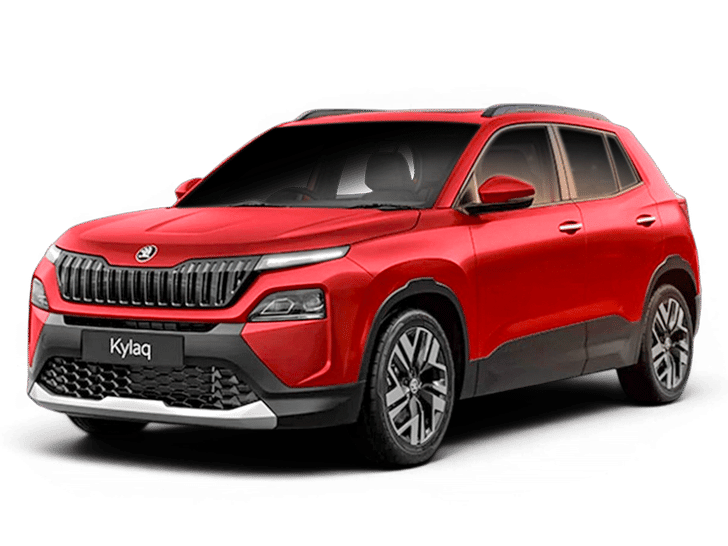
Skoda Kylaq

Skoda Kylaq

Was this helpful? Ask a follow-up

Want to sell your car?

Sell your car at the right price, without the stress.

More questions on similar cars

19h

Hi, I learned to drive as a teen and have been driving my dad’s Maruti Alto for years now. I also drive a Maruti Dzire. I want my next car to be at least a bit fun and engaging to drive. I’m based in Kolkata and planning to buy a new car with a budget of around Rs. 16 lakh. Currently, I’m looking at: Kia Seltos Manual (as it comes within this budget), Skoda Kylaq 1.0 TSI, and Kia Sonet Turbo DCT. However, I’m not completely convinced about the Seltos at this price point, mostly because I’m not a big fan of its shiny front grille. Considering my budget, preference for a fun driving experience, mostly city usage, and one or two highway trips a month, which one would you recommend?

Verified
16h

The Skoda Kylaq has the most enthusiastic driving character of the three. Its turbo-petrol engine feels punchy, the steering is well judged, and the overall chassis feels more eager and involving than the Seltos or Sonet. The torque-converter automatic gearbox is also very well calibrated, making it both enjoyable on open roads and effortless in city traffic. Given your usage, it is worth stretching to the automatic rather than opting for the manual.The Kia Sonet Turbo DCT would be the second choice. The turbo-petrol engine is lively and the DCT adds to the fun factor, while the feature list is impressive. However, rear-seat space and ride quality aren't quite as accommodating as the Skoda's.The Kia Seltos Manual is the more mature and spacious option, but if you're already unconvinced by its styling, there's little reason to force the issue. It is a great family SUV, but it doesn't feel as engaging to drive as the Kylaq.

VehicleSkoda Kylaq
VehicleKia Seltos
VehicleKia Sonet
2d

I am planning to purchase a new automatic car for my daughter. She recently obtained her driving license and is currently driving an automatic Tata Nano. Now that she is comfortable and confident with it, I am considering upgrading her to a larger vehicle. I am evaluating options such as the Kylaq and the Kia Sonet. However, my wife is insisting on an electric car. I am a bit sceptical about EVs, as they are not yet fully proven to be trouble‑free, and her weekly commute is around 150 km. I am also waiting for the launch of the updated Brezza, and my preference is for a torque‑converter automatic rather than a DCT. I would appreciate your opinion on electric cars, the Kia Sonet diesel, the Brezza, and which one I should go for. This car will be mostly used for city drives since I have an Ertiga manual for long trips.

Verified
1d

Of your shortlisted cars, go for the Skoda Kylaq automatic. For mostly city use and just 150km a week, its punchy turbo petrol engine with a smooth torque converter is a great mix of fun and ease of use. Its light yet sharp steering, upright seating and compact size feel like a natural step up from a Nano, and the interior feels fresh and upmarket too.The Kia Sonet diesel automatic is quick and efficient, but a diesel engine is overkill for your daughter's limited usage. Not only is it pound-for-pound more expensive than an equivalent petrol to buy, but it also requires extra care, such as regenerating the DPF (diesel particulate filter) every so often via a high-speed run, as well as top-ups of the ad-blue tank. The Brezza is a good option thanks to its simple, naturally aspirated engine, which should deliver better fuel economy than the Kylaq. But in its current form, it's just a bit uninteresting and unenthusiastic an offering, and it's best to wait for the facelift, which is right around the corner, before making that decision.For 150 km a week, an electric car is actually ideal if you have a private parking spot with a 15A socket or a home charger. The powertrains these days are much smoother, batteries carry long warranties, and city running is silent and cheap. Upfront cost, charging access and resale value are the only real hurdles, so if you are interested, a compact EV like the Tata Punch EV is a great option.

VehicleSkoda Kylaq
VehicleKia Sonet
VehicleMaruti Suzuki Brezza
VehicleTata Punch EV

Popular discussions right now

Posted on: 17 Jun 2026