autocar-logo
Mumbai
VA

Vasu

6d

Hey Autocar, you had earlier replied to my query about the Altroz vs Punch for my 55km commute, which is 90% on highways, along with occasional 300-400km family trips. Now, my brother is suggesting that I buy an automatic car instead of a manual. In that case, should I consider the Altroz AMT or go for the Altroz DCA instead? Alternatively, at the same ex-showroom price as the Altroz DCA Creative S, would it be better to opt for the Kylaq Classic Plus torque converter? I assume it will have lower mileage than the Altroz due to the turbo engine. My main doubt is whether I should go for the more affordable and safer Altroz AMT or choose the Kylaq TC.

Autocar India team

Autocar India

Verified
23m
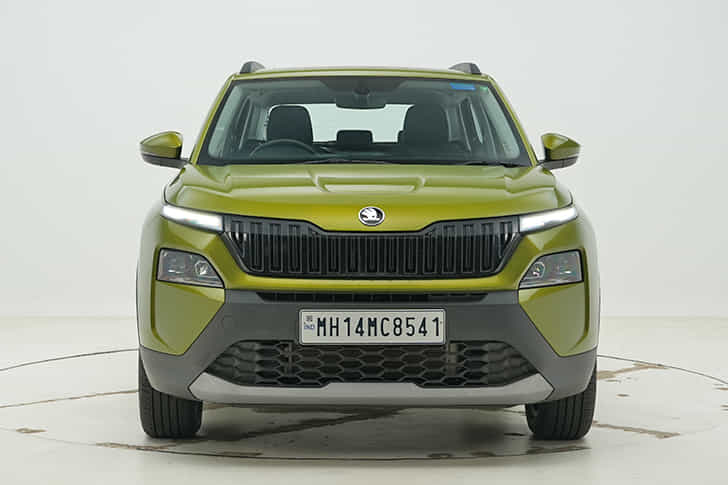
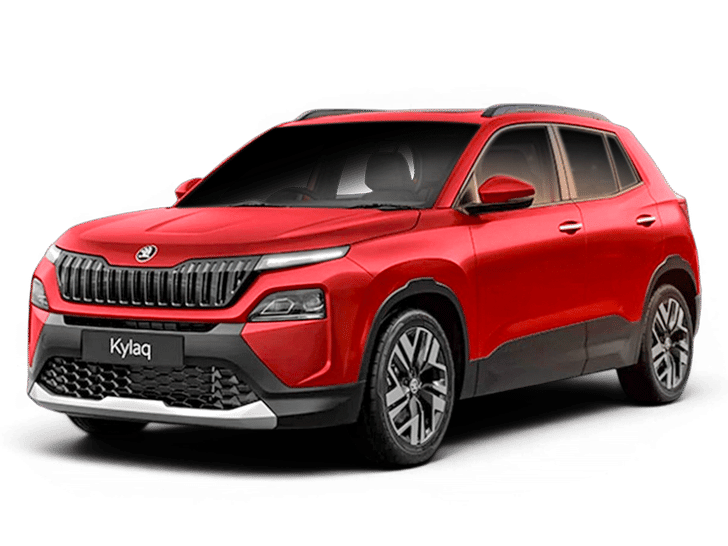
Go for the Skoda Kylaq with the 1.0 TSI engine and 6‑speed torque converter (AT) for your 55 km, 90% highway routine and 300-400 km family runs. It is stronger for overtaking, steadier at speed, and stress‑free to own.
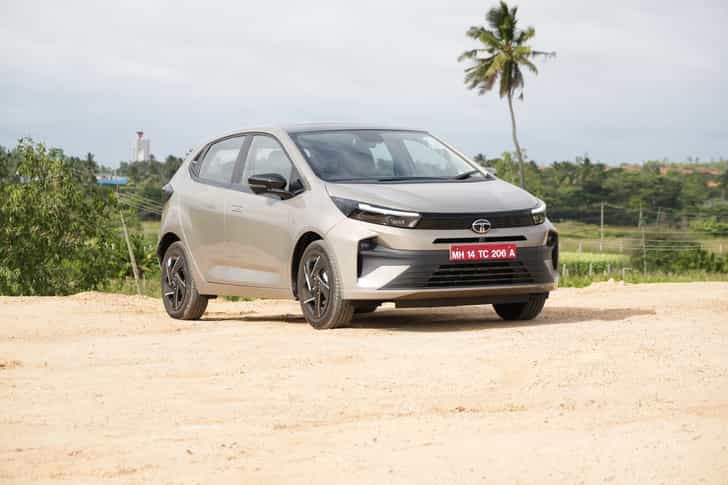
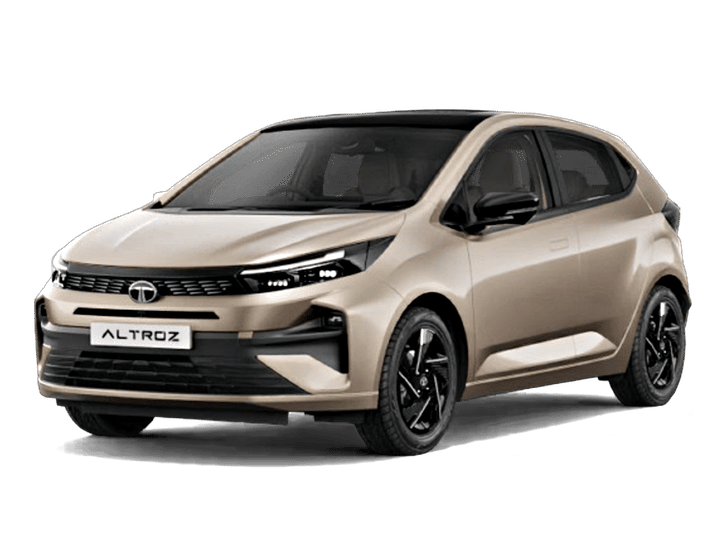
Your use is mostly highways, so the Kylaq’s turbo pull and 6‑speed TC make quick 60-100 kph moves easier than the Altroz 1.2 with DCA, which is quite sluggish, especially with 4 people and luggage. Safety is top tier, too; both are 5‑star rated.
Also, a torque converter (TC) is simpler and proven for our heat and traffic. You won’t worry about creep or thermal warnings on long days. The Altroz AMT really doesn’t match the drive feel you would expect, with a lot of ‘head nod’ or pauses between gear shifts, which can be taxing on the highway. So your real choice is DCA vs TC. On your highway‑heavy use, TC fits better.
The one thing you give up is fuel efficiency. The Kylaq AT will typically return about 1-2 kpl less than the Altroz DCA on the same highway route.
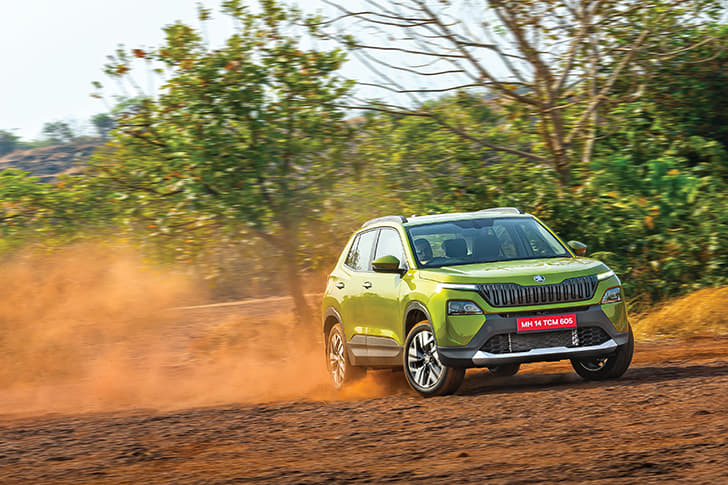
Skoda Kylaq

Skoda Kylaq

Got a suggestion for Vasu?

Add a Comment

Recommended questions for you

RA

Ramanan

1d

I want to buy a new car. We are a family of four, and this will be my first car. My wife feels uncomfortable with the Maruti car smell and tends to vomit. However, I really like the Baleno. Her family already owns a Punch, which she likes a lot as it suits her well. I am confused about which one to choose. How can I avoid her vomiting sensation in the Baleno?

Autocar India team

Autocar India

Verified
2h

This decision is less about the car and more about your wife’s comfort, which is very important, especially for a first family car.The Tata Punch is the safer choice in your case. Since your wife already feels comfortable in it, you are avoiding a problem from day one. The higher seating position helps reduce motion sickness because you can see the road clearly, and that makes a big difference. It is also easy to drive, compact and well-suited for city use as a first car.The Maruti Suzuki Baleno is the better car overall in terms of space, smoothness and comfort. It is more spacious for a family of four and has a more refined driving experience. But if your wife is already uncomfortable in it, that will be difficult to live with daily.

VehicleTata Punch
VehicleMaruti Suzuki Baleno
GB

Gulshan Bhatia

1d

Hi AutocarIndia, I have a budget of ₹23-25 lakh. My monthly running is approximately 12,000-14,000 km, with around 70% city driving and 30% highway usage. I am confused between choosing a petrol vehicle and an EV. I am not considering a diesel option since my driving is not very regular at times, and I am concerned about potential DPF clogging issues. Currently, I am evaluating the Mahindra XUV 7XO A7 T petrol, which costs around ₹25 lakh on-road in Pune. However, considering the current global war situation, I feel petrol prices may increase permanently, which is making me seriously consider an EV. I am therefore looking at the Tata Harrier EV Fearless Plus 75 kWh, which is priced around ₹27 lakh. Though I have heard that some discounts are available, and the effective price could come down to around ₹26 lakhs. Given my usage pattern, budget, and long-term cost concerns, please guide me on whether a petrol or EV would be the better choice and help me decide between these options. Thanks in advance.

Autocar India team

Autocar India

Verified
4h

The Mahindra XUV 7XO petrol does not suit this kind of running. A turbo petrol will be significantly more expensive to run over time, and with your usage, the fuel cost difference will be substantial.The Tata Harrier EV makes far more sense here. It offers very low running costs per km, smooth and effortless driving in the city, and strong performance on highways. With your high usage, the savings on fuel will add up quickly and justify the higher initial cost.The key condition is charging. If you have reliable home or office charging, the EV becomes a very practical and economical solution. Without that, managing frequent charging will become inconvenient.On your concern about diesel, in your case, it is actually not an issue. With such high and consistent running, DPF problems will not arise, as the car will regularly get the kind of driving needed to keep the system healthy.

VehicleMahindra XUV 7XO
VehicleTata Harrier EV
SV

Shaiksha Vali

2d

I am confused between the Maruti Suzuki Swift Dzire and the Honda Amaze. Which car is better and why?

Autocar India team

Autocar India

Verified
1d

Pick the Maruti Suzuki Dzire; between these two, it is the better all-around choice for most buyers. It is very easy to drive in the city, with light steering and controls, and the cabin feels a touch nicer and more up to date than the Honda Amaze. Space in the back is good for two adults, the ride is comfortable over broken roads, and Maruti’s huge service network makes ownership simple almost anywhere in India. One thing to be aware of: if you want an automatic, the Dzire’s AMT is fine for easygoing driving, but you can feel a slight jerk when moving at very low speeds. Pick the Honda Amaze CVT instead if you mainly want a very smooth automatic for heavy traffic and a larger boot for luggage. The Honda CVT feels silkier in stop-go traffic than the Dzire’s AMT.

VehicleMaruti Suzuki Dzire
VehicleHonda Amaze

Posted on: 4 Apr 2026