Last Updated on: 02 Sep 2026
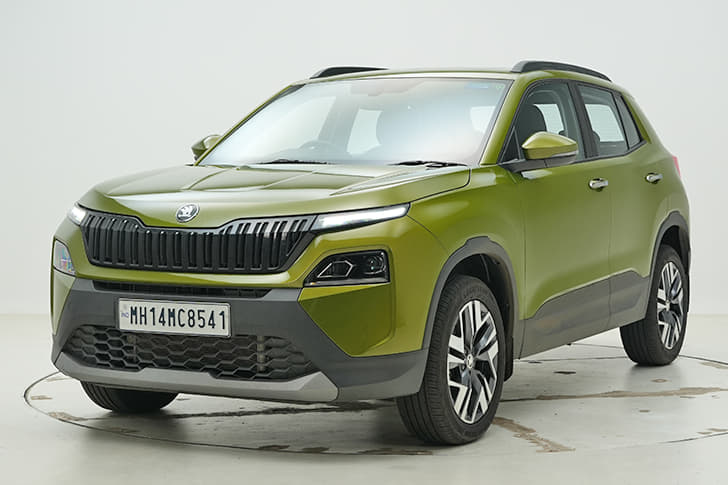
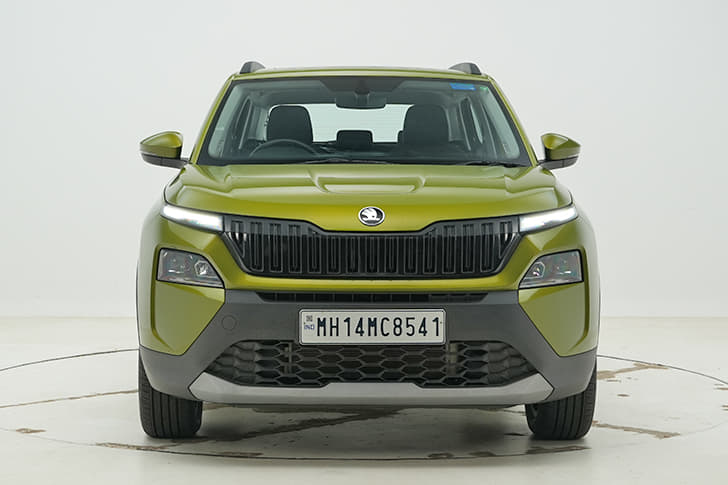
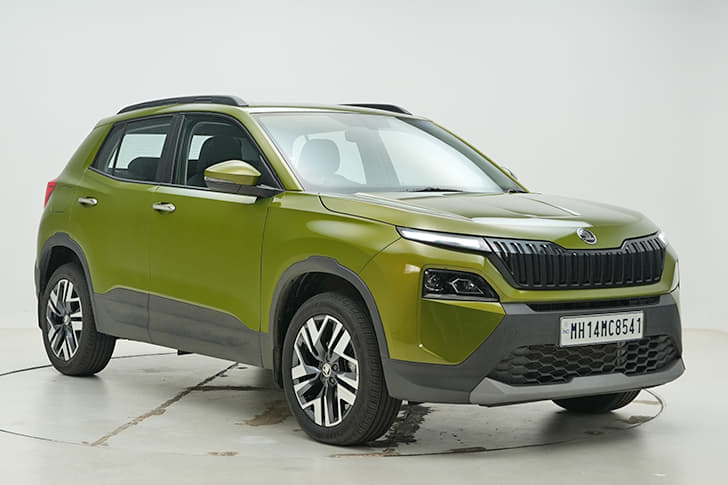
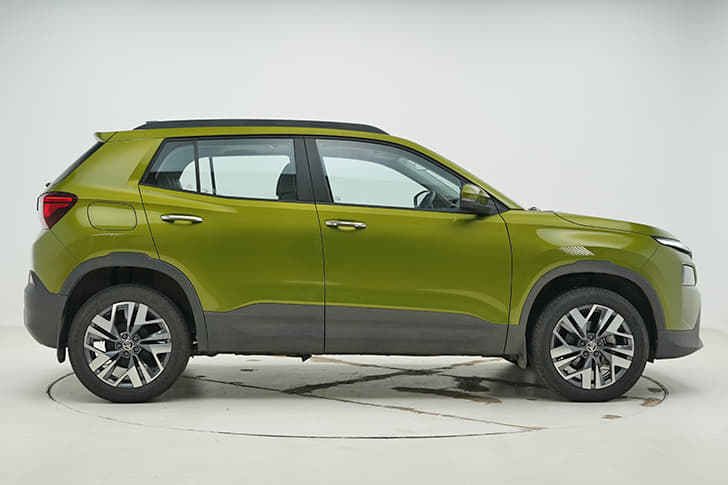


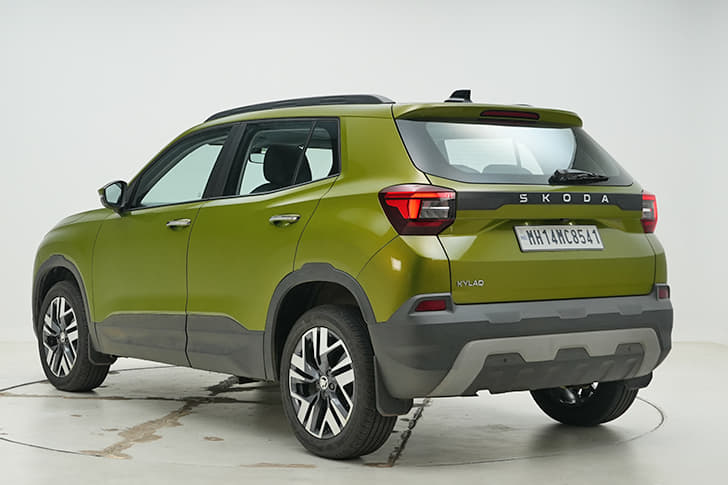
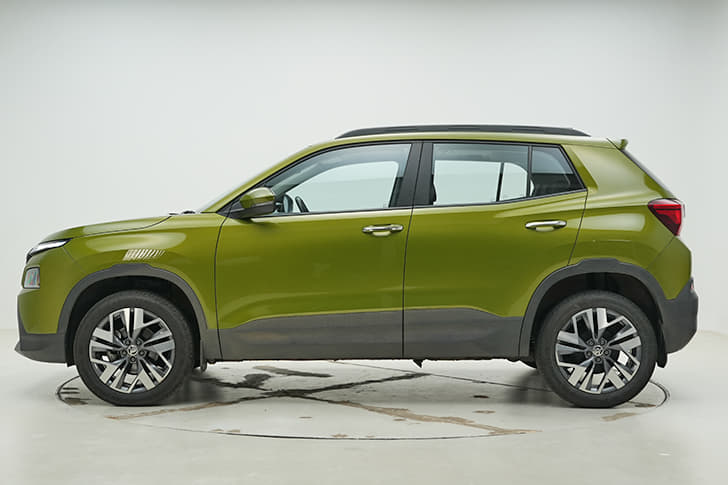
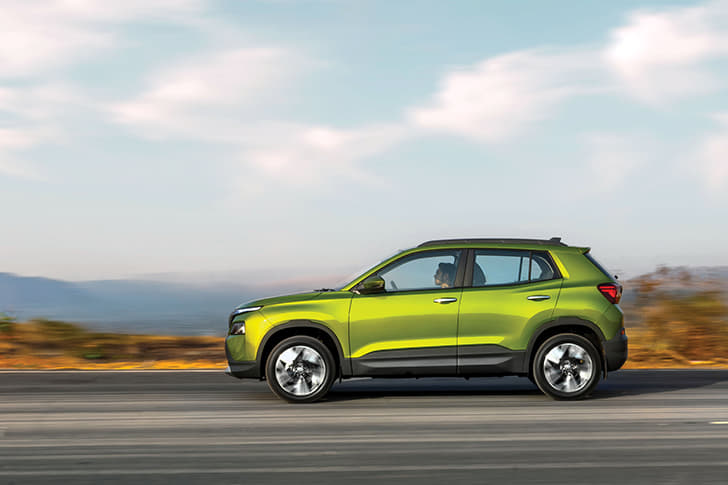
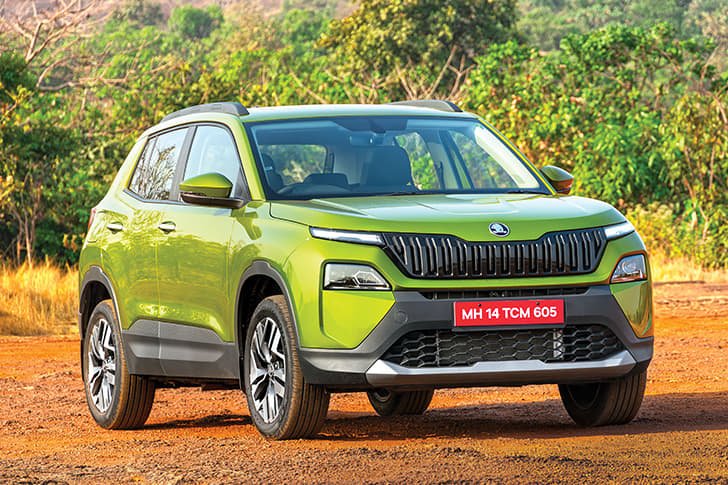
Skoda Kylaq Prestige+ MT
Skoda Kylaq Prestige+ MT Key Features
- Driver's Window Only Anti-Pinch Power Windows
- Automatic Day Night Interior Mirror
- Automatic Wipers
- Single Pane Sunroof
- Ambient Lighting
Skoda Kylaq Prestige+ MT specifications
Engine & Transmission
Engine Type | Turbocharged |
Engine Displacement | 999 cc |
Number of Cylinders | 3 |
Engine Installation | Front |
Fuel Type/ Propulsion | Petrol |
Gearbox Type | Manual |
Number of Gears | 6 |
Drive Layout | Front Wheel Drive |
Max Engine Power | 115hp at 5000 - 5500 rpm |
Max Engine Torque | 178Nm at 1750 - 4000 rpm |
Fuel & Performance
Fuel Supply System | Direct Injection |
E20 Compatibility | Yes |
Emission Standard | Bharat Stage VI |
Official Fuel Economy | 19.68 kmpl |
Autocar Tested City Mileage | 10.6 kmpl |
Autocar Tested Highway Mileage | 15.12 kmpl |
Fuel Tank Capacity | 45 litres |
Autocar Tested Mileage | 12.86 kmpl |
User Reported Mileage | 17.4 kmpl |
Suspension & Steering
Front Suspension Type | Independent, MacPherson Strut |
Front Springs | Coil Springs |
Rear Suspension Type | Non-independent, Torsion Beam |
Rear Springs | Coil Springs |
Damper Control | No |
Ride Height Adjust | No |
Type of Power Assist | Electric |
Steering Adjust type | Manual |
Steering Adjust | Tilt and Telescopic |
4 Wheel Steer | No |
Front Brakes | Disc |
Rear Brakes | Drum |
Wheel Size | 17 inches |
Front Tyre Size | 205/55 R17 |
Rear Tyre Size | 205/55 R17 |
Wheels | Alloys |
Spare Wheel | Space Saver |
Dimensions
Length | 3995 mm |
Width | 1783 mm |
Height | 1619 mm |
Wheelbase | 2566 mm |
Ground Clearance | 189 mm |
Kerb Weight | 1619-1219 kg |
Chassis Type | Monocoque |
Boot Capacity | 446 - 1265 litres |
Doors | 5 |
Skoda Kylaq Prestige+ MT features
Comfort
| Push Button Start | |
| Rear Windscreen Sun Shade | |
| Climate Control | 1-zone |
| Cooled Glovebox | |
| Cooled Storage | |
| Rear Window Sun Shades |
Safety
| Child Safety Lock | |
| Day Night Interior Mirror | Automatic |
| Curtain Airbag | |
| Heads Up Display | |
| Blind Spot Monitor | |
| Auto emergency braking (AEB) |
Exterior
| LED taillights | |
| LED headlamps | |
| Front Fog Lamps | |
| LED fog lamps | |
| Follow Me Home Headlamps | |
| Antenna | Shark Fin |
Interior
| Low Fuel Level Warning | |
| Distance to Empty | |
| Trip Meter | |
| Tachometer | Digital |
| Average Fuel Consumption | |
| Gear Indicator |
Entertainment
| Speakers | 4 |
| Wireless Phone Charging | |
| Satellite Navigation | |
| Web Browser | |
| Voice Commands | |
| Second Row USB port | 2 Type C |
Skoda Kylaq variants
 Electronic Stability ControlPart Digital / Part Analogue Digital Instrument Cluster2 SpeakersFabric Seat MaterialLED headlampsAutomatic Day Night Interior MirrorSingle Pane Sunroof4 SpeakersFront Seat ArmrestOutside rear view mirror (ORVM)Warning Only Tyre Pressure Monitoring SystemRear AC VentsWired Android AutoFront Seat Armrest with StorageFollow Me Home HeadlampsElectronic Parking Brake with AutoholdFully Digital Digital Instrument ClusterWireless Android AutoEmergency Call Button60:40 Rear Seat Backrest SplitHill Descent ControlAmbient LightingLeather-wrapped Gear KnobOutside rear view mirror (ORVM)Cruise ControlElectronic Parking Brake with AutoholdSingle Pane SunroofWireless Android AutoEmergency Call ButtonFront Only Ventilated SeatsDriver's Window Only Anti-Pinch Power WindowsExterior Mirrors Electric Fold with Power Folding2 Type C Front USB portElectric Adjust for Driver's SeatOutside rear view mirror (ORVM)
Skoda Kylaq comparison
Questions you may find useful
I am planning to buy a sub-4m SUV and have shortlisted the Skoda Kylaq Signature Plus Automatic and Hyundai Venue HX5 Diesel Automatic. My annual running is expected to be around 16,000 to 18,000 km, including approximately 12,000 km of highway driving. From an economic point of view, I am slightly concerned about the Kylaq’s real-world petrol mileage, especially given the high amount of highway running. I am also concerned about the long-term implications of E20 petrol and whether it could lead to any issues in the future. On the other hand, I have concerns about buying a diesel due to the possibility of future government restrictions and the uncertainty around long-term diesel ownership. Considering these factors, I would appreciate your advice on which of the two would be the better choice for at least eight years of ownership.

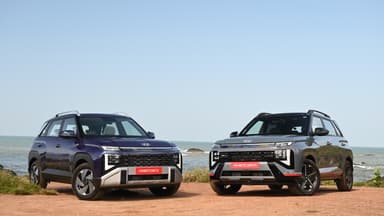
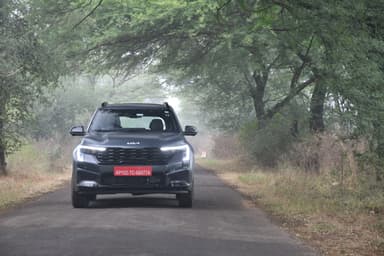
 Hyundai VenueKia SeltosSkoda Kylaq
I am new to driving and am looking for a sub-4-metre petrol SUV with a torque converter automatic gearbox. My budget is around Rs 12-13 lakh on-road. I have shortlisted two options: the Skoda Kylaq Signature automatic and the Mahindra XUV 3XO MX2 Pro automatic. We are a family of five. My current usage is mostly within the city, but based on my future work requirements, it could shift to an 80:20 mix of city and highway driving.
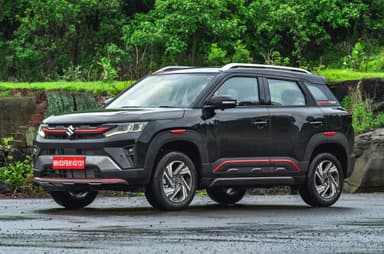
Skoda KylaqMahindra XUV 3XOHi, I am from Kolkata and am planning to buy a new car for the first time. My budget is between 11 and 12 lakh. Now, my driving will be more or less within 600-700 km/month which will involve 60% city and 40% highway driving. I want a compact SUV and my choices are Maruti Suzuki Brezza 1.5 ZXi, Brezza ZXi 1.0L Turbo, Skoda Kylaq Classic+/Signature and Tata Nexon Pure Plus PS. You can suggest me other cars as well. I am confused between NA and Turbo. Mileage is also an important factor but not the first priority.
Maruti Suzuki BrezzaTata NexonSkoda KylaqI am new to driving and am looking for a sub-4-metre petrol SUV with a torque converter automatic gearbox. My budget is under Rs 10 lakh ex-showroom. I have shortlisted two options: Skoda Kylaq Classic+ automatic at Rs 9.25 lakh and Mahindra XUV 3XO MX2 Pro automatic at Rs 9.99 lakh. We are a family of five. My current usage is mostly in the city, but in the future it could become a 50:50 mix of city and highway driving. The Kylaq does not get an infotainment system, although the dealer is offering one for around Rs 30,000. Its rear seat is also narrower than the XUV 3XO's. The XUV 3XO does not get cruise control, LED lights or driver-seat adjustment. Both cars offer similar fuel efficiency. Which one would be the better choice for me?
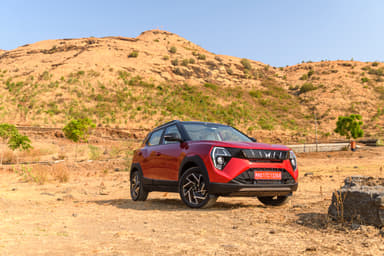
Mahindra XUV 3XOSkoda KylaqSkoda Kylaq price in India
Upcoming Cars
Skoda Cars

Trending Cars




Latest Cars