Autocar India
MS

MUKESH SHRIVASTAVA

7w

My daily driving is around 20 km in a small city and nearby villages, and my budget is Rs 12-14 lakh. I prefer a car with a powerful engine. Which car would you recommend?

Autocar India team

Autocar India

Verified
6w

There are a couple of options that you can consider. We've listed the highlights for each.

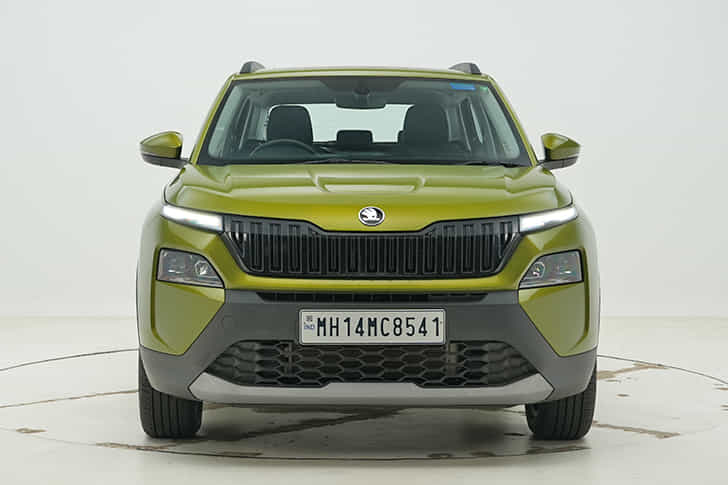
1) Skoda Kylaq: Punchy engine, fun handling. Rear seat space is tight, though

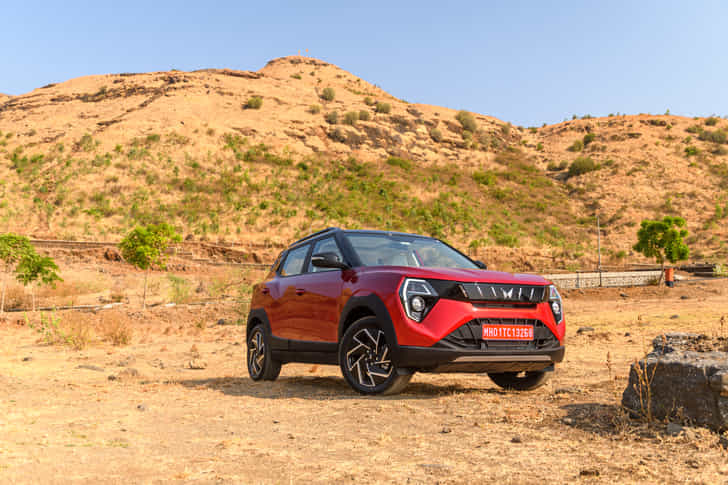
2) Mahindra XUV 3XO petrol: Strong engine, good ride comfort. Boot space is limited

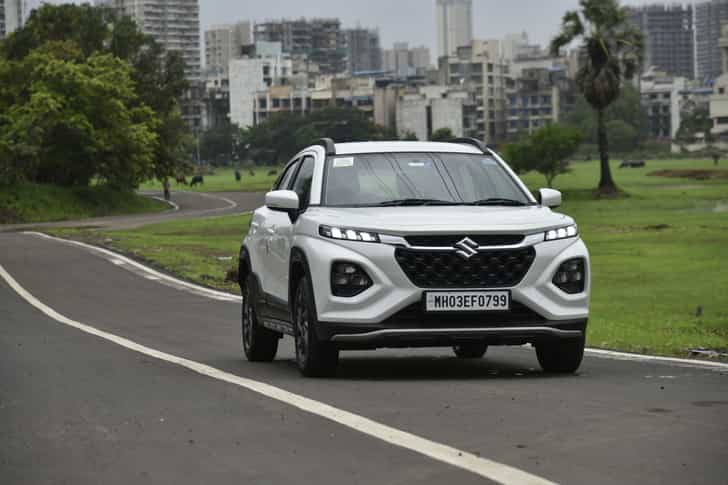
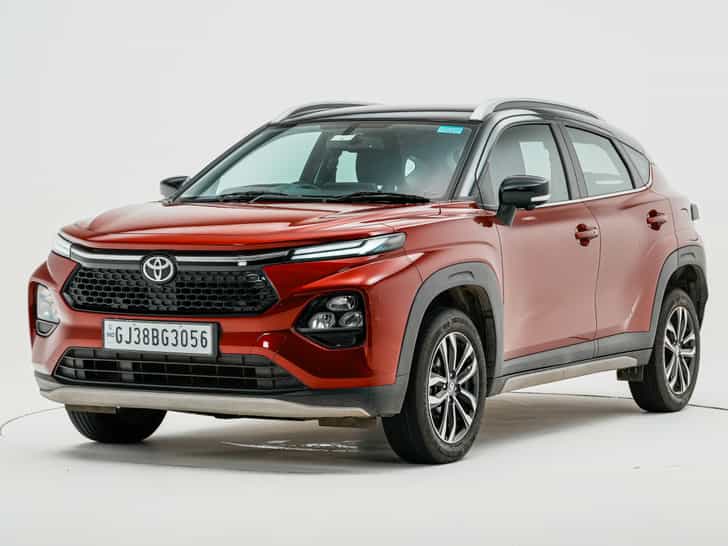
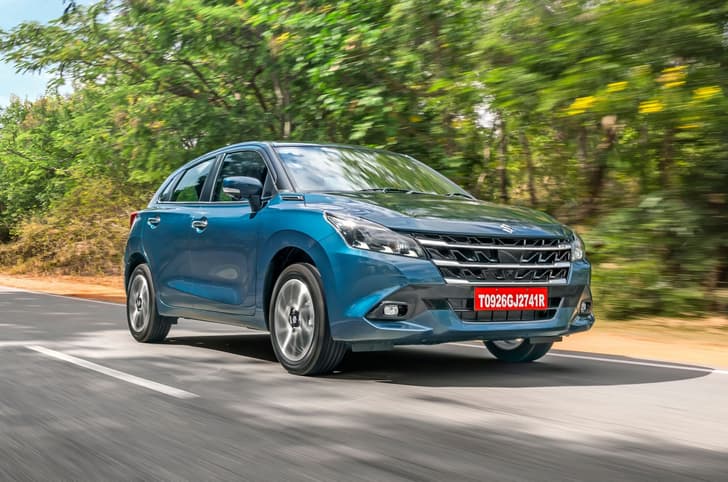
3) Maruti Suzuki Fronx Turbo/ Toyota Taisor Turbo: Strong engine. Reliability and hassle-free ownership experience 

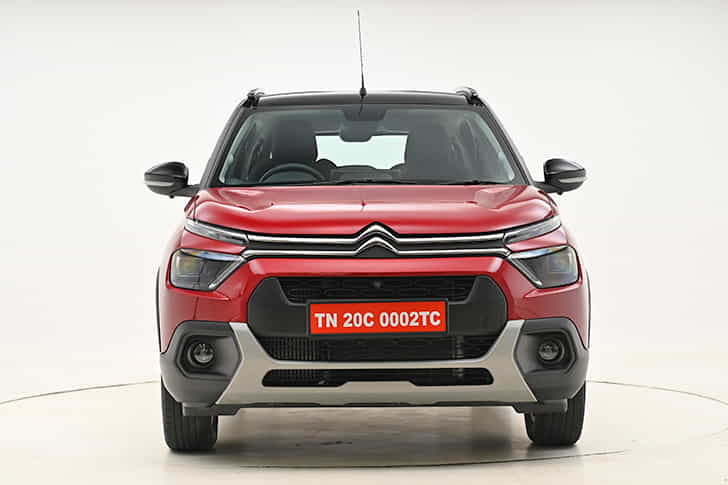
4) Citroen C3: Strong engine. Feels a bit basic, and the service network isn't very large.
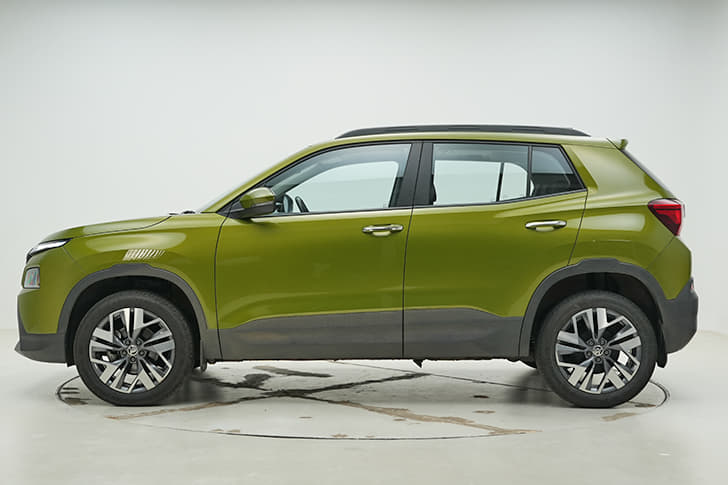
 Skoda Kylaq

Skoda Kylaq

MA

Madangopal

6w

Why nissan magnite never figures in your recommendation ever?

RA

Rajesh Awate

6w

Hallo Autocar I currently use Tata zest Diesel last 11 years run more than 2 lac km. My daily running more then 60 km City and ruler with 4 to 5 people with me my budget around 25 to 30 lac which car or suv is best to me???

BI

Bivas

6w

I find the tata punch EV as having the right balance of acceleration compared to ice vehicles, driving 20-40kms a day costs under rs 1000 (vehicle charging only) and unless you have a large family, space is perfect for a family of four and city driving

SH

Shailendra

6w

Go for ignis

NI

NITIN

6w

My 3 months old tata nexon dct automatic car is having noise and heating problem

SI

Sid

6w

Even Nissanagnite turbo is a good option

More questions on similar cars

KN

Kumaravelu N

3h

I have been driving a Volkswagen Vento 1.2 TSI DSG for the past 7 years. It is a true driver’s car and feels very safe. However, my only concern is the high maintenance and spare parts cost. I am planning to move to a compact SUV. Please suggest a similar automatic car under ₹15 lakh with lower maintenance costs.

Autocar India team

Autocar India

Verified
1h

With a budget of ₹15 lakh, consider the Skoda Kushaq Classic+ 1.0-litre turbo-petrol mated to the new 8-speed automatic transmission. With this Skoda car, you'll get a similar solid and secure feel, as well as confident driving manners, similar to your outgoing Vento. The turbo-petrol is peppy, and the smooth 8-speed torque converter complements it nicely. Also, compared to the sub-4-meter cars you'll otherwise get at this price, the Kushaq Classic+ will give you more cabin and boot space, which as a Vento owner, you might appreciate. With heavier localisation, Skoda's maintenance costs have reduced over time, so ownership cost is likely to be lower.If you're keen on getting a sub-4-meter compact SUV, consider the Skoda Kylaq and Hyundai Venue, both of which are enjoyable to drive (although the Kylaq has an edge), and should be easy on your pocket too.

VehicleSkoda Kushaq
VehicleSkoda Kylaq
VehicleHyundai Venue
PM

PRAFUL MANDAOKAR

1w

Shall I go for the Skoda Kushaq or the Kylaq under a ₹15 lakh budget, to be driven mostly in the city and outside on weekends?

Autocar India team

Autocar India

Verified
1d

If you mostly drive yourself and do not regularly carry a large family, the Skoda Kylaq is the better fit for your budget and usage. It is more compact than the Kushaq, making it easier to manoeuvre in traffic and park in the city. At the same time, it still feels like a proper Skoda on the highway, with its strong 1.0 TSI engine, solid build, and well-sorted dynamics.Under ₹15 lakh on-road, you are likely to get a better‑equipped Kylaq variant than an equivalent Kushaq, because the Kylaq sits in a segment below and is priced lower. That means more features and a nicer trim level for the same money, which matters if this will be your primary car.The Kushaq only really makes sense if you genuinely need the extra cabin width and rear legroom on a daily basis, or want the added highway comfort of the larger SUV. It is longer and has a bit more space overall, so it is better suited if you often travel with rear passengers and a lot of luggage.Given your mostly city‑plus‑weekend usage and 15 lakh cap, we would lean towards the Kylaq. It offers the driving feel of Skoda car in a tidier, more affordable package without compromising on highway ability.

VehicleSkoda Kushaq
VehicleSkoda Kylaq
KA

Kapil

3d

I am looking to buy my first car for a family of four, with 80% city usage and 20% highway driving. My budget is ₹15–16 lakh, and I am confused between the Brezza automatic ZXi+ and the Kylaq.

Autocar India team

Autocar India

Verified
1d

Both the Maruti Suzuki Brezza and the Skoda Kylaq come with torque convertor automatics which is the smoothest type of autobox, thus gearshifts are seamless and this is something you would appreciate in constant start-stop traffic. However, we would lean towards the Maruti Suzuki Brezza ZXi+ AT, as in your case with a family of four, the Brezza's little extra rear room is an advantage. Furthermore, the Brezza's low speed ride is really very plush, which suits your predominantly city usage. The Kylaq performs better in terms of handling and stability out on highways, but since your highway usage is limited, the Brezza would be better.

VehicleMaruti Suzuki Brezza
VehicleSkoda Kylaq

Popular discussions right now

KY

Krishna Yadav

4d

I am planning to sell my Mahindra XUV700 and switch to the Renault Duster. I would like your expert opinion on whether this would be a good decision.

Autocar India team

Autocar India

Verified
4d

On paper and in real-world ownership, these are very different cars, and the Mahindra XUV 7XO sits in a clear segment above. The XUV 700 is a bigger, more complete SUV. It offers more space, better road presence, stronger performance and a far richer overall experience, including the option of a third row and a more premium cabin. It is designed as a proper family SUV and feels more capable on highways and long drives.The Renault Duster, even in its new form, is a simpler, more driver-focused and lighter SUV. It will likely be easier to drive in the city and feel more rugged and straightforward, but it is still a step down in terms of overall size, features and cabin experience.So the decision really comes down to intent. If you are moving because you want something more compact, easier to use daily and less feature-heavy, then the Duster can make sense. But if you are expecting it to feel like an upgrade or even equal to the XUV700 in terms of space, comfort and overall experience, it will not.

VehicleRenault Duster
DE

Devakumar

5d

I have booked the Tata Sierra Adventure Plus petrol manual, but I am now confused between the petrol and diesel manual variants, particularly in terms of mileage and performance. I am not interested in an automatic transmission. My annual running is less than 6,000 km. Could you please advise which engine option would be more suitable for my usage? Additionally, I would appreciate any alternative suggestions for a spacious car with good mileage that fits my needs.

Autocar India team

Autocar India

Verified
4d

The Tata Sierra is a big, heavy car, and the petrol engine, being a naturally aspirated unit, feels just about adequate, especially once you load it up or hit the highway. The diesel, on the other hand, suits the car far better with its stronger low-end pull, making overtakes easier and long-distance driving far more relaxed.That said, with your low annual running of under 6000 km, the petrol still makes sense if your usage is mostly in the city. It will feel smoother, easier to live with and perfectly adequate for everyday driving, even if it lacks that effortless punch on highways.If you are open to alternatives for a better petrol manual experience, the Renault Duster with its turbo petrol engine is a strong option. It feels far more effortless to drive, while naturally aspirated options like the Kia Seltos or Hyundai Creta offer a more refined and effortless experience than the Sierra petrol.

VehicleTata Sierra
VehicleRenault Duster
VehicleKia Seltos
VehicleHyundai Creta
RO

Rohin

1w

I am confused about buying the AMT version of the Skoda Kylaq, Tata Nexon, or Maruti Fronx. My budget is between 11 and 13 lakh. My usage is mostly city driving of about 1,000 km per month, with occasional long highway drives.

Autocar India team

Autocar India

Verified
3d

Between the three, the Skoda Kylaq is the best automatic for the money. It doesn’t use an AMT but a proper 6‑speed torque-converter with the 1.0 TSI, which is smooth, robust and easily the nicest for your occasional highway runs.The Maruti Suzuki Fronx 1.0 turbo also gets the same 6‑speed torque-converter auto, and while it is refined and efficient, it doesn’t have the same solid, European feel or driving dynamics as the Kylaq. However, from an overall cost-of-ownership point of view - price, fuel efficiency and service, the Fronx is likely to work out cheaper.The Tata Nexon in your budget doesn’t get a torque-converter. You mainly have a 6‑speed AMT, which is convenient but nowhere near as smooth or quick as a proper automatic. There is also a 7‑speed DCA dual‑clutch option, which is noticeably better than the AMT, but still not as seamless as the autos in the Kylaq and Fronx, and it can push the price higher.For 11-13 lakh, 1,000km a month in the city and the odd long drive, we would pick the Kylaq auto. If budget discipline and running costs are top priority, go for the Fronx 1.0 turbo automatic.

VehicleSkoda Kylaq
VehicleMaruti Suzuki Fronx
VehicleTata Nexon

Posted on: 6 Mar 2026