Autocar India

SUV cars in India (176)
SUVs have become the most popular passenger vehicle segment in India, thanks to their higher ground clearance, commanding driving position and practicality. The category has expanded rapidly over the last decade, with manufacturers now offering SUVs across almost every price point, from entry-level models to premium luxury offerings.

Buyers today can choose from five-, six-, seven- and even nine-seat SUVs, with petrol, diesel, CNG, hybrid and electric powertrain options available across the segment. Popular SUV manufacturers in India include Hyundai, Mahindra, Tata, Maruti Suzuki, Kia, Toyota, Skoda and Volkswagen, while luxury SUVs are offered by brands such as Mercedes-Benz, BMW, Audi, Land Rover, Porsche and Lexus.

Show more
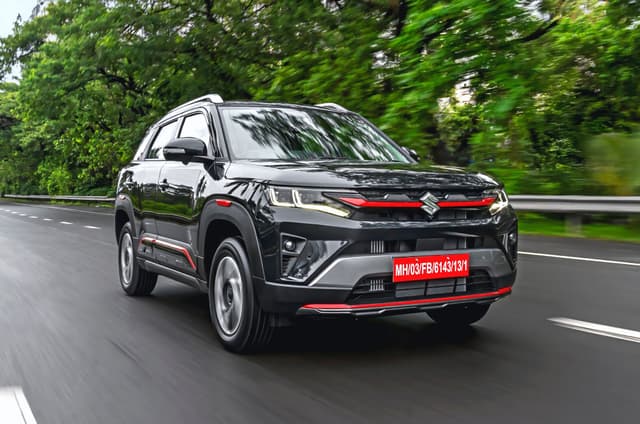
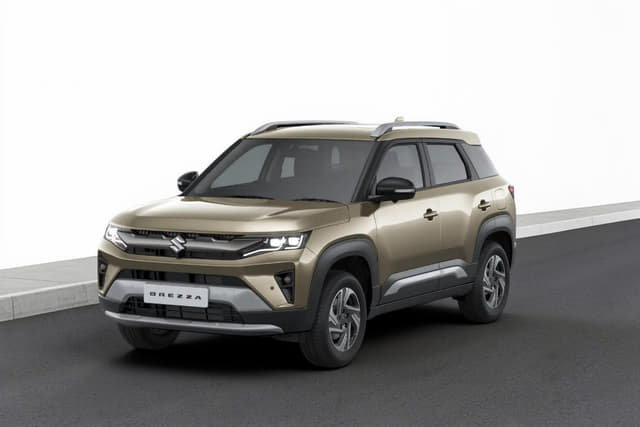
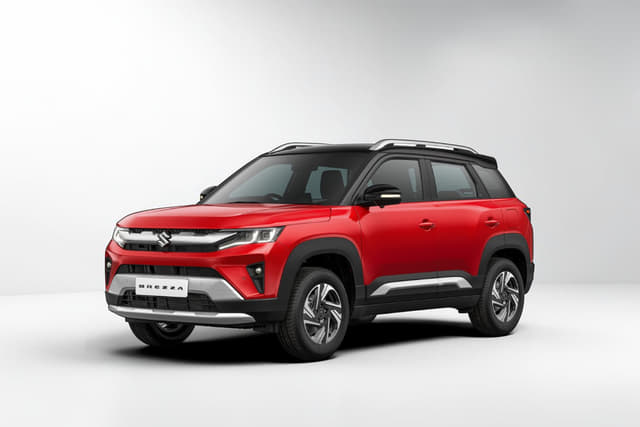
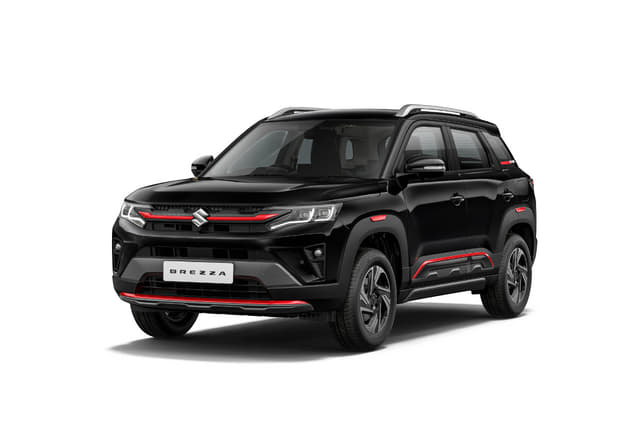
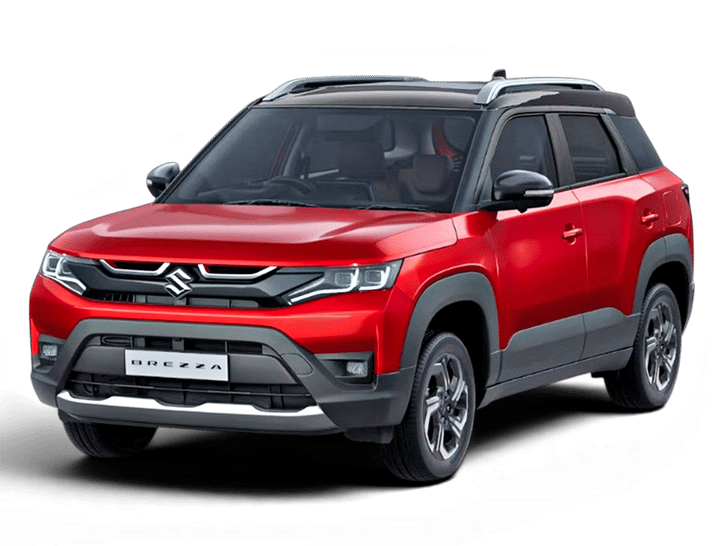
Maruti Suzuki Brezza
Lustrous Beige color image
Maruti Suzuki Brezza
8
17.8-26.9 kmpl
Petrol, CNG
Automatic, Manual
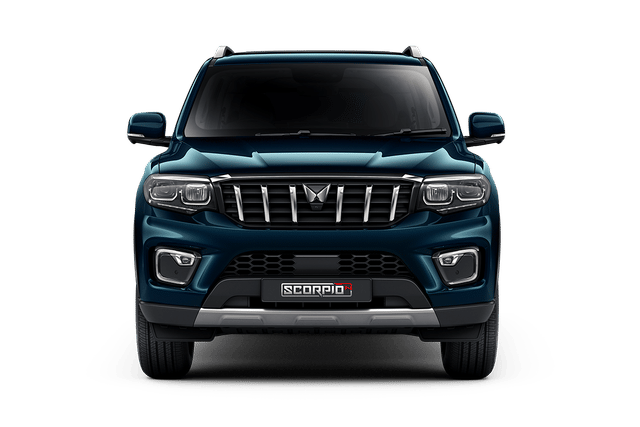
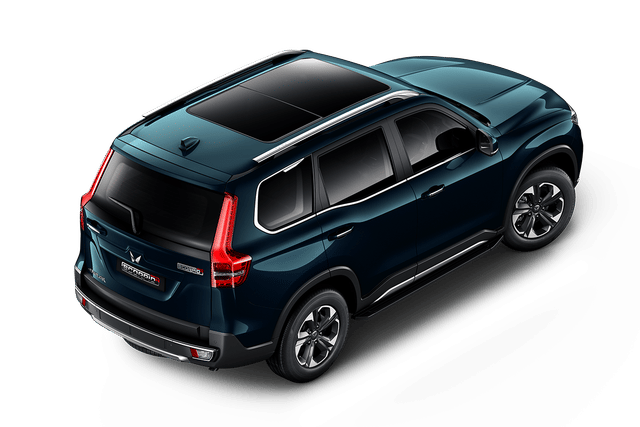
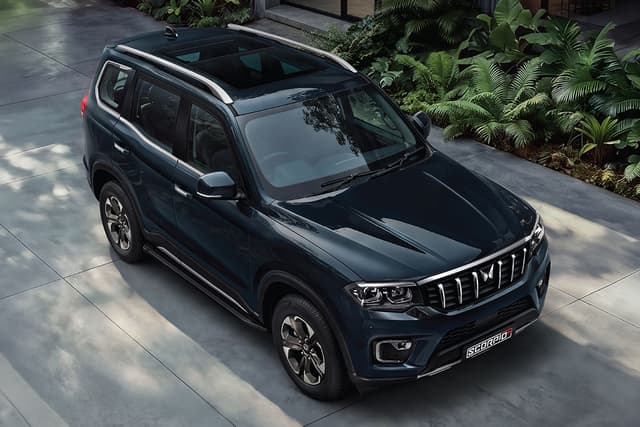
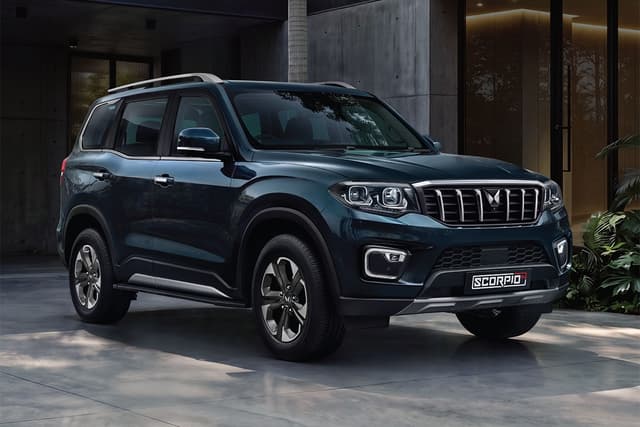
Mahindra Scorpio N
Mahindra Scorpio N
Mahindra Scorpio N
Mahindra Scorpio N
Mahindra Scorpio N
8
Petrol, Diesel
6-7 seater
5 Star
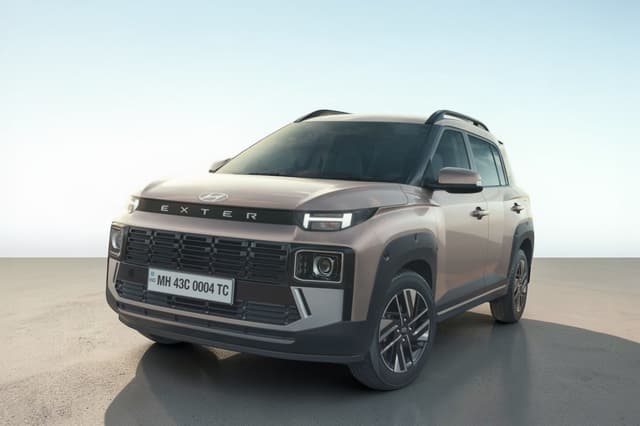
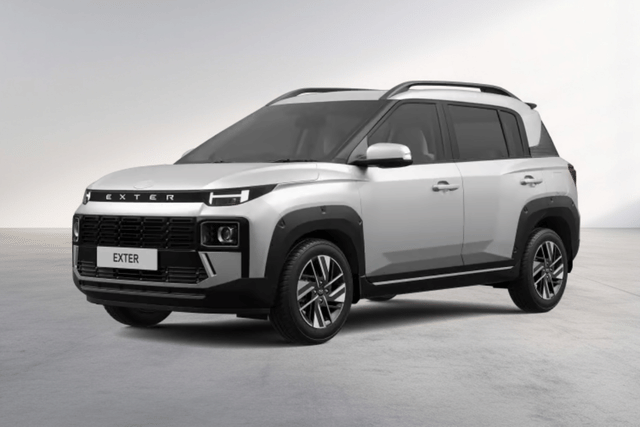
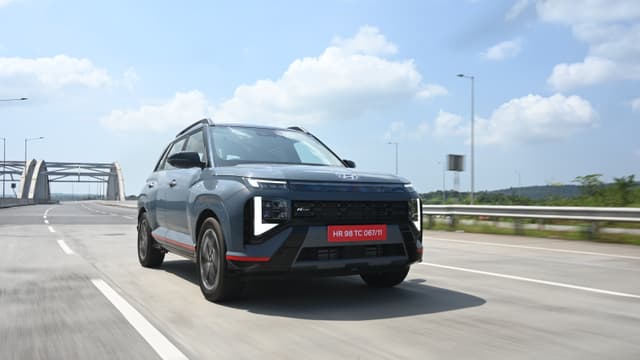
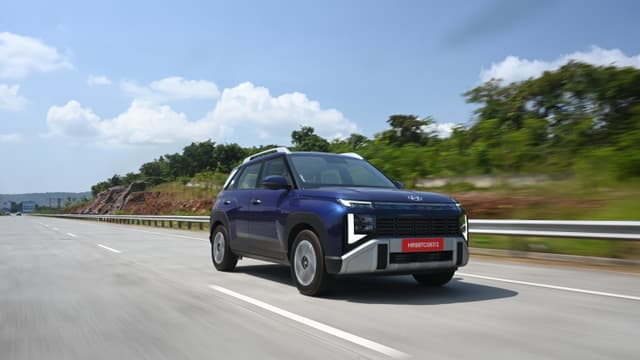
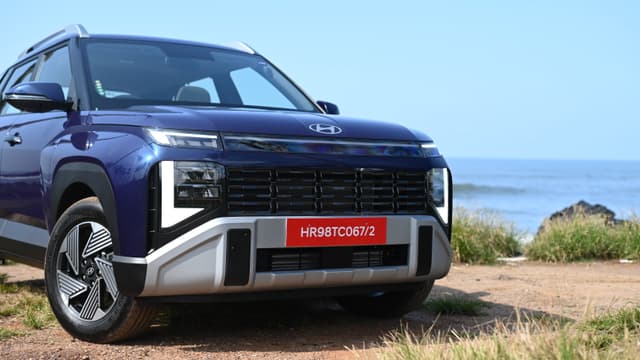
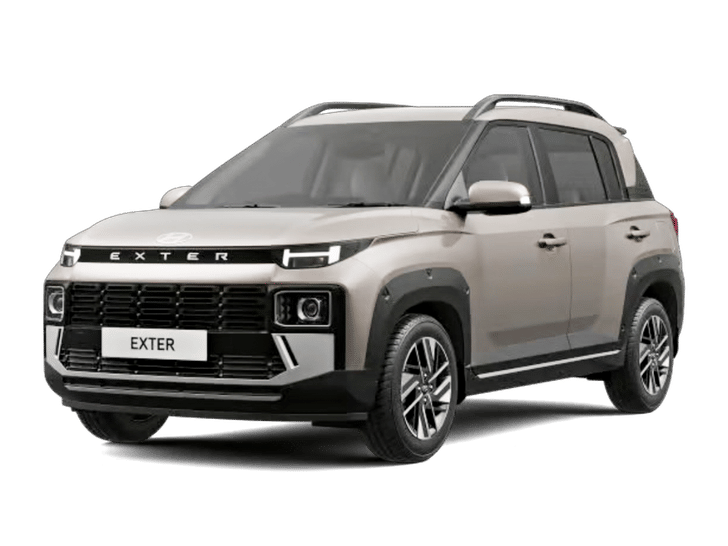
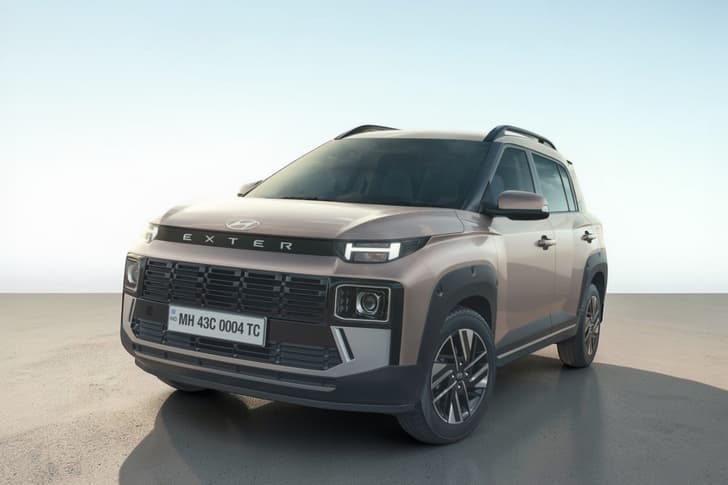
Hyundai Exter
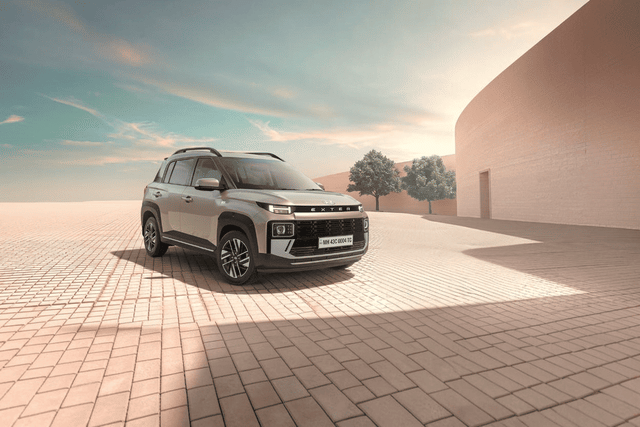
Hyundai Exter
Atlas White color image
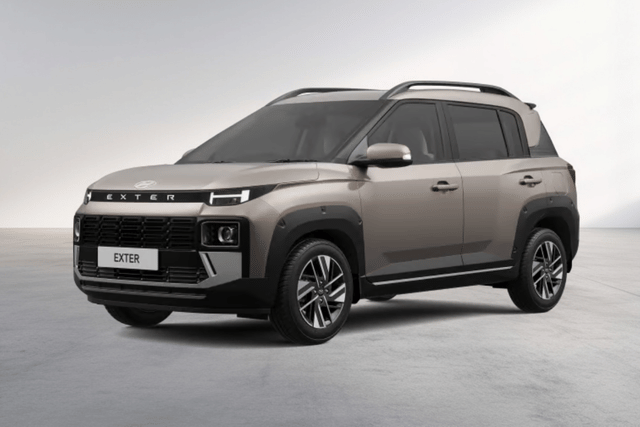
Golden Bronze color image
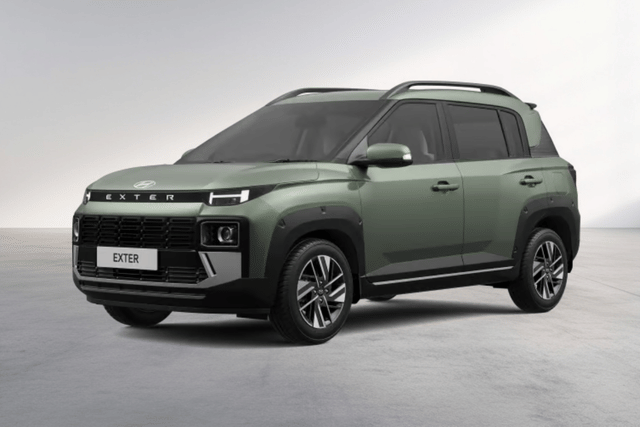
Ranger Khaki color image
8
19.2-27.1 kmpl
Petrol, CNG
Manual
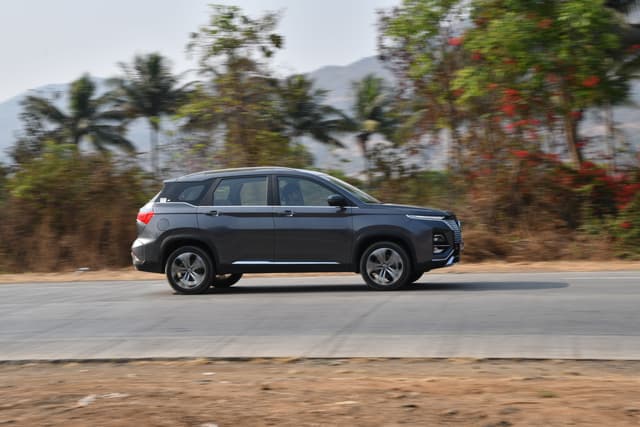
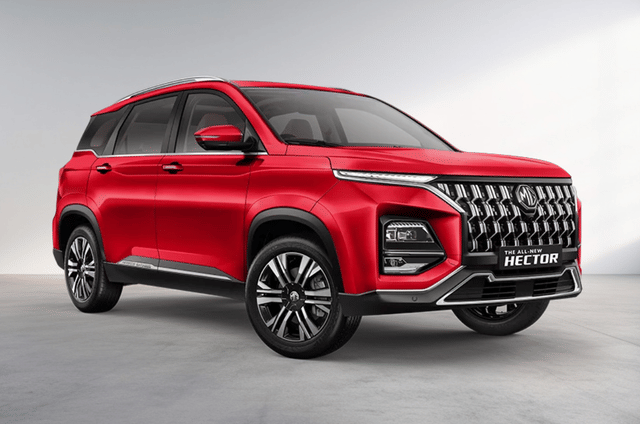
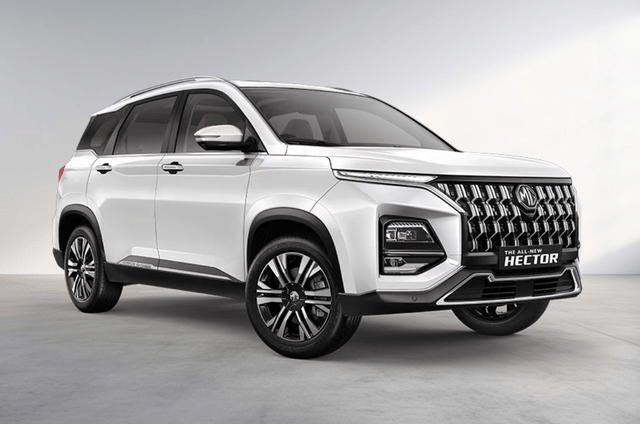
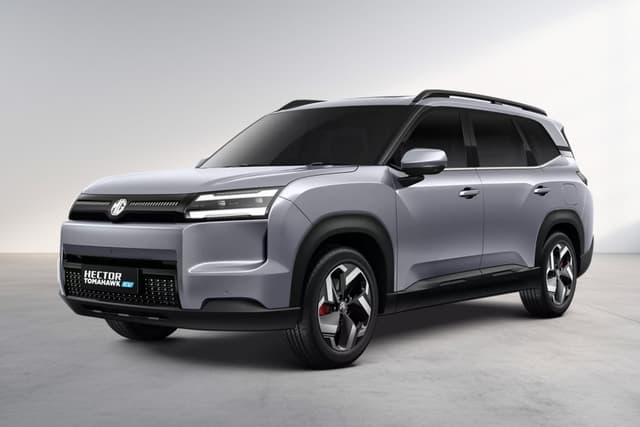
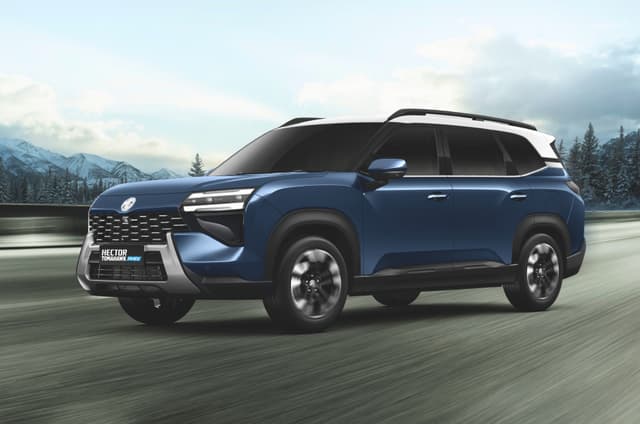
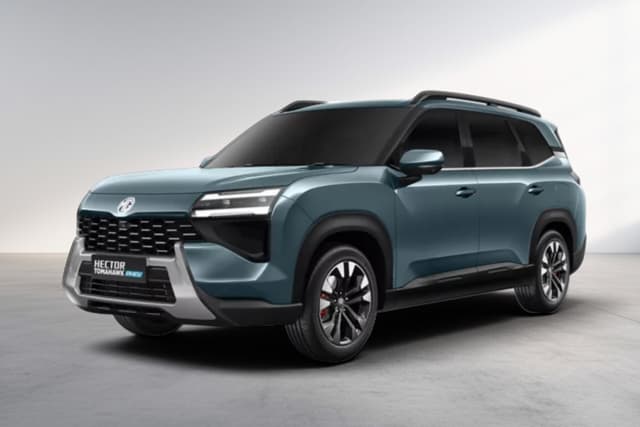
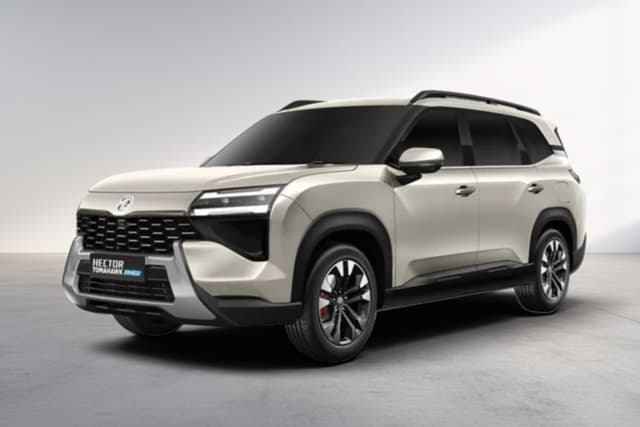
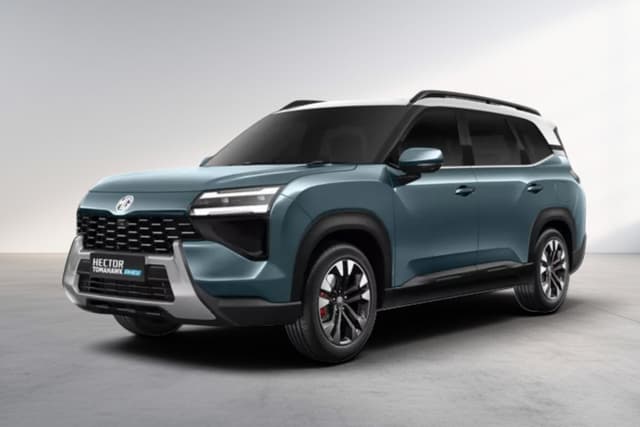
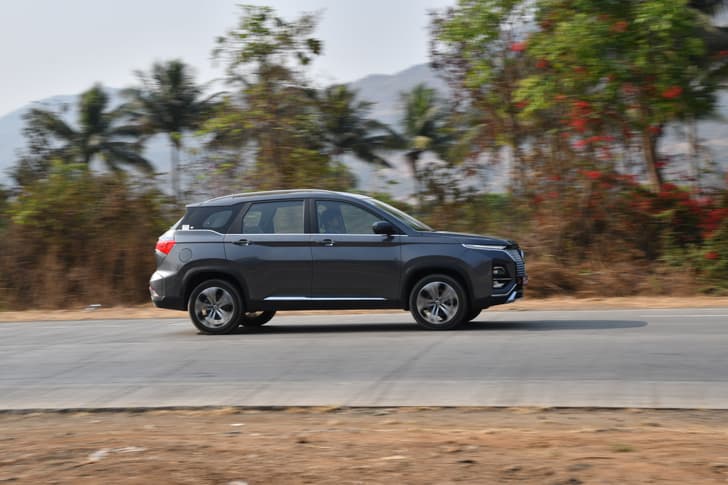
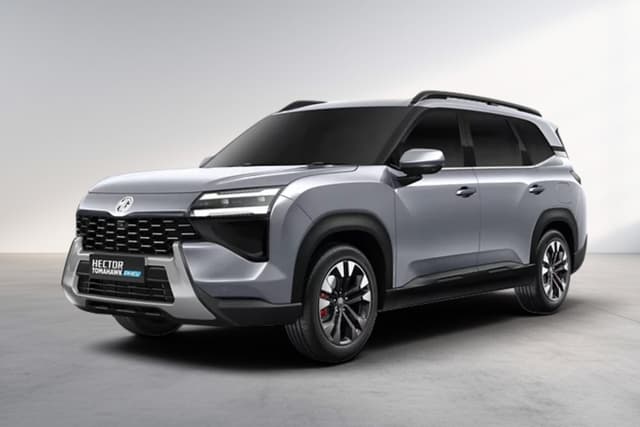
MG Hector Color Gray
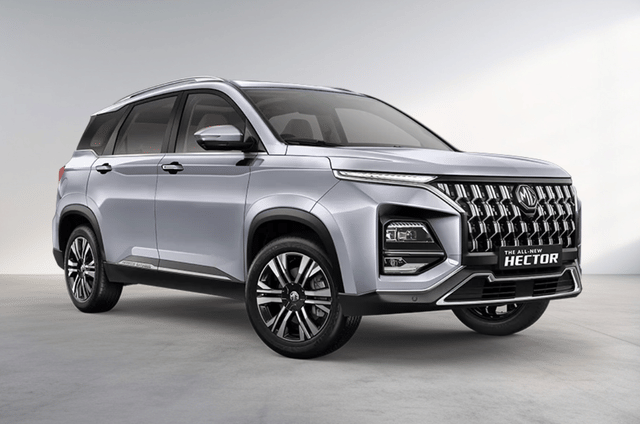
Aurora Silver color image
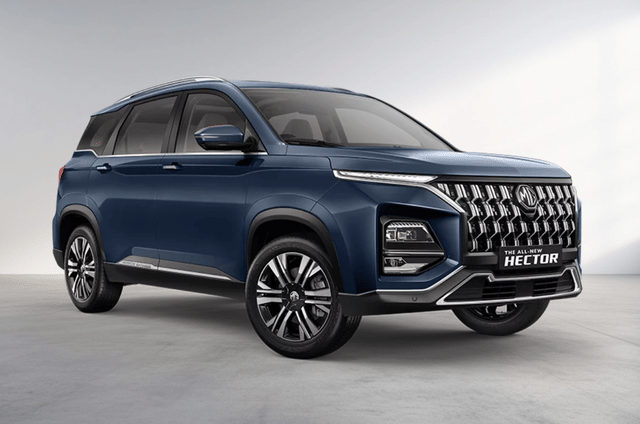
Celadon Blue color image
Glaze Red color image
Pearl White color image
7
12.3-15.6 kmpl
Petrol, Diesel
Automatic, Manual
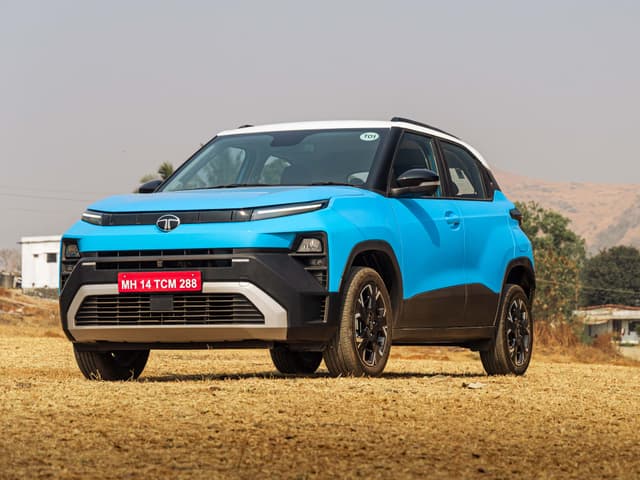
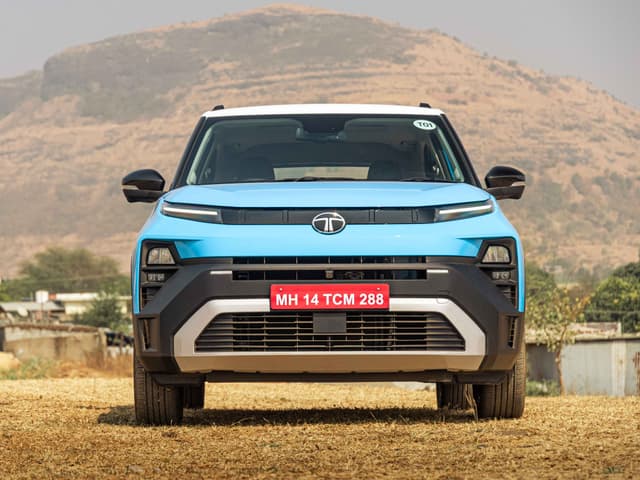
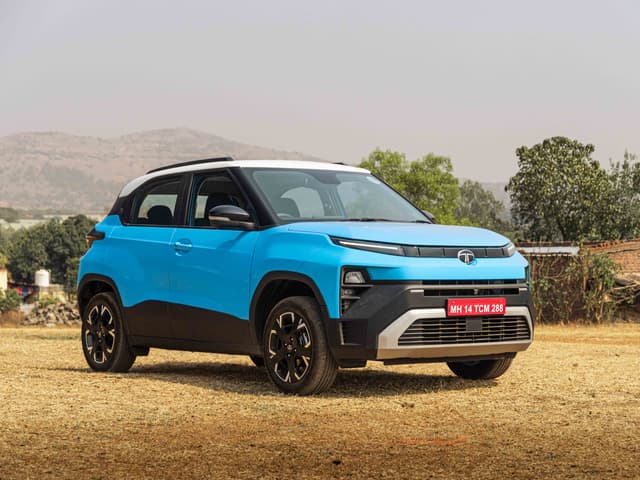
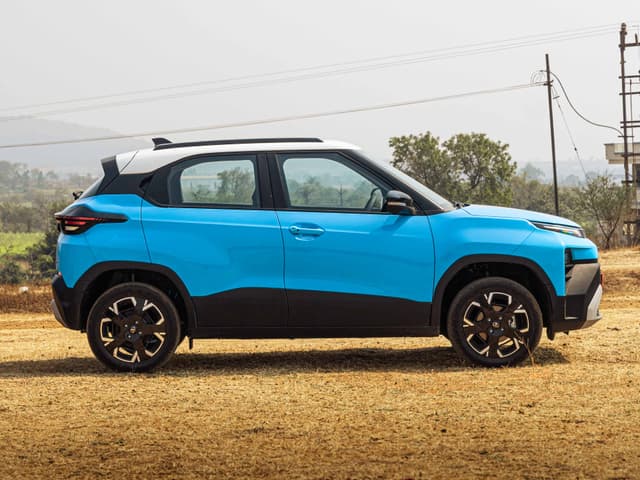
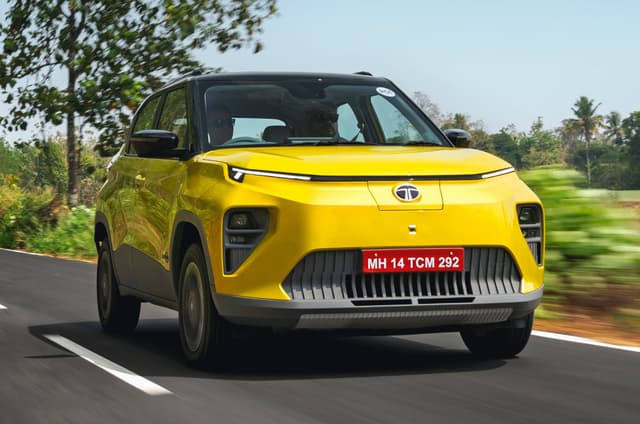
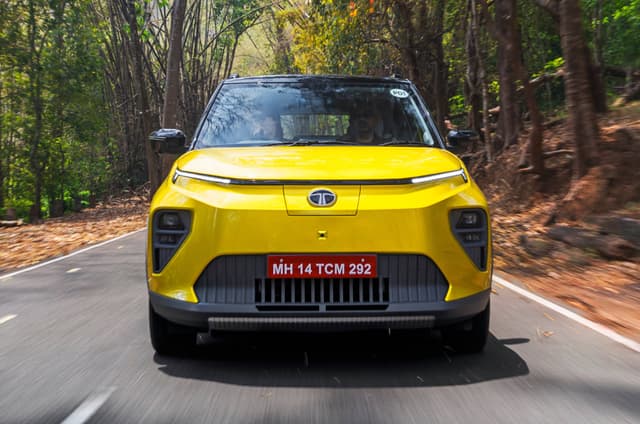
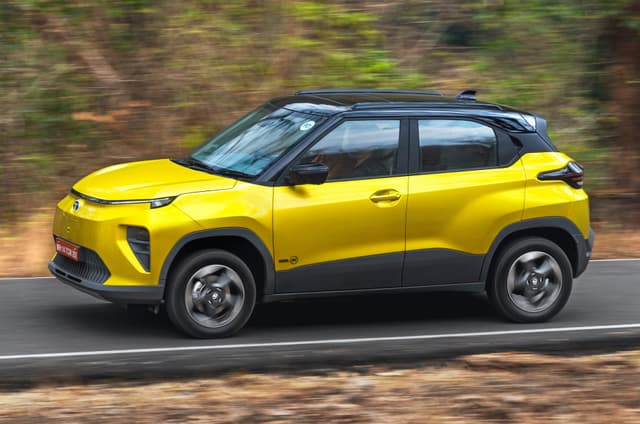
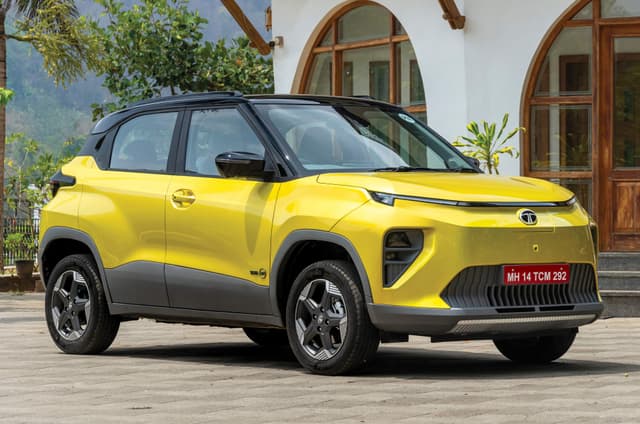
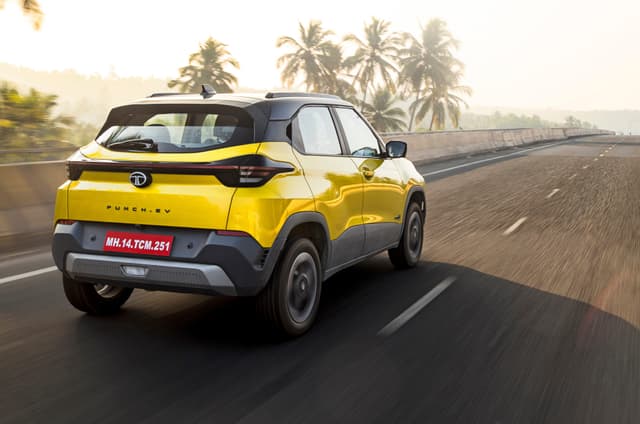
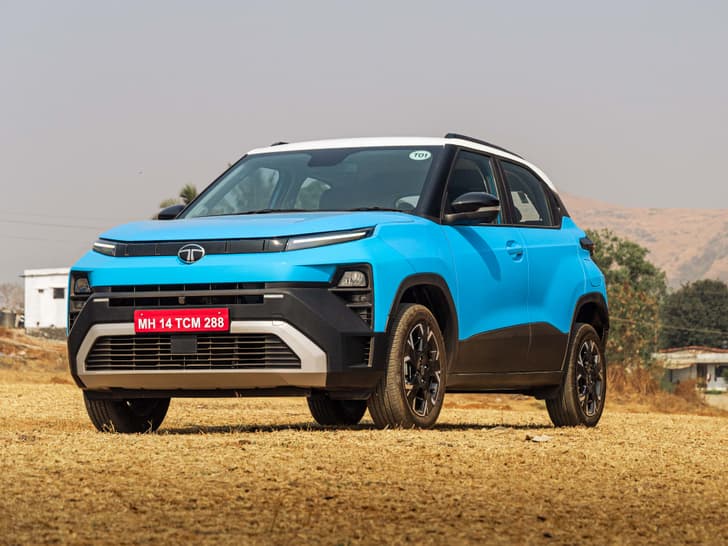
Tata Punch EV
Tata Punch EV
Tata Punch EV
Tata Punch EV
Tata Punch EV
9
315-468 km
Electric icon
Electric
5 seater
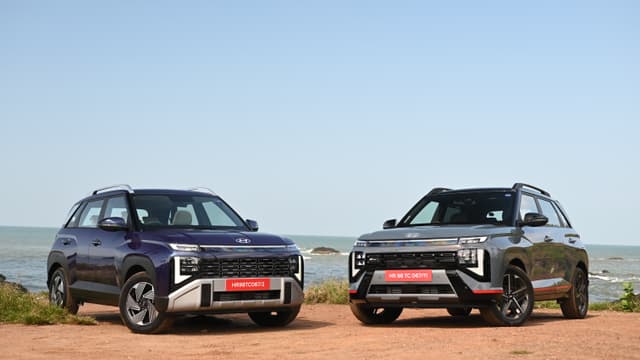
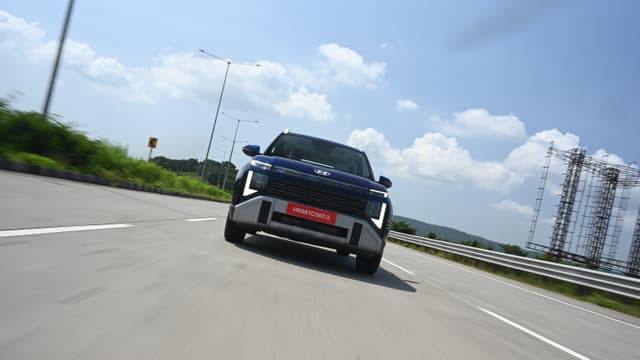
Hyundai Venue
Hyundai Venue
Hyundai Venue
Hyundai Venue
Hyundai Venue
8
17.5-24.2 kmpl
Petrol, Diesel
Automatic, Manual
New
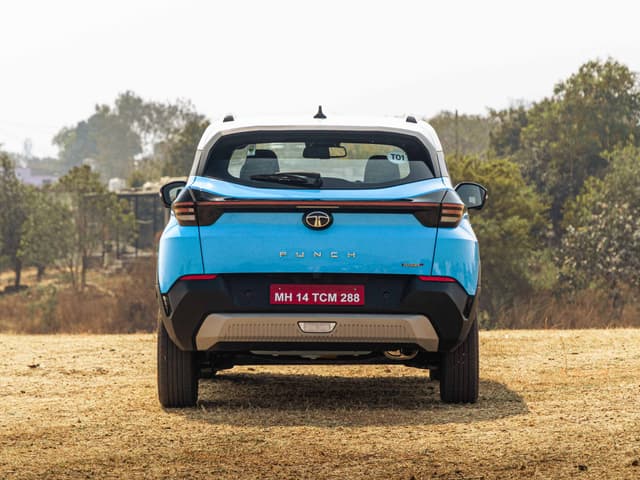
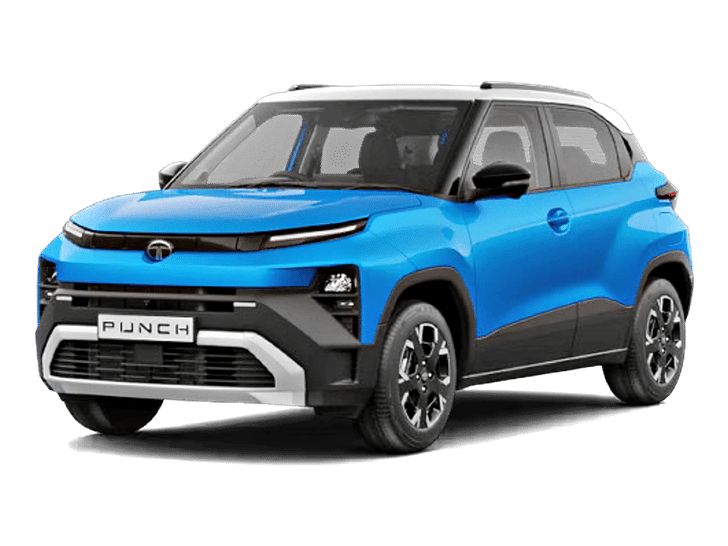
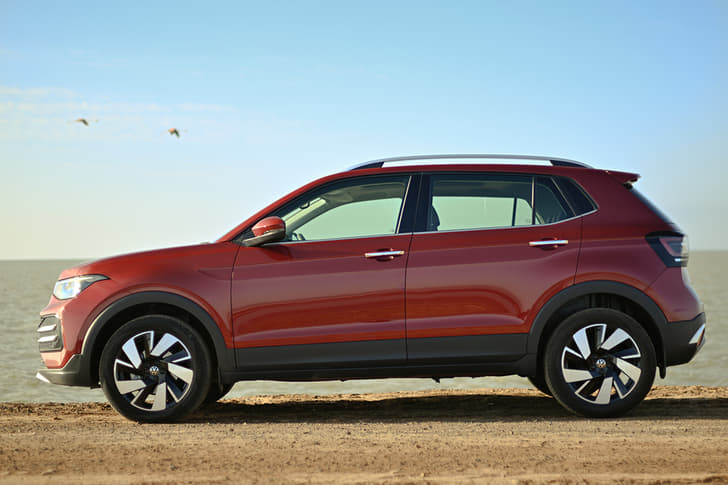
Tata Punch
Tata Punch
Tata Punch
Tata Punch
Tata Punch
8
18.8-27.0 kmpl
Petrol, CNG
Manual
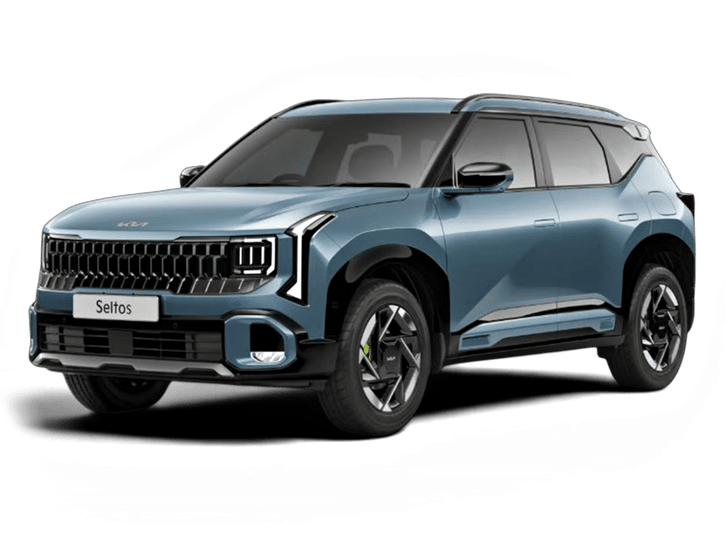
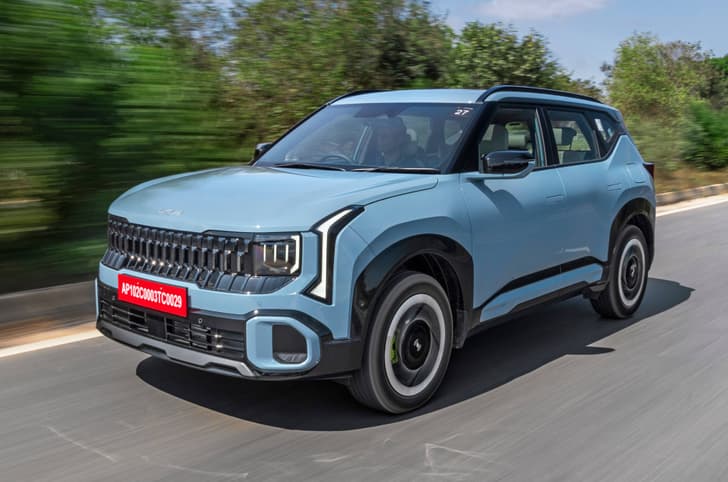
Kia Seltos
Kia Seltos
Kia Seltos
Kia Seltos
Kia Seltos
8
15.6-20.7 kmpl
Petrol, Diesel
Automatic, Manual
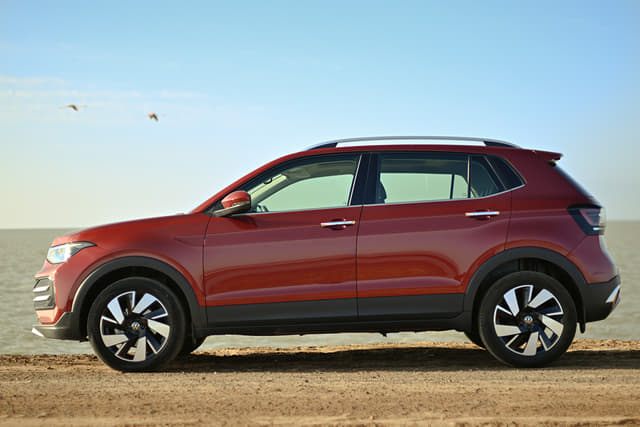
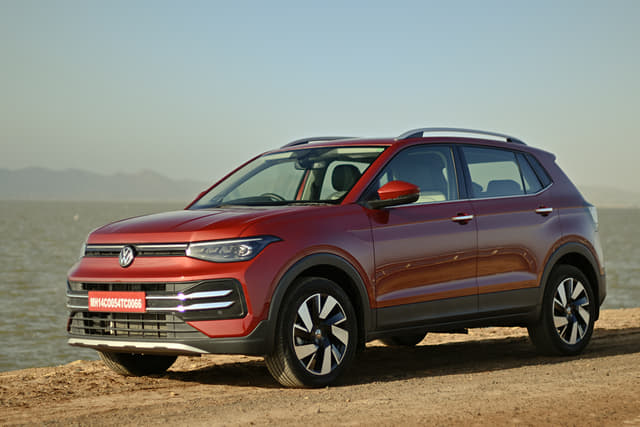
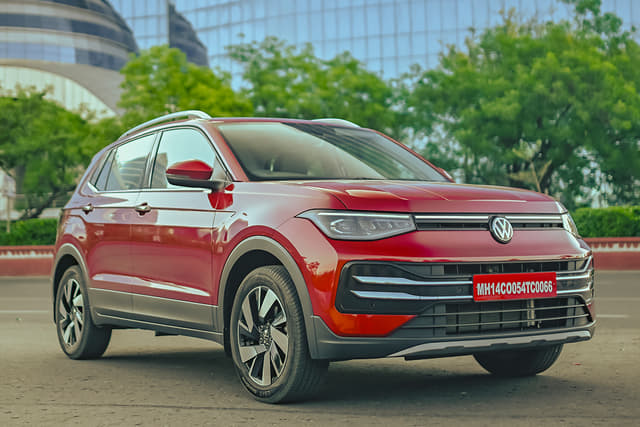
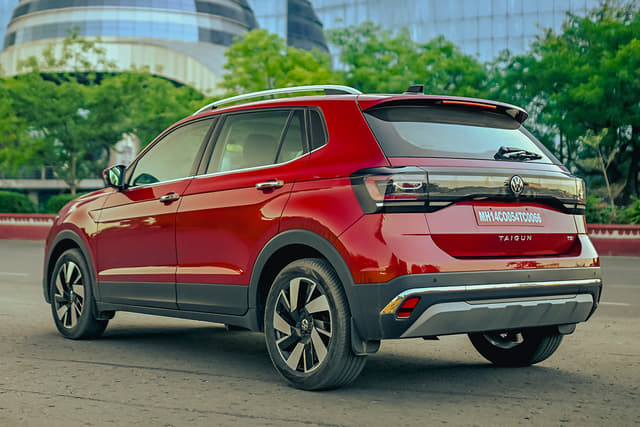
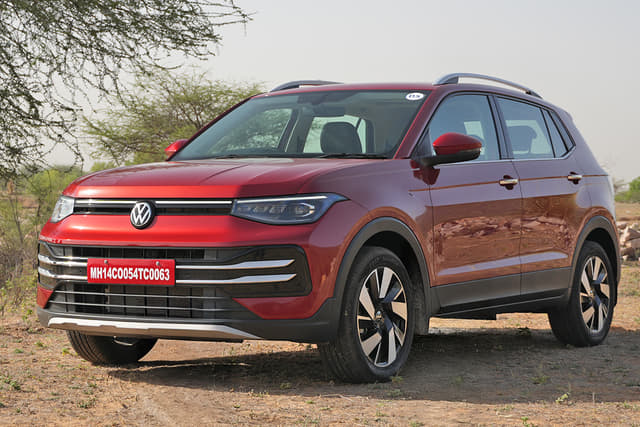
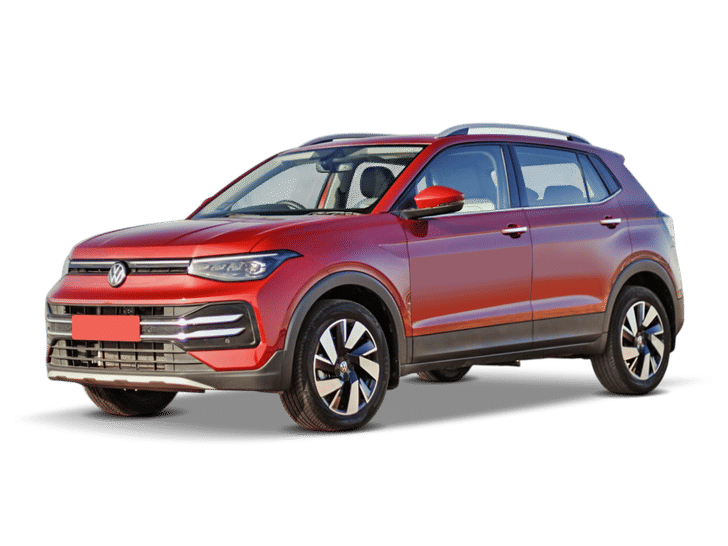
Volkswagen Taigun
Volkswagen Taigun
Volkswagen Taigun
Volkswagen Taigun
Volkswagen Taigun
7
16.4-20.0 kmpl
Petrol
Manual
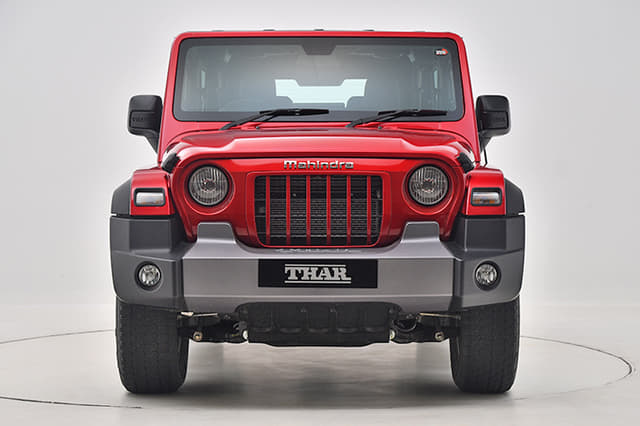
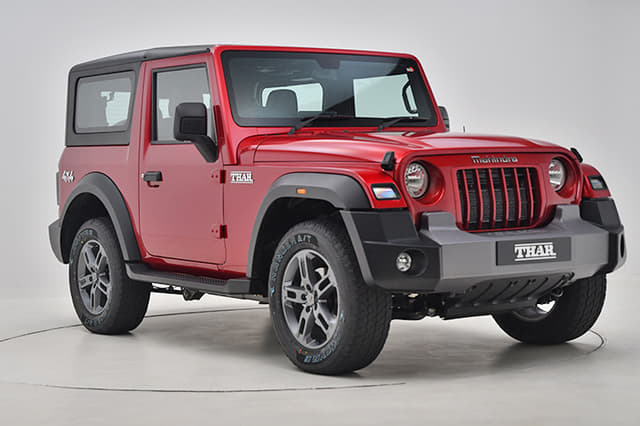
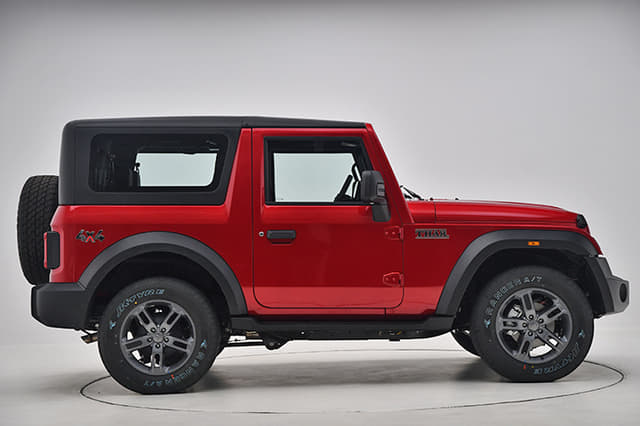
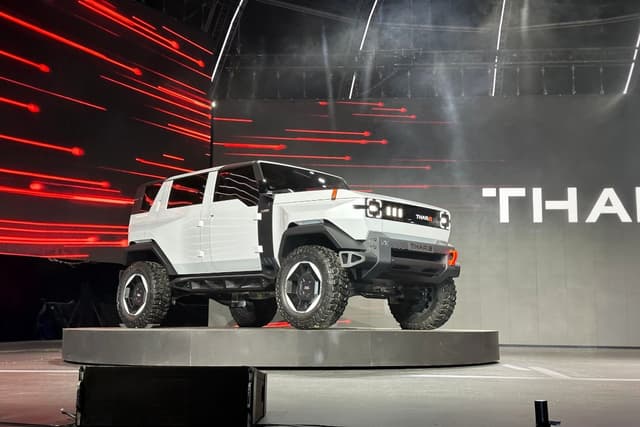
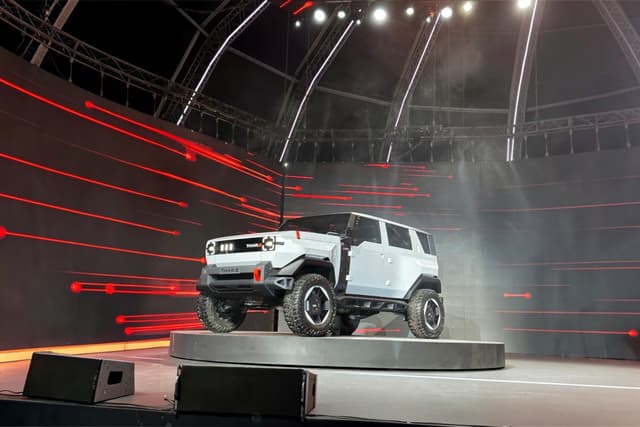
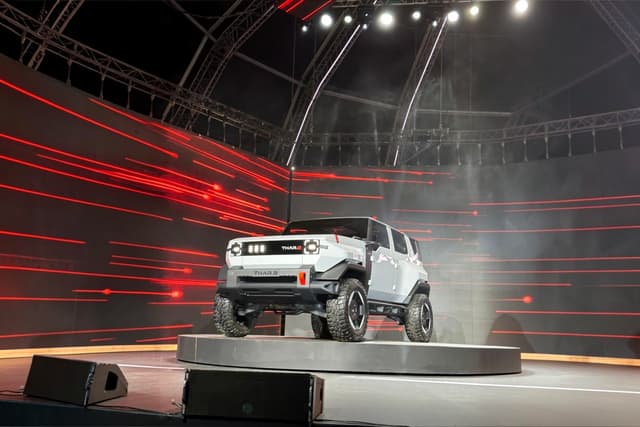
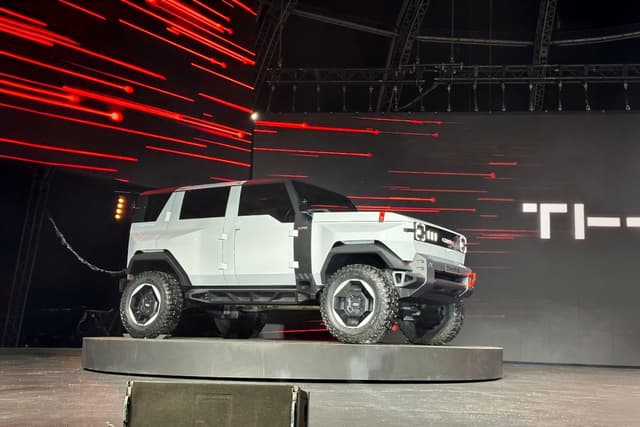
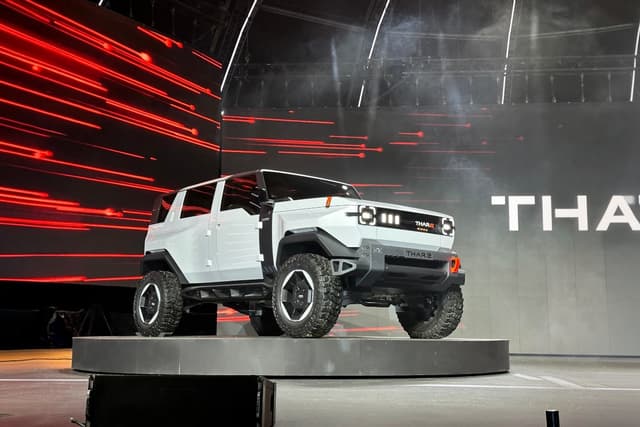
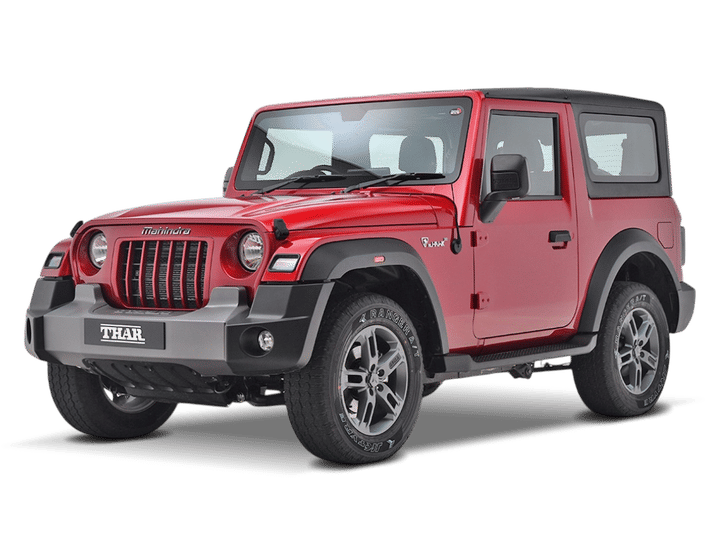
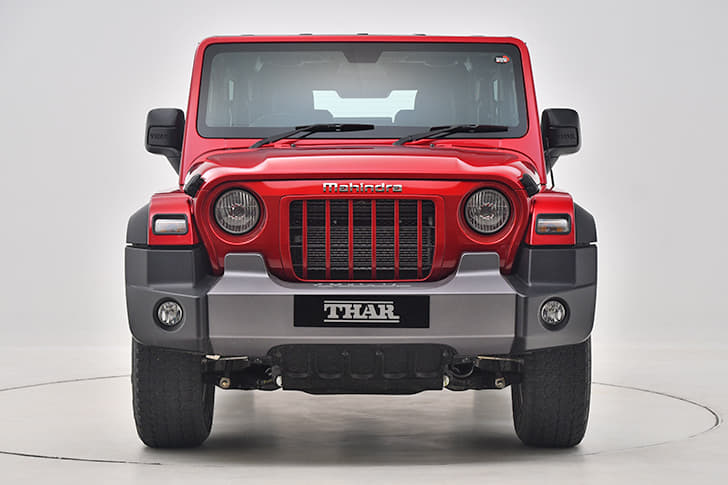
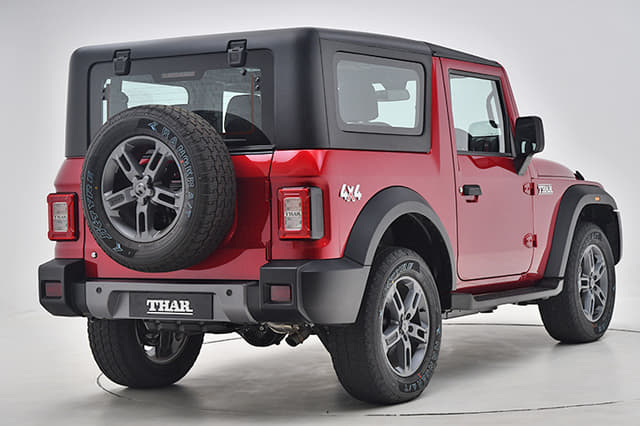
Mahindra Thar
Mahindra Thar
Mahindra Thar
Mahindra Thar
Mahindra Thar
8
15.2 kmpl
Diesel, Petrol
Automatic, Manual
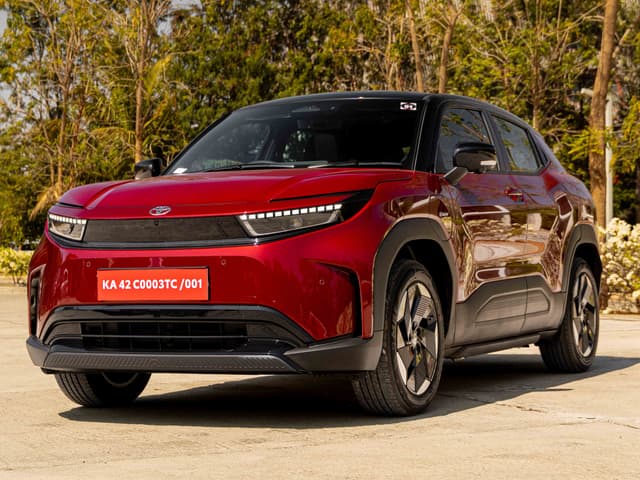
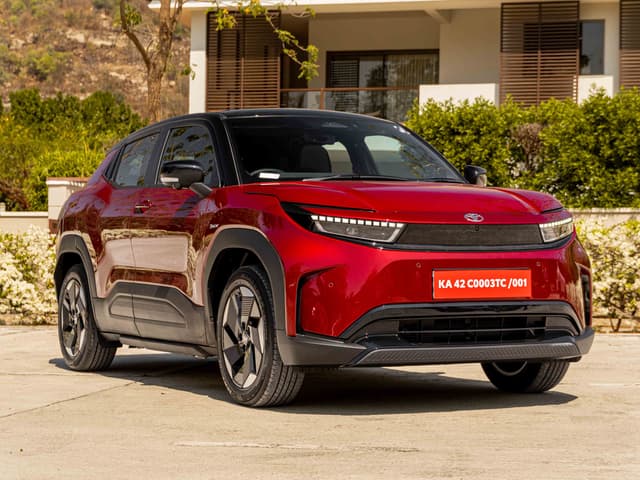
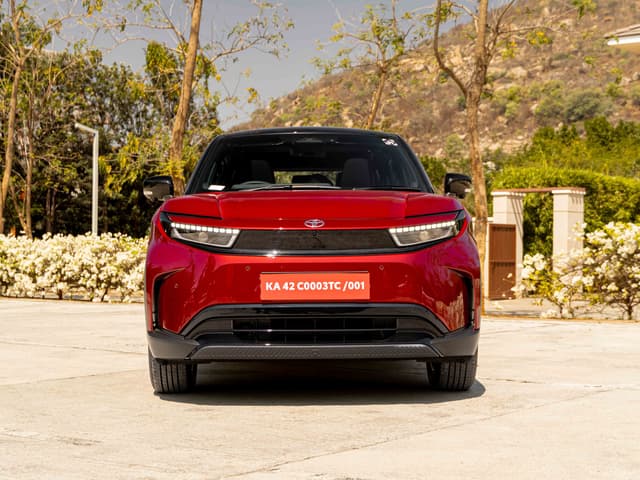
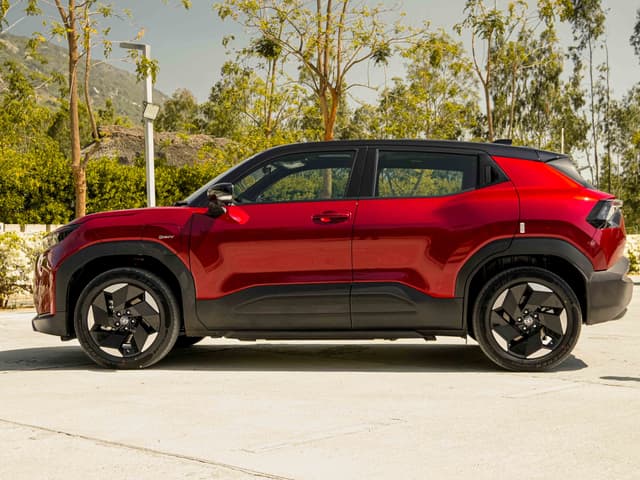
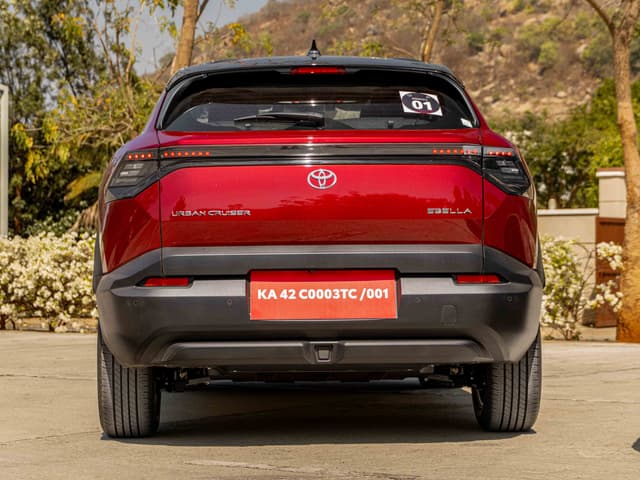
Toyota Urban Cruiser Ebella
6
440-543 km
Electric icon
Electric
5 seater
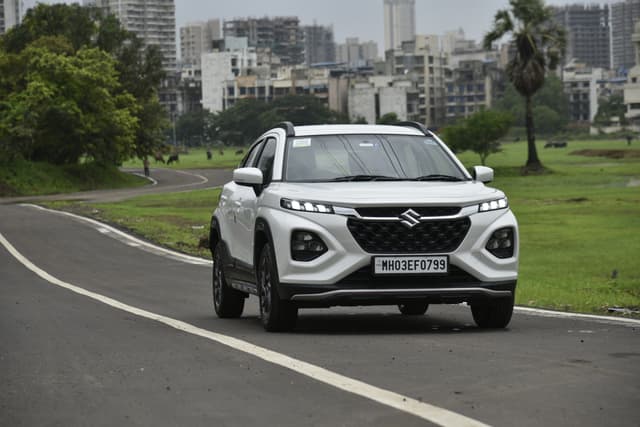
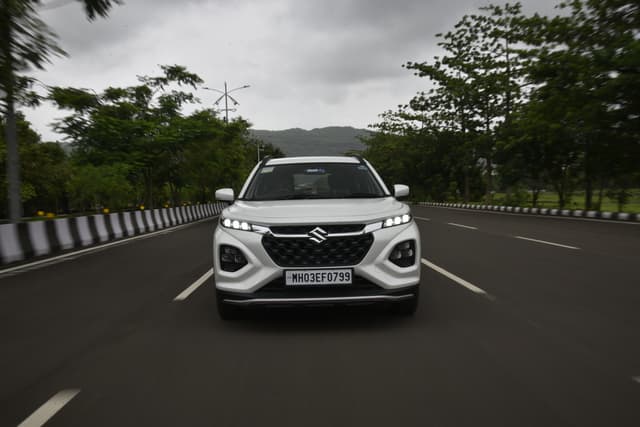
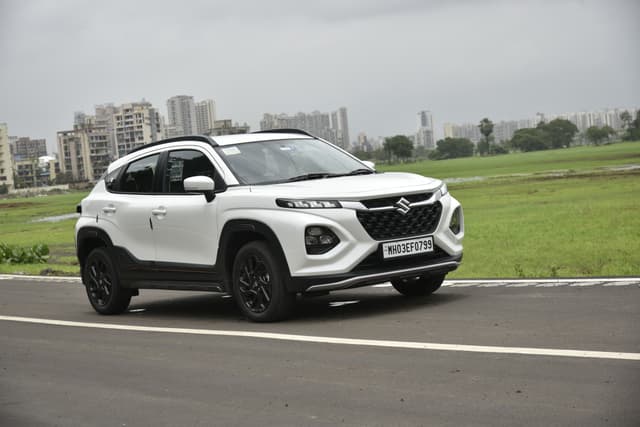
Maruti Suzuki Fronx Front Right Three Quarter
Maruti Suzuki Fronx Front View
Maruti Suzuki Fronx Front Right Three Quarter
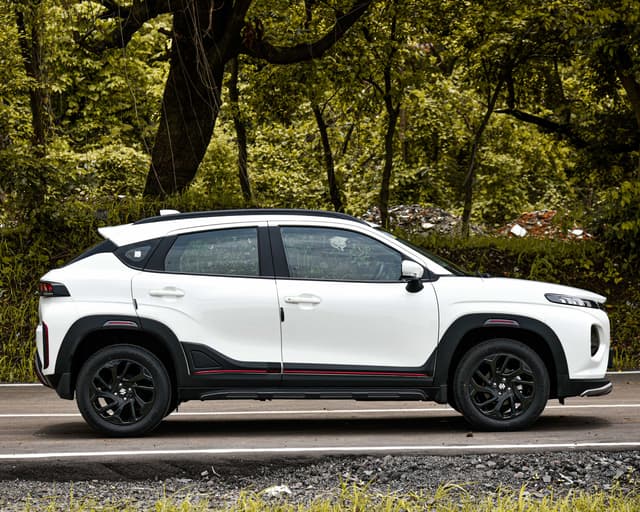
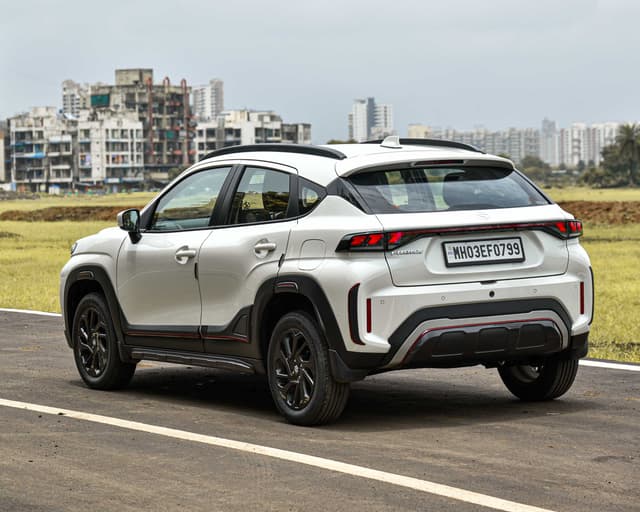
Maruti Suzuki Fronx
Maruti Suzuki Fronx
8
20.0-28.5 kmpl
CNG, Petrol
Automatic, Manual

SUV Cars - FAQs

SUVs offer higher ground clearance, a commanding driving position and a more practical cabin than most hatchbacks and sedans. Many SUVs also offer larger boots, higher seating capacity and all-wheel drive or four-wheel drive options, depending on the model.

SUVs generally offer higher ground clearance, a taller seating position and greater practicality. Sedans, however, often provide better ride comfort, handling and fuel efficiency. The right choice depends on your driving needs and priorities.

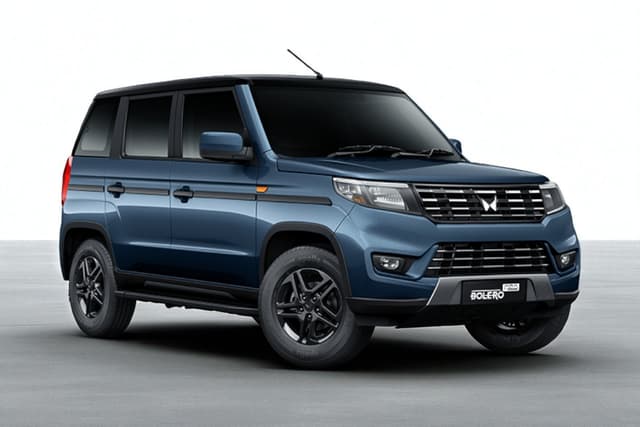
Many SUVs in India are available with six-, seven- or even nine-seat layouts. Popular options include the Mahindra XUV700, Mahindra Scorpio N, Tata Safari, Hyundai Alcazar, Jeep Meridian and Mahindra Bolero Neo+.

Yes. Compact and midsize SUVs are well suited to city driving, combining a higher seating position with manageable dimensions. Many models are also available with automatic transmissions, making them convenient for daily commutes.

SUVs are generally preferred for their styling, higher ground clearance and driving position, while MPVs focus on maximising passenger space and comfort. Buyers looking for seven- or eight-seat family vehicles should consider both body styles before making a decision.

No. Most popular SUVs sold in India are front-wheel drive, while selected models offer all-wheel drive or four-wheel drive, particularly those designed for off-road driving or premium segments.

While SUVs have traditionally been less fuel efficient than hatchbacks, many modern SUVs are available with CNG, hybrid and electric powertrains that significantly improve efficiency. Fuel economy ultimately depends on the vehicle's size, engine and powertrain.

Need an expert opinion on your car related queries?

Trending Questions on Cars - Answered by Autocar Experts

2d

Hi, I’m planning to buy an SUV under Rs 25 lakh. I’m considering the Nissan Tekton and the Hyundai Creta. However, since I can wait another 3-6 months, is it a good idea to wait for the next-generation Hyundai Creta before taking a decision? I’m looking at the Creta IVT option and am not interested in a strong hybrid.

Verified
1d

If you can wait 3-6 months, it is worth waiting for the next-generation Hyundai Creta. Hyundai is expected to launch the all-new Creta in 2027, and it will be a completely new car on a new platform, not just a facelift. The current Creta is still a strong product, but it is nearing the end of its lifecycle, and the new model will likely bring significant improvements in design, technology and overall ownership experience.The Nissan Tekton is a good alternative and is a very good drivers car, so its a good buy if driving pleasure is high on your list. The new Creta is likely to be more of a relaxed commuter. Thus, if you can wait, it makes sense to see what the next-generation Creta has to offer before making a decision.

VehicleNissan Tekton
VehicleHyundai Creta
2d

Dear Autocar Team, I already own a Kushaq 1.5 TSI Manual, and I am looking to buy a B-segment SUV. I am confused between the Hyundai Creta IVT and the Kia Seltos Turbo DCT. Could you please help me choose the better option?

Verified
2d

Since you already own a Skoda Kushaq 1.5 TSI manual, you are already enjoying a strong turbo petrol engine and a genuinely engaging driving experience. The Creta IVT is a naturally aspirated petrol with a CVT, which is smooth and easy in traffic but will feel like a step down in performance and driving enjoyment compared to your Kushaq. The Seltos turbo petrol DCT is the better fit here. It gives you the performance you are used to, a more premium cabin, and a genuinely enjoyable driving experience. The DCT is not as smooth as the IVT in stop-start traffic, but it is the more engaging car overall and will feel like a proper upgrade rather than a compromise. The Seltos also feels more premium inside and is the more satisfying car to own alongside your Kushaq.

VehicleSkoda Kushaq
VehicleHyundai Creta
VehicleKia Seltos
3d

My current car is a Toyota Etios Petrol, and I am planning to upgrade to a D-segment SUV. My on-road budget is Rs. 30 lakh. My usage is very low, as I do not drive daily. I drive occasionally during the week, with a total running of around 20-30 km per month, along with a few long trips each year. Considering the current E20 petrol scenario, should I buy an EV or continue with a petrol SUV? I also have the facility for home charging.

Verified
2d

With your usage of just 20-30 km a month plus a few long trips a year, an EV is actually a very sensible choice. You have home charging, which is the biggest hurdle for most buyers, and your low monthly running means you will not be burning fuel idling in the garage. The occasional long trips are manageable with planning, and modern EVs like the Sierra EV or XEV 9s offer enough range for most intercity runs with a single charging stop. The key advantage here is that you avoid the E20 question altogether. Modern petrol engines are E20 compliant, but higher ethanol blends do reduce fuel efficiency slightly, and with your low usage, the fuel savings of a petrol car are negligible anyway.If you are set on a D-segment SUV, the Mahindra XEV 9s is the most practical choice. It offers a spacious cabin, good performance and despite its size is easy to drive in the city as well.

VehicleMahindra XEV 9S
VehicleTata Sierra EV
3d

Hi, I currently drive a 2014 Maruti Suzuki Dzire Petrol and am planning to upgrade to a new SUV. My shortlisted options are the Kia Seltos HTX(A) DCT and the Mahindra XUV 7XO Petrol Automatic. My biggest concern with the XUV 7XO is its low fuel efficiency. My monthly running is less than 1,000 km, as I work from home, with a 60:40 city-to-highway split in the NCR. I also plan to use the new car for trips to the mountains, so it should offer strong performance, sufficient torque, and confident handling. I also test-drove the new Renault Duster and loved the driving experience, but I wasn't impressed by Renault's showroom and after-sales experience. Which of these would you recommend for my requirements?
Verified
2d

Given your usage of less than 1,000km a month with a 60:40 city-highway mix in NCR, the Kia Seltos HTX(A) DCT is the better fit. The Seltos turbo petrol DCT is a strong performer with good mid-range torque, making it well-suited for mountain drives and highway overtakes. It also offers a more polished ownership experience with Kia’s wider service network and better dealership consistency, which is important for long-term peace of mind.The Mahindra XUV 7XO petrol automatic is a more powerful and larger SUV, but it is also heavier and less efficient, which is a concern given your low running. The Seltos strikes a better balance between performance, efficiency and ease of ownership. The new Duster is a genuinely enjoyable driver’s car, but as a package does not score well against the Seltos in terms of equipment and space.The Seltos HTX(A) DCT is the most sensible choice here.

VehicleKia Seltos
VehicleMahindra XUV 7XO
VehicleRenault Duster
4d

My current car is a Toyota Etios Petrol, and I am planning to upgrade to a D-segment SUV. My on-road budget is Rs. 30 lakh. My usage is very low, with around 20 km per month, along with a few long trips each year. Considering the current E20 petrol scenario, should I buy an EV or continue with a petrol SUV? I also have the facility for home charging.

Verified
3d

With a car under 30 Lakhs on-road budget, 20 km daily usage and only occasional long trips, you are actually in a very comfortable position to go electric. The key factor here is your home charging facility, which makes EV ownership far more convenient and cost-effective. With your usage pattern, the lower running costs of an EV will add up over time, and you will not be affected by E20 fuel concerns at all. For your budget, the Mahindra XEV 9S or 9e is the most sensible choice. Both cars have good real-world range, a comfortable cabin and a mature ownership experience. The only caveat is your occasional long trips. As long as you are comfortable planning charging stops on those journeys, an EV is the right choice. If you are not, then a petrol car like the Mahindra XUV 7XO is still the safer option. But given your usage and home charging, we would recommend going electric.

VehicleMahindra XEV 9S
VehicleMahindra XEV 9e

Last Updated on: 8 Aug 2026