
Maruti Suzuki cars in India (19)






FAQs
The most expensive Maruti car is the Invicto. It is a premium MUV and is priced between ₹24.97 lakh and ₹28.61 lakh (ex-showroom).
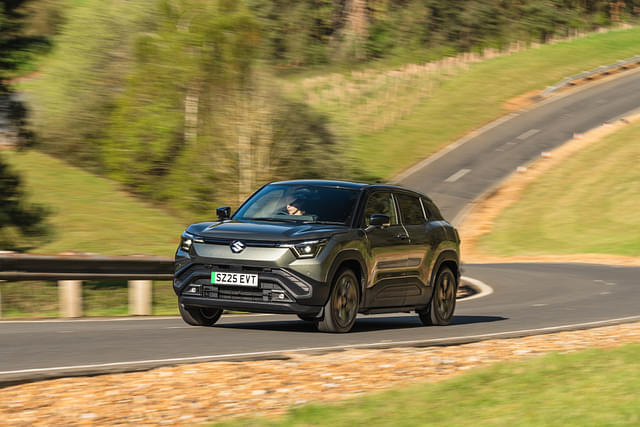
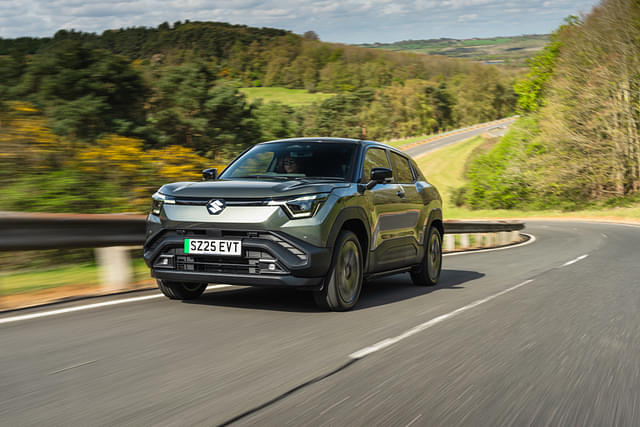
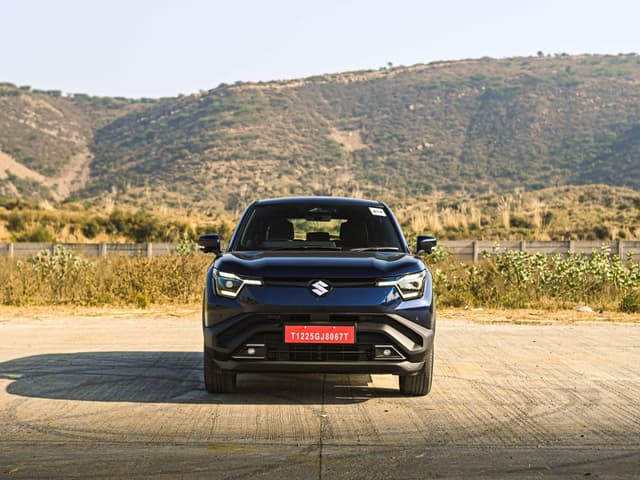
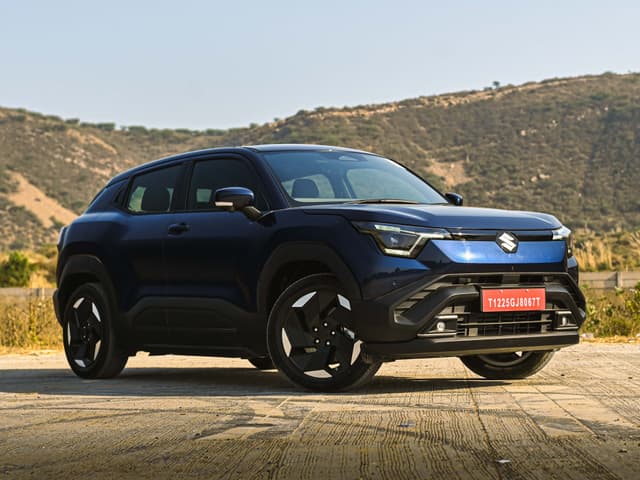
The Maruti Suzuki e Vitara, an all-electric SUV, is currently the only electric car from the brand. The e Vitara price starts at ₹10.99 lakh and was launched on 17 Feb, 2026.
The cheapest Maruti Suzuki car in India is the Maruti S-Presso, priced from ₹3.50 lakh after the GST reduction.
Maruti is set to launch the e-Vitara and the Brezza facelift in 2026.
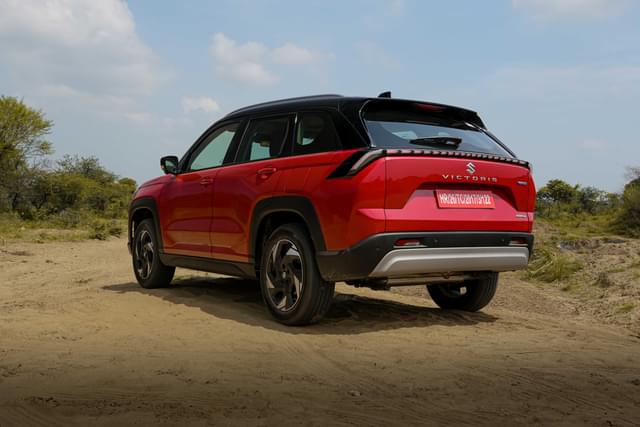
Currently, the newest Maruti Suzuki car in India is the Victoris, which debuted on September 15, 2025.
Trending Questions on Maruti Suzuki Cars - Answered by Autocar Experts
Which car to buy, Jimmy or Skoda Kushaq? I live in Manali and want to have some luxury too.
Suggest a car under ₹10 lakh. My requirements are at least 350 litres of boot space, comfort for all passengers, rear AC vents, cruise control, awesome stability on highways, and low outside noise in the cabin. My running is 40% city and 60% highway, including hills. I am planning to upgrade from an i10 1.1 iRDE2, which delivers around 12-14kpl fuel efficiency in the city and 17-19kpl on highways. So fuel efficiency should be more or less similar. I am not prepared for a major drop.
I am planning to buy the Kia Sonet 1.0-litre turbo petrol HTK(O) DCT. My monthly running will be around 300 km, mostly within Delhi city. However, I have come across several videos mentioning issues with turbo engines and DCT transmissions. This has made me concerned about long-term reliability and suitability for city driving. Alternatively, I am considering the Maruti Suzuki Fronx AMT. Could you please advise whether the Sonet turbo DCT is a good choice for my usage, or if the Fronx AMT would be a better and more reliable option?
For your usage of around 300 km per month, purely in city conditions, it makes more sense to go for a simpler and more fuss-free setup rather than a turbo petrol with a DCT.
The Kia Sonet 1.0 turbo DCT is a good car. But this combination is better suited for higher usage and mixed driving, where you can actually enjoy its performance. In heavy city traffic, especially in Delhi, DCT gearboxes can feel a bit sensitive in slow crawling conditions, and with your low running, you won’t really benefit from what it offers.
In comparison, the Maruti Fronx 1.2 AMT is a simpler and more reliable option for your kind of usage. It is easier to live with in the long run, especially since your running is low and mostly in stop-go traffic. While the AMT is not as smooth as a DCT and performance is modest, it is perfectly adequate for daily city use.
Overall, for your usage, the Fronx AMT is the more practical and stress-free choice. The Sonet turbo DCT makes sense only if you specifically want better performance and are comfortable with a more complex setup.
I am planning to buy a compact SUV with a budget of ₹12-13 lakh. Which one should I go for? 90% city driving in Mumbai. I am worried about after-sales service and software issues.
I am planning to buy a new car and am currently waiting for the new Honda WR-V to be launched. Could you please advise on its expected launch timeline? Also, if there are any good alternatives to the WR-V that meet my requirements, kindly suggest them. My key requirements are: A responsive automatic gearbox Comfortable seats and good ride quality for long drives Good ground clearance Decent mileage
Honda has no plans to launch the WR-V in India, at least not in its current avatar. If a new sub-four-metre SUV is launched, it won't be before 2029, with several other products planned before then, such as the 0 Alpha EV, a new Honda City, a new 7-seat SUV and a new Elevate, as well as some CBUs.
Until then, check out the Maruti Suzuki Fronx (or its sibling, the Toyota Urban Cruiser Taisor), specifically with the 1.0 Boosterjet turbo petrol engine and 6-speed AT gearbox. This powertrain delivers, at once, performance, smoothness and efficiency, giving the best of all worlds.
The Fronx is a sharp-looking compact crossover that's surprisingly practical and well equipped. It's got good ground clearance and a comfortable ride, and space is more than enough too. Plus, being a Maruti, running costs are low, and reliability is rock solid.
Hi Autocar team, I am going to purchase my first new car. My daily driving is around 160 to 170km, mainly in the city. I need comfortable seating for my family of four, including one 5-year-old child. I am also looking for a highly safe car that can comfortably handle bad roads and is suitable for the rainy season. Which car should I consider? Please recommend 4 to 5 cars and the best among them. I am not looking for an electric car due to the unavailability of charging space in my society.
I wish to buy my first car. It will be used for ferrying a family of 6 which includes elderly parents. Vehicle’s daily use is expected to be below 3-4 kms. Occasional road trips would make the monthly mileage to be around 300-400 KMS at max. Please suggest a six seater MUV which could tick all the requirements. Seating Comfort with easy ingress egress, ease of driving, spacious. Also suggest the best transmission to go for.
Go for the Maruti Suzuki XL6 Alpha+ 6‑speed automatic; with 3-4 km daily runs and six onboard, it best blends easy ingress, smooth city drive, and comfortable captain seats.
Captain seats in row two make entry and exit easier for ageing knees, and the 2740 mm wheelbase opens usable room in all three rows. The 6‑speed torque‑converter automatic is easiest in stop‑go traffic, smoother than an AMT at 10-20 km/h and simpler than a DCT. With just 300-400 km a month and 3-4 km daily, a petrol XL6 fits and avoids diesel DPF issues on short trips. Its compact footprint keeps parking stress low while still seating six comfortably.
The one thing you give up is strong highway punch; the XL6’s naturally aspirated petrol feels adequate, not quick, when fully loaded and overtaking at 80-100 km/h.
If your trips grow longer and frequent around 500+ km a month with 4-6 hour highways, consider the Kia Carens with 1.5‑turbo DCT (6‑seater) for stronger performance and 2780 mm wheelbase.
During the test drive, seat your parents in the second row, try the one‑touch tumble to the third row, and check creep smoothness and gear changes at 10-20 km/h.
Which of the following is the best option, considering mainly city driving, daily 30km, once-a-month highway drives, and a family of four: Skoda Kylaq, Venue, Citroen Basalt, Maruti Jimny, and Kia Sonet.
I am a first-time car buyer, and am confused between Victoris ZXI+(O) AT and new Kia Seltos HTX(A) IVT. My driving is mostly in the city with occasional long trips for vacation. Kindly advise.
I currently own a 2015 Hyundai i10 (1.1 iRDE2) and am planning to upgrade next year. My budget is around ₹10 lakh. My usage will be approximately 40% city and 60% highway, including occasional trips to the hills with my family. I am looking for a car that offers good stability, adequate space, and comfortable seating for four passengers. My expectations include fuel efficiency similar to my current i10 (around 12-14 km/l in the city and 17–19 km/l on highways), minimal cabin and road noise, rear AC vents, and a boot space of around 250-300 litres. Cruise control would be an added advantage, even if available as an aftermarket OEM fitment. Could you please suggest the best options that meet these requirements?
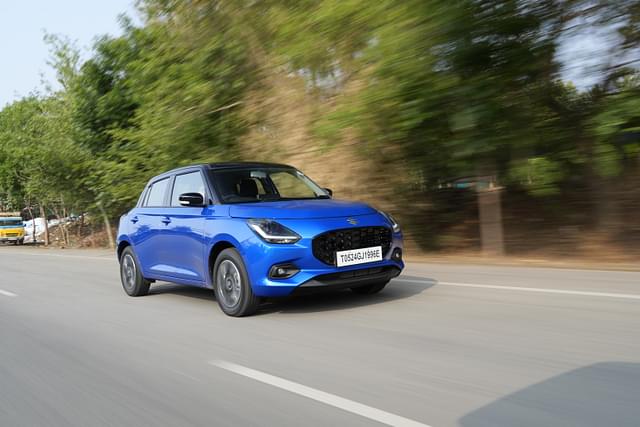
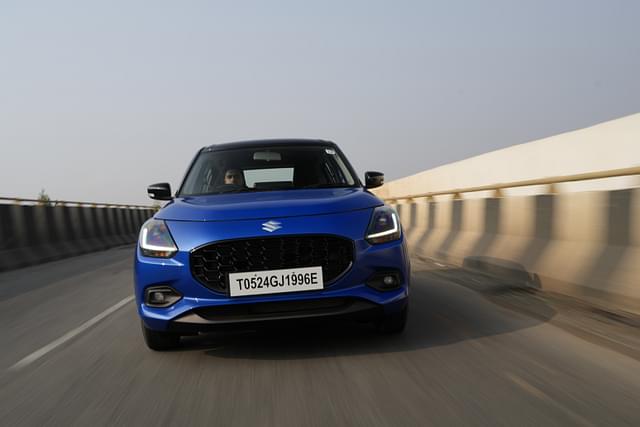
It will be hard for a larger car to match the fuel efficiency you get from your i10, but the new Maruti Suzuki Swift with the Z-series engine does a very good job. In our real-world tests, we managed 14kpl in the city and 19kpl on the highway with the manual gearbox. The AMT is only marginally less efficient, and you also get the same engine in the new Maruti Suzuki Dzire, which will fit your budget.
The Swift and the Dzire get cruise control in the higher trims and also feature rear AC vents. The cabins of both cars are more spacious than before, with comfortable seating for four and decent refinement. The Swift’s boot is 265 litres, and if you need more space, the Dzire is the better choice.
Last Updated on: 2 Mar 2026