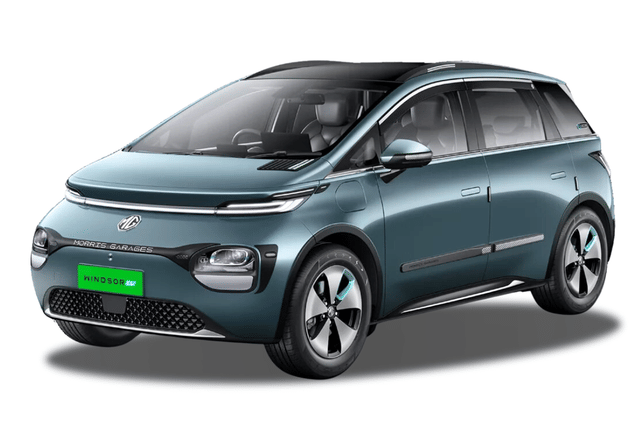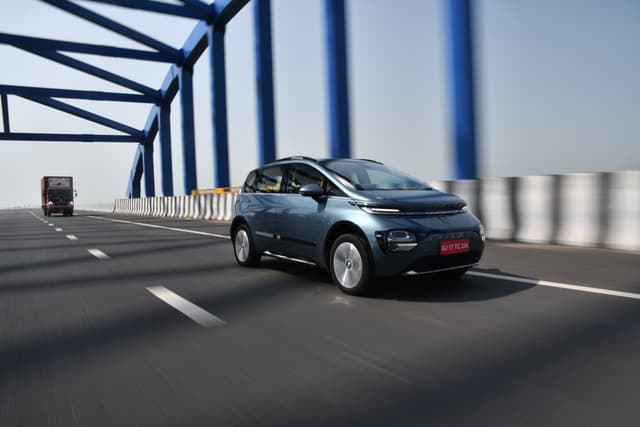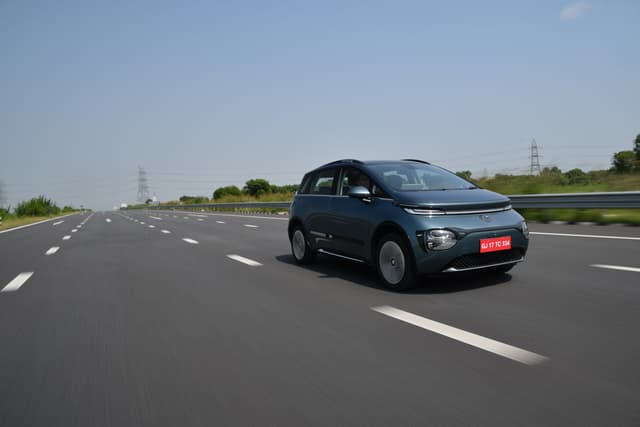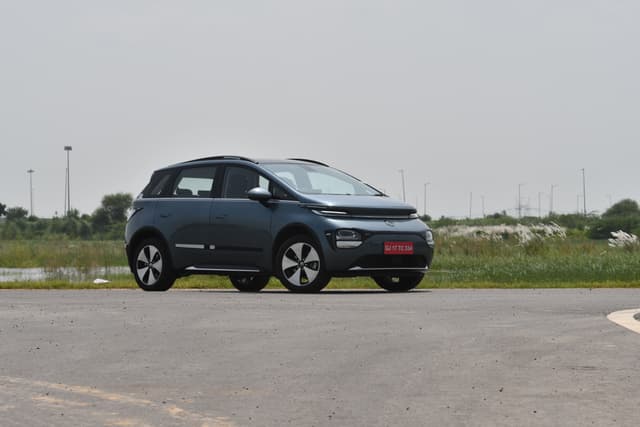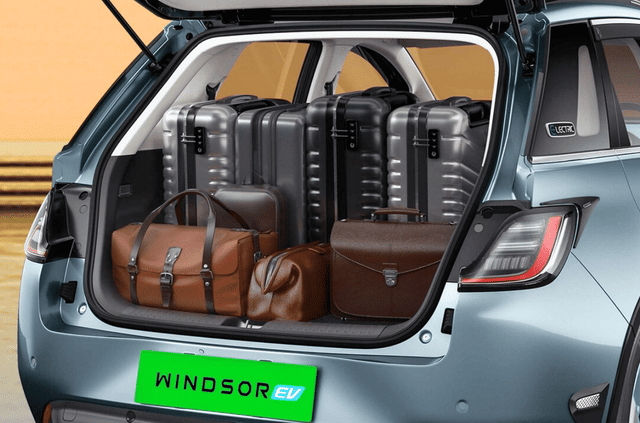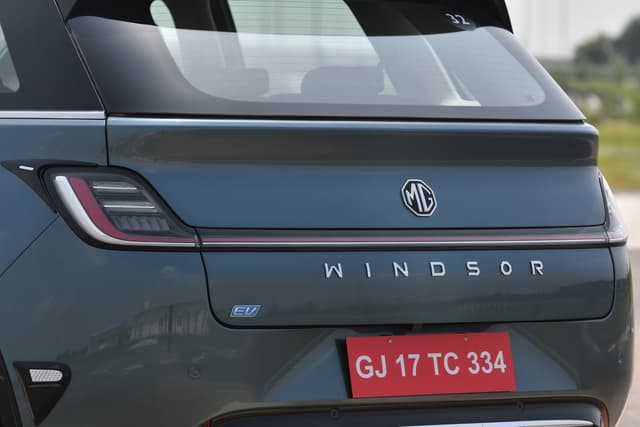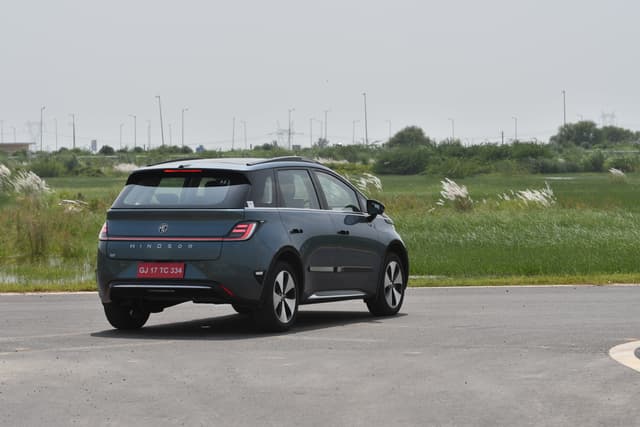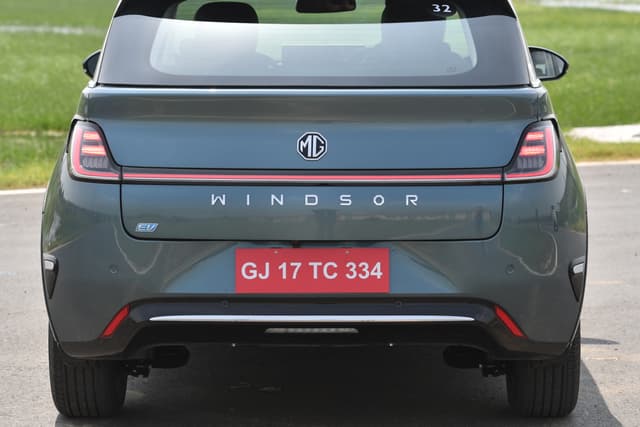
.jpg?w=728&q=75)
Last Updated on: 08 Apr 2026
MG Windsor price in Udaipur
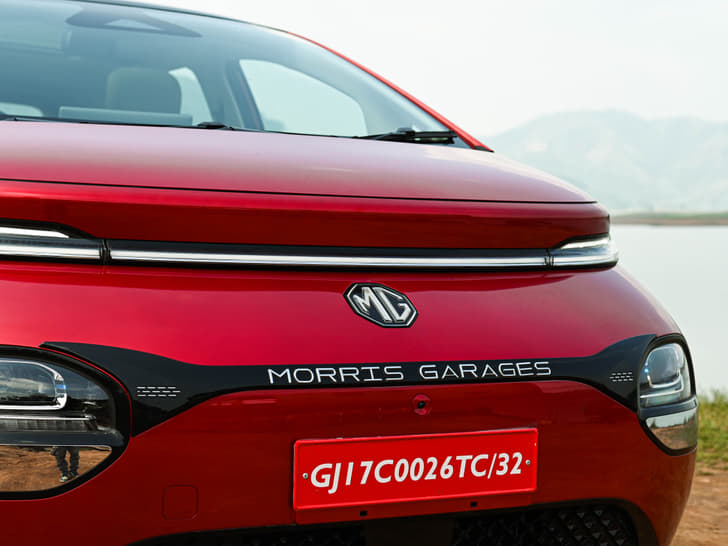
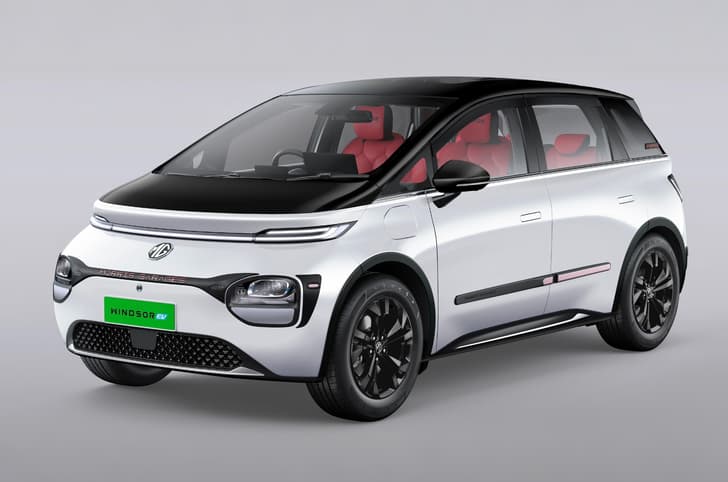
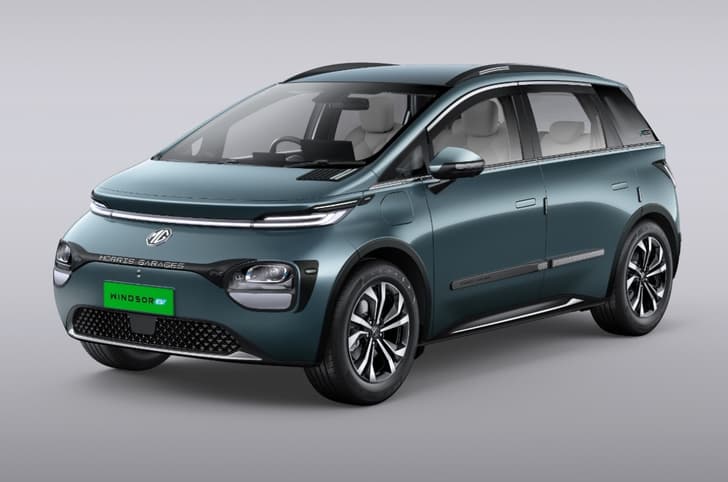
The ex-showroom price of the MG Windsor in Udaipur starts at ₹14.10 lakh for the Excite EV, going up to ₹18.60 lakh for the fully loaded Essence Pro EV. Meanwhile, the MG Windsor on road price in Udaipur ranges between ₹14.96 lakh and ₹19.68 lakh.
Below are the MG Windsor prices in Udaipur. Check with a MG Motor India dealership for the actual on-road price of the Windsor in your city as prices can fluctuate based on availability and location.
MG Windsor price list in Udaipur 2026 (ex-showroom)
- MG Windsor 38kWh price range: ₹14.00 lakh to ₹16.53 lakh
- MG Windsor 52.9kWh price range: ₹17.38 lakh to ₹18.50 lakh
MG Windsor on road price includes:
- RTO / Registration charges (Udaipur-specific tax rates)
- Comprehensive insurance
- Handling & registration charges
- Fastag and statutory costs
Is the MG Windsor worth the price in Udaipur?
The MG Windsor price in Udaipur is justified if you are looking for:
- Relaxed and composed driving experience
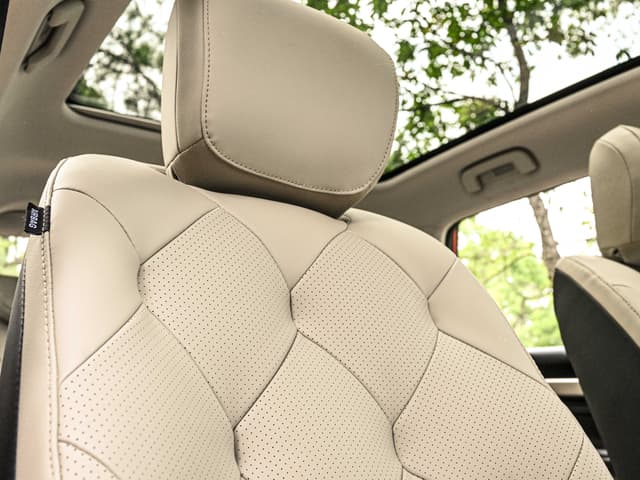
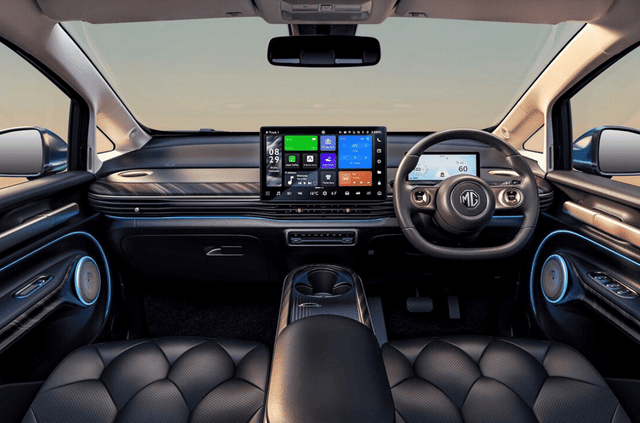
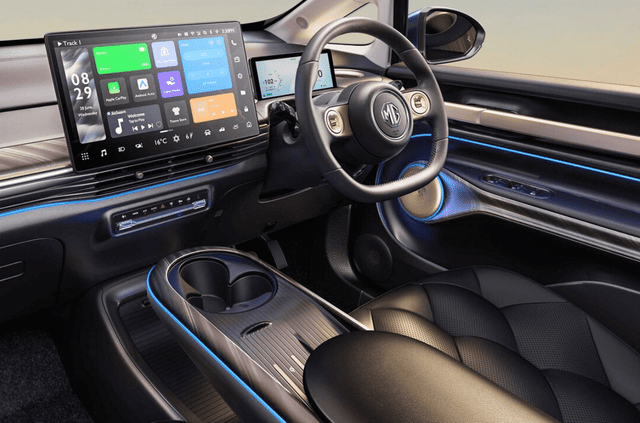
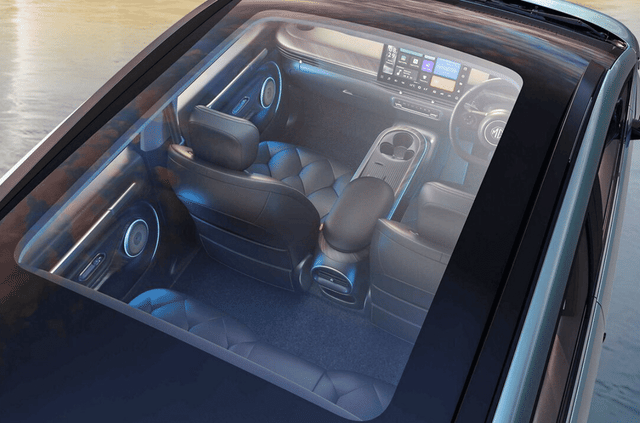
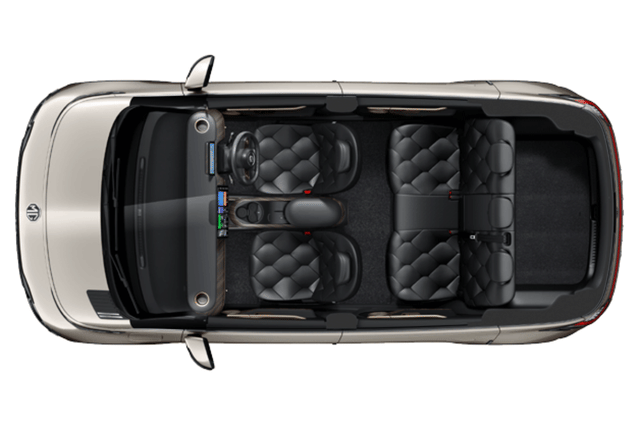
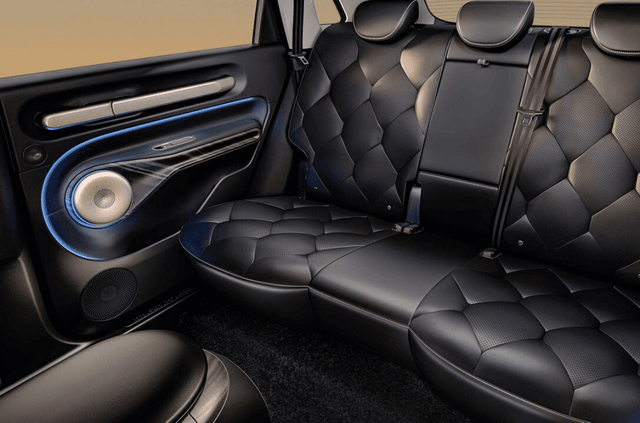
- Spacious and comfortable cabin with lounge-like seating
- Plenty of modern features
MG Windsor price & variants
Price of MG Windsor alternatives
MG Windsor news
MG Windsor Images
MG Windsor videos
.jpg?w=728&q=75)
MG Windsor Colours
MG Windsor FAQs
The MG Windsor EV price ranges between ₹ 14.10 lakh and ₹18.60 lakh (ex-showroom) in Udaipur.
The MG Windsor EV Essence Pro EV top model is priced at ₹18.60 lakh, ex-showroom in Udaipur.
MG Windsor EV price starts at ₹14.10 lakh in Udaipur.
The MG Windsor EV Essence Pro EV is the most expensive variant, priced at ₹18.60 lakh, (ex-showroom) in Udaipur?
The price of the MG Windsor starts at ₹ 14.10 lakh for the Excite EV, and goes up to ₹18.60 lakh for the Essence Pro EV, ex-showroom, in Udaipur.
The MG Windsor's on-road price in Udaipur ranges between ₹14.96 lakh and ₹19.68 lakh.
The on-road price of the MG Windsor's base variant in Udaipur is ₹14.96 lakh.
The on-road price of the MG Windsor's top variant in Udaipur is ₹19.68 lakh.
The MG Windsor base model is priced at ₹{{base_ex_showroom_price}} (ex-showroom) in {{city_name
The MG Windsor base model is priced at ₹{{base_ex_showroom_price}} (ex-showroom) in {{city_name}}.
The MG Windsor top model is priced at ₹18.60 lakh (ex-showroom) in Udaipur.
Questions you may find useful
Raghu
•3dI need advice on choosing between the MG Windsor EV and the Tata Curvv EV. Given the ongoing discounts, the Curvv EV variants are now priced similarly to the Windsor EV. My daily usage is mostly in the city, covering around 60-80 km, along with frequent weekend highway drives. While the Windsor EV offers better rear seat space, my primary concerns are safety and ride comfort, especially since I will be travelling with a small child. I would also like to understand how useful ADAS features are on Indian roads. Do they genuinely improve safety, or can they become a hassle, such as sudden braking, particularly in heavy bumper-to-bumper traffic during daily commutes? Which of these two EVs would be the better choice for my needs?

Autocar India
The Tata Curvv EV rides better, and the suspension handles rough roads well, so your child will not get tossed around. Its rear seat space is reasonable, although its sloping roofline limits headroom for tall adults.As you've rightly mentioned, the MG Windsor feels much roomier, and it's got a huge boot too. However, most functions are embedded in its slow-to-respond touchscreen, and its ride comfort isn't as good as Tata's either. Alternatively, you could check out the Vinfast VF6 and Kia Carens Clavis EV, both of which are (pricier) excellent alternatives to the Curvv EV.As far as ADAS goes, these certainly provide an extra layer of safety, and can be a life-saver in case the driver isn't paying attention. However, it can occasionally feel intrusive, especially in bumper-to-bumper conditions. When other road users cut you off, you could be taken by surprise and slam on the brakes. Hence, it would be better to leave these off for the city, and use them only on the highway.
KJ
•4dI am planning to buy a car with a budget of ₹18-19 lakh. My initial choice was the Kia Seltos, but I have noticed that similarly sized EVs like the MG Windsor EV and Mahindra BE 6 (Pack One) are available in a similar price range due to ongoing discounts. My usage is around 800 km per month, mostly within the city (Delhi-NCR), along with occasional outstation trips once or twice a year. Given this, does it make sense to switch to an EV for my usage pattern? Should I spend around ₹18 lakh on a Kia Seltos HTK(O) IVT, opt for a similarly priced variant at around ₹16.5 lakh, or choose an EV like the Windsor at ₹19 lakh and benefit from lower running costs?

Autocar India
Go for the Kia Seltos HTK (O) DCT for your 800 km a month in Delhi NCR and one or two long trips a year, it is the easiest, least-stress choice in your budget. In daily city traffic, the DCT automatic, feels very smooth and makes stop-and-go driving simple. The Seltos is roomy for family use, rides well, and Kia’s service reach in and around Delhi is strong, so ownership is straightforward. For the rare outstation run, you just fill up and go, with no planning around chargers or range.One thing to be aware of is that the 1.5-litre NA engine isn't the most enthusiastic when pushed on the highway. If saving on fuel is your main goal, an EV will help, but at 800 km a month, the extra money you pay upfront will take time to come back.If you have private parking with a socket for home charging, look at the MG Windsor EV Pro. It is smooth and cheap to run in the city, but expect to plan charging stops on highway trips.
Bhasker Gandham
•6dHi Sir/Madam, Thank you for your valuable assistance and advice. I am planning to buy an EV and have been considering the MG Windsor Pro Exclusive. However, I have held off my decision after coming across several reviews mentioning a stiff suspension and not-so-effective air conditioning. Could you please advise whether these are real deal-breakers, or if there are better alternatives I should consider? My usage will be approximately 30% city and 70% highway.

Autocar India
The MG Windsor EV’s ride is indeed on the firmer side, and that’s something we’ve pointed out in our review as well. On broken roads and sharp bumps, it doesn’t feel very plush, but at higher speeds, it settles down and is quite stable. The air-conditioning isn’t the strongest in the class, yet in normal use, it does the job and is not a major weakness.Given the price, space and long list of features the Windsor offers, there’s very little that matches it for sheer value, so these compromises are something most buyers can live with.However, if you don’t really need that much space and mostly drive yourself, the Maruti Suzuki e Vitara is worth considering. It has a more comfortable ride, better overall refinement and an efficient air-con system, which will matter on long highway runs and in hot weather.
JV
•1wI am looking to buy a compact car for my family, with an annual running of 30,000–40,000 km. My father strongly prefers diesel vehicles, while I am also considering an electric vehicle within a ₹20 lakh budget. We currently own a 2017 Hyundai i20 (top model), which is nearing 3 lakh km and needs replacement. The new car will be used mostly for city driving, along with occasional long trips of 300-500 km. We also have a 2021 Jeep Compass 4x4 Model S, which has clocked 1.2 lakh km and will be retained, although its fuel efficiency is around 11 km/l. Given our usage and long-term ownership plans (up to 3 lakh km), should we opt for an electric vehicle, a diesel car, or a hybrid? We also have an 8 kW solar setup at home with surplus power generation. I am considering EVs like the Tata Punch EV, Tata Nexon EV, MG Astor EV (if launched), and the upcoming Kia Syros EV. For diesel options, I am looking at the Kia Sonet, Hyundai Creta, and Tata Curvv. However, while I like Tata cars, I have some concerns about after-sales service. Could you suggest the most suitable electric or diesel automatic options for my needs?

Autocar India
With your kind of usage of 30,000-40,000 km a year, mostly city driving, long-term ownership and an 8 kW solar setup, going electric makes a lot of sense. Running costs will be significantly lower, especially since you can charge at home using surplus solar, and the smooth, silent nature of an EV suits city driving perfectly.The Tata Nexon EV Long Range is still one of the most well-rounded options here. It offers a good balance of range, practicality and ease of use, and can handle your occasional 300-500 km trips with one planned charging stop. It is also a proven product with a wide user base.However, since you have concerns about Tata’s service, it is worth considering alternatives. The MG Windsor EV with the larger battery pack is a strong option. It offers more space, a more premium feel and a bigger battery, which helps with range and reduces charging stops. The Maruti Suzuki e-Vitara is another promising option, especially from a long-term ownership perspective, thanks to Maruti’s strong service network and reliability.Diesel is still a valid fallback. If you prefer complete flexibility and do not want to depend on charging infrastructure at all, options like the Hyundai Creta diesel automatic or Kia Sonet diesel automatic make sense, offering strong mileage and effortless highway performance.So, the decision comes down to priorities. Given your high running and solar setup, an EV is clearly the smarter long-term choice. Among EVs, the Nexon EV is the proven option, the Windsor EV offers more space and range, and the e Vitara is the safest bet for long-term ownership. Diesel should only be considered if you want maximum convenience without planning charging stops.
Yatrik
•1wHi, my daily usage is 70 to 80 km and around 25,000 km per year. I am about 6 feet 3 inches tall and want to buy an EV, as I have solar panels at home. My budget is around ₹17 lakh, and I am considering the Maruti Suzuki E Vitara.

Autocar India
The Maruti Suzuki E Vitara is a sensible EV for your usage and budget.For 70-80 km a day and around 25,000 km a year, going electric will significantly cut your running costs, and charging from solar makes it even more economical. The e‑Vitara is positioned as a reasonably priced compact electric car, so it should sit comfortably within your 17 lakh budget and still offer the ease of an automatic, quiet drive and low maintenance.However, there are some important comfort limitations to be aware of, particularly for someone who is 6'3". The cabin is not very spacious, and you’re likely to need the driver’s seat pushed all the way back, which leaves very little legroom for a passenger sitting directly behind you. The floor is also quite high because of the battery pack, so your knees sit more upright than normal, which can reduce long‑distance comfort for tall occupants.If rear‑seat space matters or you often travel with family, it’s worth looking at alternatives like the MG Windsor EV, which offers a noticeably roomier cabin and more comfortable back seat. But if you mostly drive alone or with one front passenger, the e‑Vitara will do the job quite well.
Kanik
•2wI am planning to buy a car under a ₹20 lakh budget, with 90 to 95% city driving between Delhi and Noida. My usage is about 50 km per day or around 800 km per month, with roughly 75% solo driving and the rest with 2 to 4 passengers, including parents in their 60s. This will be a secondary car, as I already have an Amaze CVT petrol. I am considering an electric car based on my usage, as petrol cars in this budget offer similar driving dynamics and features. Features like ADAS are not necessary, but things like good audio, ventilated seats, and a sunroof are good to have, though not essential. Cars considered: Seltos HTK(O) IVT, Windsor Pro, BE6, Vinfast VF6. I am open to other suggestions.

Autocar India
For your kind of usage, yes, you're right, an electric car could make more sense - daily running that's not excessively high and mostly in urban confines. Of your choices, the MG Windsor Pro is a good bet for you. It's not exciting to drive, and its over-reliance on its touchscreen can be frustrating, but the overall package is superb. It has incredibly spacious and comfortable interiors, which are easy to get in and out of, which will come in handy for your senior-citizen parents.The Pro version has more than enough range for your needs and also falls comfortably in your budget. And though they're not of a high priority to you, it does come with a long list of features.
Akshay
•2wWhich is the best EV to buy under ₹15 to ₹16 lakh on-road in Bangalore? My running is about 10,000 to 11,000 km per year. Options include Curvv Accomplished 55, VinFast VF6, Nexon EV Fearless 45, eVitara Delta 49 kWh, and Windsor EV Exclusive Pro (which is slightly out of budget and has DC charging concerns). The most promising option seems to be the Curvv EV, considering its range, boot space, looks, Tata’s EV experience, and the ₹3 lakh discount currently offered. However, I am concerned whether Tata might discontinue it once the Sierra EV is launched. If not the Curvv EV, which one should I consider?

Autocar India
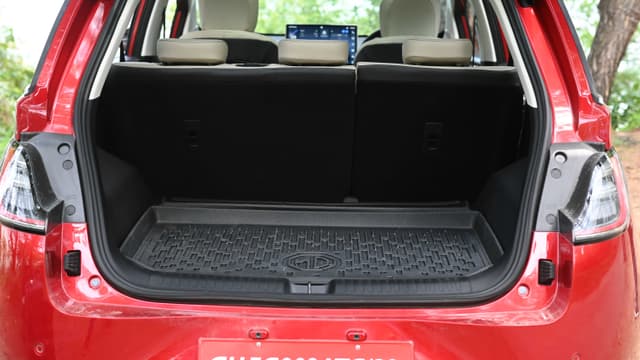
Choose the Tata Curvv EV 55kWh Accomplished. With the Rs 3 lakh discount you are getting, it falls within your budget while offering a good range, performance and features for the money.Your yearly 10-11k km translates to roughly 200-220km a week. In our testing, the Curvv EV 55kWh delivered a real-world range of just over 350km, which means one charge should easily last you a week. Performance is strong too, with immediate throttle response, and even Eco mode feels genuinely usable in city traffic. The 500-litre boot can swallow a fair amount of luggage, and there is also a small frunk under the bonnet. As for discontinuation, there are no confirmed plans even after the Sierra EV arrives.The one thing you give up compared to the Windsor is interior volume, especially in the back seat, where headroom can be a little tight for taller occupants. If you find the interior space insufficient, then stretching to the Windsor EV Pro would be worthwhile.On the test drive, monitor how much the battery depletes with your driving style, and cycle through all the regen levels to find what feels most natural.
Dheeraj
•2wHello Autocar team, I want to buy an EV in the range of ₹20 lakh with a decent range. I have test driven the VF6, Tata Nexon, and MG Windsor Pro. I am confused between the Windsor Pro and the VF6 Wind, as the VF6 is more sturdy and has a crumple zone, but the Windsor is more spacious. Please suggest.

Autocar India
All cars have crumple zones as these are needed to absorb the impact forces and keep the occupant area intact, and thus the passengers safe. It's how well they work and absorb the energy that differentiates them and helps make one car safer than the other in a crash.The MG Windsor has not been crash tested at Bharat NCAP or Global NCAP, so it's hard to say how well it will fare. Meanwhile, the Vinfast VF6 has been crash tested at Bharat NCAP and has secured a 5-star rating. Thus, it really comes down to how much of a priority you are putting on this aspect and if you drive often on highways and at higher speeds.
Gangadhar Gupta
•3wI am planning to buy an electric car primarily for local usage. I have shortlisted the Tata Punch EV, Tata Nexon EV, and MG Windsor EV, but I am confused between these options. My key considerations are real-world driving range and rear seat comfort, especially legroom. Could you please suggest which of these EVs offers the best range and the most spacious rear seating? Also, are there any better alternatives I should consider?

Autocar India
The Maruti Suzuki e Vitara with its 61 kWh battery pack has an officially claimed range of 543 km on a full charge, which is comfortably the highest among the three you’ve mentioned. Even if you factor in real‑world conditions, you can expect a useful touring range that’s still well ahead of the Punch EV and Windsor.For rear seat space, the MG Windsor EV is the one to go for; it has the most generous back‑seat legroom and overall cabin width, making it the most comfortable for passengers in the back. If you choose the Windsor Pro variant with the 52.9 kWh battery, you get a certified range of 449 km.In real‑world use, that typically translates to roughly 340-370 km depending on your driving style and conditions, which is more than sufficient for daily local and city driving. The Windsor isn’t quite as refined or efficient as the e-Vitara, but it strikes the best balance between range and rear seat space if those are your two main priorities.
Rohit
•3wHi Autocar Team, I am planning to buy my first car with a budget of around ₹20 lakh. I am confused between choosing an electric vehicle (EV) and a petrol automatic car. My monthly running would be around 500-700 km, with approximately 80% city driving and 20% highway usage. I am based in Hyderabad. Considering my usage pattern, could you please suggest whether an EV or a petrol automatic would be the better choice?

Autocar India
With your monthly running of 500-700 km and 80% city usage in Hyderabad, both EV and petrol automatic can work. But we would suggest leaning towards a petrol automatic as the safer and more practical choice.Your running is relatively low, so the cost advantage of an EV will not be very significant. While EVs are easier to drive and very smooth in the city, the initial cost is higher, and with your usage, it will take a long time to recover that premium.A petrol automatic like the Kia Seltos IVT or the Skoda Kushaq torque converter automatic will be more flexible and hassle-free, especially if you plan to keep the car for a long time. You won’t have to worry about charging infrastructure, planning trips, or battery-related concerns, and it will also handle occasional highway drives effortlessly.If you are specifically inclined towards EVs and have reliable home charging, then something like the MG Windsor EV can still work well for your city usage. But purely from a practical and value standpoint, it is not a necessity in your case.