
autocar-logo
Mumbai
RO

Rohit

1w

Hi Autocar Team, I am planning to buy my first car with a budget of around ₹20 lakh. I am confused between choosing an electric vehicle (EV) and a petrol automatic car. My monthly running would be around 500-700 km, with approximately 80% city driving and 20% highway usage. I am based in Hyderabad. Considering my usage pattern, could you please suggest whether an EV or a petrol automatic would be the better choice?

Autocar India team

Autocar India

Verified
7m

With your monthly running of 500-700 km and 80% city usage in Hyderabad, both EV and petrol automatic can work. But we would suggest leaning towards a petrol automatic as the safer and more practical choice.

Your running is relatively low, so the cost advantage of an EV will not be very significant. While EVs are easier to drive and very smooth in the city, the initial cost is higher, and with your usage, it will take a long time to recover that premium.

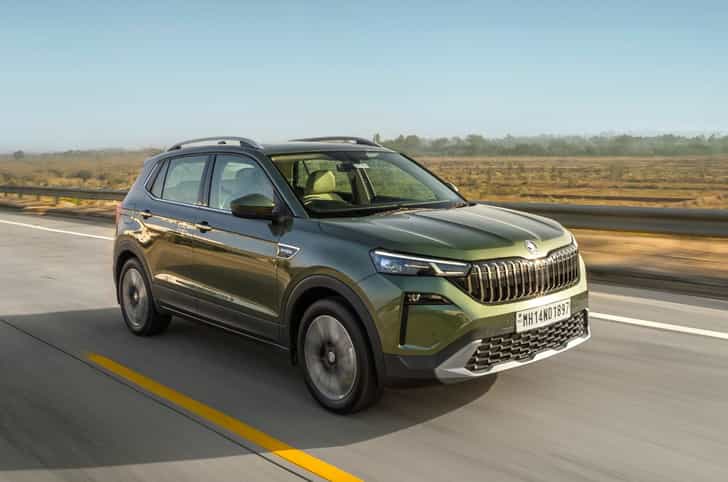
A petrol automatic like the Kia Seltos IVT or the Skoda Kushaq torque converter automatic will be more flexible and hassle-free, especially if you plan to keep the car for a long time. You won’t have to worry about charging infrastructure, planning trips, or battery-related concerns, and it will also handle occasional highway drives effortlessly.

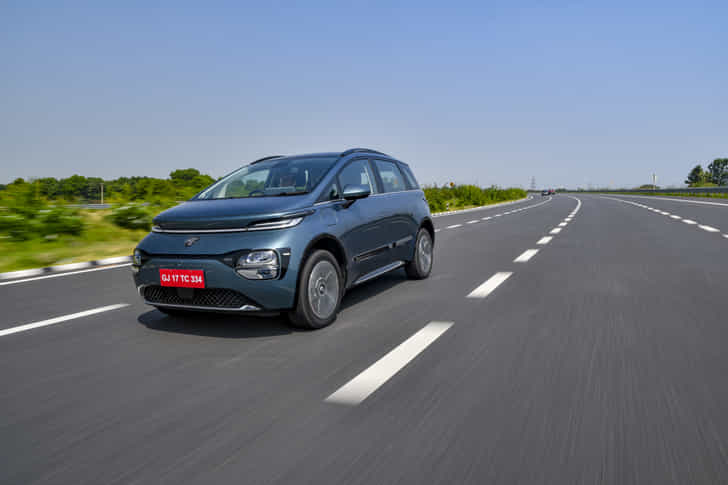
If you are specifically inclined towards EVs and have reliable home charging, then something like the MG Windsor EV can still work well for your city usage. But purely from a practical and value standpoint, it is not a necessity in your case.
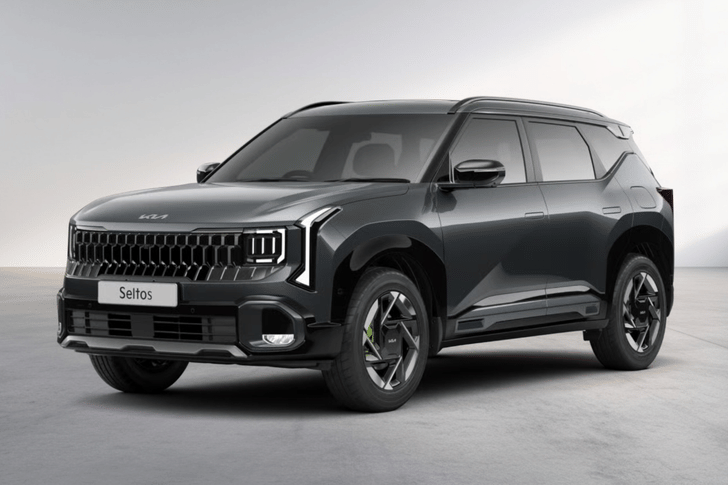
Kia New Seltos

Kia New Seltos

Got a suggestion for Rohit?

Add a Comment

Recommended questions for you

AM

Aman

1w

I have a Thar 3-door, 4x4 petrol AT, but I need a car for long drives with family. Recommend something that is comfortable, powerful, fun enough to drive and is reliable. I had an Octavia prior to this, if that matters. Price range ₹30-40 lakh.

Autocar India team

Autocar India

Verified
23h

Sadly, there still isn’t a true replacement for your Skoda Octavia in the Rs 30-40 lakh bracket. The segment has thinned out, and nothing today quite blends that space, ride comfort and driver engagement the way the Octavia did.Yes, the new Skoda Octavia RS is finally here and, on paper, it’s everything you’d want: strong performance, sharp handling and that familiar RS edge. But at around Rs 60 lakh, on-road, it sits well outside your budget, and more importantly, it’s a bit too stiff and focused to be the ideal family long-distance car.Within your budget, the closest you’ll get to that familiar Octavia feel is the Skoda Kushaq 1.5 TSI. It’s obviously a couple of segments smaller, but it still carries that Skoda DNA. The 150hp turbo-petrol is punchy, the DSG transmission is quick and responsive, and it feels nicely planted at highway speeds. There’s a tightness and cohesion here that most SUVs in this class simply don’t have, which makes it genuinely enjoyable to drive on long runs.The compromise, however, is space. Compared to your Octavia, it feels narrower, and the rear seat, in particular, is quite tight. For occasional use, it’s fine, but for regular family trips, it will feel like a step down.If space, comfort and effortless cruising are higher on your priority list, the Mahindra XUV 7XO 2.2 diesel is a much stronger fit. It’s significantly more spacious, especially in the second row, and rides very well over broken roads. The diesel has plenty of torque, making highway driving relaxed and easy, and it’s a proper long-distance mile-muncher. It’s not as agile or as connected to drive as the Kushaq, but it’s far better suited to family duties.Another option is the Toyota Innova HyCross hybrid. This is actually the most sensible choice here if your usage is primarily family road trips. It’s supremely comfortable, especially at the rear, incredibly easy to drive, and the strong hybrid delivers excellent efficiency without compromising on refinement. Reliability is a given, and for long distances, very few cars in this price band come close in terms of stress-free usability.However, it is not fun to drive. It is competent, smooth and effortless, but lacks the driver engagement you may be used to from the Octavia.

VehicleSkoda Octavia RS
VehicleSkoda Kushaq
VehicleToyota Innova HyCross
VehicleMahindra XUV 7XO
EC

Eswaran Chidambaram

2d

Hi Autocar Team, I am planning to buy the 2026 Kia Seltos but am confused between the turbo petrol DCT and the naturally aspirated petrol IVT. My usage will be around 60% on highways and 40% in the city. I feel the turbo DCT would be better for performance, especially on highways, but I am concerned about the long-term reliability of Hyundai/Kia DCT gearboxes and possible overheating issues in traffic. Could you please advise which option would be the better choice for my usage?

Autocar India team

Autocar India

Verified
1d

Considering your usage of 60% highway and 40% city, you can go for the Kia Seltos 1.5 turbo petrol DCT. The turbo petrol engine offers much stronger performance, especially for highway driving. Overtakes feel more effortless compared to the naturally aspirated petrol.The concern about DCT overheating is valid, but in real-world usage, it typically happens only in very heavy, prolonged bumper-to-bumper traffic. Since a large part of your driving will be on highways, this should not be a major issue. Over the years, the Hyundai-Kia DCT gearbox has also improved and is now quite mature.That said, in slow-moving city traffic, the IVT (CVT) will feel smoother and more relaxed, especially at very low speeds. The DCT can feel slightly hesitant in such conditions.

VehicleKia New Seltos
SH

Shyam

5d

Hello Experts, I’m looking for an automatic car up to ₹12 lakh for a newly licensed driver. 80% of the driving will be in the city. Will an electric car make sense? There is a charging facility available. Long drives will be 350 km, one way. Please suggest a petrol automatic, or electric. Brand is not an issue.

Autocar India team

Autocar India

Verified
14h

Since your usage is 80% city driving and you have access to charging, an EV like the Tata Punch EV 40 kWh does make a lot of sense. Electric cars are very easy to drive, especially for a new driver. There are no gear shifts, power delivery is smooth and instant, and driving in traffic is extremely stress-free.Although we haven’t tested it yet, we expect the Punch EV facelift to deliver over 300 km per charge, which is more than enough for your daily usage. Charging at home or office will easily cover your routine driving, and running costs will be significantly lower than a petrol car. For your occasional 350 km highway trip, you will need to stop once for a quick charge, so some planning will be required.If you prefer to avoid the hassle of charging, you can also consider the Skoda Kylaq automatic. It comes with a smooth torque converter transmission, is easy to drive in the city, and will be more convenient for your longer highway trips.

VehicleTata Punch EV
VehicleSkoda Kylaq

Posted on: 22 Mar 2026