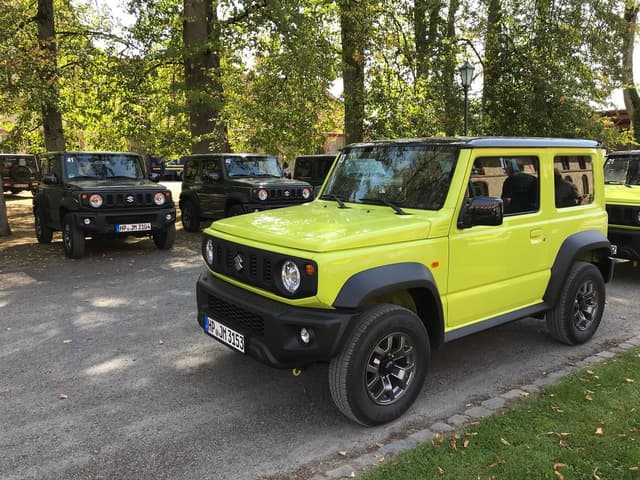
Maruti Suzuki cars in India (17)
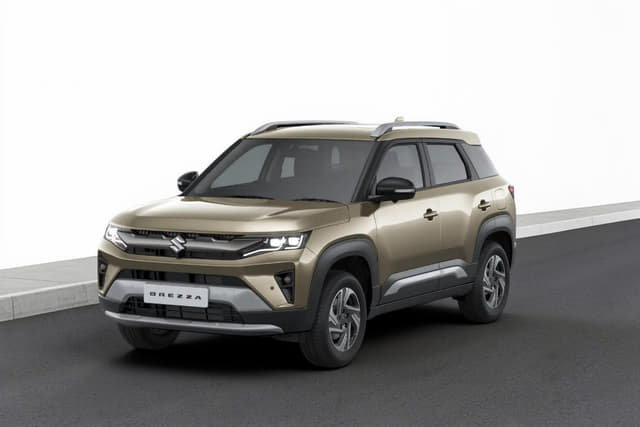
Maruti Suzuki has led India's passenger-car market since the Maruti 800 launched in 1983, sold today through its separate Arena and Nexa retail channels. As of August 2026, Maruti Suzuki's India line-up spans 18 models, with ex-showroom prices running from the S-Presso at Rs 3.50 lakh to the seven-seat Invicto at Rs 28.61 lakh, giving the brand the widest price spread of any manufacturer in the market.
Body styles and segments
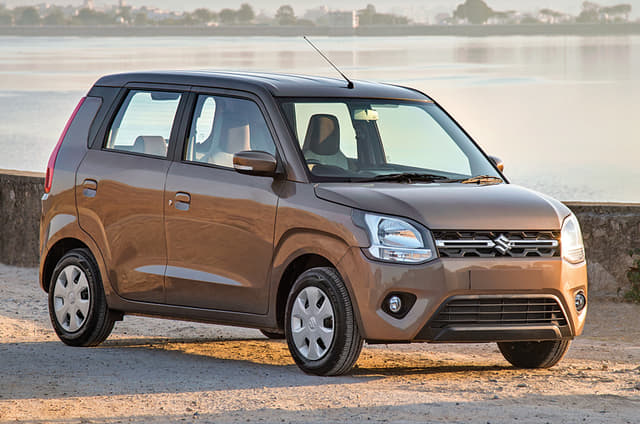
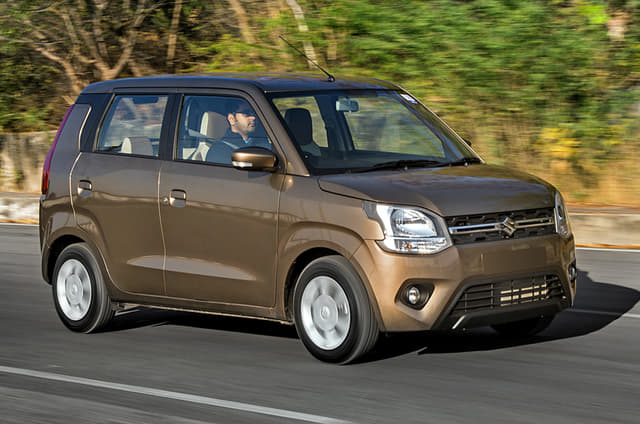
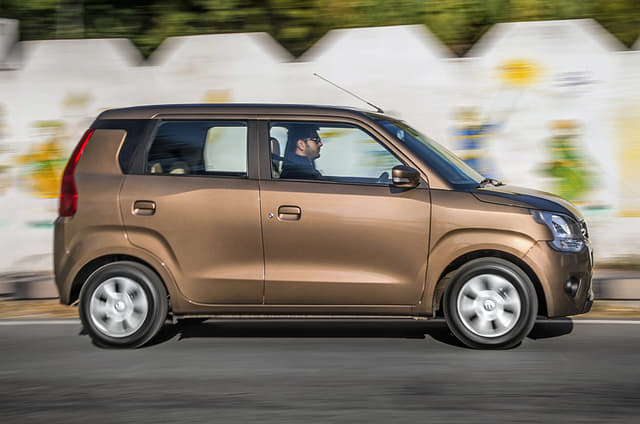
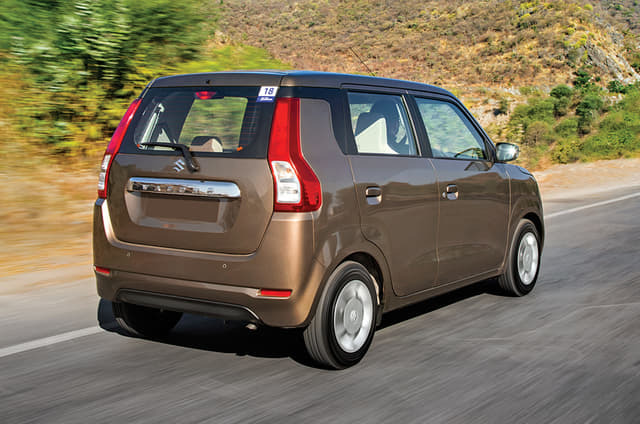
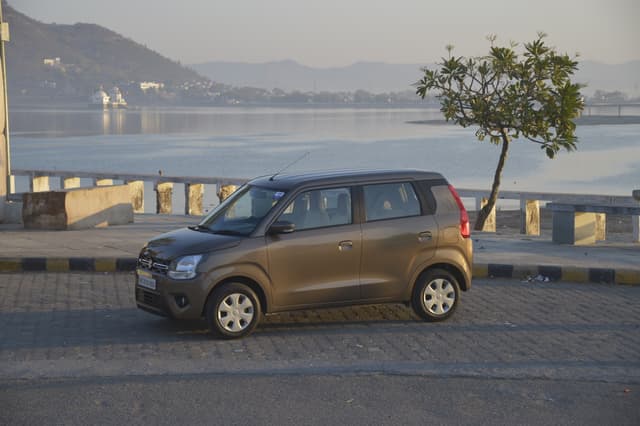
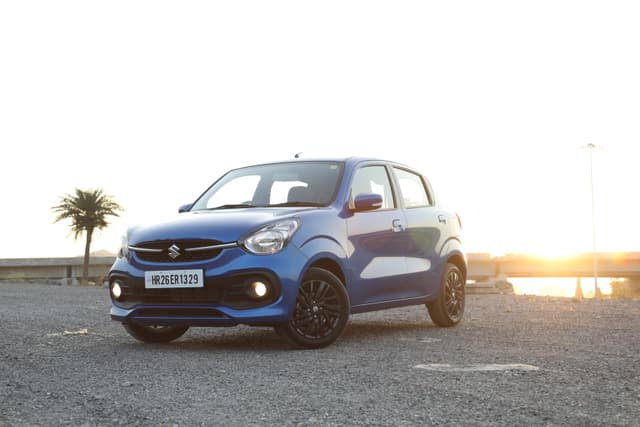
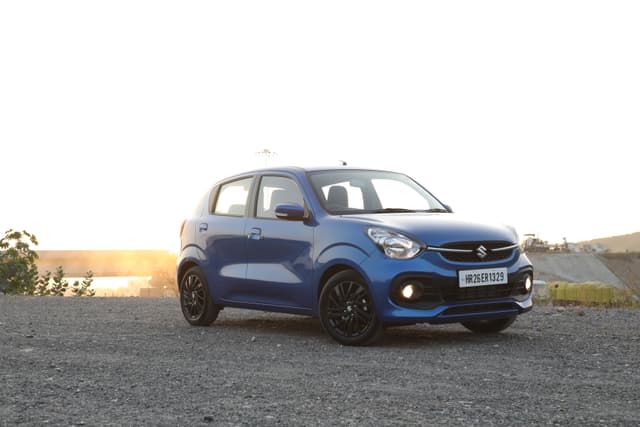
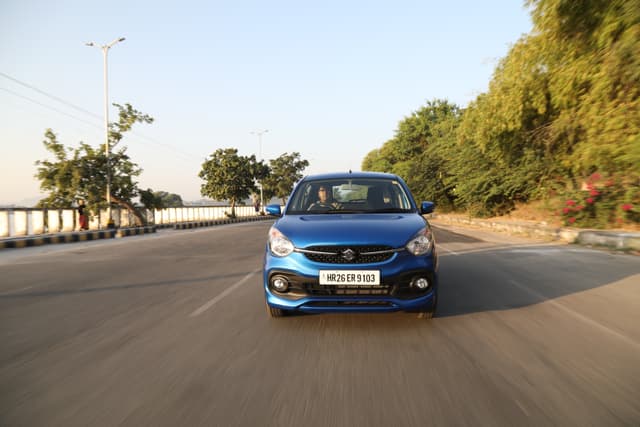
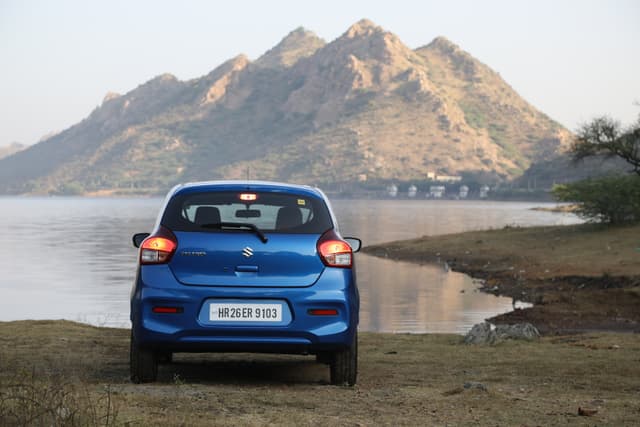
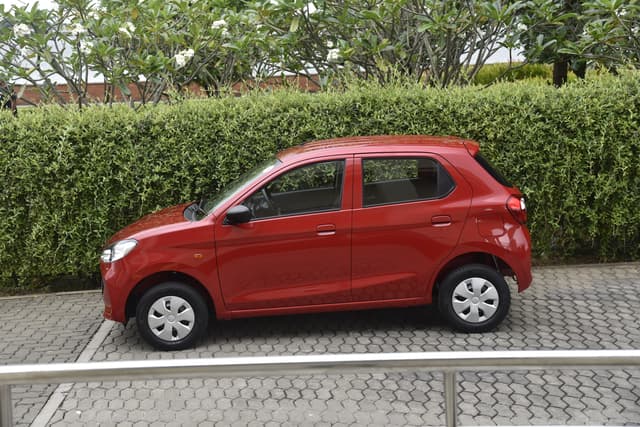
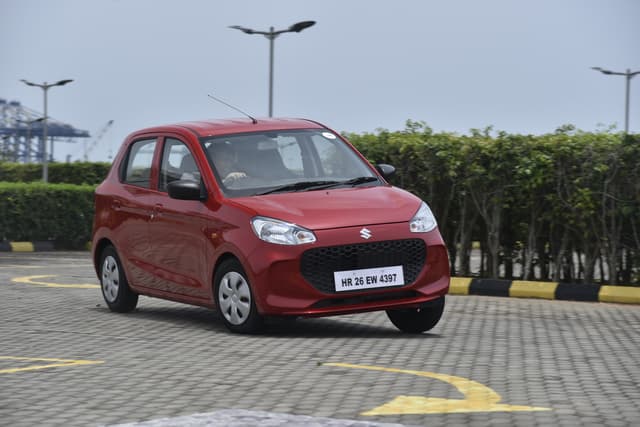
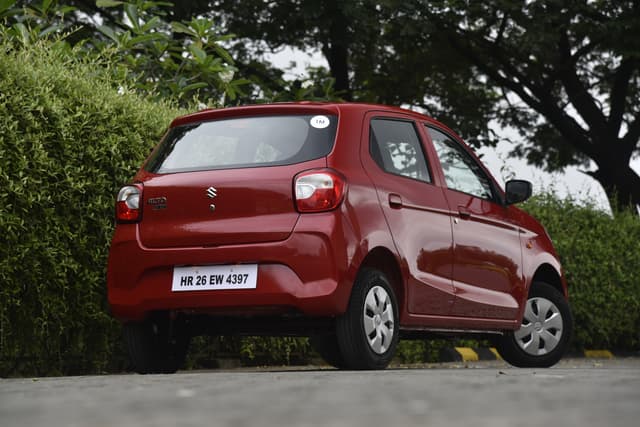
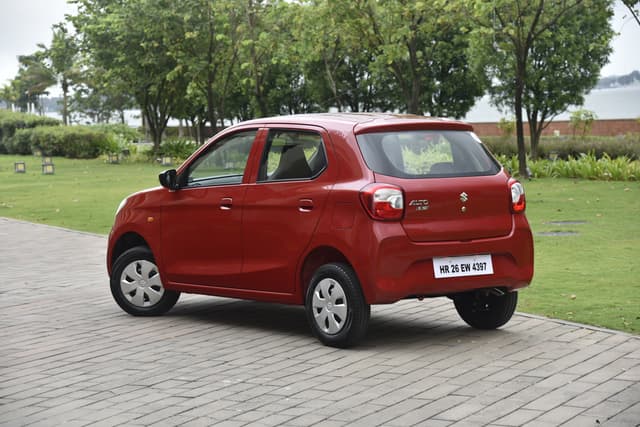
Compact hatchbacks: Alto K10, S-Presso, Wagon R and Celerio, built around affordability and city-friendly dimensions
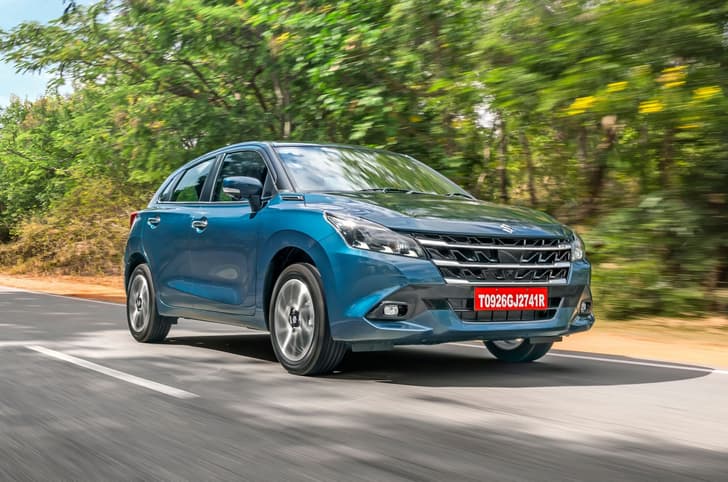
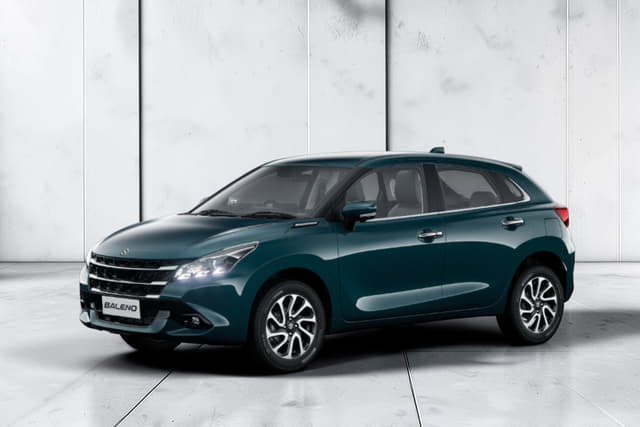
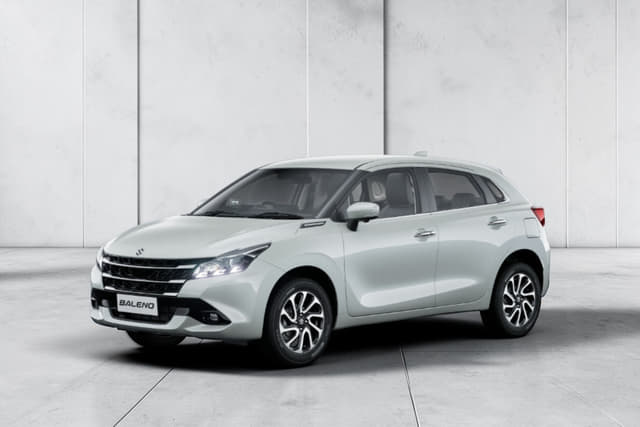
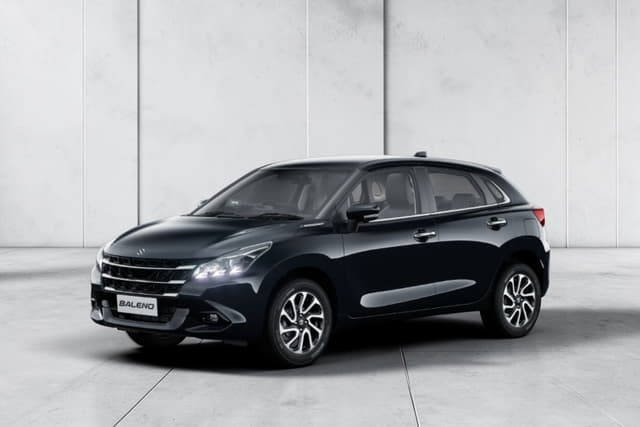
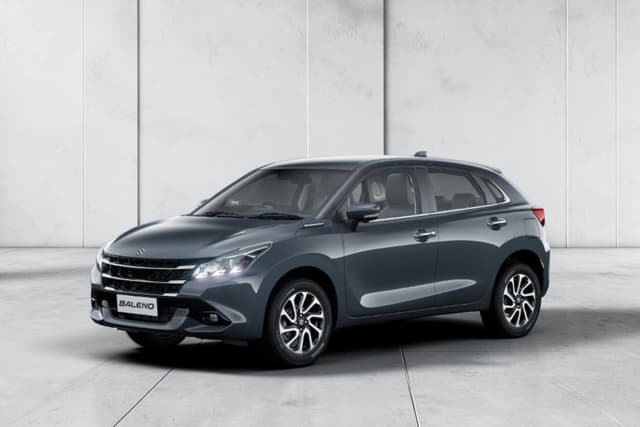
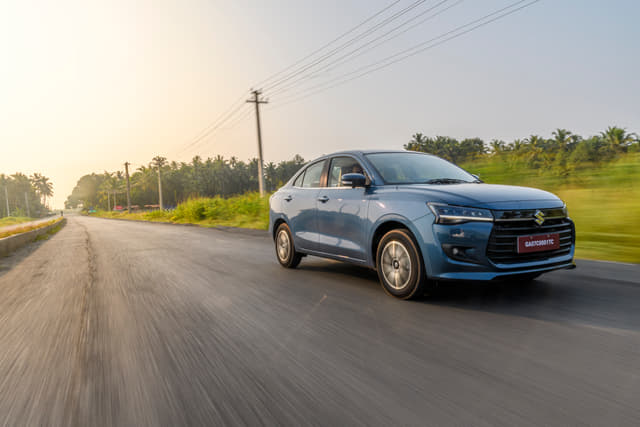
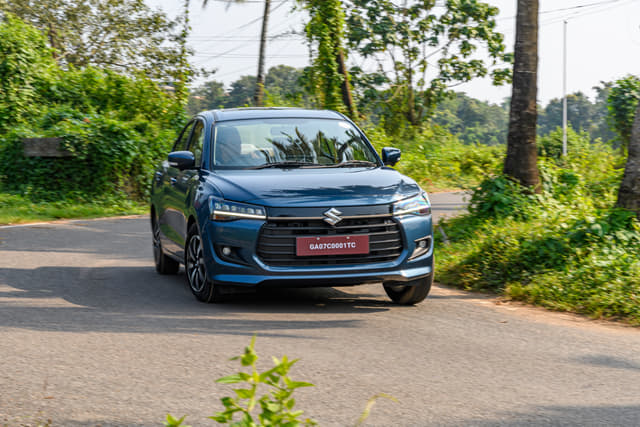
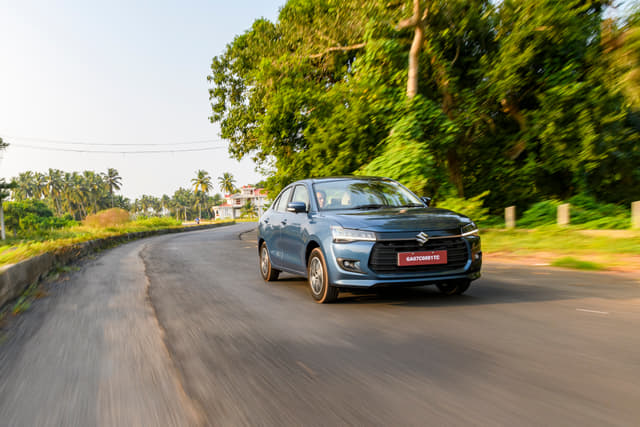
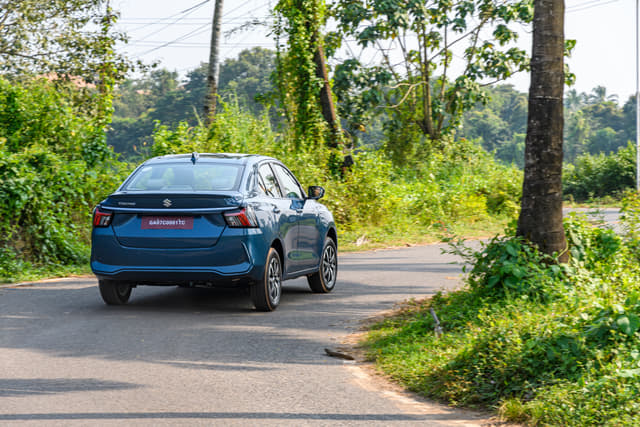
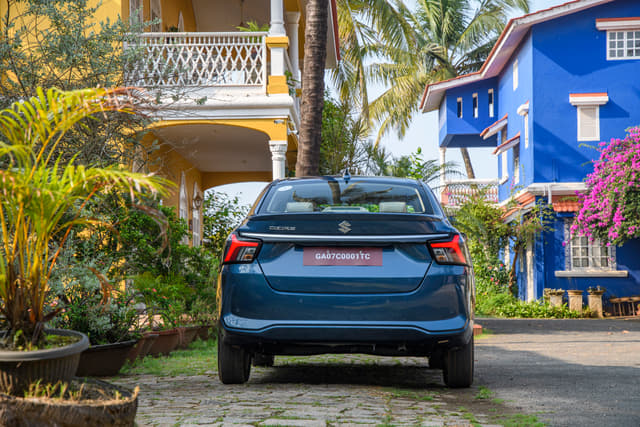
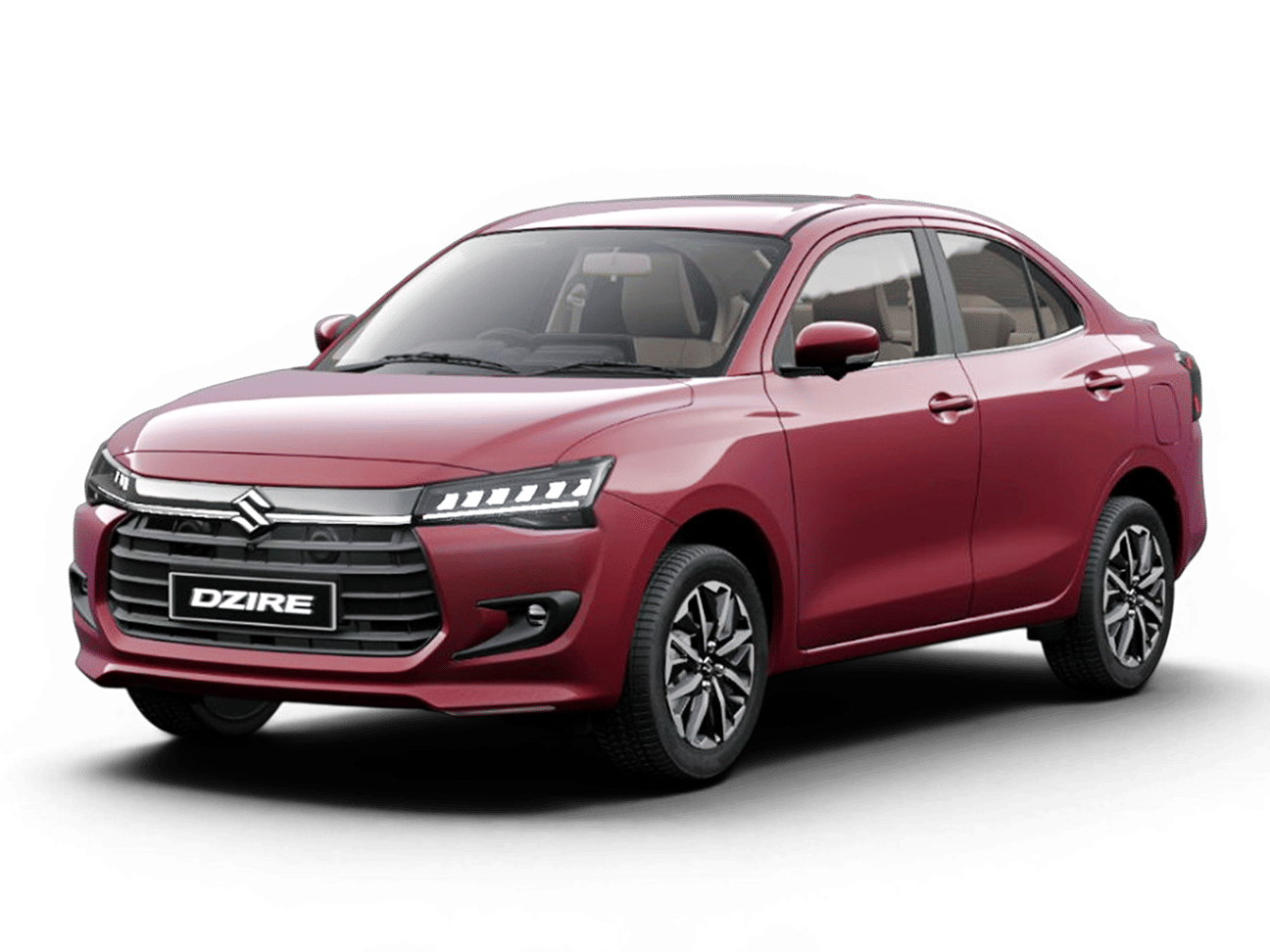
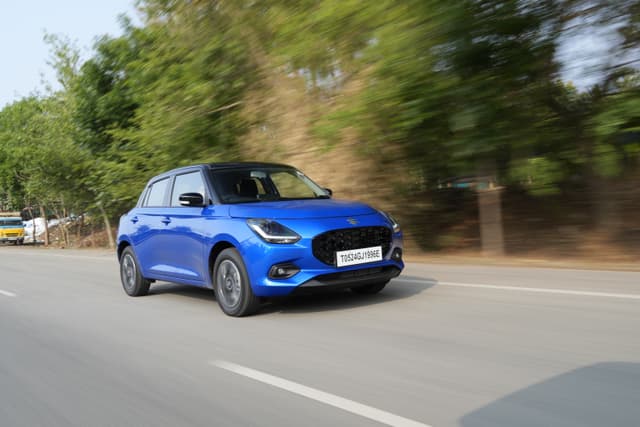
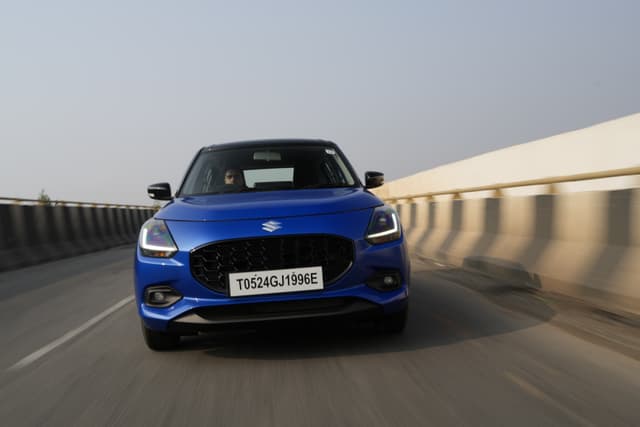
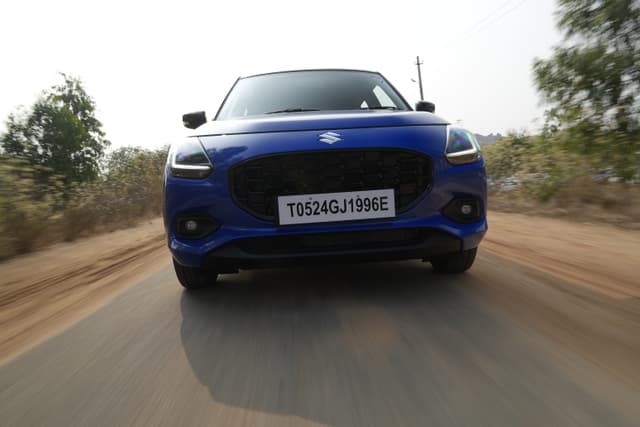
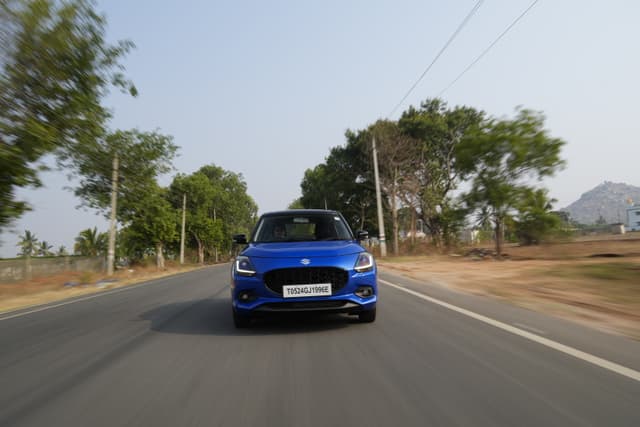
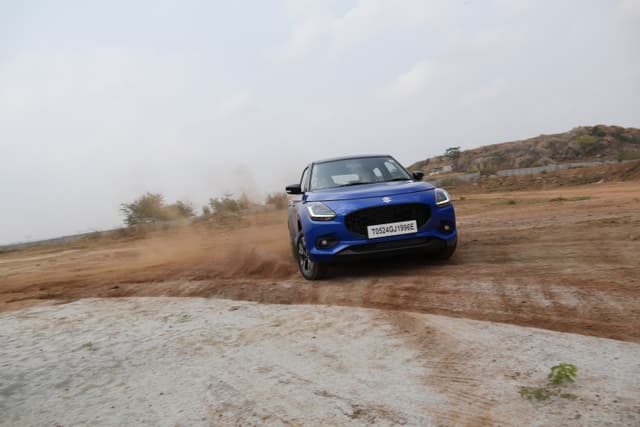
Premium hatchbacks and sedan: Swift, Baleno and Dzire, adding better interiors and features over the entry range
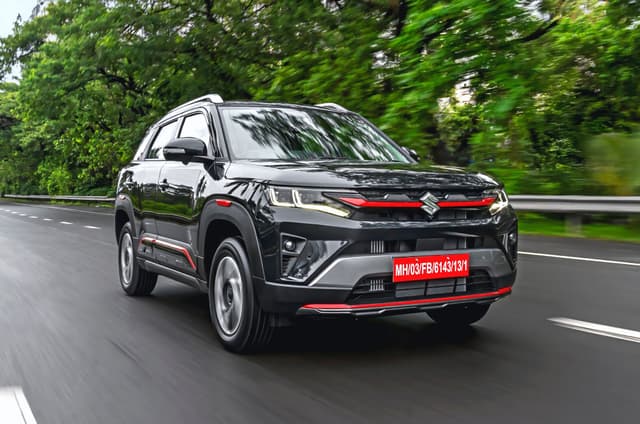
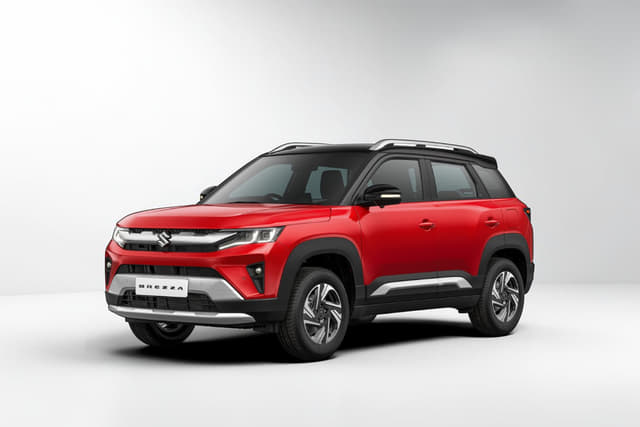
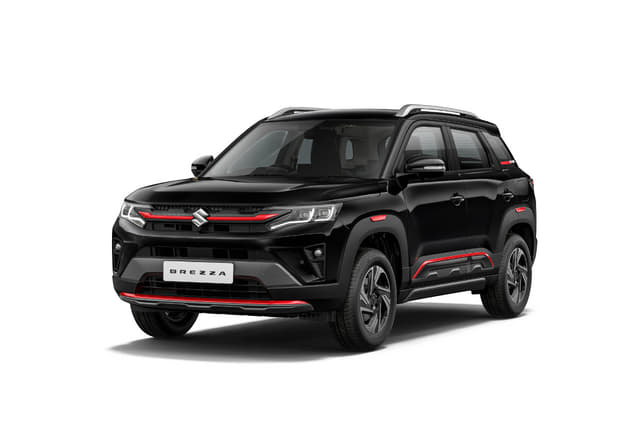
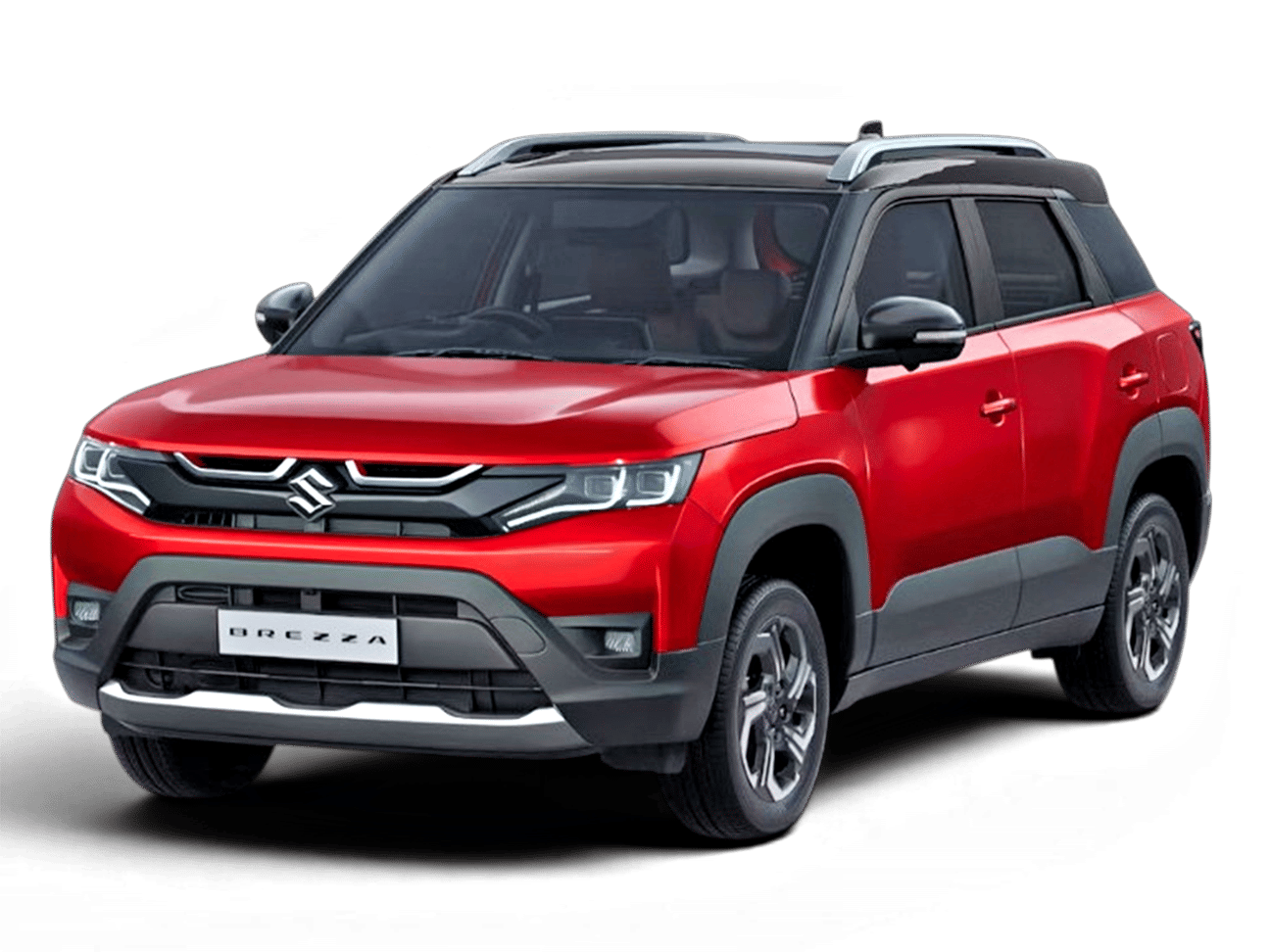
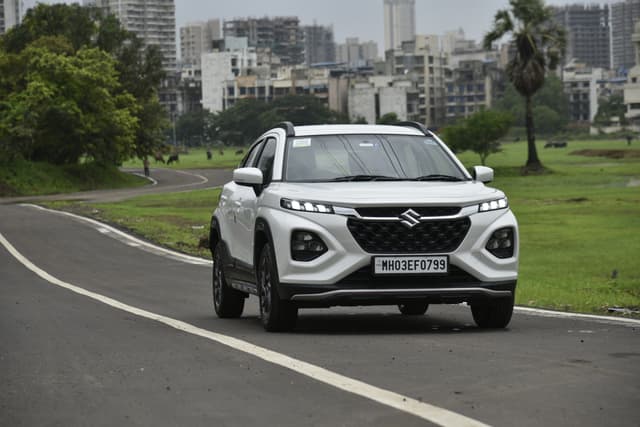
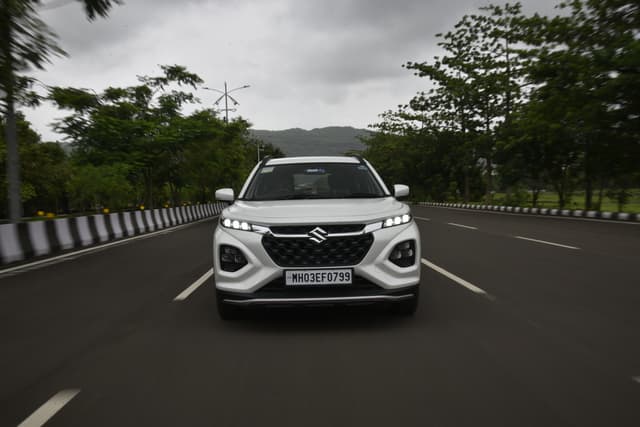
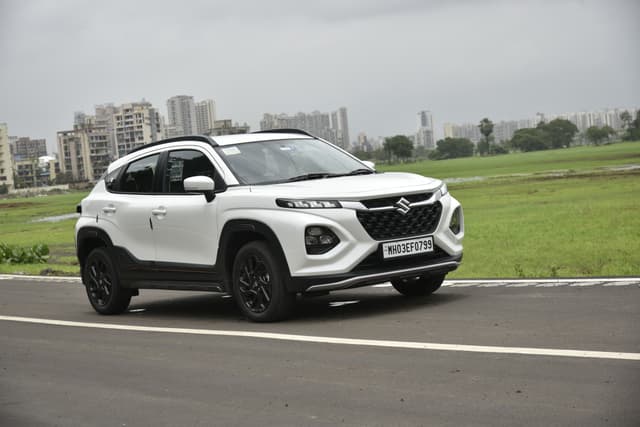
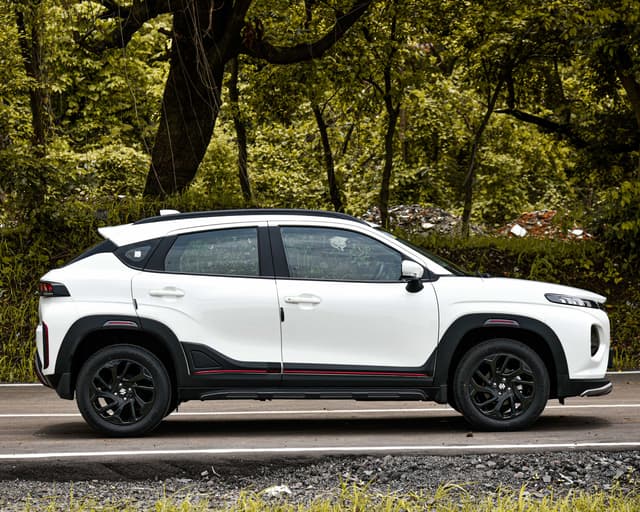
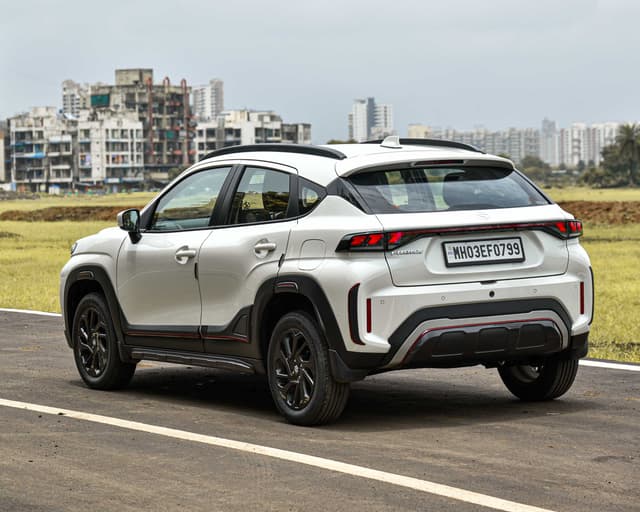
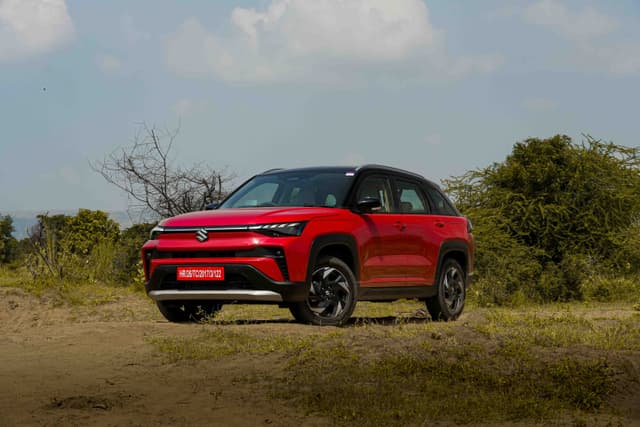
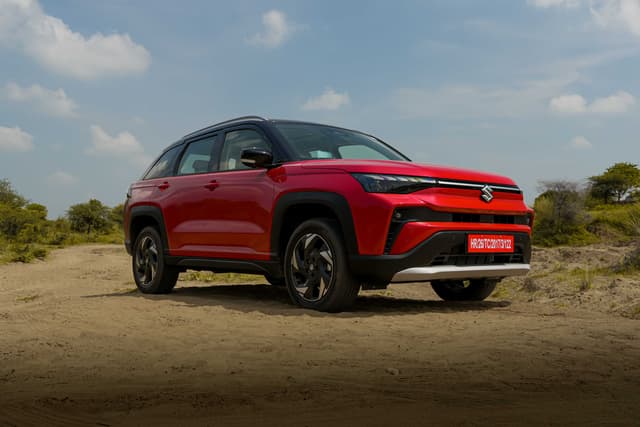
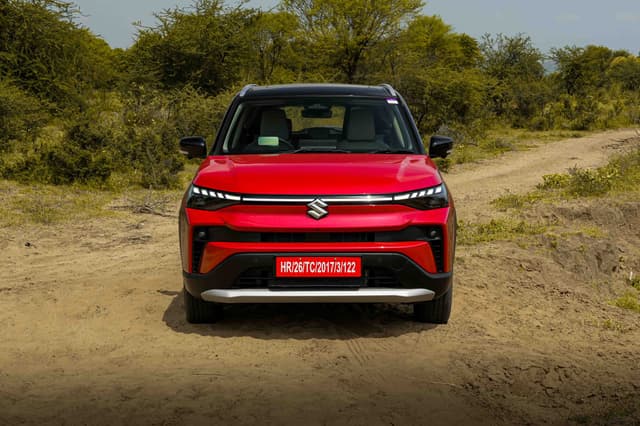
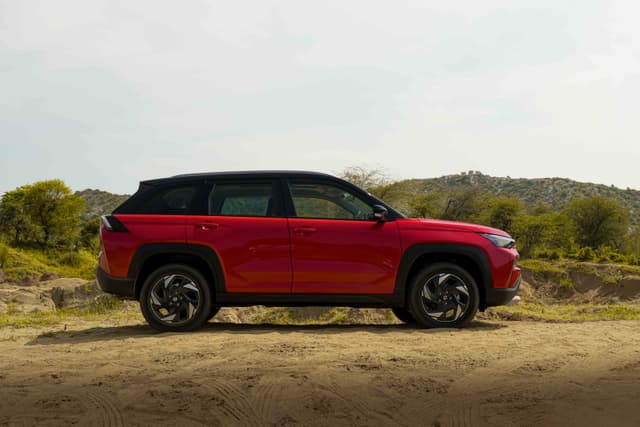
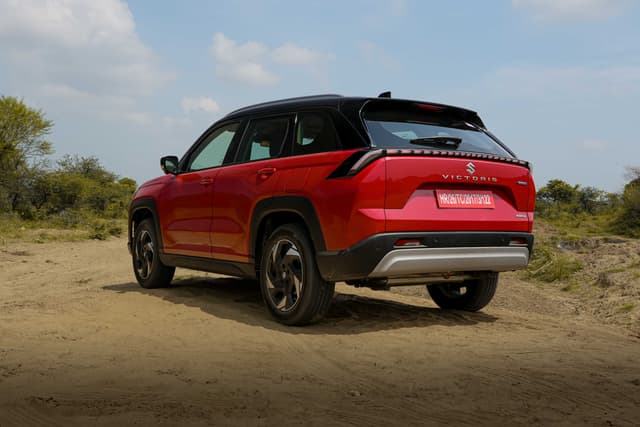
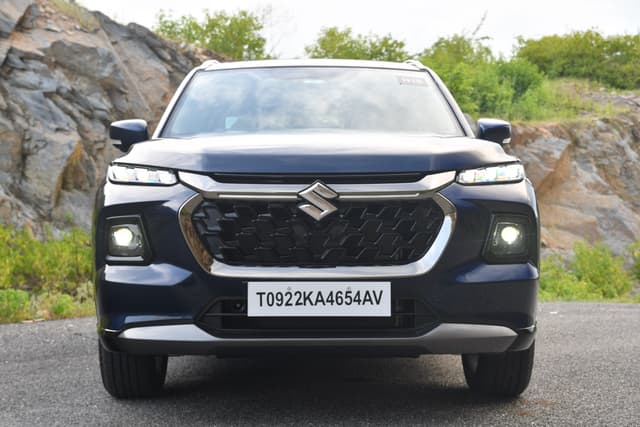
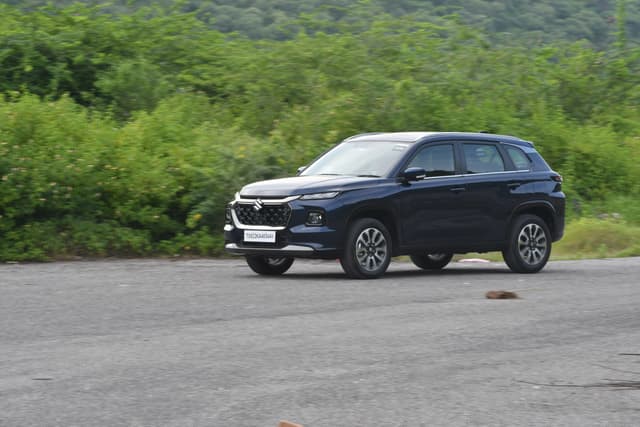
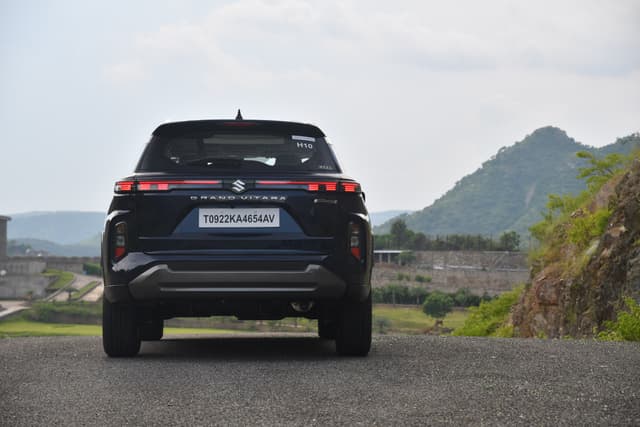
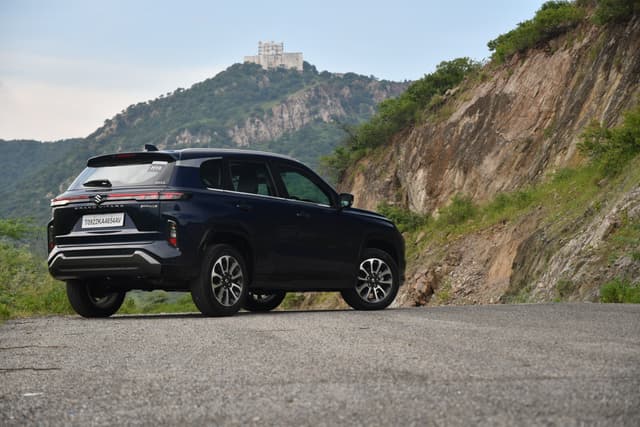
SUVs and crossovers: Brezza, Fronx, Grand Vitara and Victoris, the fastest-growing part of the line-up
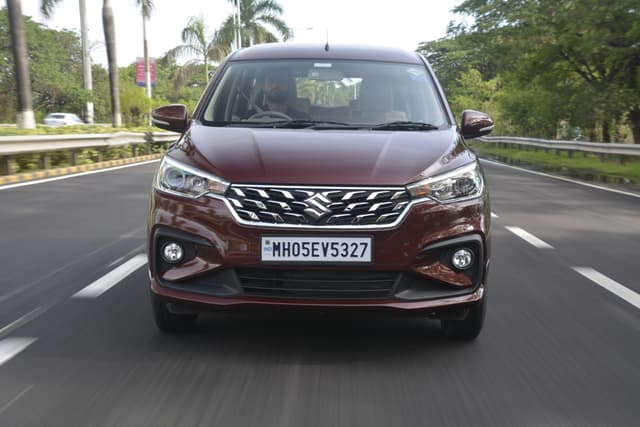
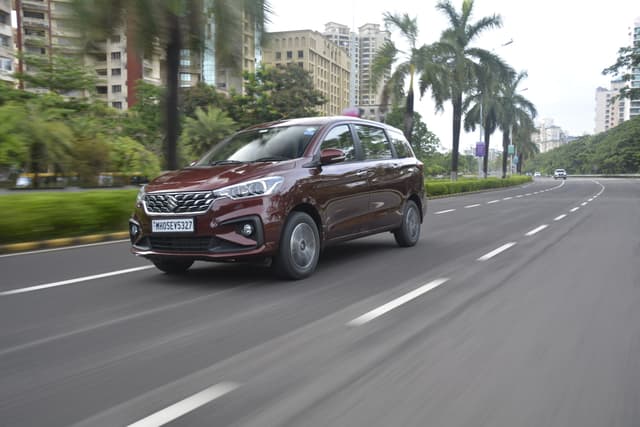
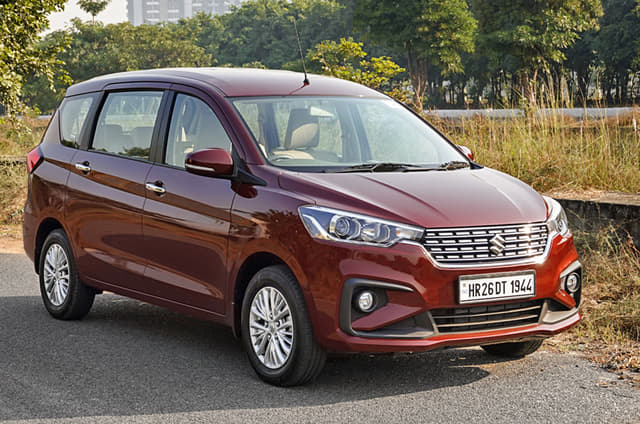
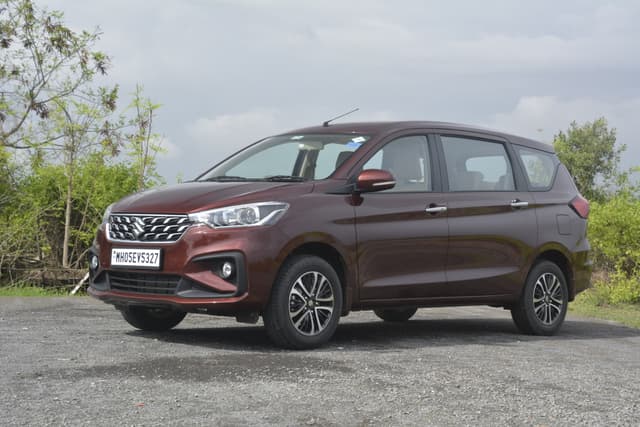
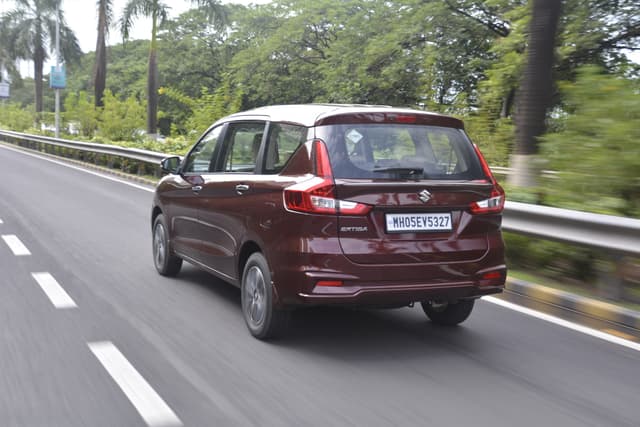
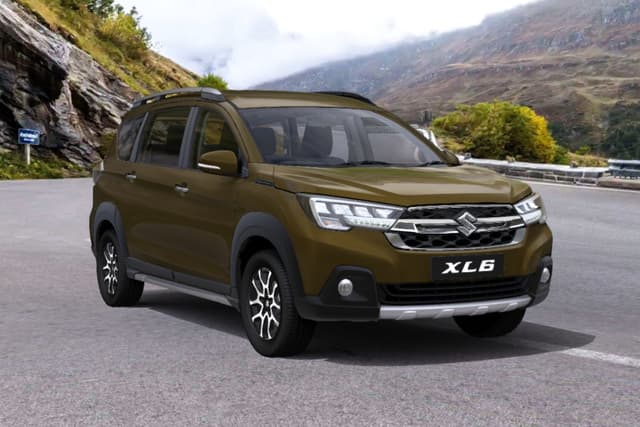
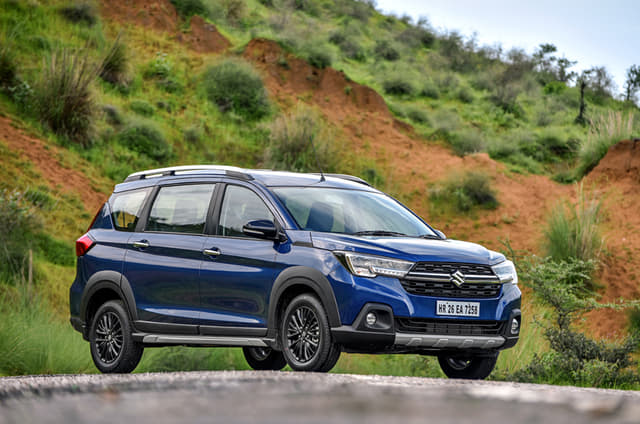
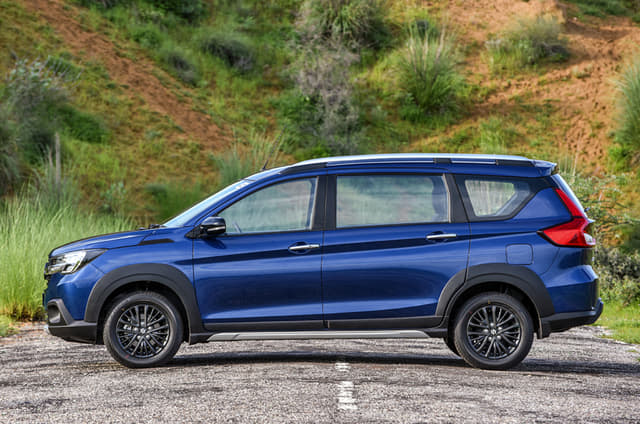
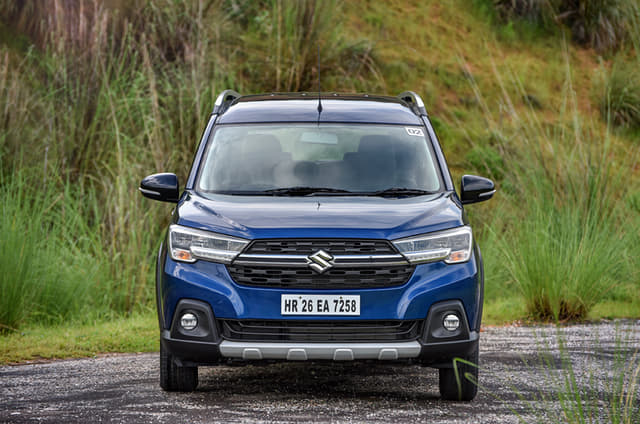
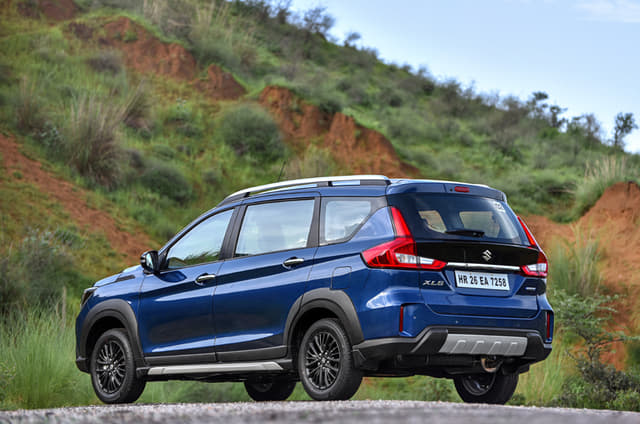
MPVs: Ertiga, XL6 and the flagship Invicto, built for families and fleet use where space matters more than styling
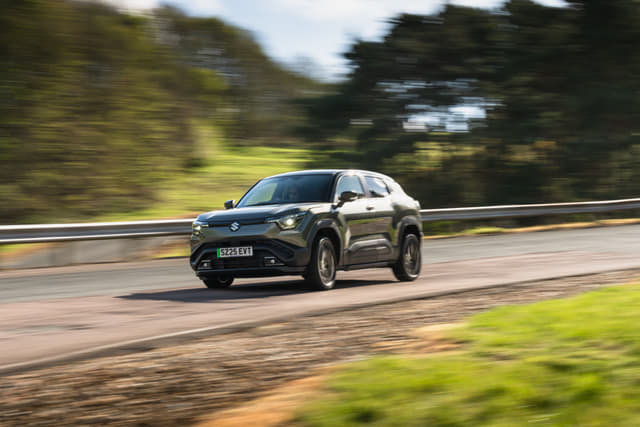
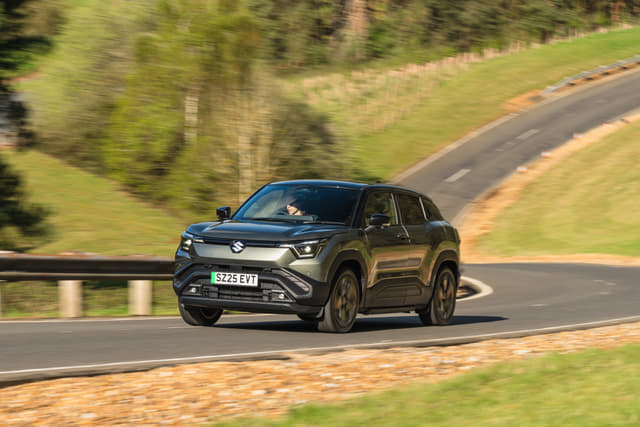
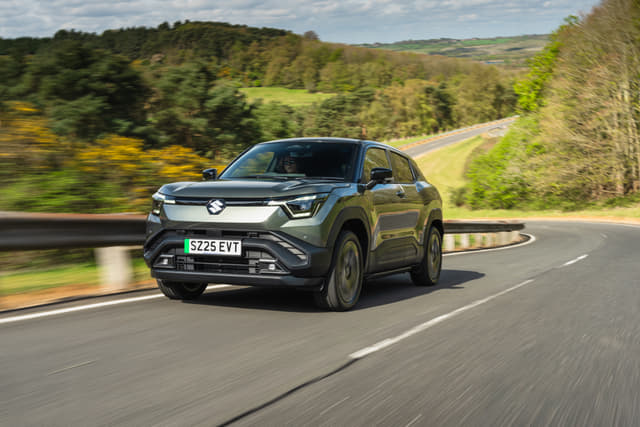
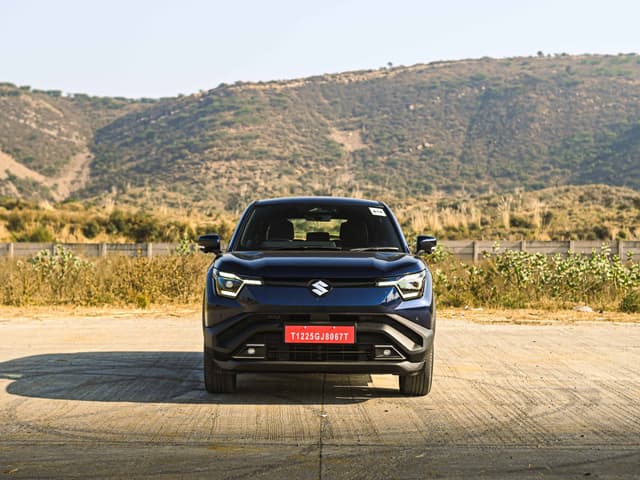
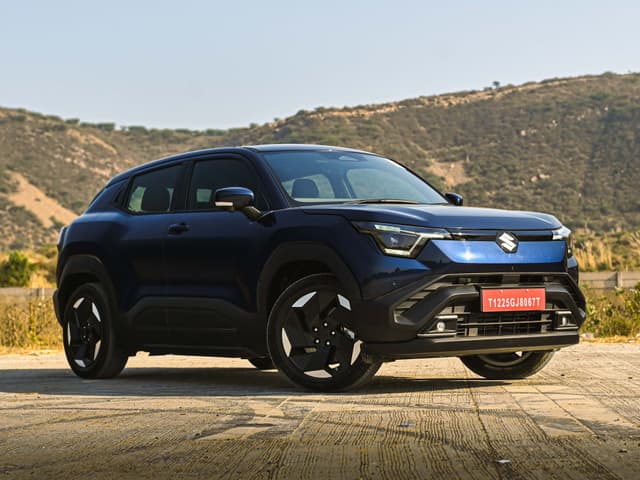
Electric: the e Vitara, currently Maruti Suzuki's only EV, with a claimed range of 440-543km depending on variant
Engine and powertrain line-up
Maruti Suzuki's own engineering strength has always been engine breadth rather than a single flagship unit. The table below sets out what powers each segment.
Engine family | Displacement | Found in |
K-series naturally aspirated petrol | 1.0-litre | Alto K10, S-Presso, Wagon R, Celerio |
Z-series petrol (NA and turbo) | 1.2-litre | Swift, Dzire, Baleno, Fronx |
K-series petrol with mild-hybrid support | 1.5-litre | Ertiga, XL6, Brezza |
Strong-hybrid petrol, developed with Toyota | 1.5-litre | Grand Vitara, Victoris |
Strong-hybrid petrol, developed with Toyota | 2.0-litre | Invicto |
Single-motor electric | 48.8-61.1kWh battery | e Vitara |
Factory-fitted CNG is available across more of this range than any other Indian brand, a real advantage for buyers prioritising running costs. Diesel does not currently feature anywhere in Maruti Suzuki's own line-up.
Transmission choices
Manual: standard across most of the range, the cheapest and most fuel-efficient option
AMT (Maruti's AGS): the affordable automatic on hatchbacks and the Dzire, suited to city driving
Torque-converter automatic: fitted to SUVs and MPVs including the Brezza, Ertiga and XL6, for smoother low-speed driving
e-CVT: exclusive to the strong-hybrid models, tuned for efficiency over outright response
Safety and ownership
Safety credentials are a newer story for Maruti Suzuki than for some rivals. The latest-generation Dzire and Victoris are currently the models Autocar India rates as the safest in the range, both carrying a full five-star rating, and this is worth weighing against the brand's other strengths. Those strengths remain real: Autocar India's own review of the 2026 Brezza facelift rated its new turbo-petrol engine a genuine improvement while flagging the car's continuing efficiency edge over rivals, and ownership feedback through Ask Autocar Anything consistently favours Maruti Suzuki for lower running costs, easy parts availability and India's widest service network.
Who should buy a Maruti Suzuki
Buyer type | Where to look | Why |
Budget / first-time buyer | Alto K10, S-Presso | The two most affordable models in the range, both easy to maintain |
Mileage buyer | Swift, Celerio, Dzire | Efficient petrol engines with factory CNG on all three |
Family / MPV buyer | Ertiga, XL6, Invicto | Genuine three-row space across three budgets |
Safety-conscious buyer | Dzire, Victoris | The two models currently rated safest in the range |
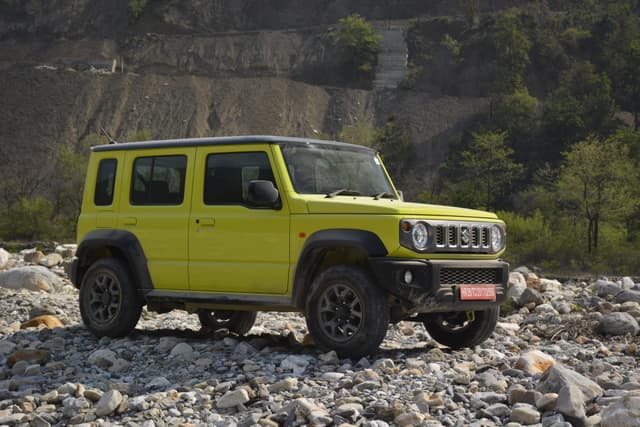
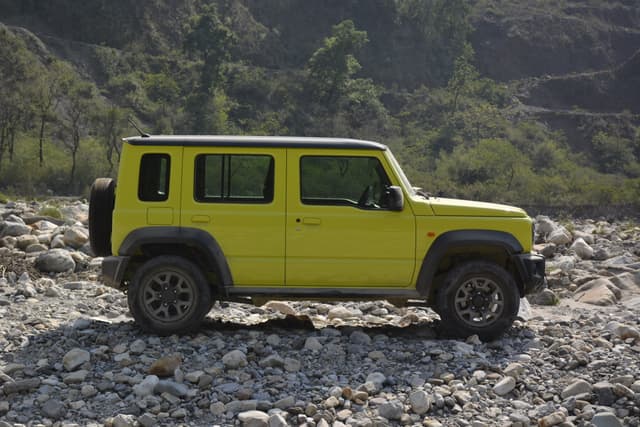
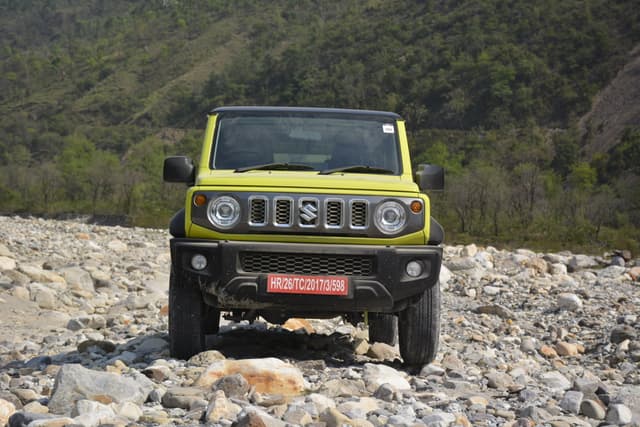
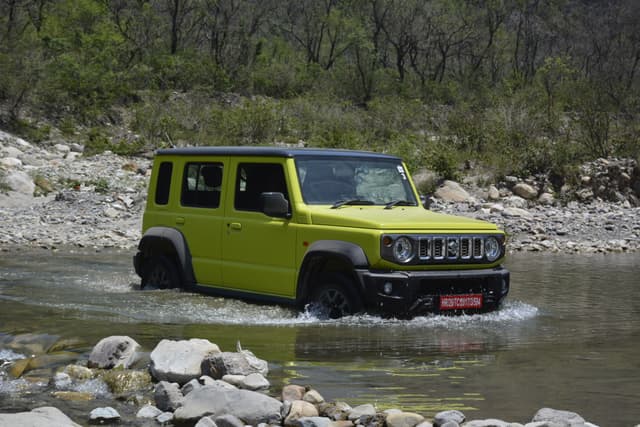
Off-road / lifestyle buyer | Jimny | The only Maruti Suzuki with proper 4x4 hardware |
EV-curious buyer | e Vitara | The brand's sole electric model to date |
This range suits the performance-focused buyer least. Maruti Suzuki's own engineering priority remains efficiency, reliability and low running costs rather than outright pace, so buyers chasing power or driving excitement are better served elsewhere.


Filter your search
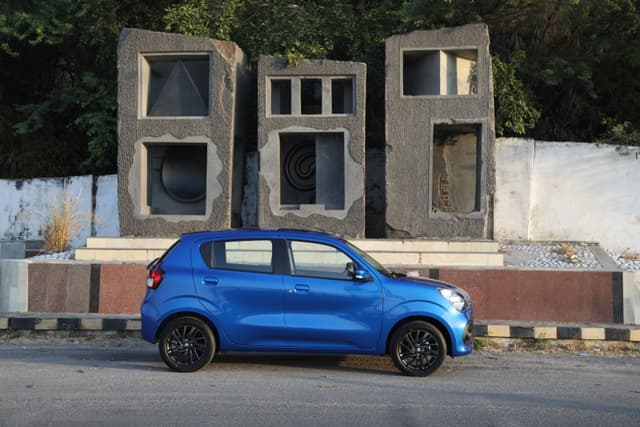
Filter your search
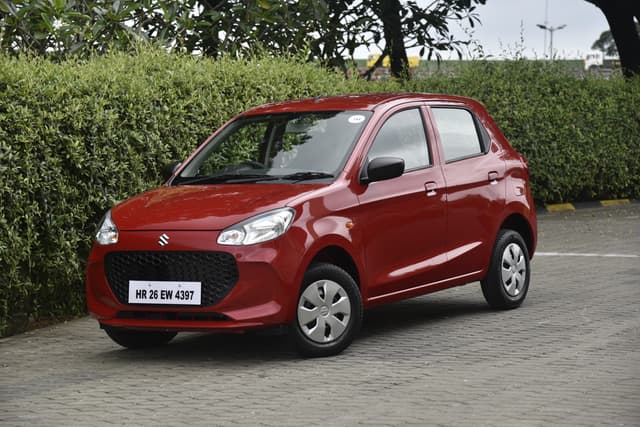


Find cars by fuel type


Maruti Suzuki Cars - FAQs
The most expensive Maruti car is the Invicto. It is a premium MUV and is priced between Rs 24.97 lakh and Rs 28.61 lakh (ex-showroom, Delhi).
The Maruti Suzuki e Vitara, an all-electric SUV, is currently the only electric car from the brand. The e Vitara price starts at Rs 15.99 lakh and was launched on 17 Feb, 2026.
The safest Maruti Suzuki cars, based on Bharat NCAP and Global NCAP crash tests, are the latest-gen Dzire and Victoris. Both have achieved a 5-star safety rating.
The cheapest Maruti Suzuki car in India is the Maruti S-Presso, priced from ₹3.50 lakh after the GST reduction.
Trending Questions on Maruti Suzuki Cars - Answered by Autocar Experts
Hi, I am looking to purchase a petrol/AMT car with a budget of Rs 9-12 lakh. My requirements are primarily city usage with monthly long drives, good safety, a spacious rear seat and boot, a smooth ride and strong after-sales service support. Kindly suggest a suitable car.
With a Rs 9-12 lakh budget, the Maruti Suzuki Brezza VXi AT is worth a close look. It gets a 6-speed automatic and starts at about Rs 10.5 lakh ex-showroom, so it fits comfortably within the budget.For predominantly city use with regular long drives, the torque-converter automatic will generally feel smoother and more relaxed than an AMT, particularly in stop-go traffic and during highway overtaking. It also fits the other requirements reasonably well, with good rear-seat space, a practical boot and Maruti's extensive service network.If you're specifically keen on an AMT, then the Fronx AMT is a sensible alternative and will leave you comfortably within budget. The Maruti Suzuki Fronx also offers a good balance of city usability, highway ability and practicality.
I own a 2015 Maruti Ciaz petrol MT, which I bought as a used car in 2019. As of today, it has clocked over 1,85,000km. Since most of my driving is in the city, parking can sometimes be difficult. I also undertake occasional long drives of around 1,000 - 2,000km round trip. I have not experienced any major issues with the car so far. The clutch assembly has been changed twice in the seven years of my ownership. Should I opt for a new car or continue maintaining and using my current Ciaz?
The decision to replace should be driven by either escalating maintenance costs or a change in requirements. If the car is still running well and there are no major mechanical issues, it makes financial sense to continue maintaining it. The cost of periodic maintenance and even occasional repairs will almost always be significantly lower than the depreciation hit and upfront cost of a new car.The only caveat is your mention of parking difficulties. If parking is becoming a genuine daily hassle, downsizing to a smaller hatchback like the Hyundai i20 or Maruti Suzuki Fronx compact SUV could be justified. Otherwise, the Ciaz remains a very capable and cost-effective car for both city driving and occasional long highway trips.
My maximum budget is Rs 15 lakh on-road in Mumbai. I’m okay with a petrol manual car. I need good rear-seat space and don’t want a cramped cabin. I prefer an SUV. Please advise.
Go for the Mahindra XUV 3XO petrol manual. It is one of the most spacious compact SUVs in the segment, with a wide rear bench that comfortably accommodates three passengers, making it a genuinely practical family car. The petrol engine is smooth and punchy, and the manual gearbox is easy to use in city traffic. This Mahindra car also offers a good ride quality and a strong feature set for the price. The only real drawback is that the boot is on the smaller side compared to some rivals, but if rear seat space is your priority, this is the best compromise. If you want a slightly larger boot and are willing to sacrifice some rear seat width, the Maruti Brezza is a good alternative, but overall the 3XO is the better fit for your requirements.
This will be my first car purchase in Hyderabad, and I’m new to driving. I’m planning to buy an AMT car with a budget of around Rs 10 lakh. About 75 percent of my usage will be within the city, with occasional trips to the outskirts within a 100- 150 km range. Please suggest the best cars I should consider. Also, if I buy a petrol car now, will I face any issues with E20 fuel and rising petrol prices?
For a first-time buyer in Hyderabad with a Rs 10 lakh budget, predominantly city driving and short outstation trips, the Maruti Suzuki Swift AMT is the most sensible recommendation. It is compact, easy to drive in traffic, has light steering, and a smooth AMT calibration, making this Maruti Suzuki car ideal for new drivers. Maruti's service network is also a big advantage for hassle-free ownership.If you want a higher seating position and a more rugged feel, the Tata Punch AMT is a strong alternative. It offers better ground clearance for bad roads and a more commanding driving position, though the AMT is not as smooth as the Swift's.On E20, there is no need to worry. Modern petrol cars are engineered to run on E20 fuel, and the impact is limited to a slight drop in fuel efficiency. There is no evidence to suggest major long-term reliability issues. Petrol prices will fluctuate, but for your usage pattern, petrol remains the most practical and hassle-free choice.
I drive around 6,000-7,000 km a year, but I’m not happy with the mileage of my Tata Altroz DCT. It averages only around 10 km/l, and with E20 petrol becoming more common, fuel costs are becoming increasingly challenging. What options or alternatives would you suggest?
With 6,000-7,000 km a year, the fuel cost is a concern, but the running is not high enough to justify a diesel car or a hybrid purely on savings. The Tata Altroz DCT’s 10 km/l is on the lower side, and E20 will reduce efficiency slightly, but the bigger issue is likely the DCT itself. Dual-clutch gearboxes are not the most efficient in stop-start city driving, and the Altroz’s DCT is not the most refined or efficient example either.The simplest solution is to move to a naturally aspirated petrol engine with a torque converter, IVT, or CVT automatic. These gearboxes are smoother in traffic and generally more efficient in real-world conditions. Cars like the Honda Elevate CVT will deliver better efficiency and a more relaxed driving experience. If you are open to a manual, a naturally aspirated petrol with a manual gearbox will be even more efficient.Hybrid cars like the Maruti Suzuki Victoris Hybrid or Toyota Urban Cruiser Hyryder Hybrid are the most efficient option, but at your running, the payback period is long. They make sense if you want the lowest possible fuel cost per kilometre, but not as a purely financial decision.
Last Updated on: 12 Sept 2026