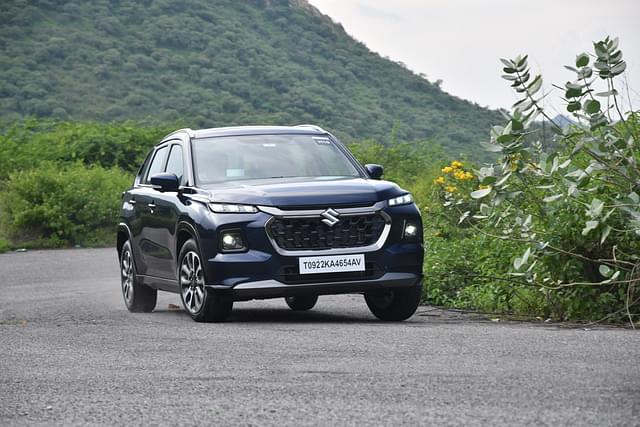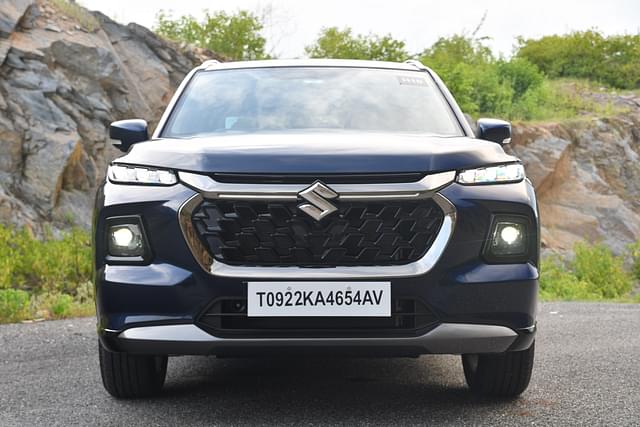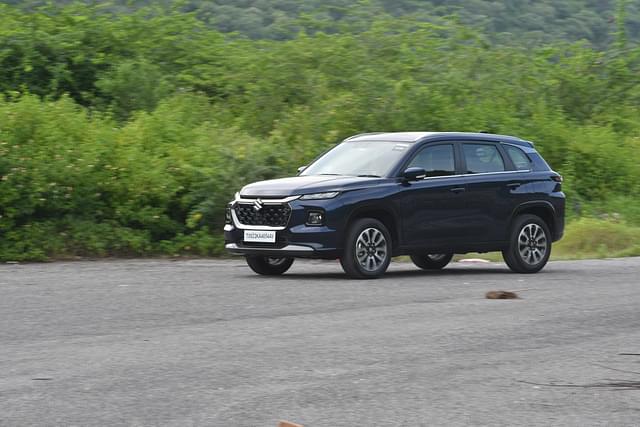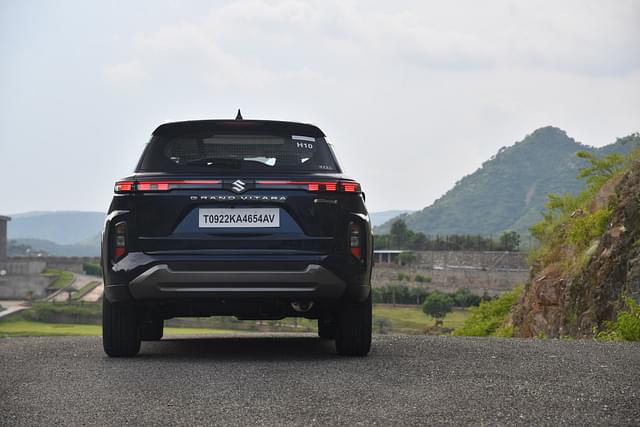

Maruti Suzuki cars in India (20)
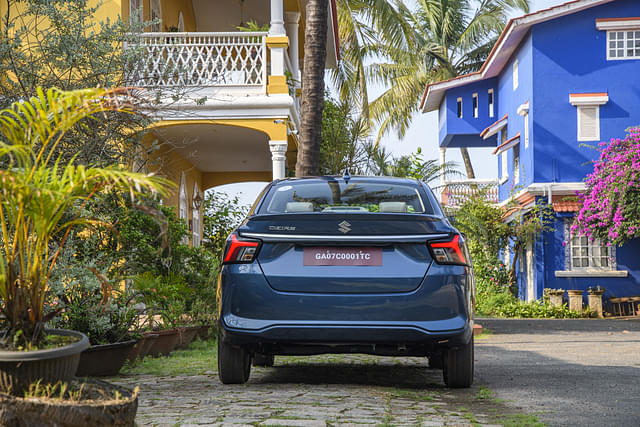
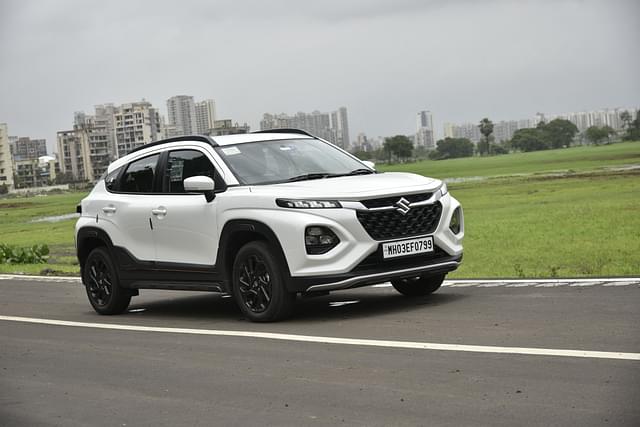
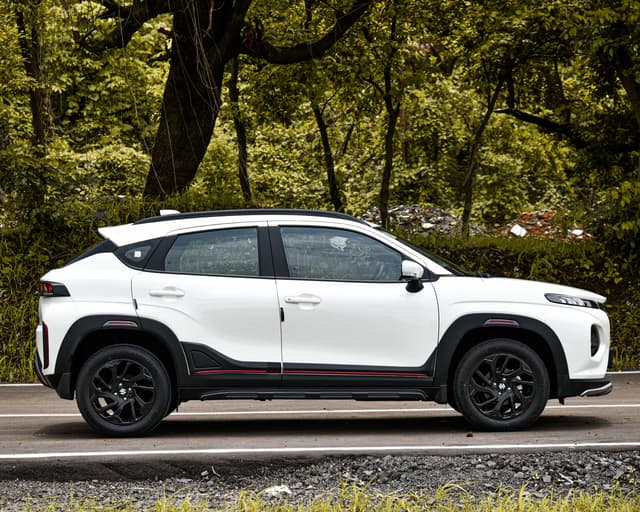
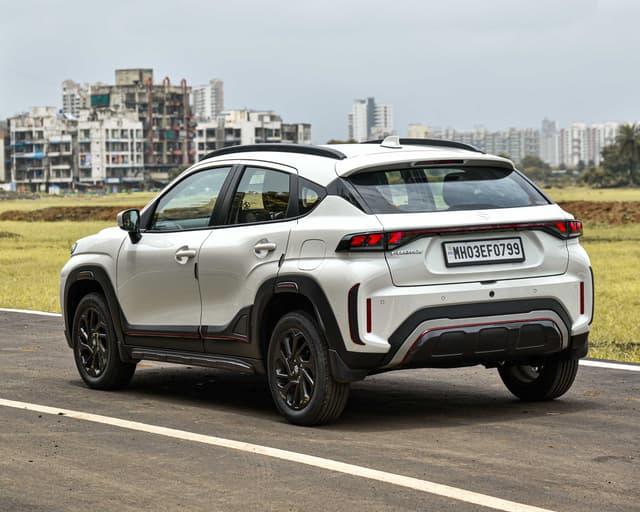
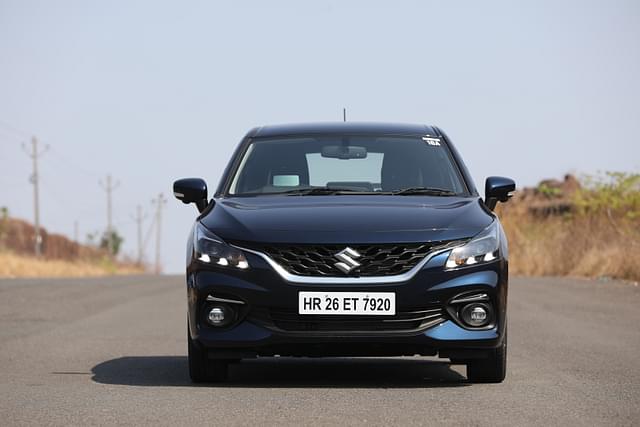
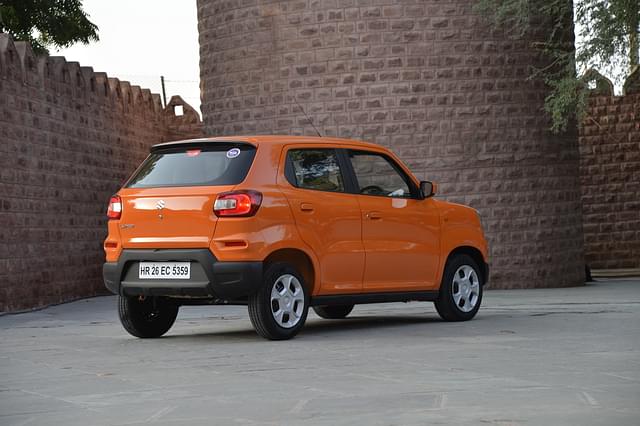
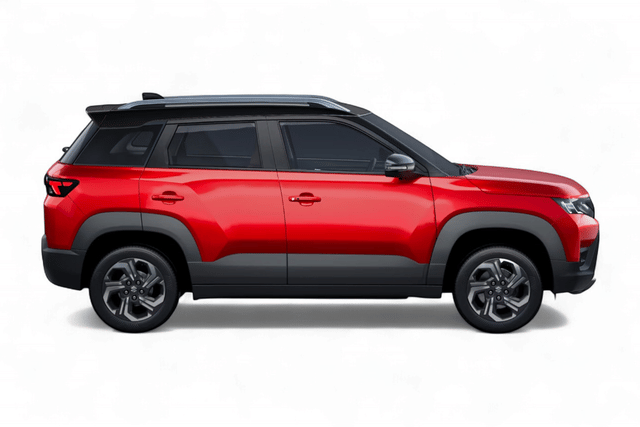
The Maruti car price starts at โน3.50 lakh and goes up to โน28.61 lakh in India (ex-showroom). The cheapest Maruti Suzuki car in India is the S-Presso (after GST reduction; earlier it was Alto K10), while the most expensive is the Invicto. As of April 2026, there are 18 Maruti models available for sale in India, while 3 are upcoming (facelifts of Baleno, Brezza, and Fronx). The current lineup consists of: 8 hatchbacks, 4 MPVs, 8 SUVs, and 1 sedan.
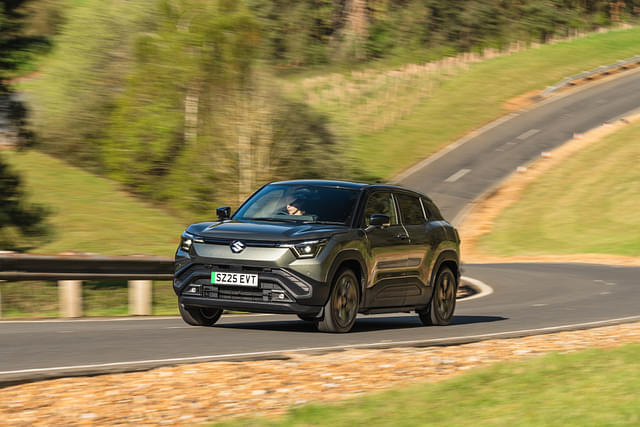
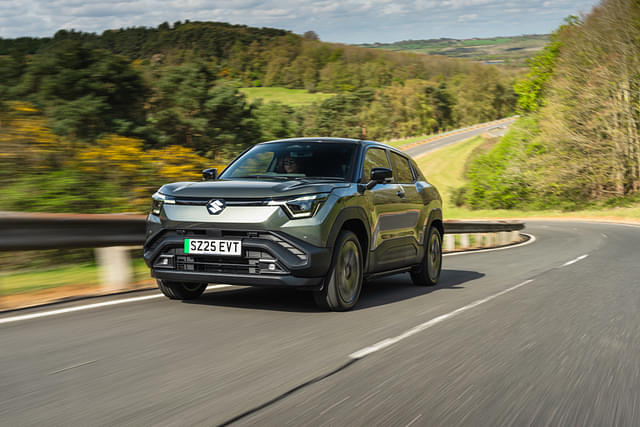
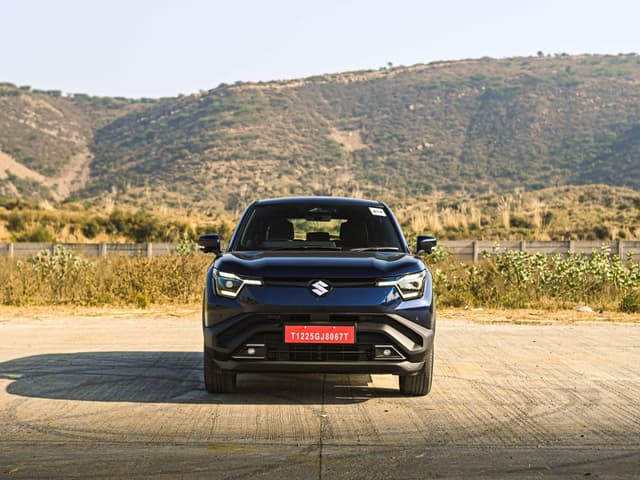
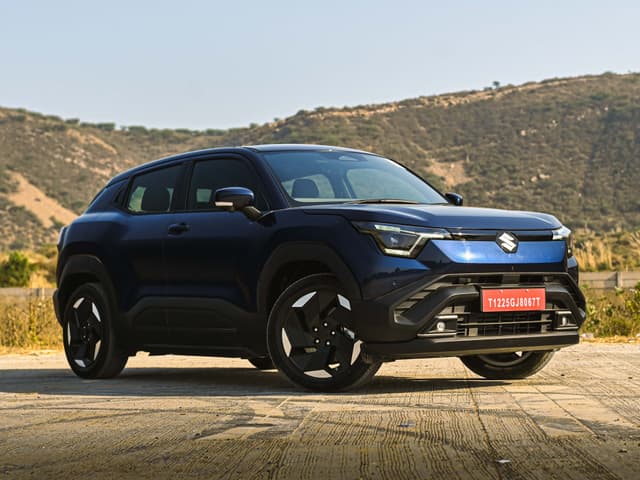
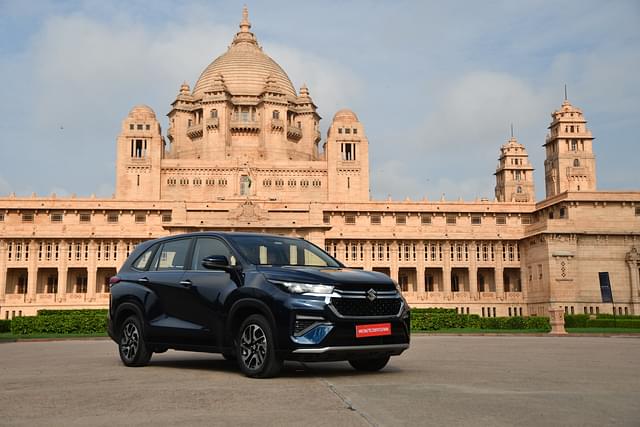
The latest Maruti Suzuki model launched in 2026 is the e Vitara. It is the first Maruti electric car and will rival models like the Hyundai Creta Electric, MG ZS EV, Mahindra BE 6, etc. The cheapest Maruti CNG model is the Alto K10 CNG, priced from โน4.81 lakh (ex-showroom). Popular Maruti cars in India include the Alto K10, Swift, Brezza, and Ertiga. Some Maruti Suzuki models are co-developed with Toyota, like the Grand Vitara SUV and Invicto.
The brand Maruti Suzuki needs no introduction in India, thanks to its budget-friendly, dependable, and reliable cars. The brand offers something for every budget. The Maruti Suzuki cars in India in 2026 include sedans, MPVs, SUVs, etc., powered by petrol, petrol-hybrid, and petrol-CNG engines across various price points.
Maruti Cars in India (April 2026)
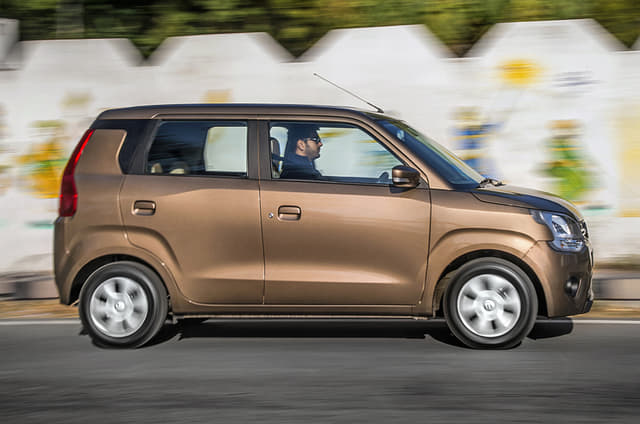
Maruti Suzuki currently offers various models in India across its two retail networks:
- Maruti Suzuki Arena (caters to the budget end of the market)
- Maruti Suzuki Nexa (caters to the premium end of the market)
Here is a complete list of all Maruti cars, along with their latest ex-showroom prices in India:
Maruti Car | Price (Ex-showroom) |
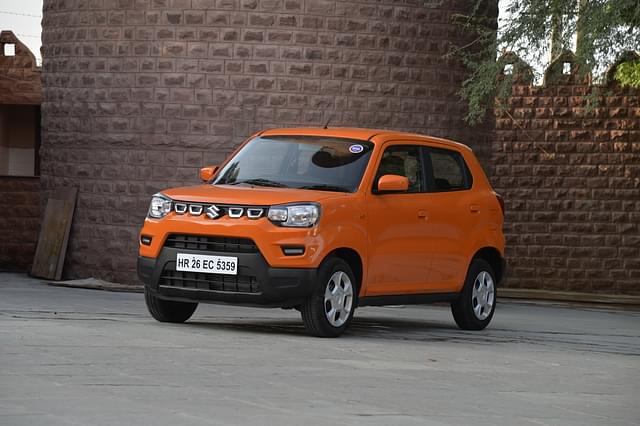
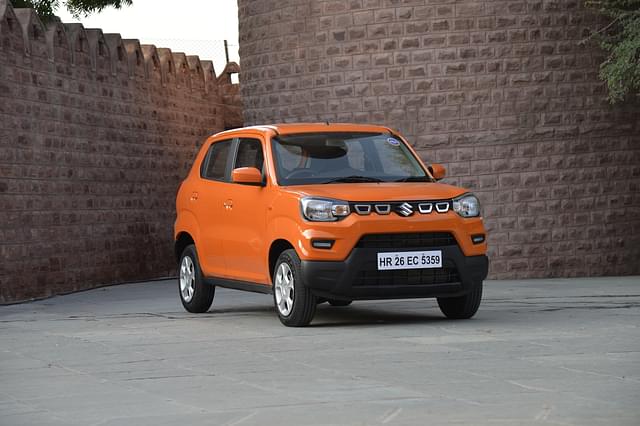
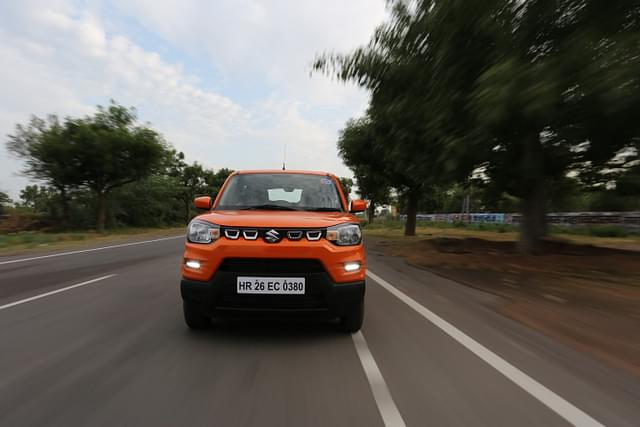
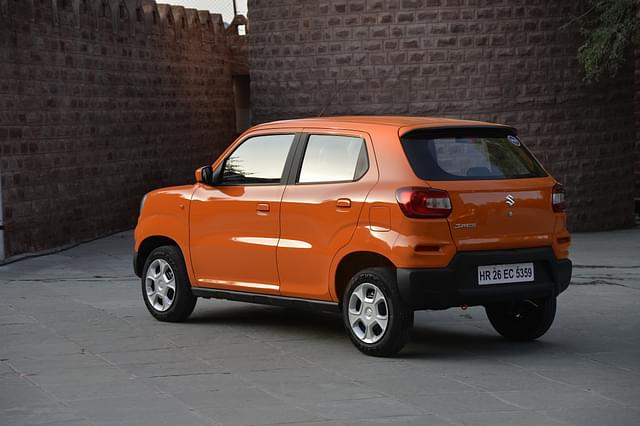
Maruti S-Presso | โน3.50 lakh - โน5.25 lakh |
Maruti Alto K 10 | โน3.70 lakh - โน5.45 lakh |
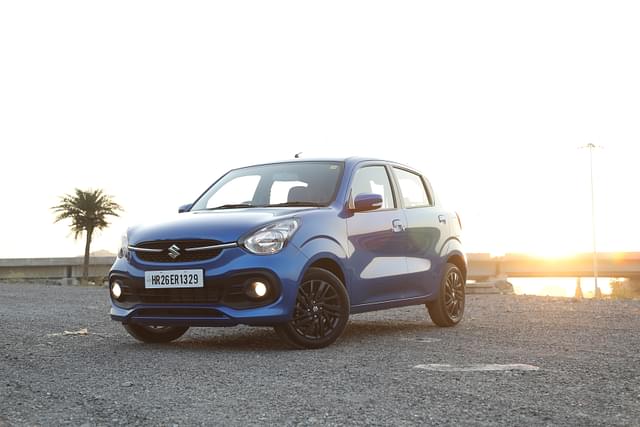
Maruti Celerio | โน4.70 lakh - โน6.73 lakh |
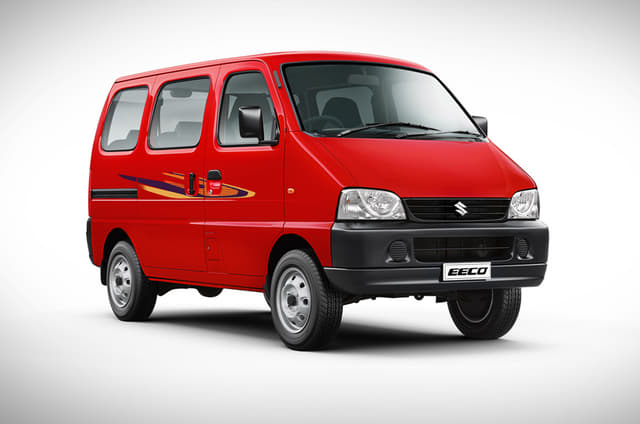
Maruti Eeco | โน5.21 lakh - โน6.36 lakh |
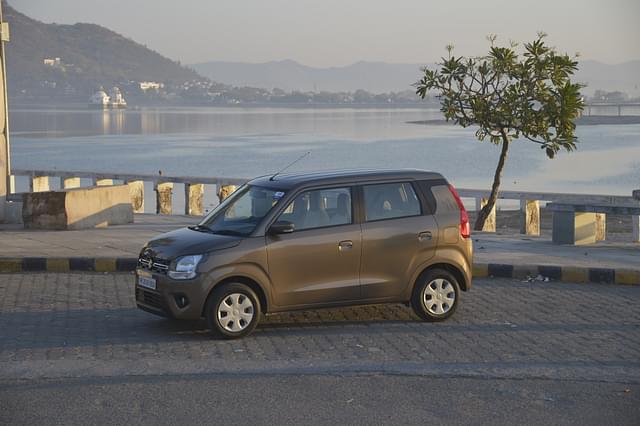
Maruti Wagon R | โน4.99 lakh - โน6.84 lakh |
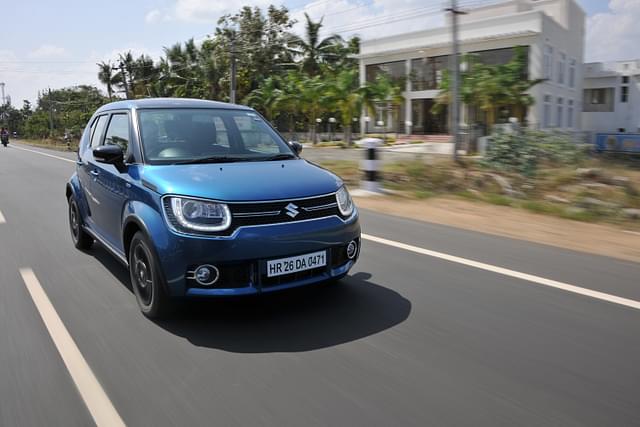
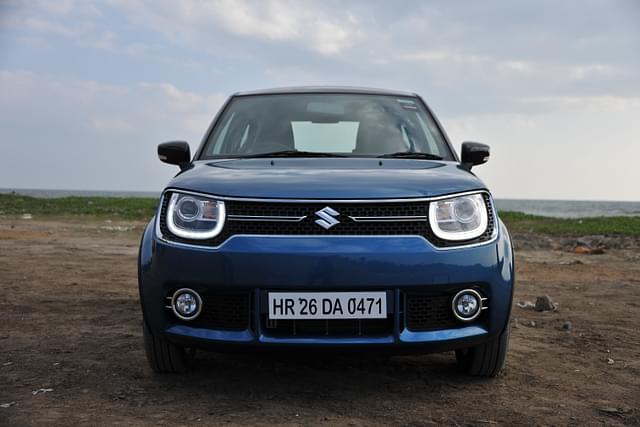
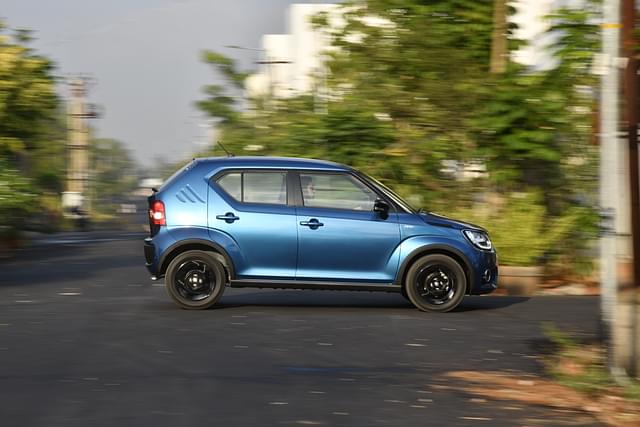
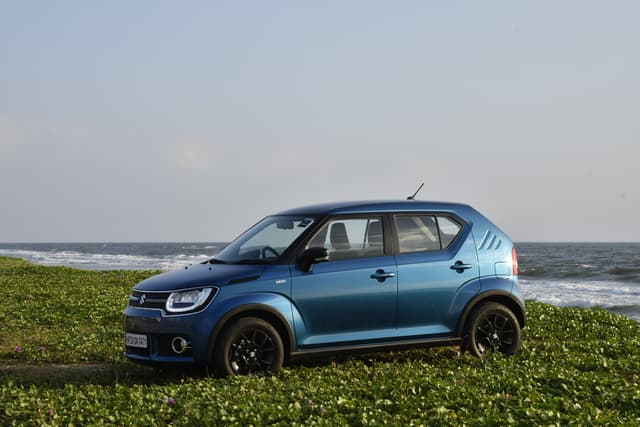
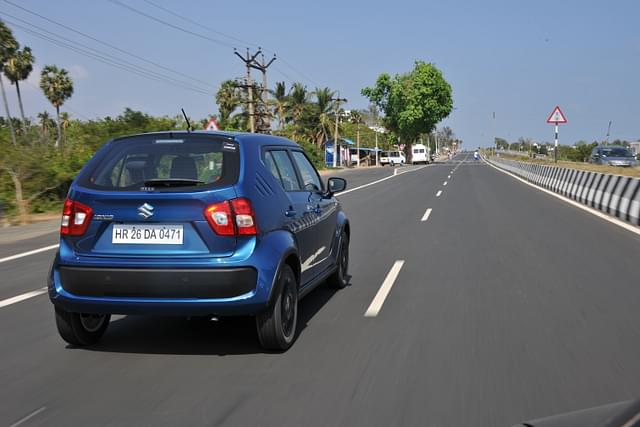
Maruti Ignis | โน5.35 lakh - โน7.42 lakh |
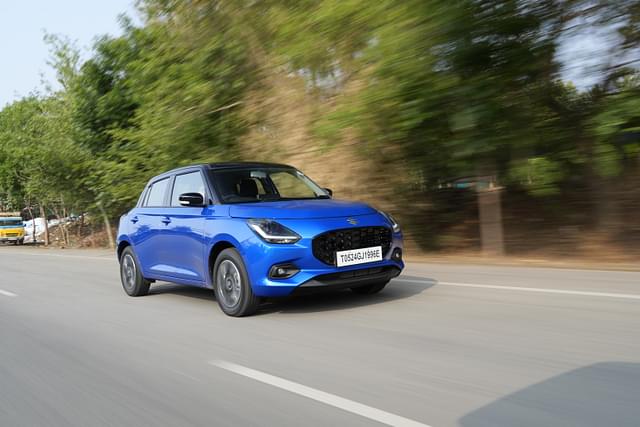
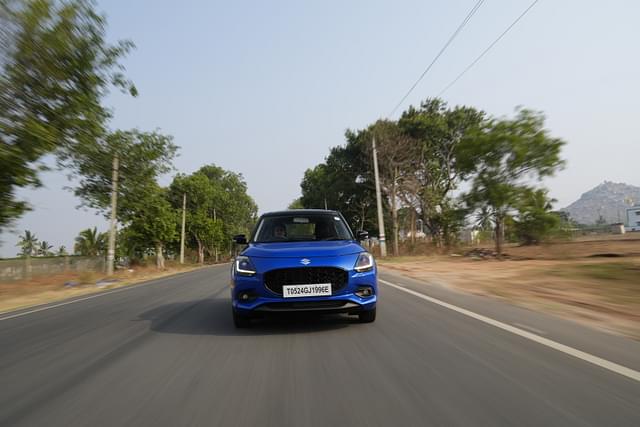
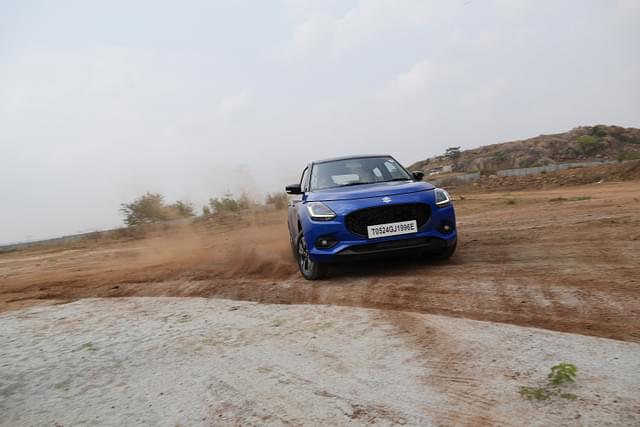
Maruti Swift | โน5.79 lakh - โน8.65 lakh |
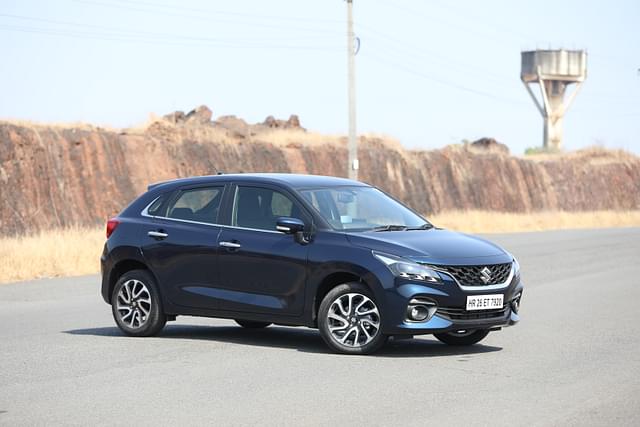
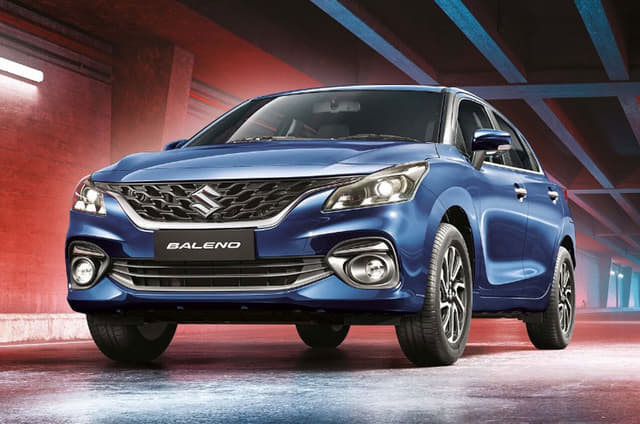
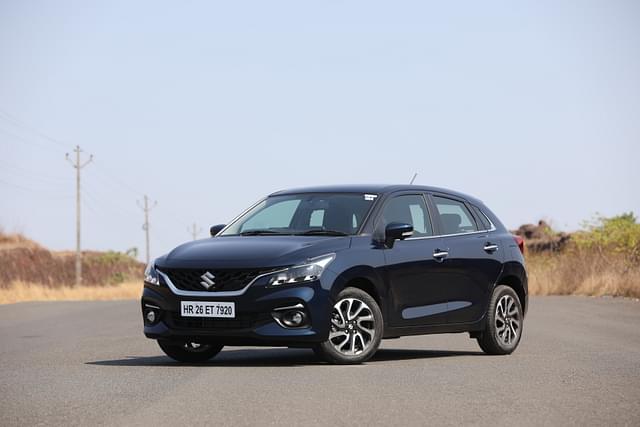
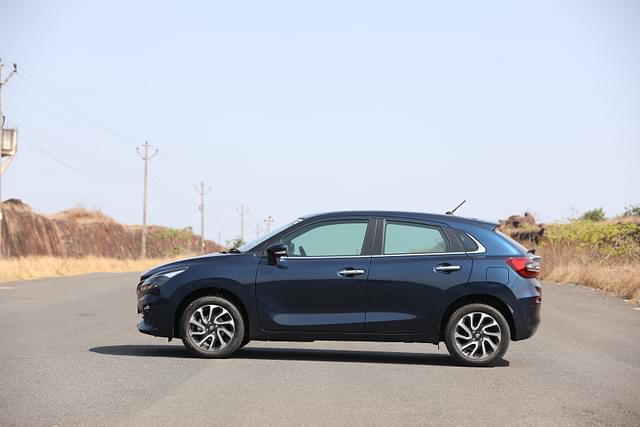
Maruti Baleno | โน5.99 lakh - โน9.10 lakh |
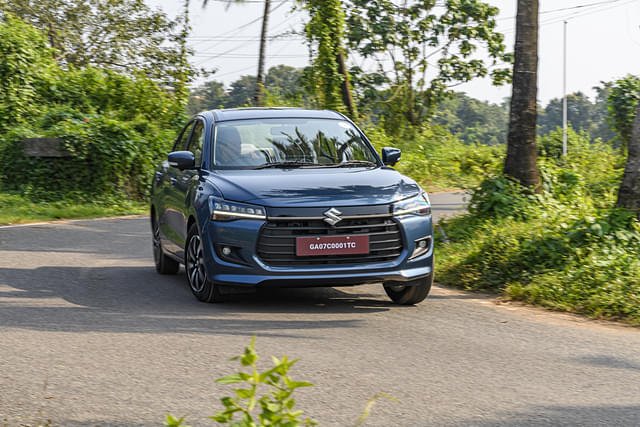
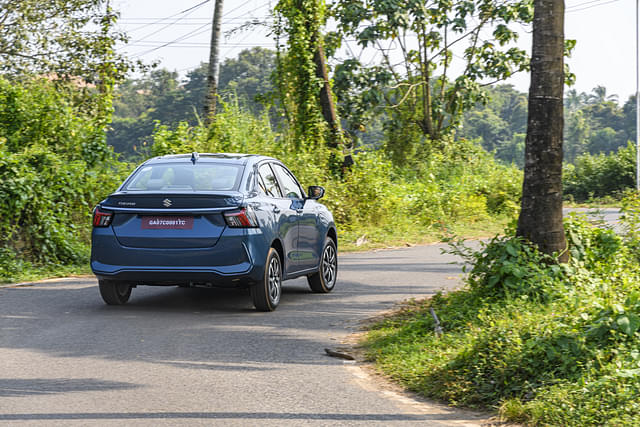
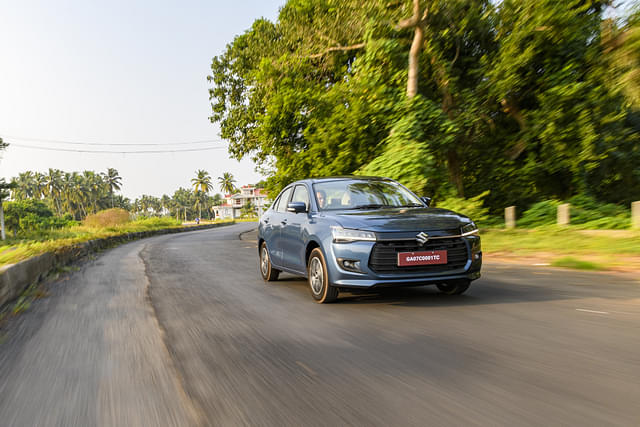
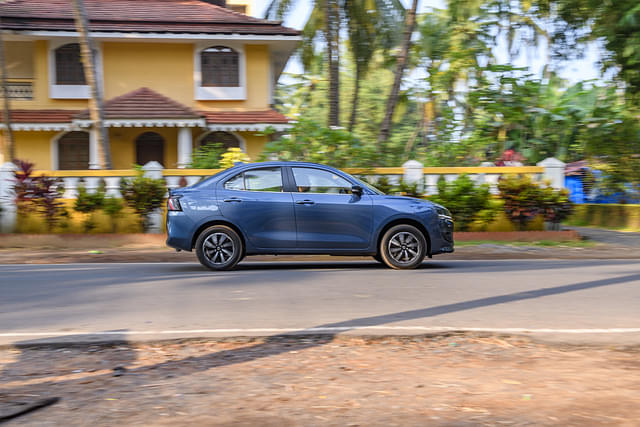
Maruti Dzire | โน6.26 lakh - โน9.31 lakh |
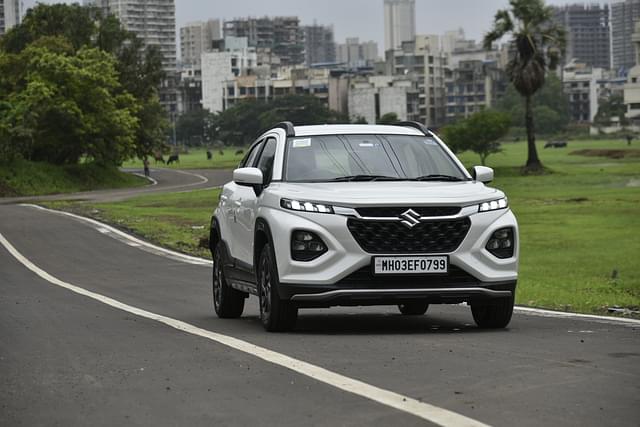
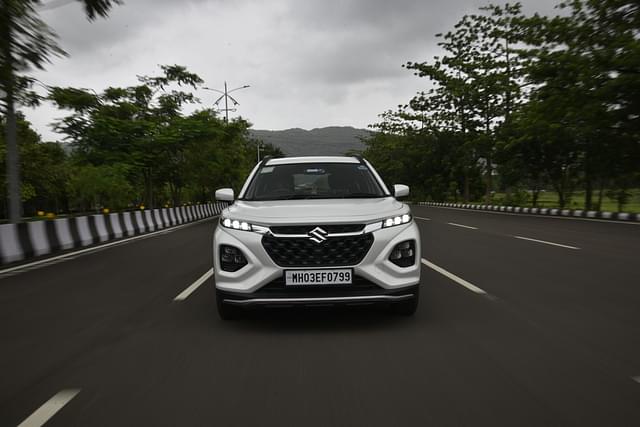
Maruti Fronx | โน6.85 lakh - โน11.84 lakh |
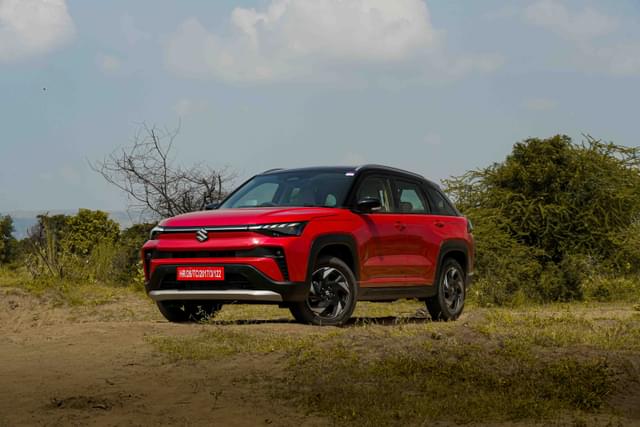
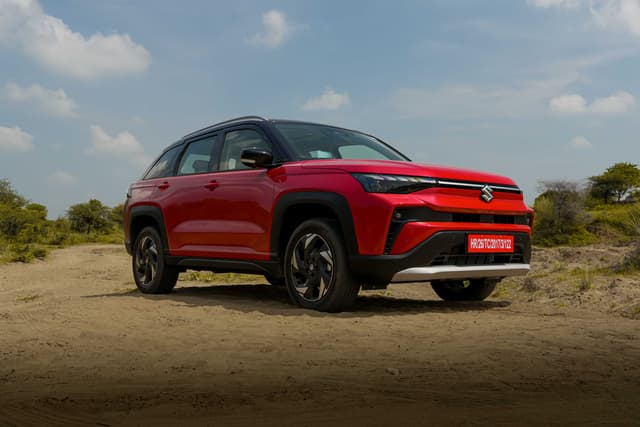
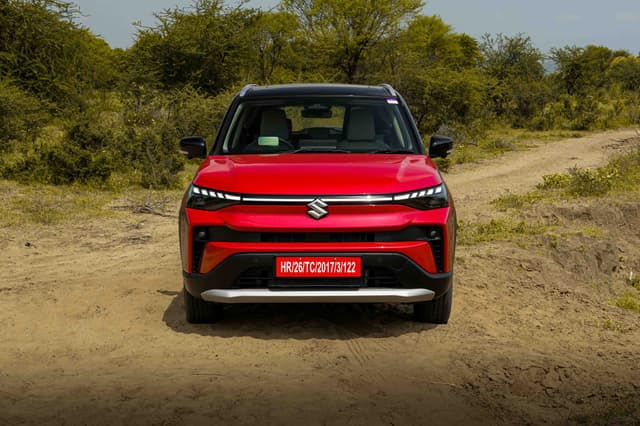
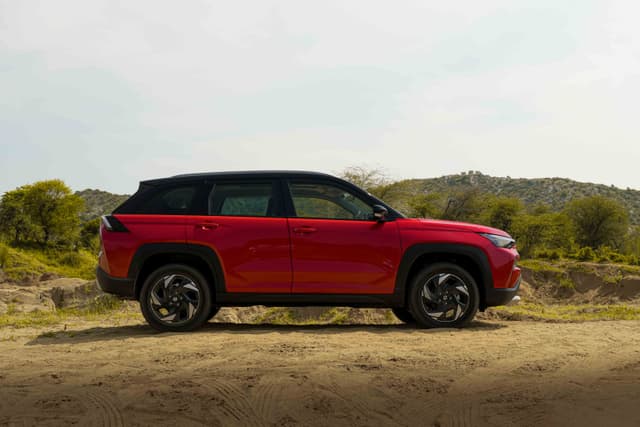
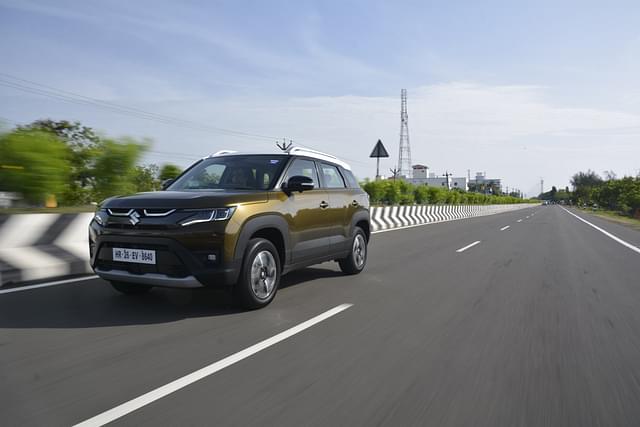
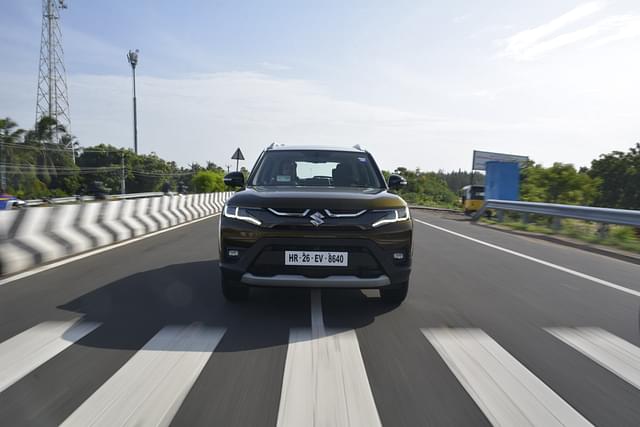
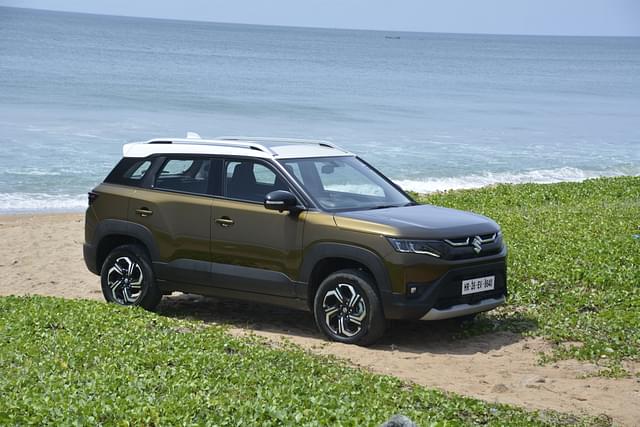
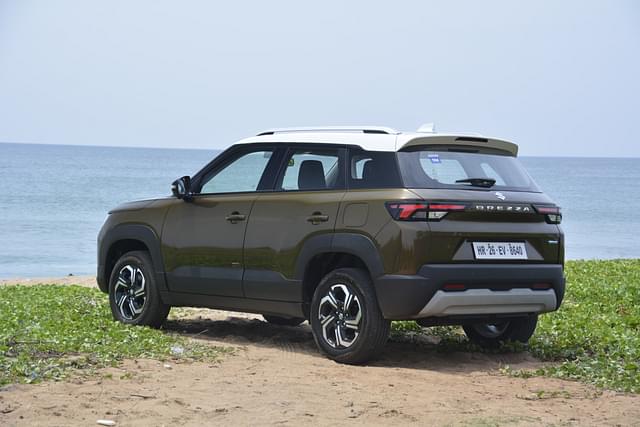
Maruti Brezza | โน8.26 lakh - โน12.86 lakh |
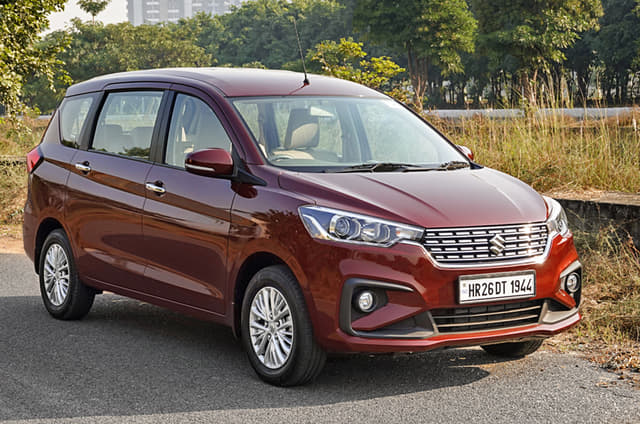
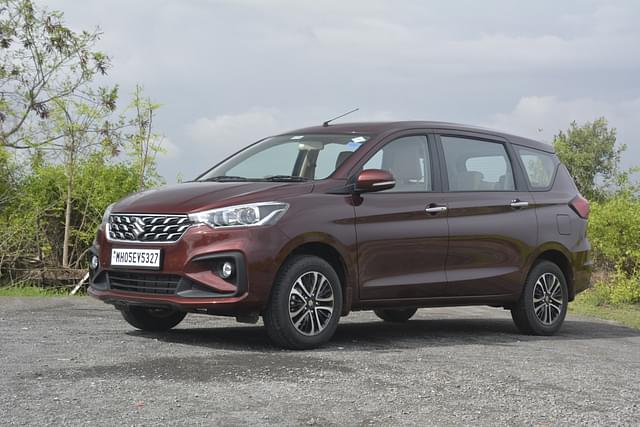
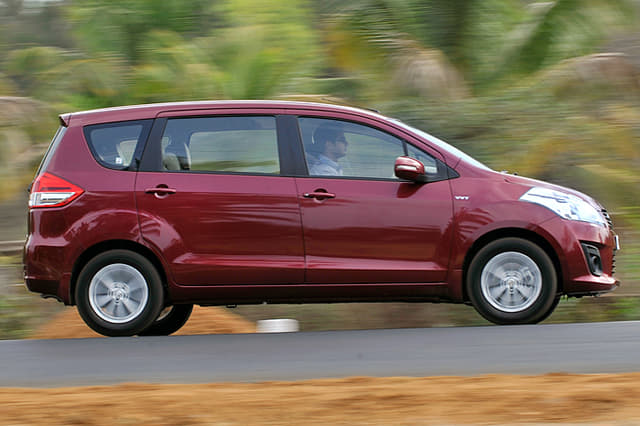
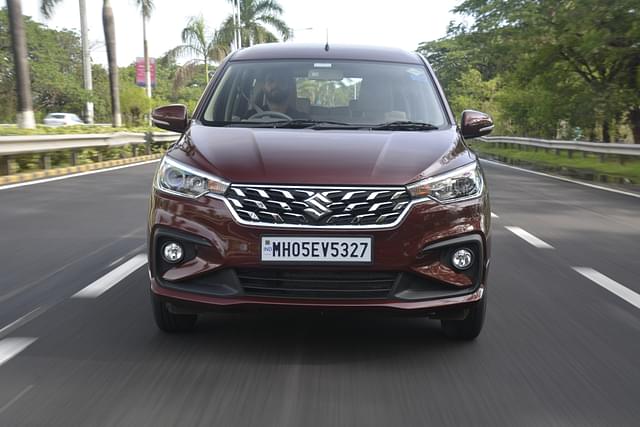
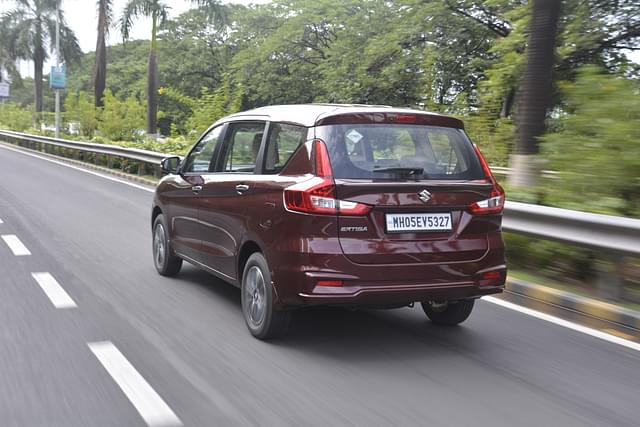
Maruti Ertiga | โน8.80 lakh - โน12.94 lakh |
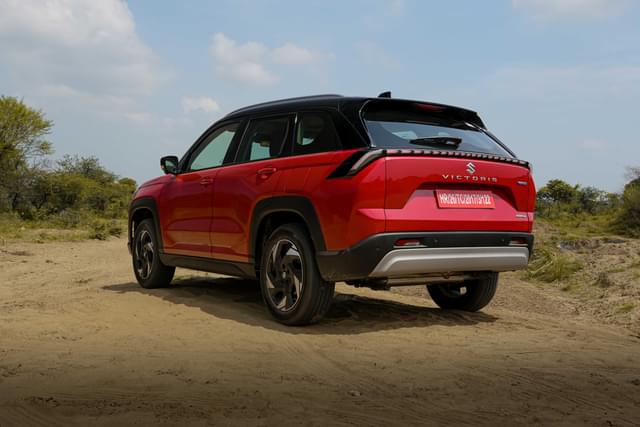
Maruti Victoris | โน10.50 lakh - โน19.99 lakh |
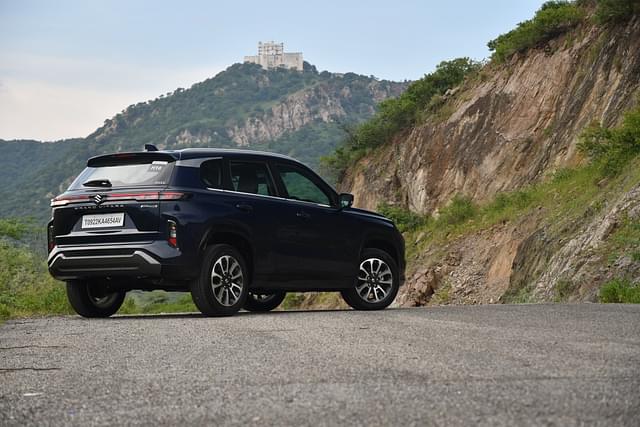
Maruti Grand Vitara | โน10.77 lakh - โน19.64 lakh |
Maruti E Vitara | โน10.99 lakh |
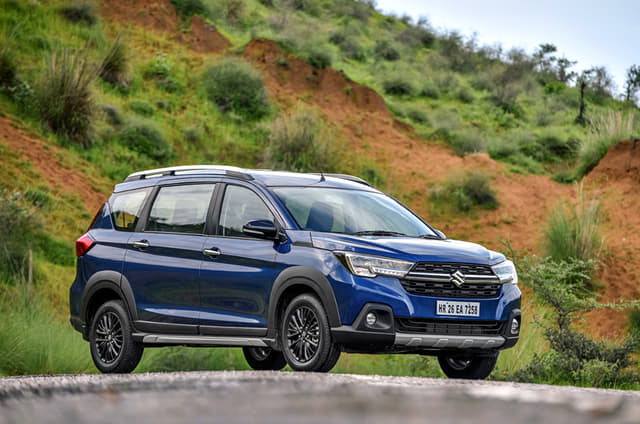
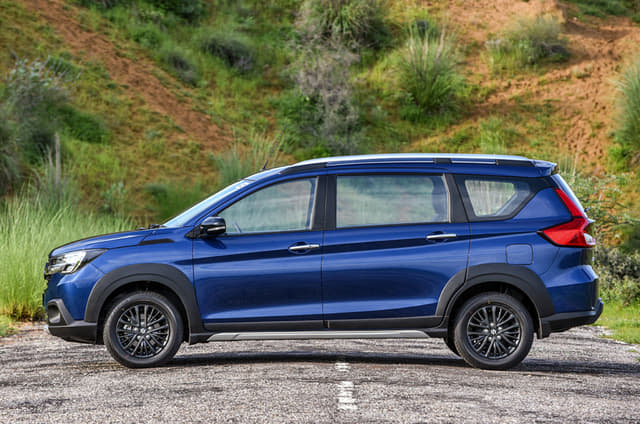
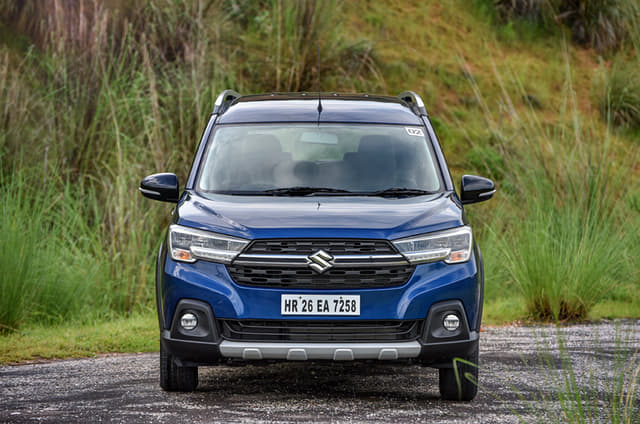
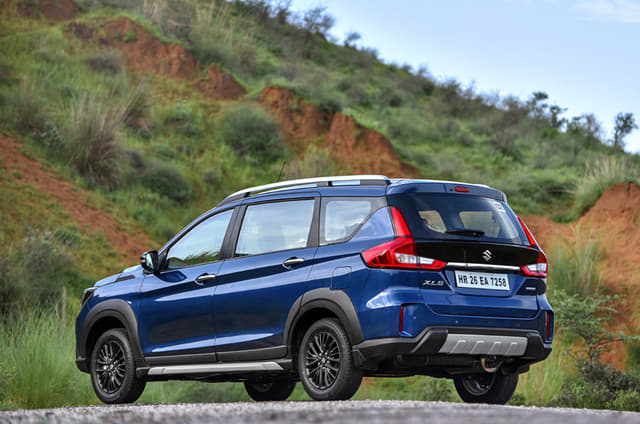
Maruti XL6 | โน11.52 lakh - โน14.32 lakh |
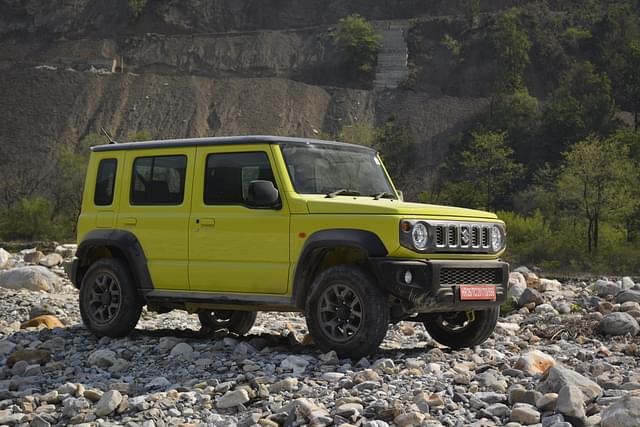
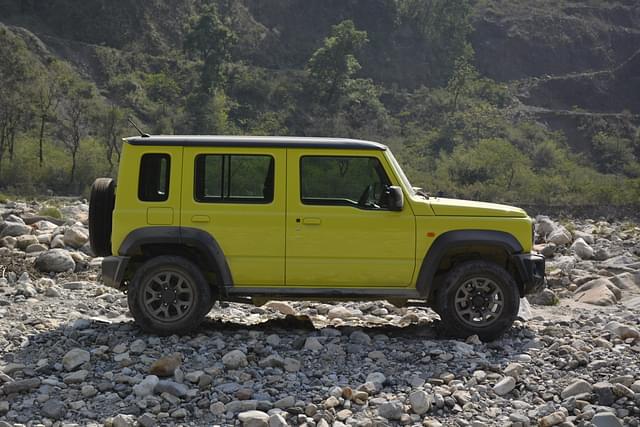
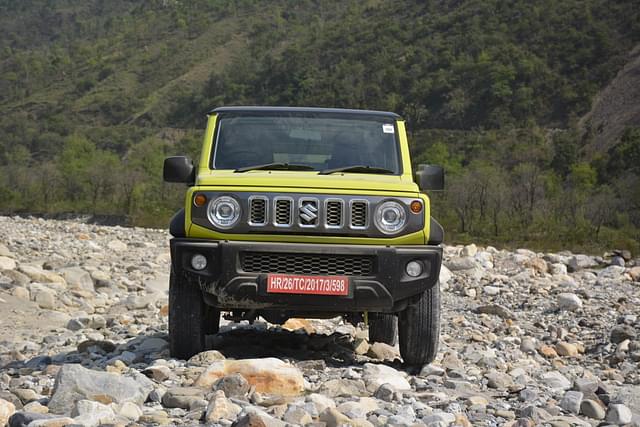
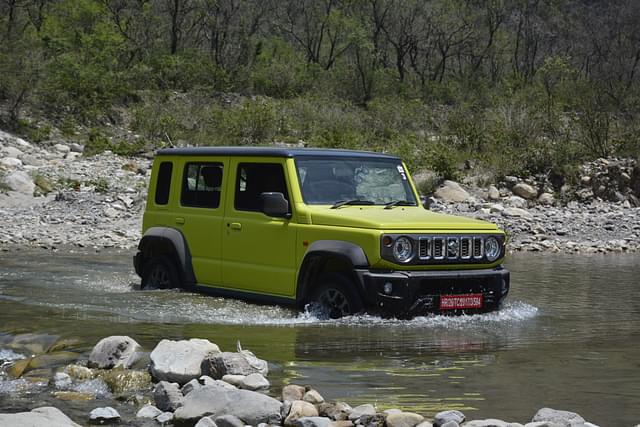
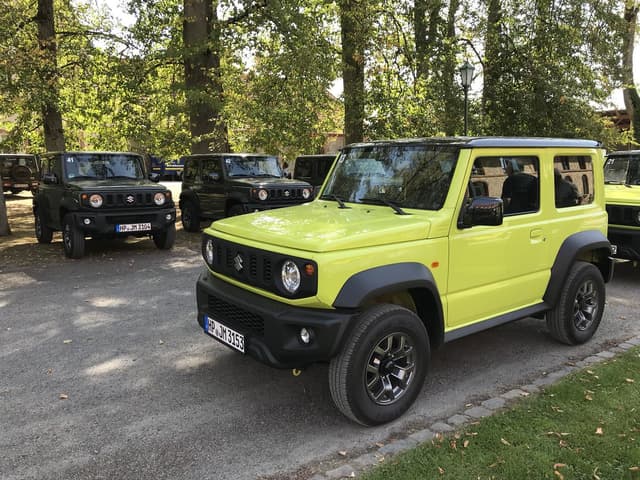
Maruti Jimny | โน12.31 lakh - โน14.29 lakh |
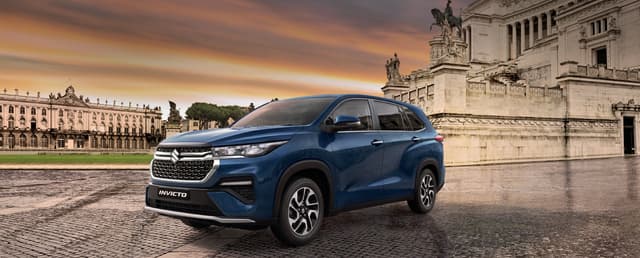
Maruti Invicto | โน24.97 lakh - โน28.61 lakh |
Maruti Suzuki Arena Cars in India
Maruti Suzuki offers 10 models via its Arena outlets (as of April 2026), catering largely to budget-conscious buyers. The Maruti Suzuki Arena line up includes Alto K10, S-Presso, Wagon R, Celerio, Swift, Dzire, Brezza, Eeco, Ertiga, and Victoris. The new Maruti Victoris SUV will take on the Hyundai Creta.
From May 12, 2025, all Maruti Suzuki Arena cars come equipped with 6 airbags as standard, enhancing safety across the range. Vehicles from Arena are commonly known for being budget-friendly and well-suited for city commutes. In India, Arena outlets are present in over 2,500 towns and cities, with more than 3,000 showrooms.
Here are all Maruti Suzuki Arena models, along with their on road prices (after GST cut) in major Indian cities:
Maruti Suzuki Arena Car | Mumbai (on-road) | Delhi (on-road) | Bangalore (on-road) | Chennai (on-road) |
Alto K10 | โน4.43 lakh - โน6.45 lakh | โน4.17 lakh - โน6.07 lakh | โน4.50 lakh - โน6.61 lakh | โน4.39 lakh - โน6.40 lakh |
S-Presso | โน4.20 lakh - โน6.22 lakh | โน3.95 lakh - โน5.85 lakh | โน4.27 lakh - โน6.38 lakh | โน4.16 lakh - โน6.17 lakh |
Wagon R | โน5.92 lakh - โน8.06 lakh | โน5.57 lakh - โน7.78 lakh | โน6.02 lakh - โน8.26 lakh | โน5.87 lakh - โน7.99 lakh |
Celerio | โน5.58 lakh - โน7.93 lakh | โน5.25 lakh - โน7.66 lakh | โน5.68 lakh - โน8.13 lakh | โน5.54 lakh - โน7.86 lakh |
Swift | โน6.84 lakh - โน10.15 lakh | โน6.44 lakh - โน9.80 lakh | โน7.02 lakh - โน10.41 lakh | โน6.78 lakh - โน10.06 lakh |
Dzire | โน7.38 lakh - โน10.91 lakh | โน7.13 lakh - โน10.54 lakh | โน7.57 lakh - โน11.19 lakh | โน7.32 lakh - โน10.82 lakh |
Breeza | โน9.70 lakh - โน15.27 lakh | โน9.36 lakh - โน15.01 lakh | โน9.94 lakh - โน15.91 lakh | โน9.61 lakh - โน15.61 lakh |
Eeco | โน6.17 lakh - โน7.50 lakh | โน5.81 lakh - โน7.25 lakh | โน6.33 lakh - โน7.69 lakh | โน6.12 lakh - โน7.44 lakh |
Ertiga | โน10.32 lakh - โน15.36 lakh | โน9.97 lakh - โน15.10 lakh | โน10.58 lakh - โน16.01 lakh | โน10.23 lakh - โน15.75 lakh |
Victoris | โน11.23 lakh - โน23.64 lakh | โน11.23 lakh - โน23.24 lakh | โน11.23 lakh - โน24.64 lakh | โน11.23 lakh - โน24.24 lakh |
Maruti Suzuki Nexa Cars in India
Maruti offers 7 models through Nexa outlets (as of April 2026) that cater to premium buyers by offering more feature-rich and stylish models. The Nexa lineup from Maruti includes Ignis, Baleno, Fronx, XL6, Jimny, Grand Vitara, and Invicto. Marutiโs first electric SUV, the eVitara, will also be launched via Nexa.
In India, Nexa outlets are currently present in around 500 cities, and are expected to grow to 650 by the end of 2025.
Here are all Maruti Suzuki Nexa models, along with their on-road prices (after GST cut) in major Indian cities:
Maruti Suzuki Nexa Cars | Mumbai (on-road) | Delhi (on-road) | Bangalore (on-road) | Chennai (on-road) |
Ignis | โน6.34 lakh - โน8.74 lakh | โน5.96 lakh - โน8.43 lakh | โน6.50 lakh - โน8.95 lakh | โน6.28 lakh - โน8.65 lakh |
Baleno | โน7.07 lakh - โน10.67 lakh | โน6.65 lakh - โน10.30 lakh | โน7.25 lakh - โน10.94 lakh | โน7.01 lakh - โน10.57 lakh |
Fronx | โน8.07 lakh - โน14.07 lakh | โน7.79 lakh - โน13.83 lakh | โน8.27 lakh - โน14.66 lakh | โน8.00 lakh - โน14.42 lakh |
XL6 | โน13.70 lakh - โน16.98 lakh | โน13.47 lakh - โน16.70 lakh | โน14.27 lakh - โน17.70 lakh | โน14.04 lakh - โน17.41 lakh |
Jimny | โน14.63 lakh - โน16.95 | โน14.38 lakh - โน16.66 lakh | โน15.24 lakh - โน17.66 lakh | โน15.00 lakh - โน17.38 lakh |
Grand Vitara | โน12.80 lakh - โน23.23 lakh | โน12.59 lakh - โน22.84 lakh | โน13.34 lakh - โน24.22 lakh | โน13.13 lakh - โน23.82 lakh |
Invicto | โน29.75 lakh - โน34.05 lakh | โน29.00 lakh - โน33.19 lakh | โน31.00 lakh - โน35.48 lakh | โน30.25 lakh - โน34.63 lakh |
Maruti Upcoming Cars
Currently, there are 3 upcoming Maruti cars that are expected to launch in India:
1. Maruti Suzuki Baleno facelift
- Estimated price: โน6.00 lakh - โน10 lakh
- Expected launch: 2026
- Fuel type: Petrol
2. Maruti Suzuki Brezza facelift
- Estimated price: โน8.50 lakh - โน13.10 lakh
- Expected launch: 2026
- Fuel type: Petrol
3. Maruti Suzuki Fronx facelift
- Estimated price: โน7.15 lakh - โน12.54 lakh
- Expected launch: 2027
- Fuel type: Petrol
Maruti Cars - Latest Updates
Here are the latest updates related to the Maruti Suzuki cars as of 2026:
- 27 April 2026: Maruti Fronx facelift spied testing.
- 17 February 2026: The e Vitara, the first Maruti electric car launched at โน10.99 lakh. The battery cost is extra.
- December 2025: The Maruti e-Vitara comes with an estimated driving range of up to 543 km on a full charge.
- November 2025: Maruti Suzuki e-Vitara scheduled to launch in early 2026, in India.
- September 2025: The Maruti Victoris price starts at โน10.50 lakh and goes up to โน19.99 lakh, depending on the variant.
FAQs
The most expensive Maruti car is the Invicto. It is a premium MUV and is priced between โน24.97 lakh and โน28.61 lakh (ex-showroom).
The Maruti Suzuki e Vitara, an all-electric SUV, is currently the only electric car from the brand. The e Vitara price starts at โน10.99 lakh and was launched on 17 Feb, 2026.
The cheapest Maruti Suzuki car in India is the Maruti S-Presso, priced from โน3.50 lakh after the GST reduction.
Maruti is expected to launch the facelifts of Brezza and Baleno in 2026, and the Fronx facelift by 2027.
Currently, the newest Maruti Suzuki car in India is the Victoris, which debuted on September 15, 2025.
Trending Questions on Maruti Suzuki Cars - Answered by Autocar Experts
Venkat
โข7hHi Autocar, I own a Hyundai Creta Diesel Knight Edition, which has been driven for around 40,000 km. Over the past six months, I have been facing recurring DPF issues, even though the car is regularly driven on highways. Additionally, the turbocharger has been replaced twice due to reported leakage issues. Now, the service centre claims that this may be a design fault from Hyundai. As a result, my car has spent a significant amount of time at the service centre, which has been extremely frustrating. Given this situation, I am unsure whether I should continue with the car or consider selling it and moving to another vehicle. I would appreciate your guidance on this.

Autocar India
You have already been using the car in the right way. Regular highway driving should prevent DPF problems, so repeated issues along with multiple turbo replacements point to something beyond normal wear and tear. While it may get resolved with further intervention, the frequency of visits and downtime understandably affects ownership confidence.A practical approach is to give the service centre one final, structured attempt to fix the issue properly, ideally with escalation to the manufacturer. If the problem repeats after that, it is sensible to move on rather than continue with uncertainty.If you do decide to change, a petrol automatic SUV like the Kia Seltos IVT or Hyundai Creta petrol CVT will feel familiar but far easier to live with, especially in mixed usage. They are smoother in daily driving and avoid diesel-related complications. If your running remains high and fuel cost is a concern, a strong hybrid is worth considering. Options like the Maruti Suzuki Grand Vitara or Toyota Urban Cruiser Hyryder offer excellent efficiency with petrol-like smoothness, making them a good middle ground between petrol and diesel.
Shashank
โข9hI am planning to buy a car and would appreciate your guidance. My monthly salary is around โน92,000, and my daily commute is taken care of by an office vehicle. I primarily plan to use the car for weekend outings and occasional trips. My wife and I are both around 6 feet tall, so good cabin space, headroom, and seating comfort are very important.

Autocar India
First, set your budget correctly. With a Rs 92,000 monthly salary, your safe car budget should be Rs 6-8 lakh on-road, and you should avoid stretching beyond โน9 lakh. This keeps your finances comfortable and avoids unnecessary EMI pressure. The Maruti Suzuki Wagon R fits perfectly here, with on-road prices roughly starting around Rs 6 lakh and going up to about Rs 8 lakh depending on the variant.Now coming to EMI. If you take a typical loan with around Rs 1-1.5 lakh down payment, your EMI will roughly be in the โน9,000-โน12,000 per month range depending on tenure, variant and interest rate. That is a healthy level for your salary and leaves room for other expenses.The Maruti Celerio fits your requirements well. It is compact, easy to drive for a beginner and extremely fuel-efficient, which keeps running costs low. In fact, it is among the most efficient cars in this segment, which directly benefits your monthly expenses . It is also reliable and inexpensive to maintain, which matters most at this stage of ownership.The Wagon R is the better choice if your height and comfort are a priority. At 6 ft, you will appreciate its tall-boy design, which offers better headroom and a more upright seating position. It also feels more spacious overall, especially for daily usability. If you want a crossover or an SUV, the Tata Punch in the lower variants will fit your budget. However, it is not as spacious as the Maruti options, and choosing a lower variant means you will miss out on features. It is also not as fuel-efficient as the Celerio or the Wagon R.
Anuj
โข16hI am seeking to acquire a premium and luxurious SUV with an automatic transmission and a petrol engine. Additionally, I require a vehicle that offers respectable fuel efficiency. My budget for this acquisition is between โน15-20 lakhs. Could you please provide suitable recommendations?

Autocar India
Go for the Maruti Suzuki Grand Vitara CNG. It is still the most sensible choice for your priorities, especially safety, low maintenance and running cost.Your thinking is already on the right track. The Grand Vitara CNG keeps running costs very low and, more importantly, Marutiโs ownership experience is its biggest strength. Service reach is wide, parts are affordable and long-term reliability is proven, which makes it a stress-free first car. It is also comfortable, practical for family use and covers all the essential features well. The CNG tank is neatly integrated under the boot floor, so boot space remains usable.If you want to look at alternatives, you can also consider the Maruti Suzuki Brezza. It is more affordable, uses the same engine and is more compact and easier to drive. However, the Grand Vitara feels like the more modern and complete package, and a Brezza update is also due soon.
San
โข19hHi Autocar India Team, I am planning to buy the Hyundai Venue HX5 Turbo (manual), and my usage will be almost entirely within Hyderabad city, mostly in heavy traffic (around 98%). However, I have come across several online reviews claiming that the turbo variant returns only around 5โ7 km/l in city conditions, which is quite concerning for me. I test-drove the 1.2 NA Kappa engine (HX5) and felt it was underpowered, especially in traffic, as I had to shift gears frequently. I also test-drove the Tata Nexon, but I found the clutch to be quite hard even during a short drive, and I am also a bit worried about after-sales service. I briefly considered the Mahindra 3XO, but I did not like the design. The Kia Sonet also felt slightly underpowered to me. I am only interested in a manual transmission, and my budget is around โน12 lakh. Given my requirements and usage, could you please suggest which car would be the most suitable option? I am quite confused with the available choices. Thank you in advance for your guidance. Best regards, San

Autocar India
The Hyundai Venue turbo still fits your requirements well. You already felt that the 1.2 NA is underpowered, and in heavy traffic, that will only get more tiring over time. The turbo engine solves that with better low-end response and fewer gear changes, making daily driving easier. The trade-off is clear, though. In dense city traffic, fuel efficiency will be on the lower side, especially if you are not very light on the throttle.Now, this is where the Maruti Brezza manual becomes a very strong alternative for your usage. It may come across as a bit boring on paper, but it fits your real-world needs better than most options here. The larger naturally aspirated engine does not feel underpowered like the smaller NA units in the Venue or Kia Sonet. It has good low-end torque, which makes it easy to drive in traffic without constant gear changes. The clutch is light, and the gearbox is slick, so daily usability is excellent.Fuel efficiency is another advantage. Because it is naturally aspirated, it is not as sensitive to throttle inputs as turbo petrol engines, so in real city conditions it tends to deliver more consistent mileage. That matters for your 98% city usage. On top of that, ownership experience, service reach and long-term reliability are among the best in the segment, which adds peace of mind.Compared to the Tata Nexon, you avoid the heavy clutch issue you already noticed. Compared to the Venue turbo, you give up some punch, but gain consistency, ease and efficiency.
Rahul Bansode
โข1dI am currently using a 2014 Maruti Wagon R CNG, which has completed 1,05,000 km in Maharashtra. The car is still in very good condition, and about 4 years are still left before it completes 15 years. I would now like to buy an automatic car. My family consists of 6 members (including 2 children). I use the car mainly for outstation travel once every 1โ2 months, with around 80% highway usage and 20% city driving. My key requirements are good power, safety, and spaciousness. I am not interested in features like a sunroof or ADAS. My budget is โน15 lakh and can be stretched up to โน22 lakh.

Autocar India
Highway trips with the whole family of six and an automatic in the Rs 15-22 lakh range point us to the Kia Carens Clavis, specifically the 1.5 turbo-petrol DCT. Pick the HTK+ that comes without a sunroof. It fits your use because it has true three-row space, the third row is easier to get into than most taller cars, and even your older parents will find the ride comfortable on long runs. Coming from a Maruti Suzuki Wagon R CNG, you will feel a big jump in power and highway ease; the turbo-petrol has strong pull for quick overtakes, even with all six on board. Safety basics are well covered with six airbags and stability control across the range, and it feels steady at 100 kph, which matters for your 80 percent highway use.A couple of things to note. With all three rows up, the boot is small, so you may need to use soft bags or fold one seat for luggage on longer trips. Also, the DCT can feel a bit jerky in very slow, stop-and-go traffic, though your driving is mostly highway, so it should not bother you. If you often travel fully loaded and want an even calmer drive with better fuel efficiency on long trips, the Kia Carens Clavis diesel with the smoother 6-speed torque-converter automatic is also worth a look.If you want an even tougher-feeling highway cruiser, the Mahindra XUV 7XO diesel automatic is larger and feels very solid, but it will cost more and is harder to park. Overall, for your use and feature preference, the Carens Clavis automatically lines up best.
VIJAY
โข1dHi Autocar, I am planning to buy a car that offers good comfort and strong road presence with an on-road budget of โน14 lakh. I have shortlisted the following options: Skoda Kushaq base variant, Kia Seltos base variant, Kia Carens Clavis base variant, Mahindra XUV 3XO base variant, and Citroen Aircross 7-seater. We travel long distances once a month, and I already own a 2017 Swift ZDi diesel variant. Kindly suggest which car I should choose from the above options and also recommend the most suitable variant. Since I have provided multiple options to the Autocar team, I would really appreciate your advice as a car enthusiast.

Autocar India
For one long highway trip a month, a โน14 lakh on-road cap, and a step up in comfort from your Swift diesel, the Kia Seltos HTE 1.5 petrol manual suits you best. As far as base variants go, the Seltos is very well equipped, with features like cruise control, keyless entry, and an HD infotainment screen with wireless phone connectivity. The new generation also rides better than the last one, has a roomier cabin, and better road presence. Compared with your Swift, it will feel far more spacious and calmer at speed, and the big boot makes luggage easy.The Skoda Kushaq and Mahindra XUV 3XO base variants are good choices, but will feel a bit smaller on the inside. If you need 7 seats, the Kia Carens Clavis offers a similar experience to the Seltos, but its base trim is not as well equipped. The Citroen Aircross 7-seater offers superb ride comfort, but the service reach is still limited in many cities.Overall, for your use, the Seltos base lines up best.
Karan
โข2dWe are a family of five, and all of us are quite tall (men are 6 ft+), so we find it difficult to fit comfortably in smaller cars. We are looking to purchase a spacious and comfortable car within a budget of โน15โ16 lakh, with good fuel efficiency as we travel around 15,000-20,000 km a year. We are open to electric cars as well as used cars.

Autocar India
With five very tall adults and 15-20k km a year, a spacious three-row makes the most sense in your โน15-16 lakh window, and Iโd lean toward the Kia Carens 1.5 diesel manual in a mid variant with the second-row bench. It gives you real stretch-out space, good headroom, and a wide middle row so three adults can sit without rubbing shoulders too much. The low floor makes getting in and out easy for parents and kids alike, and the suspension takes bad patches calmly, so long drives feel relaxed. With your yearly distance, the diesel will use less fuel on highways and needs fewer fuel stops, which matters on family trips.If you want lower running cost in the city and can live with slower pick-up, the Maruti Suzuki Ertiga ZXi CNG is a strong value new car. For five tall adults it works well across the first two rows, and you can fold the third row for luggage, but with the CNG tank in the boot, there is little space if all seats are up.Given youโre open to used, a well-kept Toyota Innova Crysta 2.4 diesel is the most comfortable way to carry five tall adults and luggage. It is easy over long distances and feels very solid; just focus on service history and avoid abused fleet cars.
Nitesh
โข3dIโm planning to buy a new car, and Iโm currently confused between the Mahindra XUV 3XO AX5 (Petrol Manual), Hyundai Venue HX5 Turbo Petrol, and Kia Seltos 2026 base petrol variant. My usage: 60% city, 25% highway, 15% mountains (3 trips every year). Other requirements: annual running: ~8,000โ10,000 km, primary use: family car, but I do enjoy driving occasionally, good ground clearance is important (roads in my hometown in the mountains are quite bad). I am planning to keep the car for 10+ years. Budget: โน12 lakh (can stretch to โน13 lakh if itโs truly worth it). My question is: Which of these would be the best fit for my usage? Is it worth stretching for the Seltos base model over the other two? Are there better alternatives in this budget that I should consider? Would really appreciate your suggestions. Thanks in advance!

Autocar India
With mostly city use, a few highway runs, and some mountain trips on broken roads, the Mahindra XUV 3XO AX5 petrol manual fits your brief best. It rides tough over bad patches, has good ground clearance, and its turbo petrol pulls well at low speeds, which helps on steep hill sections and in slow city traffic. It is also one of the nicer cars to drive in this price range, so when you want to enjoy a winding road, it will put a smile on your face, and the AX5 gives you a good mix of safety and comfort features without blowing the budget.Two trade-offs to note. If you often carry a full load of luggage, the boot is not very large, and at low speeds, the steering is not as light as most other SUVs in the class. Is it worth stretching to the base Seltos? Only if you really need the extra space. The base Kia Seltos skimps on features, and its non-turbo petrol will feel weaker on mountain climbs with a full family. Also check on-road pricing in your city, as it may push past Rs 13 lakh.The Hyundai Venue HX5 Turbo Petrol is also a good option and a great all-rounder, with a bigger boot, but given your needs, the better-riding, more enjoyable to drive XUV will suit you better. If you want another option to check out, look at the Maruti Suzuki Brezza, which is unexciting but offers hassle-free long-term ownership.
Animesh
โข3dI am planning to buy a new car with a manual transmission (no CNG). I do not prefer top models. My budget is โน10 lakh. My daily commute is 80 km, mostly on highways and in the city. I am a family of three.

Autocar India
With 80 km a day split between city and highway and a โน10 lakh cap, the Maruti Suzuki Baleno Delta manual fits your use best. It keeps costs in check without going for the top trim, and it is an easy, calm daily car for a family of three.In traffic, the Balenoโs light clutch and steering mean less effort, while the engine is smooth at low speeds, so speed breakers and start-stop runs feel easy. On the highway, this Maruti Suzuki car stays steady and feels confident at normal cruising speeds, and the seats are comfortable enough for the two long runs you will likely do every weekday. Space is good for three, and the boot will take daily bags and a small stroller without a squeeze.There are a couple of trade-offs to know. For quick overtakes you may need to shift down a gear, so do not expect instant shove like a bigger engine. Also, at higher speeds, you will hear some road and engine noise in the cabin compared to heavier, more expensive cars.If you want a stronger body feel and a bit more solid ride on rough roads in the same price band, look at the Tata Altroz XM+ manual. It feels tough, but the engine is not as lively in the city, and the clutch is a touch heavier.Overall, for your daily mix and budget, the Baleno Delta manual lines up best.
Lakhan Bhadana
โข3dI am planning to buy a new car. My annual income is Rs 7 lakh, and my job is 15 km from home. Which car should I buy among SUVs?

Autocar India
Your income and usage are the key factors here. With a Rs 7 lakh annual income and a short daily commute, you should prioritise low cost, ease of driving and reliability, and ideally look at cars in the Rs 6-8 lakh range.The Maruti Suzuki Celerio fits your requirements well. It is compact, very easy to drive for a beginner and extremely fuel-efficient, which keeps running costs low. It is also reliable and inexpensive to maintain, which matters most at this stage.If you prefer a higher seating position and better ground clearance, the Tata Punch is a suitable alternative. It offers an SUV-like stance, better road presence and feels more solid on bad roads.
Last Updated on: 27 Apr 2026