Hyundai cars in India (12)
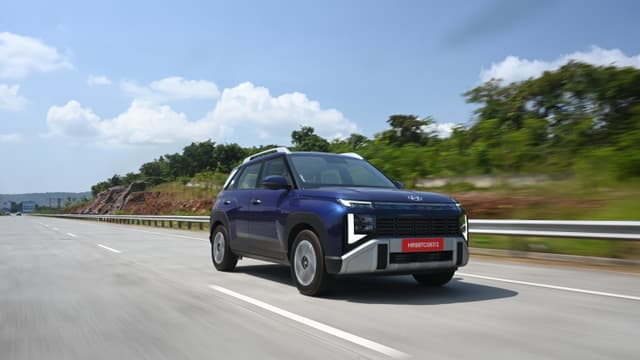
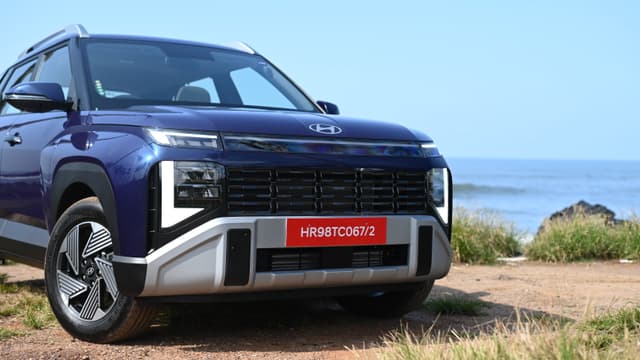
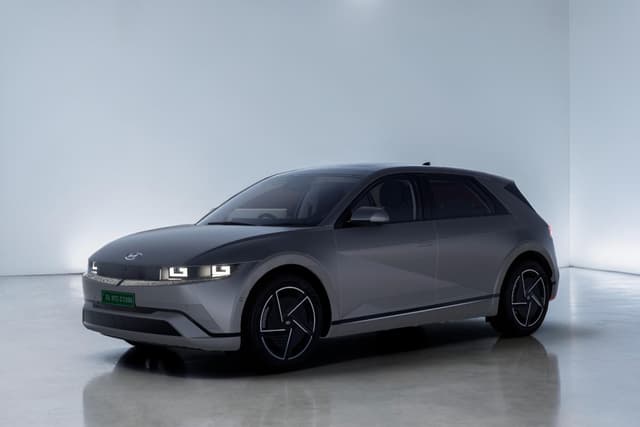
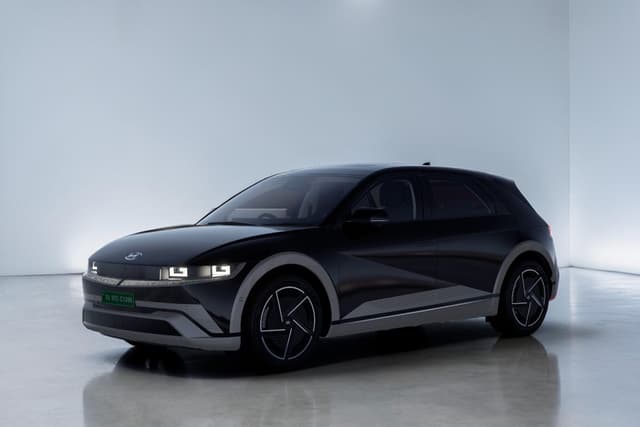
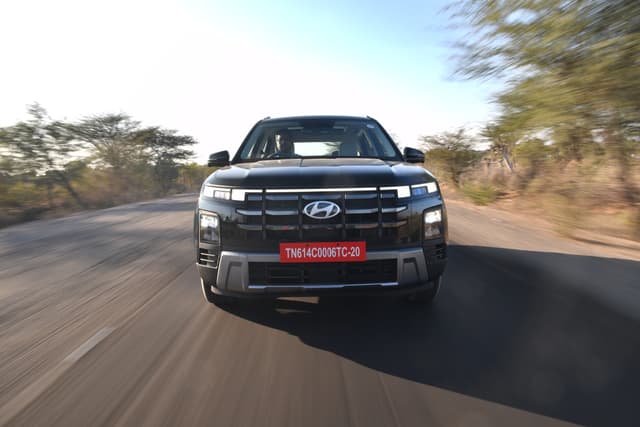
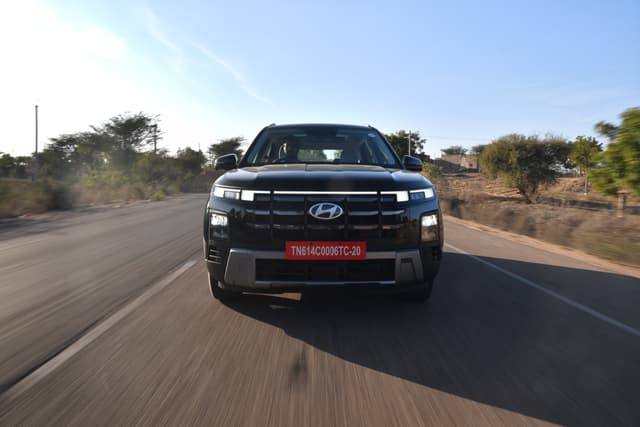
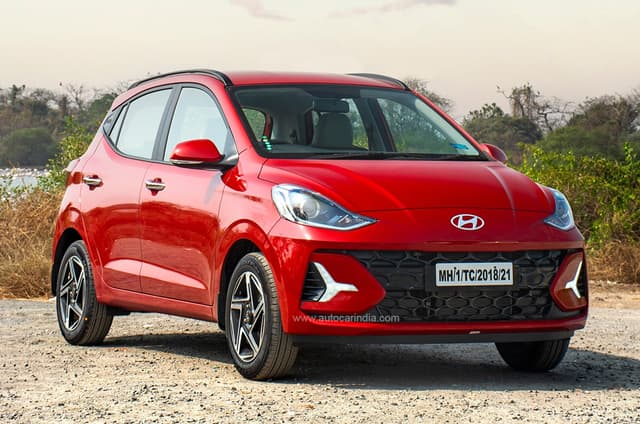
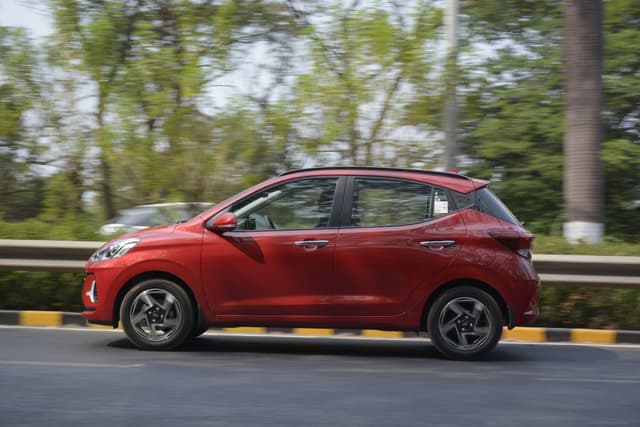
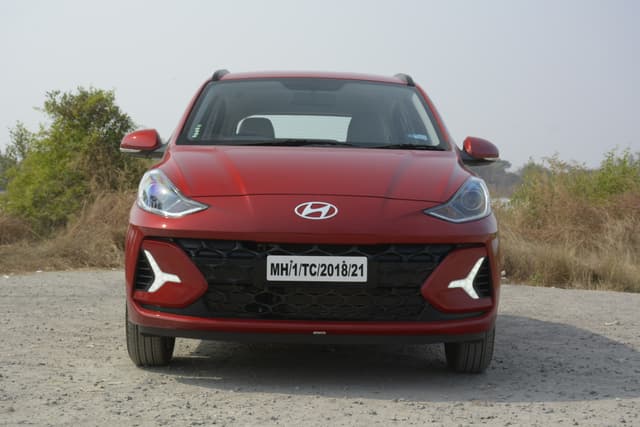
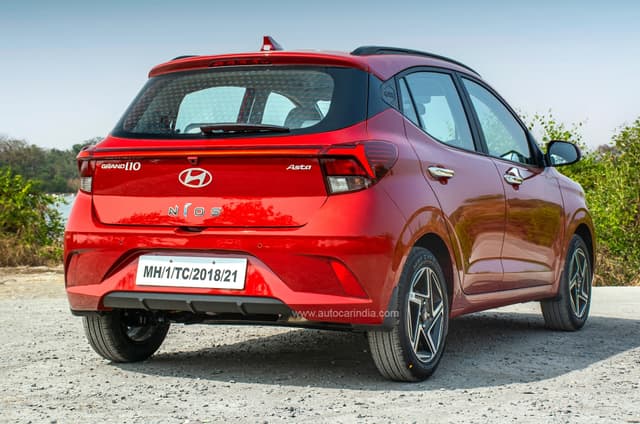
In March 2026, there are currently 12 Hyundai cars in India, out of which 10 are available for sale, and 2 are upcoming. The Hyundai India lineup includes 7 SUV, 2 sedan, 2 hatchback and 1 crossover. The Hyundai car price in India starts at โน5.55 lakh for the Grand i10 Nios, which is also the most affordable Hyundai model in India. The most expensive Hyundai car in India is the Hyundai Ioniq 5, priced from โน46.30 lakh (ex-showroom).
Hyundai has been one of the most popular car brands in India since its entry in late 1998 with the Santro. Hyundai India has two manufacturing plants, both located near Chennai, with a third plant in Talegaon opening shortly. Most of the Hyundai cars are made in India. Hyundai currently has close to 1,400 showrooms and 1,200 service centres across India.
Hyundai Car Price List in India April 2026
Here are the latest Hyundai car prices in India as of April 2026:
Hyundai Car Model | Price (ex-showroom) |
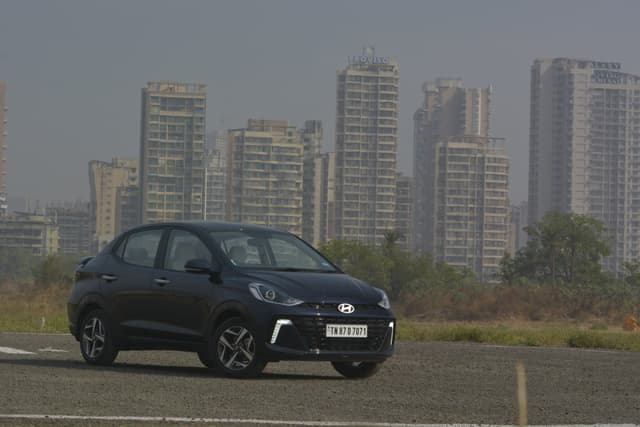
Hyundai Grand i10 Nios | โน5.55 lakh - โน7.92 lakh |
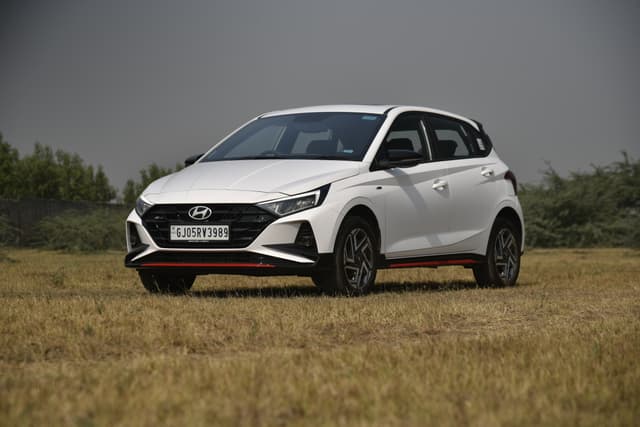
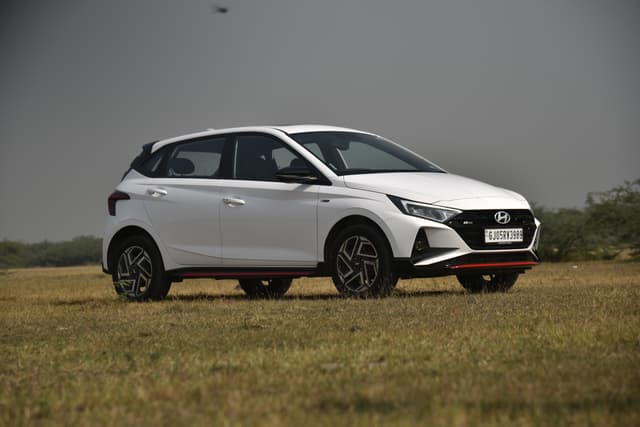
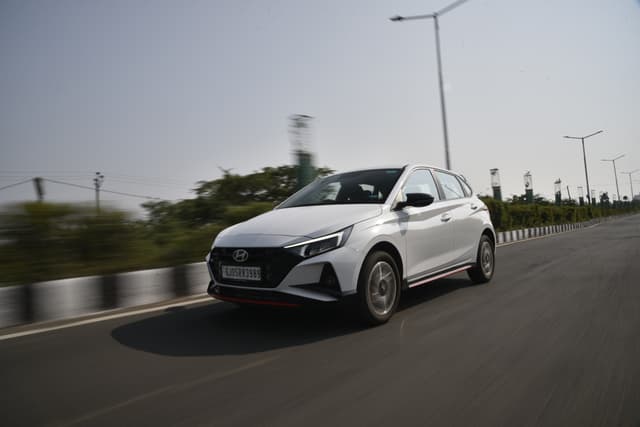
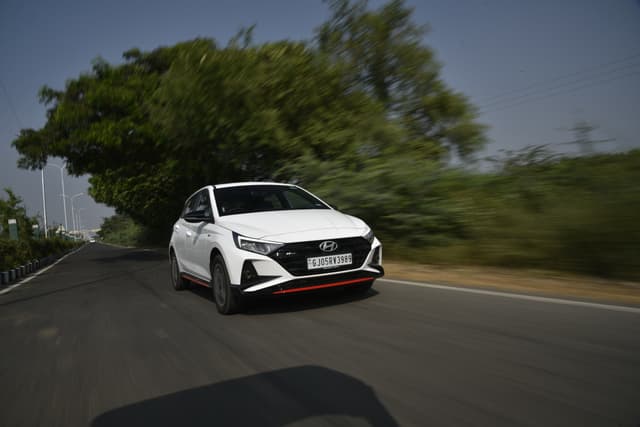
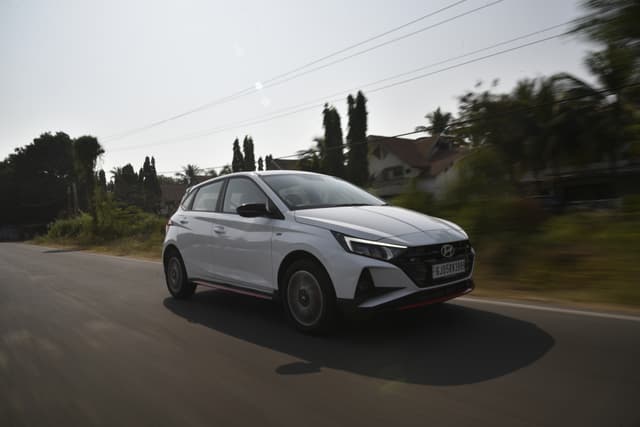
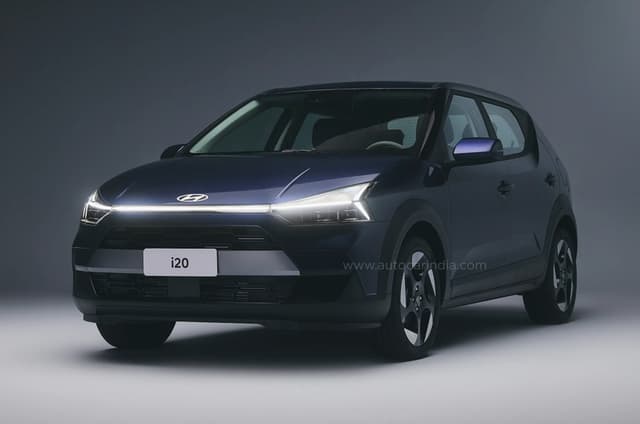
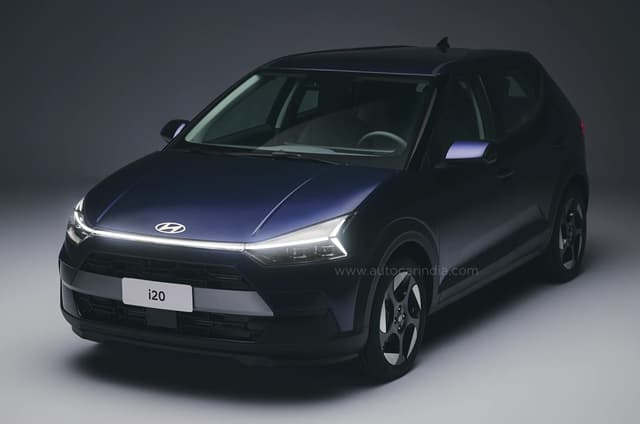
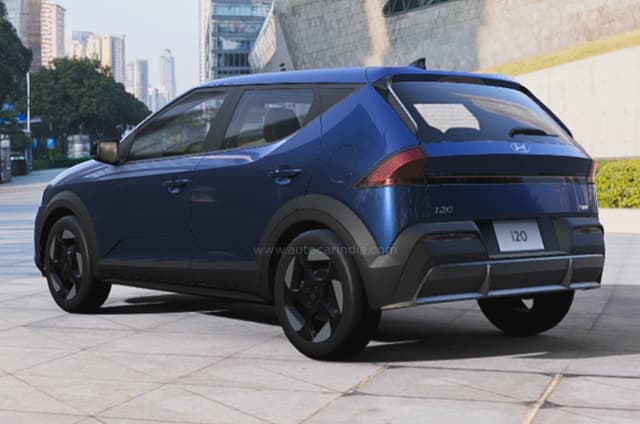
Hyundai i20 | โน5.99 lakh - โน11.53 lakh |
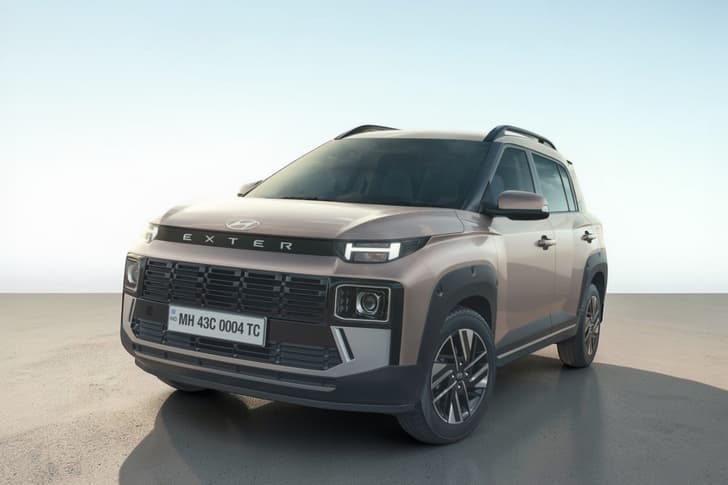
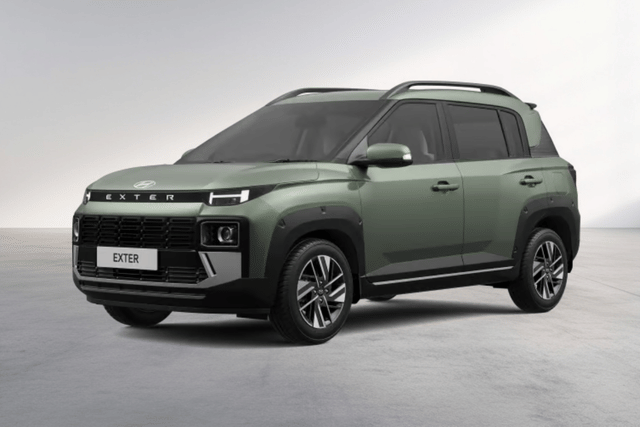
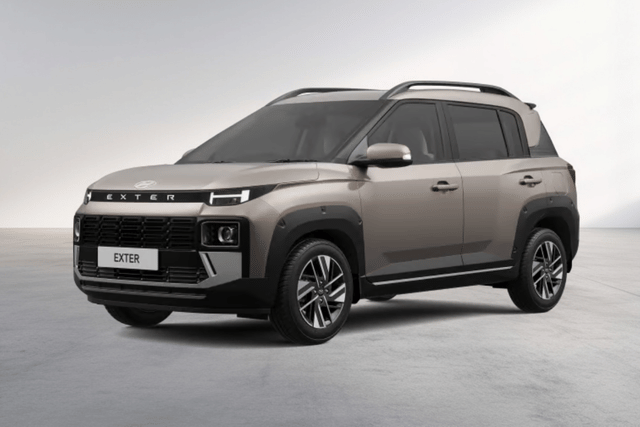
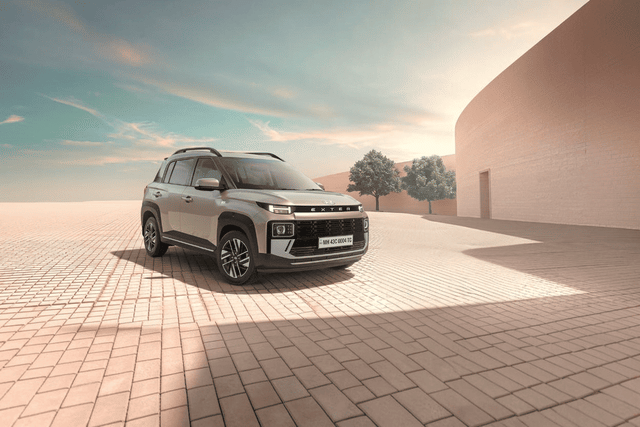
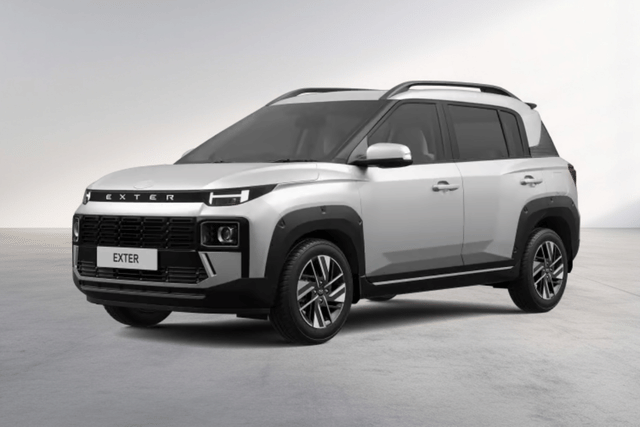
Hyundai Exter | โน5.80 lakh - โน9.42 Lakh |
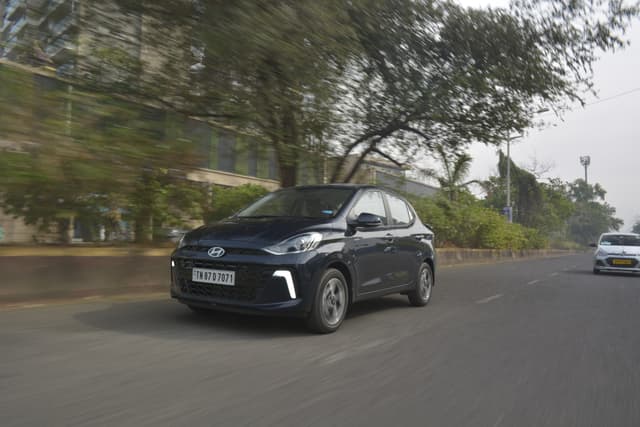
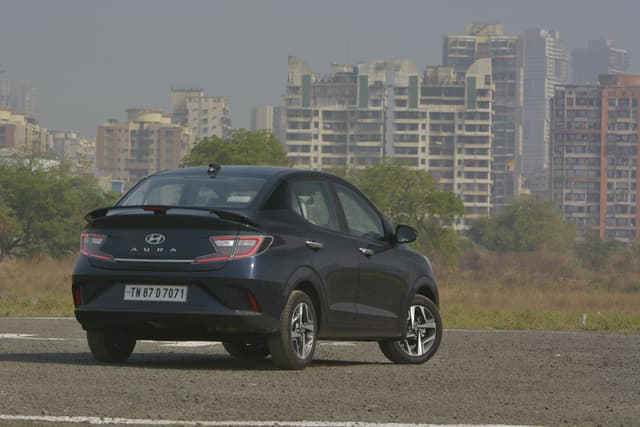
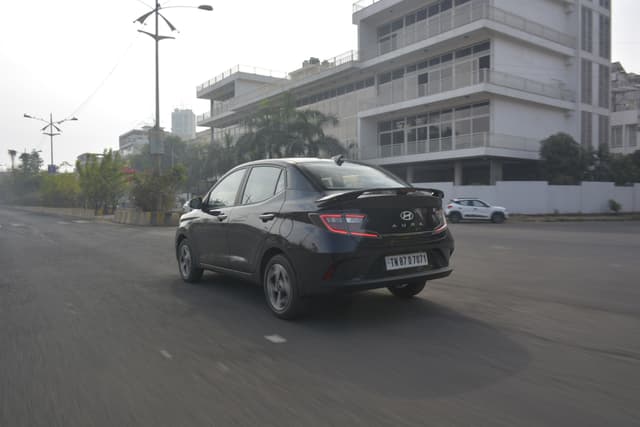
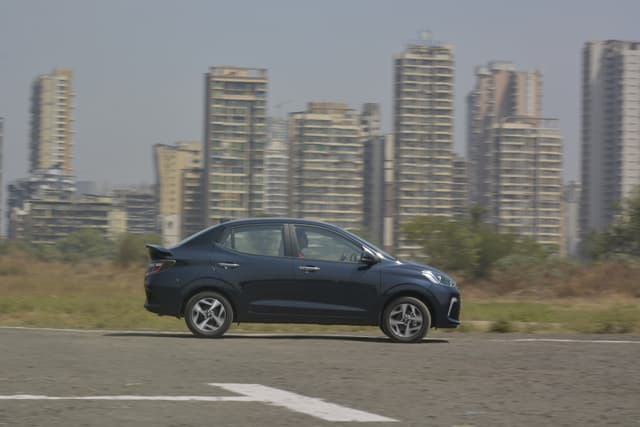
Hyundai Aura | โน6.00 lakh - โน8.54 lakh |
Hyundai Venue | โน8.00 lakh - โน15.51 lakh |
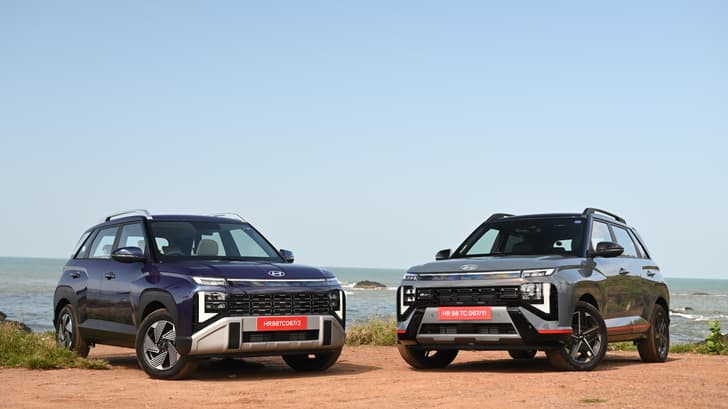
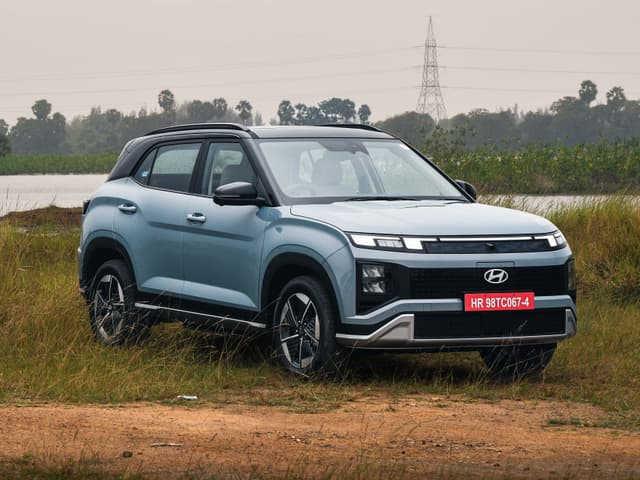
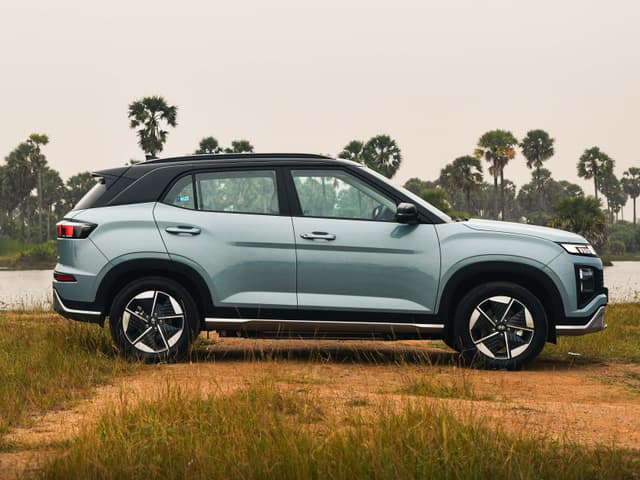
Hyundai Creta | โน10.79 lakh - โน20.05 lakh |
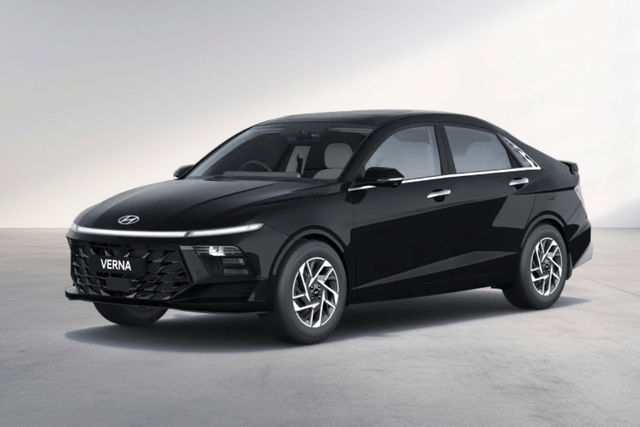
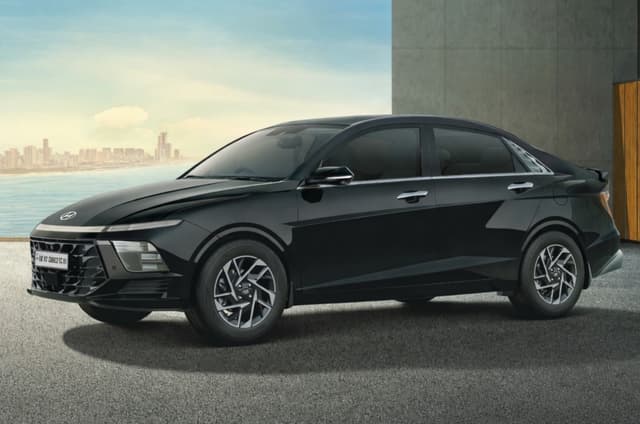
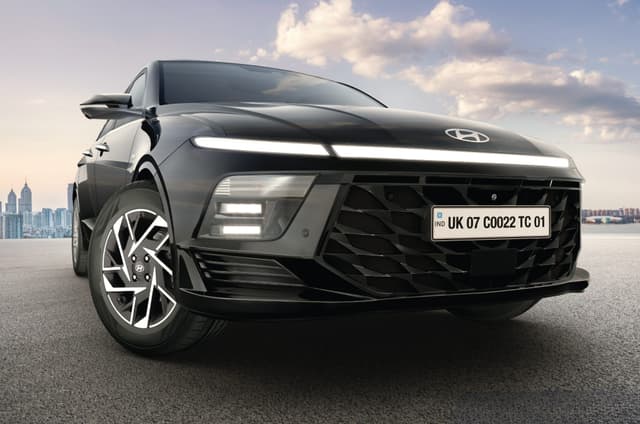
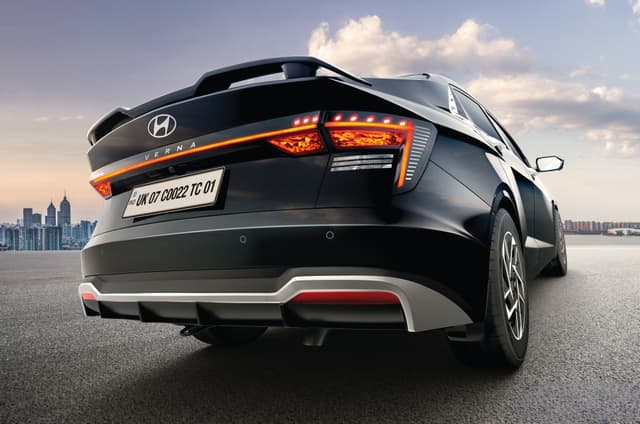
Hyundai Verna | โน10.98 lakh - โน18.25 lakh |
Hyundai Alcazar | โน14.50 lakh - โน21.06 lakh |
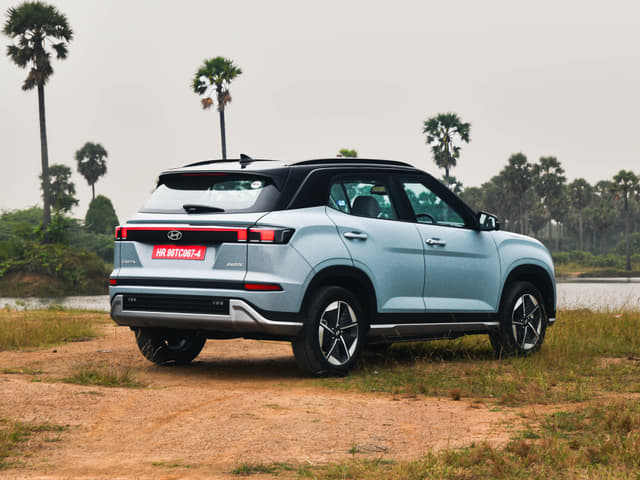
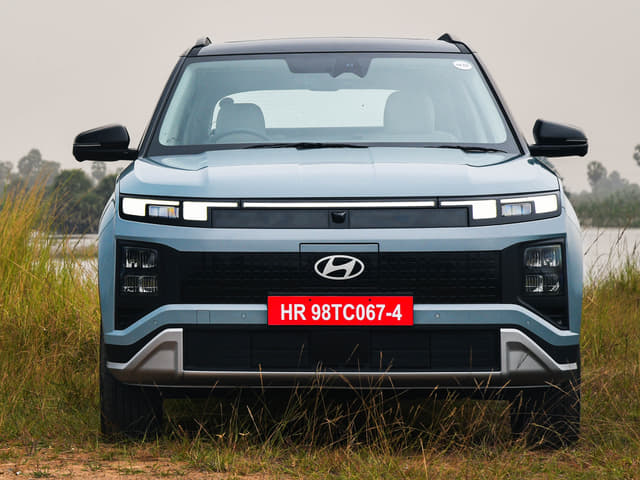
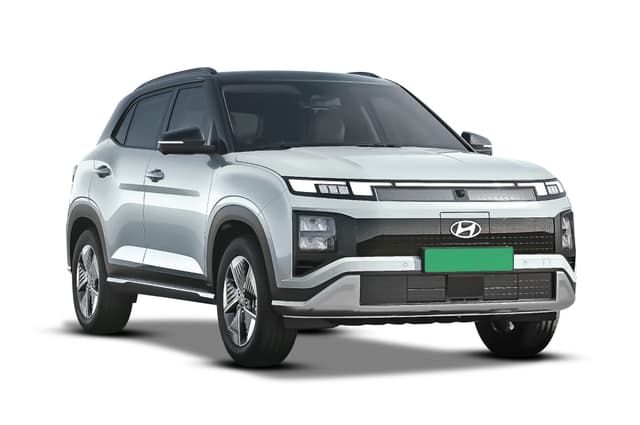
Hyundai Creta Electric | โน18.02 lakh - โน23.82 lakh |
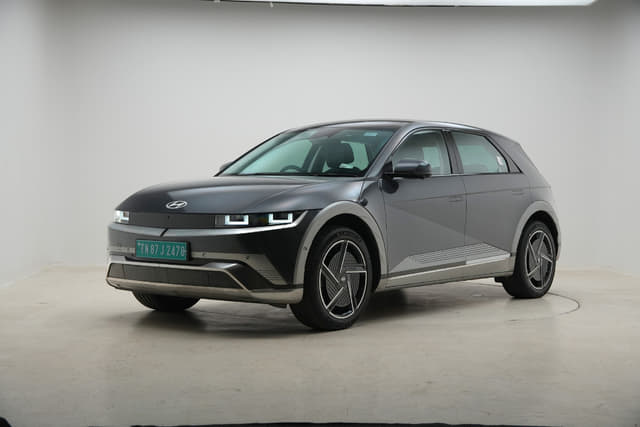
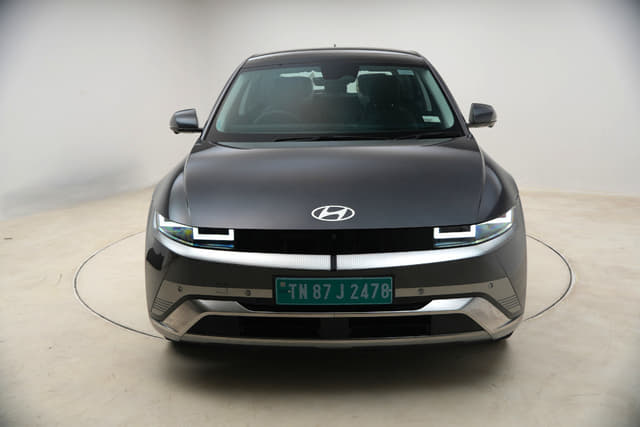
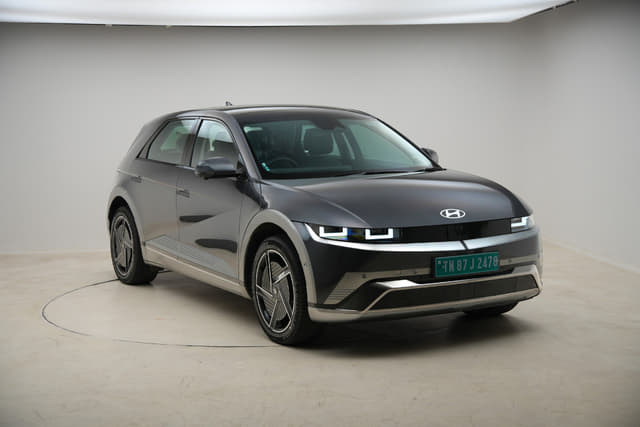
Hyundai Ioniq 5 | โน46.30 lakh |
Upcoming Hyundai Cars April 2026
Explore the list of upcoming Hyundai cars set to launch in India:
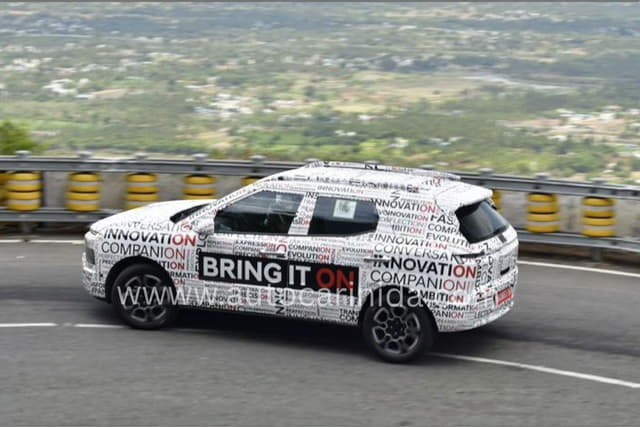
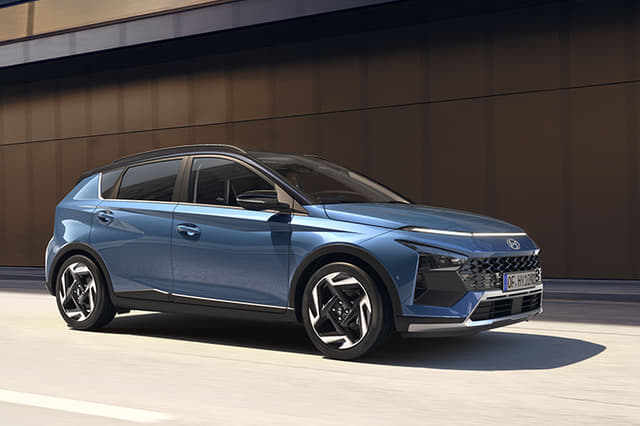
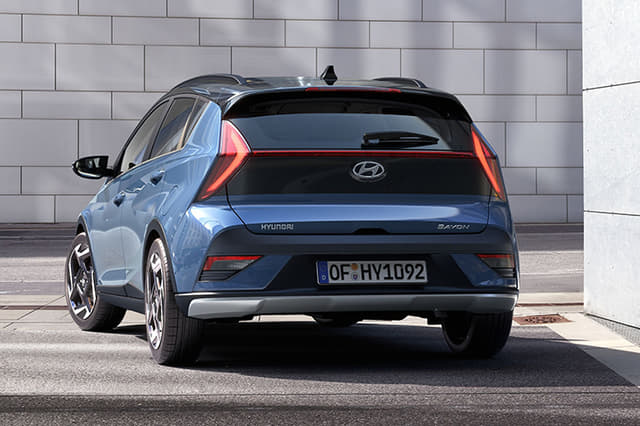
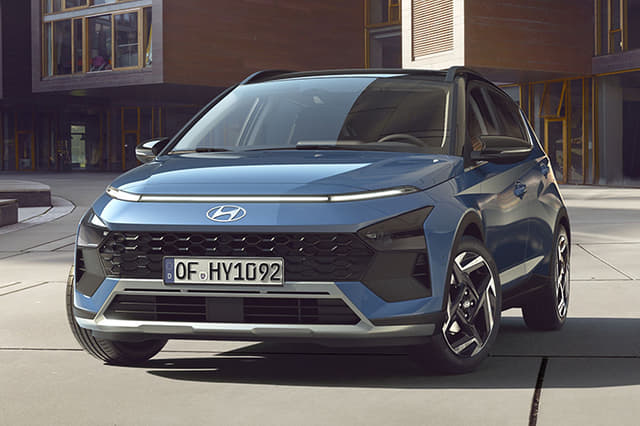
- Hyundai Bayon
- Expected Launch: Late 2026
- Estimated Price: โน8.00 lakh - โน15.00 lakh
- Fuel Type: Petrol
- Hyundai New Creta
- Expected Launch: 2027
- Estimated Price: โน11.30 lakh - โน20.50 lakh
- Fuel Type: Petrol
Hyundai Electric Cars in India
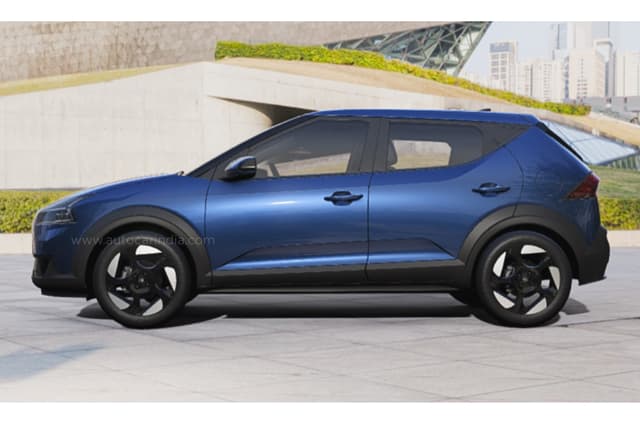
The Hyundai electric car price starts at 18.02 lakh for the Creta Electric and goes up to 46.30 lakh for Ioniq 5 (ex-showroom). The brand has plans to launch more electric cars in India, which could include an entry-level electric hatchback and also the Hyundai Ioniq 6 in the future.
Hyundai India Latest Updates April 2026
- April 2, 2026: Hyundai unveils its Boulder SUV concept at the 2026 New York International Auto Show.
- April 1, 2026: Hyundai position drops to fourth whereas Maruti retains its top position.
- 30 March 2026: The Hyundai Venue scores a 5-star safety rating in Bharat NCAP.
- March 9, 2026: 2026 Hyundai Verna launched at โน10.98 lakh with Boss mode, 360-degree camera and 7 airbags.
- January 12, 2026: Hyundai has unveiled the Staria Electric, its largest EV yet, with a claimed range of up to 400 km, a nine-seat layout, and 800V fast-charging capability.
- December 15, 2025: Hyundaiโs 2026 India roadmap includes facelifts for the Verna, Exter and Ioniq 5, along with the launch of the new Bayon crossover.
- November 11, 2025: Hyundai discontinues the Tucson SUV in India.
Hyundai Car Models in India
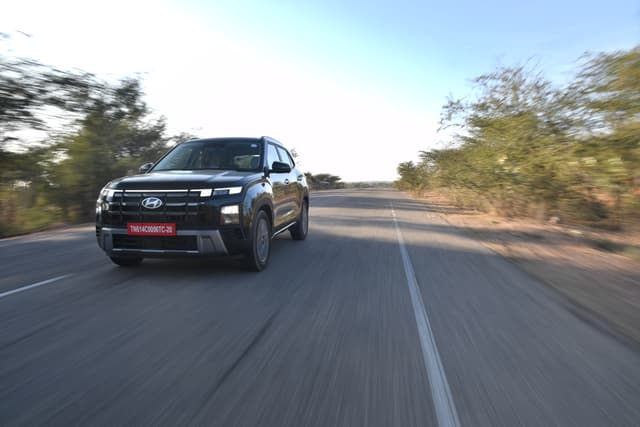
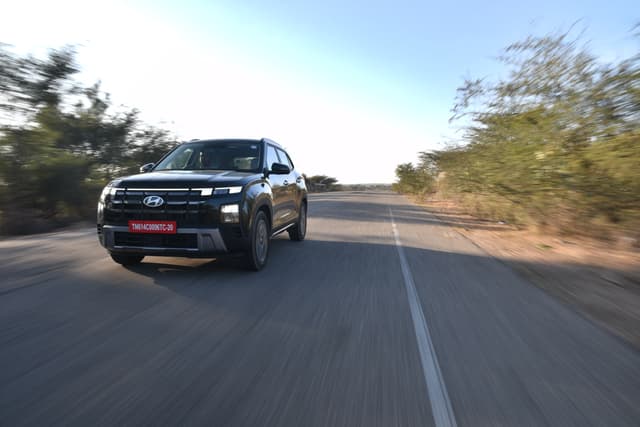
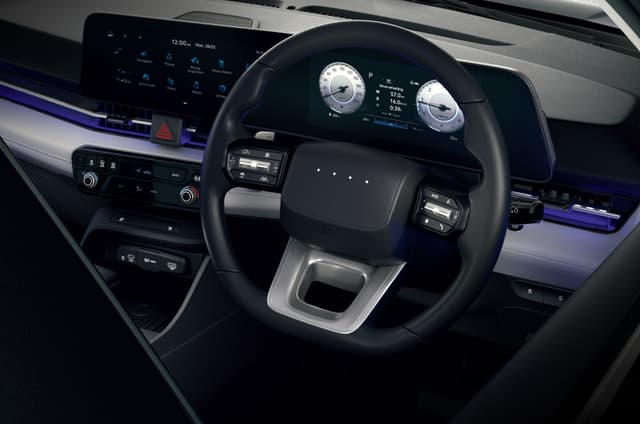
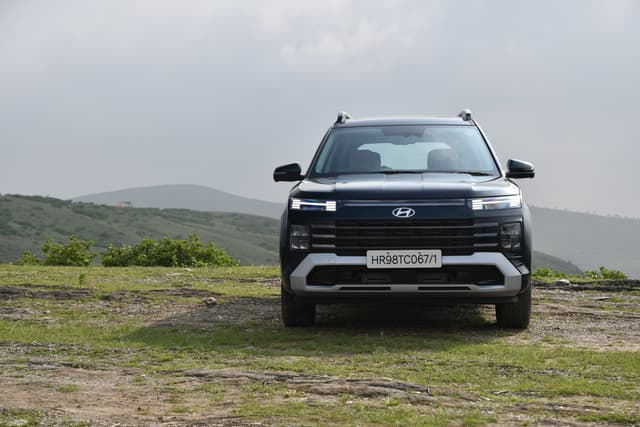
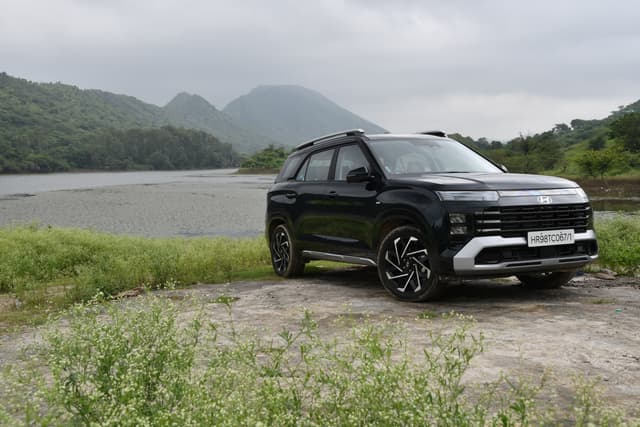
Hyundai cars in India are available with petrol, petrol-CNG, diesel and electric powertrains. Hyundai does not have an MPV in its line-up, unlike sister-brand Kia, which sells the Carens and the Carens Clavis. Hyundai Indiaโs SUV line-up consists of the Exter, Venue, Creta, Ioniq 5, Creta Electric, and the Alcazar. Models like the Hyundai i20, Creta, and the Verna are some of the popular Hyundai cars sold in India.
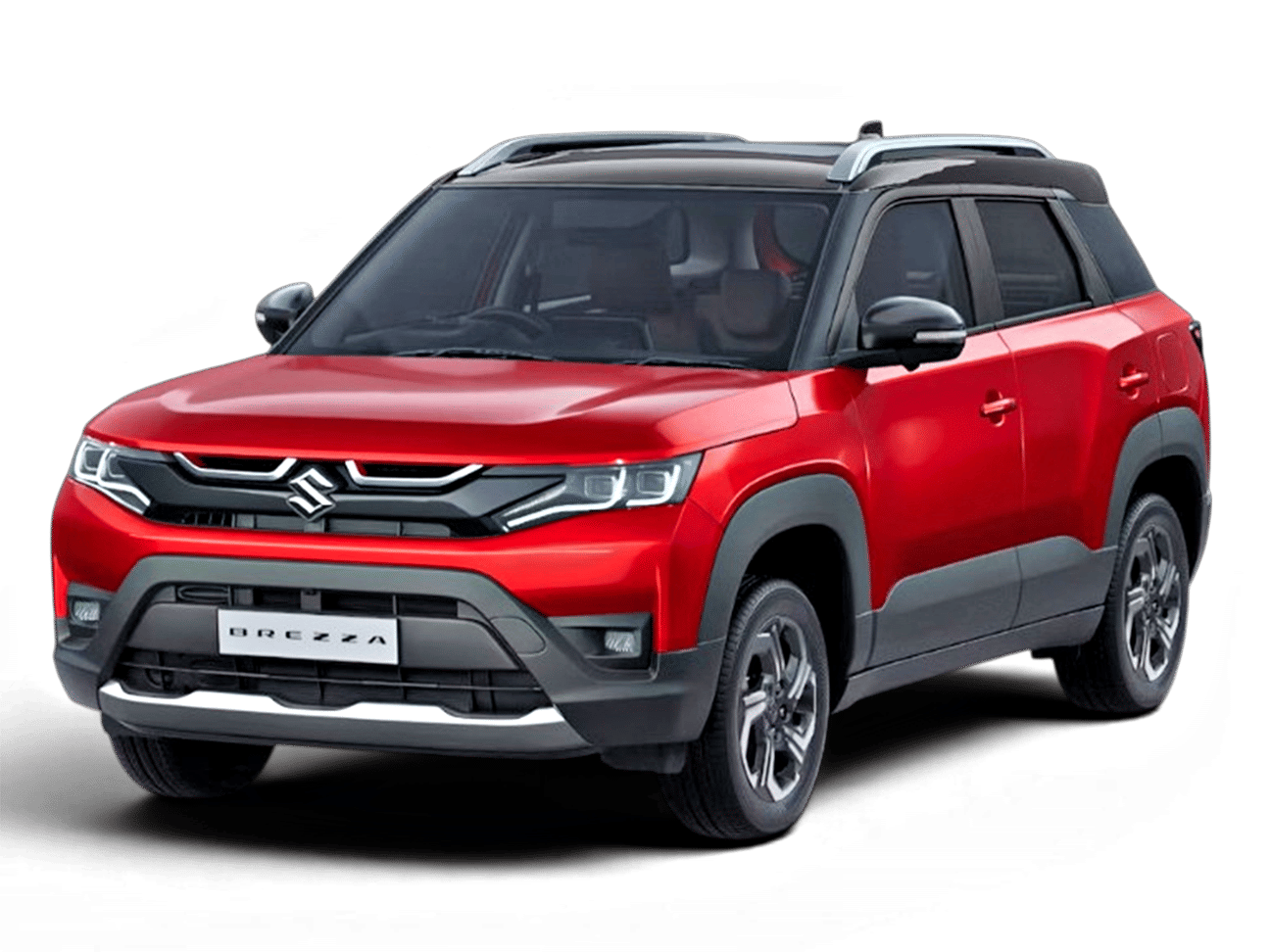
Hyundai Exter price starts at โน5.80 lakh, making it the most affordable Hyundai SUV in India. The Exter rivals the likes of the Tata Punch and the Citroen C3. The Venue compact SUV takes on the Mahindra XUV 3XO, Tata Nexon, Kia Syros and Sonet, and the Maruti Brezza.
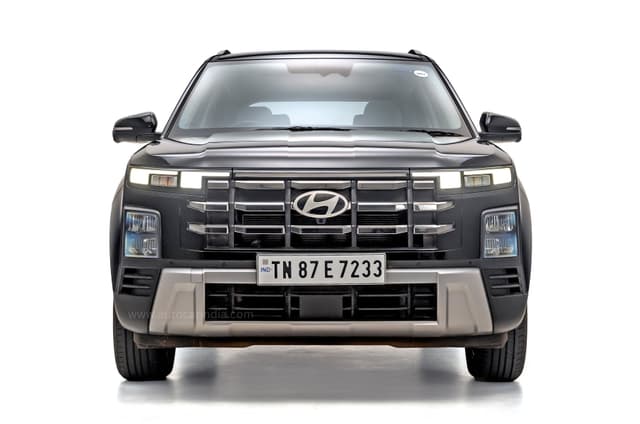
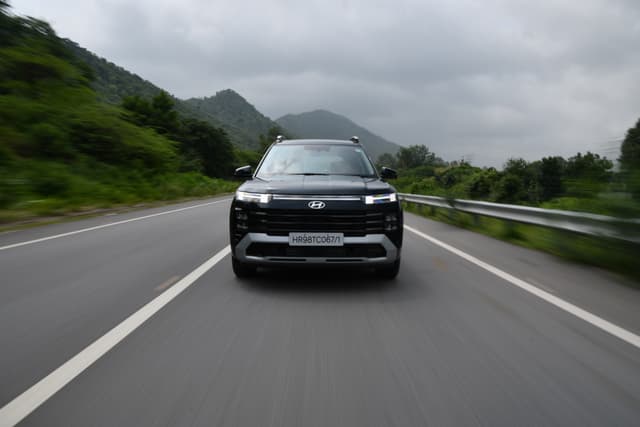
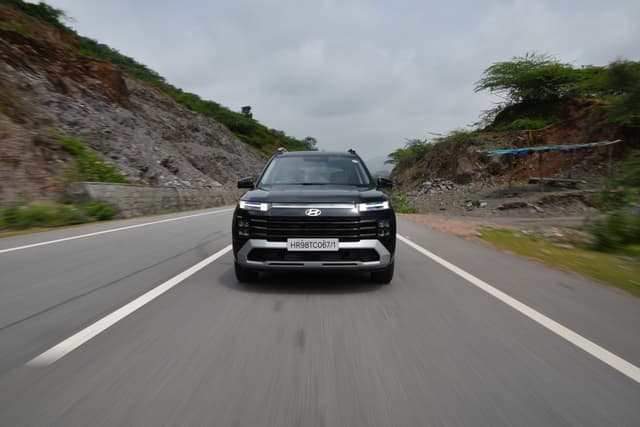
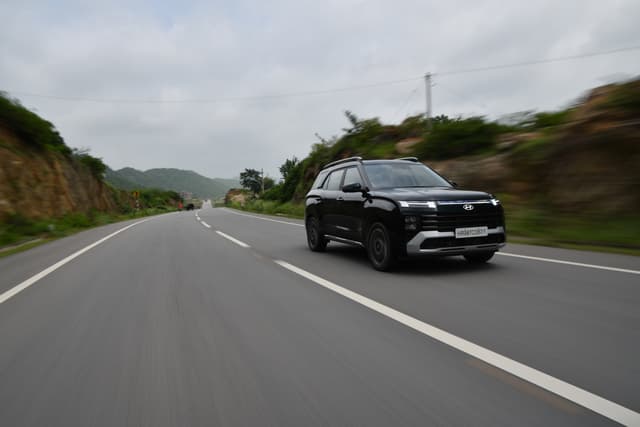
The most popular SUV in India, the Hyundai Creta, is the segment leader that rivals SUVs like the Kia Seltos, Maruti Grand Vitara, Toyota Hyryder and the Mahindra XUV700. The Alcazar is Hyundaiโs three-row SUV based on the Creta that rivals the Hector Plus and the Mahindra Scorpio N in our market.
FAQs
Hyundai India sells 10 models in India. Popular models include the Creta, Exter, Venue, Alcazar, Tucson, i20, and Verna.
The Hyundai car price in India starts at โน5.55 lakh for the Grand i10 Nios and goes up to โน46.30 lakh for the Hyundai Ioniq 5 (ex-showroom).
The Hyundai Grand i10 Nios is the most affordable Hyundai car in India, priced at โน5.55 lakh (ex-showroom).
The Hyundai Ioniq 5 electric SUV is currently the most expensive Hyundai model in India, priced from โน46.30 lakh (ex-showroom).
Hyundai India currently offers the Creta Electric and the Ioniq 5. More electric models like the Ioniq 6 and an entry-level EV are expected in the future.
The list of upcoming Hyundai cars in India for 2026 includes a facelift for the Exter, along with the debut of the Bayon SUV and new Creta.
Trending Questions on Hyundai Cars - Answered by Autocar Experts
Kumaravelu N
โข3hI have been driving a Volkswagen Vento 1.2 TSI DSG for the past 7 years. It is a true driverโs car and feels very safe. However, my only concern is the high maintenance and spare parts cost. I am planning to move to a compact SUV. Please suggest a similar automatic car under โน15 lakh with lower maintenance costs.

Autocar India
With a budget of โน15 lakh, consider the Skoda Kushaq Classic+ 1.0-litre turbo-petrol mated to the new 8-speed automatic transmission. With this Skoda car, you'll get a similar solid and secure feel, as well as confident driving manners, similar to your outgoing Vento. The turbo-petrol is peppy, and the smooth 8-speed torque converter complements it nicely. Also, compared to the sub-4-meter cars you'll otherwise get at this price, the Kushaq Classic+ will give you more cabin and boot space, which as a Vento owner, you might appreciate. With heavier localisation, Skoda's maintenance costs have reduced over time, so ownership cost is likely to be lower.If you're keen on getting a sub-4-meter compact SUV, consider the Skoda Kylaq and Hyundai Venue, both of which are enjoyable to drive (although the Kylaq has an edge), and should be easy on your pocket too.
Peter
โข17hWith the diesel automatic becoming more affordable, should I go for Kia Syros HTK+ or Hyundai Venue HX8?

Autocar India
Even though it shares its platform with the new Hyundai Venue, the packaging of Kia Syros puts it in a league of its own. Despite its sub-4-meter footprint, cabin space can easily match cars from higher segments. Its rear seats slide and recline to help free up more passenger space or boot space. Additionally, its interior quality and fit-finish is class-best, the full-sized panoramic sunroof elevates its appeal further, and its tall-design makes getting in and out very easy. This Kia car design isn't universally appealing, which is one of the reasons behind its low popularity, however if you can look beyond its looks, it is an excellent, well-rounded option in the market today.
Chhaya Vora
โข1dIs the Seltos 2026 automatic petrol IVT worth purchasing for Mumbai traffic? I have heard that the 1.5 IVT lags. My monthly running is 500โ600 km in the city.

Autocar India
Your usage involves low monthly running, mostly city, and heavy traffic. In this scenario, the Seltos IVT works in your favour. This is smooth, creep-friendly and very easy to drive in stop-go conditions. There are no jerks, no clutch fatigue and very light controls, which makes daily driving stress-free. In real-world use, this engine-gearbox combo is known to be refined and well-tuned for everyday driving rather than outright performance.Now about the โlagโ youโve heard. Itโs not exactly lag, itโs typical CVT behaviour. When you accelerate hard, the engine revs rise first and speed builds gradually, which can feel like a delay. But in city driving, where inputs are gentle and speeds are low, this is barely noticeable. This Kia car only feels weak if you expect quick overtakes or sporty response. The upside is that Kia has tuned it well, so the rubber-band effect is limited compared to older CVTs.Compared to alternatives, the turbo petrol DCT version is quicker and more fun, but in Mumbai traffic it can feel jerky and less reliable in long term. The IVT is the safer, smoother and more relaxed choice. Compared to something like a Creta CVT, the experience is very similar, but the Seltos feels a bit more premium inside.
Vishal Raivadera
โข1dI am planning to buy a compact SUV with a budget of around โน20-21 lakh (on-road). I have shortlisted two models: Hyundai Creta 1.5 NA IVT SX (O) / SX Premium and Kia Seltos 1.5 NA IVT HTX. My usage will be mainly daily city driving, with occasional highway trips (around once a quarter). I have already owned a Tata car and do not want to go with Tata again due to post-sales service issues. I also took the test-drive of Toyota Hyryder but did not like its driving experience. In test drives, I preferred the Creta over the Seltos in terms of driving feel. However, I am concerned that the current Creta is based on the K2 platform, which may become outdated after the expected facelift next year, whereas the Seltos is on the newer K3 platform. Given my requirements and concerns, which car would be the better choice for me: the Hyundai Creta 1.5 NA IVT SX (O)/SX Premium or the Kia Seltos 1.5 NA IVT HTX?

Autocar India
With mostly city use, occasional highway drives, and โน20-21 lakh on-road, you are clearly looking for a smooth and stress-free automatic zone. In your case, weโd pick the Hyundai Creta 1.5 IVT. You already liked how the Creta drives, and that matters more in daily life than anything on a spec sheet. The 1.5 petrol with the IVT feels calm in stop-go traffic, and the steering is light, so parking and tight turns are easy. This Hyundai car is a touch softer than the Seltos, which takes the edge off bad roads and will keep you fresher after long city days. Hyundaiโs service network is also wider, which should ease your worry after a poor Tata experience.While the K3 is a notable upgrade on the K2, bringing larger dimensions, improved structural rigidity and more features, it doesnโt matter if you donโt like how it drives.Two things to note with the Creta IVT: it is not very quick, so fast highway overtakes with a full load need a firmer press of the accelerator and a bit of planning. If you prefer a slightly sportier feel and a few extra features at this price, the Seltos 1.5 IVT HTX is a solid pick. But since you prefer the way the Creta drives, itโs the better choice for you.
BM
โข1dHi. I'm looking for a new car in the range of 20-25 lakh. My usage is primarily city-based, with an average monthly distance of about 500 km, and I plan to retain the car for around 10 years. I'm leaning towards EVs mainly due to their lower running cost, lower maintenance costs, smoother ride quality, lower exposure to fuel price fluctuations, and being the technology for the future. I can have home charging installed, and I rarely go on long road trips. Given my usage conditions, should I go for an EV instead of a regular petrol car? If yes, which car would be best suited for my needs?

Autocar India
Given your usage, an EV makes strong sense, and the Hyundai Creta Electric is a great fit. In our real-world test, the long-range 51kWh battery managed a combined 432km, which almost covers your monthly usage, so you would only need to plug in at home every couple of weeks. In city traffic, it is very smooth and quiet, with a strong pull at low speeds, so gaps are easy and you wonโt feel gear shifts. Over 10 years, the simpler EV hardware means fewer routine services, and you are less exposed to fuel price swings. Most electric cars also come with a long battery warranty, which helps give peace of mind.A few trade-offs to keep in mind. At 500 km a month, the money you save on running will add up slowly, so buy it mainly for the smooth drive and ease of use. For the rare long trip, you will need to plan charging stops, but the Creta Electric can charge at up to 100kW, which makes quick top-ups easy.If you want a bit more space, the Kia Carens Clavis EV is a solid alternative in your range. Overall, for your city-heavy routine with home charging, the Creta Electric lines up best.
Palash
โข2dHelp me choose a car within โน14 lakh. I am looking for an automatic. My running will be around 1,000 km a month, with 60% city traffic and 40% highway usage.

Autocar India
The Hyundai i20 Asta (O) IVT fits you best. The IVT is Hyundai's CVT automatic that feels very smooth in traffic, and the i20 is easy to place in tight gaps on your city commutes. On the highway, it remains stable at speed and accelerates smoothly when you press the pedal, so overtaking doesn't take much effort. For 1,000 km a month, a petrol automatic like this Hyundai car makes sense as your running costs will not be too high. The cabin feels solid, the seats are comfortable for long stints, and the suspension handles rough patches without tossing you around. Two trade-offs to note: it is not a tall car, so you will need to slow down over large speed breakers or rough roads and the IVT is tuned for smoothness rather than sudden sprints or efficiency. If you want a taller car in the same budget, consider the Nissan Magnite Turbo CVT or the Hyundai Venue Turbo DCT.
Gopinath
โข2dI am a beginner driver living in Ooty, a hill station, and looking to buy a new car with a budget of around โน10 lakh. Should I choose a sedan or an SUV? Which brand and model would be suitable?

Autocar India
The Tata Punch or Hyundai Exter are the best starting points. Driving in Ooty means narrow roads, steep inclines, tight turns and unpredictable surfaces. You need good ground clearance, clear visibility and a forgiving driving nature. A compact SUV gives you that confidence, especially as a beginner. The higher seating helps you judge the road better, and you donโt have to worry about scraping on slopes or rough patches. Cars like the Punch and Exter are also compact, making them easy to maneuver on hill roads and in tight parking spots.Between the two, the Punch feels tougher and more planted, which helps on broken roads and provides more confidence on ghats. The Exter is easier to drive, lighter controls and smoother petrol engine make it less stressful for a new driver, especially in stop-start hill traffic. Both are well within your budget band and are among the most practical choices under โน10 lakh.
Rajneesh
โข3dHi, I have been using a Wagon R CNG for the past 4 years and now want to upgrade. My daily running is approximately 40 km in the city, along with around 400 km of outstation driving per month. Please suggest.

Autocar India
With 40 km a day in the city and about 400 km outside each month, you drive around 1,600 km monthly, so staying with CNG makes sense for low running cost. In that use, the Maruti Baleno S-CNG mid variant (Delta) is the best step up from your Wagon R because it feels more solid on the highway, is calmer at 80-100 km/h, and is still easy to drive and park in the city.You will feel a clear jump in comfort and seat support on bad roads compared to your Wagon R. The steering is light for traffic but steadier on faster roads, so long drives feel less tiring. You also keep the Maruti service network you already know, and the CNG running cost stays close to what you are used to.A couple of things to note. The CNG tank eats into the boot, so big suitcases will need some planning. Also, CNG is only with a manual, so if you wanted an automatic for traffic, you would need to pick a petrol automatic instead and accept higher fuel cost.If you want a taller car and do more family trips, look at the Maruti Suzuki Brezza S-CNG VXi. It rides better on bad roads, the back seat is roomier, and it feels more relaxed on highways, but again the boot is smaller and it is manual only. If you prefer a compact footprint with a higher driving position, the Hyundai Exter CNG is a good city-friendly choice and it comes with a dual CNG tank setup that's below the boot floor giving you a very useable boot. Overall, for your mix of city use and monthly trips, the Baleno S-CNG lines up best with what you described. Trim availability can change, so do confirm the exact variant at the dealer.
Abhishek
โข3dI own a 2018 Maruti Swift ZXi petrol manual. We are a family of four, with a 20 km daily city drive and occasional highway trips every 3-4 months. I have no issues with my current car. Should I upgrade to a mid-size SUV now or wait? Also, should I sell the Swift or keep it? My budget for a new car is Rs 15-20 lakh.

Autocar India
Your daily 20 km city drive and occasional highway trips are exactly what the Maruti Suzuki Swift does well. It is easy, efficient and already familiar to you, and since you are not facing any real limitation, moving to a mid-size SUV right now will feel more like a lifestyle upgrade than a necessity. You will gain space, comfort and a higher driving position with options like the Hyundai Creta or Kia Seltos, but in your current usage, the difference in day-to-day practicality will not be dramatic.Waiting also works in your favour. Your car still has useful life left, and upgrading later means you extract better value from it while also stepping into a newer generation of cars, when the upgrade will feel more meaningful.On the question of selling versus retaining, the approach is simple. If you upgrade later, sell the Swift while it still holds good value. If you upgrade now, keep it only if you genuinely need a second car.
J A Christopher
โข5dAre EVs prone to motion sickness? My daughter feels nauseated even in ICE cars during continuous 40-50 km travel. Will an EV worsen this? Kindly advise.

Autocar India
Motion sickness in cars is usually caused by inconsistent movement, not the fuel type. It happens when the body senses motion, but the eyes do not match it, which is common in stop-and-go driving, frequent braking, body roll or jerky acceleration over longer drives.In petrol cars, this often comes from gear shifts, uneven power delivery and sudden braking, while in electric cars it can come from instant acceleration or strong regenerative braking if driven abruptly. So the root issue is how smooth or jerky the car feels, not whether it is petrol or electric.This is where newer EVs can actually help. Cars like the Hyundai Creta Electric and Kia Carens Clavis EV are among the smoothest to drive, with very linear acceleration, no gear shift shocks and a comfortable ride. Driven gently, they feel far more consistent in their movement compared to their petrol or diesel versions, which can reduce the chances of nausea.Compared to your Fiat Punto Evo, both will feel like a clear upgrade in refinement, ride comfort and overall smoothness.
Last Updated on: 23 Apr 2026