EV SUV or MPV under 30 lakh


Last Updated on: 12 Oct 2026
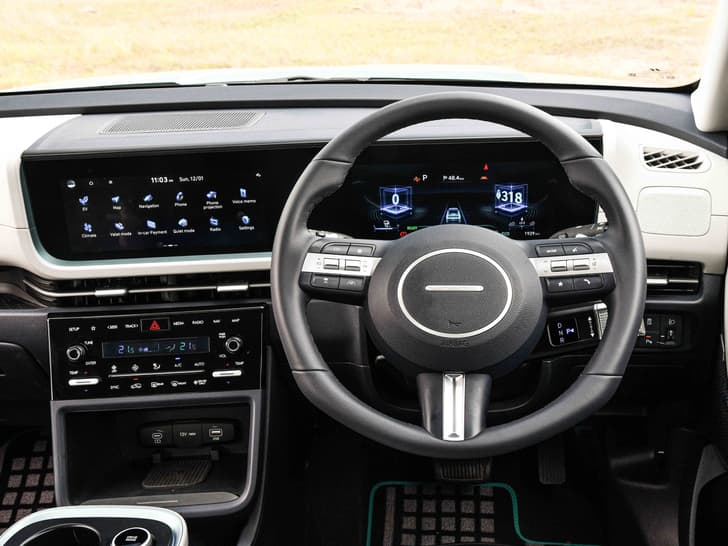
 Electronic Stability ControlFully Digital Digital Instrument ClusterOn-board Satellite NavigationOver the air (OTA) updatesFabric Seat MaterialPanoramic SunroofFront Only Ventilated SeatsLeatherette Seat MaterialRear Window Sun ShadesRear Windscreen Sun ShadeFront & Rear Parking SensorsFabric Seat MaterialWireless Phone ChargingAutomatic Day Night Interior MirrorElectronic Stability ControlAdaptive Cruise ControlVoice Assisted SunroofBose Branded Music SystemElectric Adjust for Driver's SeatSequential Turn IndicatorsLevel 2 ADASHigh Beam AssistPanoramic SunroofBose Branded Music SystemDigital KeyTraction ControlVideo PlayerRear Seat Backrest ReclineAdaptive Cruise ControlPanoramic SunroofHands-free Boot OpeningFabric Seat MaterialPanoramic SunroofSequential Turn IndicatorsElectric Adjust for Driver's Seat
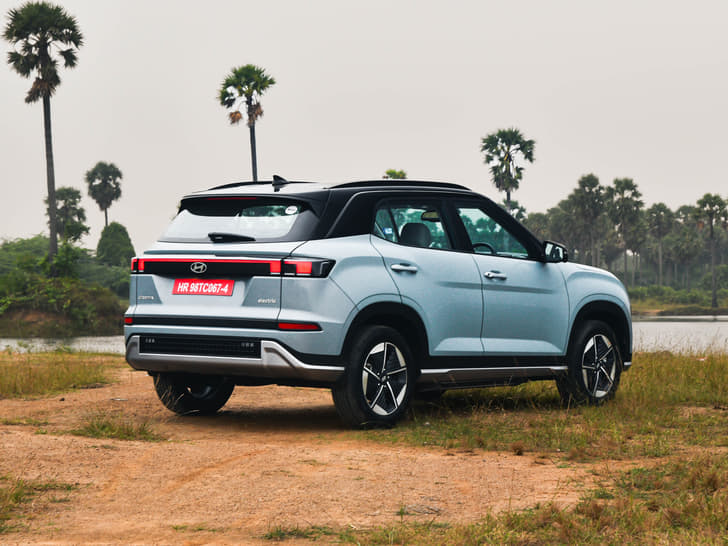
Hyundai Creta Electric Official Brochure
Download the complete brochure with specs, features, and variants.
Join the Discussions

.jpg?w=640&q=75&fm=auto)
.jpg?w=640&q=75&fm=auto)

Hello Autocar Team, I’m planning to buy an EV in November 2026. Please suggest one between the following options: Hyundai Creta Electric 51.2kWh Smart (O) and Tata Nexon EV Empowered Plus

 Hyundai Creta ElectricTata Nexon EVKia Syros EV
I am based in Navi Mumbai and am planning to buy an electric SUV or MPV. My daily commute is around 25km, while I typically drive 200km on weekends. I currently own a 2017 Hyundai Creta 1.6 diesel manual and have test-driven the Hyundai Creta Electric, BYD eMax 7 and Kia Carens Clavis EV. With a budget of Rs 30 lakh, which 6-seater electric SUV or MPV would be suitable for long-term ownership? I am also concerned about BYD's after-sales service and would like to understand how it compares with the other options in terms of service support and long-term reliability.
Kia Carens Clavis EVHyundai Creta ElectricBYD eMax 7I usually travel around 3,000km a month. My Skoda Slavia 1.0 top-end variant has already covered 63,000km in one year and 10 months. I am now planning to shift to an EV. My running includes two outstation trips every month, along with daily travel of around 100km. On weekends, I typically travel 150-200 km. My budget is around Rs 20 lakh. Which EV would suit my needs best? Kindly suggest.
Hyundai Creta ElectricI am looking to buy the top-spec Punch EV, but I am willing to wait for Hyundai's upcoming compact EV if it is priced in a similar bracket. Is it worth waiting, or is the Hyundai likely to exceed the Rs 15 lakh price bracket?
Tata Punch EVTata Nexon EVHyundai Creta ElectricKia Syros EVMahindra XUV 3XO EVI have a 2021 Nexon EV and am planning to replace it with a Creta EV. Hyundai is charging Rs. 75,000 for the charger. I already have the Tata charger installed at home, but the kWh capacity of the two chargers is different. Should I use the existing Tata charger for my Creta EV, even if it charges a little slower? Charging speed is not a major concern for me. Or should I buy the new Hyundai charger? Also, what should I do with the charger from my old EV? Is it usually sold separately, removed and taken back by the manufacturer/dealer, or simply left installed for future use?
Hyundai Creta ElectricThe 51.4kWh Hyundai Creta Electric Executive (O) trim is a decently equipped variant worth considering. It's also the most affordable Long Range variant of the Creta EV, with an ARAI-rated 510km range.
Just the top-spec Excellence trim of the Hyundai Creta Electric offers two battery pack options: 42kWh and 51.4kWh.
The V2L feature lets you power appliances like an electric kettle, coffee machine etc and this can come handy during picnics and other recreational events. The 42kWh Premium and Excellence trims, as well as the 51.4kWh Excellence variant offer V2L charging.
Yes, paddle shifters for regenerative braking are offered as standard across Creta EV variants.
The Hyundai Creta Electric gets a rear wireless charger only in the top-spec Excellence variant.