Best EV Hybrid Car Reliable



Last Updated on: 16 Sep 2026
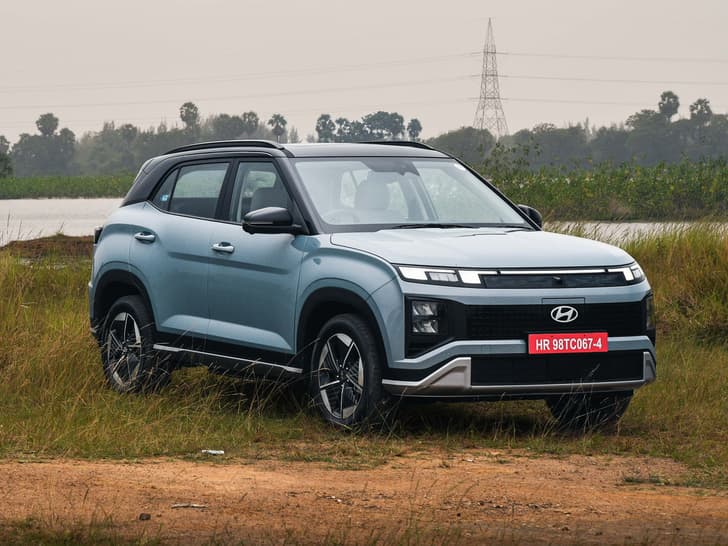
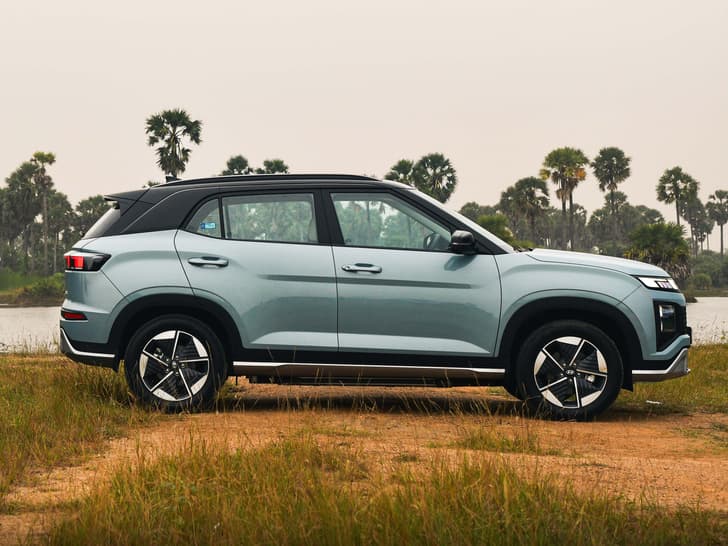
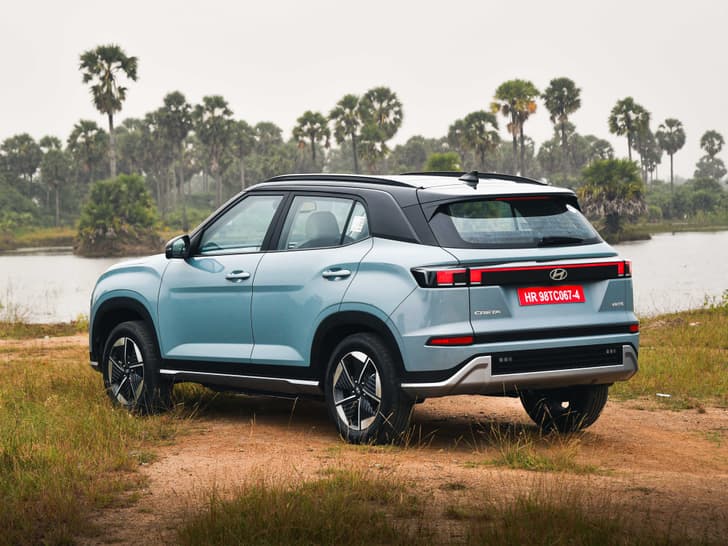
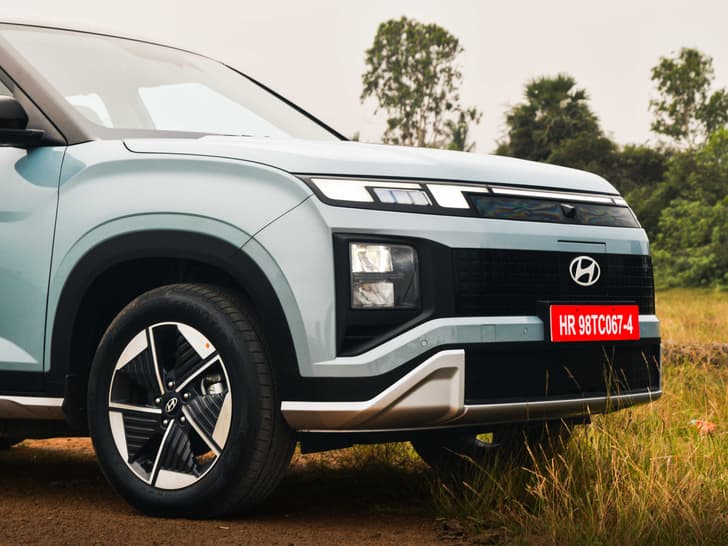
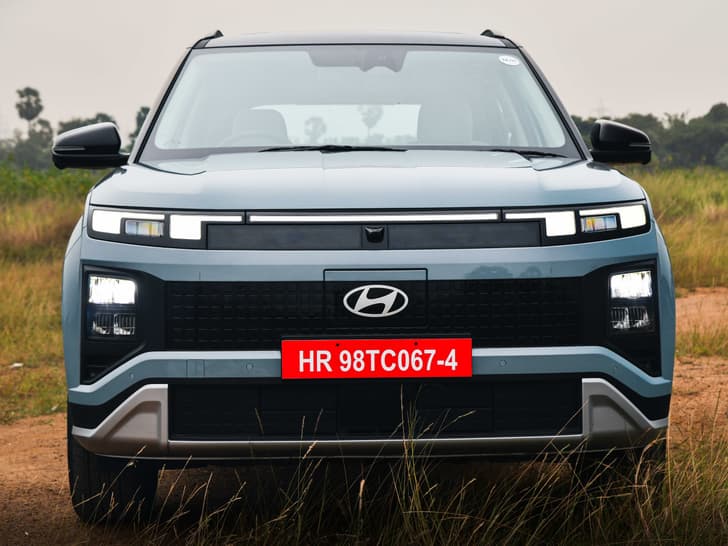
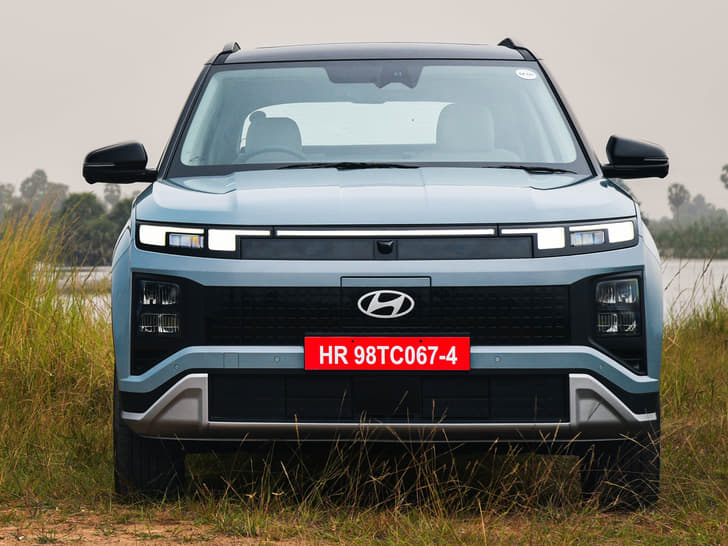
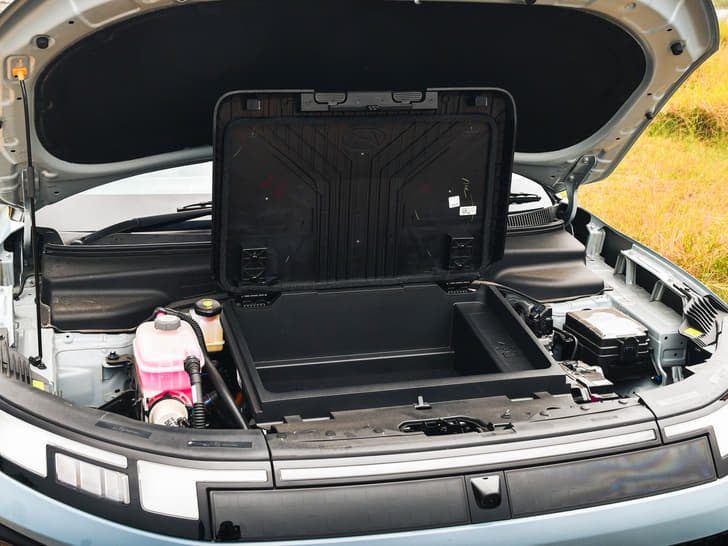
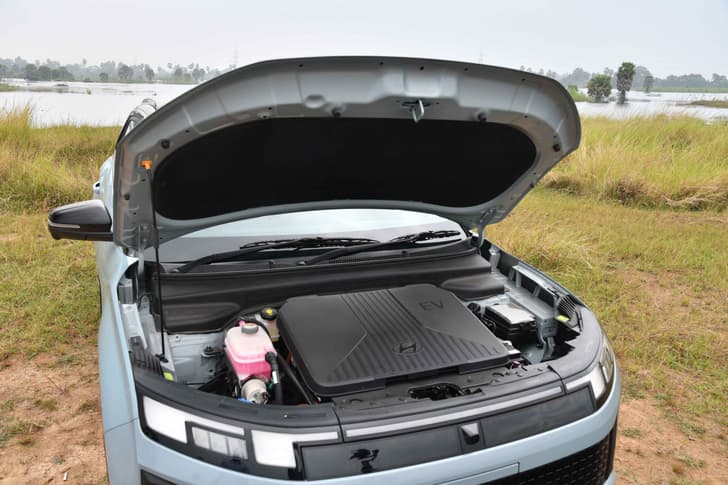
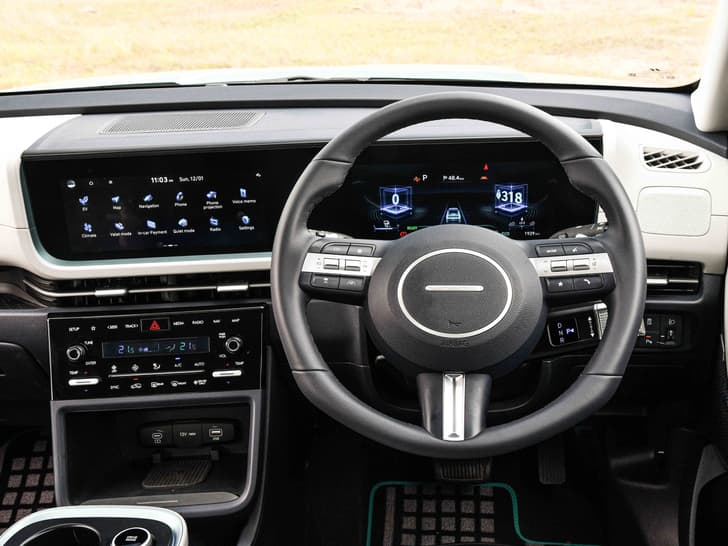
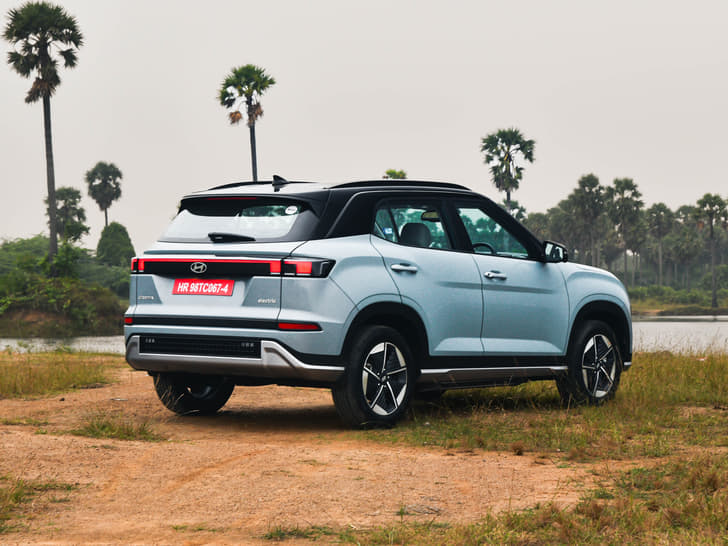
Fuel Type/ Propulsion | Electric |
Motor Type | Permanent magnet synchronous motor |
Number of Motors | 1 |
Pure Electric Driving Mode | Yes |
Gearbox Type | Auto |
Number of Gears | 1 |
Manual Shifts via Gear Lever on Automatic Gearbox | No |
Paddle Shifters for Automatic Gearbox | No |
Sport Mode for Automatic Gearbox | No |
Drive Layout | Front Wheel Drive |
Lockable Differential/s | No |
Max Motor Power | 171hp |
Max Motor Torque | 255Nm |
Terrain Modes | No |
Auto Start/Stop | No |
Battery Capacity | 51.4 |
Charging Time | 4.50hrs 10%-100%(11kW AC)58min 10%-80%(50kW DC) |
Claimed Range | 510 km |
Autocar Tested City Efficiency | 7.0 km |
Autocar Tested Highway Efficiency | 8.8 km |
Autocar Tested EV Range | 406.06 km |
0-100kph | 8.04 s |
20-80kph (in third gear/ kickdown) | 4.55 s |
40-100kph (in fourth gear/ kickdown) | 5.23 s |
Front Suspension Type | Independent, MacPherson Strut |
Front Springs | Coil Springs |
Rear Suspension Type | Non-independent, Torsion Beam |
Rear Springs | Coil Springs |
Damper Control | No |
Ride Height Adjust | No |
Type of Power Assist | Electric |
Steering Adjust type | Manual |
Steering Adjust | Tilt and Telescopic |
4 Wheel Steer | No |
Turning Radius | 5.3 m |
Front Brakes | Disc |
Rear Brakes | Disc |
Wheel Size | 17 inches |
Front Tyre Size | 215/60 R17 |
Rear Tyre Size | 215/60 R17 |
Wheels | Alloys |
Spare Wheel | Full Size |
Length | 4340 mm |
Width | 1790 mm |
Height | 1655 mm |
Wheelbase | 2610 mm |
Ground Clearance | 200 mm |
Chassis Type | Monocoque |
Boot Capacity | 433 litres |
Doors | 5 |
| Rear AC Vents | |
| Power Windows with One Touch-Down | Driver Window Only |
| Cabin Boot Access | |
| Front Passenger Seat Adjust from Rear | Yes (Powered) |
| Powered Tailgate | |
| Foldable Seatback Table |
| Child Safety Lock | |
| Side Airbag | |
| Video Recording | |
| Brake Fade Support | |
| Airbags | 6 |
| Seat Belt Warning |
| ORVM turn indicators | |
| Welcome and Goodbye Animation | |
| Body Coloured Bumpers | |
| Outside rear view mirror (ORVM) | |
| Stop Lamp | |
| Headlight Height Adjuster |
| Speedometer | Digital |
| Distance to Empty | |
| Shift Indicator | |
| Average Speed | |
| Average Fuel Consumption | |
| Tachometer |
| USB Input | |
| Wireless Phone Charging | |
| Web Browser | |
| Voice Commands | |
| Rear Entertainment Screens | |
| Video Player |
| Find My Car | |
| Remote Car Lock/Unlock via App | |
| In Car Payment | |
| Over the air (OTA) updates | |
| Geo Fence | |
| Live Location Sharing |
 Electronic Stability ControlFully Digital Digital Instrument ClusterOn-board Satellite NavigationOver the air (OTA) updatesFabric Seat MaterialPanoramic SunroofFront Only Ventilated SeatsLeatherette Seat MaterialRear Window Sun ShadesRear Windscreen Sun ShadeFront & Rear Parking SensorsWireless Phone ChargingFabric Seat MaterialAutomatic Day Night Interior MirrorElectronic Stability ControlAdaptive Cruise ControlPanoramic SunroofBose Branded Music SystemFront Only Ventilated SeatsSequential Turn IndicatorsLevel 2 ADASHigh Beam AssistFront Passenger Seat Adjust from RearDigital KeyDriver's Seat MemoryTraction ControlVideo PlayerRear Seat Backrest ReclineAdaptive Cruise ControlPanoramic SunroofHands-free Boot OpeningFabric Seat MaterialPanoramic SunroofSequential Turn IndicatorsElectric Adjust for Driver's Seat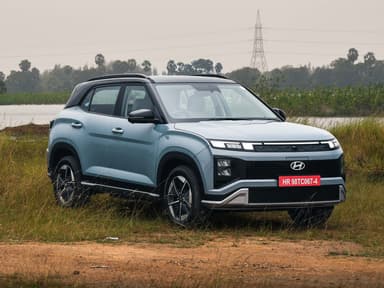
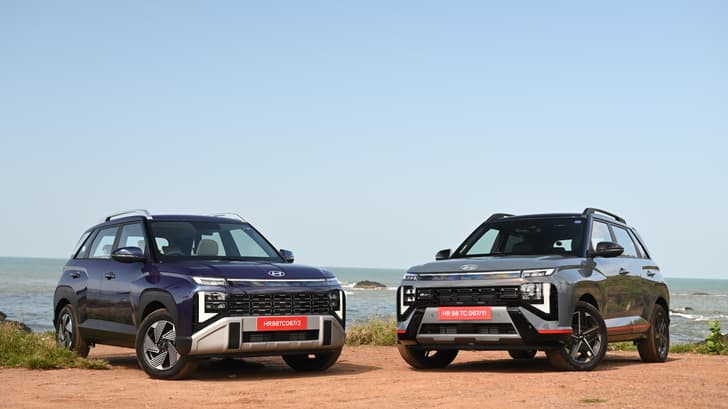
I’m confused about whether to buy the Creta EV or the Creta petrol. My monthly usage is hardly 1,000km, and I plan to keep the car for more than 10 years. Please suggest which would be the better choice for my usage.

 Hyundai CretaHyundai Creta Electric
Currently, I own a Kia Sonet Diesel Manual and Scorpio N diesel manual. I want to replace Scorpio N diesel manual with a mid-size SUV EV. So, I’m waiting for the Mahindra BE 07 since the XEV 9e is too big for my daily commute and the Mahindra BE 6 isn’t suitable for a family. I am replacing my Scorpio N because there’s too much traffic in the city, parking constraints, and that car is huge, and I want to drive something smaller for daily commute. My usage is 70% within city and 30% within highway.
Mahindra BE.07Mahindra BE 6 SporteqMahindra XEV 9eMahindra Scorpio NHyundai Creta ElectricI have been using an i20 for almost 14 years now, and I’m quite satisfied with its ownership experience and service quality. I’m now planning to upgrade to an EV, with a strict on-road budget of Rs 25 lakh. My monthly running would be around 850- 1,000 km, mostly within the city. Since my parents would accompany me on almost 40% of my trips, easy ingress and egress, along with a comfortable ride quality, are important to me. I’m looking for a reliable EV with good efficiency and a real-world range of 400+km. I have been considering the Creta Electric Executive LR and Smart LR, while some of my friends have suggested that I also look at the Mahindra BE 6. What would you recommend based on my requirements? I’d appreciate an expert opinion on which EV would be the better choice for me.
Hyundai Creta ElectricHyundai i20Kia Syros EVMahindra BE 6 SporteqI am looking to buy the top-spec Punch EV, but I am willing to wait for Hyundai's upcoming compact EV if it is priced in a similar bracket. Is it worth waiting, or is the Hyundai likely to exceed the Rs 15 lakh price bracket?
Tata Punch EVTata Nexon EVHyundai Creta ElectricKia Syros EVMahindra XUV 3XO EVI am buying a Creta EV, and the Hyundai dealership is offering an extended warranty covering the fourth and fifth years for Rs 50,000. This is significantly more expensive than the extended warranty for the ICE counterpart. I plan to keep the car for five years. It comes with a standard three-year warranty and an eight-year battery warranty. Should I go for the extended warranty, or should I skip it considering Hyundai's reliability?
Hyundai Creta Electric